This North Carolina Mountain Park Comes Alive With Migrating Songbirds Every September
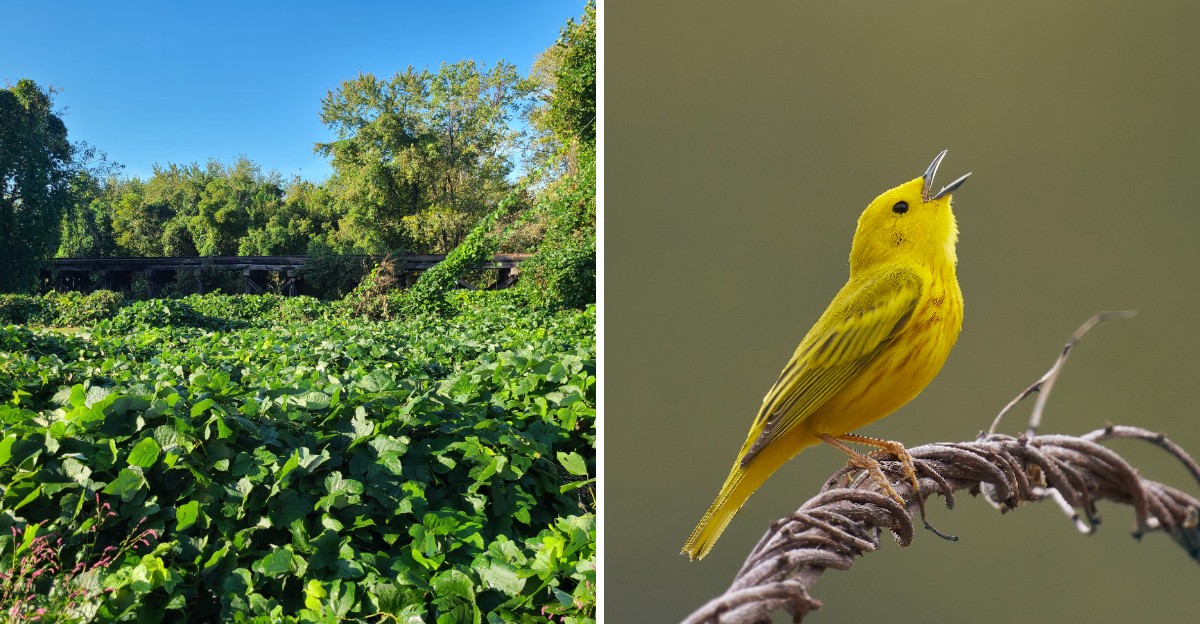
If you forgot the binoculars, prepare to spend breakfast arguing with yourself about whether that tiny blur had wings.
High in the trees of western North Carolina, a green space becomes a temporary layover for songbirds making an enormous trip south.
They stop just long enough to feed, rest, and vanish again before most people even realize they were there. That is what makes the morning feel like a secret.
One minute the canopy looks still.
The next, it flickers with movement and your neck is tilted back like you have been assigned bird duty.
You do not need to be an expert to enjoy it.
Just show up early, keep looking up, and let the trees do the surprising.
September Turns This Mountain Park Into A Songbird Superhighway
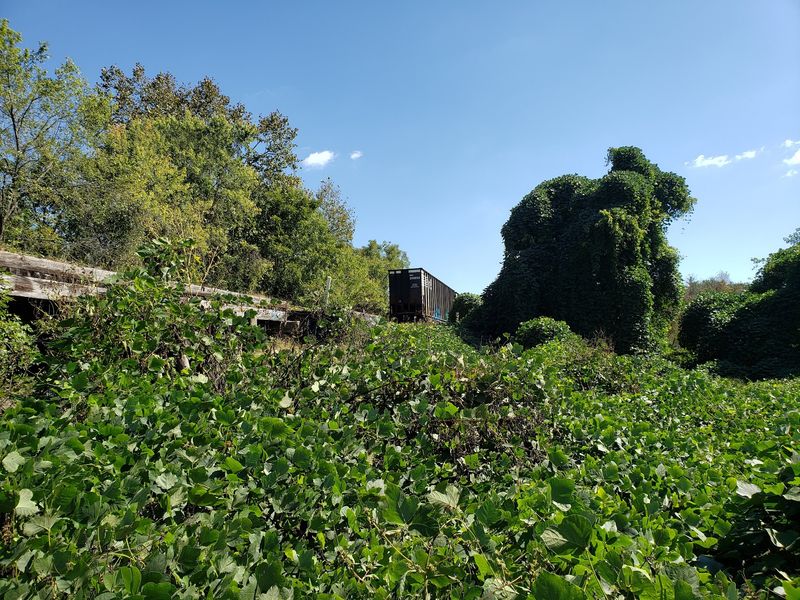
Autumn arrives quietly here, announced less by color than by movement.
Millions of small birds leave the northern forests at night, and many of them drop into the trees of this 220 acre green space at dawn, hungry and looking for cover.
Mixed hardwoods, pine stands, streamside thickets, and open meadows sit side by side, which is exactly why Jackson Park catches so many travelers at once. Mud Creek winds along the low ground, feeding the insect life that fuels birds before they continue south.
Parking is available around the park, and current county information lists an early-morning opening that works well for fall birding.
Birders tend to gather near the ball field lots and fan out from there. Bring shoes that handle damp grass and a light jacket for the shaded bottomland.
Sound carries well in cool morning air, so even without binoculars you will hear faint chip notes dropping from the canopy like scattered rain.
The park stays open until 9 pm, though the songbird show belongs to the first two hours of light.
As Many As 23 Warbler Species Have Been Spotted Here In A Single Day
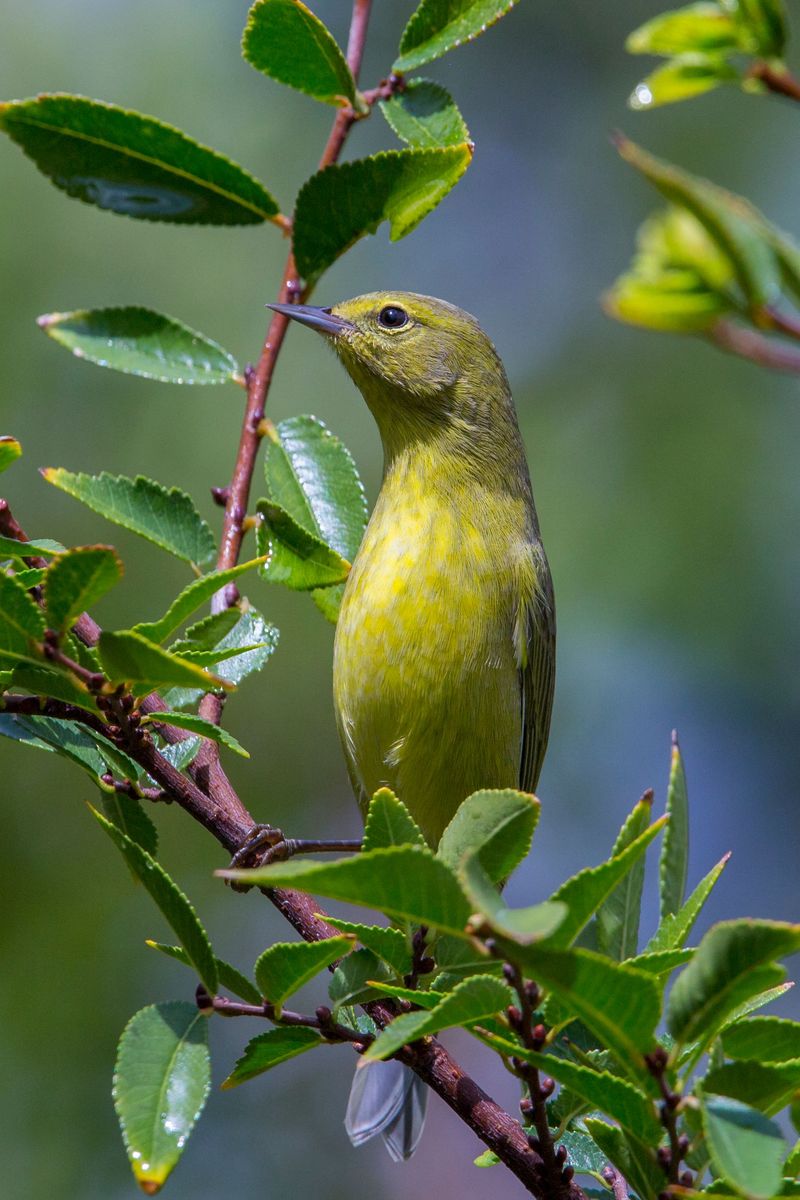
Twenty three warbler species in one morning sounds like a birder’s tall tale, yet that number has been logged inside these woods on a strong September day.
For context, 39 warbler species occur east of the Mississippi River, and 36 of them have been recorded passing through this park.
Numbers like that explain the quiet excitement in the parking area at sunrise. Birders arrive with notebooks and worn field guides, comparing notes about which pocket of trees held the most movement the day before.
Warblers travel in loose mixed flocks, so activity comes in waves.
One minute the canopy looks empty, then a chickadee flock rolls through and suddenly there are yellow throats, white wing bars, and flicking tails in every direction.
Patience pays better than speed.
Standing still near a sunlit woodland edge where insects gather often produces closer views than walking fast, since warblers feed constantly and will work their way toward you.
Keep a pocket notebook handy.
Even a rough tally of what you see adds to decades of community records that made this modest county park famous among birders along the eastern flyway.
You can find the entrance on the east side of Hendersonville in North Carolina, at 801 4th Ave E.
Follow The Warbler Trail When Fall Migration Really Starts Moving
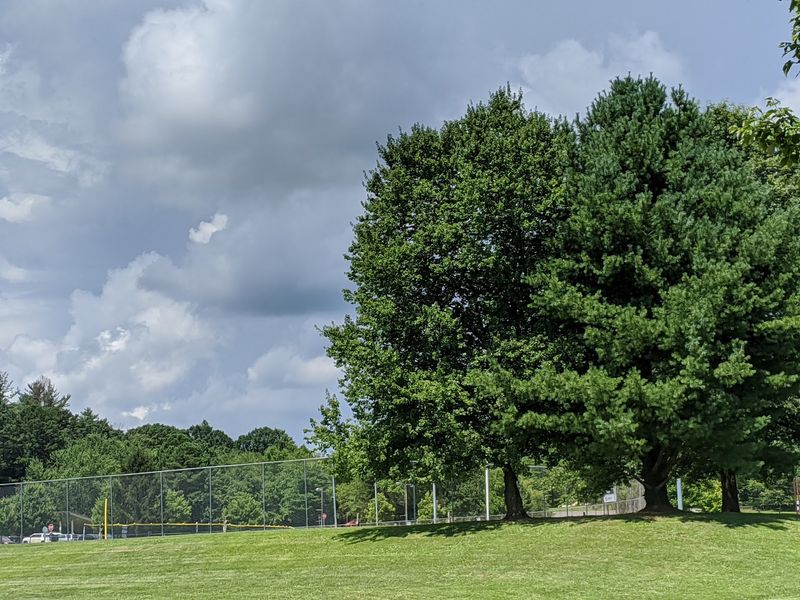
A narrow footpath threads through the low, damp bottomland where trees grow thick and tangled.
Roughly three quarters of a mile long, the Warbler Trail earns its name by running straight through the habitat migrants favor most. Timing matters more than gear.
Movement builds from mid August, peaks through September, and tapers off in early October, so a walk during the middle stretch gives you the best odds.
Birds arrive overnight and land hungry. That is why the first hour after sunrise crackles with activity, with small shapes darting between leaves, pausing to snatch caterpillars and gnats before dropping lower toward water.
Walk slowly, maybe fifty steps at a time, then stop and listen.
Wet leaves muffle footsteps, and the dim light under the canopy makes binoculars with good low light performance genuinely useful.
Dress for dew and mud. The trail surface stays soft after rain, and morning fog often hangs above the creek until the sun climbs over the ridgeline.
Afternoons turn noticeably quiet, so save the trail for early hours and spend the rest of the day wandering Hendersonville’s Main Street shops and bakeries.
Early September Can Bring Two Especially Sought-After Warblers Through The Trees
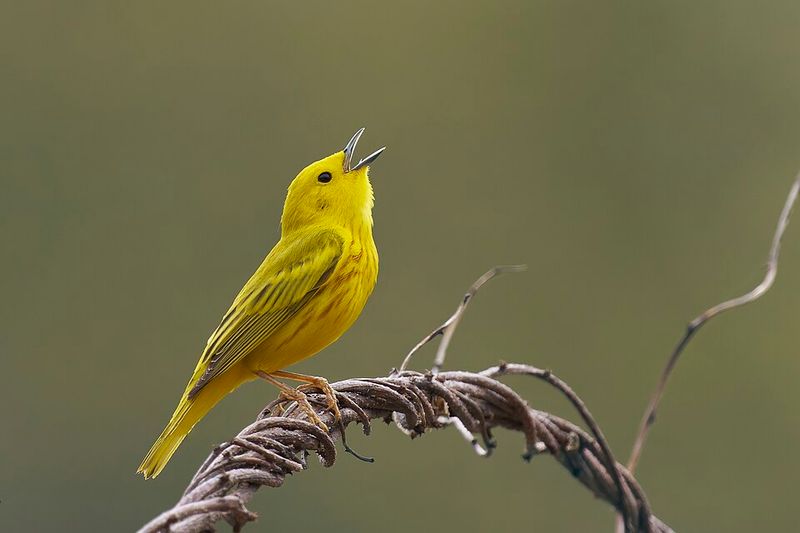
Two names make birders set an early alarm in the first week of September: Blue-winged Warbler and Golden-winged Warbler.
Both move through in small numbers, and both reward anyone willing to scan mid level branches carefully.
The Blue-winged shows a clean yellow body and a thin dark line through the eye.
Golden-winged birds look grayer, marked with gold on the crown and wing, and their faces carry a bold black and white pattern that stands out once you spot it. A supporting cast keeps the woods busy.
Chestnut-sided Warblers appear in good numbers, and American Redstarts fan their tails to flush insects, flashing orange patches that catch the light like sparks.
Early September also brings the Yellow-bellied Flycatcher, a small, retiring bird that perches quietly in shaded understory and is easy to walk right past.
Here is a practical trick: watch the sunny edges of the woods where insects rise first.
Look for movement rather than color, since warblers in fall wear softer, duller plumage than the bright coats they carry north in spring.
Ten still minutes in one good spot often beats an hour of hiking.
Keep Looking Up Because Thrushes And Vireos Join The Migration Rush Too
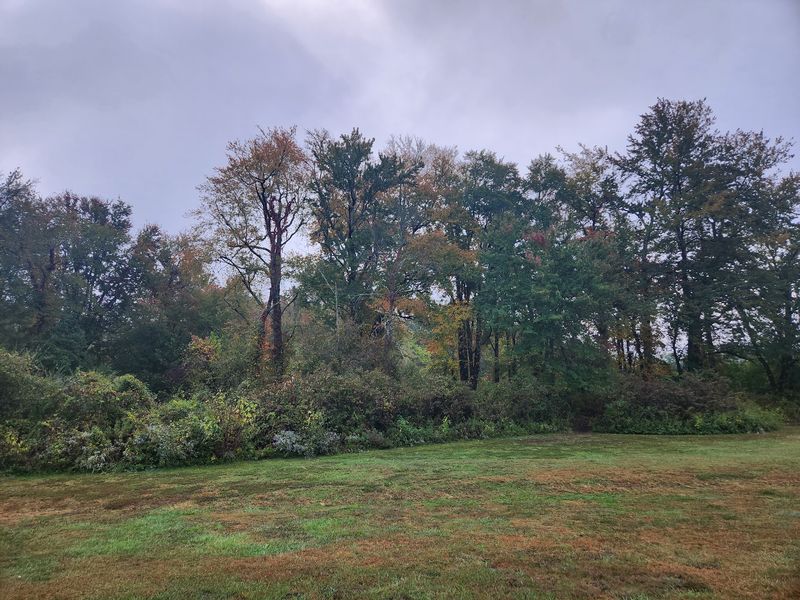
Warblers grab the headlines, but the understory holds quieter travelers.
Thrushes such as Swainson’s Thrush and Wood Thrush slip through in September, feeding on berries and flipping leaves for insects near the forest floor.
Their voices are worth learning.
During fall migration, Swainson’s Thrushes often reveal themselves with soft call notes, while Wood Thrushes move quietly through forest habitat on their way south. Vireos add another layer to the morning.
Philadelphia Vireos are expected around mid September, and Warbling, Red-eyed, White-eyed, and Yellow-throated Vireos all turn up, working branches with slower, more deliberate movements than warblers.
Because vireos move less frantically, they make excellent practice birds for anyone new to fall identification in the mountains of North Carolina.
Focus on the eye stripe, the shape of the bill, and the unhurried pace of feeding.
Scan at different heights instead of staring at one level.
Thrushes stay low, vireos favor middle and upper branches, and a slow sweep from ground to treetop often reveals three or four species while your feet never move.
This Quiet Hendersonville Park Has Recorded Nearly Every Eastern Migrating Songbird
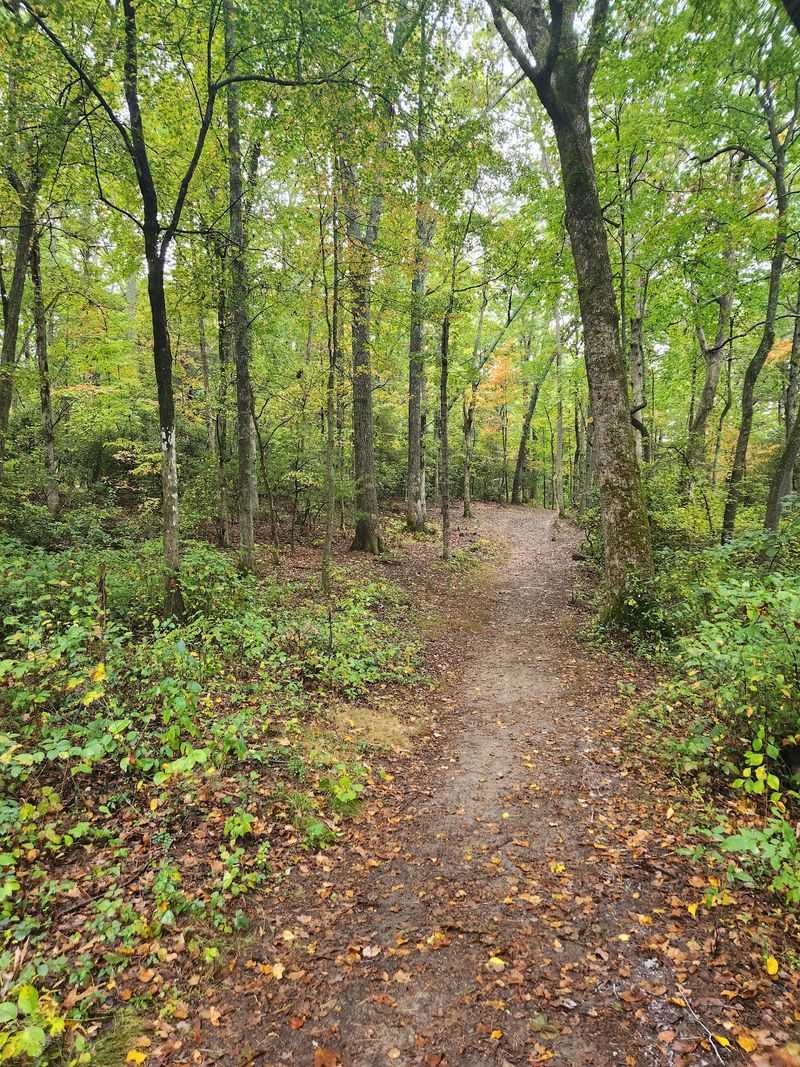
Few public parks in the region carry a bird list this deep.
Decades of careful observation by Carolina Bird Club members and local birders have filled notebooks with nearly every songbird that migrates through the eastern half of the continent.
Habitat explains the record.
Wet bottomland, creek channels, brushy edges, mowed fields, and mature trees all sit within a short walk of one another, which means birds with very different needs each find something useful.
Ball fields and playgrounds hum with weekend activity, yet the wooded sections stay hushed.
Step off the pavement and the soundtrack shifts to running water, rustling leaves, and thin flight calls passing overhead. Real conservation value comes with that quiet.
Migrants need safe places to rest and refuel, and this park in western North Carolina works as a dependable stopover along a journey that may end in Central or South America.
Visitors help simply by staying on the paths, keeping voices low in the woods, and leashing dogs.
Small courtesies keep birds feeding instead of fleeing, which makes the next person’s morning better as well.
Mid-September Is When Birders Really Start Watching The Woodland Canopy

By the middle of the month the sky becomes as interesting as the trees.
Broad-winged Hawks gather in swirling groups called kettles, riding warm updrafts in wide circles before streaming south in long, ragged lines. Canopy watching hits its stride at the same time.
Species variety peaks, and a patient observer standing in one productive clearing can build a long list without walking far.
Neck strain is real, so bring a plan.
Lean against a post, settle on a bench, or carry a lightweight folding chair, and let your eyes rest between bursts of activity. Weather shapes everything.
A cool night with a light north breeze usually drops fresh birds into the park, while warm, still nights tend to produce slower mornings.
Look for silhouettes along leaf edges.
Fall foliage has not fully turned yet, so birds hide easily, and a quick read of shape and behavior often names a bird faster than waiting for perfect color.
Midday brings a lull.
Use it for a picnic at one of the shaded tables, then come back for the softer light of late afternoon.
You Don’t Need A Mountain Hike To Catch One Of Western North Carolina’s Best Fall Birding Shows
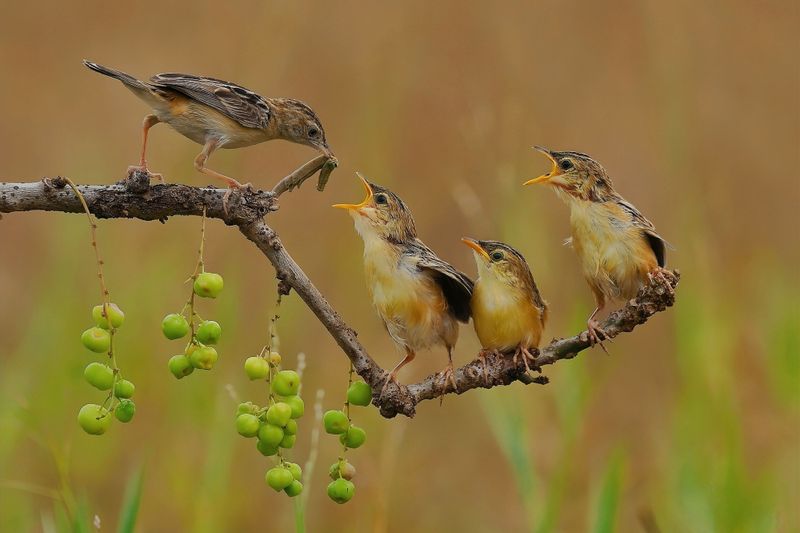
Great birding usually demands elevation gain and switchbacks, which makes this place a pleasant exception.
Level paths, easy grades, and short loops mean the show comes to you. The Nature Trail and the Warbler Trail together cover the best habitat, and both stay walkable for families, older visitors, and anyone hauling a camera and tripod.
Part of the Oklawaha Greenway runs through the property, adding a paved option for smoother footing. Amenities make a long morning comfortable.
Restrooms, picnic tables, and shaded pavilions sit near the parking areas, and the accessible playground gives younger family members something to do once their patience for binoculars runs thin.
Current county information lists the park as opening early each day, making a morning migration visit easy to plan.
Admission is free, which is hard to beat for a morning of world class migration watching.
Pack light: binoculars, water, a field guide or phone app, and a snack for later.
Then walk slowly, listen often, and let the birds set the pace of your September morning in the mountains.