This North Carolina Museum Is Filled With Aluminum Christmas Trees That Look Straight Out Of 1960
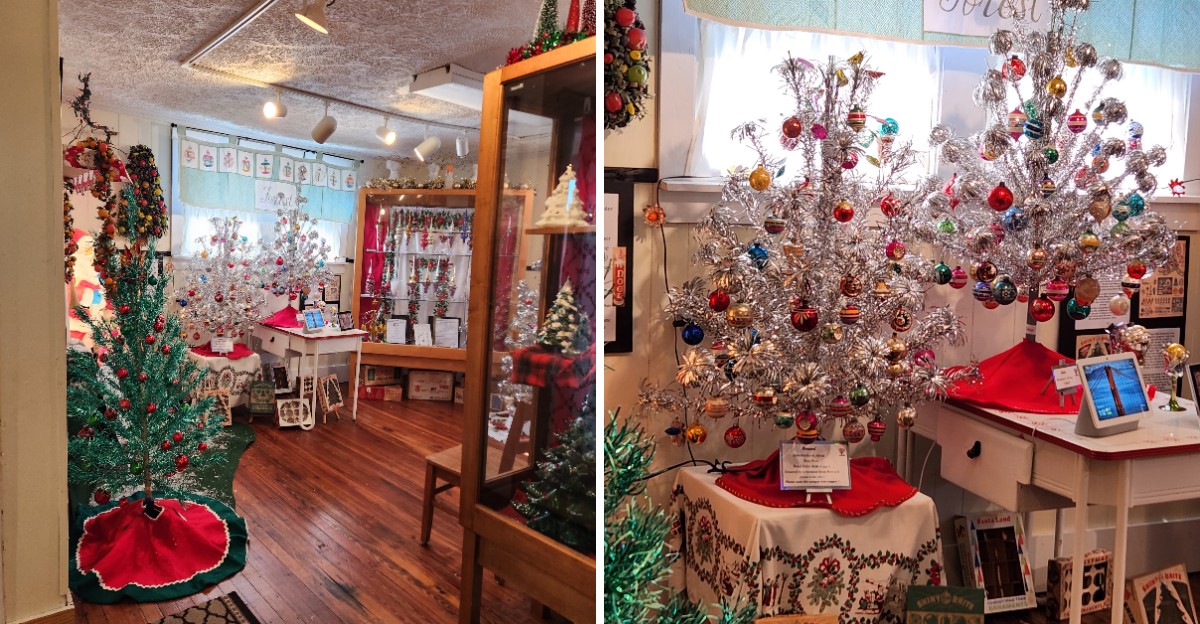
Ho ho ho, now this is a Christmas museum after my own heart.
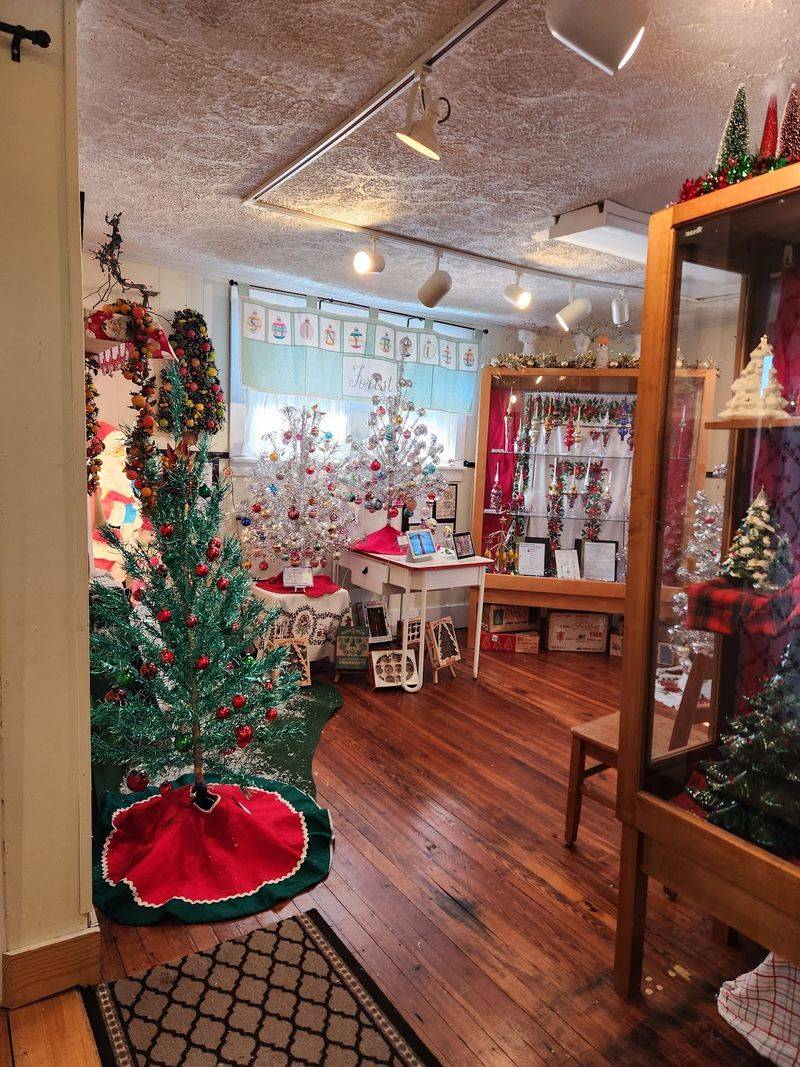
More than two dozen vintage aluminum trees glow inside one little North Carolina museum, and those rotating color wheels make the silver branches change shades like Christmas disco magic.
I have seen plenty of trees in my day, but these are wonderfully strange.
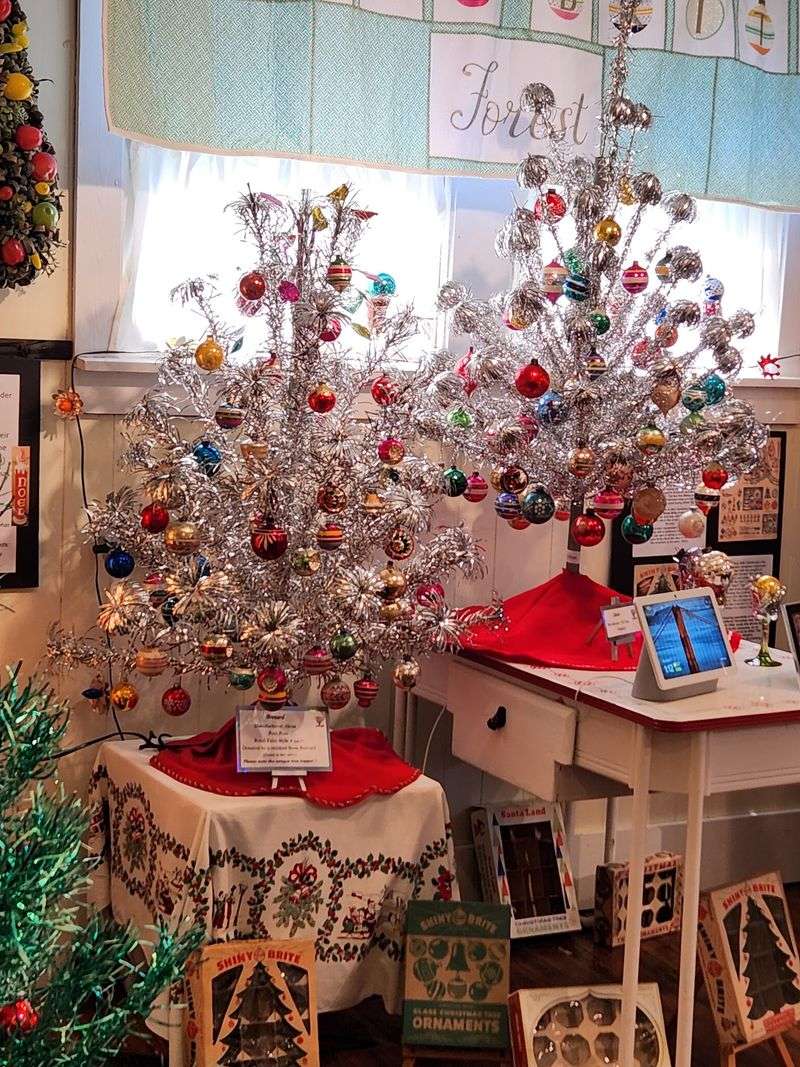
The sparkle keeps going in a Shiny Brite Forest filled with more than 400 classic glass ornaments.
This season leans hard into the 1950s too, so subtlety has officially left the workshop.
Poodle skirts, Elvis touches, and shiny metal trees all share the same cheerful space.
Admission is free, which earns extra points in my book.
Now I want to know how these futuristic trees became wildly popular, then nearly disappeared before anyone could say ho ho ho.
A Silver Forest Spins Into Color Every Holiday Season
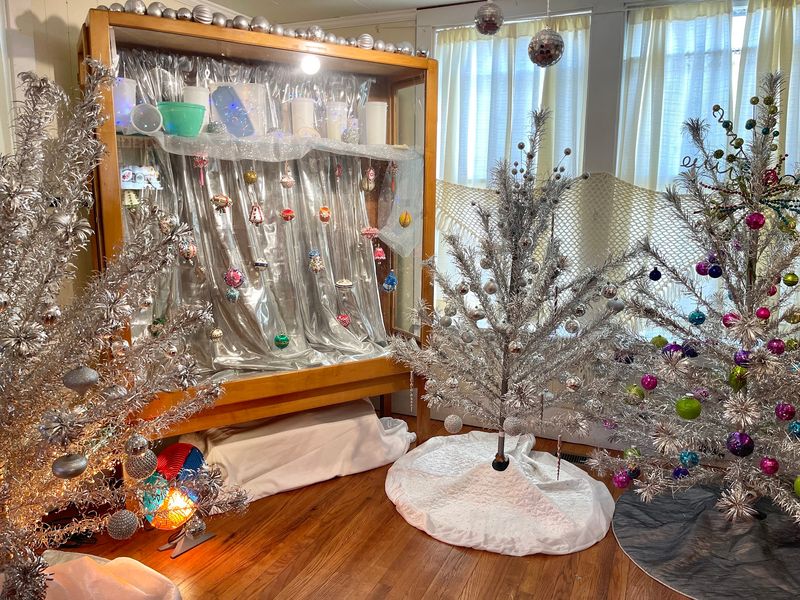
Silver branches catch the light from rotating color wheels at the Transylvania Heritage Museum in Brevard. The effect is pure mid-century holiday magic, with trees shifting from blue to pink to green.
The annual exhibit goes by ATOM, short for Aluminum Tree and Ornament Museum. It pops up each winter inside the museum and features more than two dozen vintage aluminum trees.
That number matters, because these trees were never meant to hold lights. Metal branches and electric strings don’t mix well, so families used color wheels instead.
Those spinning lamps sat on the floor and bathed each tree in changing color.
The museum keeps that tradition alive, so you see the trees the way people did decades ago. It feels like stepping into a holiday photo from a family album.
Only this one moves and glows.
The current run lasts from November 14, 2026, through January 16, 2027. That window gives you time to plan around holiday chaos.
Bring your phone, because the shifting colors make every snapshot look different. You might leave with a dozen photos of the same tree.
Nobody will judge you for that.
Over 400 Shiny Brite Ornaments Make Up Their Own Little Forest
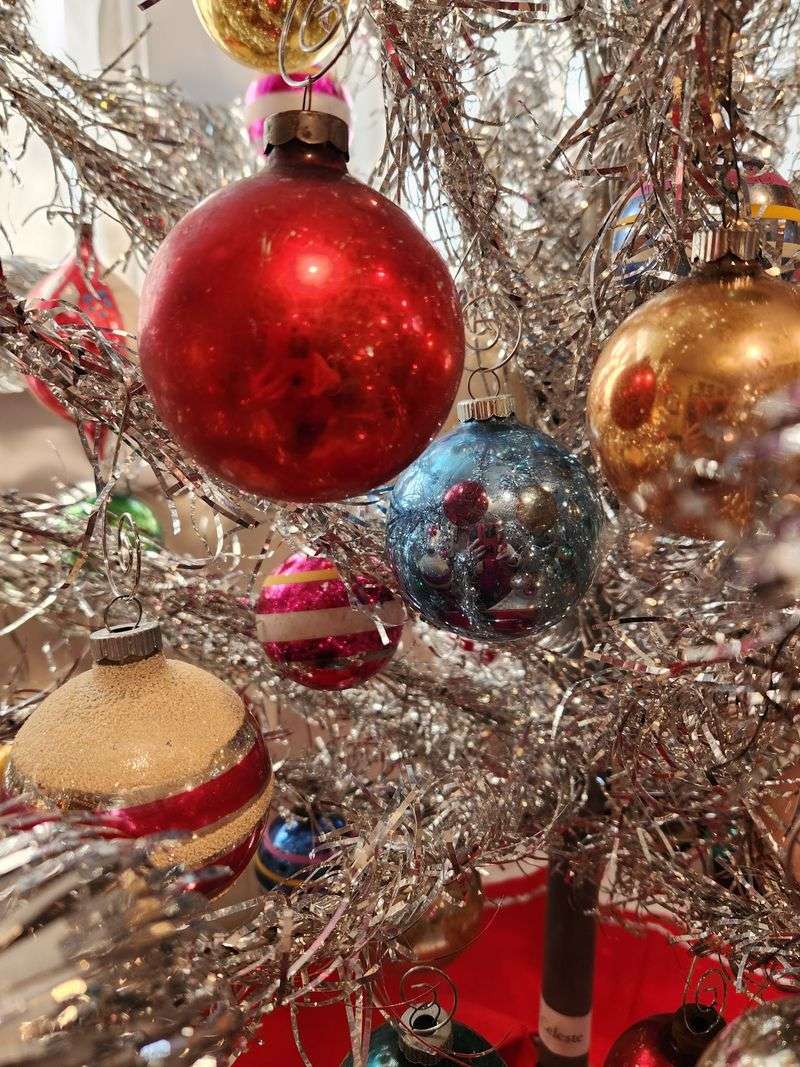
Four hundred glass ornaments in one spot sounds like a dare to anyone with clumsy elbows. Yet the museum pulls it off with its signature Shiny Brite Forest.
Shiny Brite ornaments were a fixture on American trees in the mid-twentieth century. Lots of families still have a few tucked away in a cardboard box.
Seeing hundreds together turns a small memory into a full-blown wall of color.
The forest gives the exhibit a different texture from the bare silver trees. Instead of light bouncing off foil, you get round glass in reds, greens, golds, and blues.
It’s a nice change of pace as you move through the rooms.
Grandparents tend to get the most out of this part. Those ornaments might match the ones they hung as kids.
That makes it a great spot to ask family stories.
Kids, meanwhile, get a crash course in what holiday decor looked like before plastic took over. Show them how fragile the old glass is.
Then remind them why your current ornaments are mostly unbreakable.
Look closely at the designs and patterns. Each one feels like a tiny piece of history.
The Fifties Are Back, Poodle Skirts And All
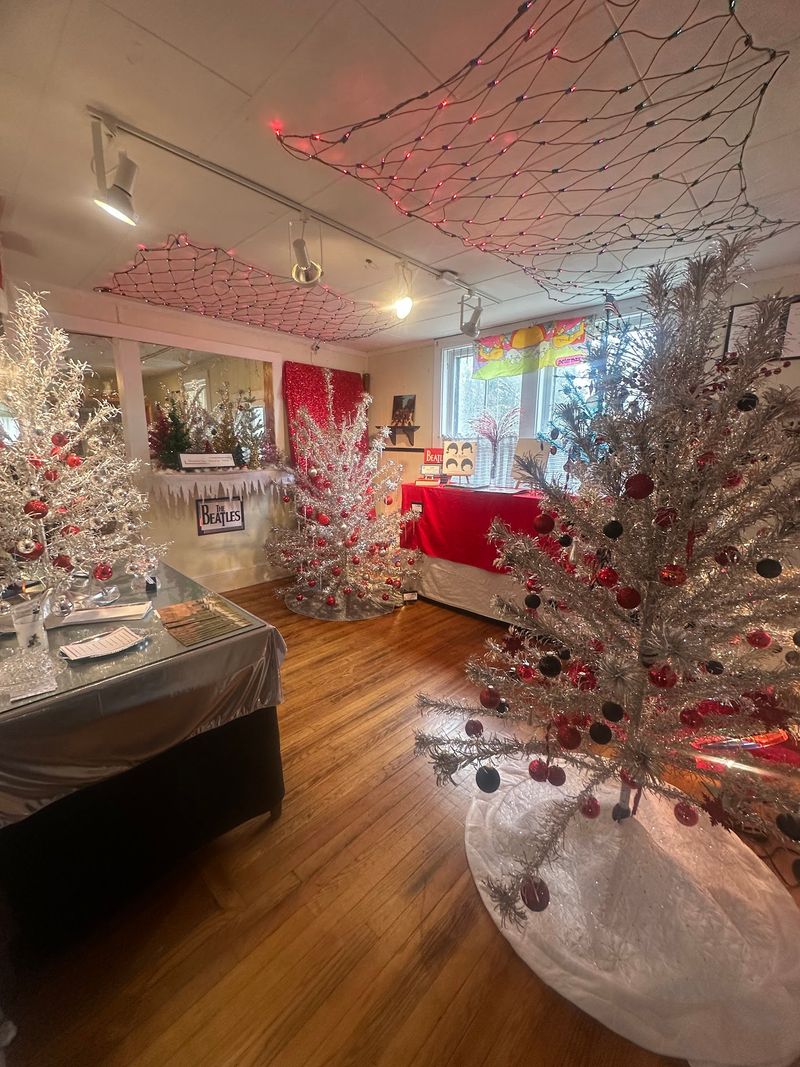
Rock and roll energy isn’t something most history museums promise. This season, though, the ATOM exhibit rolls out a theme called The Fun and Fabulous Fifties.
The theme celebrates the atomic-age roots of these metallic trees. You’ll spot nods to mid-century modern style, poodle skirts, and Elvis.
It’s a playful way to frame the decade that dreamed up silver Christmas trees.
Why the fifties? Aluminum trees came out of an era obsessed with progress, space, and anything that looked futuristic.
A tree that never dropped needles felt very modern back then.
The themed touches help younger visitors understand that mood. Without context, a foil tree might just look odd.
With jukebox vibes around it, it suddenly makes sense.
The museum changes its theme each season, so the look you see this winter is a one-time deal. That keeps return visits fresh.
It also gives you a good excuse to come back next year.
Consider wearing something retro for your visit. Cat-eye glasses or a cuffed pair of jeans would fit right in.
You won’t be required to dance, but nobody’s stopping you.
Blame Charlie Brown For The Big Aluminum Tree Crash
One beloved cartoon special became closely associated with the sudden decline of a once-popular holiday trend. A Charlie Brown Christmas aired in 1965 and poked fun at shiny artificial trees.
The show painted them as symbols of holiday commercialism. Charlie Brown picked a scrawny real tree instead, and the country noticed.
Within a few years, many aluminum trees landed at yard sales and thrift shops.
Before that, the trees were a huge hit. Over 40 companies across the USA, Canada, and Australia made millions of them.
Production ran from the late 1950s to the early 1970s.
The exhibit at the Transylvania Heritage Museum walks you through that rise and fall. It’s a fun lesson in how fast tastes can change.
One TV moment, and the coolest decor in America became yesterday’s news.
Here’s the happy twist. In recent decades, these glitzy relics made a comeback as symbols of retro cool.
Collectors now hunt for them with real passion.
So when you stand among these trees, you’re looking at a comeback story. That makes them feel a little like underdogs.
Charlie Brown might even approve.
A Gastonia Thread Mill Became An Ornament Giant
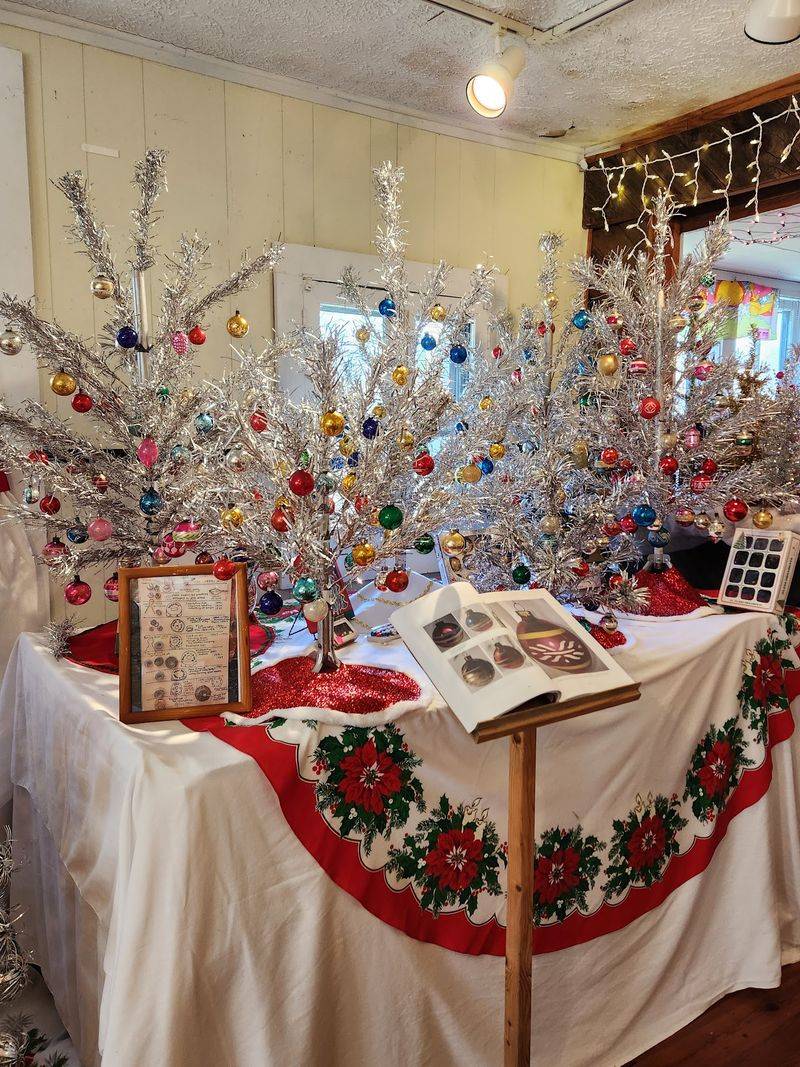
North Carolina has a surprising connection to the ornaments on millions of trees. The exhibit shares the story of Marshall Rauch and his satin ball ornaments.
Rauch’s satin balls helped turn a Gastonia thread mill into the world’s largest ornament maker. That’s a big leap for a business built on thread.
It shows how one fresh idea can reshape a company.
Satin ornaments were lighter and tougher than glass. They suited busy households and curious kids who liked to touch everything.
You’ve probably seen a few on a relative’s tree without knowing their origin.
I love that a holiday exhibit in the mountains highlights a story from another corner of the state. It ties the sparkle to real people and real jobs.
History feels closer when it happened just a few hours away.
Take a moment to read the panels on this part. They add depth to what might look like simple decorations.
A shiny ball suddenly has a backstory.
You might even go home and check your own ornament box. A satin ball or two could be hiding in there.
Now you’ll know where it might have come from.
Plenty Of Mountain History Waits Beyond The Tinsel
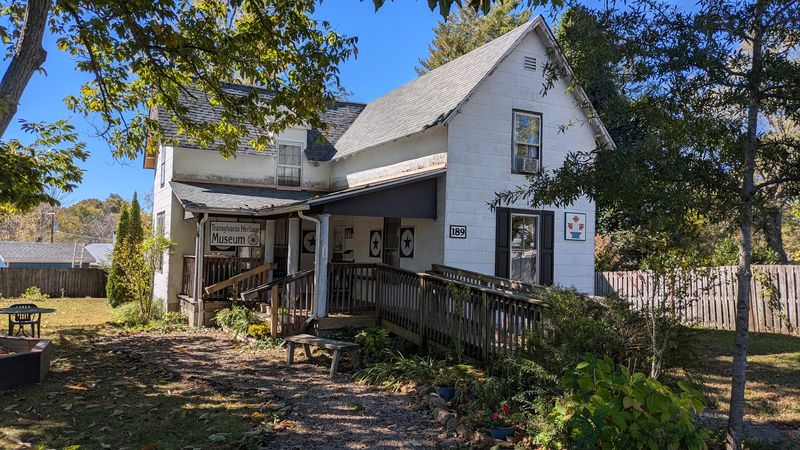
Trees get the spotlight in winter, but the museum’s real job runs all year. The Transylvania Heritage Museum works to protect and preserve the heritage of Transylvania County.
Exhibits feature heirlooms, artifacts, and vintage photographs from the area. One example is Mountain Legacies: Exploring Appalachian Culture.
It offers a closer look at what makes this region of North Carolina unique.
The museum became a nonprofit in 2007. In 2010, it moved into the Harry Patton House, built around 1900.
The old home makes a fitting setting for local stories.
Exhibits rotate twice a year. That means a spring visit and a winter visit can feel like two different museums.
Locals have a solid reason to keep stopping by.
The space is cozy, with just a handful of rooms. You can see a lot in under an hour, though readers who love every placard may linger longer.
Pace yourself and enjoy the details.
Families with kids will appreciate the manageable size. Nobody gets worn out before the good stuff.
That’s a rare win for any museum trip.
Your Family Tree Might Be Waiting Upstairs
Not every tree in this building is made of aluminum. Upstairs, a Genealogy Research Room helps visitors trace a very different kind of family tree.
The room is open to members of the Transylvania Genealogical Society. It’s also open to the general public, which is a nice bonus.
The upstairs research room has been open to the public as well as society members, though visitors should confirm current access with museum staff.
Genealogy can feel overwhelming online, with endless records and confusing websites. A dedicated local space narrows the search.
That helps when your roots run through this corner of the mountains.
Bring whatever you already know before you go. Names, birth years, and old towns all help.
Even a faded family photo with a note on the back could be useful.
The research room shows how the museum treats history as something living. Artifacts tell part of the story.
People and their family connections tell the rest.
Pair a holiday tree visit with a quick look upstairs. It might spark a new family project for the winter.
Few souvenirs beat discovering a great-great-grandparent’s name.
Downtown Brevard Becomes A History Lesson On Foot
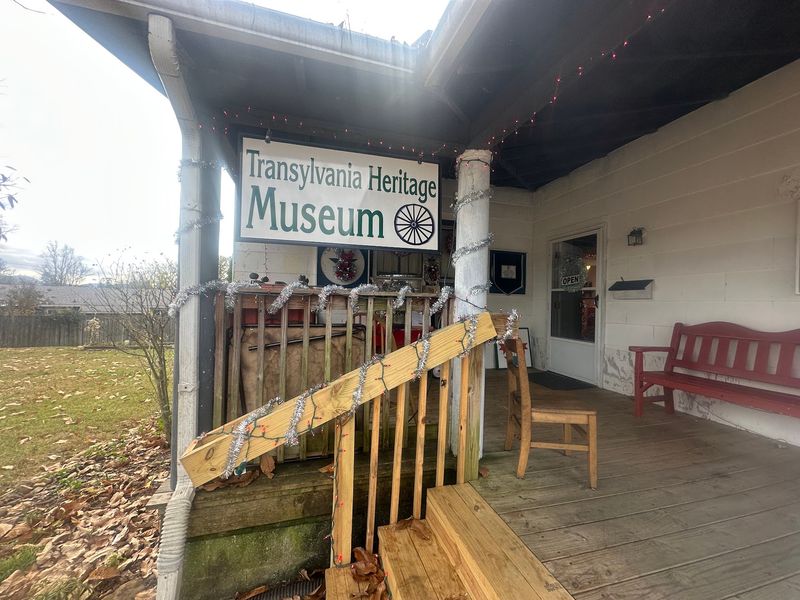
History here doesn’t stay indoors. The museum offers guided walking tours of Brevard, including outings arranged upon request for groups of four or more.
These tours explore the town’s architecture and cultural past. Groups of four or more can request a tour at other times.
Children under 10 can join the walking tours for free when accompanied by a paying adult.
Want to go further? Behind the Scenes walking tours last about an hour and a half.
They visit parts of historic buildings that usually stay closed to the public.
Those special tours cap at eight people. Small groups mean more chances to ask questions.
It’s the kind of outing that makes you see familiar streets in a new way.
Plan ahead if you’re visiting during the warmer months. Weekend slots can fill up, so reaching out early is smart.
Comfortable shoes are a must, of course.
The museum itself sits at 189 W Main St, Brevard, NC 28712. It’s close to the post office, set back a bit from the road.
Keep your eyes open, because it’s easy to drive past on the first try.
Free Admission And A Gift Shop Make Planning Easy
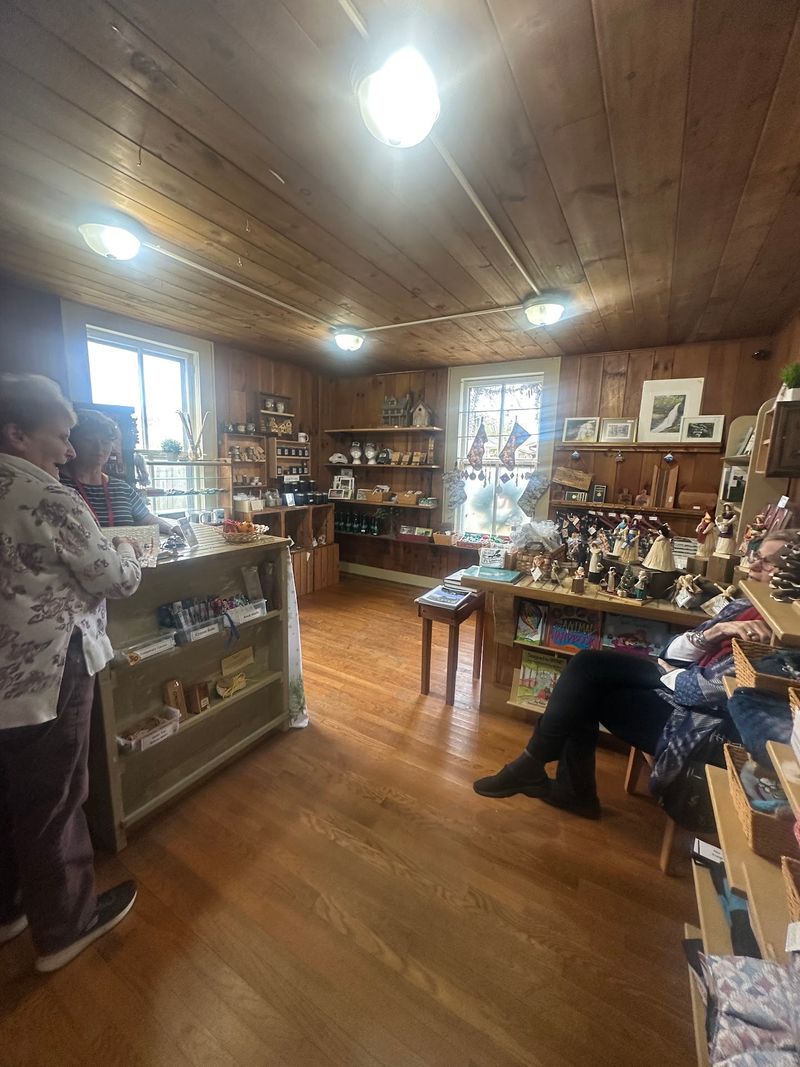
Free is a beautiful word, especially during the spendy holiday season. Admission to the Transylvania Heritage Museum costs nothing, though donations are gladly accepted.
Hours run Thursday through Saturday, from noon to 4 p.m. The main season stretches from March through mid-January.
Check ahead around holidays, since schedules can shift.
Parking sits right next to the museum, which makes things simple. There’s also a ramp at the front entrance.
That helps anyone using a wheelchair or pushing a stroller.
Before leaving, browse Heritage Gifts, the shop inside the museum. It carries local crafts, music, and books.
Purchases help fund exhibits and educational programs.
A locally made item makes a thoughtful gift for someone who has everything. A book on county history works too.
Either way, your money stays in the community.
The museum also oversees the Second Floor House Museum at Silvermont, on East Main Street. That space opens seasonally from mid-March through September.
Add both to your list, and Brevard becomes a full day of North Carolina history with a side of sparkle.