This North Carolina Mushroom Farm Lets Visitors Tour A Mushroom-Shaped House And See Fresh Fungi Picked
Mushrooms are already suspicious little geniuses, and this Western North Carolina farm absolutely leans into it.
In Mills River, a quirky mushroom experience turns curious visitors into full-blown fungi fans faster than expected.
Tiny mushroom-house energy, earthy smells, and surprisingly passionate mushroom talk make the whole place feel delightfully unhinged in the best way.
Nobody leaves without suddenly inspecting random tree logs like they might contain treasure.
The Farm Behind The Magic
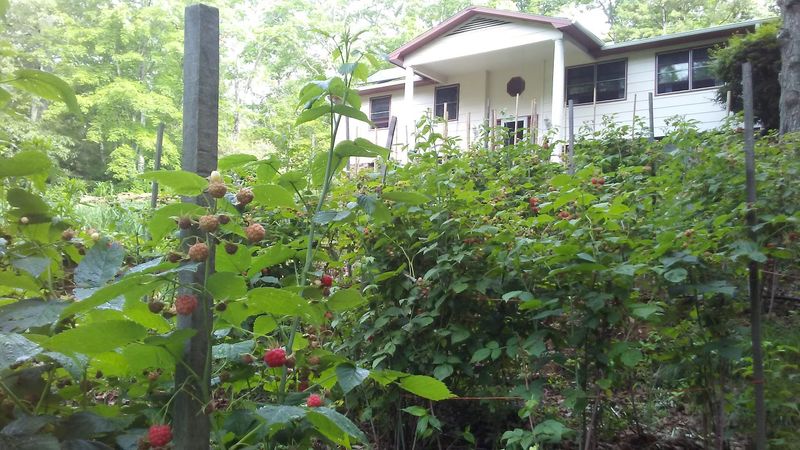
Farming looks delightfully different at Deep Woods Mushrooms, where the main crop does not need sunny fields or tidy vegetable rows to impress anyone. Set at 70 Deep Woods Road in Mills River, this Western North Carolina operation focuses on fungiculture, education, foraging, and sustainable mushroom cultivation.
Agritourism World describes Deep Woods Mushrooms as a fungiculture and education center dedicated to edible and medicinal mushrooms, wild edible mushroom identification, and teaching people how to incorporate mushroom cultivation into their own properties. Visitors are not just walking past a display and nodding politely.
They are stepping into a working farm where logs, shade, moisture, timing, and patience all matter. The setting gives the experience a woodland feel that matches the subject perfectly, because mushrooms always seem more interesting when they are doing mysterious mushroom business in the shadows.
Farm tours, classes, and workshops help turn the place into something more than a roadside stop. Deep Woods Mushrooms feels like a hands-on lesson disguised as a quirky countryside adventure.
Your Mushroom Guide
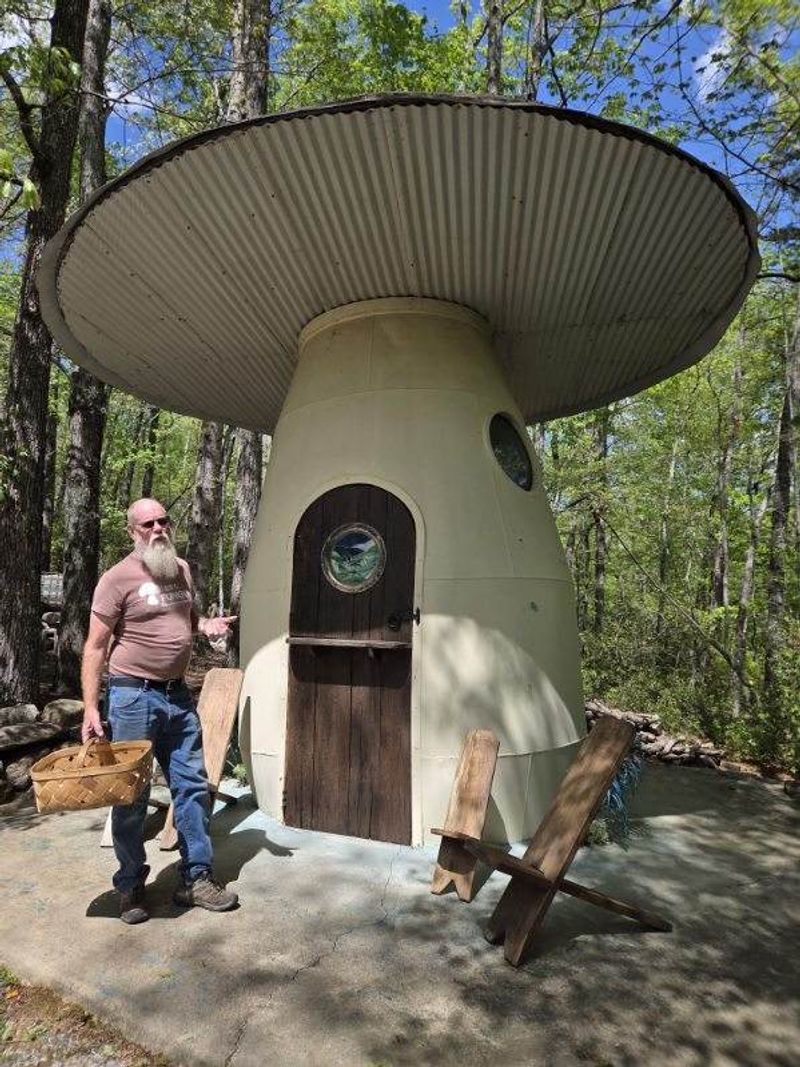
Greg Carter gives Deep Woods Mushrooms much of its character, which matters because mushrooms can get confusing very quickly without the right guide. Regional coverage has reported that Carter has been cultivating mushrooms since 2006 and that Deep Woods Mushrooms shifted more heavily toward agritourism after restaurant demand changed during the pandemic period.
His background makes the farm feel personal instead of scripted. Guests learn from someone who has spent years working with logs, spores, growing conditions, harvest cycles, and Western North Carolina’s unusually rich fungal landscape.
Carter’s tours and classes cover practical cultivation, foraging awareness, and the bigger role mushrooms play in local ecosystems. The combination gives beginners enough context to stay interested while still offering substance for people who already know a little about fungi.
Instead of making the topic feel stiff, he turns mushroom talk into something lively, funny, and surprisingly addictive. By the end, visitors may start looking at every damp log with suspicious new respect.
Farm Tours Worth Booking
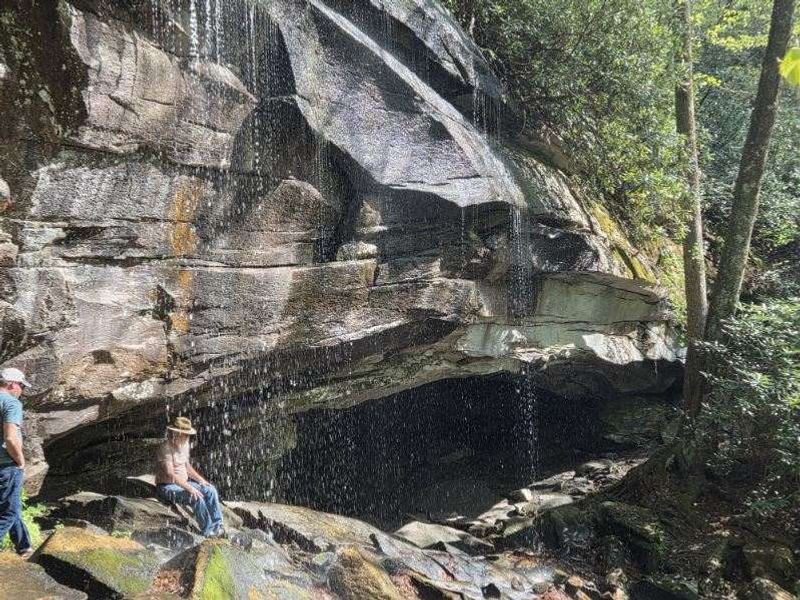
Walking through Deep Woods Mushrooms can make people realize mushrooms are not just ingredients waiting in a grocery-store carton. The farm-tour experience takes guests through a working mushroom operation in the Mills River area, showing how logs move from preparation to fruiting, picking, and packing shiitake mushrooms for market.
Tours may also cover mushrooms such as Reishi, Lion’s Mane, and Wine-Cap Stropharia, depending on what is growing or in season. Guests get a clearer sense of how controlled cultivation works while also learning why wild mushroom identification requires care.
Reservations are the safest approach, since local tourism listings note that tours require advance booking. Families, curious food lovers, gardeners, and foraging beginners can all find a way into the subject without feeling lost.
The tour turns a humble log row into something unexpectedly fascinating. A shaded farm path suddenly becomes a classroom, a science lesson, and a mushroom treasure hunt all at once.
The Mushroom-Shaped House On The Property
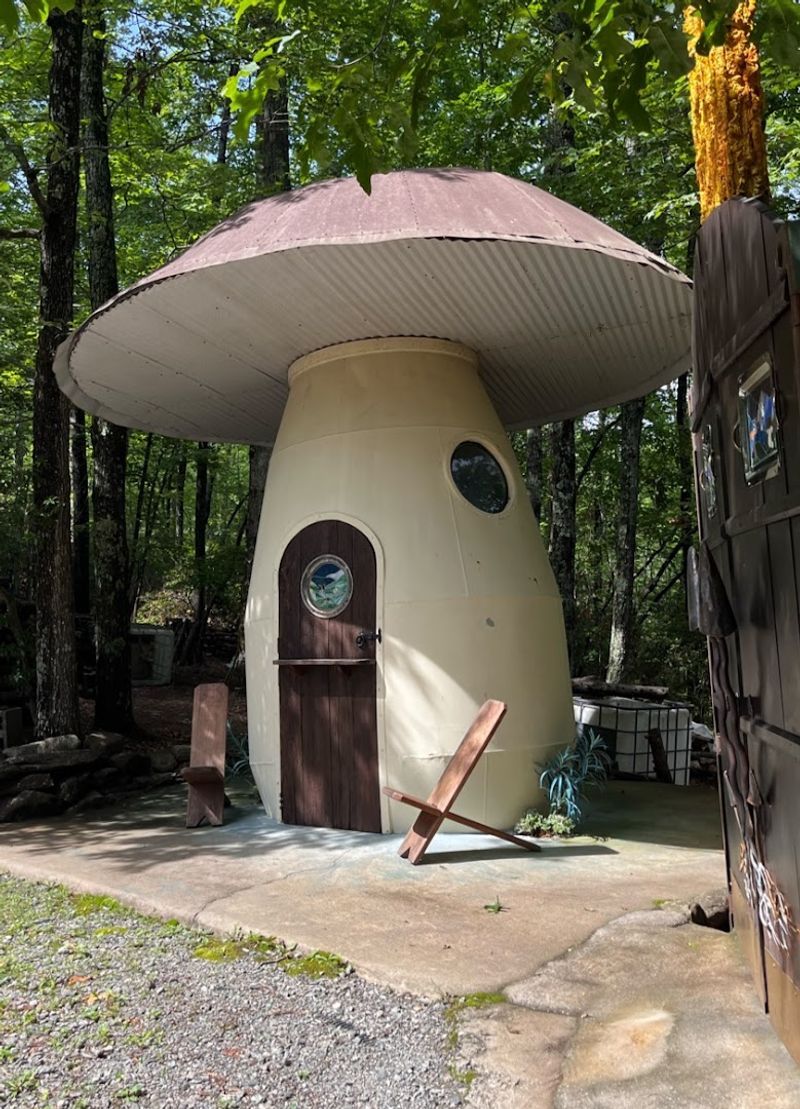
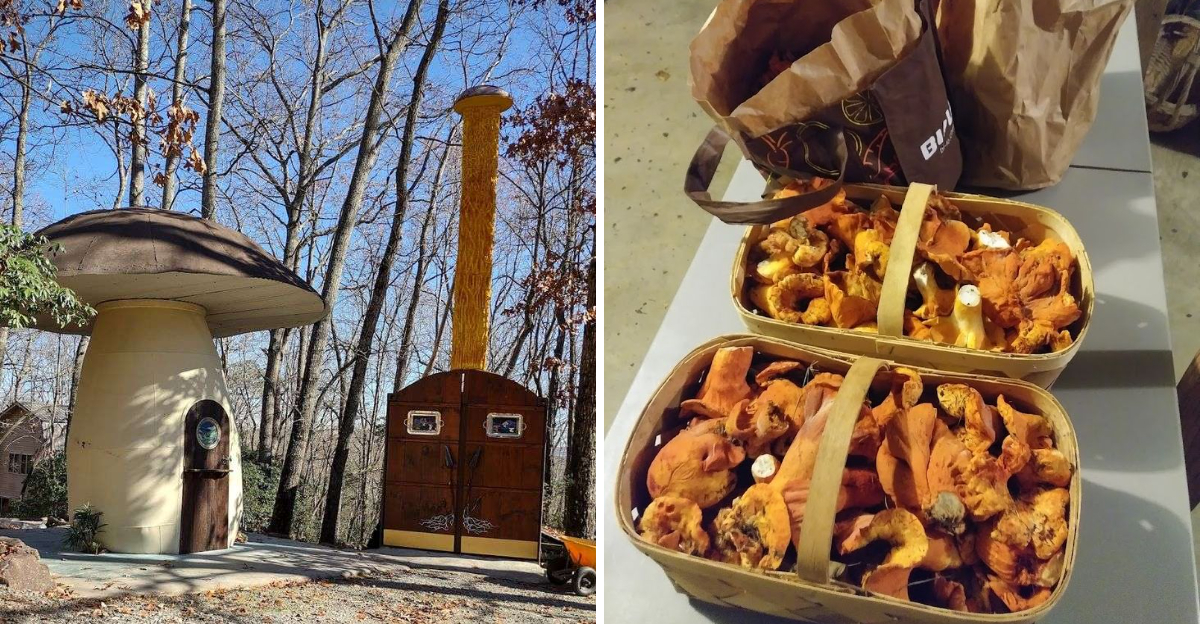
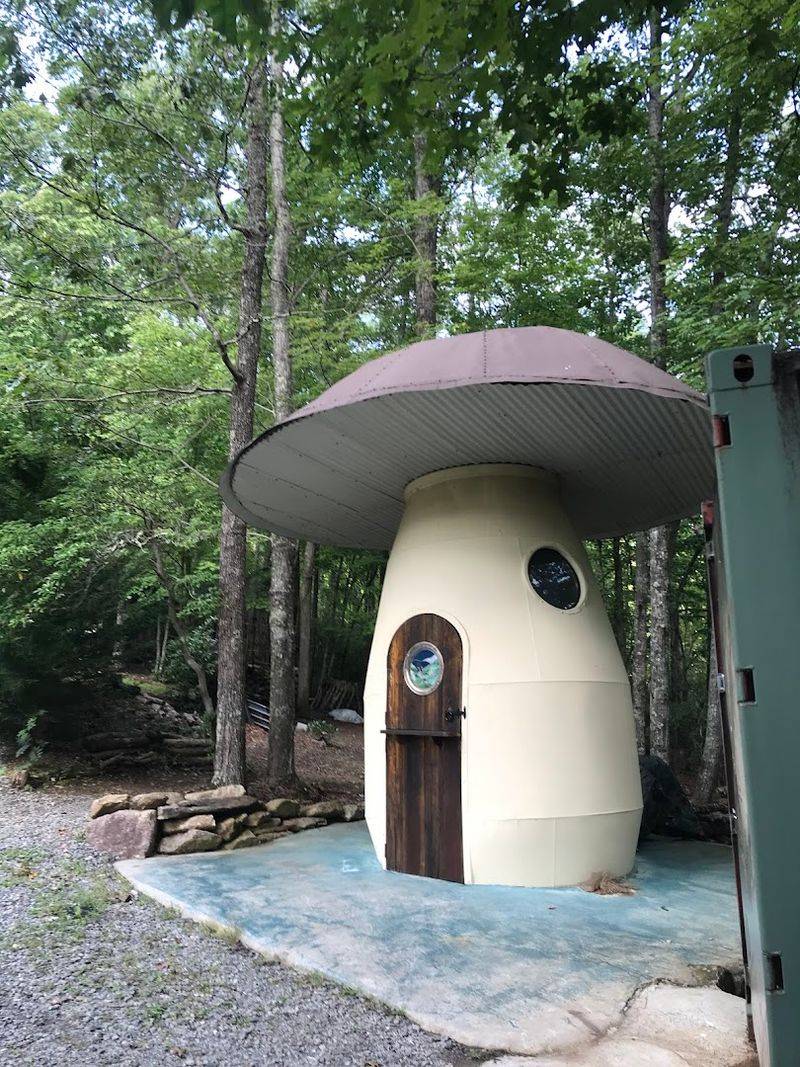
Whimsical details help Deep Woods Mushrooms feel less like a standard farm visit and more like a place built by someone fully committed to the fungi bit. The mushroom-shaped feature on the property fits the farm’s playful mood, giving guests a visual moment that feels right at home beside log rows, shaded growing spaces, and all the earthy science happening nearby.
Verified public materials focus most strongly on tours, classes, foraging, inoculation, and harvesting, so the smartest wording treats the mushroom-shaped house as part of the farm’s quirky charm rather than a guaranteed separate interior attraction. Confirmed visitor experiences remain centered on education, mushroom cultivation, harvesting, and wild mushroom hikes.
Still, the visual whimsy matters. Younger visitors especially tend to respond to places that feel slightly storybook, and this farm has that energy without becoming gimmicky.
Mushroom education can be serious, but Deep Woods Mushrooms keeps enough playfulness around the edges to make learning feel wonderfully strange.
Fresh Fungi Picked Right Before Your Eyes
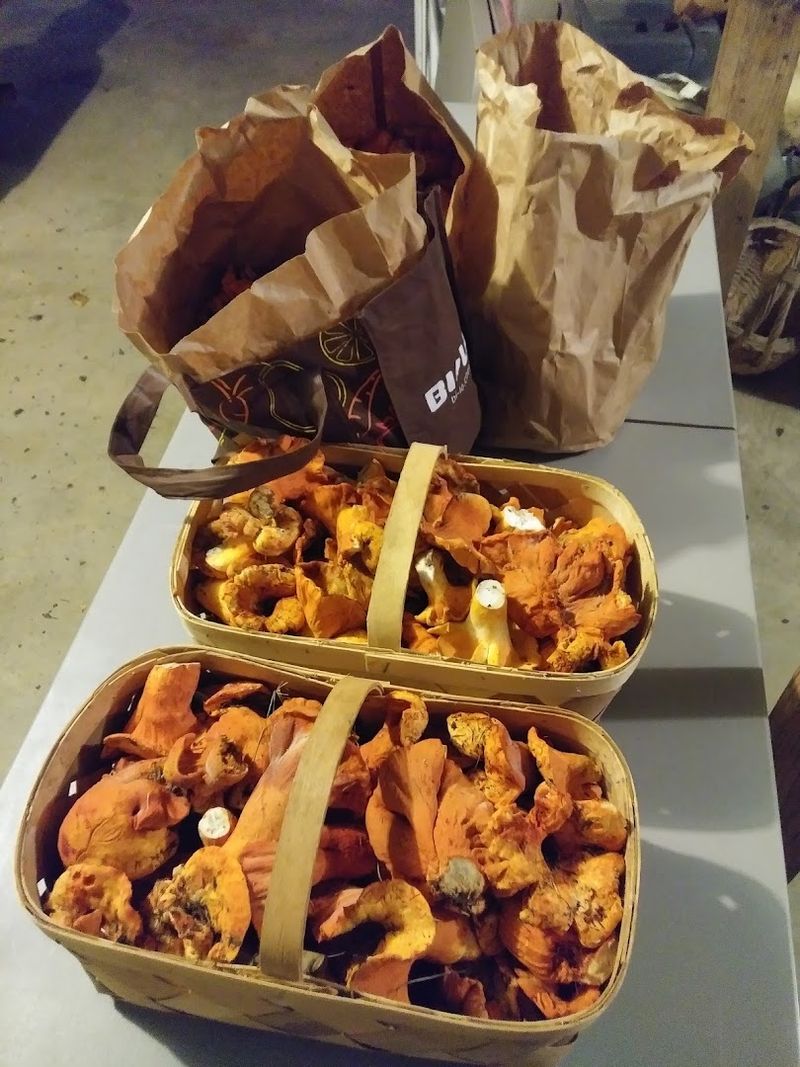
Freshness becomes much more convincing when visitors can see where the mushrooms actually grow. Deep Woods Mushrooms’ farm-tour experience shows logs at different stages, from preparation and fruiting to picking and packing shiitake mushrooms for market.
Depending on season and growing conditions, guests may also learn about Reishi, Lion’s Mane, Wine-Cap Stropharia, and other varieties connected to the farm’s work. Close access turns mushrooms from a mysterious produce-section purchase into something with texture, timing, and visible effort behind it.
The experience works especially well because mushrooms do not behave like more familiar crops. They appear in clusters, emerge from logs, respond to moisture and shade, and look a little like they are sneaking into existence.
Watching the process up close makes the final flavor feel more meaningful. Western North Carolina’s climate and forested character add to the sense that this farm belongs exactly where it is.
Fresh fungi picked from a log feels about as far from a supermarket carton as lunch can get.
Hands-On Classes And Educational Events
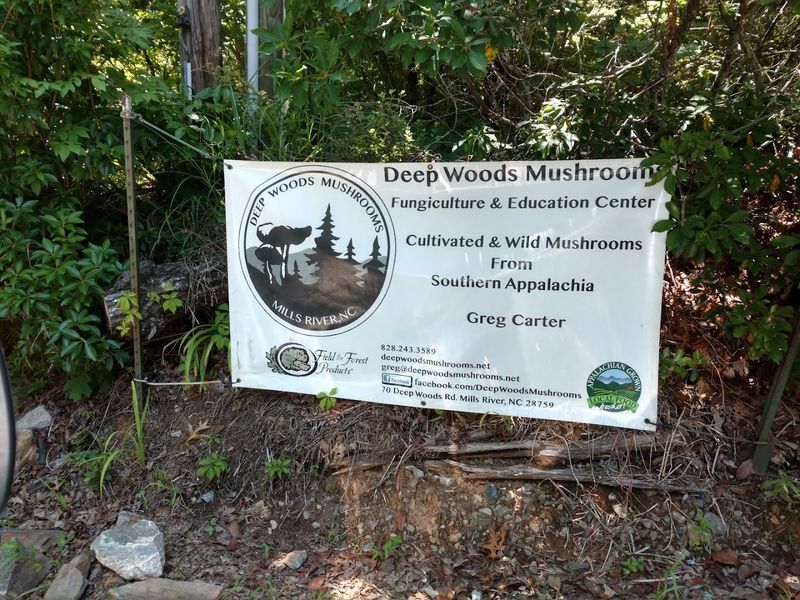
Learning sticks better when people get their hands involved, and Deep Woods Mushrooms builds much of its appeal around practical instruction. The farm hosts educational events focused on mushroom cultivation, harvesting, inoculation, and wild mushroom awareness, giving visitors a useful path beyond simple sightseeing.
Inoculation workshops, farm tours, and foraging experiences can help guests understand how logs are prepared, how mushrooms fruit, and why safe identification takes more than a quick glance. These programs make the experience useful beyond a single fun afternoon.
Gardeners can learn how log cultivation works, curious cooks can understand why different mushrooms behave differently, and nature lovers can begin building safer identification habits with expert guidance. The workshops also fit the region’s broader interest in homesteading, permaculture, local food, and forest ecology.
Instead of leaving with only photos, participants may leave with enough knowledge to start asking smarter questions about their own yards, woods, or growing setups. Deep Woods Mushrooms becomes genuinely practical once the lesson leaves the farm with you.
Wild Edible Mushroom Hunts In The Forest
Foraging sounds romantic until someone realizes the woods are full of look-alikes with very different consequences. Deep Woods Mushrooms approaches wild mushroom hunting through education, which is exactly how this subject should be handled.
The farm offers hikes and lessons focused on wild harvesting and identification, giving guests a safer way to understand what grows in Western North Carolina forests. Regional mushroom coverage has described Greg Carter’s outings as small-group learning experiences that include identification guidance and continued support after hunts.
Careful teaching matters because safe foraging depends on habitat, season, structure, texture, scent, spore traits, and expert confirmation, not wishful thinking. Western North Carolina’s forests are incredibly biodiverse, which makes the hunt exciting and humbling at the same time.
A guided experience turns that biodiversity into something guests can read more intelligently. Nobody should leave thinking every pretty mushroom belongs in a pan.
Wonder is the goal, but caution deserves a permanent seat at the table.
Planning Your Visit To Deep Woods Mushrooms
Smart planning keeps a trip to Deep Woods Mushrooms from turning into a “we probably should have called first” situation. Public listings place the farm at 70 Deep Woods Road, Mills River, NC 28759, with the phone number 828-243-3589, and local tourism listings note that reservations are required for tours.
The farm promotes tours, wild mushroom hunts, cultivation classes, workshops, and educational events, so visitors should choose the experience that fits their curiosity level before arriving. Comfortable closed-toe shoes are a smart choice because the setting involves a working farm, uneven ground, wooded areas, and outdoor learning.
Anyone interested in a class or hunt should check the current calendar directly through Deep Woods Mushrooms, since offerings can depend on season, weather, and availability. Mills River also sits close to Asheville, Hendersonville, Pisgah-area outings, and local food stops, making the farm easy to fold into a larger Western North Carolina day trip.
Deep Woods Mushrooms rewards people who arrive curious, book ahead, and accept that fungi are far more interesting than they have any right to be.