This North Carolina Powwow Turns A Mountain Weekend Into A Powerful Celebration Of Cherokee Tradition
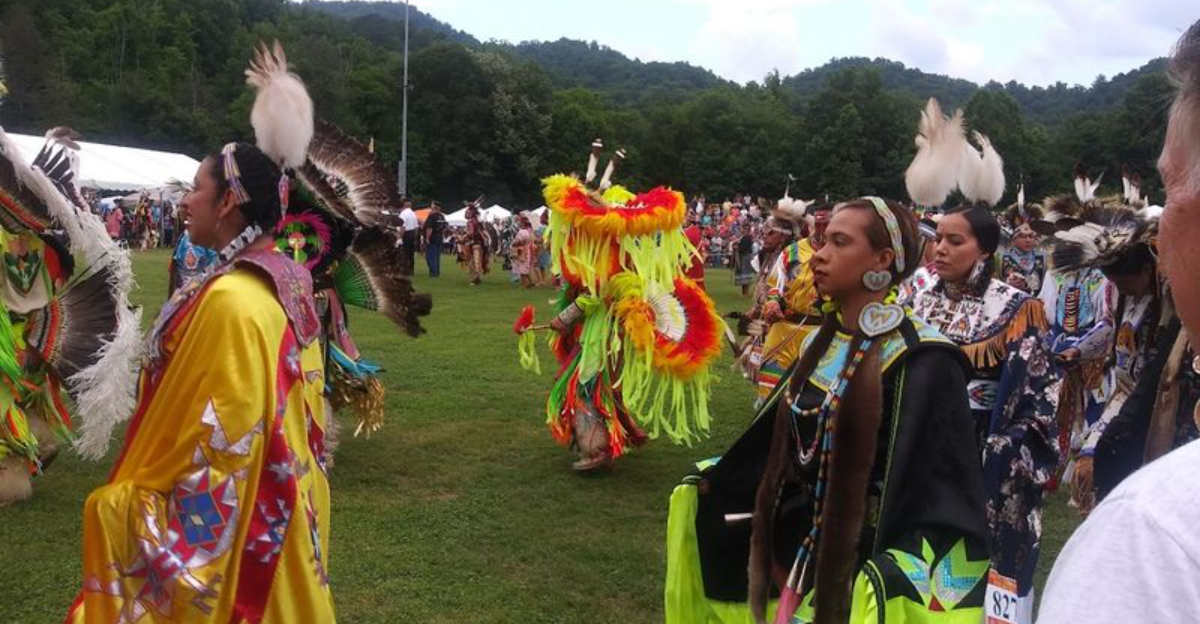
A gathering like this asks visitors to arrive with more than a camera.
It asks for attention, respect, and the willingness to understand that tradition is not something frozen in the past.
In Cherokee, this annual powwow gives people a chance to witness living culture carried forward through movement, sound, and community pride.
That is what makes it matter.
For the Eastern Band of Cherokee Indians, this is not simply a summer event added to a holiday weekend.
It is a powerful expression of identity on ancestral land in North Carolina, shared in a way that invites visitors to learn with humility.
People should come because experiences like this can widen the heart a little.
Show up respectfully, listen closely, and let the meaning lead the visit.
Feel The Weekend Begin With The Grand Entry
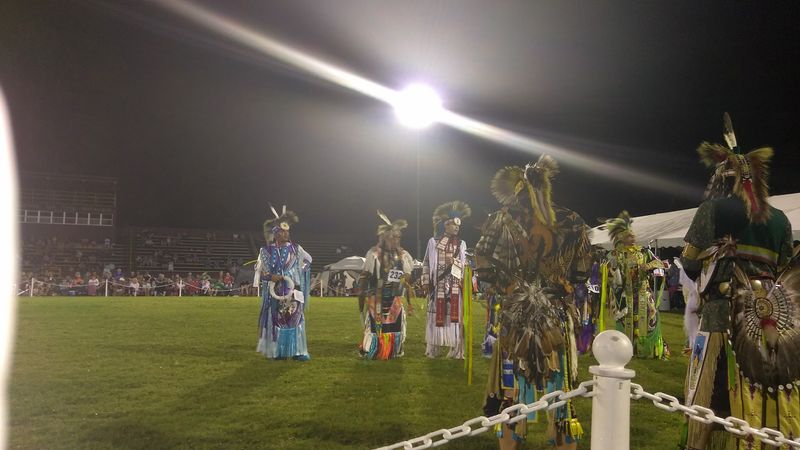
Stillness settles over the arena differently right before Grand Entry, as if everyone understands that the weekend is about to cross from gathering into ceremony.
Dancers, singers, honored guests, flags, families, and drum groups enter together, creating the moment that sets the tone for the powwow instead of simply opening the schedule.
Visit Cherokee describes Grand Entry as the ceremonial procession where dancers, singers, and honored guests enter the central arena. The 2026 event page lists official Grand Entry times across the July 3 to 5 weekend.
The Old Acquani Expo Center at 1501 Acquoni Road in Cherokee gives the procession a mountain setting that feels deeply connected to place without needing extra decoration.
Arriving early matters, not only for a better view but also for settling into the atmosphere before the arena fills with movement and sound. Phones should be silenced, conversations lowered, and attention given fully to what is happening.
Standing when others stand and following the lead of the emcee or community members shows basic respect. Grand Entry is not just a colorful beginning for outside visitors.
It is a public moment rooted in honor, identity, memory, and continuity. Watching it well means understanding that you are being allowed into a space with meaning already in motion.
Listen As Drums Carry Across The Mountain Arena
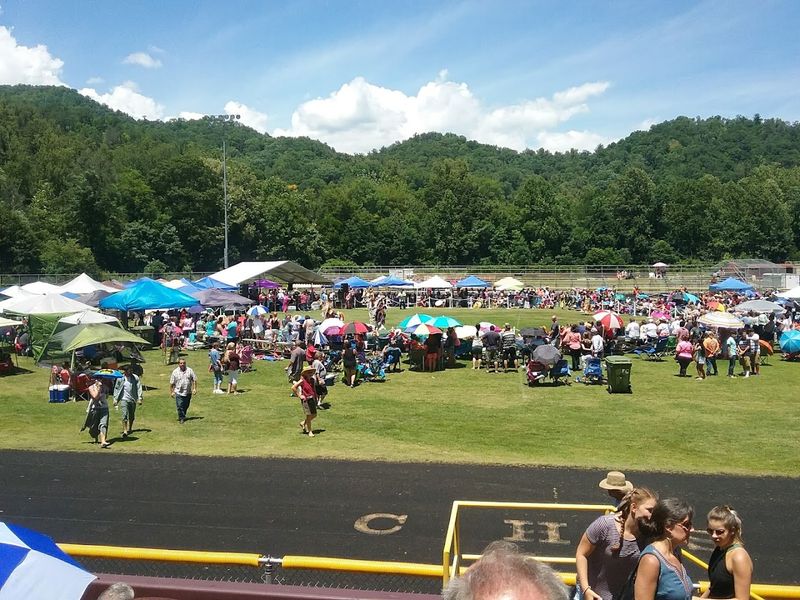
Sound reaches people before the eye can sort out everything happening in the arena. The drumbeat moves through the space with a force that feels physical, steady, and impossible to treat as background noise.
Visit Cherokee calls the drum the heartbeat of the powwow, explaining that drum groups keep the beat for dancers and contribute to the larger musical experience. That description makes sense once you hear it in person.
Each song shapes the arena differently, and the singers’ voices rise with a power that can feel both celebratory and deeply serious. Some visitors may not know the language, song structure, or specific purpose behind what they are hearing, but careful listening still changes the experience.
The music is not there to decorate the event. It carries the dancers, gathers attention, honors people, and helps hold the community together throughout the weekend.
Sitting close enough to feel the vibration can be unforgettable, though visitors should stay in public seating areas and respect boundaries around drum groups.
The Cherokee Expo Center setting adds another layer because the sound lives briefly inside the mountain air before fading back into the crowd.
A person can watch dozens of dances and still remember the first drumbeat most clearly. That is how strongly the weekend begins to speak.
Watch Dancers Bring Tradition Into Every Movement
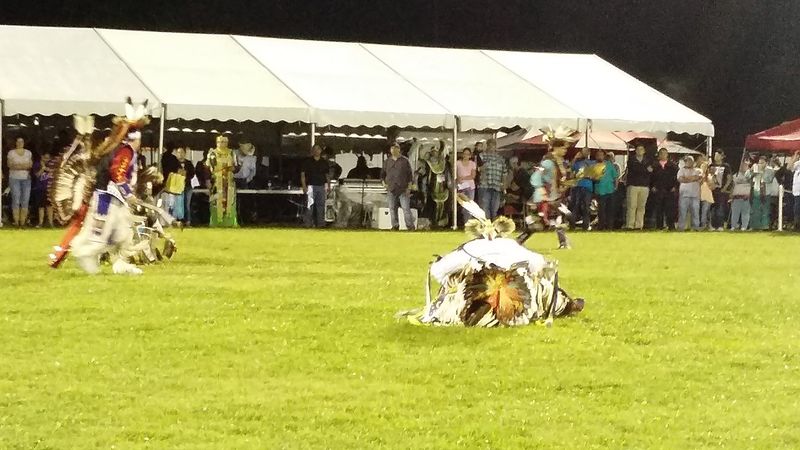
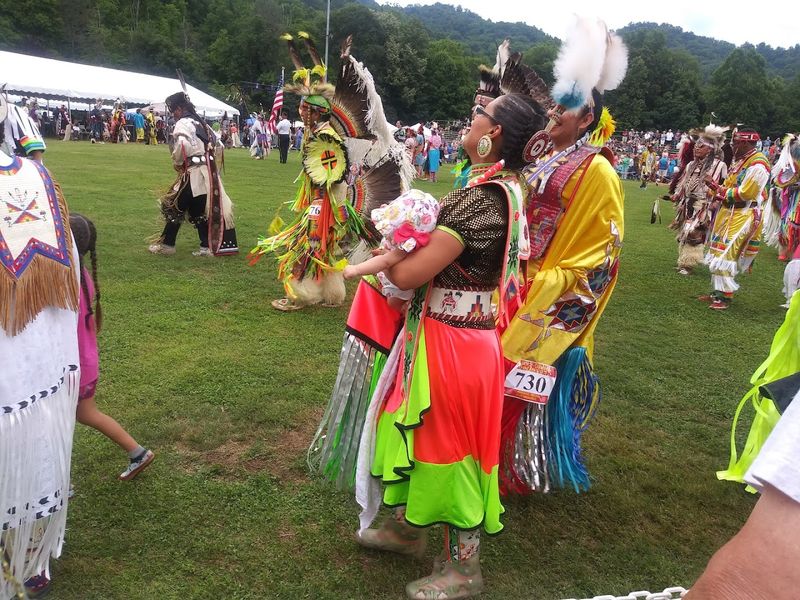
Movement at this powwow carries precision, personality, and inheritance all at once. Visit Cherokee’s annual powwow guide notes that dancers perform styles such as Traditional, Jingle, Grass, Chicken, Cloth, Buckskin, and Fancy, each with cultural and historical significance.
Those categories help first-time visitors understand why the arena never feels repetitive. Fancy dancers bring speed, athleticism, and dramatic visual motion.
Jingle dresses create sound as well as movement. Grass dancers have a flowing style that can look almost wind-shaped.
Traditional categories carry a different weight, with steps, posture, and regalia communicating meaning beyond simple performance. Competition adds intensity, but the best viewing comes from noticing details rather than only waiting for the loudest applause.
Footwork, timing, turns, beadwork, feathers, shawls, bells, and the relationship between dancers and drum all matter. Children’s divisions can be especially moving because they show how traditions continue through families, not just through formal instruction.
A young dancer entering the arena with focus and pride says more than a paragraph of explanation could. The 2026 powwow is also listed on PowWows.com with registration details and contest information, reinforcing that this is an active competitive gathering, not a staged cultural sampler.
Watching respectfully means appreciating skill while remembering that every step belongs to a living tradition.
Bring Respect For A Celebration With Deep Cultural Roots
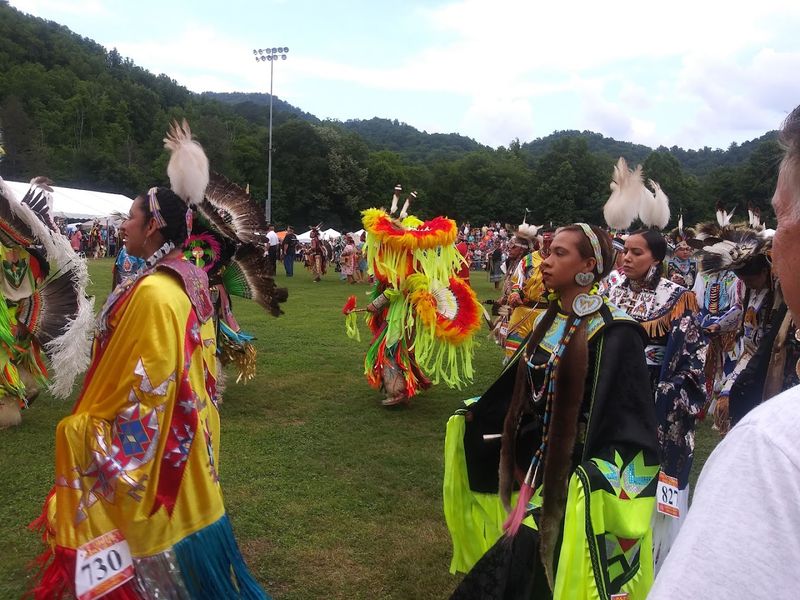
Respect is not an accessory here; it is the entry point. Powwows are public gatherings, and visitors are welcome, but that openness should never be mistaken for permission to treat the arena like a theme show.
Visit Cherokee describes the Annual Eastern Band Cherokee Powwow as a cultural celebration showcasing traditions from many Native American tribes and communities. The event features dance, drumming, regalia, arts, crafts, and Cherokee cuisine.
That means guests are entering a space shaped by community effort and deep cultural roots.
Simple choices matter. Listen to the emcee.
Do not step into the arena unless invited. Ask before photographing dancers, children, elders, or drum groups.
Avoid touching regalia. Give people space as they prepare, rest, gather with family, or move between events.
Curiosity is welcome when it is paired with courtesy, but questions should be asked at the right time and with genuine care.
At the Old Acquani Expo Center, the 2026 event runs July 3–5 according to the official listing. Admission is $15, keeping it accessible, while still offering more than ordinary entertainment for the weekend.
A good visitor leaves with more understanding because they arrived ready to learn, not consume. That difference shapes the entire experience.
Let The Regalia Tell Stories Before The Competition Starts
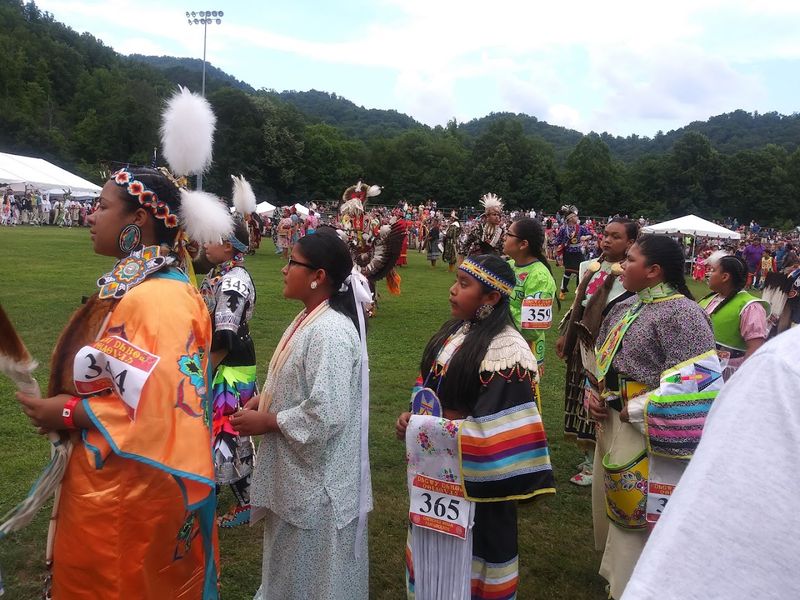
Regalia draws the eye first, but the meaning goes much deeper than color and movement.
Visit Cherokee explains that regalia often includes intricately designed clothing, headdresses, accessories, and beadwork. Many pieces carry personal or cultural meaning and are often handmade or passed down through generations.
That context matters because calling it a costume misses the point completely. Regalia can carry family work, community identity, personal milestones, inherited knowledge, and hours upon hours of skilled making.
Before dance categories begin, the arena and surrounding area often fill with quiet preparation, from beadwork adjustments to children standing still while adults make final fixes. Dancers also check their regalia carefully before stepping into the arena.
Those quiet moments can be just as powerful as the competition itself, because they reveal how much care goes into being ready.
Visitors should admire without crowding, photographing without permission, or interrupting someone who is clearly focused. A respectful question may lead to a meaningful conversation if a dancer chooses to share, but nobody owes an explanation.
The best approach is to look carefully and let the craftsmanship register. Feathers, colors, bells, shawls, bead patterns, and materials all belong to stories most visitors will only partly understand.
That partial understanding is still valuable when handled humbly. Regalia teaches through presence before a single step begins.
Take In The Energy Without Treating It Like A Spectacle
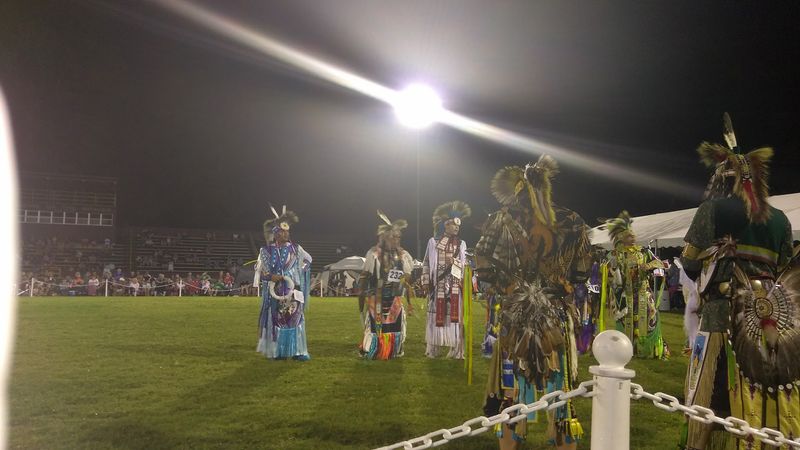
Energy fills the powwow quickly, but the right kind of attention matters. The arena can be bright, loud, fast, crowded, and visually stunning, which makes it tempting to watch everything through a phone screen.
Resist that for a while. Visit Cherokee says everyone is invited to hear, watch, enjoy, and learn about Native American cultures in the Smoky Mountains, describing the event as family-friendly and one of the biggest powwows in the Southeast.
That invitation works best when visitors stay present instead of treating every moment as content. Put the phone down during songs that feel especially solemn.
Let the drumbeat be heard without narration. Watch how families interact, how dancers prepare, how elders are treated, how children learn by being near the circle.
The difference between observing and gawking is not subtle to the people being watched. Respectful attention notices beauty without grabbing at it.
The mountain setting can make the weekend feel especially dramatic, but the emotional center belongs to the people and traditions, not the scenery. Children who attend often ask good questions afterward, and those conversations can become one of the most meaningful parts of a family visit.
A powwow is not something to “check off” between tourist stops. It is something to sit with, learn from, and remember with care.
Stay Long Enough To Understand Why Families Return
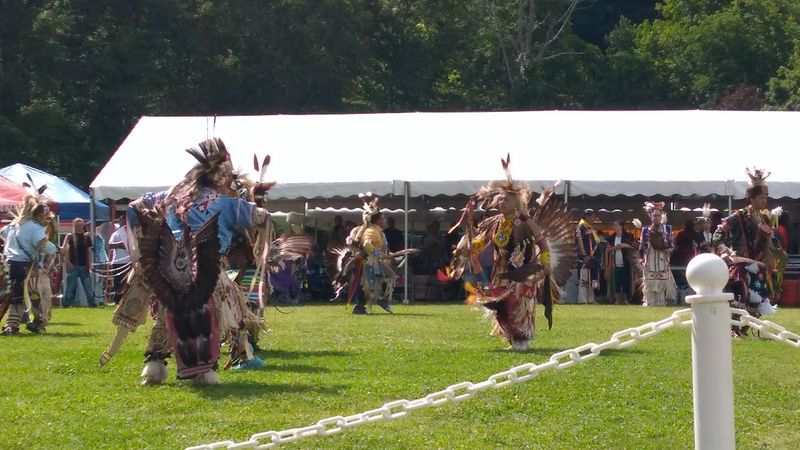
Powwows reveal themselves in layers, which is why leaving after one quick lap around the arena does not give the weekend enough time to work.
Morning, afternoon, and evening sessions can feel different, and the 2026 schedule includes multiple Grand Entries across Friday, Saturday, and Sunday, giving visitors several chances to experience the event’s rhythm.
Families return because the powwow is not only about watching competition. It is a reunion space, a teaching space, a food space, a shopping space, a social space, and a cultural space where generations gather in public continuity.
Visit Cherokee notes opportunities to witness competitive dances, explore Indigenous arts and crafts, and savor Cherokee cuisine. Romantic Asheville’s guide also mentions foods such as fry bread and roasted corn, along with Native arts and crafts vendors.
Staying longer lets visitors understand that the weekend has both big ceremonial moments and smaller human ones. Someone greets family across the grounds.
A child gets help with regalia. Vendors talk with shoppers about handmade work.
Drumbeats rise again after a break. A dancer who seemed dazzling in one category appears later in another context.
That accumulation is the real experience. The powwow becomes more meaningful as it stops feeling like a schedule and starts feeling like a community gathering you have been trusted to witness.
Leave With A Stronger Sense Of Cherokee Mountain Tradition
Leaving Cherokee after a powwow day can make the mountains feel different, not because the landscape changed but because the context did. The Qualla Boundary is not just a scenic Western North Carolina destination beside Great Smoky Mountains National Park.
It is the homeland of the Eastern Band of Cherokee Indians, with living traditions, community institutions, language work, cultural knowledge, and public events that continue to shape Cherokee identity today.
The official Visit Cherokee annual powwow page frames the event as a celebration of culture and community, with dancing, drumming, regalia, arts, crafts, and Cherokee cuisine all part of the experience.
Nearby learning opportunities after the powwow include the Museum of the Cherokee People and Oconaluftee Indian Village for added cultural context.
The 2026 event runs July 3–5 at the Old Acquani Expo Center with $15 admission, while the deeper impact often lingers through memory, from drumbeats to regalia and shared family moments.