This North Carolina Soundside Escape Is A Kiteboarding Favorite
Windy days usually ruin hair and dignity, but along North Carolina’s soundside, they get promoted to main character.
Shallow water meets steady coastal breeze, and suddenly an ordinary beach stop turns into a wind-powered spectacle where gravity looks deeply confused.
Kiteboarders skim, launch, splash, recover, and somehow make the whole thing look casual, which feels personally rude to everyone watching from dry land.
Curiosity gets rewarded here with airborne drama, big coastal energy, and the very reasonable urge to say, “That looks impossible, so obviously I need to keep staring.”
Soundside Access
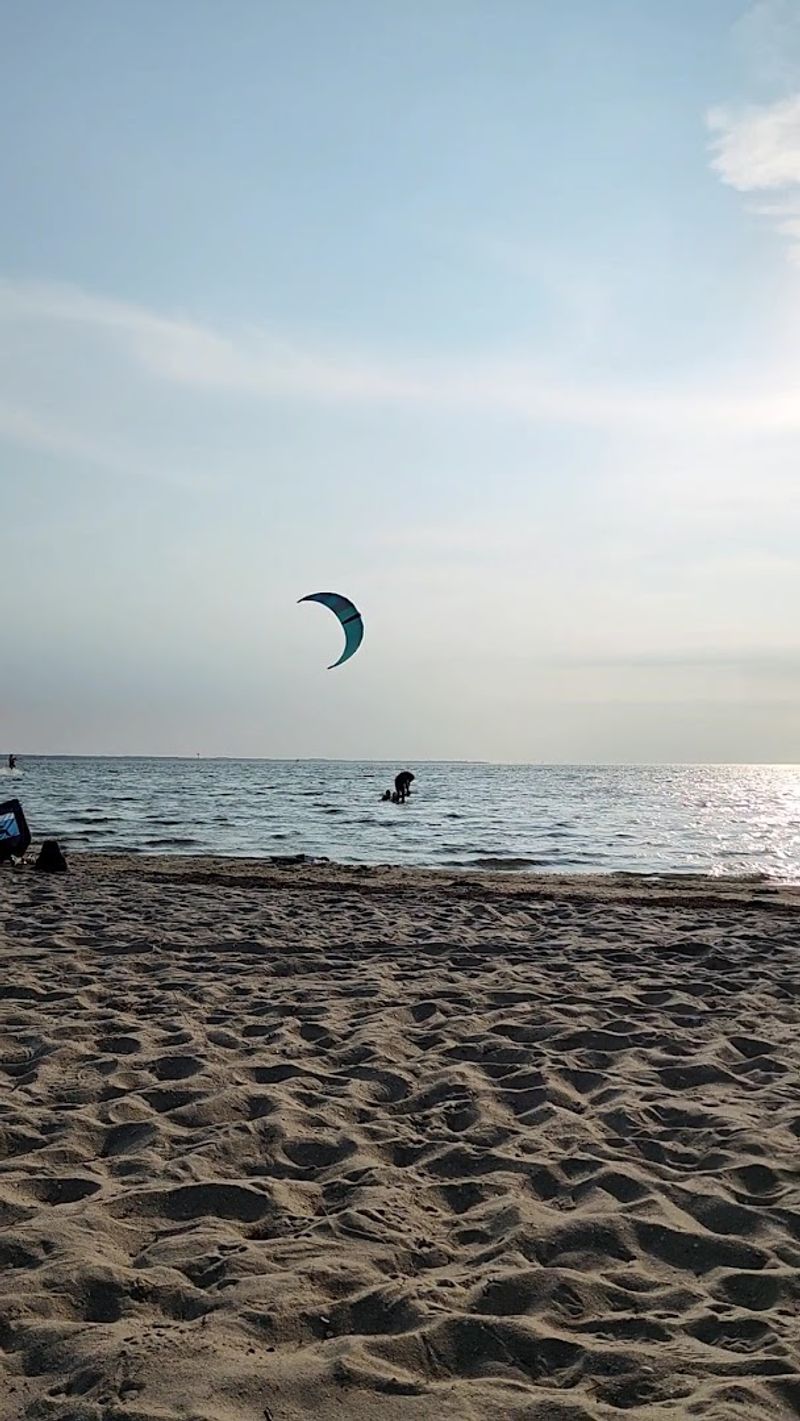
Gusts turn ordinary shoreline into a full-on arena at Kite Point Soundside Access, where NC 12 slips close to Pamlico Sound near Buxton. National Park Service guidance describes Cape Hatteras National Seashore as famous for kiteboarding because riders find flat sand, shallow soundside water, and steady, strong winds, which is exactly why this spot has become such a magnet.
Nearby Haulover Sound Access and Kite Point are also described by the park service as having some of the world’s best kiteboarding and windsurfing when spring and fall winds kick up. Geography does much of the work.
Sandy shallows let riders stand, reset, launch, and recover with far less intimidation than they would face in rough ocean surf. Open sound water gives kites room to move, while the barrier-island setting keeps the whole scene open and wind-shaped.
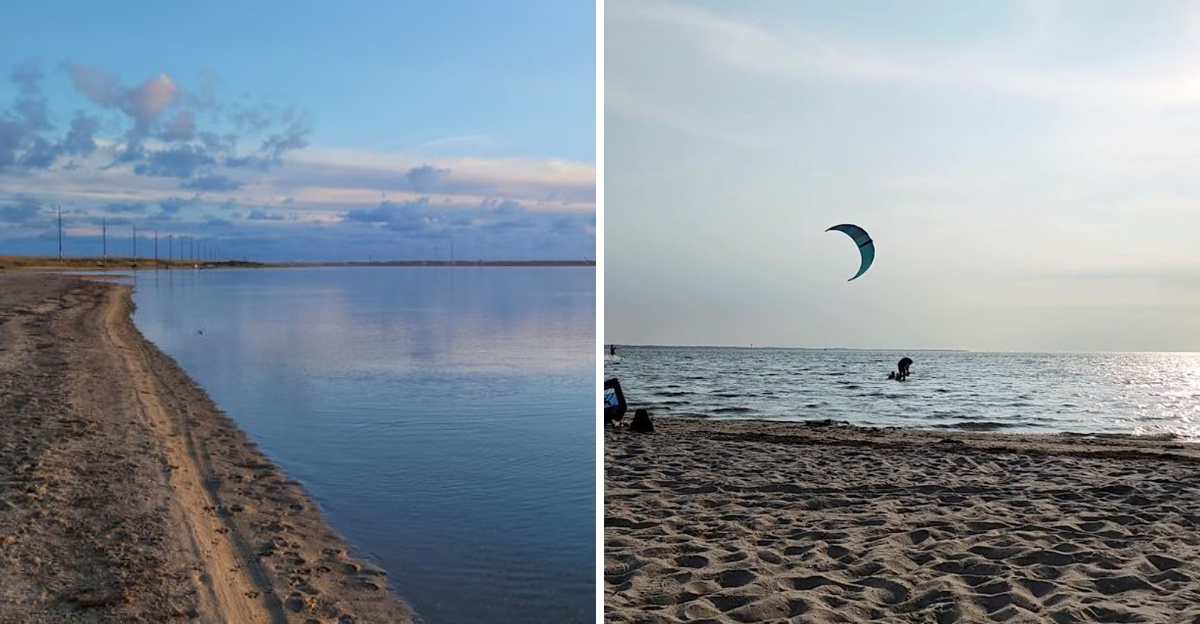
Spectators still get a show even without stepping onto a board. Kites carve bright arcs across the sky, riders skim over skinny water, and the soundside landscape feels charged with motion.
Kite Point is not just scenic; it is practical, famous, and built by weather. For North Carolina travelers, that combination makes the access area feel specialized without losing its coastal pull at all.
Pamlico Sound Shallow Waters
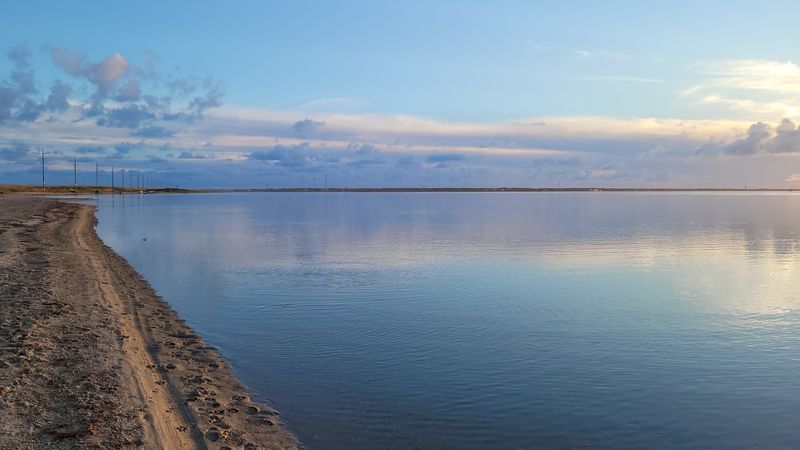
Shallow water is the secret sauce here, and Pamlico Sound offers it on a scale that feels almost unfair to other kiteboarding spots. The sound is widely described as the largest lagoon along the North American East Coast, stretching roughly 80 miles long and separated from the Atlantic by the Outer Banks barrier islands.
Near Haulover and Kite Point, the National Park Service notes gentle sound water, a gradual slope, and average depths of one to two feet near the shoreline. For riders, that means fewer punishing wipeouts, easier walk-back recovery, and more confidence while practicing starts, transitions, and jumps.
Flat water also lets the wind do its job without ocean swell turning every run into a wrestling match. Beginners appreciate the forgiving setup because mistakes do not immediately become dramatic.
Stronger riders appreciate the space because speed, pop, and control all improve when the surface stays smoother. Pamlico Sound’s scale adds another advantage: the view keeps opening wider the farther someone looks.
Sandbars, marsh edges, sky, and distant islands create a landscape that feels huge, but still approachable enough for real practice. Such a rare mix explains why this body of water keeps calling riders back season after season.
Cape Hatteras National Seashore
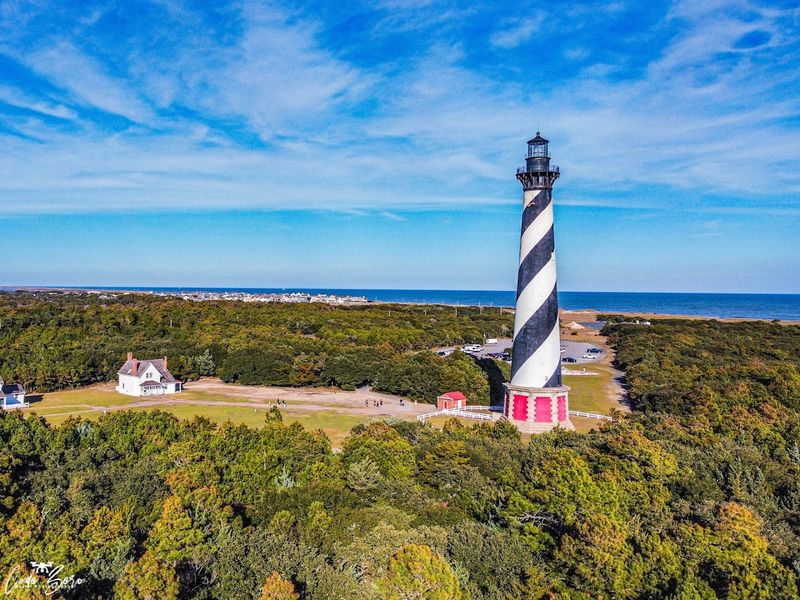
Protected coastline gives Kite Point more than a good launch angle, because Cape Hatteras National Seashore surrounds the experience with real public-land weight. The national seashore protects parts of three barrier islands, Bodie Island, Hatteras Island, and Ocracoke Island, while National Park Service materials emphasize beaches, sound access, salt marshes, storms, wildlife, and constant coastal change.
Kiteboarding fits naturally within that restless setting. Water, wind, and sand are not background details here; they are the forces shaping every visit.
Nearby Cape Hatteras Lighthouse adds another layer of place, with the National Park Service identifying the 197-foot tower as the tallest brick lighthouse in the United States. Such context keeps the trip from feeling like a single-activity stop.
Someone can watch kites rise over Pamlico Sound, drive toward the lighthouse, explore beach access points, and feel how much maritime history sits around the sport. Park rules also matter, because they help balance recreation with wildlife, safety, and fragile coastal resources.
Kite Point works best when treated as part playground, part national seashore, and part living shoreline. Careful balance gives the soundside escape a stronger sense of responsibility than a random roadside pull-off for riders, families, photographers, and travelers alike.
Kiteboarding Season Timing
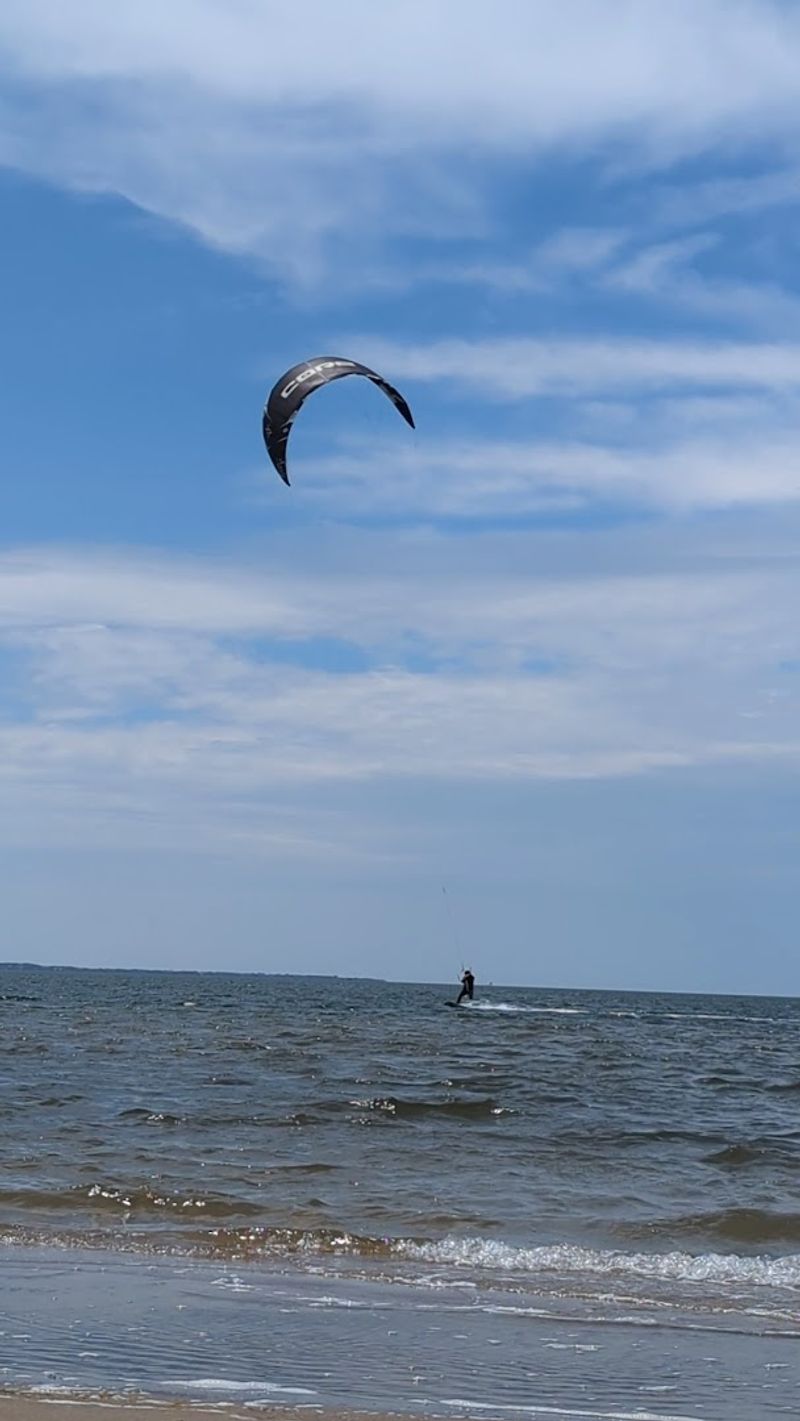
Timing can make Kite Point feel either impressive or downright electric, so the calendar deserves attention before anyone loads gear. National Park Service language points to spring and fall as the periods when winds kick up around Haulover Sound Access and nearby Kite Point, and local kiteboarding guides likewise describe those seasons as especially popular for Outer Banks riders.
Spring often brings a lively return to the water after cooler months, while fall can deliver strong systems and comfortable air once peak beach crowds begin thinning. Summer still has value, especially for warmer water and family trips, but serious riders usually watch forecasts more closely than vacation calendars.
Wind direction, tide, temperature, and storms can change the day quickly along Hatteras Island. Checking local conditions before heading out is not optional; it is part of the sport.
Beginners should also match lessons or practice sessions to manageable wind rather than chasing dramatic gusts too early. Kite Point rewards patience because the right breeze turns shallow water into a smooth runway.
Poor timing can make the same place feel frustrating. Smart planning lets the soundside escape show off.
Waiting for the right window matters more than arriving with the travel plan.
Canadian Hole Historic Windsurfing Spot
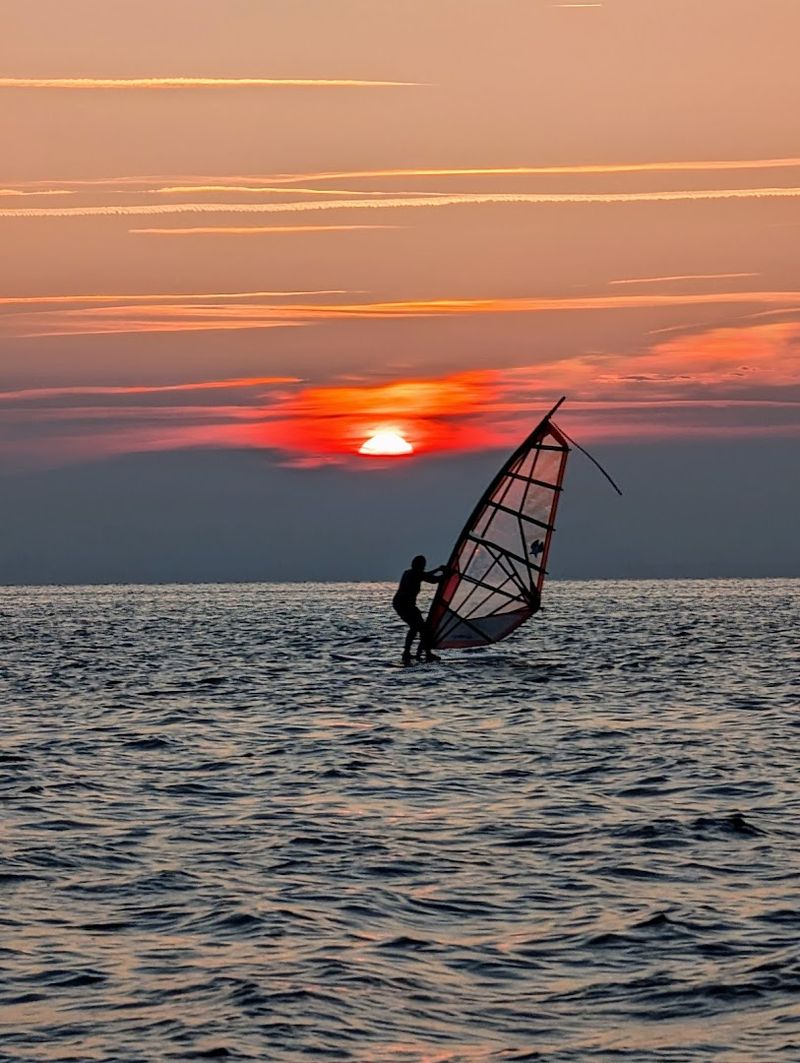
Long before Kite Point became a household name among kiteboarders, Canadian Hole was already legendary. Officially known as the Haulover Day Use Area and positioned between Avon and Buxton on Hatteras Island, this spot earned its nickname from the Canadian windsurfers who discovered its incredible conditions decades ago and kept coming back year after year.
Their loyalty to this stretch of North Carolina coastline helped put the entire Outer Banks on the global watersports map.
Wide, sandy beaches give visitors plenty of room to rig up equipment without crowding. The access to Pamlico Sound here is excellent, with a gradual entry into the water that suits both beginners and seasoned riders.
As kiteboarding grew in popularity and riders needed even more space to manage their large kites safely, the nearby Kite Point area naturally developed as the go-to spot for the kiting community.
Today, Canadian Hole still attracts windsurfers who appreciate its classic character and history. Watching a mix of windsurfers and kiteboarders sharing the same stretch of sound is a uniquely Hatteras experience.
The spot serves as a living reminder of how this small barrier island became one of the most celebrated watersports destinations anywhere on the East Coast.
REAL Watersports Lessons And Rentals
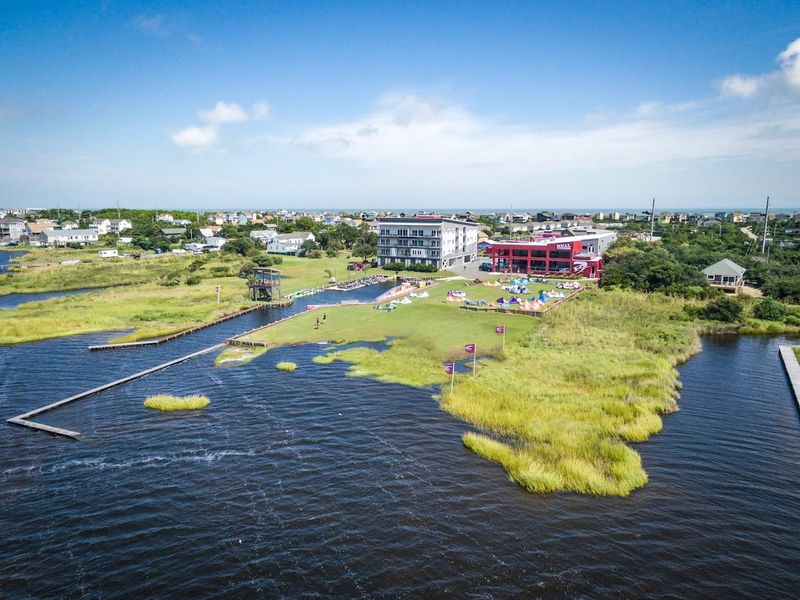
Learning to kiteboard without guidance is a fast way to turn excitement into great opportunity, which is why local instruction matters so much on Hatteras Island. REAL Watersports, based in Waves, lists private kiteboarding lessons and camps for beginners, with lesson goals centered on taking safe sessions at a local spot.
That kind of structure is important because kiteboarding asks newcomers to understand wind, water, body position, gear, launch safety, and emergency judgment before the fun really starts. Pamlico Sound’s shallow water helps, but forgiving geography does not replace instruction.
Students usually begin with kite control before adding board skills, because power management comes before speed. Once riders gain confidence, nearby soundside areas make progression feel less intimidating than rougher ocean setups.
REAL also sits within the broader Hatteras water-sports culture, where surf, foil, wing, and kite communities overlap. For first-timers, booking a lesson is the smartest way to enjoy the same landscape that attracts expert riders without pretending experience appears instantly.
Kite Point may look playful from the road, but the sport deserves respect. Good coaching turns the wind from a problem into a partner.
Such a shift can make the difference between flailing and understanding why riders love it.
Salvo Day Use Area For Beginners
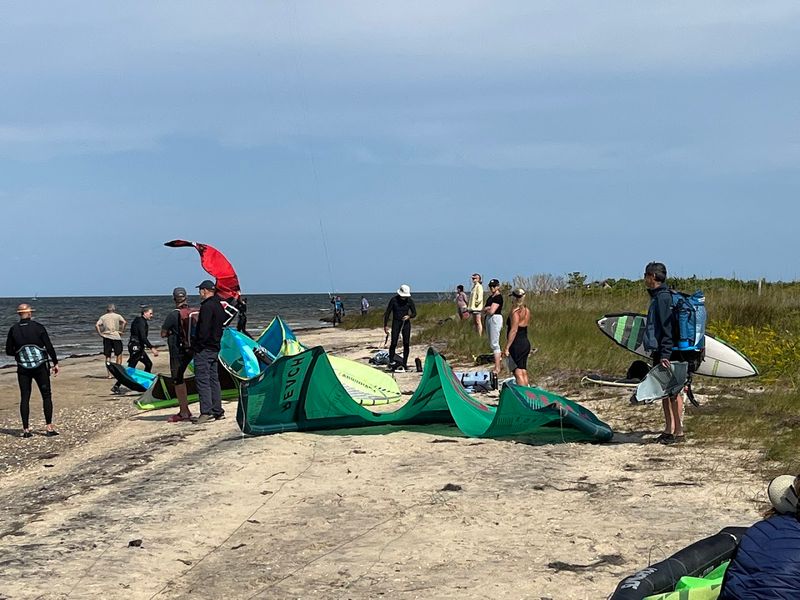
Beginners sometimes need less spectacle and more breathing room, which is where Salvo Day Use Area earns its reputation. Located south of Salvo on Hatteras Island, the soundside area is described by local guides as a peaceful place for families, beachgoers, and water-sports lovers, while other Cape Hatteras access guidance identifies it as a main public Pamlico Sound access point with facilities such as a bathhouse, picnic tables, grills, and a large parking area.
Those practical details matter when someone is learning. Easy parking, space to organize gear, nearby facilities, and calmer soundside water can lower the stress before a lesson or practice session begins.
Salvo does not need to outshine Kite Point to be useful. Instead, it gives newer riders a setting that feels more forgiving and less performance-driven.
Families can spread out, spectators can relax, and learners can focus on the basics without feeling swallowed by expert energy. The surrounding marshes, dunes, and open sky still make the place beautiful, but the real value is comfort.
Salvo helps turn kiteboarding from intimidating idea into approachable adventure. For visitors building confidence, that quieter pace can be exactly what makes a first soundside session feel possible rather than overwhelming overall.
Local Food And Coastal Dining

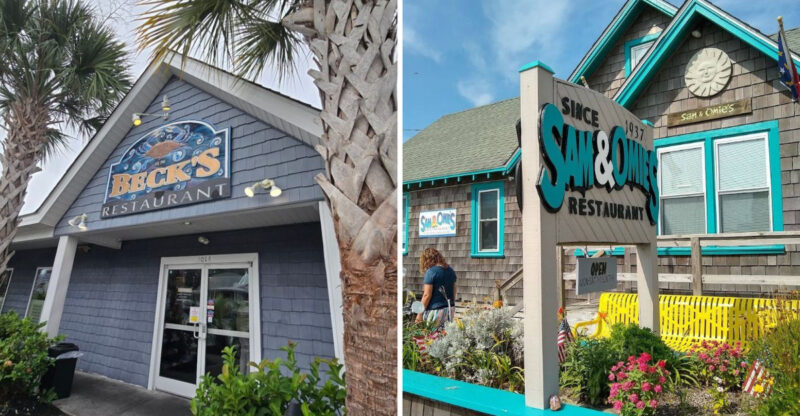
A day around Kite Point is easy to pair with a simple Hatteras Island meal because Buxton, Avon, Frisco, Hatteras Village, and nearby soundside communities have several casual dining options within a practical drive. For article accuracy, this section should stay general unless a specific restaurant, current menu, and address are being verified.
Seafood is a natural fit for the area, but the wording should avoid promising locally caught ingredients across every menu unless a restaurant confirms that detail itself.
A safer angle is to say that visitors can turn the soundside stop into a fuller day by adding breakfast, lunch, or dinner elsewhere on Hatteras Island. That keeps the travel advice useful without making unsourced claims about every kitchen, every menu, or every ingredient.