This North Carolina Spot Feels Like It Belongs In Stranger Things
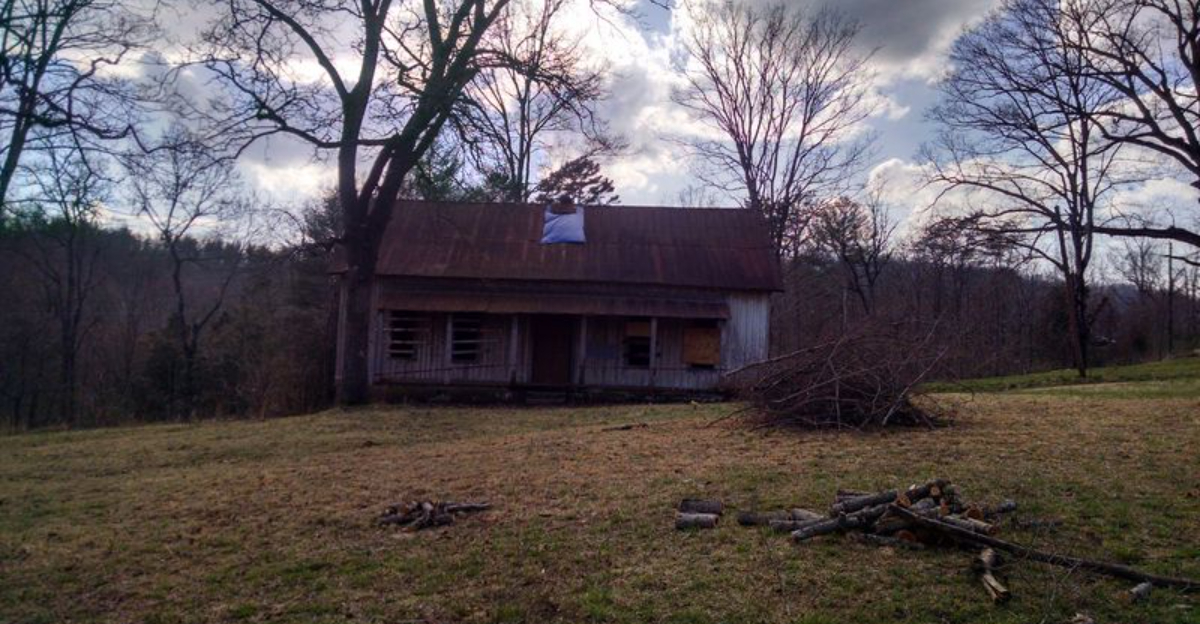
Shadows linger differently in a place like this, as if the ground remembers every footstep and has no interest in forgetting.
Deep in North Carolina, this abandoned mill village stands with the kind of stillness that feels less peaceful than watchful, where broken buildings and overgrown paths seem to wait for anyone curious enough to come closer.
Decay does the talking here, and it speaks fluently, turning empty cottages and a crumbling mill into a scene that feels uncomfortably close to another world.
Walk far enough, and the whole place starts to feel like it is studying you right back, which is exactly why this stop leaves such a strange and unforgettable mark.
A Ghost Town That Time Forgot
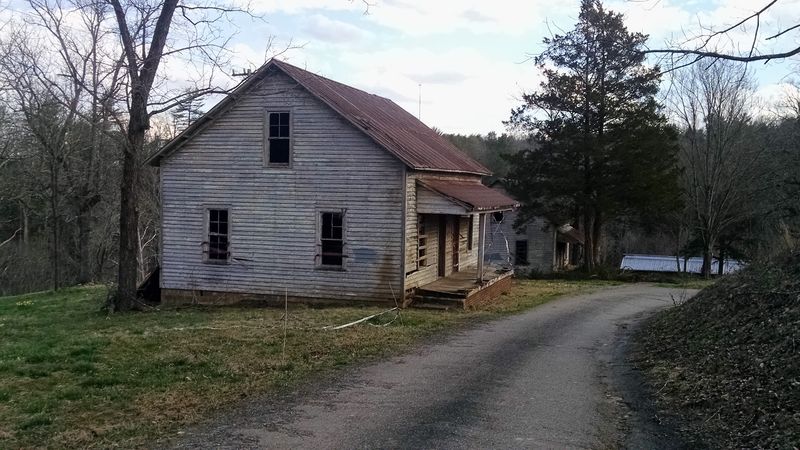
Beyond the bend in Henry River Road, the village seems to drop out of modern North Carolina and into a much quieter century. At 4255 Henry River Road in Hickory, the site began in 1905 as a working cotton-yarn mill community where daily life revolved around the mill, the houses, and the steady rhythm of industrial labor.
Silence now does most of the talking. Thirty-five worker houses still stand in different stages of decay, with weathered wooden frames that catch the light in a way that feels almost cinematic.
Nearby, a boarding house, a company store, and the original dam add to the strange, frozen-in-time landscape.
What gives the place such an unsettling pull is the way so much of it remains intact. Rather than feeling polished for visitors, the village keeps the rough edges of a real time capsule, which makes every path and porch feel more immediate.
Few historic places in North Carolina carry that same raw atmosphere. Added to the National Register of Historic Places on May 9, 2019, Henry River Mill Village Historic District now stands as a preserved piece of American industrial history.
The Hunger Games Connection
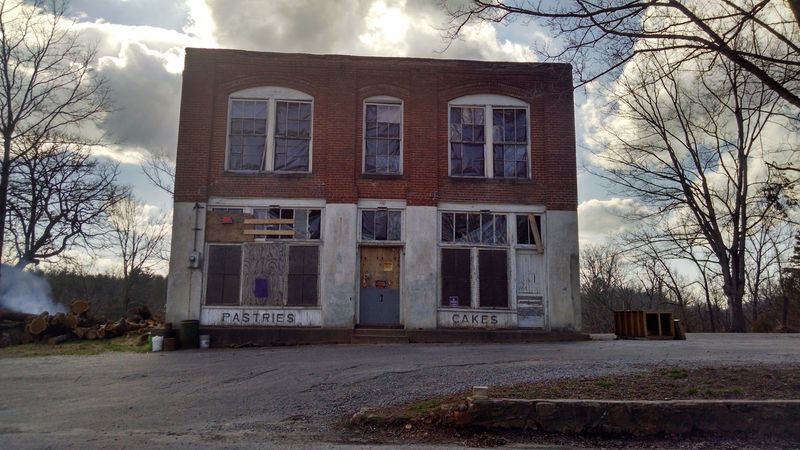
Pop culture helped push Henry River into wider public view, and the reason is immediately obvious once you step onto the property. Official village history notes that the site served as the on-location set for District 12 in The Hunger Games, a role that fits almost too perfectly.
Narrow lanes, worn cottages, and the larger sense of hard use and long abandonment already look like production design before a camera ever arrives. What gives the place its lasting pull, though, is that the film connection rests on authenticity rather than illusion.
No studio crew had to invent the atmosphere from scratch. Henry River already carried it.
Fans who visit for movie history usually leave with a stronger interest in the village itself, because the place has enough character to outgrow its screen role once you are there in person. District 12 may be the hook that gets many travelers through the gate, but the village’s visual texture is what stays with them.
Movies often borrow from locations and then overshadow them afterward. Henry River does not feel overshadowed at all.
It feels like the film simply borrowed a mood the village had been carrying for decades.
No Running Water, No Sewer
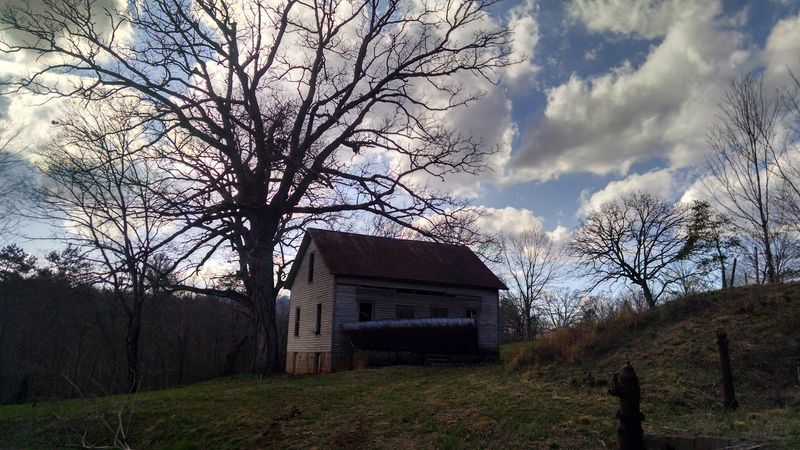
Authenticity at Henry River is not a vague marketing word. Official village history states plainly that the property still has no running water and no sewer system, and that detail changes the entire feel of a visit.
Modern infrastructure is often what quietly softens historic places, even when the buildings themselves remain old. Here, the lack of those systems means the site has not been smoothed into a safer, cleaner, more comfortable version of itself for easy consumption.
Age has been allowed to stay visible. Weather has been allowed to keep writing on the buildings.
Imperfection has been allowed to remain the dominant language. For visitors, that creates a very different experience from a restored historic district where the past is carefully managed into something tidy.
Henry River keeps its roughness, and that roughness is the reason the village feels so emotionally convincing. A place without those modern layers does not simply look old.
It feels suspended. That quality is a huge part of why comparisons to darker television worlds come so naturally here.
Nothing on the property seems interested in pretending time passed gently, and the atmosphere is stronger because of it.
The Mill Fire Of 1977
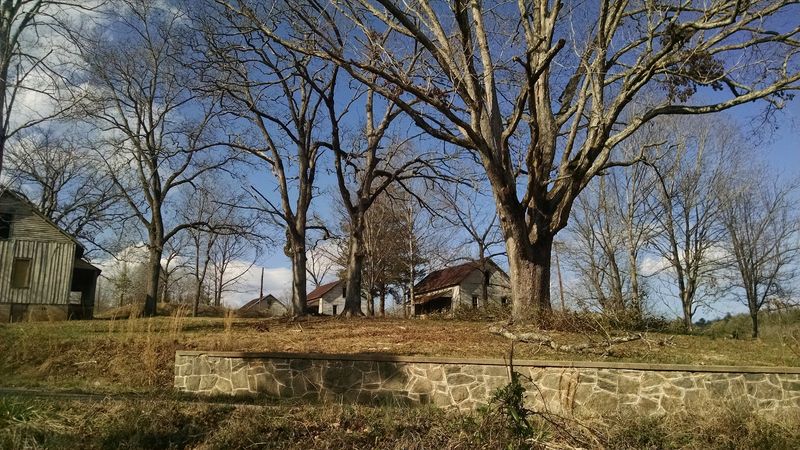
Ruins give Henry River its center of gravity. Village history says the mill itself was destroyed by fire in 1977, with lightning identified as the likely cause, and that loss reshaped the entire visual logic of the property.
What remains is not a preserved industrial building filled with interpretive panels. What remains is a shell, and shells often speak more powerfully than complete structures because absence does so much of the work.
Brick walls, damaged openings, and the visible fact of destruction make the old mill feel like the village’s most dramatic reminder that this was once a working place before it became a haunted-looking landmark. Forest growth around the site only intensifies that impression.
Nature has not hidden the damage, but it has wrapped itself around it, which gives the ruins a strange kind of calm after all the violence implied by fire. Visitors responding to the site’s unsettling energy are often reacting most strongly to this part of the property, even if they do not realize it immediately.
Cottages suggest long departure. Mill ruins suggest abrupt ending.
Together, those two moods are exactly what make Henry River feel so much more unsettling than a simple abandoned street.
Tours And Overnight Stays
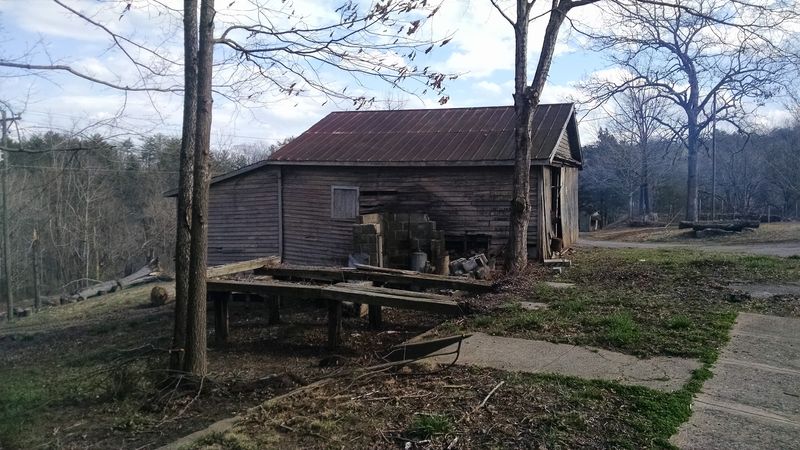
Henry River is not just a drive-by curiosity. Current public information on the village’s official site shows that the property operates with paid admission and seasonal hours, shifting after March 20, 2026, to Friday through Monday from 10 a.m. to 5 p.m.
Overnight stays are also available through restored mill houses on the property, with lodging pages offering bookings in historic units originally built in 1905. That combination gives visitors two very different ways to experience the village.
Day tours let you absorb the history, film connection, and atmosphere in a controlled window. Staying overnight changes the emotional tempo entirely.
A place that already feels unusual in afternoon light becomes much stranger once ordinary tourist movement disappears and the village settles into evening quiet. Official materials clearly present both options as part of the experience, and that dual identity is one reason the site stands apart from many abandoned-looking historic destinations.
Henry River does not only invite people to observe its atmosphere from the outside. It lets them move into it more fully.
For travelers who want more than a quick walk and a few photos, that makes the village far more immersive than most mill-history stops anywhere in North Carolina.
Built For Workers, Preserved For Wanderers
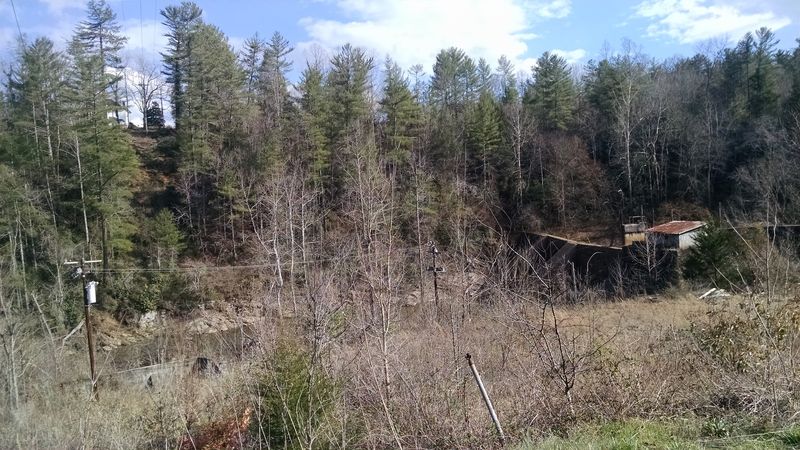
Practical design is part of what makes the village so affecting today. Henry River was created as a working mill community, and its original purpose shaped everything from the modest scale of the houses to the overall arrangement of the district.
Official village history describes a place built for labor, not romance, and that fact matters because the strongest atmosphere here grows from usefulness rather than ornament. These buildings were never meant to impress strangers.
They were meant to support a mill operation and the families connected to it. Over time, that plainness became one of the site’s most striking qualities.
Simplicity reads differently once abandonment enters the picture. Porches, paths, and walls that were once routine start feeling charged because they were built without any thought of future visitors treating them as scenery.
Human life used to be ordinary here. That is the part that lingers.
Not fantasy. Not pure eeriness.
Daily life, interrupted. Henry River still gives a strong sense of workers and families moving through those spaces, which is why the place feels heavier than a decorative ruin.
The village was built for necessity, and its preserved rawness lets modern visitors feel that truth much more directly than a polished reconstruction ever could.
On The National Register
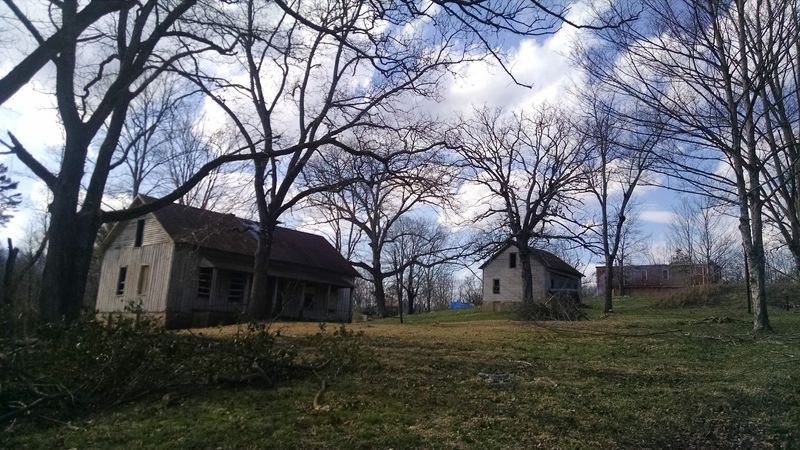
Recognition came officially on May 9, 2019, when the Henry River Mill Village Historic District was added to the National Register of Historic Places. National Park Service records confirm the listing and identify the district along Henry River Road in Burke County.
That status matters because it formally acknowledges what the property already suggests on its own: this is not merely an interesting abandoned site or a film location with a curious afterlife. Henry River represents a significant surviving example of a Carolina textile mill village, and the Register listing places the site within the larger national story of industrial communities, labor history, and preservation.
For visitors, the designation adds weight without reducing the mystery. You are still walking through a place that feels uncanny, but you are also walking through something recognized as historically important rather than treated as disposable scenery.
Preservation at Henry River does not mean restoring everything to bright newness. It means protecting the village’s power as evidence.
Buildings, ruins, layout, and atmosphere all carry information. National Register status helps make sure that information remains visible.
A place this strange-looking could easily be misread as only cinematic. The listing reminds visitors that it is also a serious and irreplaceable historical landscape.
Why Stranger Things Fans Will Love It
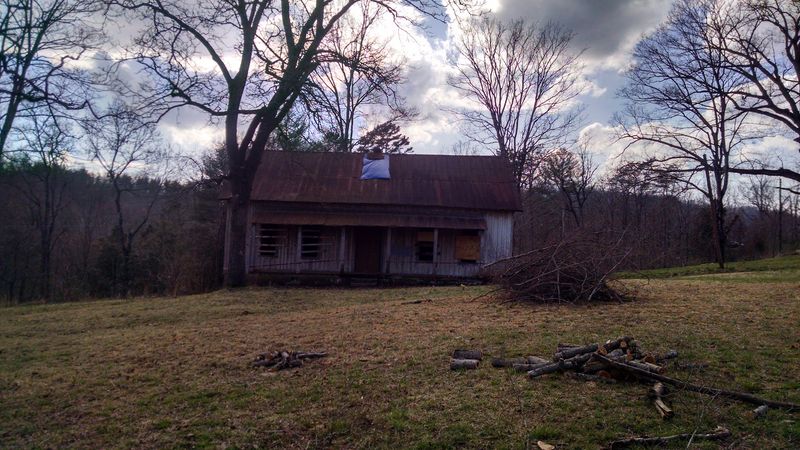
Stranger Things fans tend to respond to one thing more than monsters or effects: atmosphere. Henry River has that in abundance.
Quiet hangs over the village in a way that feels watchful rather than restful, and the layout of cottages, empty roads, and ruined industrial space creates the exact kind of visual tension that the show uses so well. Nobody needs neon signage or themed overlays to make the comparison land.
The village already carries the eerie small-community energy people associate with Hawkins when something has gone very wrong and nobody fully understands it yet. Staying close to the reality of the site actually helps the comparison.
Henry River is not a replica of a fictional world. It is better than that, because the unsettling quality comes from real history, real abandonment, and real weathering.
That gives the place a depth many themed attractions could never fake. Film fans may arrive because they want a location with mood, but the real surprise is how quickly the property starts to feel less like a set and more like a living piece of memory that never completely settled down.
Henry River does not imitate eerie storytelling. It naturally speaks the same visual language.