This North Carolina Sunflower Field Is A Golden Wonderland You Can Visit This Summer
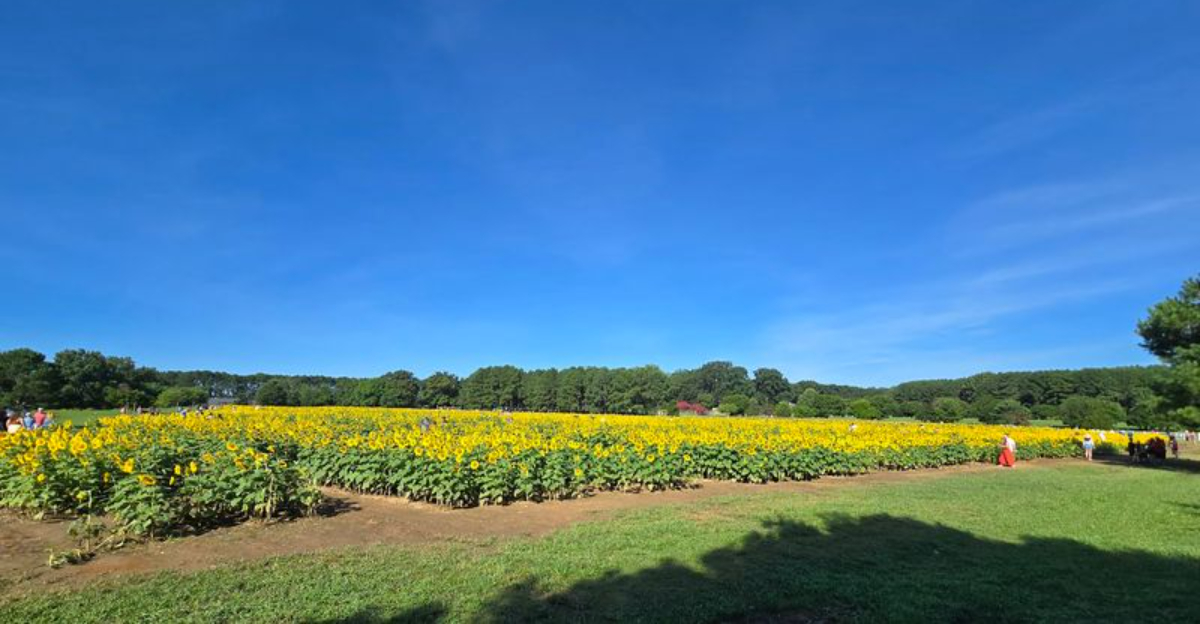
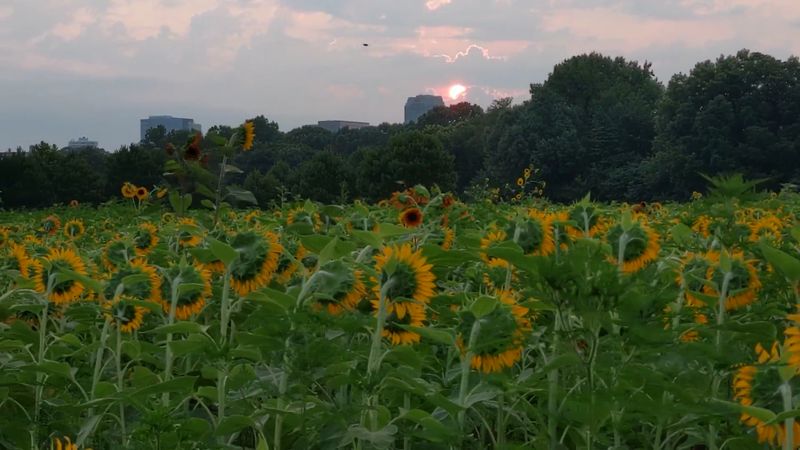
Golden blooms stretching across five acres create one of the most stunning summer displays in the Southeast. The Sunflower Field at Dix Park transforms into a living canvas each July when thousands of bright yellow flowers turn their faces toward the sun.
Families arrive with cameras ready while pollinators buzz happily from bloom to bloom in this free public garden that welcomes visitors from dawn until dusk. North Carolina summers get even brighter at this beloved Raleigh destination.
The experience combines natural beauty with community spirit as people of all ages wander through carefully maintained pathways surrounded by towering sunflowers.
Located at 1700 Umstead Drive in Raleigh, the field has become a summer tradition that draws over 100,000 visitors annually who come to photograph the blooms, enjoy picnics on the grounds, and simply soak in the cheerful atmosphere that only a field of sunflowers can create.
1. Five Acres Of Pure Summer Joy
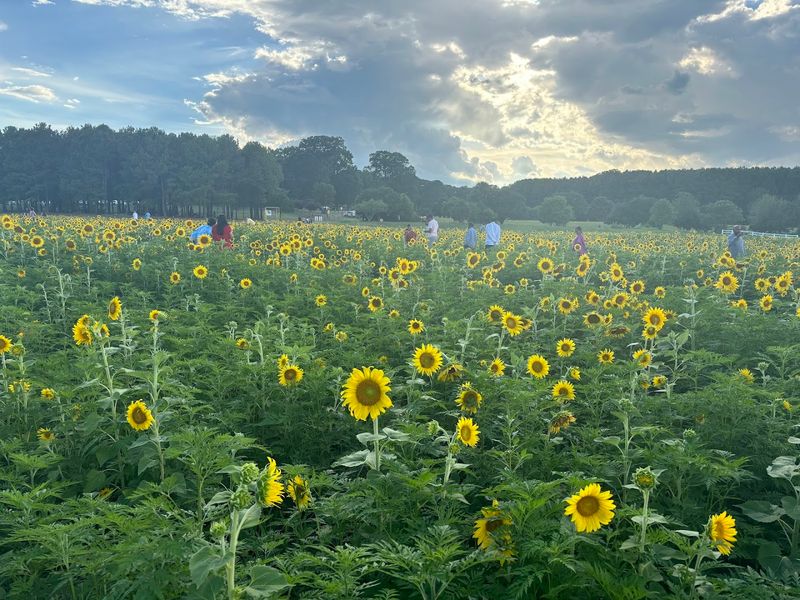
Around 125,000 Barnburner Black Oil Sunflower Hybrid seeds get planted each spring to create the spectacular display that blooms by midsummer. The sheer scale surprises first-time visitors who expect a small garden patch but instead find themselves surrounded by waves of golden petals stretching toward the horizon.
Walking through the field feels like stepping into a different world where everything glows yellow and green. The pathways allow visitors to move through without damaging the plants while still getting close enough to appreciate individual blooms.
Some sunflowers tower overhead while others stand at eye level, creating layers of visual interest throughout the space.
The five-acre size means there is plenty of room for everyone even during peak visiting times. Families spread out across different sections, photographers find their perfect angles, and couples discover quiet corners for romantic moments.
The thoughtful layout ensures the field never feels overcrowded despite attracting thousands of visitors each season.
2. Free Admission Makes Beauty Accessible
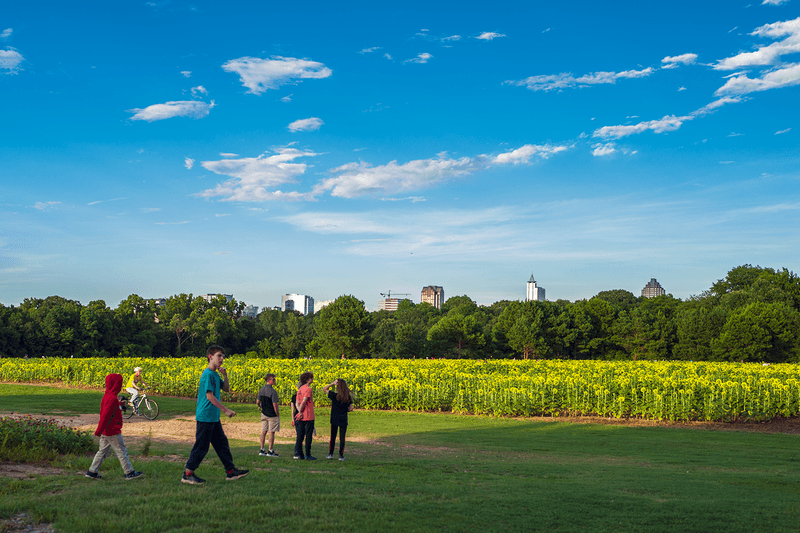
No tickets, no reservations, and no entry fees stand between visitors and the sunflower experience. Dix Park operates as a true public space where anyone can show up during operating hours and enjoy the blooms without worrying about cost.
The park opens its gates from 6 AM to 9 PM daily throughout the year, though the sunflowers bloom only during their summer season.
Free admission removes barriers that might prevent some families from experiencing natural beauty. Children can run through the pathways, seniors can take leisurely strolls, and photography enthusiasts can return multiple times to capture different lighting conditions without spending money each visit.
The accessibility extends beyond just cost. Multiple parking areas accommodate visitors arriving by car, and the pathways through the field work for various mobility levels.
The park management clearly prioritizes making this summer attraction available to the entire community rather than treating it as an exclusive destination.
3. Peak Bloom Timing In Mid-July
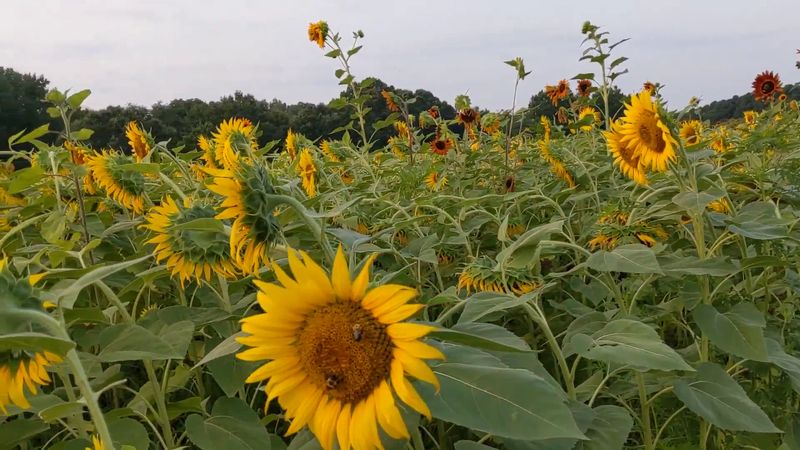
Early July brings the first blooms, but patience pays off for those who wait until mid-month when the field reaches its most spectacular stage. During peak bloom, nearly every sunflower stands fully open with petals spread wide and faces turned upward, creating the golden carpet effect that appears in countless photographs.
The timing varies slightly each year depending on spring weather patterns and planting dates. Checking the official Dix Park website or social media channels before planning a visit helps ensure arriving when the flowers look their best.
The peak period typically lasts about two weeks, giving visitors a reasonable window to catch the show.
Arriving during peak bloom means encountering the most vibrant colors and the healthiest-looking flowers. Earlier visits might find many buds still closed, while later visits show flowers beginning to droop as seeds develop.
The mid-July sweet spot offers the most rewarding visual experience and the best backdrop for photographs.
4. Pollinator Paradise In Action
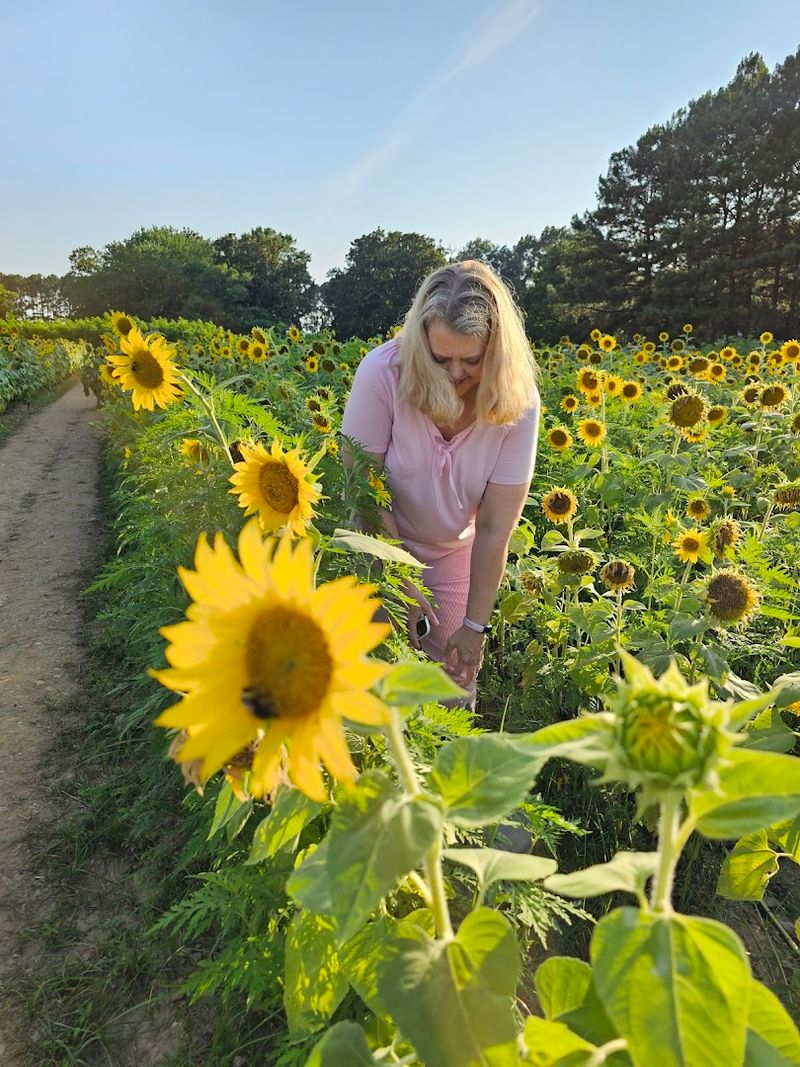
Bees hum constantly throughout the field as they move from flower to flower collecting pollen and nectar. Butterflies add splashes of orange and black as they flutter between blooms.
The sunflower field serves a purpose beyond human enjoyment by providing essential habitat for pollinators that support the broader ecosystem.
Watching pollinators work offers an educational opportunity for children and adults alike. The bees move with purpose, their legs coated in yellow pollen as they crawl across the dark centers of each bloom.
Butterflies take a more leisurely approach, resting on petals between feeding sessions.
The field demonstrates how agriculture and conservation can work together. These sunflowers provide food sources for pollinator populations that have declined in many areas due to habitat loss.
Visitors leave with not just pretty pictures but also a better understanding of how plants and insects depend on each other in ways that ultimately benefit everyone.
5. Seeds Left For Wildlife After Bloom
After the golden petals fade and fall, the sunflowers begin a second life as a feeding station for birds and other wildlife. Rather than immediately clearing the field, park management leaves the plants standing through autumn so the seeds can ripen and provide food for creatures preparing for winter.
Cardinals, finches, and other seed-eating birds flock to the field once the seeds become accessible. Squirrels and other small mammals also take advantage of this abundant food source.
The dried stalks and remaining seed heads create a completely different landscape from the summer bloom period but one that serves an equally important ecological function.
Visitors who return in fall find a quieter, more contemplative scene. The bright yellow has given way to browns and tans, and the crowds have thinned.
Yet the field continues its work supporting local wildlife populations, demonstrating that beauty and utility can coexist in thoughtfully managed public spaces.
6. Parking Options For Every Schedule
Weekday visitors should head to Public Parking Lot A, which remains available during business hours when other lots may be reserved for park operations or events. Evening and weekend visitors can choose from all available parking areas, giving more flexibility for finding a spot close to the sunflower field entrance.
The parking setup prevents confusion by clearly marking which lots serve public visitors at different times. Signs at park entrances direct drivers to the appropriate areas based on the day and time.
Most visitors report finding parking without difficulty, though arriving earlier in the day during peak bloom weekends increases the chances of getting a closer spot.
The walk from even the farthest parking area to the sunflower field remains manageable for most visitors. Paved and unpaved paths connect parking lots to the main attractions.
Families with small children or visitors with mobility concerns benefit from arriving during less busy times when closer parking spots tend to be available.
7. Amenities Make Visits Comfortable
Temporary restrooms stationed near the sunflower field mean visitors can spend several hours exploring without needing to leave the park. Picnic areas with tables provide spots for families to enjoy packed lunches while taking breaks from walking through the blooms.
Accessible pathways connect parking areas to the field, accommodating wheelchairs and strollers.
The amenities reflect thoughtful planning that considers visitor needs beyond just providing flowers to look at. Shade structures and natural tree cover near the field edges offer relief from summer heat.
The temporary restrooms get maintained regularly during peak season to ensure cleanliness for the high volume of visitors.
Some areas feature uneven ground, particularly within the field itself where pathways cross natural terrain. Visitors should wear appropriate footwear, especially after recent rain when mud becomes an issue.
The park provides what matters most while maintaining the natural character that makes the sunflower field special rather than over-developing the space with excessive infrastructure.
8. Leashed Pets Welcome To Explore
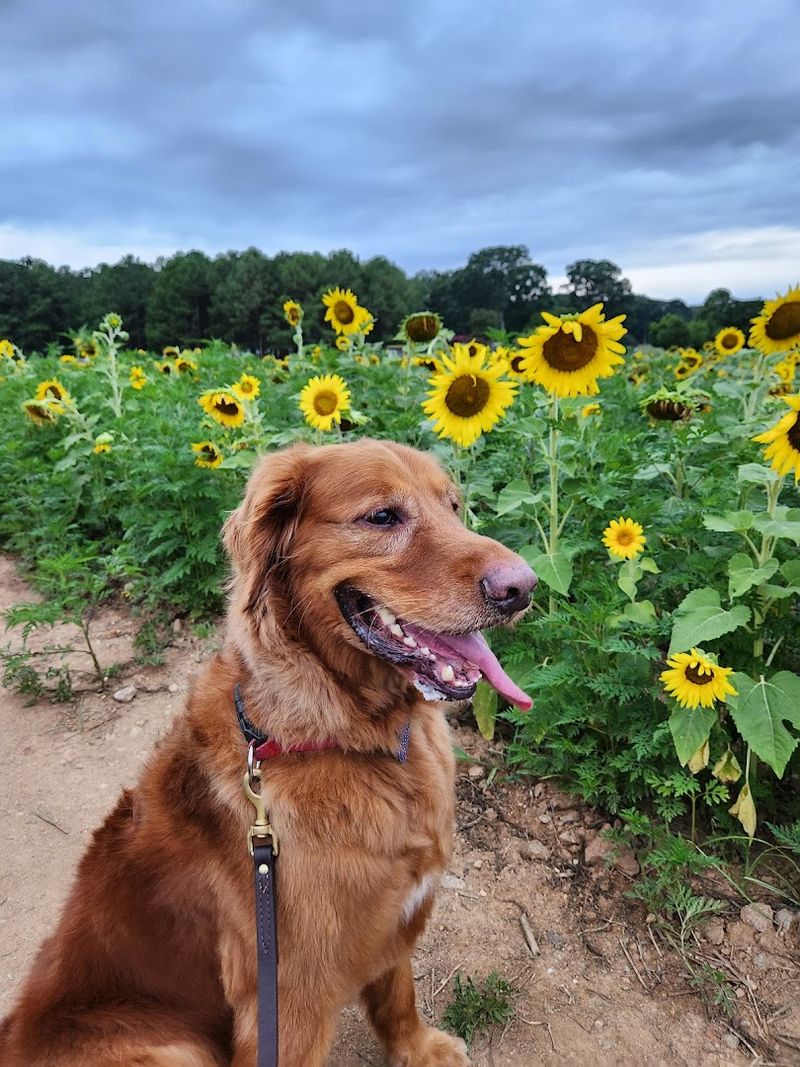
Dogs and other pets can join their families for sunflower field visits as long as they remain leashed and under control. Many visitors bring their furry companions to enjoy the outdoor space together.
The pet-friendly policy recognizes that animals are part of many families and deserve to participate in summer outings.
Pet owners must keep their animals on the designated pathways rather than allowing them to run through planted areas. Cleaning up after pets is required and expected, with owners responsible for bringing necessary supplies.
These simple rules ensure that pets can enjoy the space without damaging the flowers or creating problems for other visitors.
Dogs seem to enjoy the smells and sights of the field as much as their humans do. The pathways provide enough space for pets to walk comfortably even when other visitors are present.
Bringing water for pets is recommended since summer heat affects animals quickly, and shade areas near the field offer good spots for pets to rest between exploring.
9. Photography Permits For Professionals
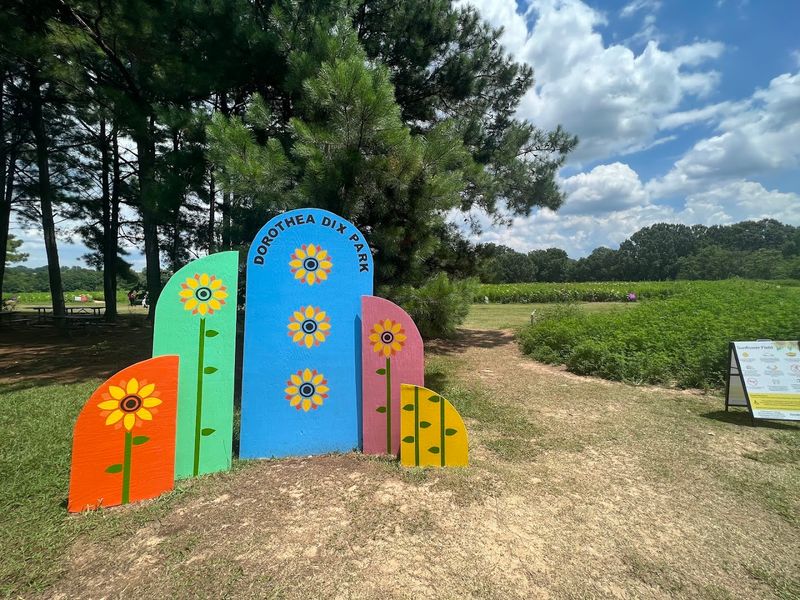
Professional photographers planning to use the sunflower field for client sessions must obtain a commercial photography permit from the City of Raleigh Parks, Recreation, and Cultural Resources Department. The permit requirement applies to photographers conducting business rather than families taking their own pictures.
Personal photography for social media or family albums does not require any special permission.
The permit system helps the park manage commercial activity while keeping the space accessible for regular visitors. Professional sessions can attract crowds of onlookers or block pathways if not coordinated properly.
The permit process ensures photographers understand expectations about respecting other visitors and protecting the flowers.
Many engagement photos, senior portraits, and family sessions happen at the sunflower field each summer because of the stunning backdrop. Permitted photographers know the best times and locations for sessions that capture beautiful images without interfering with public access.
Couples and families looking to hire photographers for sunflower field shoots should confirm their photographer has obtained proper permits before scheduling sessions.
10. Drone Rules Keep Skies Clear
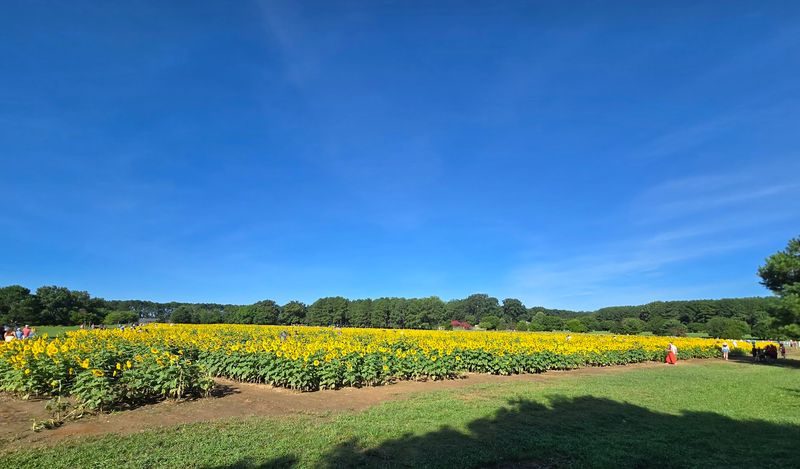
Drones are not permitted to fly over the Sunflower Field to protect visitor privacy and maintain the peaceful atmosphere people come to enjoy. The buzz of drone motors disrupts the natural sounds of the field and can disturb both human visitors and the pollinators working among the flowers.
The no-drone policy applies specifically to the sunflower area.
Drone enthusiasts can fly their devices on the Big Field area of Dix Park where open space provides room for aerial photography without interfering with the more intimate sunflower experience. The park accommodates different recreational activities by designating appropriate zones rather than implementing blanket restrictions.
The rule prevents the sky above the sunflowers from becoming cluttered with multiple drones competing for aerial shots. Ground-level photography captures the beauty of the field from perspectives that feel more connected to the actual visitor experience anyway.
The policy balances technological interests with the desire to preserve a natural, tranquil environment for the thousands who visit each season.
11. Sunflower Power Poles Art Installation
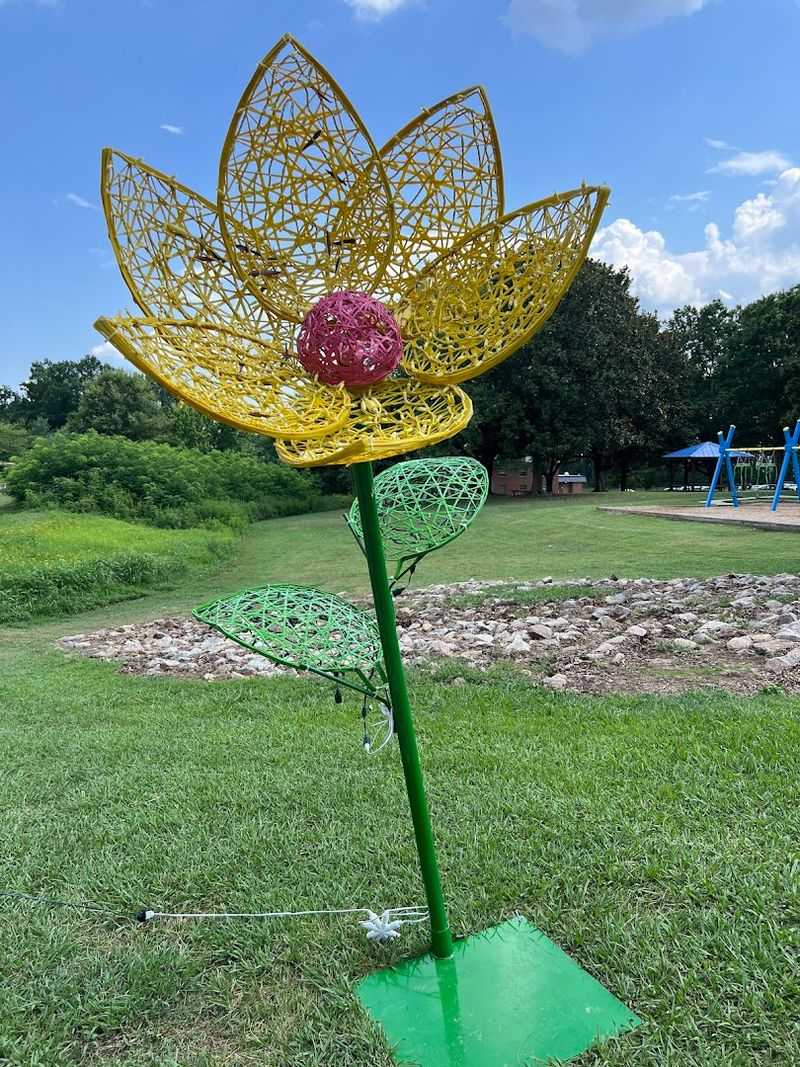
Two utility poles transformed into 73-foot-tall sunflower sculptures stand as permanent tributes to the seasonal blooms. Artist Thomas Sayre created these towering artworks that turn industrial infrastructure into whimsical landmarks visible from throughout the park.
The sculptures remain year-round, keeping the sunflower spirit alive even during months when the field lies dormant.
The Sunflower Power Poles demonstrate how public art can celebrate natural beauty while serving practical purposes. The poles needed to exist anyway for electrical service, so decorating them as giant sunflowers adds visual interest without requiring additional structures.
The artwork has become a beloved symbol of Dix Park and a popular photography subject in its own right.
Visitors often use the sculpture poles as meeting points or landmarks when coordinating with friends and family in the large park. The playful, oversized flowers capture the joy that the real sunflower field brings to the community.
The permanent installation ensures that sunflowers remain part of the park identity throughout all seasons, not just during the summer bloom period.
12. SunFest Celebrates Peak Bloom
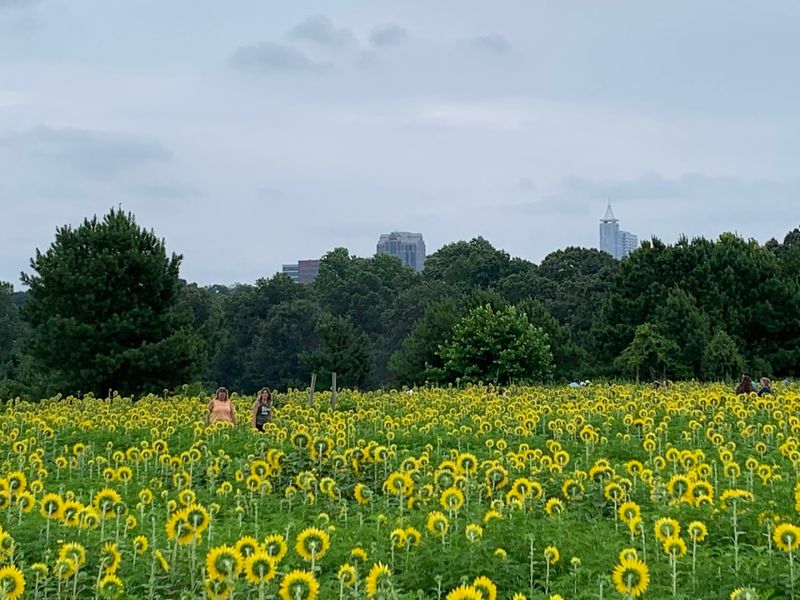
SunFest brings additional entertainment to the park during peak sunflower bloom with performances, lawn games, and organized field walks. The family-friendly festival enhances the sunflower experience by adding structured activities beyond just viewing the flowers.
Live music fills the air while children participate in games and crafts designed around the sunflower theme.
The festival timing coincides with the most spectacular bloom period to maximize the natural beauty surrounding the event activities. Guided walks help visitors learn more about the sunflowers, the pollinators they support, and the ecological importance of the field.
The educational component adds depth to what might otherwise be purely a visual experience.
SunFest demonstrates how public spaces can host events that bring communities together around shared appreciation for nature. Families make memories that combine entertainment with outdoor beauty.
The festival has become an anticipated annual tradition that marks the height of summer for many Raleigh area residents who return year after year to celebrate the sunflowers together.
13. Biodiesel Production From Harvested Seeds
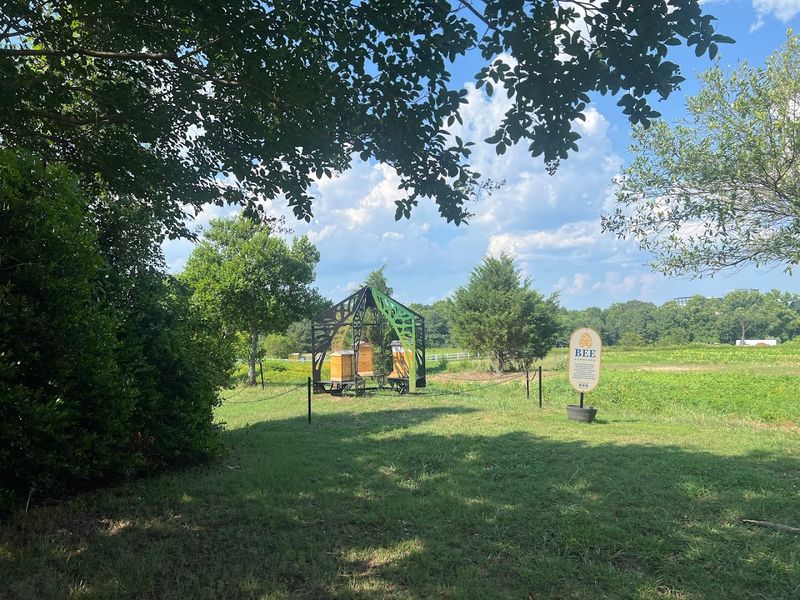
After serving as wildlife food through autumn, remaining sunflower seeds get harvested to produce biodiesel that fuels city equipment. The sustainable cycle turns a beautiful summer attraction into a practical energy source that reduces reliance on conventional fuels.
The biodiesel program demonstrates environmental responsibility while extracting maximum value from the sunflower crop.
Not every seed goes to biodiesel production since many are consumed by birds and other animals during the fall months. The harvest collects what remains after wildlife has taken its share.
The process closes the loop by ensuring the sunflowers contribute to the community in multiple ways throughout their lifecycle.
Visitors who learn about the biodiesel component often express appreciation for the thoughtful management that considers environmental impact. The sunflower field becomes more than just a pretty place to visit when it also contributes to renewable energy goals.
The program shows how recreational spaces and sustainability initiatives can work together rather than competing for resources or attention.
14. Over 100,000 Annual Visitors
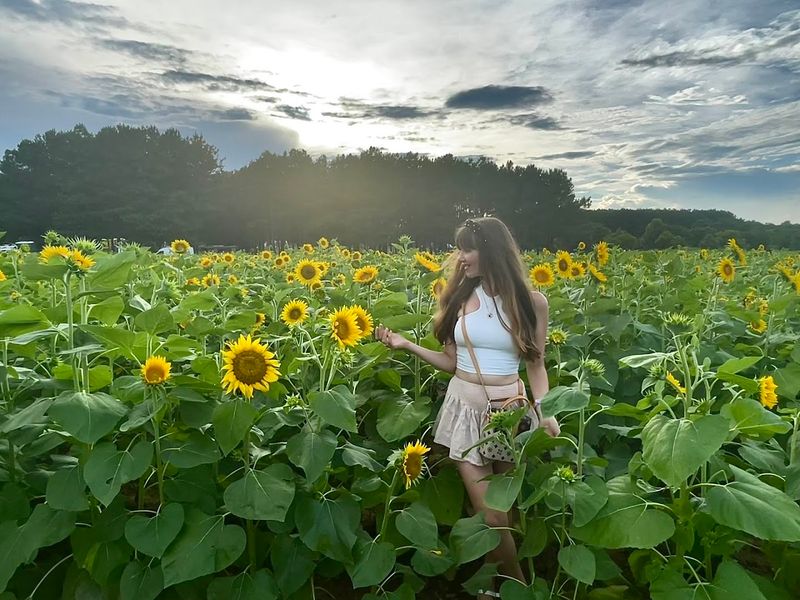
More than 100,000 people visit the Sunflower Field at Dix Park, at 1700 Umstead Dr., Raleigh, each year, making it one of the most popular summer attractions in the Raleigh area. The impressive visitor numbers reflect how successfully the field captures public imagination and provides an experience people want to share with friends and family.
Social media posts featuring the golden blooms inspire even more people to plan their own visits.
The high visitor count during the short bloom period means the field can feel busy, especially on weekends during peak bloom. Weekday mornings tend to offer quieter experiences for those who prefer fewer crowds.
Early morning visits around 6:45 AM provide the best light for photography while avoiding the heat and crowds that build as the day progresses.
Despite the large numbers, most visitors report positive experiences without feeling overwhelmed by crowds. The five-acre size provides enough space for people to spread out.
The pathways allow traffic flow that prevents bottlenecks. The free admission and welcoming atmosphere create a shared community experience where strangers smile at each other while enjoying the simple pleasure of standing among thousands of blooming sunflowers.