This North Carolina University Ranked No. 8 In America And Its 95% Graduation Rate Is A Big Reason Why
One North Carolina university just proved it knows how to keep winning long after the admissions letters go out.
A fresh national ranking placed this mystery campus at No. 8, which is the academic version of showing up with a trophy already polished.
The impressive part is not just where it finished.
Nearly every student who starts here goes on to graduate, giving the school a completion record that is very hard to beat.
Suddenly, the ranking feels less like luck and more like a winning streak.
The beautiful campus certainly helps the first impression.
The numbers handle the victory lap. Now comes the fun part of guessing which powerhouse pulled it off.
No. 8 In America Is Only The Beginning Of The Story
Rankings come out every fall, but the September 22, 2026 release carried special news for one campus in the Piedmont.
U.S. News placed Duke at No. 8 among National Universities in its 2027 list, putting it shoulder to shoulder with the most famous schools in the country.
That spot is a headline, yet it barely scratches the surface.
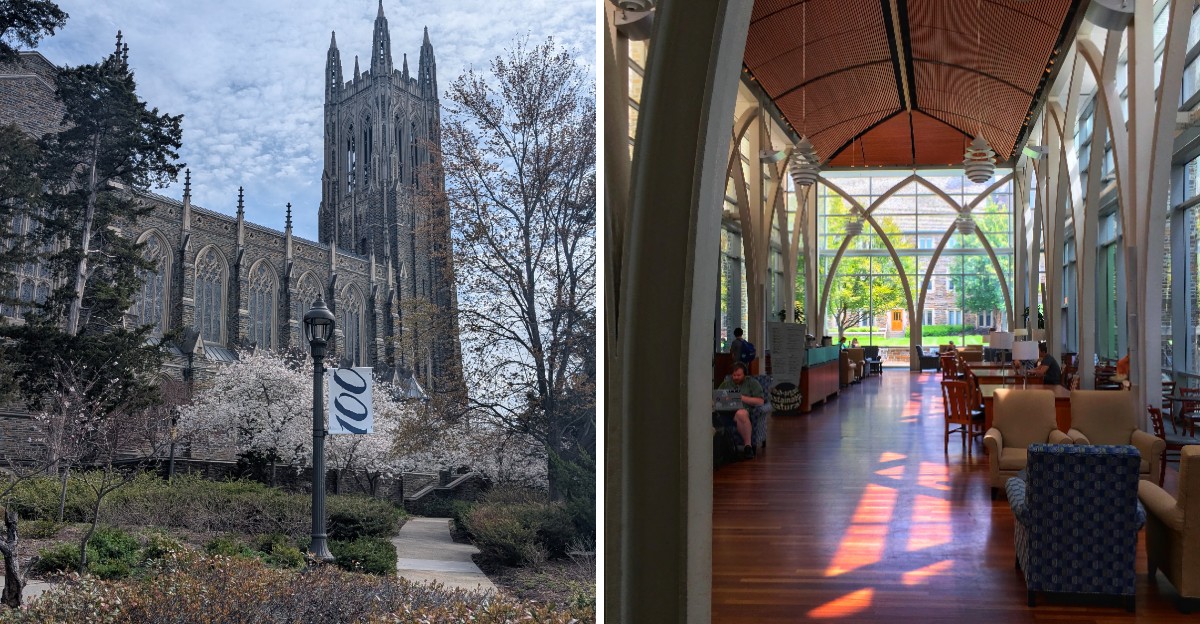
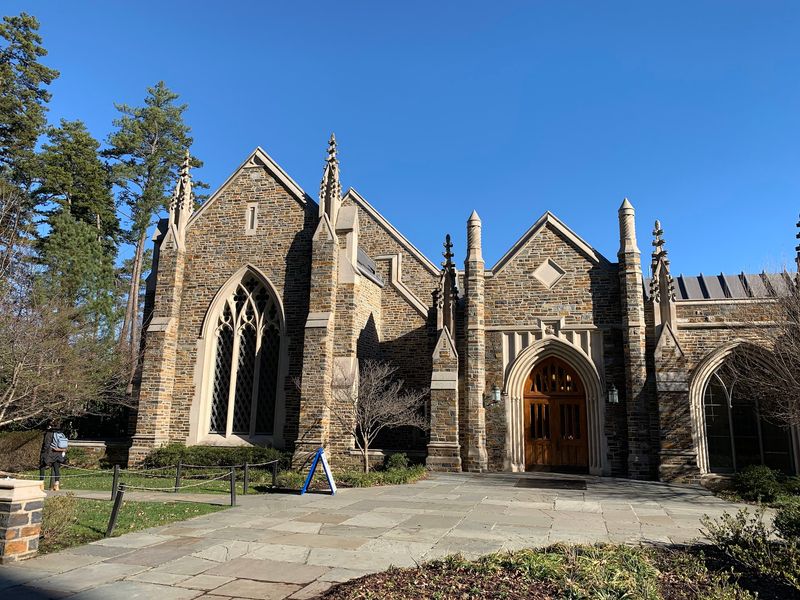
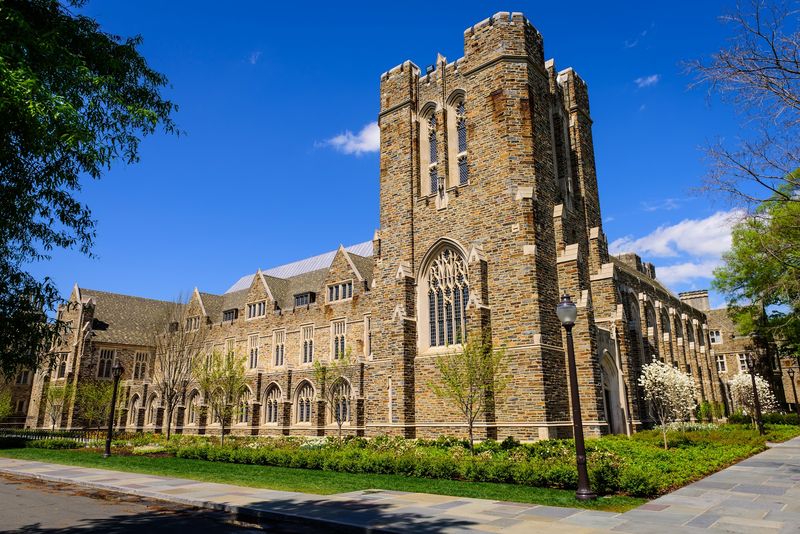
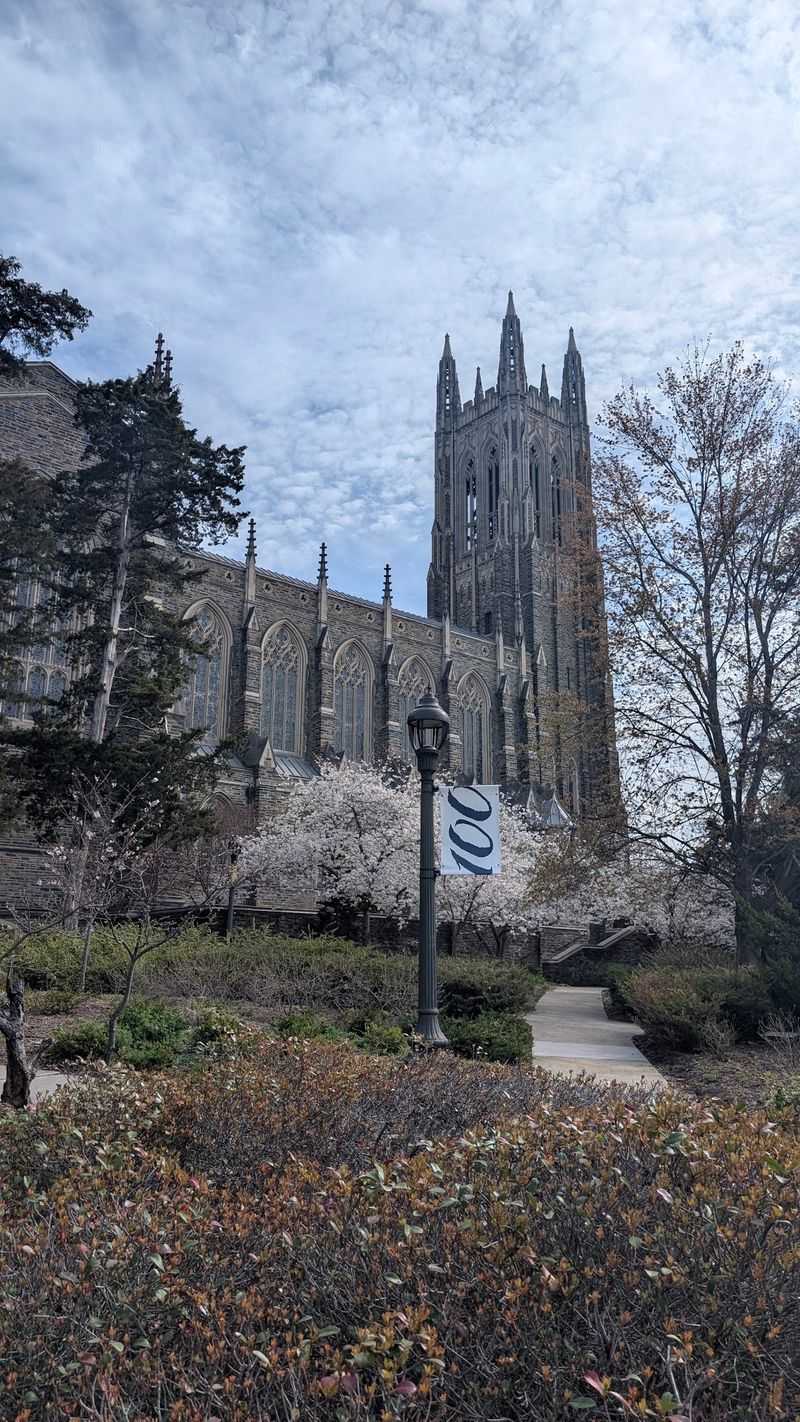
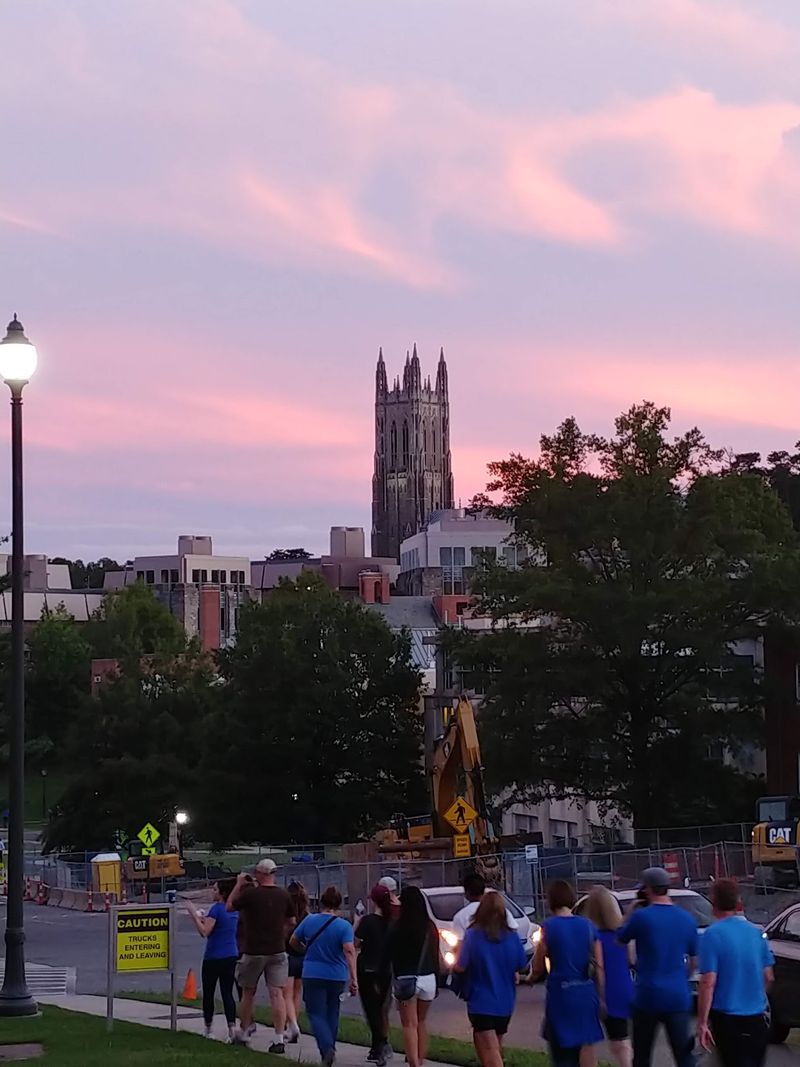
Walk onto West Campus and the first thing you notice is stone, lots of it, in warm shades of gold, gray, and rust.
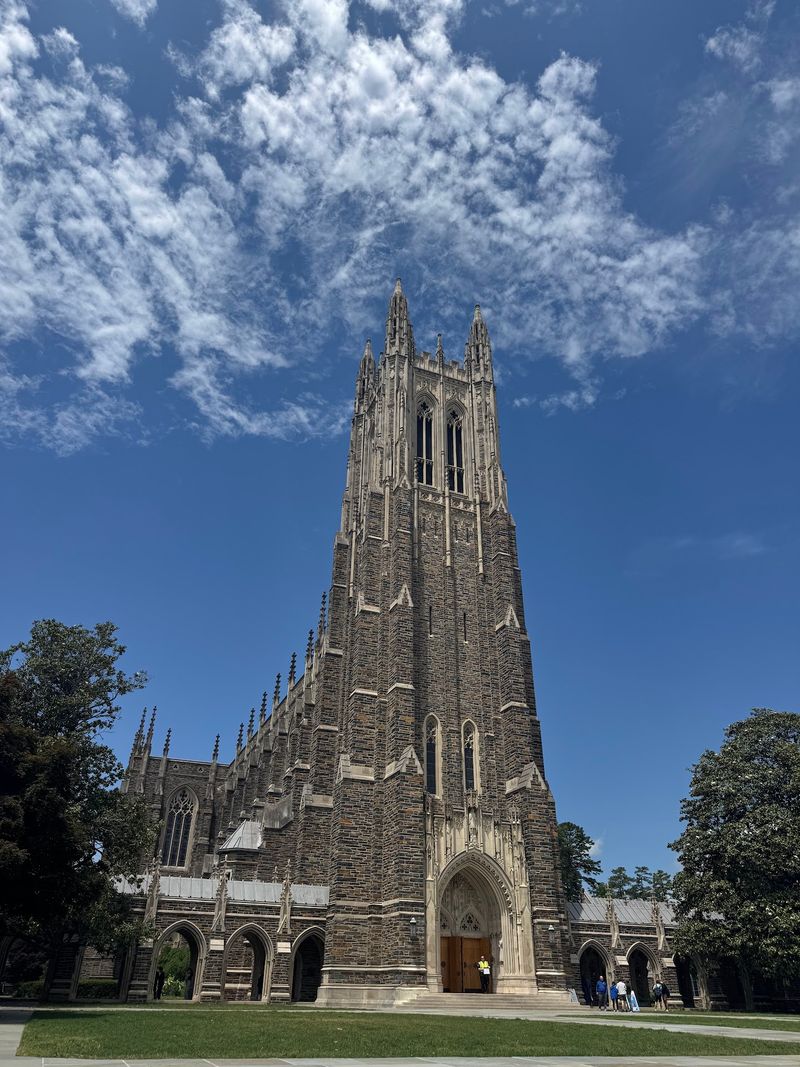
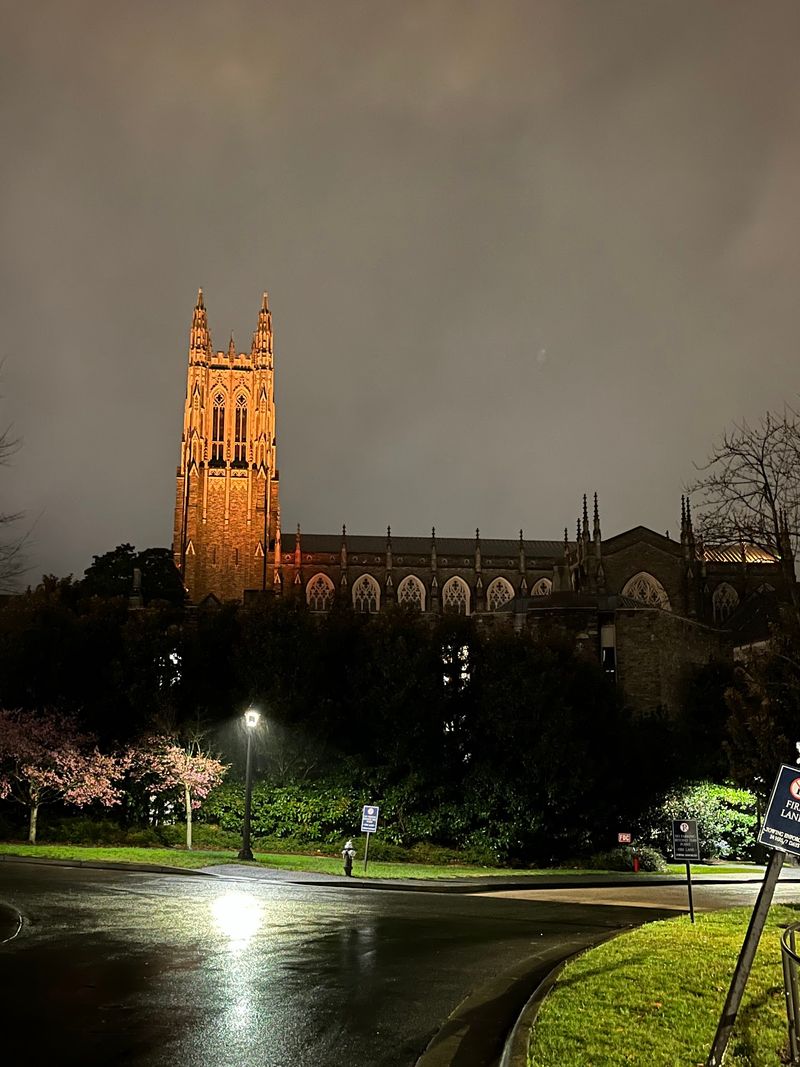
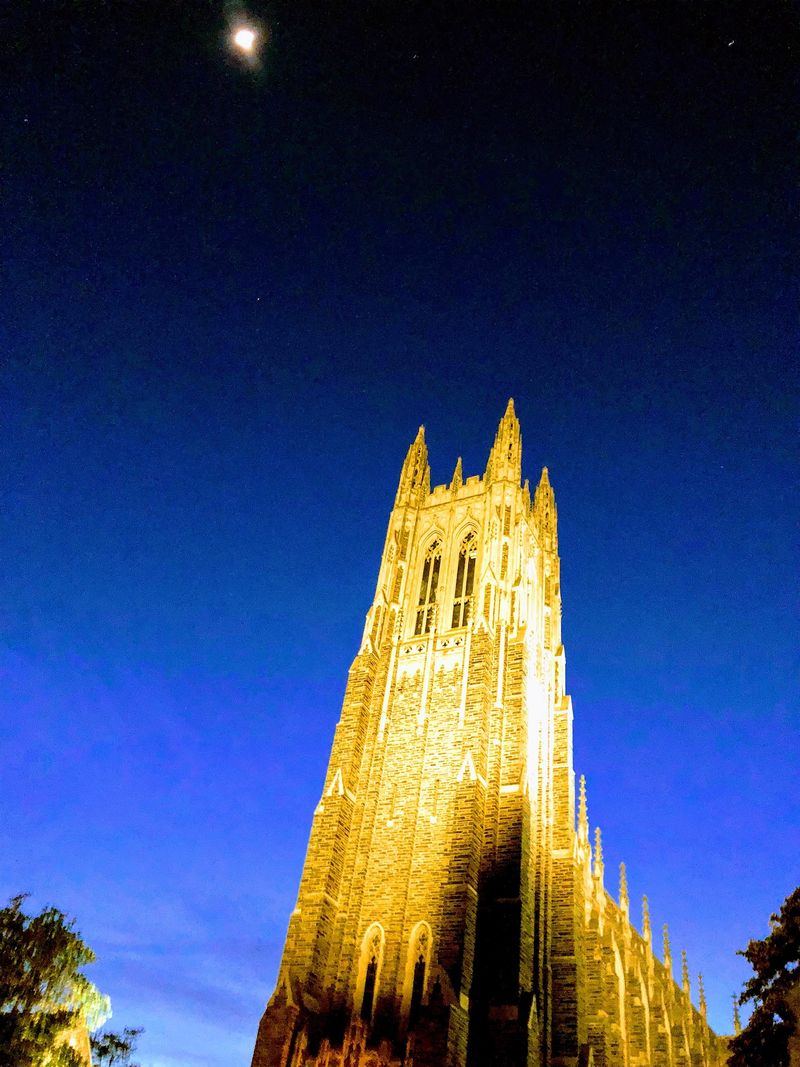
Duke Chapel rises above the quad with a tower that climbs about 210 feet, and its bells ring out across the lawns on afternoons.
The Gothic buildings were largely built between the late 1920s and early 1930s, using stone from a quarry near Hillsborough.
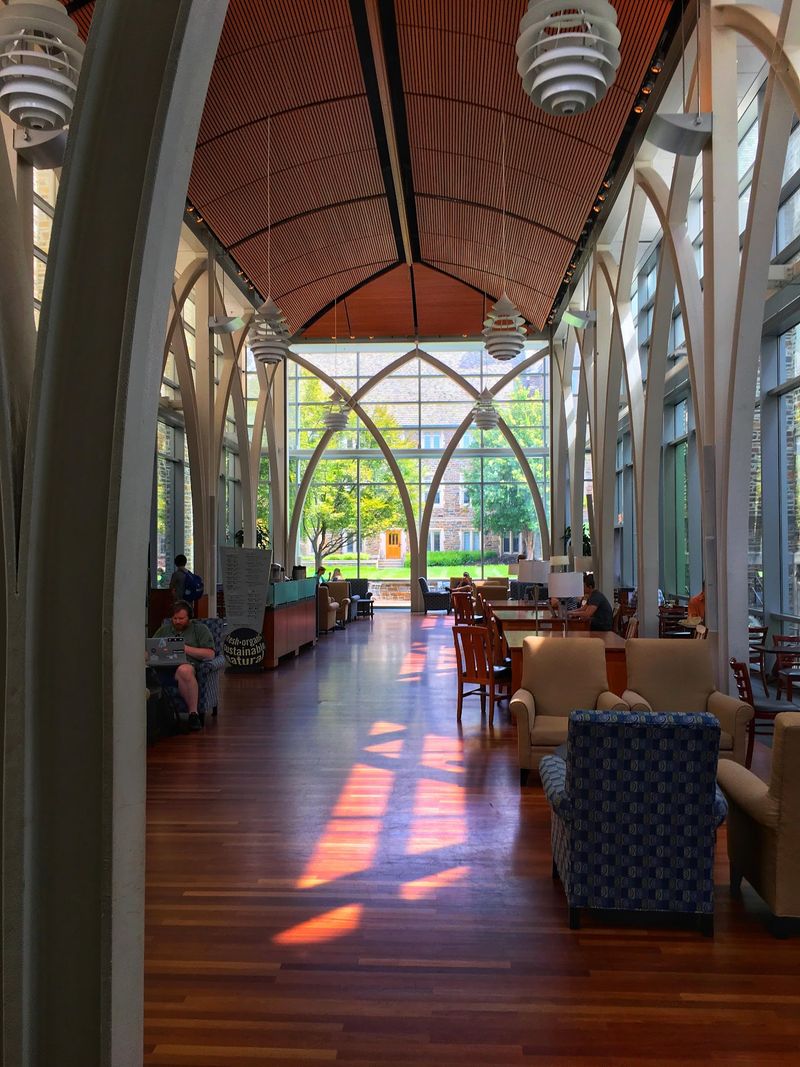
Today those same halls hold classrooms, labs, and cozy study nooks where students spend long evenings. Keep that picture in mind, because the numbers ahead explain why the ranking fits so well.
Fun fact: the institution traces its roots to Union Institute in 1838, later became Trinity College, and took the Duke University name in 1924.
Anyone planning a visit can find the main campus of Duke University at 2080 Duke University Rd in Durham.
More Than 96% Of Students Finish Within Six Years
Imagine a group of 100 friends starting college together on the same sunny August morning.
At Duke, about 96 of them will walk across the graduation stage within six years.
For the students who started in fall 2019, the exact figure was 96.1%. That number is not a lucky one-time spike.
Duke reports that its graduation rate has stayed between 94% and 96% across the past decade, which shows steady, year-after-year strength.
Across the country, many colleges would celebrate reaching even the low end of that range. So what keeps students on track?
Advisors, tutoring centers, and professors who hold regular office hours all play a part, and small seminars help students feel noticed rather than lost.
Money matters too, and generous financial aid means fewer students leave because of cost.
Daily life helps, as well.
A stroll through the 55-acre Sarah P.
Duke Gardens, free and open to the public, offers a peaceful break from exams, with ponds, stone terraces, and flower beds that change color with the seasons. It is one of the prettiest green spaces in North Carolina, and students treat it like a backyard.
For families, the 96.1% six-year graduation rate is one concrete outcome to consider alongside cost, academic fit, and other factors.
First-Year Retention Sits Above 97% Too
Freshman year can feel like jumping into a pool without checking the water temperature.
New roommates, new classes, and a map that seems to shift every day can shake anyone.
Yet at Duke, very few students climb out and head home.
More than 97% of first-year students come back for a second year, based on recent figures that include the fall 2024 group.
That figure, called the retention rate, is one of the clearest signs that a school helps newcomers settle in. When students return, it usually means they found friends, classes they enjoy, and a place that feels right.
Part of the secret lives on East Campus, where first-year students live together.
Shady lawns, brick buildings, and the Marketplace dining hall give newcomers a shared home base, and friendships form over late breakfasts and noisy study sessions.
A free bus loop links East and West campuses, so no one feels stuck.
Visitors can follow that same route to see the contrast between the two campuses, one full of red brick and white columns, the other crowned by Gothic stone.
Nearby Ninth Street, a short walk from East Campus, offers bakeries, cafes, and bookshops worth a lazy afternoon. A strong first year sets up everything that follows.
A 5.2% Acceptance Rate Shows Just How Competitive Admission Has Become
Picture a packed football stadium, then imagine only about one person in every twenty getting picked.
That is roughly what applying to Duke feels like.
The acceptance rate tied to the latest ranking data sits at 5.2%, one of the lowest in the nation. The newest numbers are even tighter.
For the Class of 2030, Duke admitted about 4.7% of applicants from a pool of more than 61,000, making it one of the most selective cycles in school history.
Selectivity provides context about Duke’s applicant pool, but acceptance rate is not listed among the weighted factors in the 2027 U.S. News methodology.
Graduation and retention, academic resources, peer assessment, research measures, social mobility, and post-graduation outcomes are among the factors that do count.
Admissions readers look for curiosity, kindness, and a spark that shows in essays and activities.
Students who want a shot should chase interests they truly love, whether that means coding, community service, or writing music.
Genuine passion stands out far more than a long list of clubs joined just for show.
Official campus tours fill up quickly in spring, so booking early through the admissions website is smart. Many visiting families from around North Carolina and far beyond pair the tour with a picnic near the chapel lawn.
Graduation And Retention Are Only Part Of What Drives The National Ranking
Think of a national ranking like a report card with many subjects instead of just one.
Graduation and retention count for a lot, but U.S.
News also grades schools on other measures. Knowing those pieces helps families read the list with sharper eyes.
Academic reputation is one of them, based on how leaders at other colleges rate a school. Faculty resources matter too, along with how much money a university spends on each student.
Social mobility, which looks at how well schools help students from lower-income families graduate, also plays a role. Duke shines in several areas beyond the core formula.
It often earns strong marks in lists for undergraduate teaching, senior capstone projects, internships, and student research.
Many undergrads work in real labs alongside professors, sometimes on medical and science projects tied to Duke Health.
For a visitor, that research energy is easy to spot.
Glassy science buildings stand beside nearly century-old stone halls, and the Nasher Museum of Art, near the edge of campus on Campus Drive, shows how the school mixes creativity with discovery. Grab a coffee, wander the galleries, and notice students sketching or chatting about projects.
Strong numbers across the board, not a single statistic, keep the school near the top.
Students Arrive With SAT Scores Reaching Into The 1500s
Here is a number that might make a math teacher grin: 1570.
That is the top of the middle range of SAT scores for admitted Duke students who chose to send them.
The bottom of that middle 50% is 1520 for admitted students who submitted scores.
In plain words, the middle half of admitted students who submitted SAT scores landed between 1520 and 1570 out of a possible 1600. A quarter scored even higher, and a quarter scored a bit lower.
So a perfect score is not required, but strong preparation clearly helps. For younger readers dreaming about Duke someday, the path starts early.
Reading for fun, practicing math a little each day, and taking free online practice tests can build skills slowly without stress.
Big jumps in scores usually come from steady habits rather than last-minute cramming.
Duke is test-optional for the 2026–27 admissions cycle, so applicants are not required to submit SAT or ACT scores.
The 1520–1570 range describes admitted students who chose to submit SAT results.
Of course, brains need fuel, and the Brodhead Center on West Campus serves it up with food stations offering everything from fresh noodle bowls to warm pizza and colorful salads.
Visitors can often grab a bite there as well.
Nearly 7,000 Degrees Were Awarded At Commencement This Year
Caps flew and families cheered on Sunday, May 10, 2026, as Duke held its commencement ceremony.
Nearly 7,000 degrees were awarded that day, covering undergraduate, graduate, and professional programs. It was a sea of gowns, tassels, and proud smiles under a spring sky.
About 1,785 of those graduates were undergraduates finishing bachelor’s degrees.
More than 5,000 others earned advanced degrees in fields such as law, medicine, business, nursing, and engineering.
Each diploma stands for years of late nights, lab reports, and hard-won growth.
Graduation weekend also turns Durham into a lively place.
Hotels fill quickly, and local restaurants welcome proud families craving Southern favorites like smoky barbecue, fried chicken, and biscuits.
Future guests should book rooms months ahead.
Duke provided general commencement parking near Wallace Wade Stadium, with Science Drive Garage serving as the main guest parking location.
Photos in front of Duke Chapel or among the blooms at Duke Gardens make lasting keepsakes.
Many new graduates head off to jobs and studies around the world, while others stay close and build careers right here in North Carolina.
The Research Triangle, home to major tech and health employers, keeps plenty of talent nearby.
That ripple effect is part of why a finished degree matters so much.
Why This University Keeps Landing Near The Very Top Of National Rankings
Staying near the top year after year takes more than one great season, and Durham’s most famous campus knows that well.
Duke has spent most of recent years in or near the top ten, and the 2027 list continued that pattern with a No. 8 finish. The recipe blends several ingredients.
Graduation and retention, peer assessment, faculty and financial resources, standardized-test data, research measures, and student outcomes all contribute to the 2027 U.S. News formula.
This year’s methodology also adds earnings by major as a new post-graduation measure.
Money support plays a big part as well.
Duke offers generous financial aid, and a special program gives full tuition grants to eligible families from North Carolina and South Carolina.
That kind of help opens doors for talented students who might otherwise never apply. School spirit adds its own spark.
Inside Cameron Indoor Stadium, the student fans known as the Cameron Crazies bounce, chant, and paint their faces blue for basketball games, and that energy spills across campus.
Even on quiet days, visitors can stroll past the storied arena and explore the nearby Duke Basketball Museum.
Come for the chapel and the gardens, and leave understanding why this school keeps earning its spot near the very top.