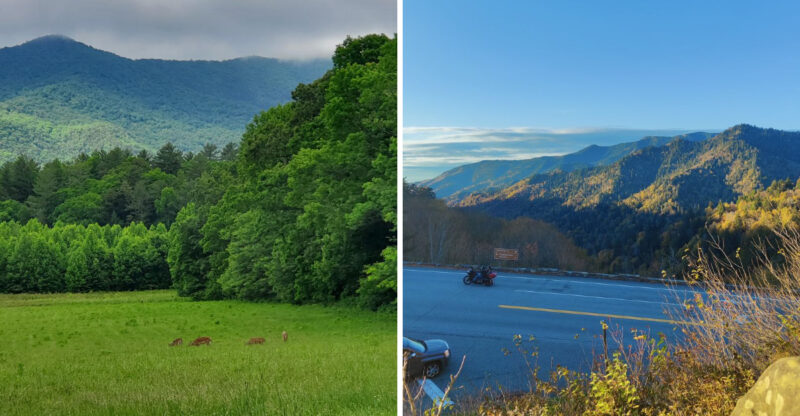
These 10 North Carolina Parks Have Shady Trails, Cool Creeks, And Picnic Areas
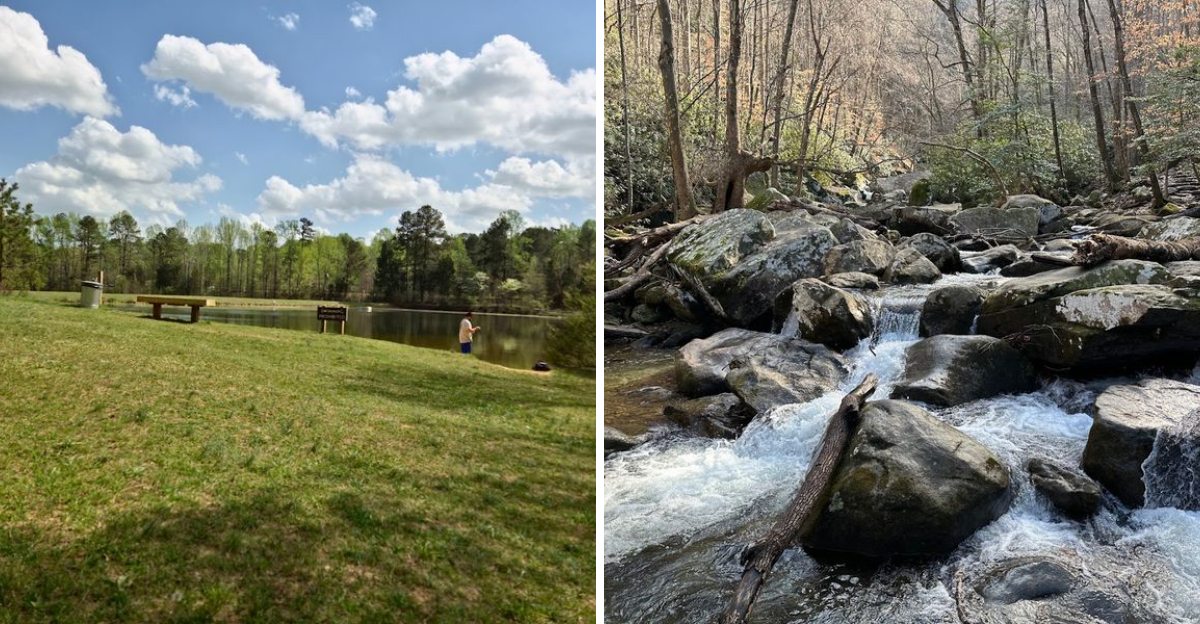
Shade becomes serious business once a North Carolina summer afternoon starts showing off.
That is when a good park can rescue the entire day. Trees cool the trails, creeks offer a welcome break, and picnic tables suddenly look like premium seating.
Nobody needs an elaborate plan. Bring lunch, wear comfortable shoes, and let the setting do most of the work.
Across the state, these green spaces make it easy to slow down without getting bored. You can follow a quiet path, pause beside the water, or claim a shady spot before someone else gets the same idea.
Families have room to spread out. Solo visitors can enjoy the quiet.
Even the person who insisted they were “not outdoorsy” may end up staying longer than expected.
These ten parks prove that summer does not always require hiding inside with the air conditioning. Sometimes, the better answer is a cool creek, a shady trail, and a picnic that lasts well past lunchtime.
1. William B. Umstead State Park, Raleigh
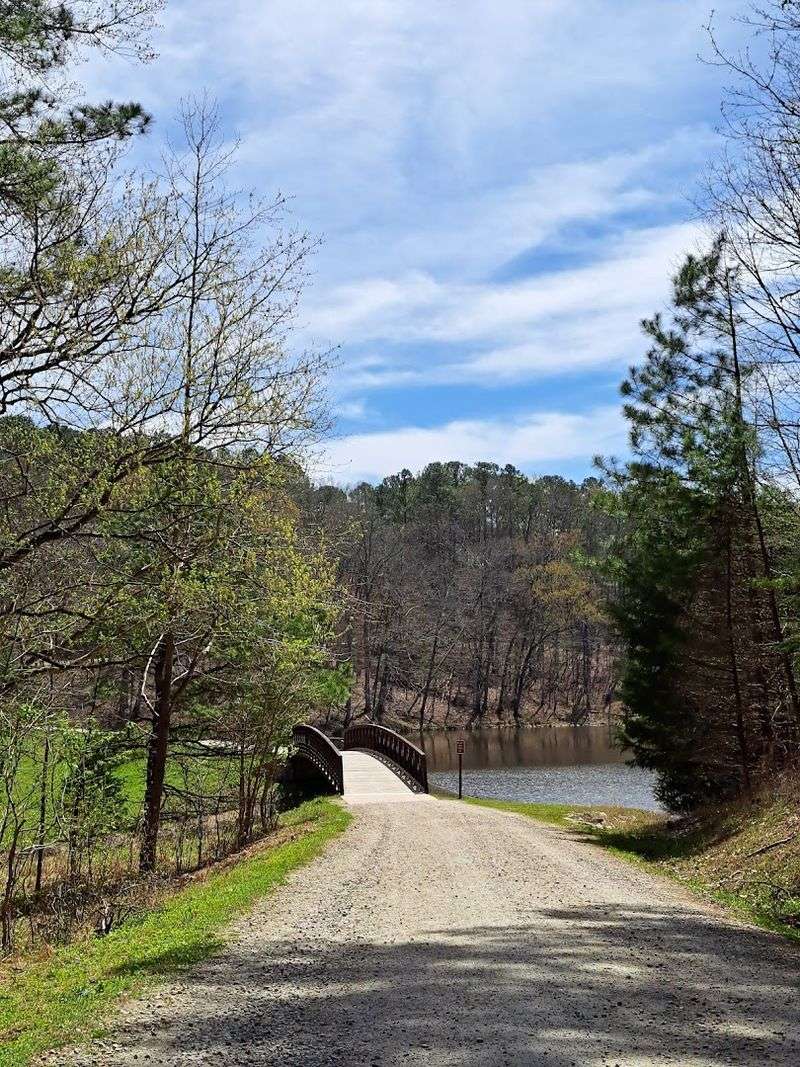
Minutes from busy roads, a broad network of forest trails gives visitors room to forget how close they remain to Raleigh and Cary. William B.
Umstead State Park contains 34.5 miles of hiking routes, 13 miles of multiuse trails, three manmade lakes, and several tributaries winding beneath pine and hardwood cover. Short options include the 0.6-mile Oak Rock Trail and the 1.3-mile Pott’s Branch Trail.
Longer outings can follow the 5.8-mile Company Mill Trail or the 7.2-mile Sycamore Trail. Picnic shelters are available from both entrances, while tables near developed areas make lunch easy to pair with a walk.
Crabtree Creek Access and the visitor center are at 8801 Glenwood Avenue in Raleigh, and Reedy Creek Access is at 2100 North Harrison Avenue in Cary. Visitors should note that bridge replacement work began in June 2026 along South Turkey Creek Multiuse Trail.
Segments of Cedar Ridge, North Turkey Creek, and South Turkey Creek trails near the project are temporarily closed. Plenty of hiking choices remain available, but checking the current map will prevent you from building a route around a missing connection.
2. Eno River State Park, Durham
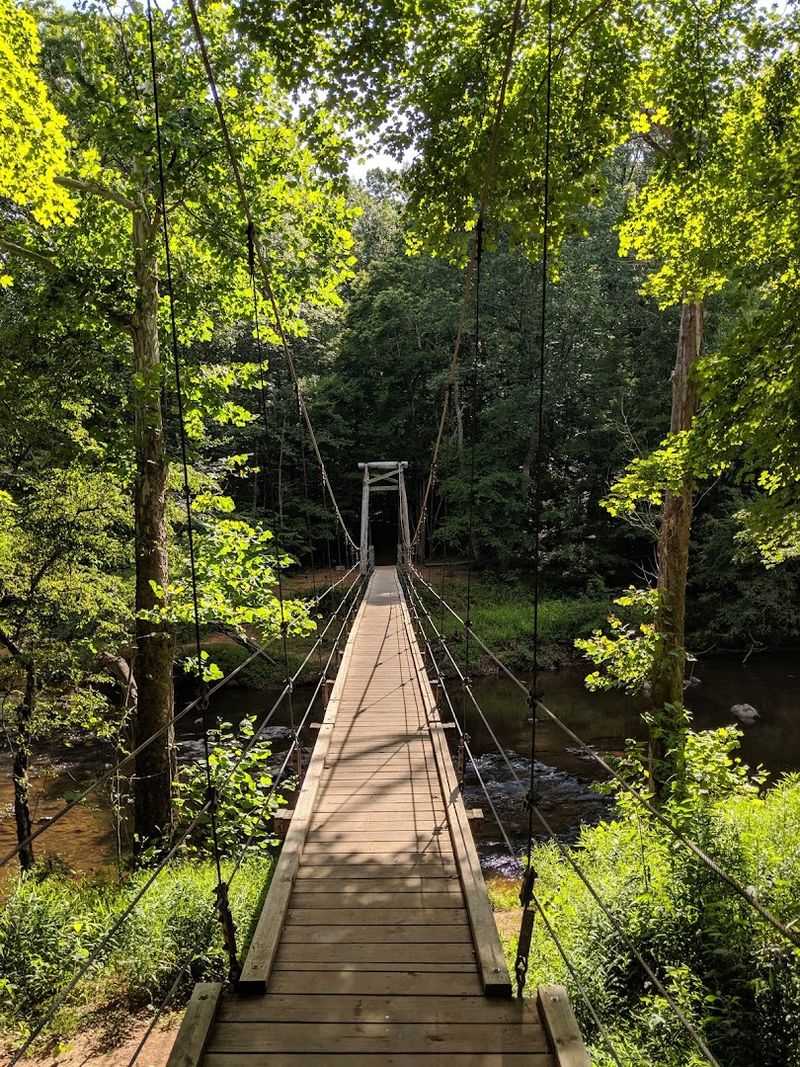
Rocky shallows and shaded riverbanks give this park a noticeably different feel from the city streets only a few miles away. Eno River State Park stretches across seven access areas in Durham and Orange counties, with about 30 miles of hiking routes divided among Fews Ford, Cole Mill, and several smaller trailheads.
Buckquarter Creek Trail currently provides a 1.5-mile loop near Fews Ford, while the shorter Eno Trace TRACK Trail works well for families seeking an easier walk. Long sections of the Mountains-to-Sea State Trail also pass through the park.
Picnic shelters are offered at Fews Ford and Cole Mill, although Cole Mill Access is currently closed. Fews Ford remains partially open at 6131 Cole Mill Road and provides the most practical starting point for first-time visitors.
Some routes, including Cox Mountain Trail and several Cole Mill trails, remain unavailable, while other paths have washed-out crossings or partial closures. Current trail status should therefore be checked before choosing a loop.
Remaining open areas still offer plenty of river scenery, wooded shade, and spaces to eat near the developed access points. Stay cautious around wet rocks and changing current rather than assuming shallow water is harmless.
3. South Mountains State Park, Connelly Springs
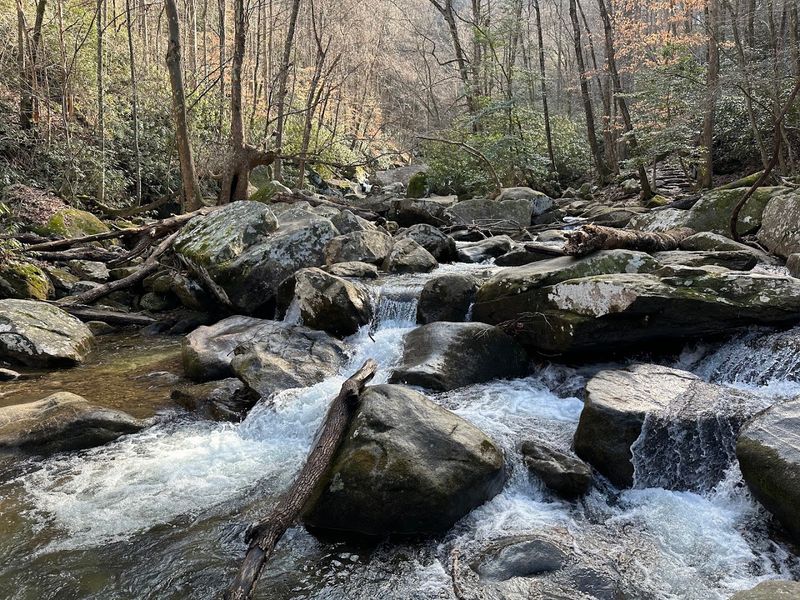
Rushing water and deep forest make the Jacob Fork section especially appealing when temperatures rise.
South Mountains State Park contains nearly 50 miles of trails across elevations reaching about 3,000 feet, but current closures require a different plan than older guides may suggest.
High Shoals Falls Loop Trail and its waterfall viewing areas remain closed during ongoing recovery work. Headquarters, Shinny, and Possum trails are also unavailable, while the separate Clear Creek Access is closed for construction.
Visitors can still enjoy open routes from Jacob Fork, including the easy River TRACK Trail and Hemlock Nature Trail near the developed area. Jacob Fork River adds a steady water backdrop without requiring a long climb, and shaded sections make a morning walk feel more manageable.
Picnic facilities, restrooms, a shelter, and the visitor center sit near 3001 South Mountain Park Avenue in Connelly Springs.
Swimming is not a listed activity at Jacob Fork, so enjoy the river from designated trails and banks rather than treating it as a swim area.
Arriving with an updated trail map matters more than usual here. The park still offers a rewarding summer outing, but High Shoals Falls should not be presented as currently accessible.
4. Stone Mountain State Park, Roaring Gap
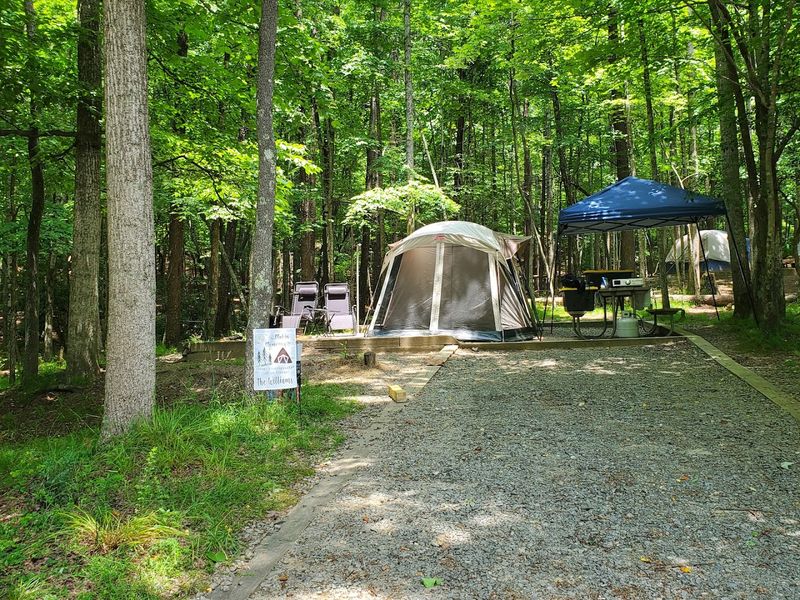
Granite may define the skyline, yet creeks, trout streams, forest trails, and picnic grounds make the lower parts of this park equally inviting.
Stone Mountain State Park offers about 20 miles of hiking routes around a 600-foot granite dome and the restored Hutchinson Homestead.
Several paths move through wooded terrain before reaching open rock, waterfalls, or broad views. Current construction has closed the section of Stone Mountain Loop Trail near Stone Mountain Falls, along with part of the Mountains-to-Sea State Trail.
Visitors should not plan a complete 4.5-mile loop until the park announces that the stair replacement work is finished.
Other routes remain available, including Wolf Rock Trail and portions of the loop reached from open trailheads.
Picnic shelters, restrooms, and developed gathering areas provide convenient places to eat without carrying lunch far into the backcountry. The main address is 3042 Frank Parkway in Roaring Gap.
Fishing remains available year-round during regular park hours, but no designated swimming facility is provided. Wet granite and waterfall areas can become extremely slick, making marked routes and closure signs important.
Even with the temporary limitations, you can still combine a shaded woodland walk, stream scenery, historic buildings, and a picnic in one visit.
5. Carvers Creek State Park, Spring Lake
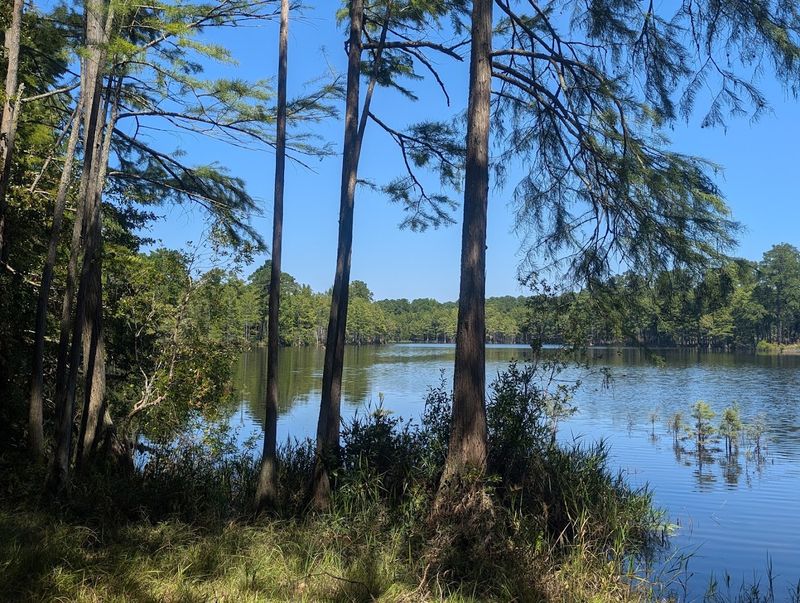
Easy terrain allows the scenery to take priority at this Sandhills park. Carvers Creek State Park has two separate access areas, and each delivers a different outdoor experience.
Long Valley Farm offers three miles of hiking and biking trails around historic structures, mature trees, wetlands, and a millpond.
Picnic tables line trails at the access and are available without charge on a first-come basis, making this the stronger choice for a gentle walk followed by lunch.
Fishing is also permitted at the millpond under current state regulations. Sandhills Access expands the trail system with 10.5 miles open to hikers, bicyclists, and horseback riders.
Longleaf pine forest, ponds, and sections near Carvers Creek replace the denser hardwood shade found elsewhere in the state. Both trail systems are currently open.
Long Valley Farm and the park office stand at 2505 Long Valley Road in Spring Lake. Sandhills Access is at 995 McCloskey Road in Fayetteville.
Since the two entrances do not connect by an internal park road, choose the section before leaving. Insect repellent can be useful around ponds and wetlands during warm, damp weather, especially if you plan to linger at the picnic tables.
6. Reedy Creek Park And Nature Preserve, Charlotte
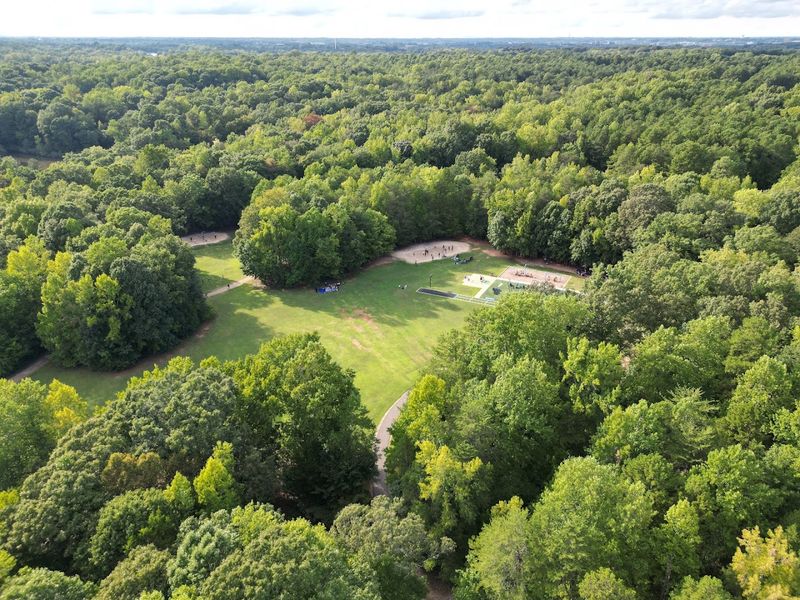
Groups with different interests can settle into one destination without spending the afternoon apart. Reedy Creek Park combines playgrounds, athletic facilities, fishing areas, shelters, and open recreation space with a large adjoining nature preserve.
Wooded trails lead away from the busier park facilities, passing ponds, creeks, and quieter forest sections. Reedy Creek Nature Center adds native-animal displays, an exhibit hall, classrooms, and environmental programs for visitors who want an indoor break from the heat.
The preserve remains open from sunup to sundown, while the nature center keeps separate daytime hours. Picnic choices range from standard outdoor shelters to the enclosed Laine Clontz Pavilion, which includes tables, restrooms, water, and a grill.
The main park entrance is at 2900 Rocky River Road in Charlotte, while the nature center is listed at 2986 Rocky River Road.
Fishing is allowed under county and state regulations, and anglers age 16 or older generally need a North Carolina fishing license.
Trail conditions may change after heavy rain, so staying on marked paths protects both visitors and sensitive natural areas. Reedy Creek works especially well for families who want a real forest walk without giving up easy access to playgrounds, restrooms, and a comfortable picnic spot.
7. West Asheville Park, Asheville
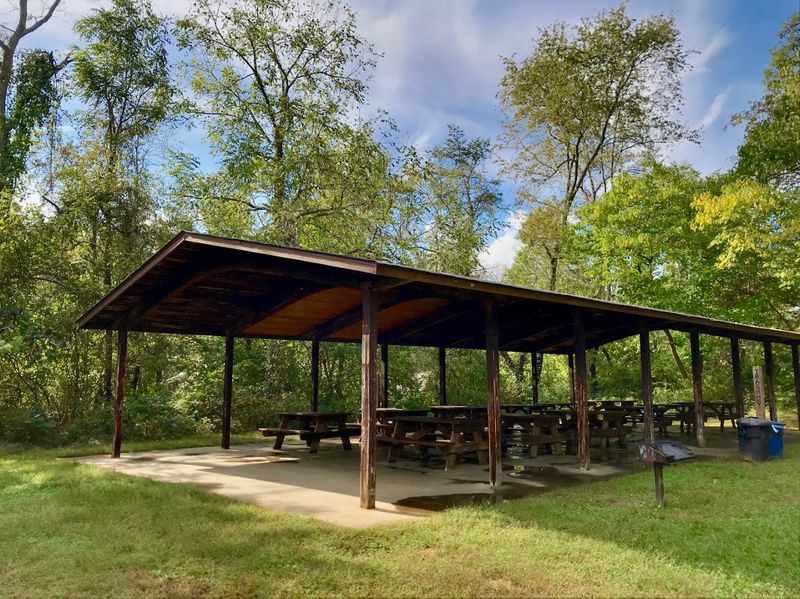
Not every shaded summer stop needs enough trail mileage to fill an entire day. West Asheville Park is a compact neighborhood space reached from Vermont Avenue, with mature trees, Gassaway Field, a playground, and a picnic shelter.
Rhododendron Creek flows through the grounds before joining the larger Hominy Creek system, adding a small natural corridor beside the developed recreation areas.
Walking options are short and informal compared with those at a state park, making this a better fit for a relaxed stroll, playtime, or lunch between other Asheville plans.
The city continues to list the park and its shelter as active public facilities, and its location keeps restaurants and businesses along Haywood Road within easy reach.
Visitors should treat the creek as scenery rather than a swimming destination.
Water quality can vary after rain, and the park does not maintain a designated swim area or lifeguarded access point. Shade also differs across the property, with more tree cover around some edges than on the athletic field.
Bring a blanket or use the shelter, let children enjoy the playground, and follow the paths around the creek without expecting a wilderness hike. Its value comes from being simple, convenient, and pleasantly green.
8. Occoneechee Mountain State Natural Area, Hillsborough
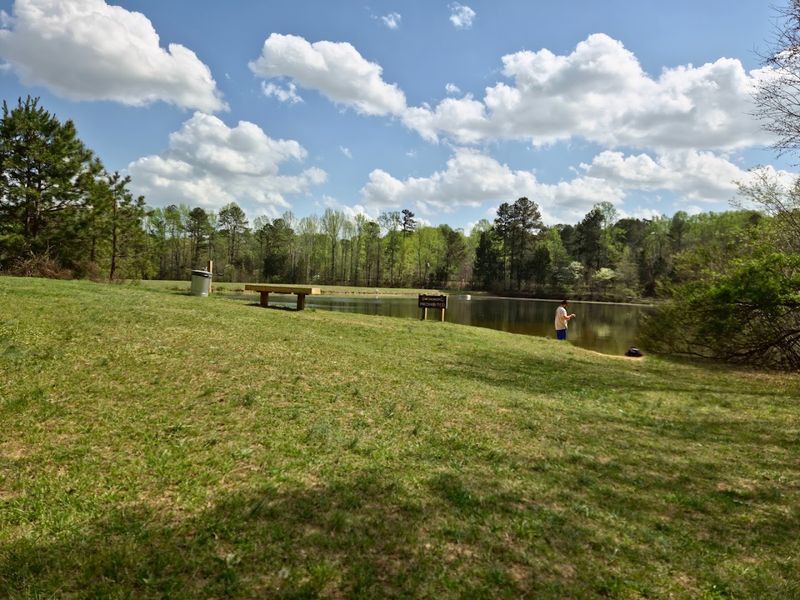
Three miles of trail create a surprisingly varied outing northwest of downtown Durham. Occoneechee Mountain State Natural Area moves between hardwood forest, mountain laurel, rhododendron, two fishing ponds, the Eno River, and a rocky overlook.
The 2.2-mile Mountain Loop supplies most of the mileage, while the 0.9-mile Chestnut Oak Trail and short Overlook Trail add optional sections.
Climbs and exposed roots make the route feel more demanding than its distance suggests, though much of the walk remains beneath tree cover.
Picnicking is allowed, and the official map marks a picnic area near the entrance. Facilities are minimal, with no visitor center or reservable shelter on the property, so bring what you need and plan to carry all rubbish out.
The entrance is at 625 Virginia Cates Road in Hillsborough. Fishing is available where regulations allow, but no developed swimming area is provided.
Rain can leave roots, stones, and the overlook approach slick, making dependable footwear useful.
You will not find the broad lawns or extensive amenities of a larger park, yet the compact trail system still moves from quiet water to shaded slopes and an open view in a single afternoon.
9. Ramsey Creek Park, Cornelius
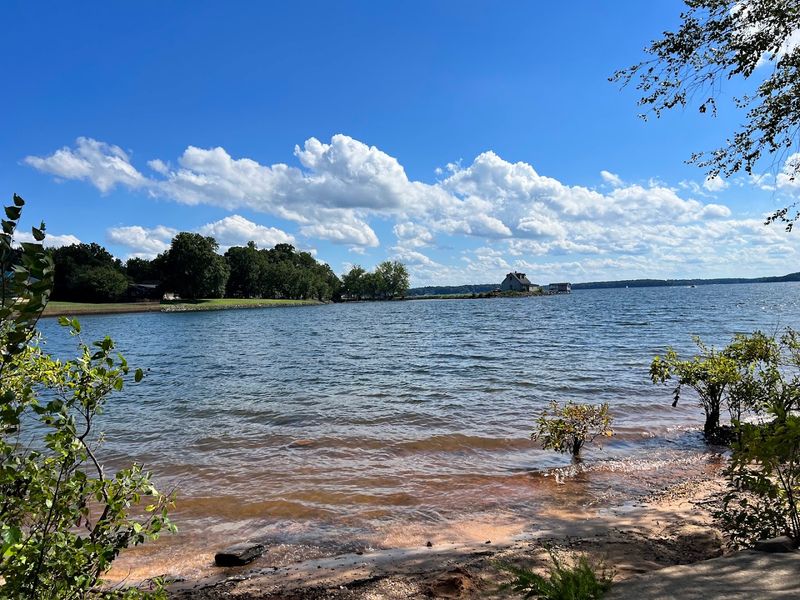
Lake Norman gives this 43-acre park a wider, brighter setting than the creekside destinations on the list. Ramsey Creek Park includes nature trails, picnic shelters, a playground, fishing pier, docks, boat ramps, volleyball court, dog park, and a seasonal swimming beach.
Wooded stretches provide some shade, although shoreline areas remain more exposed to direct summer sun. The fishing pier and lake views offer an easy place to slow down before lunch, while reservable shelters support family gatherings and larger groups.
Visitors can enter from 18441 Nantz Road in Cornelius. Ramsey Creek Beach has its own seasonal schedule and admission fees, including different vehicle rates for Mecklenburg County residents and nonresidents.
Parking can reach capacity on popular weekends, and roadside parking along Nantz Road or nearby streets is not permitted. Arriving early or using the holiday shuttle when offered can make the visit much easier.
Swimming is limited to the designated beach area during staffed operating periods, so do not assume the entire shoreline is open for entry.
Pack shade for time near the water, then use the park’s wooded trails when you want a break from the open lakefront.
10. Lake Norman State Park, Troutman
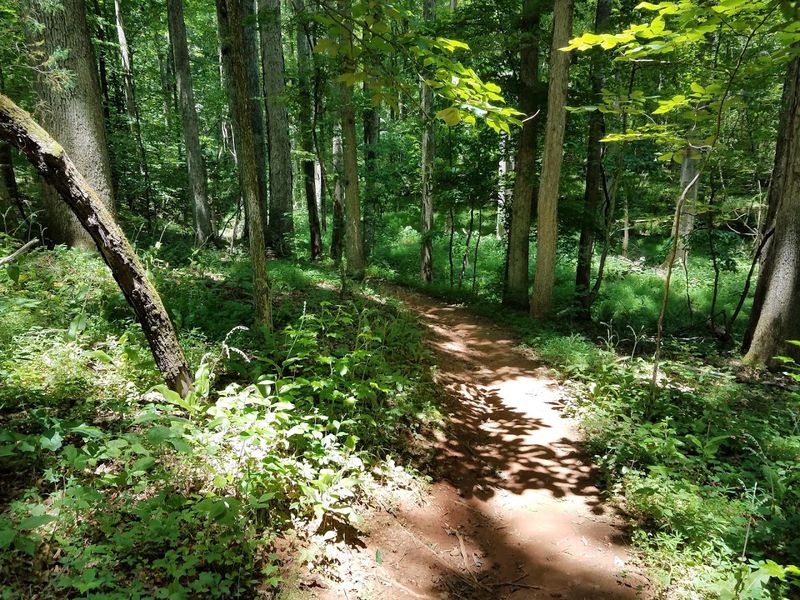
A full summer day comes together easily along the lake’s northern shoreline. Lake Norman State Park provides 38 miles of hiking routes, 30.5 miles of mountain biking trails, fishing, paddling, picnic shelters, and a seasonal swimming area.
Much of the walking network passes through shaded woodland, including the Lake Shore Trail, which alternates between forest and water views.
Park Lake offers a quieter setting for fishing and paddling away from the broader expanse of Lake Norman.
Mountain bike trails close when weather leaves them too wet for safe use, so riders should check the posted status before traveling. Families can settle near the swimming area or choose a shelter closer to the visitor center.
Swim passes and boat rentals carry fees, while general day use remains free. The main entrance is at 759 State Park Road in Troutman.
July and August hours run from 7 a.m. to 9 p.m., although individual facilities follow separate schedules. Pets may enter the park on a leash but are not allowed on the swimming beach or inside buildings.
Starting with a shaded morning walk leaves plenty of time for a picnic, fishing, paddling, or a supervised swim later in the day.