This Northern California Gold Rush Town Has A Downtown That Looks Like It Barely Left The 1800s
Some downtowns look like they have spent decades trying to become modern. Others seem perfectly happy letting the nineteenth century keep its place on Main Street.
One small Gold Rush town belongs firmly in that second group.
Historic brick buildings, old-fashioned storefronts, and streets shaped by the mining boom give its downtown a character that newer developments could never quite reproduce.
Northern California still has a few downtown streets where the Gold Rush feels closer than the nearest shopping mall.
There is something especially satisfying about exploring a place where the history is right there in the buildings.
You can wander past old facades, browse local shops, and notice architectural details that have survived while the rest of the world kept changing.
And unlike a museum, this is still a working town with everyday life happening around all that history.
The gold seekers may be long gone, but the streets they helped shape remain, making an ordinary afternoon walk feel like a surprisingly convincing trip into the past.
The Gold Discovery That Started Everything In 1851
A mule train packer traveling the Siskiyou Trail from southern Oregon changed the future of this valley in March 1851. He found gold near a spot called Black Gulch, and the news traveled fast.
Within weeks, miners from across the region rushed north to try their luck. By April 1851, around 2,000 miners had gathered at a camp known as Thompson’s Dry Diggings.
Tents and rough shanties popped up almost overnight, along with a few simple log cabins.
Early reports described gold so plentiful that it seemed to sit right in the grass roots. The camp grew into a real town much faster than most places ever do.
Yreka was formally incorporated on April 21, 1857, only six years after that first find. It also became the county seat of Siskiyou County, which helped it last long after the easy gold was gone.
Knowing this backstory makes a walk downtown feel more meaningful.
The streets, the brick buildings, and even the street names all trace back to those busy months of 1851.
A good tip is to start a visit at the county museum, where exhibits explain the discovery in more detail.
After that, the rest of town tends to make a lot more sense, almost like reading a book in the right order.
Historic Miner Street Still Looks Like The Gold Rush Era
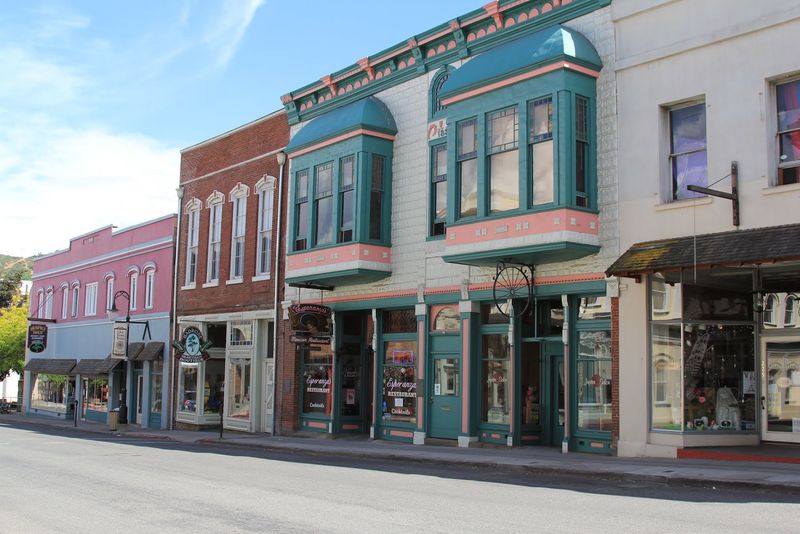
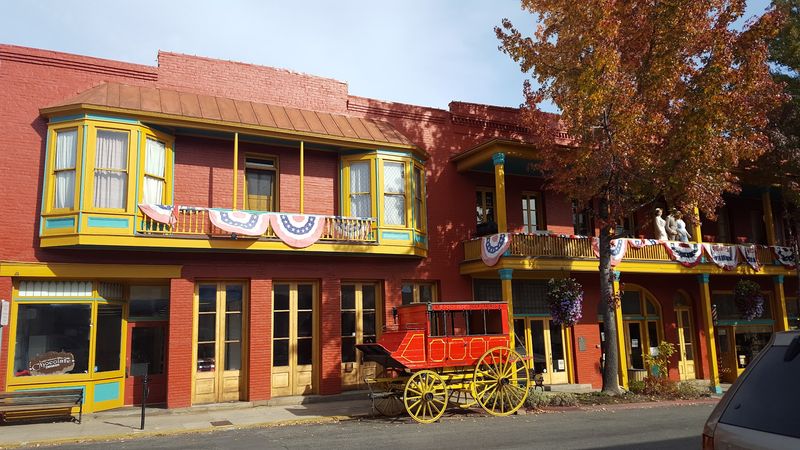
Brick walls, iron shutters, and tall front windows set the mood the moment a visitor steps onto Miner Street.
A large fire swept through downtown in 1871, and much of the district was rebuilt with brick afterward.
That choice made the buildings sturdier, and it also gave the street the matching old style it still has today.
Many storefronts carry small plaques that explain how each building was once used. Reading them can turn a short stroll into a slow history lesson, one doorway at a time.
Old hitching posts still stand along parts of the sidewalk, a reminder that horses once did the heavy lifting here.
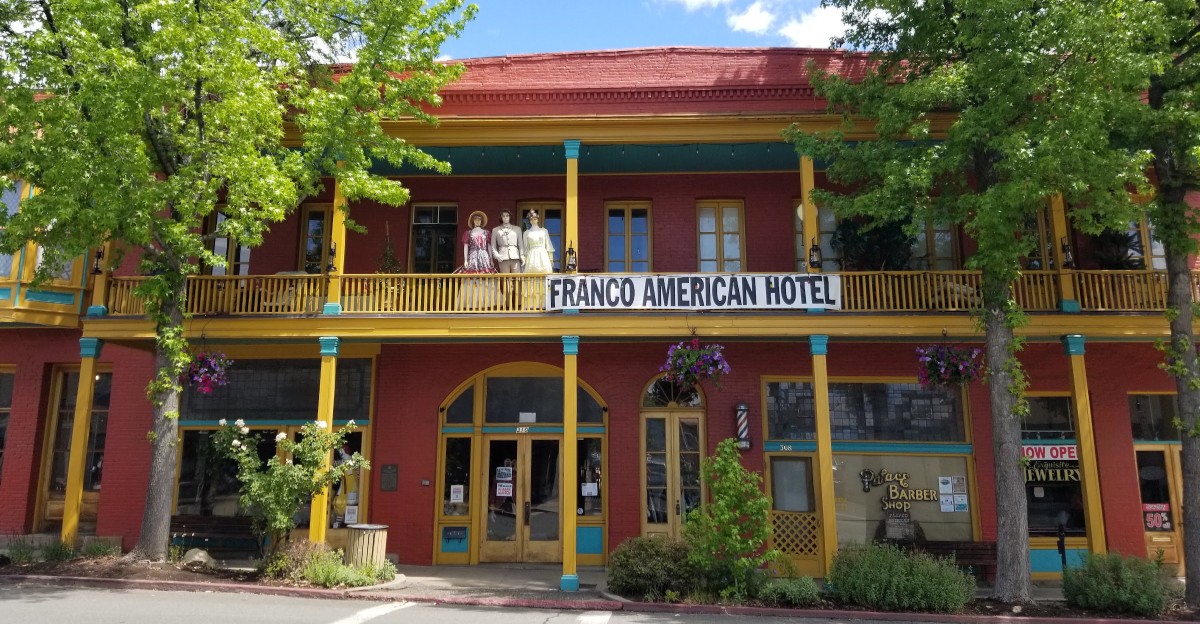
Buildings such as the Franco-American Hotel, the Chamberlain-Stimmel Building, and the Peters and DeWitt buildings help shape the look of the street.
Shops and small eateries now fill many of these old spaces, so the street still feels lived in. Sidewalks are flat and the district is compact, which makes it easy to explore on foot.
Comfortable shoes are still a smart idea, since browsing plaques and windows can stretch a visit longer than expected.
The Downtown Historic District Is Nationally Recognized
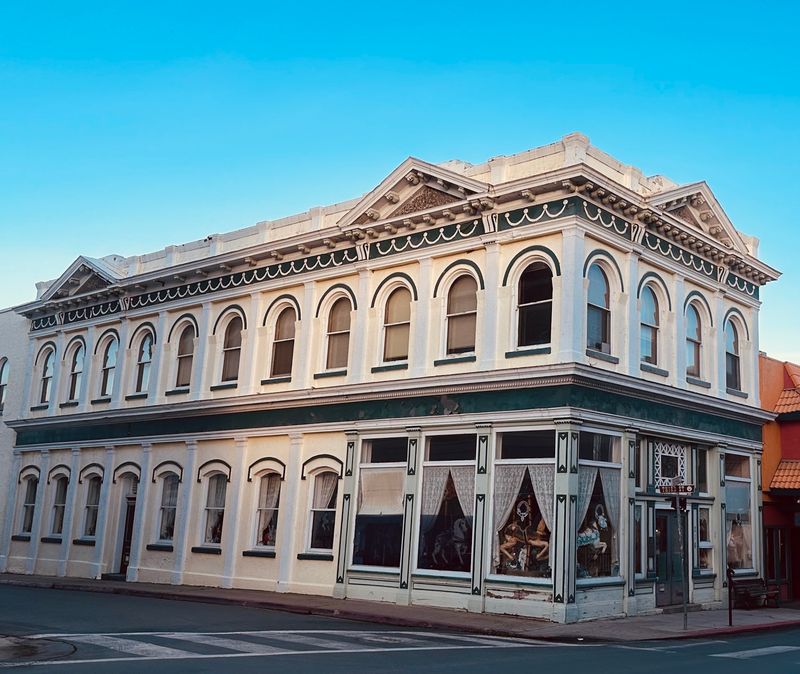
Official recognition is not handed out lightly, and the old core of Yreka has earned more than one honor.
The West Miner Street and Third Street area is listed on the National Register of Historic Places.
It is also recognized as California Historical Landmark No. 901, which ties it to the story of the whole state.
These listings mean the buildings are considered important pieces of American history. They help explain why so much of the old architecture still stands instead of being torn down.
Preservation takes steady work from owners, local groups, and the city over many years.
The district includes both the commercial blocks on Miner Street and the residential stretch along Third Street.
Together, they show how people worked, shopped, and lived during the mining boom and the years after it.
A self-guided walking tour of the old town usually begins near the corner of Miner Street and Main Street.
Printed guides or maps may be available through local visitor resources, so checking ahead can help.
Following a planned route makes it easier to notice details like cornices, window frames, and old signs.
More Than 70 Historic Homes Still Stand Around Town
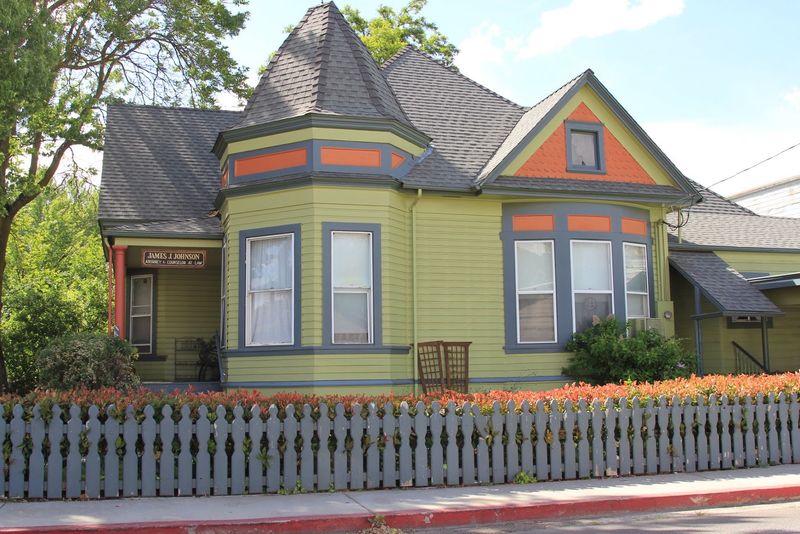
Porches, painted trim, and stained glass windows give the neighborhoods a softer feel than the brick downtown.
More than 70 homes built before 1900 still stand around town, which is a big number for a place this size.
Styles range from detailed Victorian designs to Neoclassical, Edwardian, and Craftsman homes. Third Street is the best place to begin, especially the 100 to 400 blocks.
Many homes there have small plaques near the front door that list the original owner or builder and the year it was built.
Reading those dates can feel like flipping through a family photo album for the whole town.
A self-guided historic homes tour helps visitors follow a clear path through these streets.
The Siskiyou County Historical Society has offered a book about the homes and the families who lived in them. Picking up a copy can add rich background before or after a walk.
Nearly all of these houses are private residences, so viewing from the sidewalk is the polite way to enjoy them.
Quiet voices and short photo stops help keep the neighborhood peaceful.
The Franco-American Hotel Dates Back To 1854
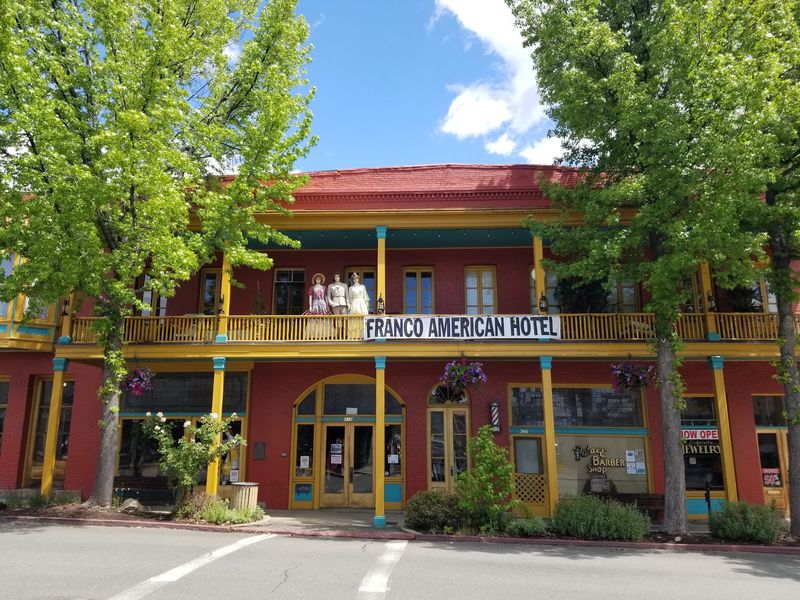
Few buildings in town carry as many stories as this old stage stop on Miner Street. The Franco-American Hotel building stands at 306-316 West Miner Street, Yreka, CA 96097.
It dates to the Gold Rush years of the mid-1850s and grew into one of the best known inns in Northern California.
Travelers once stopped here for a bed, a hot meal, and other services after long rides.
The building also held the local Wells Fargo and Company Express office, which made it a busy place for business.
Historic records say President Rutherford B. Hayes and Vice President Schuyler Colfax were among its guests.
It no longer runs as a hotel today. Instead, the old rooms hold shops, which keeps the building active and open to the street.
A private collection of antiques is kept inside and may be open only during special events.
Those openings are not on a fixed schedule, so checking local event listings before a trip is a smart move.
Even from the sidewalk, the facade is worth a long look. Notice the window shapes, the brickwork, and how the building fills its corner of the block.
The Siskiyou County Museum Brings The Old West To Life
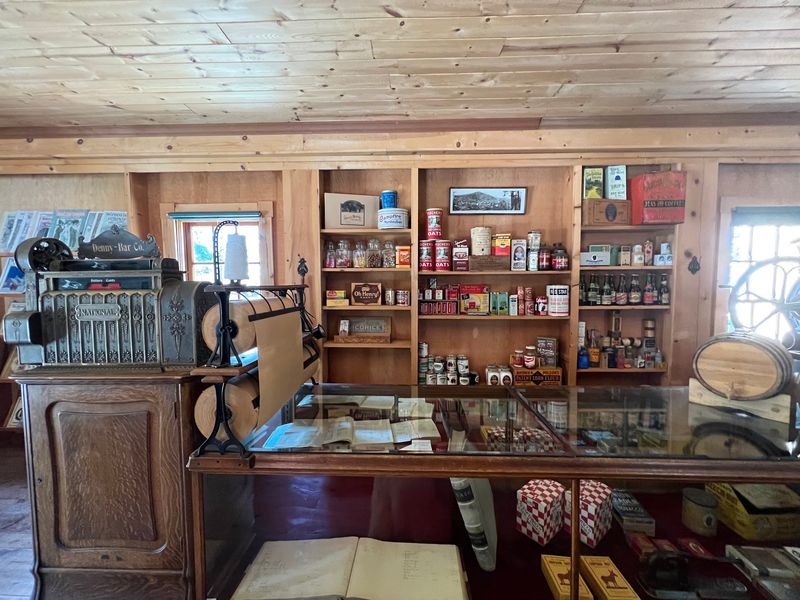
Mining pans, pioneer tools, and old photographs fill the rooms of one of the most helpful stops in town. The Siskiyou County Museum sits at 910 South Main Street, Yreka, CA 96097.
The county built it in 1950 to protect the history of the region for future generations. Indoor galleries cover mining, early settlers, Native peoples, and daily life in the county.
Exhibits are easy to follow, which makes the museum a good choice for families with young readers. A display about the State of Jefferson movement adds a fun and unusual twist.
Outside, a 2.5-acre outdoor area holds original and recreated historic buildings. Walking between them feels a bit like strolling through a tiny pioneer village.
Gravel paths and uneven ground may be part of the outdoor area, so sturdy shoes help.
Hours have typically run Tuesday through Saturday from 10 AM to 3 PM, though times can change.
A small admission fee is usually charged, and checking the official website before visiting is wise.
The Friends of the Museum have hosted free lunchtime talks called Siskiyou Stories on the second Friday of the month.
Discovery Park Marks An Important Gold Rush Location
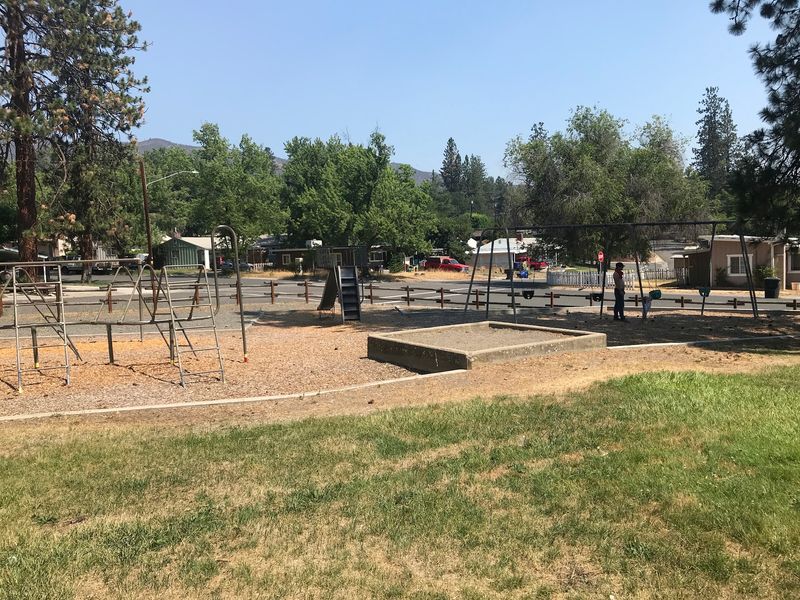
Grass, shade trees, and a quiet historic plaque make this small park easy to overlook and worth finding.
Discovery Park is a triangle-shaped green space tucked between Yama Street, Discovery Street, and Park Place. It honors the 1851 gold find that led to the founding of the town.
The plaque gives a short summary of the discovery, so it only takes a minute or two to read. Standing near the place tied to such a big moment can make the history feel more real.
It is a nice contrast to the busier feel of the downtown streets. The park has a small play area, picnic spots, benches, and restrooms.
A gently sloping lawn is framed by a mix of leafy trees and evergreens. On warm days, the shade may be the most welcome feature of all.
Packing a simple lunch and stopping here between other sights can be a smart way to rest. Kids can stretch their legs while adults read the marker or relax on a bench.
It is a calm, low-key stop that connects the town to its very first chapter.
Greenhorn Park Offers A Break From Downtown
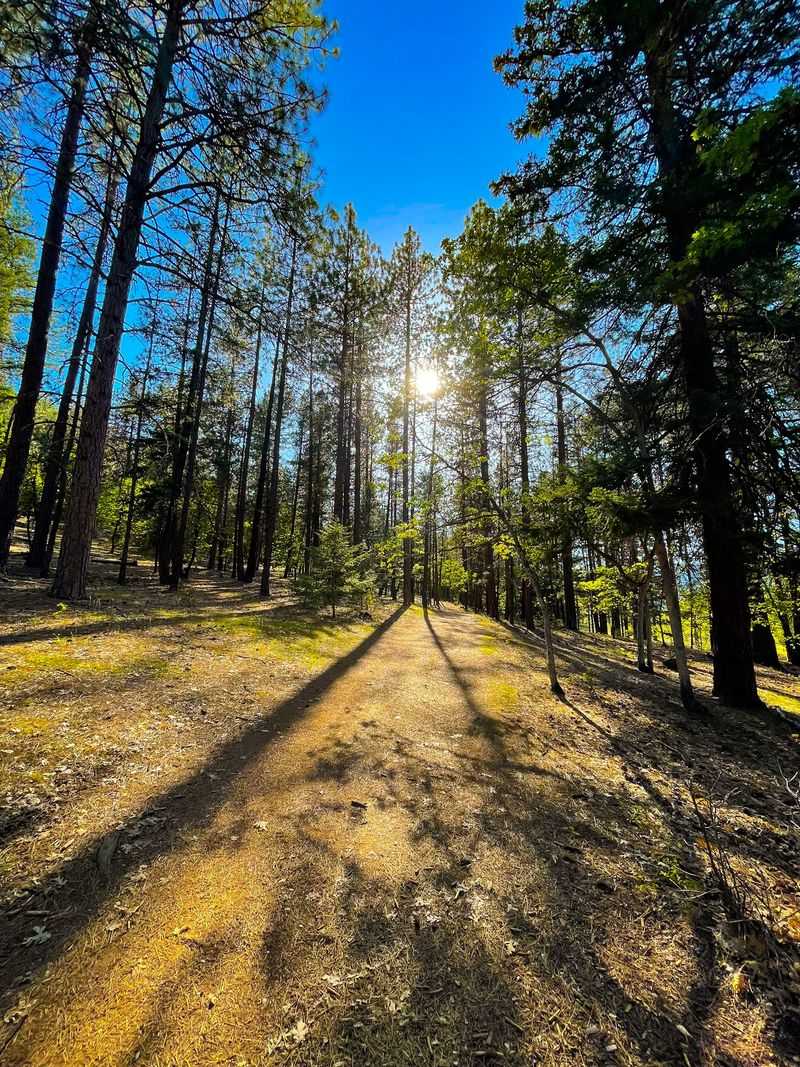
After a morning of plaques and brick walls, fresh air and open water can feel like a reset button.
Greenhorn Park is built around a reservoir and offers trails, fishing, and plenty of space to roam. The sound of birds and wind in the trees replaces the hum of traffic quickly.
The Veterans Memorial Trail is a smooth 0.6-mile loop around Greenhorn Reservoir.
Its easy surface makes it a good pick for strollers, casual walkers, and joggers. A short loop like this fits nicely into a busy travel day.
History still shows up here too, thanks to the Miners Trail. That easy 1.2-mile gravel path passes old gold mining equipment and remains of a small mining camp.
Other trails in the park vary in length and difficulty, and some are used by mountain bikers. The park has restrooms, playgrounds, and parking at several access points.
Leashed dogs are welcome, and the park is open year-round. Access is available from the upper area off Greenhorn Road or the lower area off Ranch Lane.
Downtown Plaza Adds Another Historic Touch
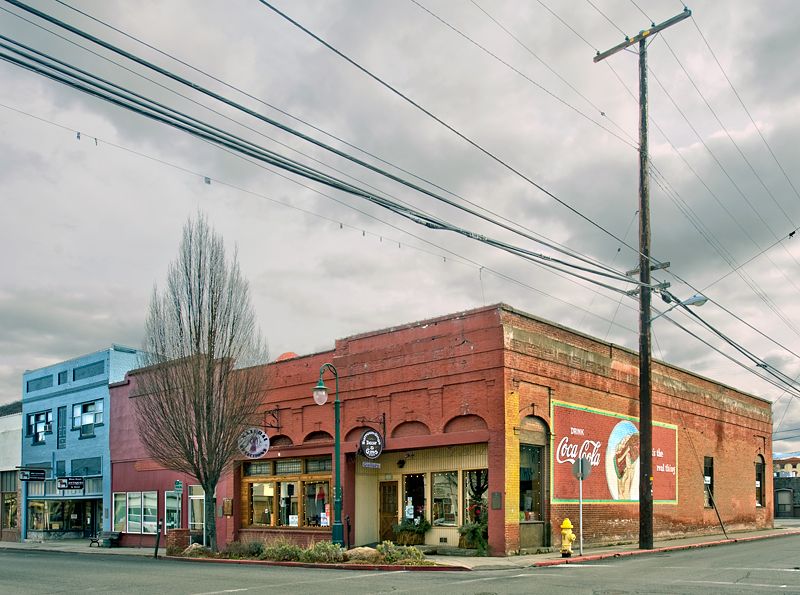
Every old town needs a spot where people can simply sit and watch the day go by. The small downtown plaza area offers that kind of pause in the middle of the historic district.
A clock tower stands out as a handy landmark for meeting up or getting bearings. Nearby, a historical marker shares background on the old commercial district.
Reading it adds context to the buildings that surround the space. It works well as a starting point or a final stop on a walking tour.
Outdoor seating gives tired legs a break after exploring Miner Street. From a bench, the mix of brick facades, window displays, and passing locals feels relaxed and unhurried.
Weekday afternoons may feel especially quiet, while local events can bring more activity at times.
A snack from a nearby shop pairs nicely with a few minutes of people watching.
The plaza shows how the town blends daily life with its long history. Sitting here, it becomes easy to see why the downtown still feels like it barely left the 1800s.