This Northern Idaho Mountain Is Known For Its Mysterious Stories And Hidden Secrets
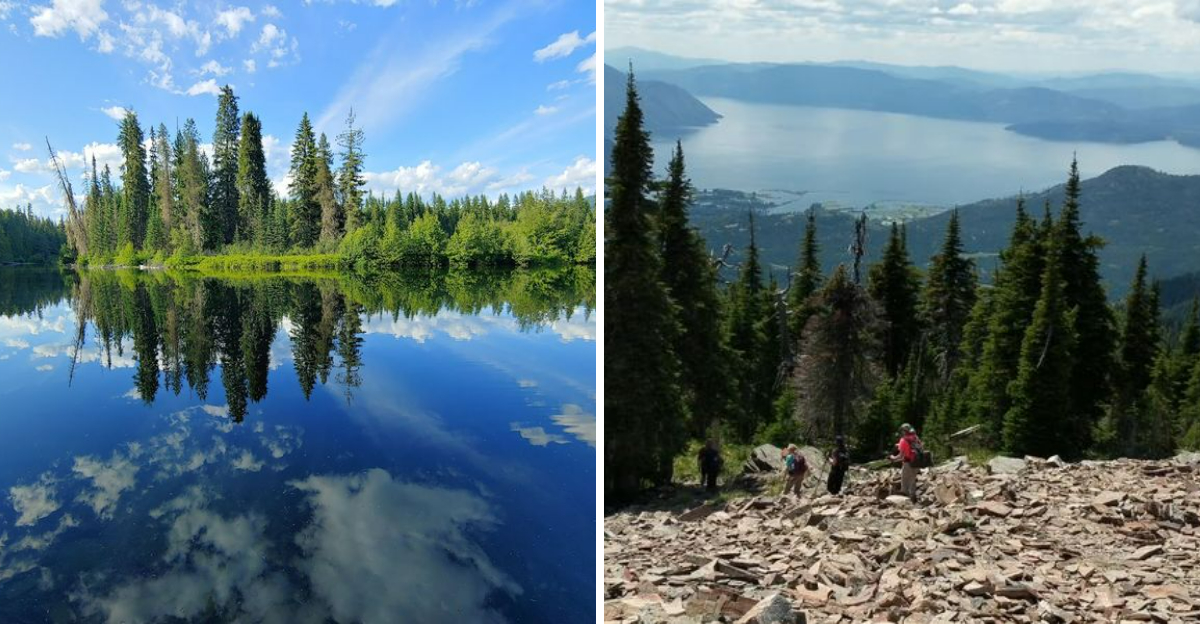
Some places carry a weight that you feel before you even reach the trailhead. This particular summit in northern Idaho is one of them.
At 7,009 feet, it has earned a reputation built on wild encounters, strange sightings, and a history that locals still argue about over coffee. The state of Idaho holds countless wild corners, but few feel quite this alive with mystery.
Hikers come for the panoramic views and leave with stories they struggle to explain. The state’s wilderness does that sometimes, pulls you in deeper than you planned.
Go ahead and look up the trailhead, pack your bag, and pay attention once you arrive. This mountain has secrets, and it does not give them up easily.
Scotchman Peak Is One Of Idaho’s Most Demanding Day Hikes
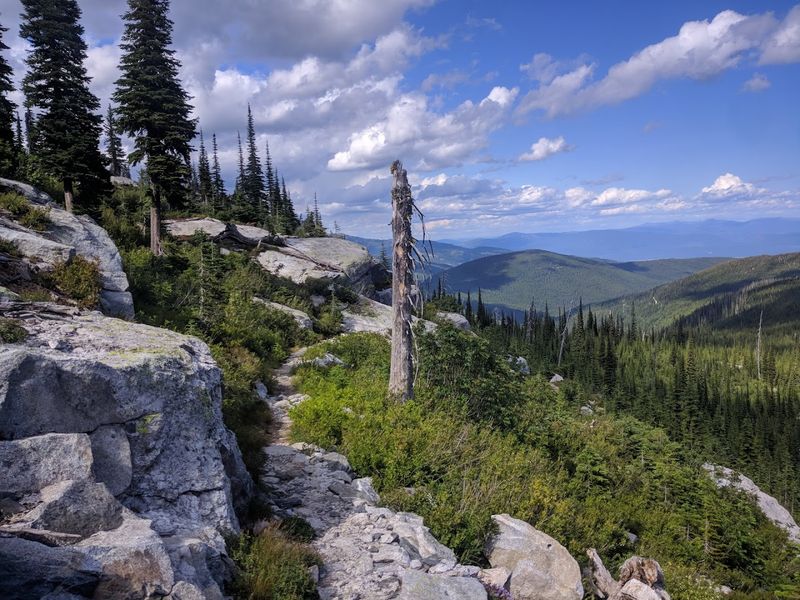
Nobody warned me that “Class 1” could feel like a personal challenge from the mountain itself. Some hiking guides describe Scotchman Peak as one of Idaho’s toughest Class 1 climbs because of its steep, sustained elevation gain.
That title alone should make any hiker stop and reconsider their snack supply.
The trail runs roughly 7.6 to 8.4 miles out and back. You gain nearly 3,717 feet in elevation along the way.
That is not a gentle stroll through the forest by any stretch of the imagination.
The terrain shifts dramatically as you climb higher. Rocky switchbacks replace forested paths, and the air gets noticeably thinner near the top.
Your legs will absolutely feel every single foot of that elevation gain.
Still, reaching the summit delivers something genuinely unforgettable. Views stretch across Lake Pend Oreille, the Clark Fork valley, and the entire Cabinet Mountain range.
Standing up there feels earned, and that feeling never gets old. Located near Clark Fork, ID 83811, this trail inside Kaniksu National Forest is one of the most rewarding challenges in the region.
Bring water, snacks, and a solid pair of boots before you even think about starting.
The Old Lookout Story Still Connected To The Summit
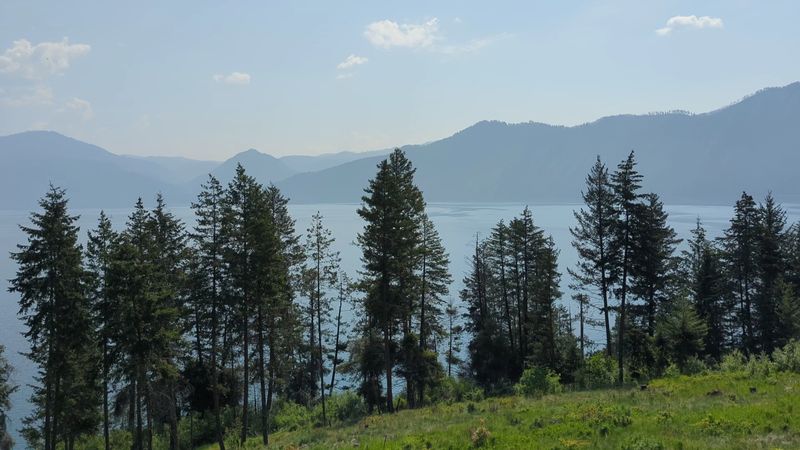
Some places carry a weight that you can almost feel before anyone tells you why. Scotchman Peak once hosted a fire lookout tower that stood watch over the forest for thirty full years.
During that stretch of service, two separate tower watchmen were struck and killed by lightning, each incident completely unrelated to the other.
That kind of history sticks to a place. Standing on the summit now, you look out at wide open sky in every direction.
It becomes very easy to understand how exposed those watchmen must have felt during a storm.
The tower no longer stands, but the story absolutely does. Hikers who know the history tend to glance upward a little more often near the top.
There is something quietly sobering about standing where others once kept a lonely, dangerous post.
Lightning remains a real concern on exposed alpine summits. Starting your hike early in the morning helps you avoid afternoon thunderstorms.
The mountain has a long memory, and it pays to respect that.
Mountain Goats That Know Exactly What They Want From You
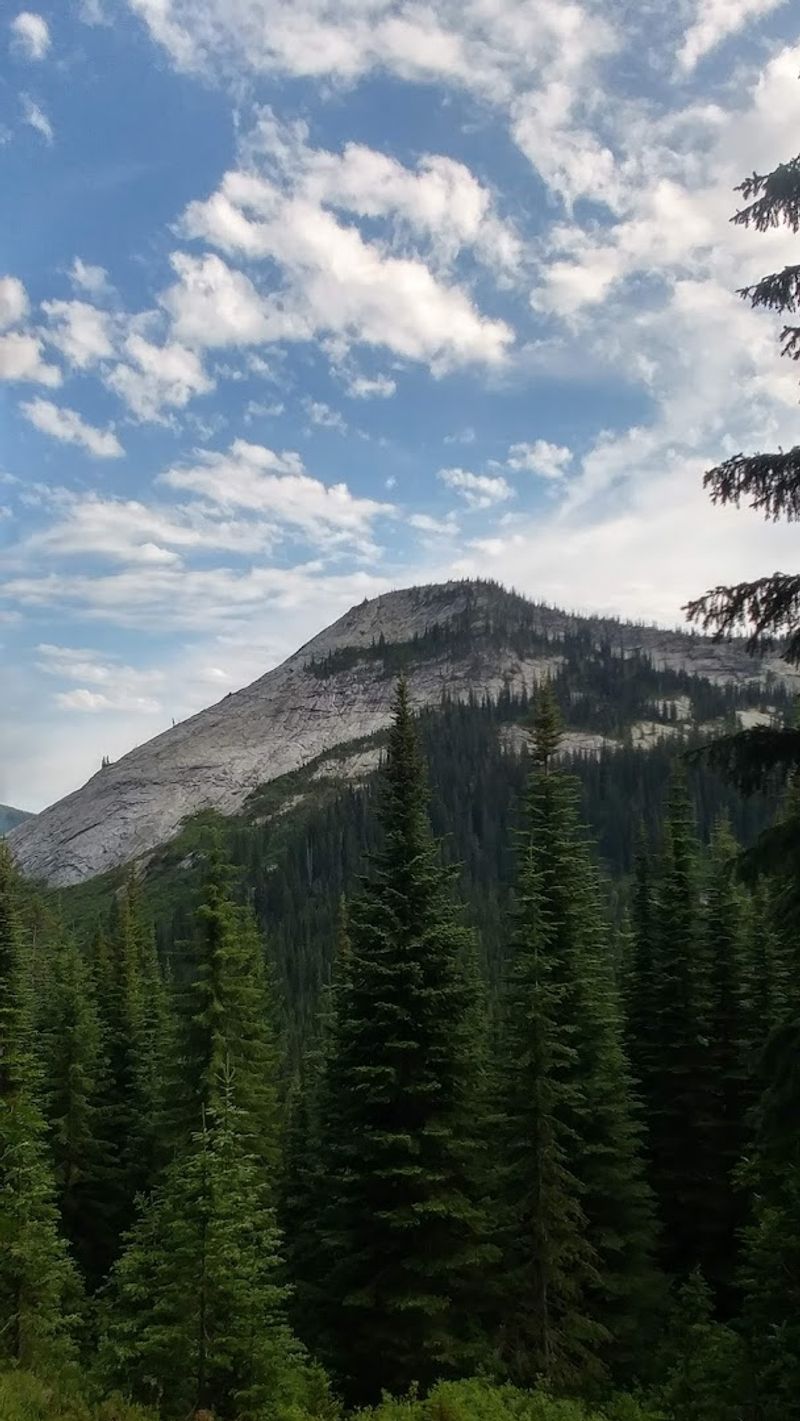
Picture this: you reach the summit after a grueling climb, you sit down to rest, and a mountain goat walks straight toward your backpack with zero hesitation. That is a real scenario on Scotchman Peak, and it happens more than you might expect.
The resident goat herd has figured out that hikers carry salt. Backpacks, sweaty shirts, and even hiking poles have become targets for these surprisingly bold animals.
Rangers have issued specific warnings about goat behavior on this trail because of it.
One hiker was reportedly bitten by a goat on this very mountain. That detail alone changes how you think about wildlife encounters.
These are not the fluffy background animals from a nature documentary.
If a goat approaches you, make yourself loud and large. Stand your ground, wave your arms, and do not back down quietly.
They respond to confidence, not politeness.
Keeping at least 100 feet of distance is the standard recommendation from wildlife officials. Feeding them, even accidentally, only makes the problem worse over time.
The goats are genuinely fascinating creatures, but respecting their space protects both of you. This area within Kaniksu National Forest rewards careful, respectful visitors the most.
Grizzly Bear Country Right Beneath The Treeline
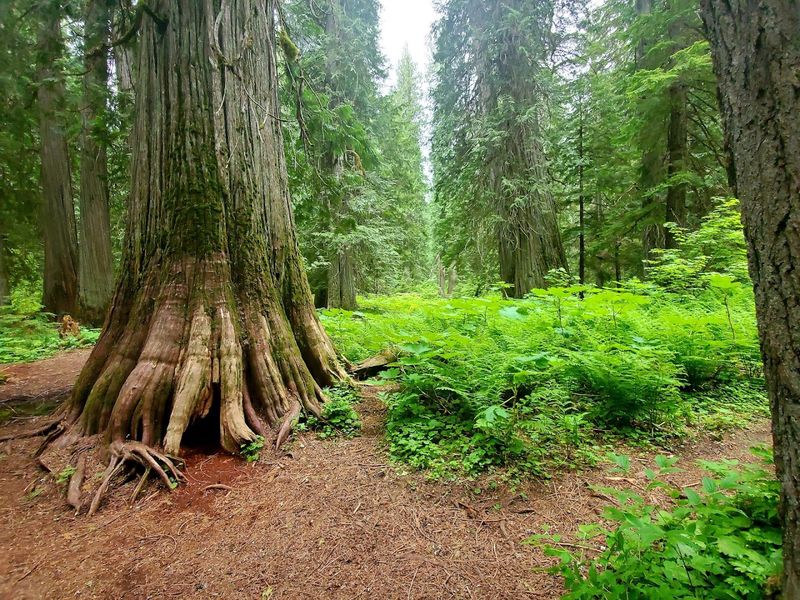
Before the trail opens up into alpine scenery, it passes through some seriously dense forest. That forest is recognized grizzly bear habitat, and wildlife officials are not being dramatic about it.
This is the real thing, not a precaution written for liability reasons.
Carrying bear spray on Scotchman Peak is strongly recommended, especially because the trail enters recognized bear habitat. Knowing how to use it quickly matters just as much as having it clipped to your pack.
Practice the draw before you need it for real.
One visitor to the broader Kaniksu National Forest area spotted a black bear crossing the road during a summer drive. Wildlife sightings like that are a reminder that you are moving through an active ecosystem.
Animals here are not accustomed to stepping aside.
Making noise on the trail is one of the simplest and most effective safety habits. Talk to your hiking partner, clap occasionally, or use a bear bell.
Surprise encounters are the ones that cause problems, not announced arrivals.
Respecting that wildness is what keeps the experience remarkable for everyone who follows. Go prepared and you will have an incredible time out there.
The Curious Name Behind The Peak
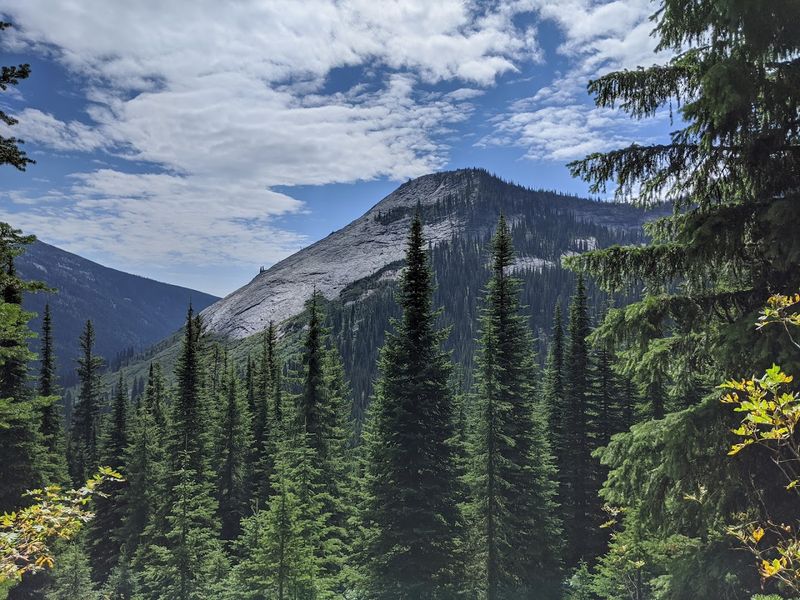
Not every mountain earns its name from a dramatic event or a famous explorer. Scotchman Peak supposedly got its name from something far more visual and unexpectedly charming.
Early observers thought the mountain’s rocky profile resembled a Scotsman wearing a ruffled shirt.
That image is hard to unsee once someone points it out. Stand back far enough and look at the jagged ridgeline against a clear sky.
There is definitely something there, especially if you have a good imagination and maybe a little free time.
Place names in this region carry layers of history tied to early settlers and explorers. Many names reflect what those first visitors saw, felt, or experienced when they arrived.
Scotchman Peak fits neatly into that tradition of descriptive, slightly quirky naming.
Learning the origin of a place name changes how you experience the landscape. Suddenly the mountain feels less like a geographic feature and more like a character.
It has a personality now, and it is wearing a very fancy shirt about it.
The Kaniksu National Forest area around Clark Fork holds dozens of similarly storied place names. Each one is a small window into the people who came before.
Keep asking questions and the forest keeps answering in the most unexpected ways.
Panoramic Views That Actually Justify The Effort
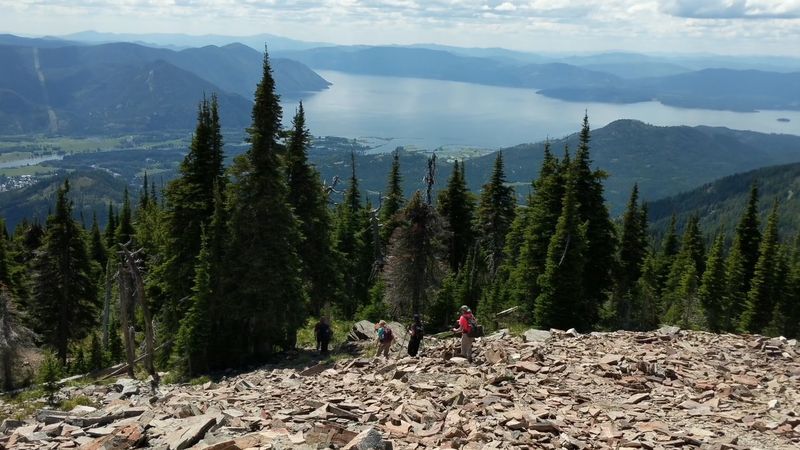
Some views are nice. Some views make you forget you were exhausted thirty seconds ago.
The summit of Scotchman Peak belongs firmly in that second category, and it earns that status without any argument.
Lake Pend Oreille spreads out below like something from a painting. The Clark Fork valley rolls away in long green ribbons between ridgelines.
On a clear day, the Cabinet Mountains stretch as far as your eyes can handle before they just give up trying to find the edge.
Photographers make special trips here for a reason. The light in the early morning hours hits the lake surface in a way that is genuinely difficult to describe without sounding dramatic.
Just bring your camera and let the mountain do the talking.
The elevation gain of nearly 3,700 feet means you earn every inch of that view. Nothing about it feels accidental or easy.
That is part of why it hits so hard when you finally get there.
Nothing in the surrounding area quite compares to that specific combination of elevation, scale, and light. Make the climb and find out for yourself why people keep coming back.
Romans Nose Trail And The Upper Lake Surprise
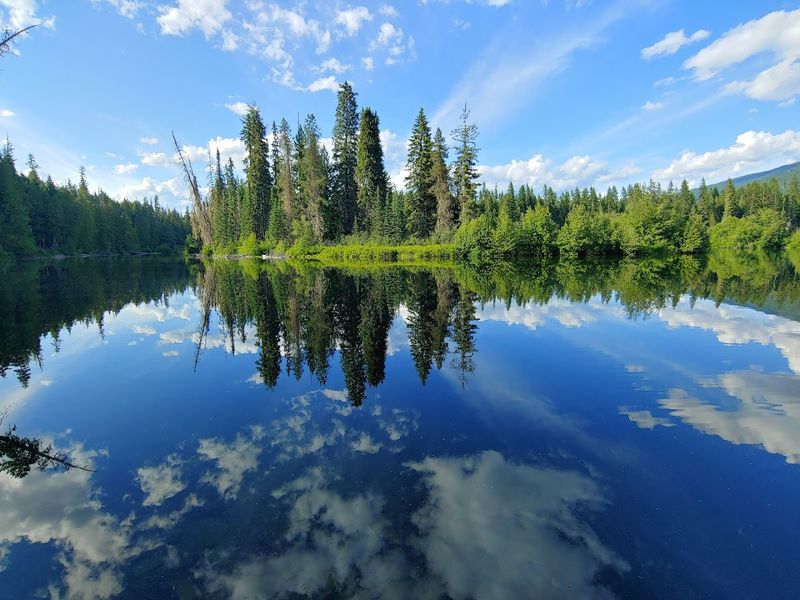
Not everyone who visits Kaniksu National Forest heads straight for Scotchman Peak, and honestly, that is a smart move. The Romans Nose trail offers its own dramatic reward at the top, including an upper lake that stops hikers cold the moment they see it.
One visitor described the upper lake as absolutely beautiful and said the drive up alone was worth it. The road to the trailhead requires some patience, especially in the final few miles where potholes become the main attraction.
A vehicle with decent ground clearance makes the whole trip smoother.
Log trucks and heavy equipment occasionally share the access road, so staying alert while driving is genuinely important. The forest in this area is actively managed, and that means real working traffic on remote roads.
Slow down and give them room.
The payoff at the upper lake is the kind of quiet that city people forget exists. Still water, dense forest reflections, and the sound of almost nothing at all.
That kind of silence feels like a reset button for your entire brain.
Kaniksu National Forest covers a vast stretch of Northern Idaho and offers far more than one single trail. Romans Nose is a strong argument for exploring beyond the obvious choices.
Sometimes the trails fewer people know about leave the strongest impressions.
Wildlife Watching Beyond The Usual Suspects
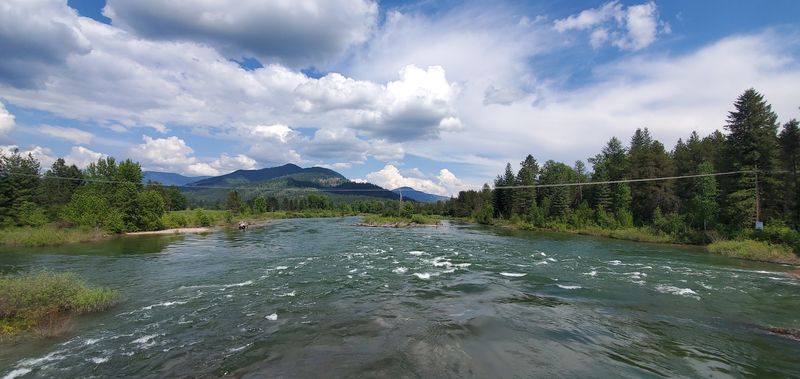
Bears get most of the attention in this forest, but they are far from the only reason to keep your eyes open. Kaniksu National Forest supports an impressive range of wildlife that rewards patient and observant visitors more than almost anywhere else in the region.
Moose, deer, and bear sightings have all been reported by people spending time around Priest Lake, which sits within the forest boundaries. Mule deer are present too, though they are notoriously hard to spot despite their size.
One visitor searched an entire area and found only two does without a single buck in sight.
Bird diversity in this area is genuinely remarkable. Visitors have noted a wide variety of species on single outings, making it a solid destination for anyone who enjoys bird watching.
Bring binoculars and a field guide and you will keep yourself busy for hours.
The forest ecosystem here supports this range of life because of its mix of dense timber, open meadows, and abundant water sources. Creeks, ponds, and lakes thread through the landscape in every direction.
That variety of habitat is what keeps the wildlife population so rich and diverse.
Wildlife watching here works best at dawn and dusk when animals are most active. Move quietly, pause often, and resist the urge to rush.
The forest rewards the patient ones every single time.