This Nostalgic Museum In California Is Like A Cartoon Lover’s Dream
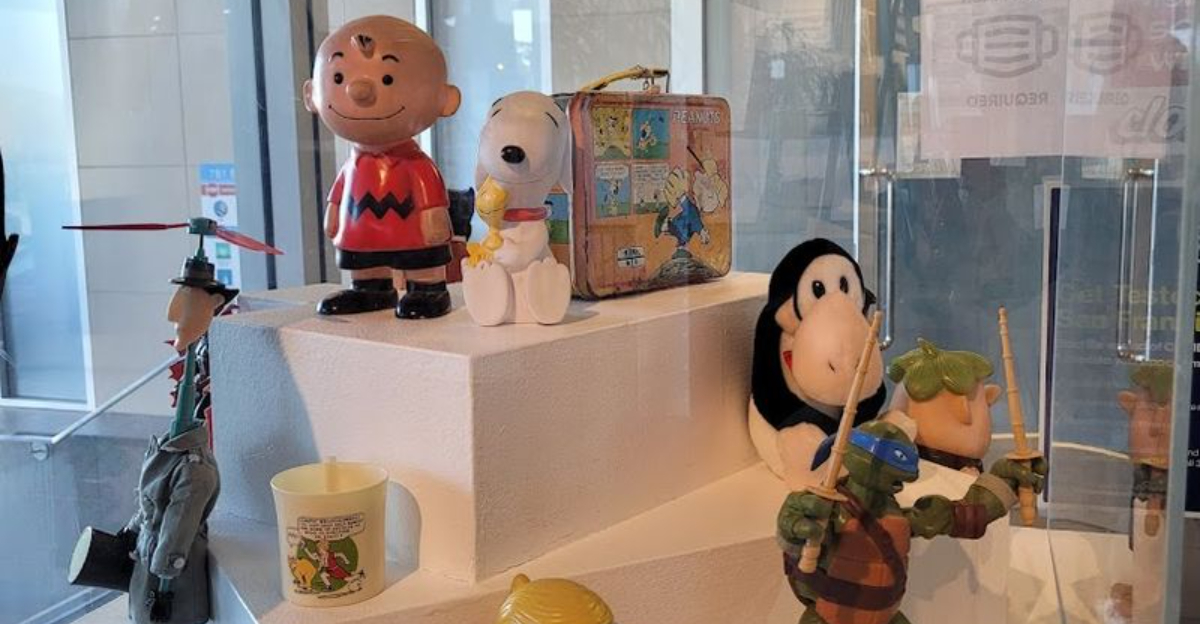
Cartoons have a way of making adulthood briefly lose the argument.
A familiar face on the wall can do it. So can an old sketch or a character design that instantly drags back Saturday mornings.
A museum like this lets California give nostalgia a physical address. The memories tend to show up on their own.
Every display feels connected to the strange magic of drawings that somehow became part of people’s lives.
Cartoon lovers get the joy of seeing the craft up close. Casual visitors get pulled in by the color, humor, and familiar energy.
A place like this proves animation and comics are not just childhood background noise. They are art, memory, and a whole lot of imagination pressed onto paper.
A Museum Built Entirely Around Cartoon Art
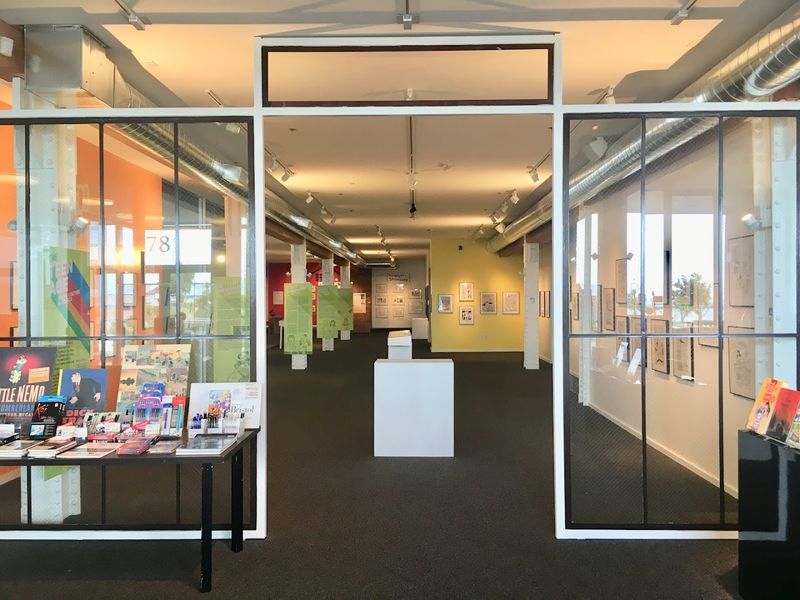
Not every art museum earns the word “dream” in its description, but a space dedicated entirely to cartoon art comes close for a certain kind of visitor.
The Cartoon Art Museum in San Francisco is a nonprofit educational institution with a focused mission: preserving, exhibiting, and documenting cartoon art across its many forms.
That level of specificity sets it apart from general pop-culture stops or themed tourist attractions.
The collection spans over 6,000 to 7,000 pieces of original artwork, which is a genuinely impressive number for a museum of its size.
Pieces range from classic newspaper comic strips and comic book pages to original animation cels and sculptural works.
Each item in the collection reflects a deliberate effort to treat cartoon art with the same seriousness that other institutions give to painting or photography.
Visiting feels different from walking through a large general museum because the focus stays tight throughout.
Every room connects back to the central idea that cartoons are a real and meaningful art form with a rich history worth understanding.
That clarity of purpose gives the whole experience a grounded, intentional quality that casual visitors and devoted fans tend to appreciate equally.
A San Francisco Spot With Real Cartoon History
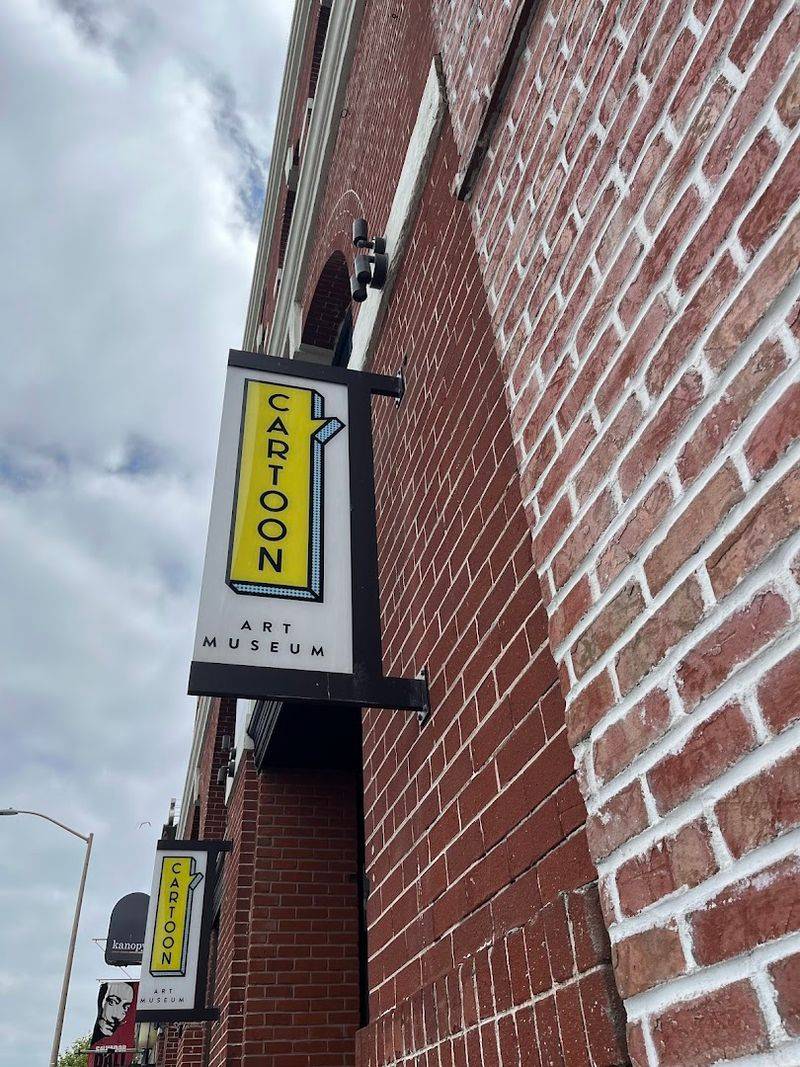
Founded in 1984 by a group of cartoon enthusiasts, the Cartoon Art Museum carries more than four decades of history behind it.
Early financial support came from Charles Schulz, the creator of Peanuts, which gave the museum a meaningful connection to the world of classic American comic strips right from the start.
That origin story adds a layer of authenticity that a newer attraction simply could not replicate.
The museum is currently located at 781 Beach St, San Francisco, CA 94109, near the waterfront in the Fisherman’s Wharf area.
It reopened at this address in October 2017 after previously operating from other San Francisco locations, including a space on Mission Street that closed in 2015.
The Beach Street location marks the museum’s fourth home, and the move brought it closer to one of the city’s most visited neighborhoods.
Having that kind of timeline matters when an article calls a place “nostalgic.”
The museum is not borrowing nostalgia from characters it happens to display.
It has built its own history over decades, cycling through exhibitions, connecting with artists, and serving generations of cartoon fans who grew up and kept coming back.
A Dream Stop For Comic Strip Fans
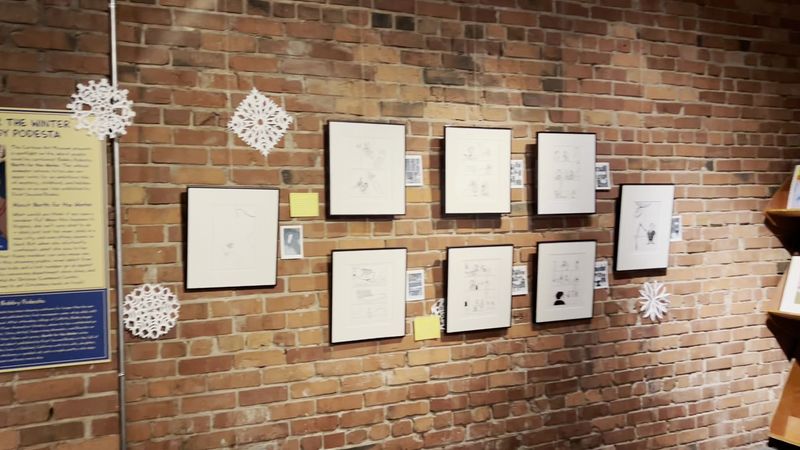
Comic strips hold a special place in cartoon history, and the Cartoon Art Museum gives them the attention they deserve.
For many adults, Sunday newspaper funnies were a weekly ritual, something to look forward to before the rest of the paper got read.
Seeing the original hand-drawn artwork behind those familiar panels tends to hit differently than looking at a printed copy.
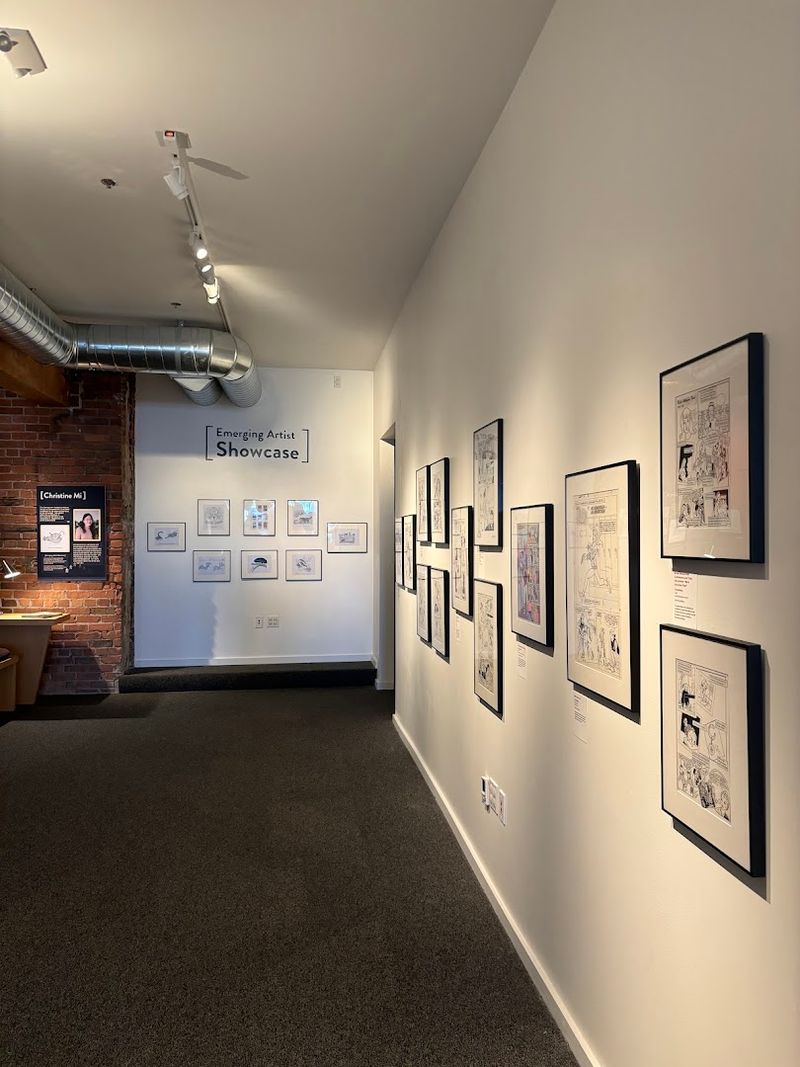
The museum’s collection includes original comic strip pages that show the full process, from rough pencil sketches to inked linework to colored final versions.
Visitors can trace how a single panel moved from an artist’s first marks on paper to something that eventually reached millions of readers.
That behind-the-scenes view is part of what makes the experience feel genuinely educational rather than just decorative.
Classic strips featuring characters like Archie have appeared in the collection, and the range extends from late 1800s print comics up through modern illustrated work.
Seeing how the humor, style, and storytelling shifted across different eras gives the comic strip section a depth that rewards slow, careful looking.
Budgeting at least a few extra minutes in this area tends to be worth it for anyone who grew up with a favorite strip.
Animation Fans Get Something To Love Too
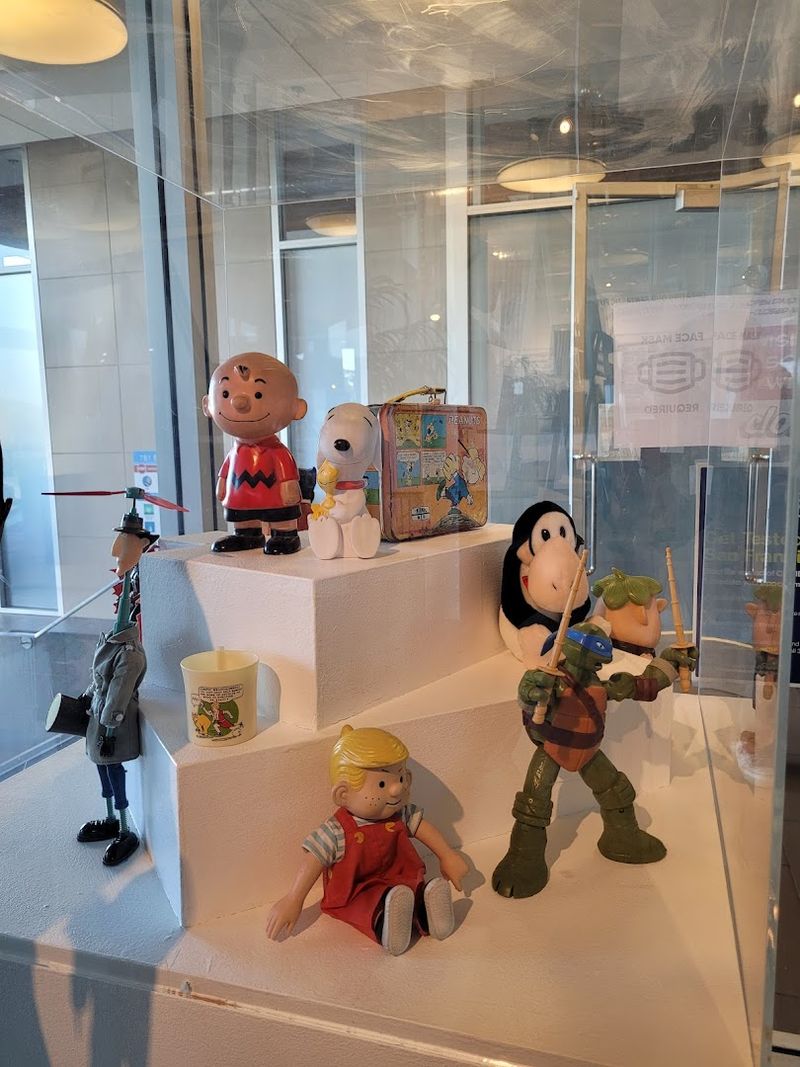
Beyond printed comics, the Cartoon Art Museum reaches into animation in ways that tend to surprise first-time visitors.
The collection includes original animation cels, which are the individual transparent sheets that animators once painted by hand to create the moving images seen in classic cartoons.
Holding that knowledge in mind while looking at a cel from a childhood favorite adds a quiet kind of weight to the experience.
A screening area inside the museum shows classic animated content, and the room has drawn consistent praise from visitors who enjoy seeing old Warner Bros. cartoons on screen in that setting.
There is something unexpectedly moving about watching an old cartoon in a space that also houses the original artwork that made those images possible.
The connection between the physical art and the moving picture becomes much more concrete.
The museum’s coverage extends to anime as well, which broadens the appeal beyond Western animation traditions.
Graphic novels, underground comix, and zines round out the collection further, making the overall experience feel genuinely wide-ranging.
Animation fans who assumed the museum would only cover newspaper strips often leave pleasantly surprised by how much of the animated world shows up across the galleries and exhibits.
Rotating Exhibitions Keep The Visit Fresh
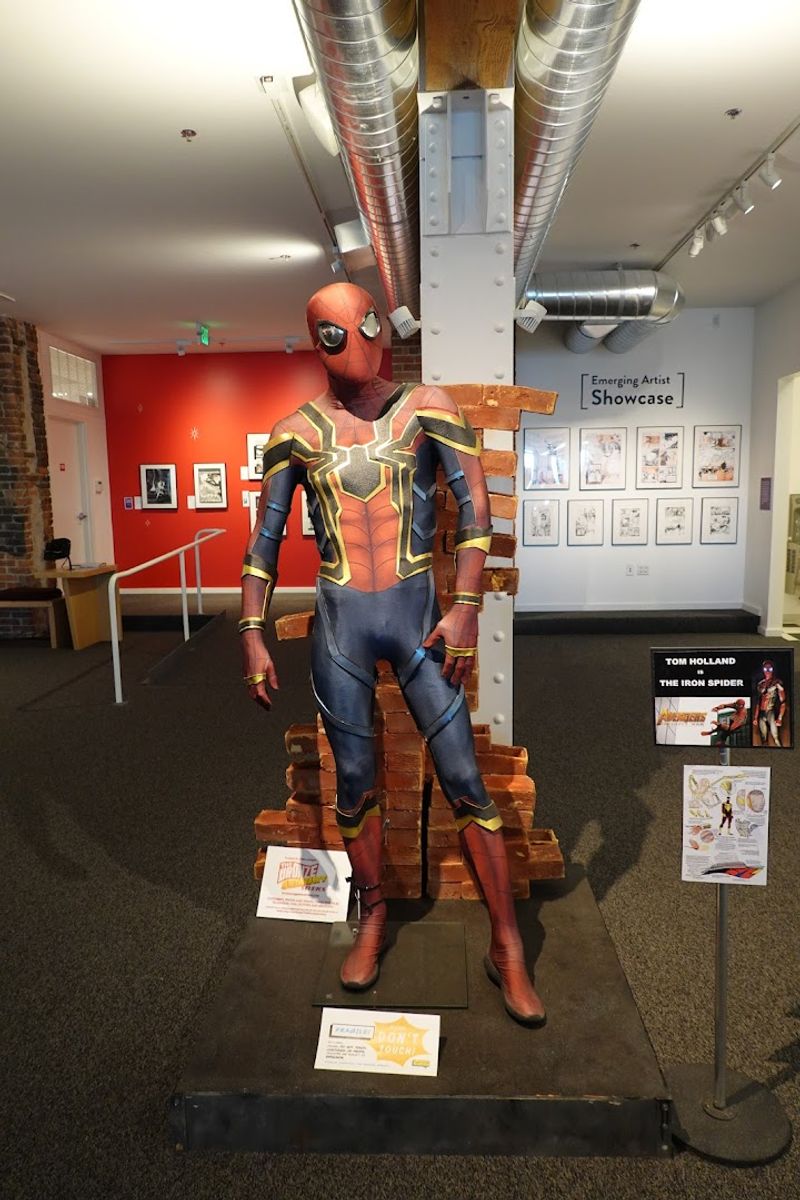
One of the most practical reasons to visit more than once is that the Cartoon Art Museum runs approximately ten major rotating exhibitions each year.
Past exhibits have featured works such as a Batman armory display, Filipino komiks, art related to The Rocketeer, and pieces from landmark graphic novels like Art Spiegelman’s Maus and Marjane Satrapi’s Persepolis.
That variety keeps the museum from feeling like a static archive.
Each new exhibition brings a different corner of cartoon history or contemporary cartoon culture into focus.
Some shows lean toward historical documentation, while others highlight living artists working in the medium today.
The mix means that a visit in spring could feel entirely different from a visit in autumn, even for someone who has been before.
Checking the museum’s website at cartoonart.org before planning a trip is the most reliable way to see what is currently on display.
The rotating schedule also means that a topic a visitor cares about most might be featured during a specific window that is worth planning around.
For cartoon fans with particular interests in specific genres or eras, timing a visit around a relevant exhibition can make the experience feel much more personal and rewarding.
A Location Near Fisherman’s Wharf Makes It Easy To Add To A Day Trip
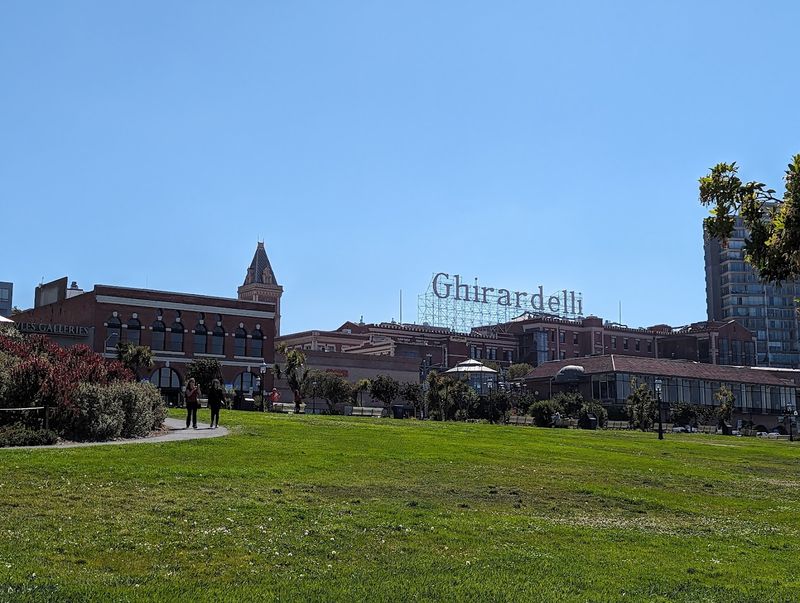
Placement matters when planning a day out, and the Cartoon Art Museum sits in one of San Francisco’s most walkable areas.
The Beach Street address puts it close to Aquatic Park, Ghirardelli Square, Hyde Street, and the Maritime Museum, making it a natural addition to a broader Fisherman’s Wharf itinerary.
Visitors already spending time in that part of the city can add the museum without needing to rearrange their plans significantly.
The compact size of the museum works in its favor when time is limited.
Most visitors spend somewhere between 40 minutes and two hours inside, depending on how deeply they engage with the reading room and exhibits.
That range makes it a realistic stop even on a packed day rather than something that requires its own dedicated trip.
Arriving on a weekday tends to mean a quieter experience, with more room to move through the galleries at a relaxed pace.
Weekend visits can be busier, especially during school holiday periods or when a high-profile exhibition is running.
The neighborhood itself is lively year-round, so pairing the museum with a walk along the waterfront or a stop at one of the nearby spots makes for a well-rounded afternoon without much extra planning.
A Museum That Appeals To More Than One Generation
Cartoon art has a rare quality: it tends to reach across age groups in a way that few other art forms manage as naturally.
Younger visitors are drawn to the colorful, character-driven side of the collection, while adults often find themselves pausing in front of something that connects to a specific memory from childhood.
That layered appeal is part of what makes the museum feel more alive than a single-audience gallery.
The reading room is a particularly good example of how the space accommodates different kinds of visitors at the same time.
Kids can spread out with comics while adults browse graphic novels or older strips nearby.
The room has been noted as a genuinely comfortable space where families can slow down together without feeling rushed or out of place.
Educational programs and weekend workshops add another layer for younger visitors who want to do more than look.
The museum offers cartoon art classes, tours, and sessions where participants can try drawing techniques under guidance.
Having that participatory element available means that a visit can shift from passive observation to hands-on creativity, which tends to make the experience stick longer in memory for both kids and the adults who bring them.
Daily Hours Make It Practical For Travelers
Knowing when a museum is open before making the trip across town is the kind of practical detail that saves frustration, and the Cartoon Art Museum has a schedule that works reasonably well for most travel itineraries.
The museum is open Tuesday through Sunday from 11:00 AM to 5:00 PM, which gives visitors a solid window during the late morning and afternoon hours.
Mondays and major holidays are closed, so those days require a different plan.
The Wednesday closure is worth noting specifically because it can catch visitors off guard if they are mid-week travelers assuming standard daily hours.
Checking the museum’s website or calling ahead at 415-227-8666 before visiting on a Wednesday will prevent an unnecessary trip.
The rest of the week stays consistent, which makes scheduling straightforward for most weekend or weekday visitors.
Arriving closer to opening time on a weekday tends to offer the most relaxed experience, with smaller crowds and more space to move through the galleries without feeling pressed.
The museum’s compact 8,000-square-foot layout means that the space fills up noticeably during peak hours on busy days.
Planning around that rhythm makes the visit feel less rushed and gives more time to linger in the reading room or explore the bookstore without competing for space.
Admission Is Relatively Easy To Work Around
Admission pricing at the Cartoon Art Museum sits at a level that feels manageable compared to many San Francisco attractions.
Adults pay $10, San Francisco residents pay $7, and students, seniors, military personnel, and educators with valid ID pay $6.
Children between ages 6 and 12 are admitted for $4, while children 5 and under enter free along with museum members.
One particularly useful option for budget-conscious visitors is the Pay What You Wish Day, offered on the first Tuesday of every month for groups of ten or fewer.
That policy makes the museum accessible to a wider range of visitors and reflects the nonprofit’s educational mission in a practical way.
Planning a visit around that Tuesday option can make a difference for families or small groups watching their spending.
The museum is also wheelchair accessible, which is worth confirming ahead of time for visitors with mobility considerations.
The relatively modest admission cost compared to larger San Francisco institutions means the museum tends to feel like good value, especially when the reading room, bookstore, and any active exhibitions are factored into the total experience.
Bringing a valid ID for applicable discounts is a simple step that can reduce the cost without any extra effort.