This Oceanfront Aquarium In California Delivers A Family Day Trip In April That Actually Feels Worth It
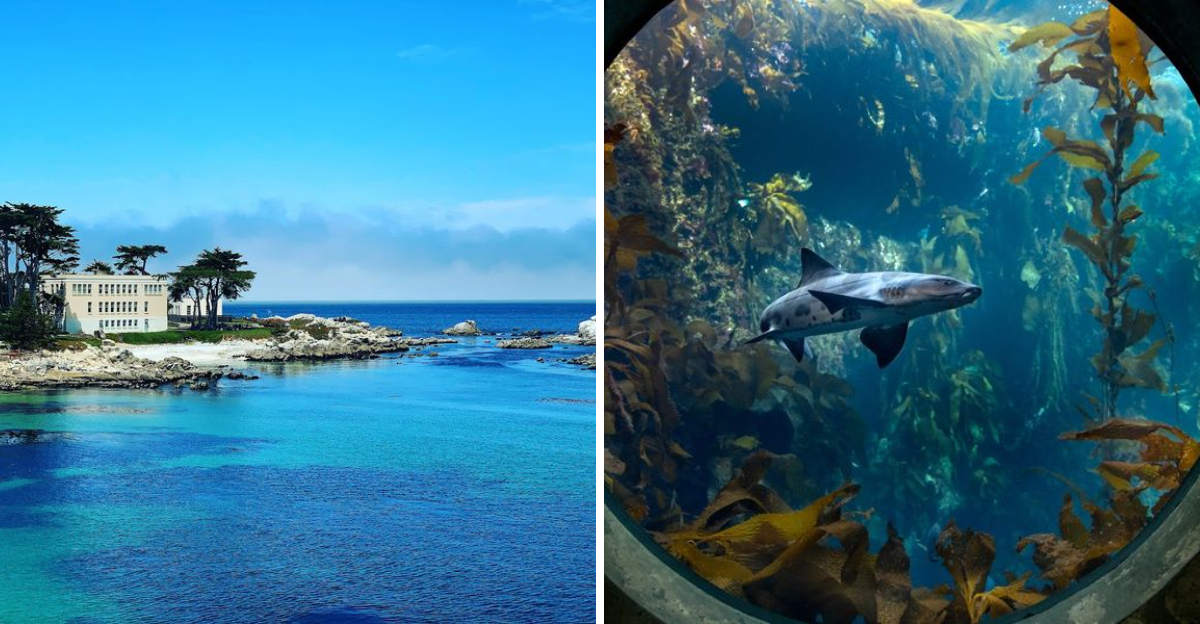
There’s a moment when a place goes from interesting to unforgettable. This is one of those places.
Right along the California coast, an oceanfront aquarium turns a simple visit into something immersive from the very first step inside.
Waves crash just beyond the glass, and entire marine worlds unfold in front of you in ways that feel both calming and surprisingly vivid.
What makes it stand out is how much there is to experience in a single visit. Massive tanks filled with swirling fish, playful sea otters, and drifting jellyfish create a rhythm that keeps you moving without ever feeling rushed.
It works just as well for curious kids as it does for adults who want to slow down and take it all in.
April adds another layer to the experience. The weather is mild, the pace feels manageable, and the overall atmosphere stays relaxed compared to busier seasons. It is the kind of timing that lets you enjoy everything without feeling overwhelmed.
For anyone exploring this stretch of California, it easily becomes one of the most rewarding stops along the coast.
Admission Prices And What to Expect At The Ticket Counter
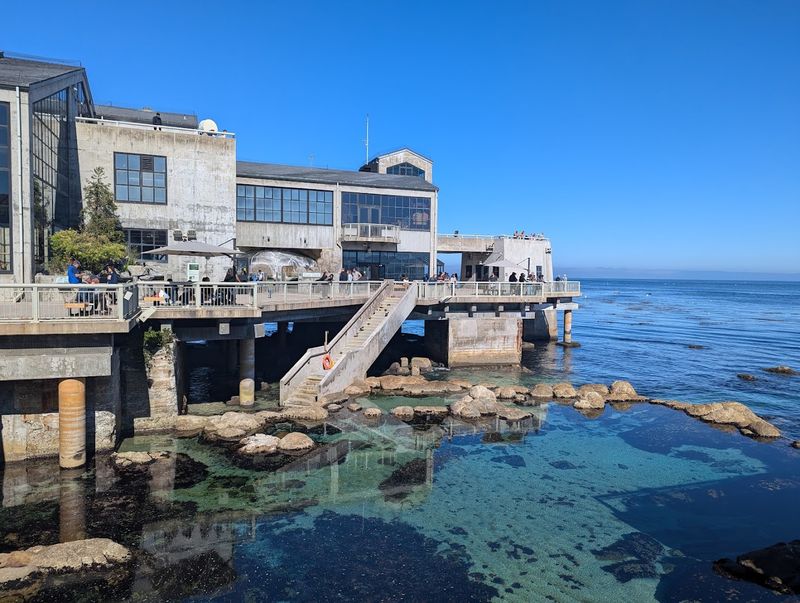
Getting a handle on ticket prices before arriving can save a lot of stress at the gate.
As of 2025, general admission at Monterey Bay Aquarium, located at 886 Cannery Row, Monterey, CA 93940, is $65 for adults ages 18 to 69, $50 for youth ages 5 to 17 and seniors 70 and older, and free for children 4 and under.
Buying tickets online in advance is strongly recommended, especially for weekend visits or holiday weekends in April when lines can build up quickly at the entrance.
Purchasing ahead also helps families budget accurately before the trip, since costs can add up for larger groups.
The ticket price reflects the scale of what is inside, including dozens of exhibits, daily live feedings, and access to the outdoor observation deck with open ocean views.
Families who plan to visit more than once a year may want to look into membership options, which tend to offer better long-term value than buying individual tickets each time.
Operating Hours And The Best Windows Of The Day To Arrive
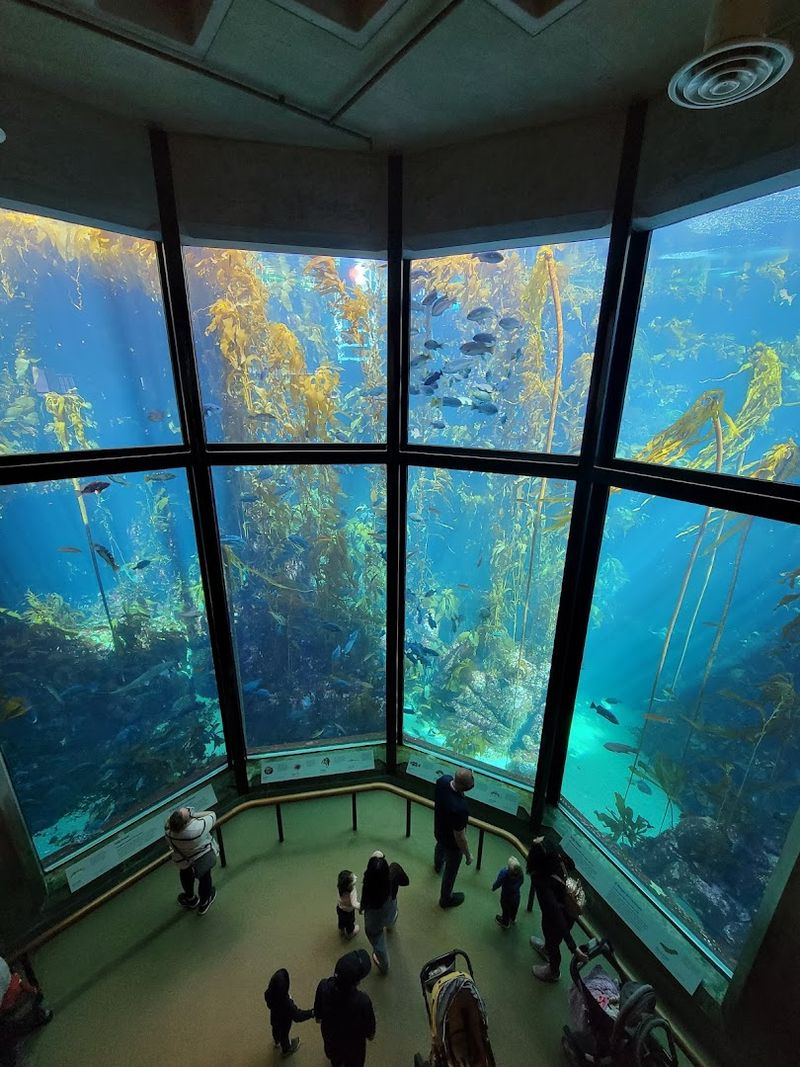
Timing a visit well can make a real difference in how relaxed the whole experience feels.
The aquarium is generally open daily from 10 AM to 5 PM on most weekdays, with extended hours until 6 PM on Tuesdays, Saturdays, and Sundays, though hours may vary on certain holidays or special event days.
Arriving right at opening time tends to offer a noticeably calmer start, with thinner crowds near the most popular exhibits like the Kelp Forest and the sea otter habitat.
The early window between 10 AM and noon is when the aquarium feels most spacious and unhurried, making it easier for kids to get close to the glass.
Late afternoon between 2 PM and closing also tends to quiet down slightly as day-trip families begin heading out.
For April visitors specifically, weekday mornings offer some of the most comfortable conditions, combining mild coastal weather with lower foot traffic.
Checking the official website before the visit is always a smart move to confirm current hours, since schedules can shift seasonally or around special programming events.
The Kelp Forest Exhibit And Why It Stops People Mid-Step
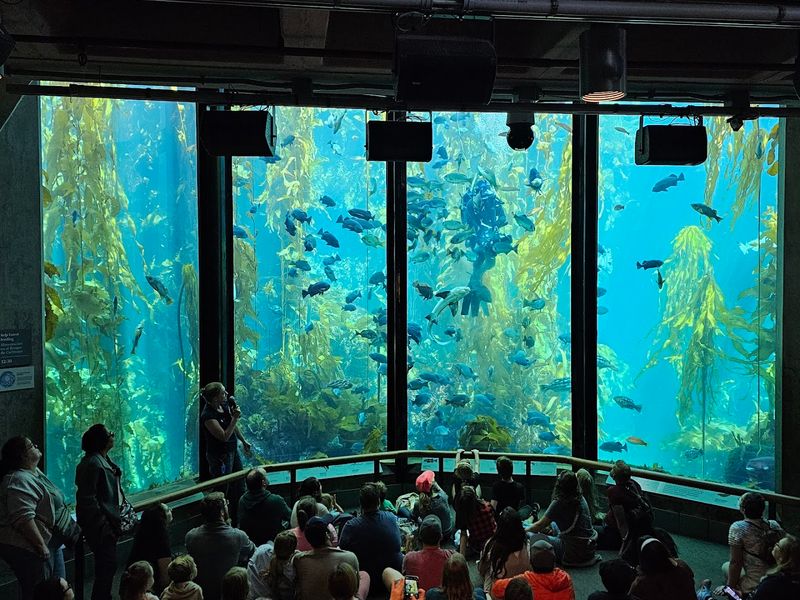
Standing in front of the Kelp Forest exhibit is one of those moments that tends to silence even the most energetic kids.
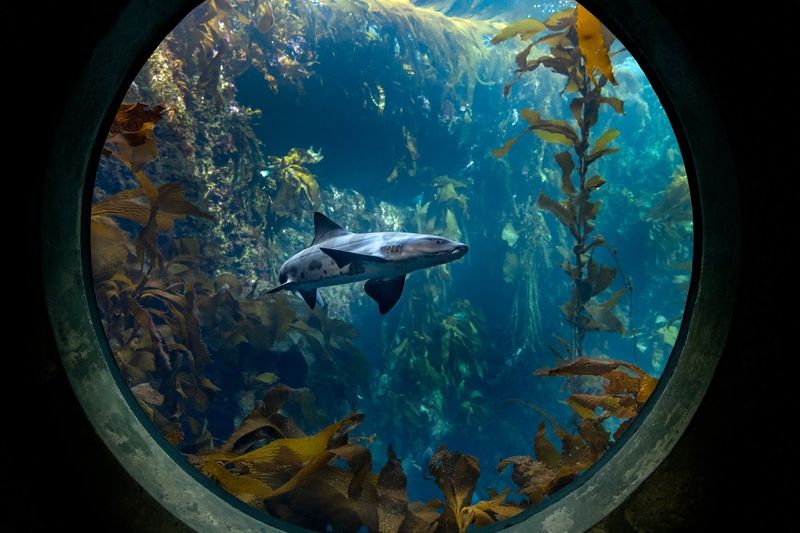
The tank rises 28 feet high and replicates the natural kelp ecosystem found just outside in Monterey Bay, with leopard sharks, rockfish, and other local species moving through the swaying columns of kelp.
Natural light filters in from above, which gives the water a shifting blue-green glow throughout the day, changing in tone depending on cloud cover and the angle of the sun.
That quality of light makes it feel less like an exhibit and more like standing beside an actual underwater cliff face.
The scale of the tank is genuinely hard to prepare for, especially for first-time visitors.
Benches positioned in front of the viewing wall allow families to sit and watch at a comfortable pace rather than feeling rushed through.
Daily feeding presentations at this exhibit bring staff into the tank to hand-feed the animals, offering a moment of narrated education that connects well with both younger children and older teens curious about marine biology.
The Open Sea Tank
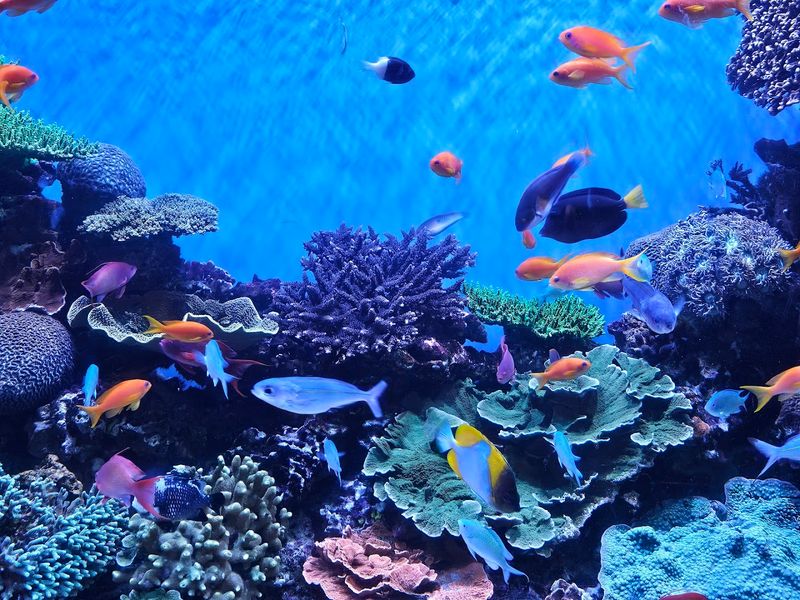
There is something quietly humbling about standing in front of a 1.2 million-gallon tank filled with open ocean species.
The Open Sea exhibit houses animals that most people only encounter in nature documentaries, including large yellowfin tuna, hammerhead sharks, sea turtles, and schools of smaller fish moving in synchronized patterns.
The curved acrylic viewing wall stretches wide enough to create a panoramic sense of depth, and the exhibit is lit to mimic the open ocean environment rather than the brighter light used in shallower tank displays.
That subtle design choice makes the experience feel more immersive than typical aquarium setups.
A feeding presentation is scheduled daily at 11 AM, during which staff narrate the feeding process and share information about the animals and conservation efforts tied to open ocean ecosystems.
Families with older kids especially tend to find this exhibit absorbing, since the sheer size of the animals and the complexity of the tank ecosystem prompt a lot of natural curiosity and conversation.
Arriving a few minutes early for the feeding secures a better viewing position near the front of the crowd.
Splash Zone And The Interactive Side Of The Aquarium
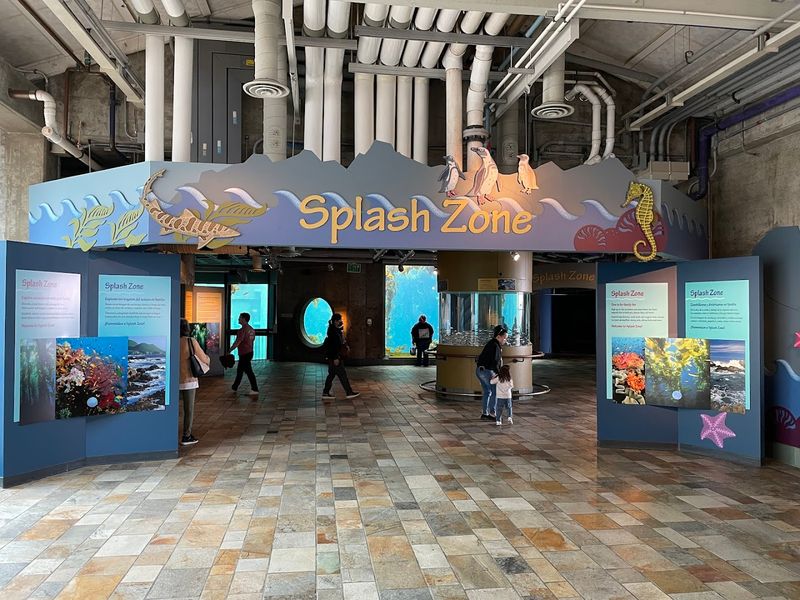
Not every part of the aquarium is built around quiet observation, and Splash Zone is the best proof of that.
Designed with younger children in mind, this section of the aquarium features hands-on touch pools, interactive displays, and a generally more playful atmosphere than the larger exhibit halls.
Kids can touch sea stars, urchins, and other intertidal creatures under the guidance of staff members who explain what each animal feels like and why it lives where it does.
The tactile element makes a real impression on children who may not yet be old enough to stay focused in front of large tanks.
The area is also stroller-friendly, with wide pathways and enough open space for families with toddlers to move around without feeling cramped.
April weekday mornings tend to be a good time to bring very young children here, since the exhibit is easier to navigate before the midday crowds arrive.
Splash Zone functions as a natural starting or ending point for families with mixed age groups, allowing younger children to engage actively while older siblings or parents move through nearby exhibits at their own pace.
Daily Feeding Schedules Worth Planning Your Visit Around
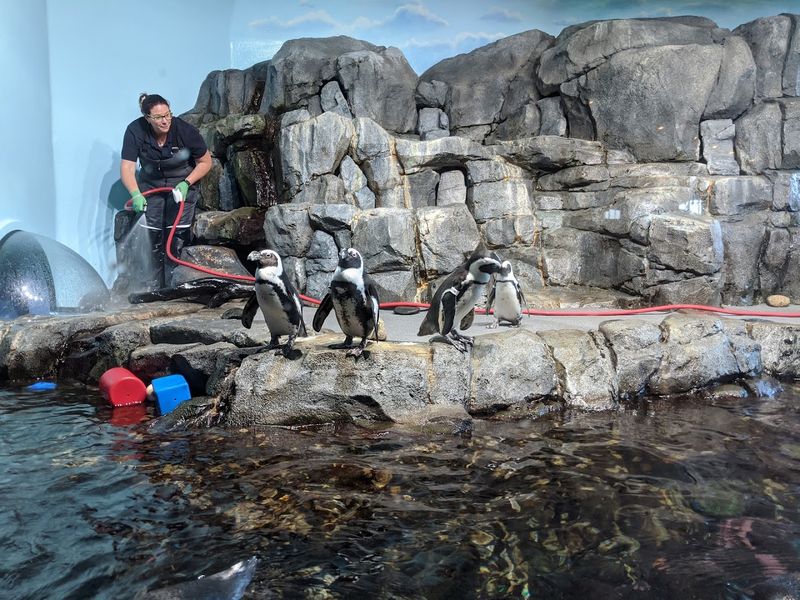
One of the most practical things a family can do before walking through the entrance is pull up the daily feeding schedule.
Several feedings happen throughout the morning, and the timing is specific enough that arriving without a plan could mean missing the most memorable moments of the visit.
Sea otter feeding typically happens at 10:30 AM, which makes it one of the first things families can catch if they arrive at opening time.
Penguin feeding also runs at 10:30 AM, and the Open Sea feeding follows at 11 AM, so the first hour and a half of the visit can be packed with narrated animal interactions if the schedule is used strategically.
Each feeding presentation includes staff commentary that explains the animals’ diets, behaviors, and conservation status in clear and accessible language.
Children tend to stay highly focused during these sessions because the animals are visibly active and responsive during feeding time.
Checking the schedule board near the entrance on arrival is a good habit, since timing can shift slightly depending on the day or season, and knowing the lineup in advance helps families move through the aquarium with more purpose and less backtracking.
Weekdays Vs. Weekends
April sits in an interesting spot on the calendar for the aquarium, after spring break peaks have passed for many school districts but before summer crowds fully build.
That timing creates pockets of genuinely calm weekday visits, particularly on Tuesdays and Wednesdays, which consistently tend to see lower foot traffic than other days.
Weekend visits in April can still get busy, especially on three-day holiday weekends or when local events bring additional visitors to Cannery Row.
Crowds tend to thicken noticeably after noon on weekends, making the morning window particularly valuable for families hoping to see exhibits without navigating dense foot traffic.
Arriving at or just before 10 AM on a weekday gives families the best chance of moving through the most popular exhibits while they are still uncrowded.
The outdoor observation deck, which overlooks the bay directly, also feels more enjoyable when the space is not packed.
April weather in Monterey typically brings highs between 60°F and 70°F, which is comfortable for outdoor time between indoor exhibits.
Layering up with a light jacket is practical since coastal wind can make the waterfront feel cooler than the temperature suggests.
Dining Options Inside The Aquarium And Just Outside On Cannery Row
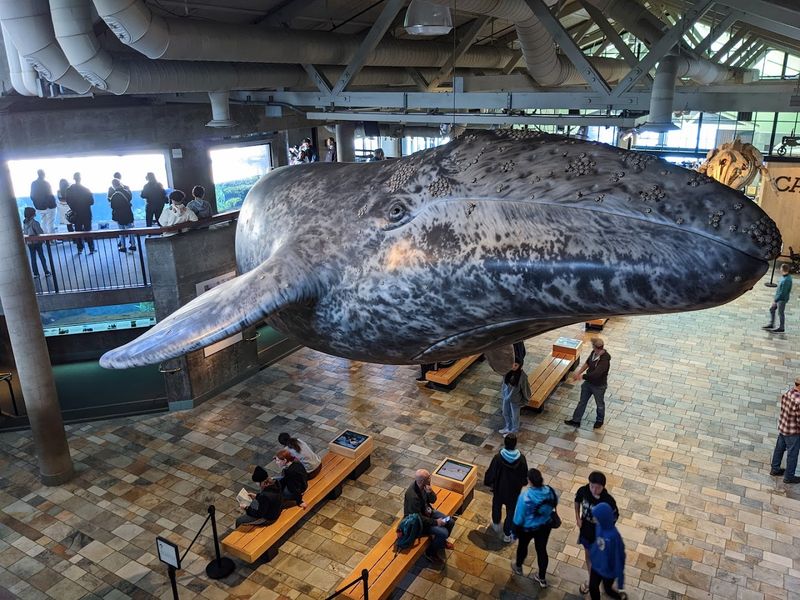
Food inside the aquarium is convenient but priced at a premium, which is worth knowing before the visit to avoid sticker shock.
The on-site cafe offers a range of options including burgers, chicken dishes, salads, and healthier snacks, with pricing that reflects the tourist-heavy location and the cost of operating within a major attraction.
Families on a tighter budget may prefer to pack their own lunch and take advantage of the stamp system, which allows re-entry after stepping outside.
That flexibility means it is easy to walk a few minutes along Cannery Row to find a wider selection of dining options at varying price points without losing access to the exhibits.
Cannery Row itself has a solid range of family-friendly restaurants within a short walk of the aquarium entrance, from casual seafood spots to sandwich shops and cafes.
The re-entry stamp, which is only visible under UV light, is a fun detail that kids tend to enjoy.
Eating outside the aquarium mid-visit also gives families a natural break to rest their feet, check in on energy levels, and regroup before returning for afternoon feedings or exhibits they may have missed in the morning.
Parking Near The Aquarium
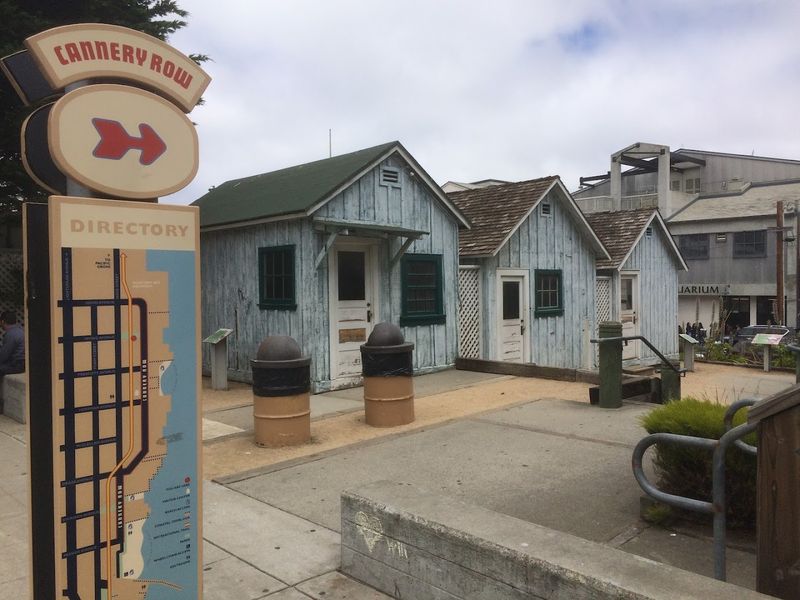
Parking near the aquarium requires a bit of planning, especially on weekends when Cannery Row fills up faster than most visitors expect.
The Cannery Row Parking Garage on Foam Street is one of the most straightforward options, offering all-day parking at a flat rate that allows families to leave and return without rushing.
Street parking along Ocean View Avenue is available but tends to fill quickly, particularly on weekend mornings and during peak April tourist weekends.
Some visitors find metered street spots south of the aquarium near the entrance to be a more convenient alternative, especially for visits of four hours or longer.
Walking from the parking garage to the aquarium entrance typically takes around ten minutes, which is manageable for most families including those with strollers.
The aquarium itself is stroller-accessible throughout, with ramps and elevators available for families who need them.
Building in a few extra minutes for the walk from parking, especially when managing young children or mobility needs, tends to make the start of the visit feel less rushed.
Checking current parking rates before the trip is wise since costs may change seasonally.
Nearby Attractions That Pair Well With An Aquarium Day Trip

Building a full day around the aquarium is easier than it might seem, since Monterey offers several nearby attractions that complement the experience without requiring a long drive.
Old Fisherman’s Wharf sits just a short distance from the aquarium and is home to seafood vendors, whale watching tour operators, and harbor seal viewing spots that feel like a natural continuation of a marine-themed day.
The Monterey Bay Coastal Recreation Trail runs along the waterfront and is suitable for walking and biking, offering a relaxed way to extend the afternoon after leaving the aquarium.
The flat paved path gives families a chance to stretch their legs with ocean views on one side and Cannery Row’s historic buildings on the other.
Cannery Row itself is worth a slow stroll, with shops, ice cream stands, and small museums tucked between the restaurants.
The area has a distinct historical character rooted in its past as a sardine canning hub, which adds context to the aquarium’s own history as a retrofitted cannery building.
Families who arrive early and pace their aquarium visit well often find they have enough time and energy left to explore at least one or two of these nearby spots before heading home.
Educational Programs

Beyond the standard exhibits, the aquarium runs structured educational programs that go deeper into marine science and conservation for school groups and organized visits.
Field trip programs are designed to align with curriculum goals, offering guided experiences that connect classroom learning to live animal encounters and hands-on observation.
For families visiting independently, the daily programming throughout the aquarium serves as an informal educational layer, with staff stationed at various exhibits ready to answer questions and share specific details about the animals and their environments.
The narrated feedings and live demonstrations add another level of engagement that goes beyond reading exhibit placards.
The aquarium has a stated mission centered on ocean conservation and sustainability education, which shows up in the way exhibits are framed and how staff communicate with visitors of all ages.
Information about sustainable seafood choices, ocean health, and the impact of human activity on marine ecosystems is woven into the visitor experience in ways that feel informative rather than heavy-handed.
For families hoping to spark a lasting interest in marine biology or environmental science in their children, a visit here tends to leave more of an impression than a typical natural history museum outing.
Membership Benefits

For families who live within driving distance of Monterey or who visit the central California coast more than once a year, a membership to the aquarium can shift from a nice idea to a genuinely practical investment.
Memberships provide unlimited admission throughout the year, which means the break-even point arrives after just two adult visits at current ticket prices.
Beyond free entry, members receive discounts at the on-site cafe and gift shop, which can offset some of the higher food costs for families who prefer to eat inside the aquarium.
Invitations to special member events also come with some membership tiers, offering access to programming that is not available during standard public hours.
The gift shop carries a range of marine-themed merchandise, books, and educational toys, and the member discount makes it a more comfortable place to browse without the pressure of full retail pricing.
Families with young children who are deeply interested in ocean life often find that the membership pays for itself quickly when combined with the cafe and shop savings over multiple visits.
Checking the current membership tiers on the official website before purchasing is recommended since options and pricing tend to be updated periodically.
Accessibility Features
Accessibility at the aquarium is handled with genuine care, and families traveling with members who have mobility needs or sensory sensitivities will find the space more navigable than many comparable attractions.
Ramps and elevators are available throughout the building, making it possible to reach all major exhibit areas without relying on stairs.
Strollers move through the space with relative ease given the wide corridors and flat interior layout, which also benefits visitors using wheelchairs or other mobility aids.
Staff are positioned throughout the aquarium and are generally prepared to assist with directions, accessibility accommodations, and questions about exhibit layouts.
The aquarium also hosts dedicated events for specific communities, including a free admission event for the Deaf and Hard of Hearing community, demonstrating a broader commitment to inclusive access beyond physical accommodations.
Nursing rooms with bottle warmers are available for families with infants, which is a practical detail that can make a significant difference in the comfort of a long visit.
For families managing sensory sensitivities, weekday mornings in April tend to offer the quietest and most manageable environment, with lower noise levels and less crowding near the most popular exhibits.