This Ohio Pottery Warehouse Is A Hidden Goldmine For Affordable Pots And Garden Finds
A kiln built in the 1930s still fires pottery around the clock here, and each loaded car spends 44 hours inside.
That same kiln was originally built for a famous rival pottery company. Now it bakes birdbaths for your backyard.
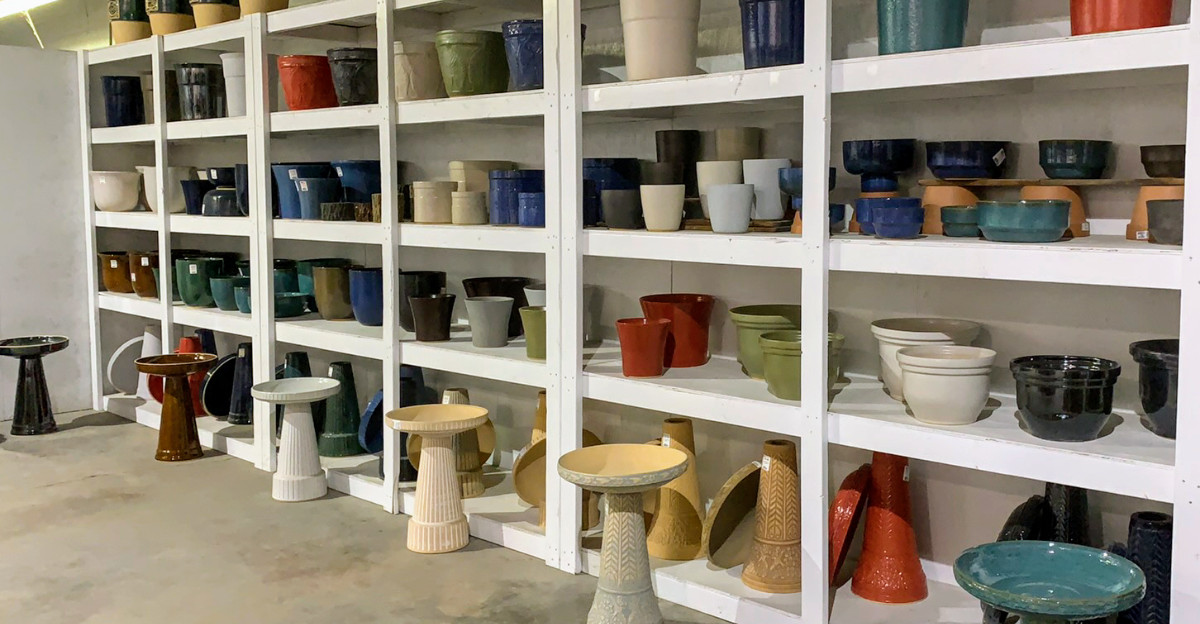
The factory store sells seconds, discontinued pieces, and samples at factory pricing. To be fair, the word seconds can sound like a warning label.
Most flaws are small chips, warped edges, or a bit of discoloration, and that’s part of the fun. A tiny quirk can mean a real bargain for your garden.
Add a century of Ohio clay history and hand-painted artwork.
Suddenly a simple shopping trip feels more like a treasure hunt, right?
The Last Stoneware Garden Pottery Standing In Its Corner Of Ohio
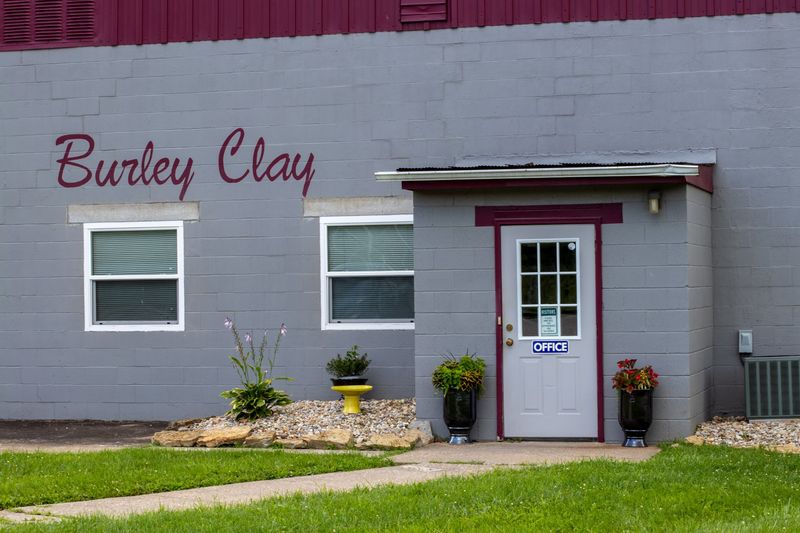
Burley Clay Products Company, often called Burley Clay Pottery, is the last remaining manufacturer specializing in stoneware garden pottery in its historic local pottery district. That’s a big distinction for a factory in a small town.
Southeastern Ohio was once known as the Pottery Capital of the World. Famous names like Nelson McCoy, Roseville, and Hull all operated in the region.
Many of those historic factories eventually closed, but Burley continued producing pottery as the industry changed around it.
The company didn’t just preserve an old tradition, either. It became a major American producer of stoneware birdbaths and garden planters.
Its products now reach independent garden centers, nurseries, and specialty retailers across the United States and Canada.
So when you shop here, you’re buying more than a pot. You’re taking home something connected to a regional craft tradition spanning generations.
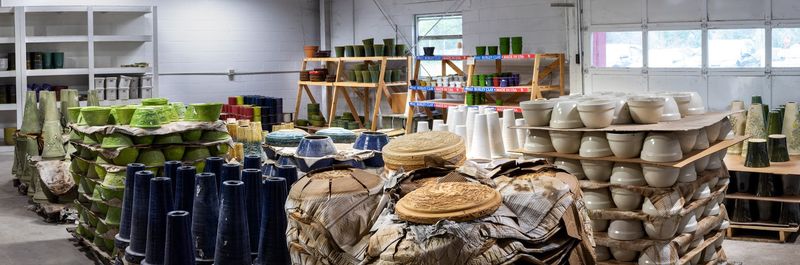
The pottery is made in Roseville using locally sourced clay. From preparing the raw material to shaping and decorating finished pieces, the manufacturing process happens at the factory.
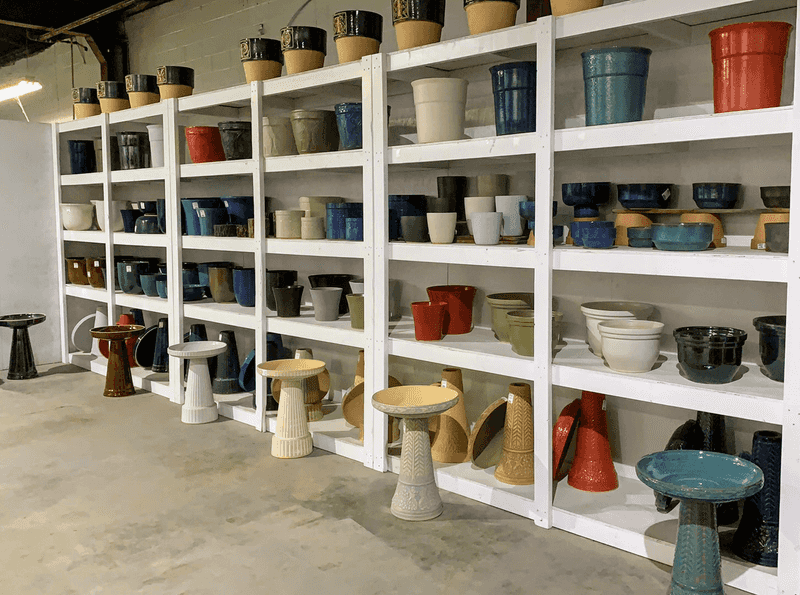
Gardeners can find planters, decorative containers, birdbaths, and coordinating accessories, depending on availability.
Seconds Are Where The Real Bargain Hunting Begins
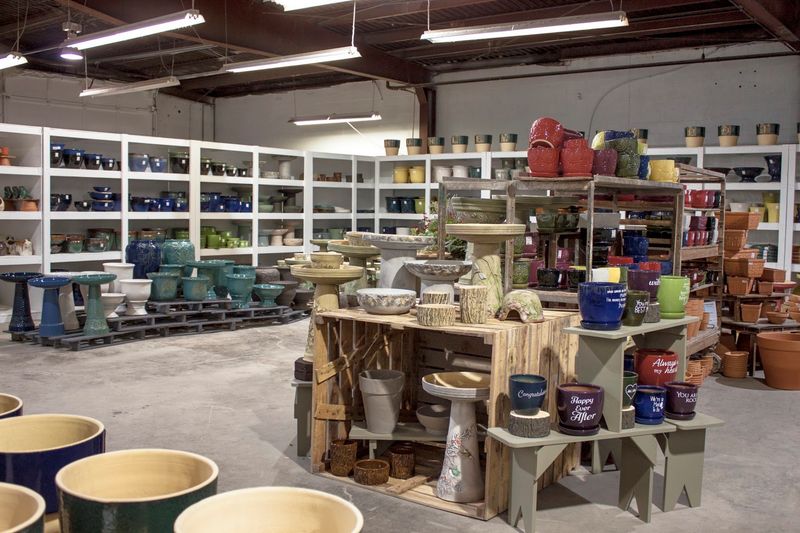
A tiny chip never stopped a petunia from growing. That simple truth is part of the appeal behind the factory store’s bargain section.
Burley sells seconds, discontinued items, samples, and regular merchandise at factory pricing.
Seconds are pottery pieces that fall outside the manufacturer’s normal quality standards. Some may have cosmetic irregularities, including differences in glaze color, finish, or appearance.
Because imperfections vary, it’s worth examining each item carefully before deciding where it belongs in your garden.
Discontinued pieces add another layer of luck to your visit. Designs that have left the regular production lineup can occasionally appear among the available merchandise.
Samples are another interesting category to browse. These may offer a chance to find something different from the pieces commonly displayed at garden centers.
The selection changes as products become available, so there’s always an element of surprise.
Birds Around Ohio Have Strong Opinions About These Baths
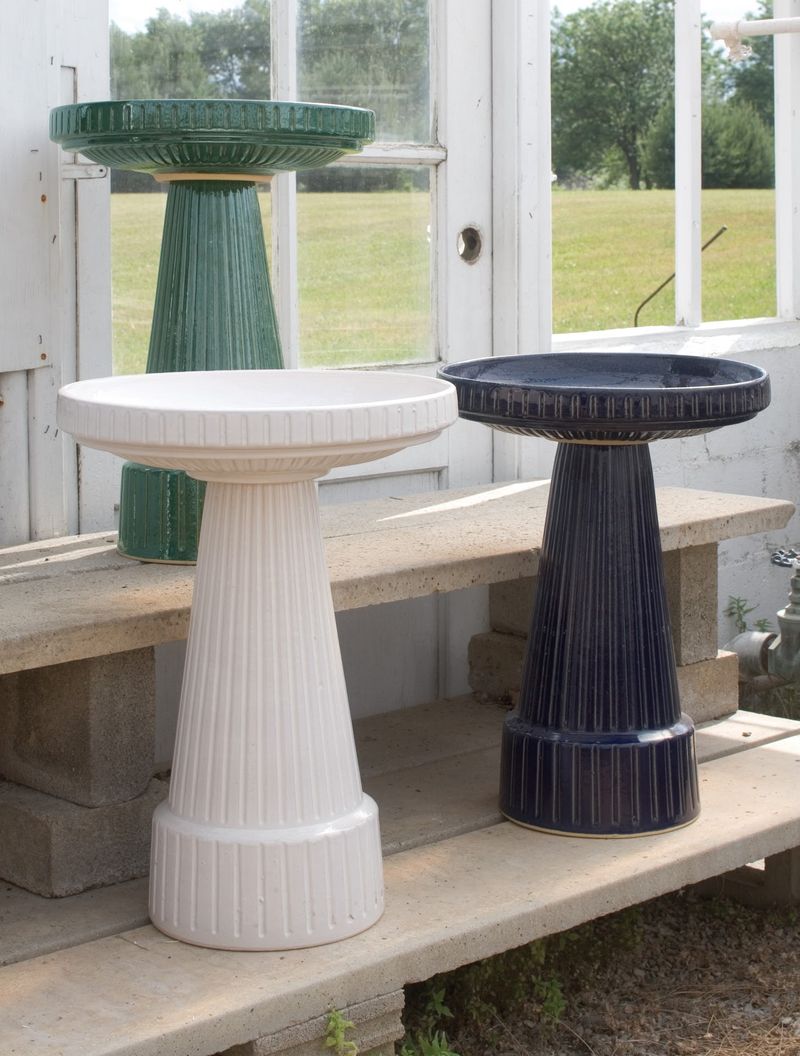
Birdbaths are among Burley’s signature products, and it’s easy to see why. The company has been making garden pottery and birdbaths since 1933.
That’s more than nine decades of experience creating outdoor pieces designed for gardens and visiting birds.
The store carries complete birdbath sets, separate pedestals, and replacement tops. That last option is especially useful for homeowners who already have a suitable base.
Many designs feature hand-painted decorations, including flowers, songbirds, butterflies, and other nature-inspired patterns.
The painted pieces are individually signed by the artists who decorate them. Some also receive a hand-aged finish that creates a natural, mossy appearance.
That aged look does something clever in a yard. It blends with stone paths, ferns, and flower beds instead of demanding all the attention.
For backyard birdwatchers across Ohio, choosing the right birdbath involves more than picking a pretty color.
Burley recommends placing birdbaths on level ground, a short distance from trees, with enough open space for birds to approach comfortably.
A Kiln Nicknamed The Cadillac Still Runs All Day And Night
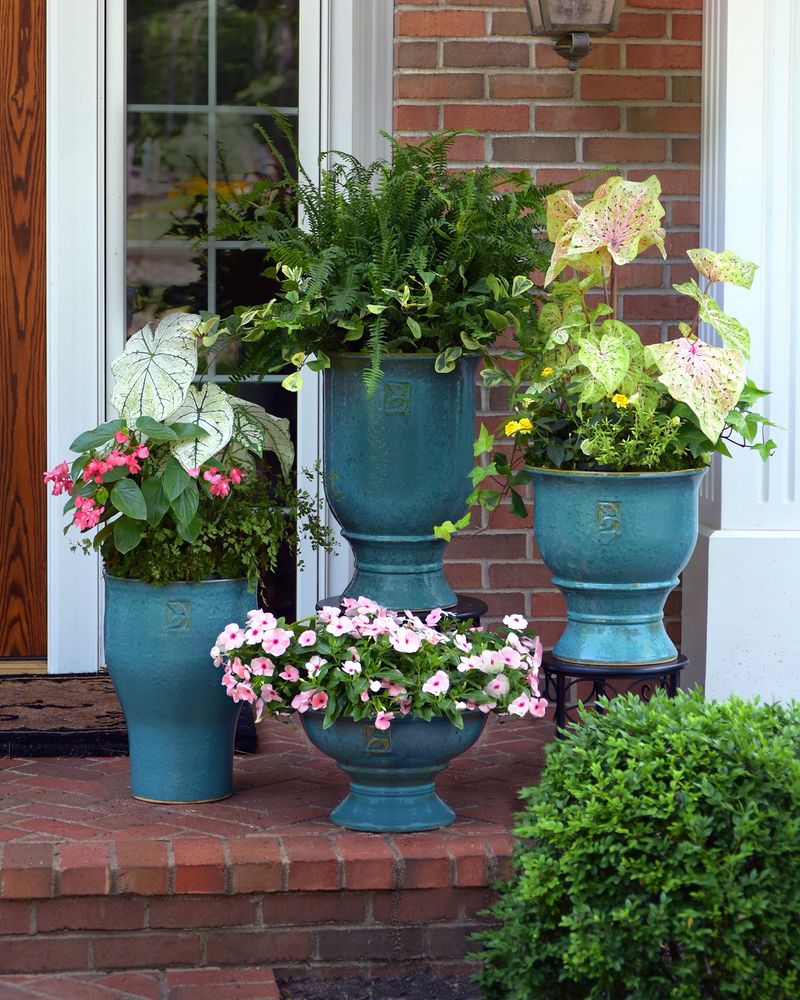
Some machines retire. Others just keep working like they never got the memo.
Burley’s historic Allied Kiln dates to the 1930s. It was originally built for Nelson McCoy Pottery, one of the most recognizable names in American pottery history.
The massive structure became known as the Cadillac of Kilns. Burley also calls it the Round Kiln because of its circular design.
Unlike a conventional kiln with a stationary chamber, this system uses pottery cars that slowly travel along a circular track.
Each car takes approximately 44 hours to complete the circuit. The original operating system was designed for continuous firing, with workers loading and unloading pottery as the cars moved.
That’s almost two full days of controlled heat for every load. The kiln remained at the property when Burley acquired the former McCoy factory. After extensive restoration, it returned to production in 2021.
Burley also operates other types of kilns, including tunnel and shuttle kilns, giving the factory several methods for firing different pottery pieces.
Production schedules have evolved as the company has adapted its equipment and workforce.
Old-School Hands And Heavy Presses Share The Workload
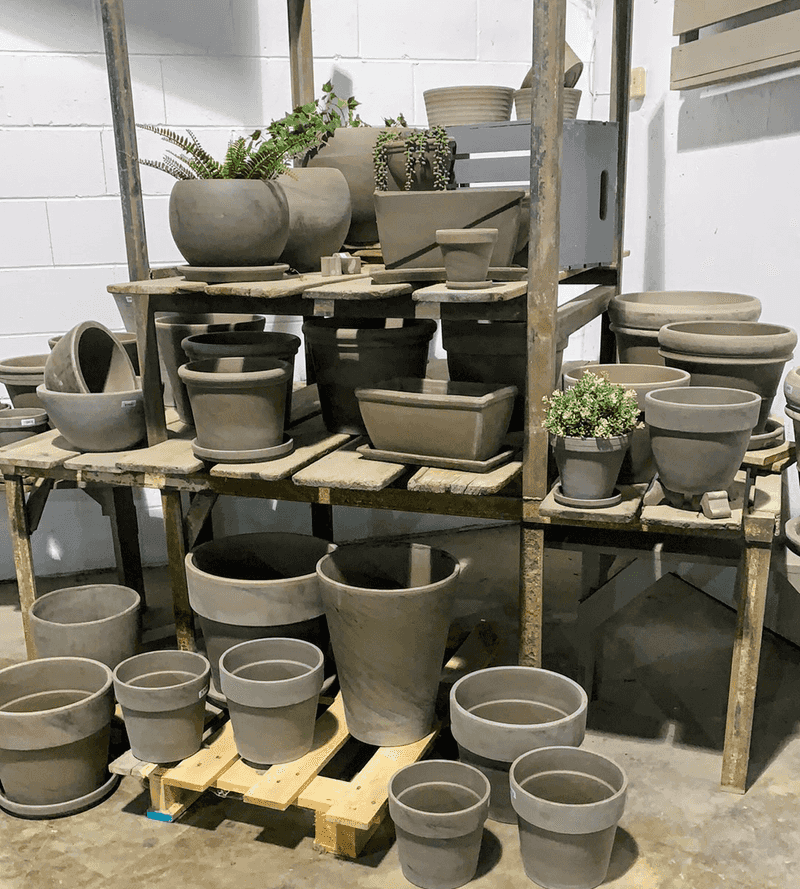
Spinning plaster molds might not sound glamorous. Still, they’re at the heart of one of the oldest methods used at Burley.
It’s called jiggering, and it’s a traditional pottery-forming technique requiring considerable skill. In jiggering, a worker places soft clay inside a plaster mold mounted in a rotating steel drum.
A shaped tool presses against the clay as the drum turns, helping create a consistent form. As the clay begins to firm up, the plaster absorbs moisture, allowing the shaped piece to be removed and trimmed.
Burley pairs that classic craft with modern equipment. Hydraulic and ram presses help produce other shapes, including rectangular, round, and asymmetrical pieces.
The clay itself has deep local roots. Burley uses material sourced from nearby Ohio clay deposits, bringing it to the factory for cleaning, mixing, and preparation.
Filter presses remove excess water before the clay moves to the next production stage.
Decorating adds another layer of craftsmanship. Hand-painted birdbaths and planters receive detailed artwork, while the factory’s glazes provide different colors and finishes.
The company also recycles clay and water during production and uses glazes free from lead and cadmium.
A Rescued Factory With A Comeback Story Worth Cheering
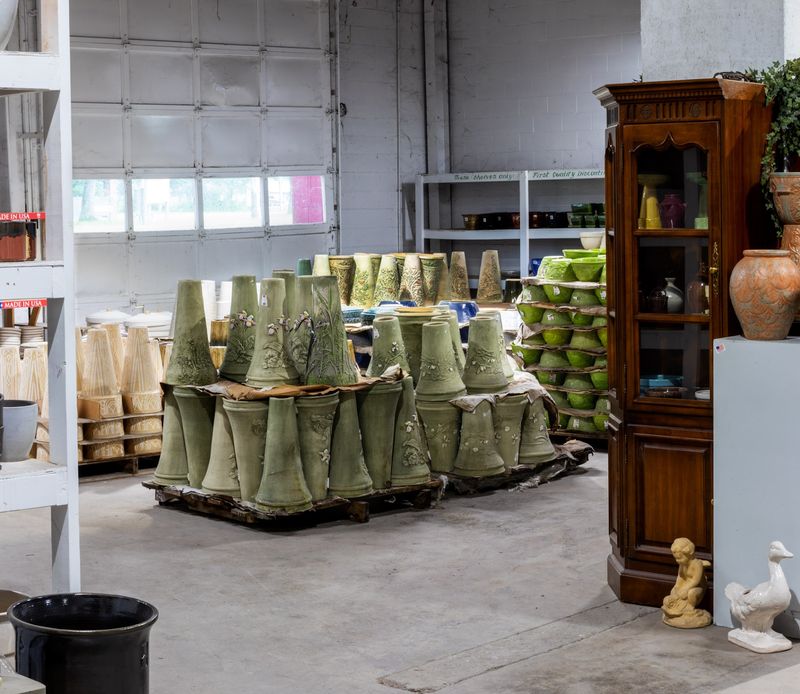
Picture cleanup on a truly enormous scale. Burley purchased the former Nelson McCoy pottery factory in Roseville in 1998.
The building had been unused since 1990, with pottery equipment, molds, and other materials remaining inside.
Restoring it took approximately three years of work. Crews removed 440 dump truck loads of discarded material and replaced more than 3,000 windows.
Machinery needed attention, production spaces required improvements, and the interior had to be reorganized for Burley’s operations.
By 2001, the company had established itself at the restored facility, giving the former pottery plant a new purpose. The company’s roots go back much further.
Brothers Zane and Dr. Samuel Burley founded Burley Clay Products in 1923. Early production focused on practical stoneware items, including large crocks and jugs for household use.
In 1933, the business shifted its focus toward garden pottery and birdbaths.
Another important chapter came in 1996, when Burley began a partnership with Robinson Ransbottom Pottery. The arrangement continued through 2002.
Burley introduced a new line of garden products under its own name in 2003.
The business reached its centennial milestone in 2023, an impressive achievement for a manufacturer rooted in traditional craftsmanship.
So the building you visit carries two histories at once. It connects the McCoy manufacturing legacy with Burley’s continuing pottery production.
Plan Around Weekday Hours And Bring Your Furry Sidekick
Weekend warriors, this one’s for you, provided you can arrange a weekday outing.
The factory store operates Monday through Friday, with regular weekend shopping unavailable.
Published opening times vary slightly, generally placing the store’s schedule between 8 or 9 AM and 4 or 4:30 PM. Confirming the day’s hours before traveling is a sensible idea.
You’ll find the store at 455 Gordon St, Roseville. It sits in a small community with a long pottery-making history.
The factory store is part of the working manufacturing property, so expect a practical industrial setting rather than a traditional shopping center.
Good news for dog owners, too. The factory store welcomes pets. Your pup can help pick the perfect planter, or at least investigate the unfamiliar surroundings.
Keep your furry friend close around the displays. Stoneware and enthusiastic wagging tails aren’t always the best mix.
A weekday off work suddenly sounds like a great excuse. You get pottery shopping and a road trip through Ohio pottery country together.
Pack Those Old Blankets Before You Leave Home
Here’s a tip that sounds silly until you need it. Burley recommends bringing old blankets or towels for the ride home.
Stoneware is sturdy, but transporting heavy pottery requires a little preparation.
Wrap individual pieces before loading them into your vehicle. Towels between pots can prevent the surfaces from knocking against each other during turns.
A little padding helps protect hand-painted decorations and delicate edges. Measure your trunk or back seat before you go. Birdbaths with separate pedestals can take up more room than expected.
Nobody wants to discover that a favorite garden piece needs more space than the car can provide.
Heavy pottery should be placed securely on a stable surface. Keeping larger pieces low in the vehicle helps prevent unnecessary movement.
Bring a friend if you’re considering substantial items. Stoneware can be heavy to lift and carry, and an extra pair of hands makes loading more manageable.
It’s also worth thinking about where everything will go once you get home.