This Old Boise Gravel Pit Is Now An Easy Winter Walk Where Herons And Owls Hang Out
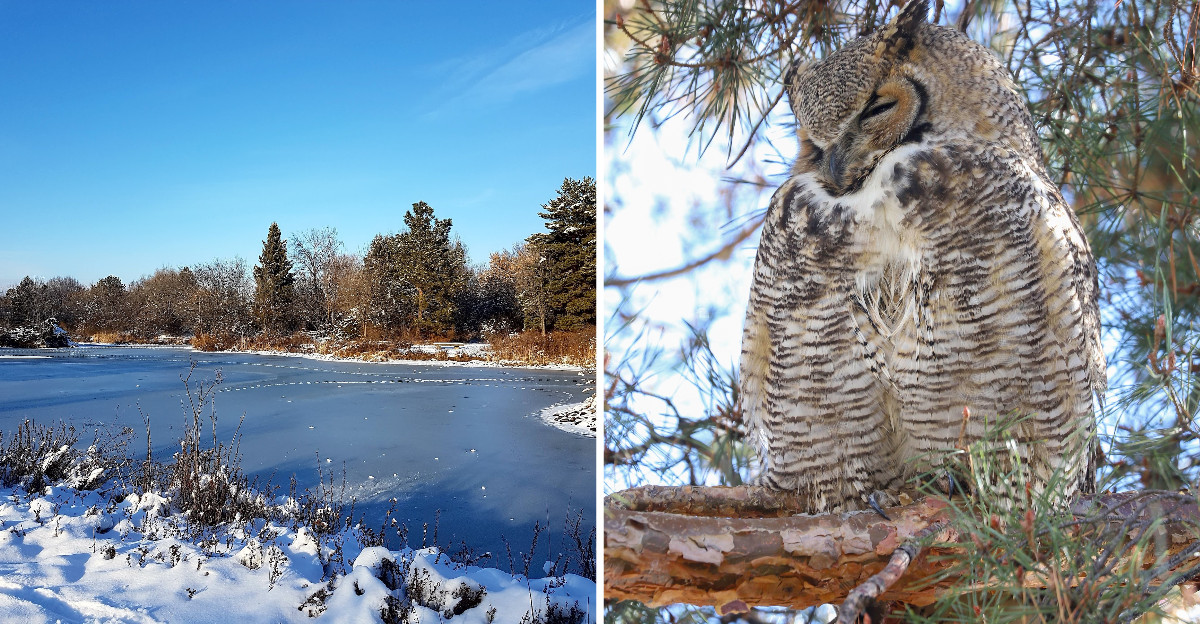
A great blue heron can stand perfectly still at the edge of a city pond all winter long.
It barely blinks while traffic hums somewhere beyond the cottonwoods.
That pond sits inside a 41-acre park that used to be a gravel pit.
Today more than 100 bird species have been recorded there over the year. The paths are wide, flat and paved, so snow boots are optional on most days.
I like how this Idaho park makes winter feel like a front-row seat instead of a season to wait out.
Ducks paddle past. Raptors work the sky over the nearby river.
The restrooms are even heated.
I can’t imagine a gentler way to stretch your legs in January.
So where exactly is this place, and how did a pile of gravel become a wildlife home?
A Wildlife Park Just Minutes From Downtown Boise
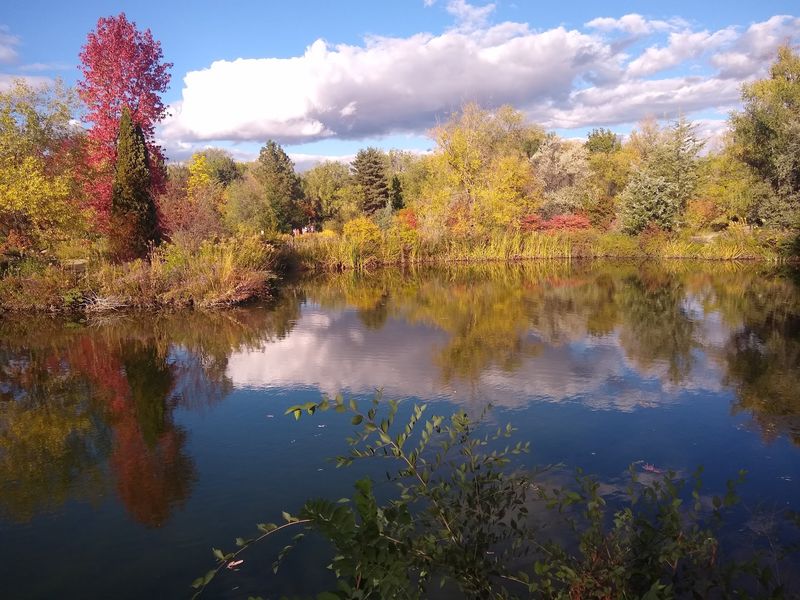
Kathryn Albertson Park sits on the west side of Boise, right beside the Boise River. It covers 41 acres of ponds, wetlands, trees and paved footpaths.
What makes it different is the job description. The city of Boise treats it as a special-use park built for wildlife and quiet reflection, not ball games.
So you won’t find a playground, a soccer field or a basketball hoop anywhere. Instead, you get water, reeds, shade trees and a whole lot of birds going about their business.
The setting feels surprisingly wild for a place so close to busy roads. Thick vegetation soaks up much of the city noise, which makes the ponds feel farther from town than they are.
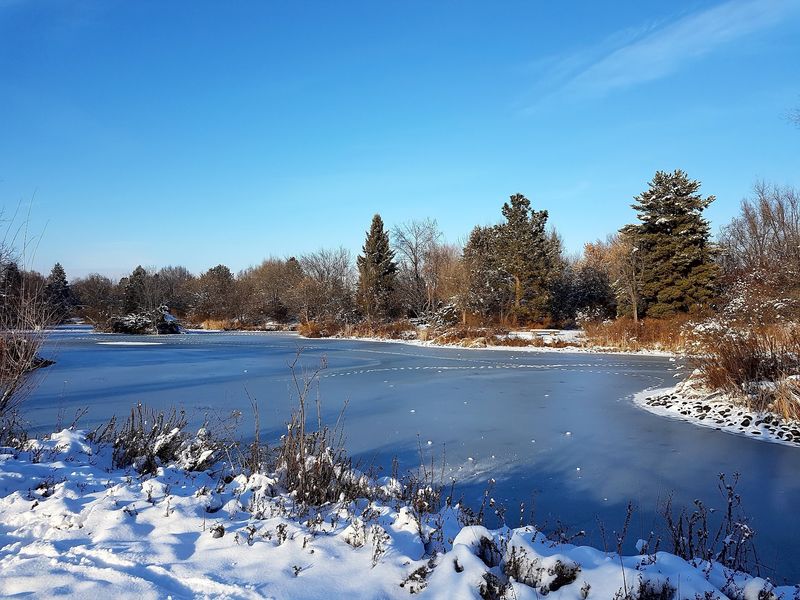
That calm is the whole point, and it doesn’t switch off when the weather turns cold. Winter actually strips the trees bare and opens up the views across the water.
For Idaho families wanting a cheap afternoon outing, that combination is hard to beat. It’s close enough for a lunch-break stroll and peaceful enough to feel like a small getaway.
The Gravel Pit That Grew Into A Sanctuary
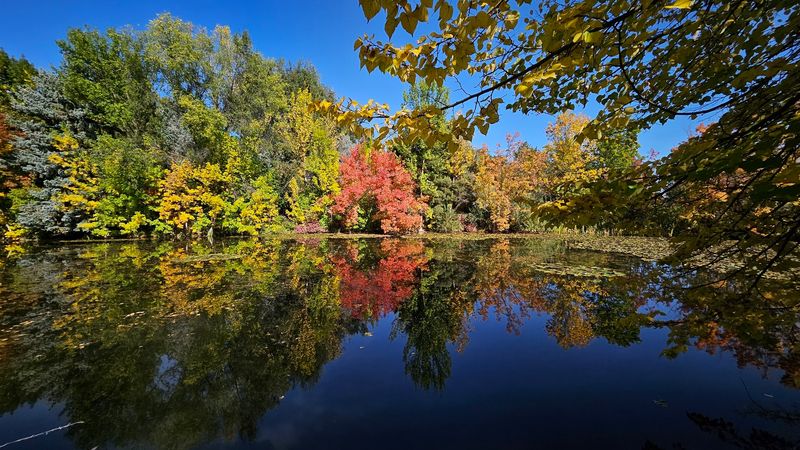
Gravel pits rarely get a second act this good. The land under Kathryn Albertson Park was once exactly that, a working pit dug out of the river corridor.
Joe and Kathryn Albertson funded its transformation into a naturalistic landscape. The design focused on creating a rich home for river wildlife rather than space for active sports.
The park was dedicated on October 17, 1989. It was given to Boise and the people of Idaho as a unique and precious treasure.
Those words were meant to describe a home for both resident and migrating wildlife. More than three decades later, the herons, ducks and turtles seem to agree with the plan.
The name might ring a bell for anyone who has pushed a grocery cart in Idaho. Joe Albertson opened his first supermarket in Boise, and that history shows up in the park in a clever way.
We’ll get to that detail soon, because it involves an old roof. For now, it’s enough to know the whole landscape was engineered on purpose, pond by pond.
One Easy Mile That Stretches Into Two Along The River
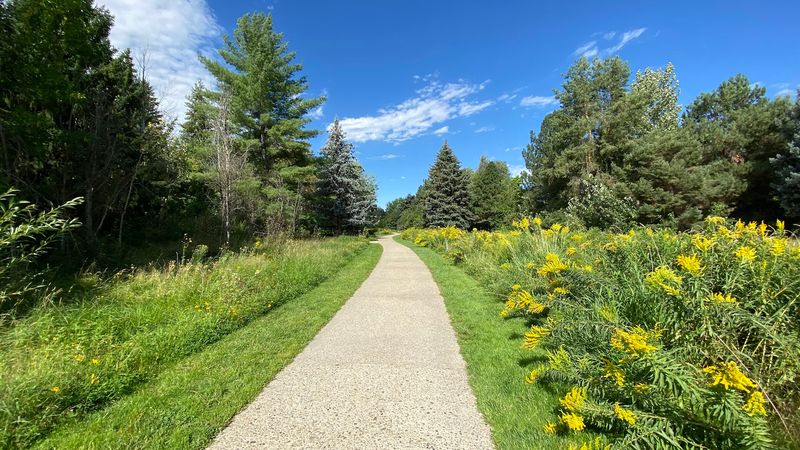
About a mile of wide, flat, paved path forms the main loop through the park. That alone makes a pleasant winter walk for almost any pace.
Want more miles? The paths connect directly to the Boise River Greenbelt, so you can tack on a riverside stretch and easily turn it into a two-mile outing.
The pavement is the real winter win here. Strollers, wheelchairs and anyone avoiding icy dirt trails can roll along without much fuss.
There are also several entrances, each opening onto a different corner of the park. That means you can start somewhere new on each visit and still never feel lost for long.
Plenty of smaller paths branch off the main routes and loop around ponds. Some areas are marked off limits to protect habitat, so stick to the signed routes.
A map or a phone GPS helps on a first visit, since the paths weave and cross often. Getting a little turned around is part of the fun, though, because every bend seems to reveal another pond.
Herons Holding Perfectly Still By The Water
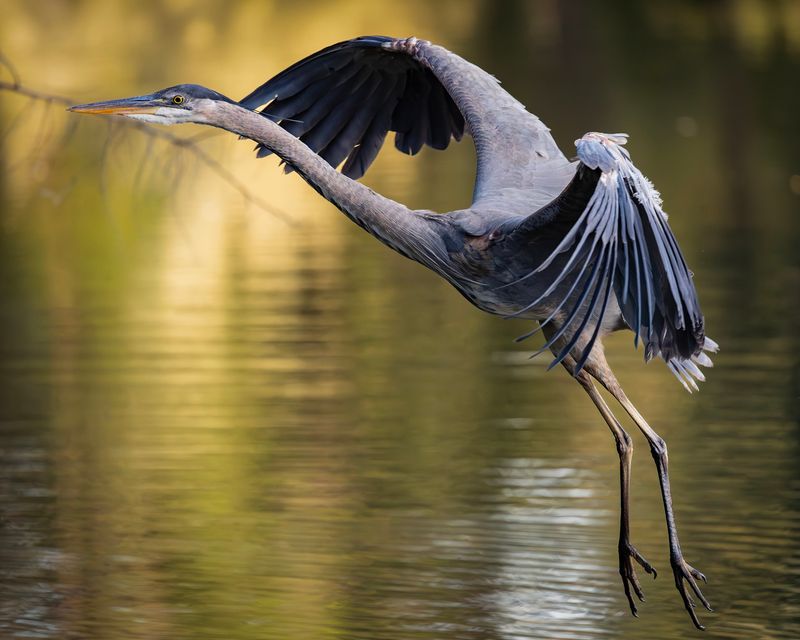
Patience, it turns out, has feathers. Great blue herons live at the park year-round and often stand frozen at the water’s edge like lawn ornaments with opinions.
They rank among the most common winter birds here. Their tall, gray shapes stand out clearly once the leaves drop and the reeds turn tan.
The shallow ponds and wetlands were designed to attract and support waterfowl like these. That planning pays off in the quietest months, when many city parks feel empty.
Spotting a heron takes slow eyes rather than sharp ones. Scan the pond edges and reed lines, and look for a long neck that doesn’t move.
Then the fun begins, because herons eventually strike. One quick jab into the water is the payoff for all that waiting, both theirs and yours.
Kids especially enjoy the challenge of who can spot one first. It turns a simple walk into a gentle scavenger hunt, and nobody needs a ticket or a screen to play along.
Winter Ducks With Fancy Hairdos And Shovel Bills
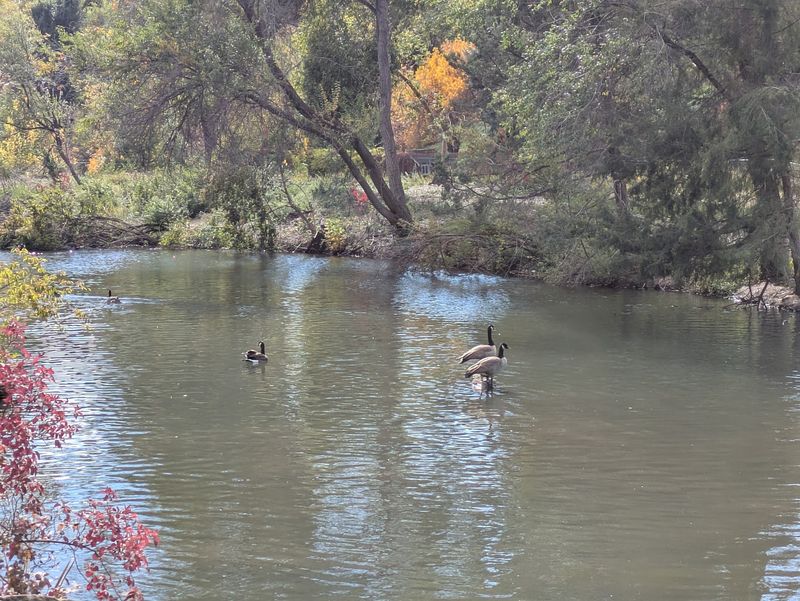
Hooded Mergansers look like they spent the morning at a salon. Their dramatic crests make them one of the more eye-catching winter ducks at Kathryn Albertson Park.
Northern Shovelers show up too, with wide bills built for sifting food from the water. Once you notice that oversized beak, you can’t unsee it.
Across the year, more than 100 bird species have been recorded at the park. Winter brings its own mix of ducks, songbirds and other visitors.
The Golden Eagle Audubon Society recognizes the park as a top accessible birding spot. That matters for birders who use wheelchairs or simply prefer smooth ground over muddy banks.
Midday on a clear winter day often brings the best light and active waterfowl. That’s handy, since nobody needs a dawn alarm to enjoy good viewing here.
Bring binoculars if you own a pair, though plenty of ducks paddle close enough without them. A small field guide or bird app helps put names to the feathers.
Raptors And Owls Working The River Corridor
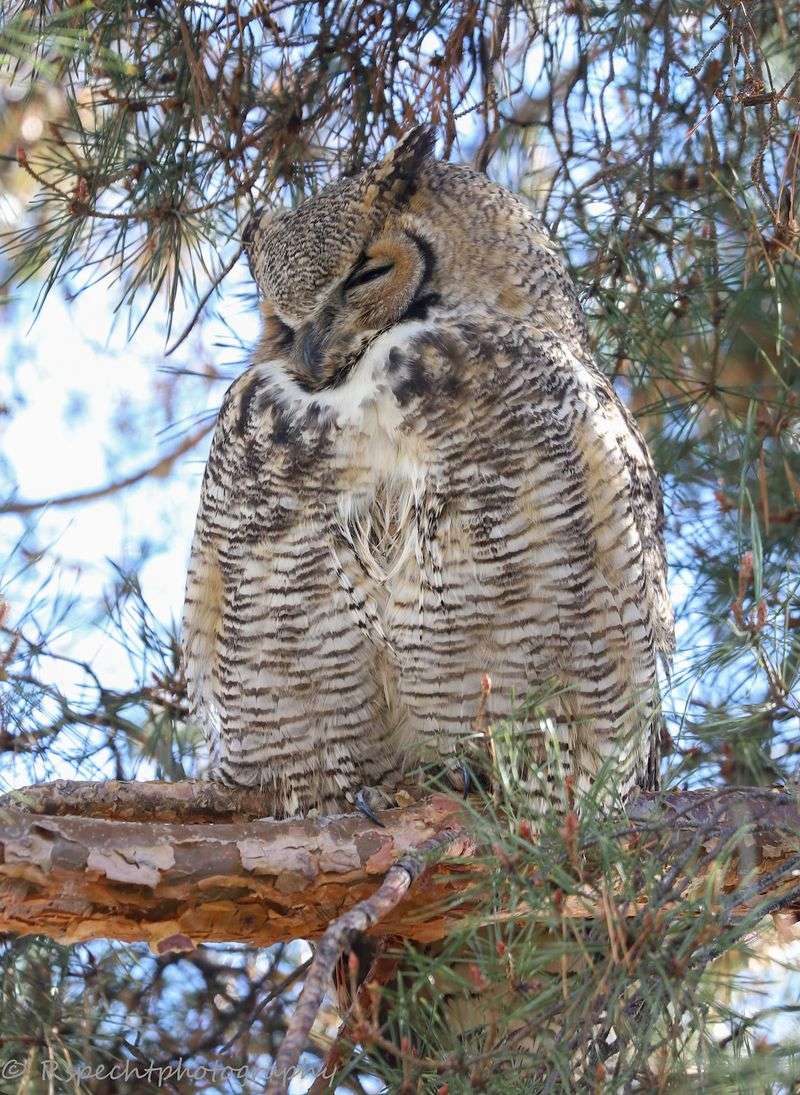
Look up once in a while. Raptors soar over the river corridor, and the park’s name for one gazebo, The Eyrie, nods to the nest of a bird of prey.
Owls are also part of the winter birding list here. They’re harder to find, so treat any sighting as a lucky bonus rather than a promise.
The Boise River sits right alongside the park. That moving water and its tall cottonwoods create a natural highway for birds that hunt from above.
Extending your walk onto the Greenbelt gives you more sky and more river to scan. It’s the best way to turn a pond stroll into a broader raptor watch.
Bare winter branches make perched birds easier to pick out. A large shape sitting high in a cottonwood deserves a second look through binoculars.
Keep a respectful distance from any bird you find, especially owls resting during the day. Quiet voices and slow steps help everyone, feathered or not, enjoy the moment.
Gazebos Wearing A Piece Of Grocery History
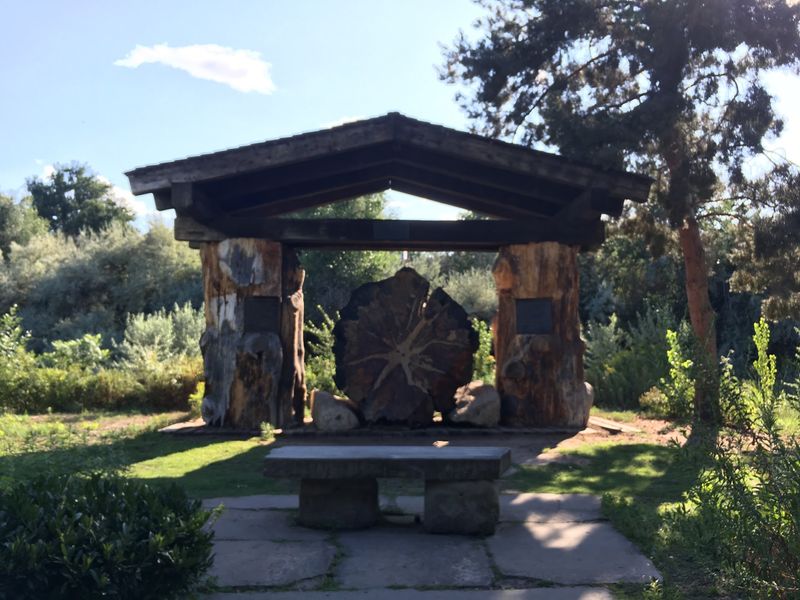
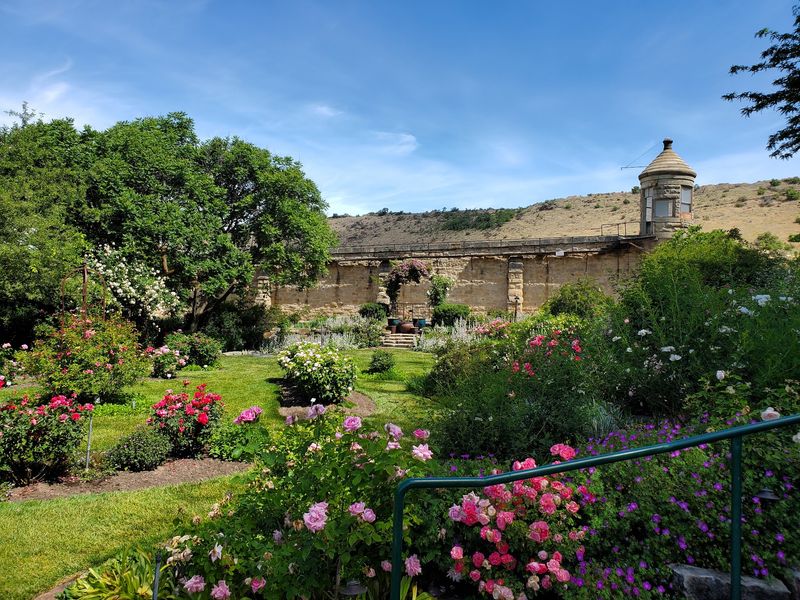
Here’s the roof story promised earlier. The Rookery gazebo is topped with red tiles that once covered the very first Albertsons supermarket, which opened in Boise in 1939.
Its broad beams have their own backstory. They came from an airport hangar that stood where Boise State University is now, a spot visited by aviation pioneer Charles Lindbergh.
So one shelter connects groceries, flight and a university campus. That’s a lot of Idaho history packed into a picnic spot.
The second gazebo, The Eyrie, echoes the same stone-and-beam craftsmanship. It features a lean-to roof built from rounded beams and split cedar poles.
Both names come from birds. A rookery is where birds gather, and an eyrie is the nest of a bird of prey.
The two gazebos can be reserved for gatherings. On a quiet winter day, they also make a fine place to pause, warm your hands and admire some well-traveled lumber.
Planning Your Visit, From Parking To Timing
Getting there is simple. The park sits at 1001 S Americana Blvd, Boise, ID 83706, near the Boise River.
Parking is generally easy to find. Several entrances lead into different parts of the park, so you can pick a new starting point each trip.
The park is open daily from early morning into the evening. Winter daylight runs short in Idaho, though, so plan your walk before dusk settles over the ponds.
Midday on clear winter days often brings the best light and busy waterfowl. That timing also tends to be the warmest part of the day.
Weekdays are usually quieter than weekends. The park is a favorite spot for family and senior photo sessions, which can crowd popular pond views.
Pack binoculars, a warm drink and maybe a bird app. Then add the Greenbelt connection if your legs want more than a mile.