This Old-School Connecticut Bakery Has Kept Italian Pastry Traditions Alive Since 1929
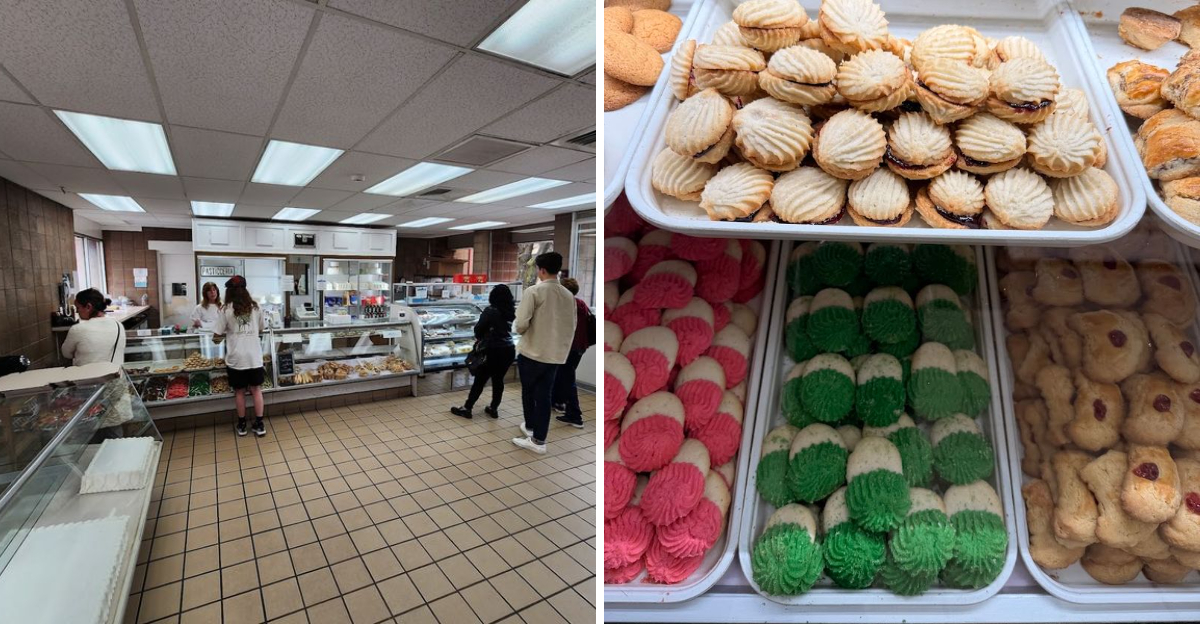
Your grandmother had opinions about pastry, and she was right about all of them.
She knew real pastry gets made fresh the same morning, never shipped frozen. She knew whipped cream belongs on cake and shortcuts belong nowhere.
If she ever shopped in New Haven, Connecticut, she probably stood at this counter. The shop has been open since 1929, and almost nothing about it has ever changed.
You walk out with a white box tied in string, and suddenly you are eight years old again. The sfogliatelle crackle when you bite them.
The rum baba should honestly require a designated driver.
You will plan to buy six cookies and leave with two pounds. Everyone does it, so do not fight it.
Chain bakeries just sell you dessert.
This place hands you a memory with powdered sugar on top. Go once and your birthday cakes will never come from a supermarket again.
A New Haven Institution Worth Every Calorie
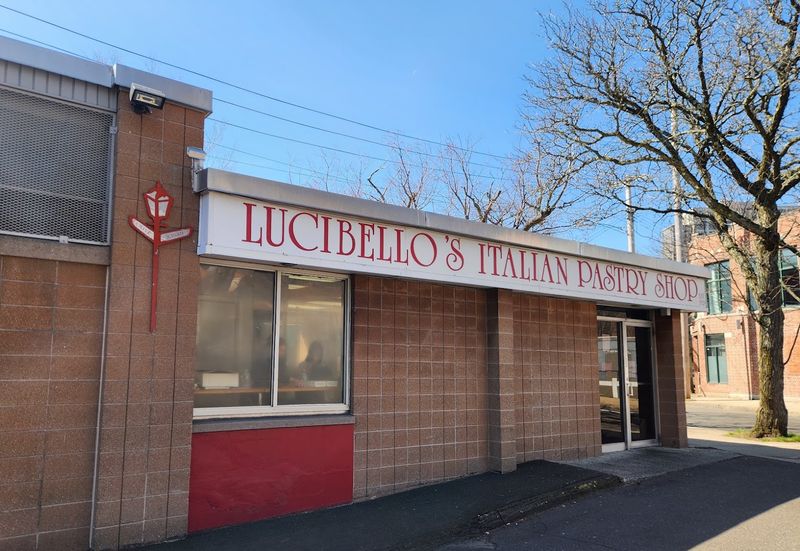
Nearly a century of cannoli, sfogliatelle, and sugar-dusted cookies is not something you stumble upon every day.
Lucibello’s Italian Pastry Shop sits in the Wooster Square neighborhood, which has long been known as New Haven’s little Italy. Walking past the front window is genuinely dangerous if you are trying to stay on a diet.
The display cases inside are stacked with pastries that look like they belong in a Neapolitan grandmother’s kitchen, not a glass case in Connecticut.
What makes Lucibello’s feel different from other bakeries is the consistency. Recipes that worked in 1929 are still working today.
The staff moves with the quiet confidence of people who have been doing this long enough to stop second-guessing themselves. If you have never been, block off some time.
You are not going to want to rush this visit.
Lucibello’s Italian Pastry Shop has served New Haven since 1929 and now operates at 935 Grand Ave.
The Cannoli That Started A Neighborhood Obsession
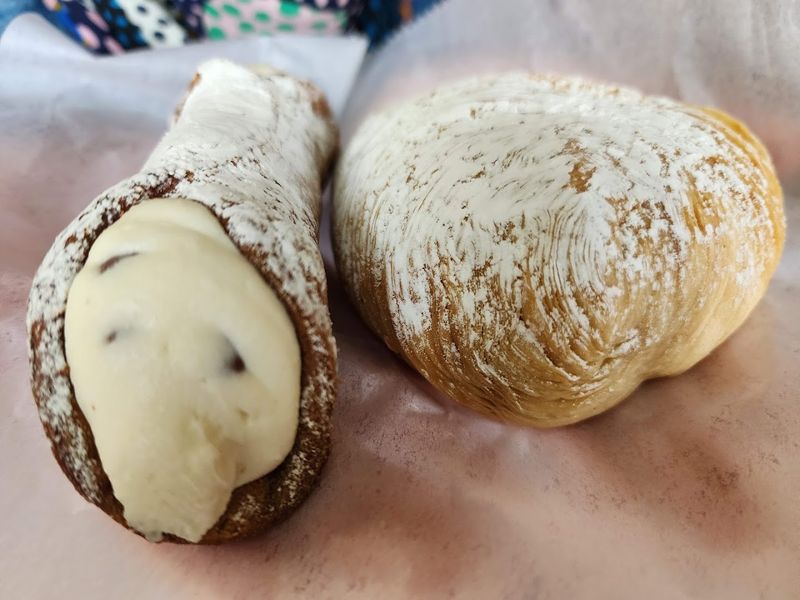
There is a reason people drive from across Connecticut just for Lucibello’s cannoli. The shells are fried in-house, and they stay crisp in a way that pre-made shells simply cannot match.
That crunch when you bite in is almost theatrical.
The filling is ricotta-based, smooth and just sweet enough without tipping into cloying territory. Some versions include mini chocolate chips or candied citrus peel, which adds a little texture and brightness.
It is the kind of pastry that makes you pause mid-bite just to appreciate what is happening.
Cannoli in Italy are traditionally filled to order so the shell does not get soggy. Lucibello’s follows that same logic, which means you should eat yours sooner rather than later.
Not that you will need much encouragement. One cannolo leads to a second, and then you are doing mental math about how many fit in the box you are about to buy.
The answer is always more than you originally planned. Plan accordingly because this is the kind of purchase you will not regret even slightly.
The Pastry That Demands Respect
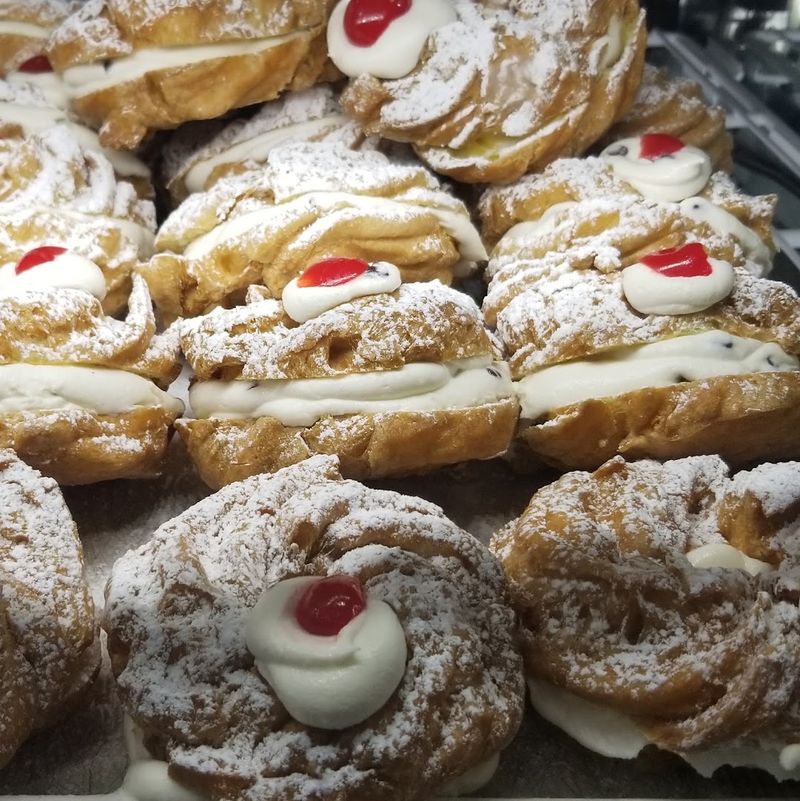
Sfogliatelle is one of those pastries that separates the casual bakery visitor from the true enthusiast. The shell is made from dozens of paper-thin layers of dough that shatter when you bite into them.
It looks like a ridged clam shell and sounds like applause when you eat it.
Inside, the filling is a mixture of ricotta, semolina, and citrus zest. It is dense, fragrant, and nothing like what you would expect from something that looks so architectural.
Lucibello’s has been making sfogliatelle long enough that the technique feels almost effortless from the outside, though anyone who has tried to make them at home knows better.
This pastry originates from the Campania region of southern Italy, and it remains one of the most technically demanding items in any Italian bakery.
Getting the layers right requires patience and practice. Lucibello’s has had since 1929 to get it exactly right, and the result speaks for itself.
If you have never tried sfogliatelle before, this is the place to start. You will immediately understand why it has survived centuries of culinary trends without changing a single fold.
Cookies By The Pound
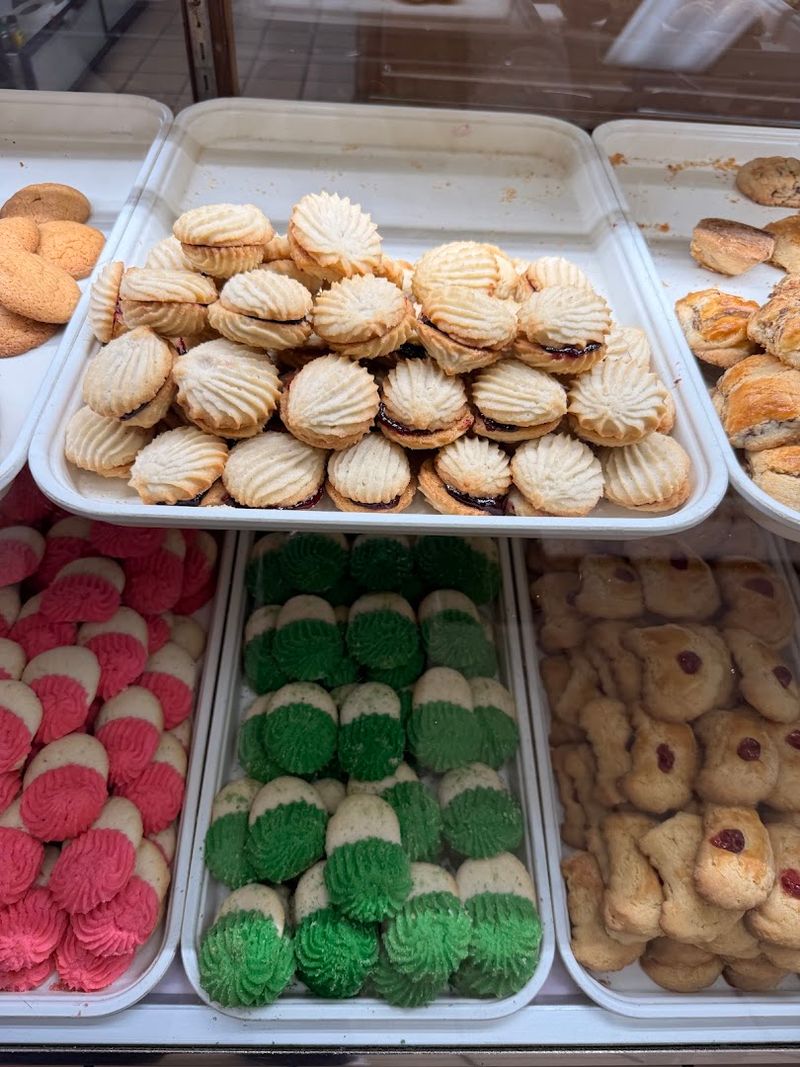
The cookie selection at Lucibello’s is the kind of thing that makes you wish you had brought a bigger bag. Italian butter cookies, almond paste cookies, rainbow cookies, pignoli cookies, and more fill the cases in tidy rows.
Each one looks precise, like someone cared deeply about its shape.
Buying cookies by the pound is a very specific kind of joy. You point, they scoop, and the box fills up faster than expected.
The rainbow cookie alone is worth a separate mention.
Layers of almond sponge cake in red, white, and green, sandwiched with apricot jam and coated in chocolate, it is a small masterpiece of color and flavor.
Pignoli cookies are another standout. Made with almond paste and rolled in pine nuts before baking, they are chewy in the center and slightly crisp on the outside.
These cookies are traditionally made for Italian holidays, but Lucibello’s carries them year-round because demand simply does not slow down.
Bring them to a gathering and watch them disappear before anyone has even sat down. They travel well and they make an immediate impression wherever they land.
Holiday Pastries That People Pre-Order Weeks In Advance
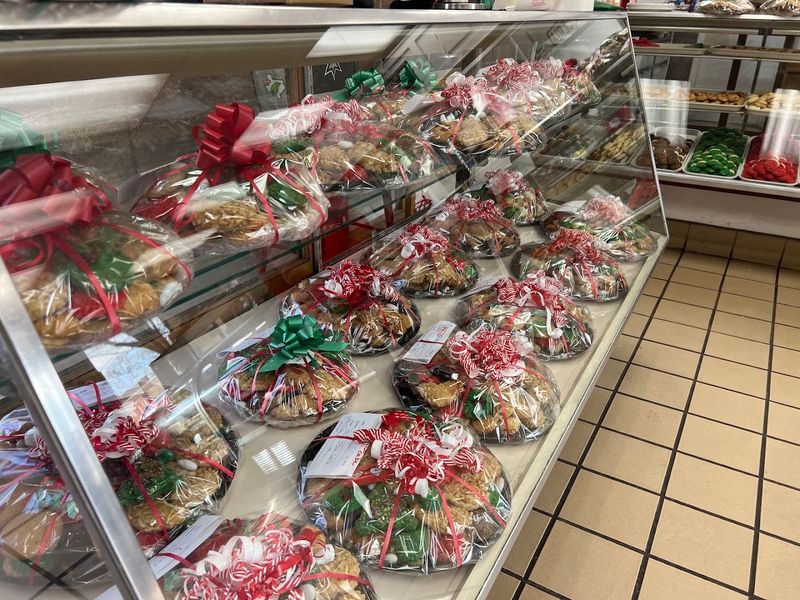
Around the holidays, Lucibello’s becomes a destination with serious purpose. People do not wander in casually during December or Easter week.
They come with lists, they come early, and many of them have already called ahead to pre-order. The seasonal pastry calendar here runs deep.
Struffoli appear at Christmas, which are small fried dough balls drenched in honey and piled into a wreath shape. Zeppole di San Giuseppe show up around St. Joseph’s Day in March, filled with pastry cream and topped with a cherry.
These are not items you find at every bakery, and the fact that Lucibello’s has been making them for generations gives them an authenticity that is hard to replicate.
Easter brings pastiera napoletana, a wheat berry and ricotta pie that is dense, fragrant with orange blossom water, and completely unlike anything else in the dessert world.
It is an acquired taste for some, but for those who grew up eating it, it is practically a memory trigger. Lucibello’s makes these seasonal items with the same care as their everyday offerings.
If a holiday is approaching and you have not called yet, call now. The window closes faster than you think.
The Wooster Square Neighborhood
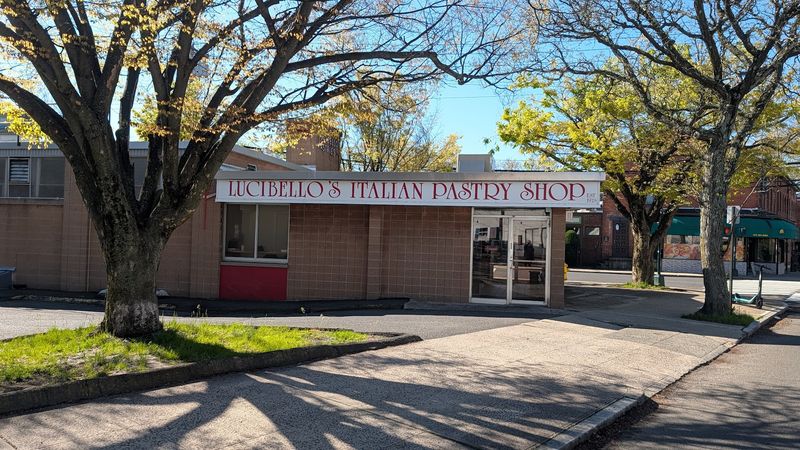
Context matters when you are eating pastry. Lucibello’s sits in Wooster Square, a neighborhood that has maintained its Italian-American identity for well over a century.
The streets are tree-lined, the park nearby is genuinely lovely, and the whole area feels like it slowed down on purpose.
New Haven is already famous for its pizza, and Wooster Square is where much of that reputation was built. But the neighborhood offers more than pizza.
The pastry shops, the old social clubs, and the family-run restaurants give the area a texture that feels earned rather than curated. Lucibello’s is part of that texture in the most permanent way possible.
Spending an afternoon in Wooster Square with a box from Lucibello’s is one of those simple pleasures that costs very little and sticks with you for a while.
Sit on a bench in the park, open the box, and eat a cannolo in the open air. It sounds basic, but the combination of good pastry, a quiet neighborhood, and no particular agenda is surprisingly powerful.
New Haven does not always get the credit it deserves as a food city, but Wooster Square makes a compelling argument all on its own.
What Almost A Century Of Family Recipes Tastes Like
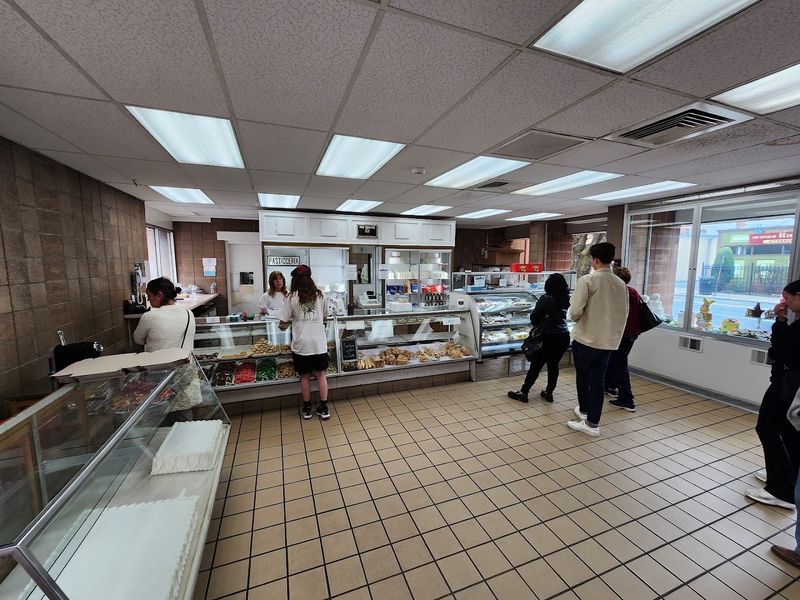
There is a specific flavor that comes from a recipe that has not changed in decades. It is hard to describe precisely, but you recognize it immediately.
It tastes like someone was paying attention when they made it. Lucibello’s has that quality in almost everything they sell.
Family-run bakeries carry their history in the product itself. When a recipe has been passed down through generations, the adjustments made over time are small and deliberate.
Nothing gets changed without a reason, and nothing gets removed just because it is inconvenient. That discipline shows up in the final product in ways that are easy to taste but difficult to articulate.
Since 1929, Lucibello’s has operated through economic shifts, neighborhood changes, and the general chaos of the modern food industry.
The fact that they are still here, still filling cannoli by hand and still rolling cookie dough the same way, says something concrete about quality.
It is not sentimentality that keeps people coming back across multiple generations. It is the actual taste of the food.
When something is genuinely good, it does not need to reinvent itself every few years. Lucibello’s figured that out a long time ago and never looked back.
Why You Should Never Leave Without A Full Box
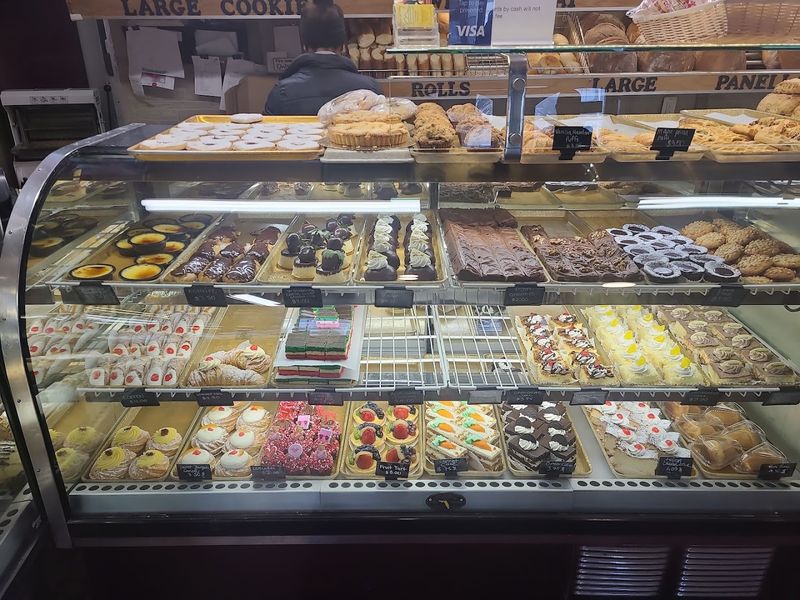
Leaving Lucibello’s with only one item is technically possible, but it has never been a good decision. The pastries keep well, they travel well, and they make excellent gifts for people who did not come with you.
Buying a full box is simply the responsible thing to do.
The staff will help you build a selection if you are not sure where to start. Point at things that look interesting and ask questions.
They have been answering pastry questions for a very long time and do not seem to mind.
A good mix usually includes a couple of cannoli, a few cookies, maybe a sfogliatella, and something seasonal if the timing is right.
The white boxes tied with string are a small ceremony in themselves. There is something satisfying about carrying a bakery box through a neighborhood, knowing what is inside.
It signals that you made a good choice today. Lucibello’s has been giving people that feeling since 1929, and there is no sign of that stopping anytime soon.
Go once and you will understand why people have been making the trip across Connecticut for nearly a hundred years. Some traditions earn their longevity honestly.