This Old-School Mennonite Country Store In New York Has Baked Goods Worth The Quiet Drive
The drive out there is the first clue. You lose the radio somewhere around the third turn, and the farmland takes over.
Then a plain building appears with a gravel lot and no sign worth photographing. That modesty is doing a lot of work.
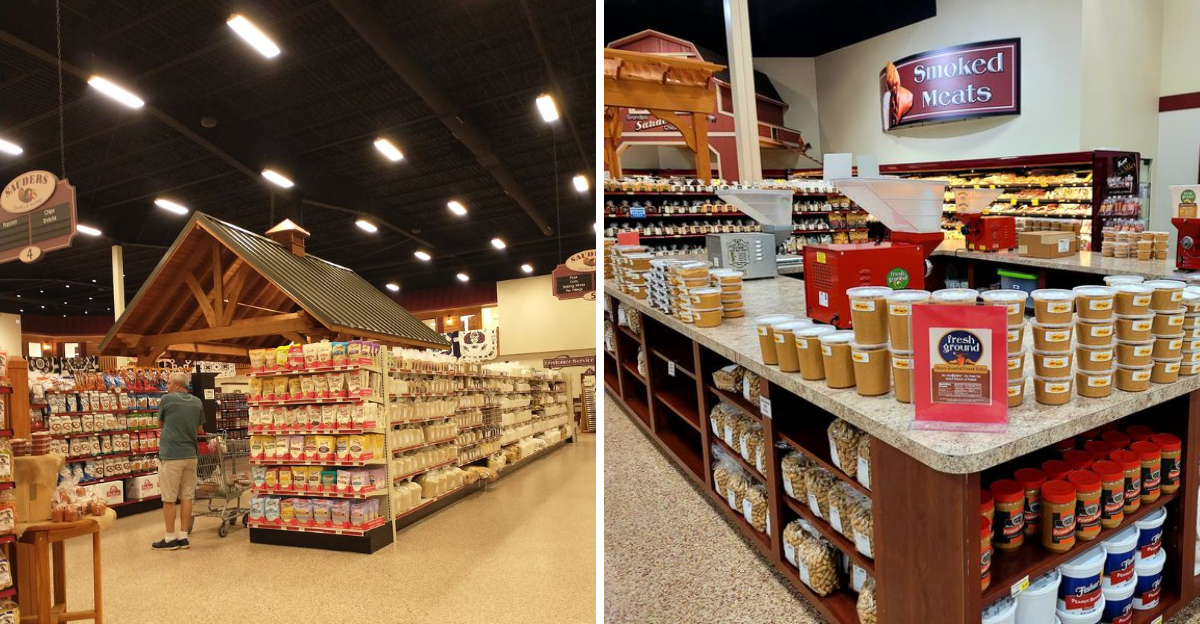
Inside, there are bins of flour and oats in sizes that assume you bake daily. There are spices priced so low you check the label twice.
The shelves reward a slow second look. Then you reach the bakery case, and your grocery list quietly dies.
Nobody drives home from a place like this with only what they intended to buy. This one in New York started in a family’s front room in the nineteen seventies.
It has grown considerably since then, and the regulars have grown with it. Bring a cooler if the weather is warm, since the meat counter will tempt you.
Come early, because the good bread does not wait around.
The Drive That Sets The Mood
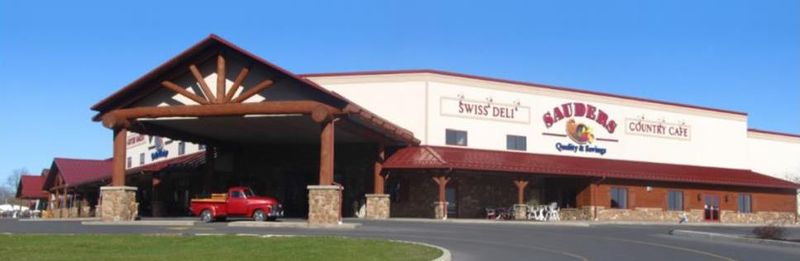
Sauders Store rewards patience more than speed. The road narrows, the fields open up, and cell signal gets a little shy.
You will pass working farms, tidy fencelines, and hay bales stacked like giant marshmallows. Slow-moving buggies share the pavement, so ease off the gas and enjoy the pace.
Getting there feels like part of the experience rather than a chore. There are no billboards counting down the miles or fast food signs pulling your attention.
Roll the windows down if the weather cooperates. The air smells like cut grass, soil, and sometimes woodsmoke.
Plan your route ahead of time, since GPS can act strange out here. A screenshot of the directions saves you a lot of guessing.
Arriving takes a little effort, which is exactly why the place stays quiet and unhurried. Crowds tend to thin out when a destination requires intention.
By the time you park, your shoulders have already dropped an inch. That calm carries right through the front door.
Bring cash, comfortable shoes, and zero expectation of a gift shop atmosphere. This is a working store for a working community.
The store sits at 2146 River Rd, Seneca Falls, New York, in the flat farm country between the lakes.
Bread That Still Steams When You Cut It
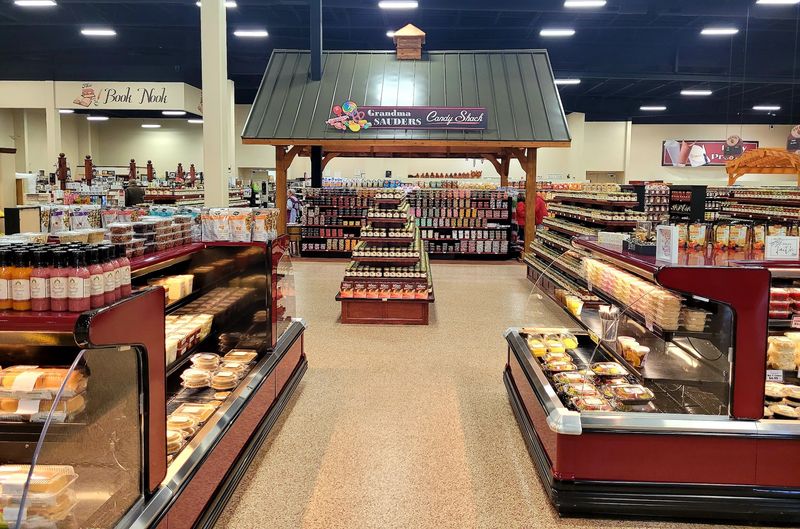
Warm bread has a way of ruining store-bought loaves forever. Once you taste the real thing, the plastic-wrapped stuff feels like a placeholder.
Shelves here hold soft white loaves, hearty wheat, and dinner rolls with golden tops. Shoppers say the bread often arrives still warm from baking.
Buy two loaves. One rarely survives the ride home in one piece.
The texture leans tender rather than airy, with a thin crust that gives easily under a knife. Butter melts into it instantly, which is the whole point.
Toast it the next morning and you get a nutty, slightly sweet slice. It holds up well for sandwiches too.
Regulars will tell you that popular loaves sell out early in the day. Morning trips give you the best selection.
Freezing works fine if you slice before storing. Pull out two pieces at a time and the loaf lasts weeks.
Prices tend to feel gentle compared to bakery counters in larger towns. That combination of quality and value explains the loyal following.
Grab a jar of jam while you are at the shelves. Bread this good deserves proper company.
Pies With Fillings That Taste Like Fruit
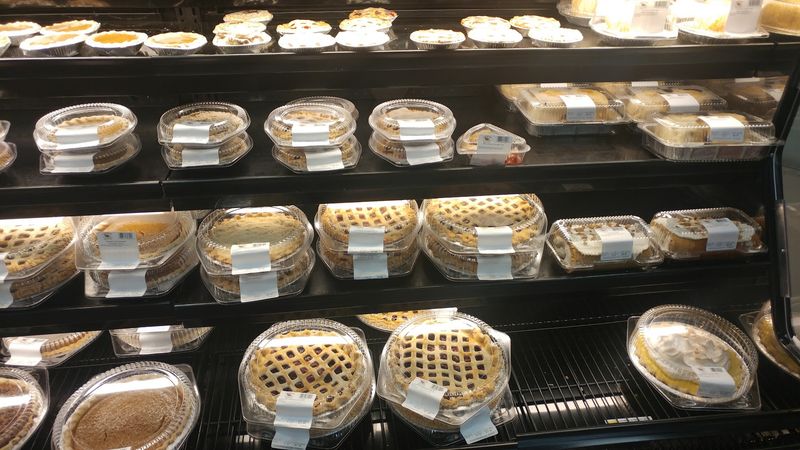
Pie tells you everything about a bakery. Thin filling and pale crust mean corners were cut somewhere.
Here the fruit pies show real chunks of apple, cherry, or berry under a browned crust. Shoppers mention seasonal varieties appearing as local harvests come in.
Cream pies and whoopie pies also show up, depending on the day and the baker’s schedule.
The crusts lean flaky rather than tough, which suggests old-fashioned technique and patient hands. You can see the layers when you slice through.
Sweetness stays balanced instead of syrupy. That means the fruit does most of the talking.
Ask what came out of the oven most recently. Timing matters more than variety when everything is homemade.
A whole pie travels well if you lay it flat and keep it steady. Bring a box or a towel for the back seat.
Holidays bring heavier demand, especially around Thanksgiving. Calling ahead or arriving early keeps disappointment off your list.
Serve slices slightly warm with vanilla ice cream for maximum effect. Nobody will believe you bought it at a country store.
Save one slice for breakfast. Fruit counts, technically speaking.
Cookies, Donuts, And Other Sweet Trouble
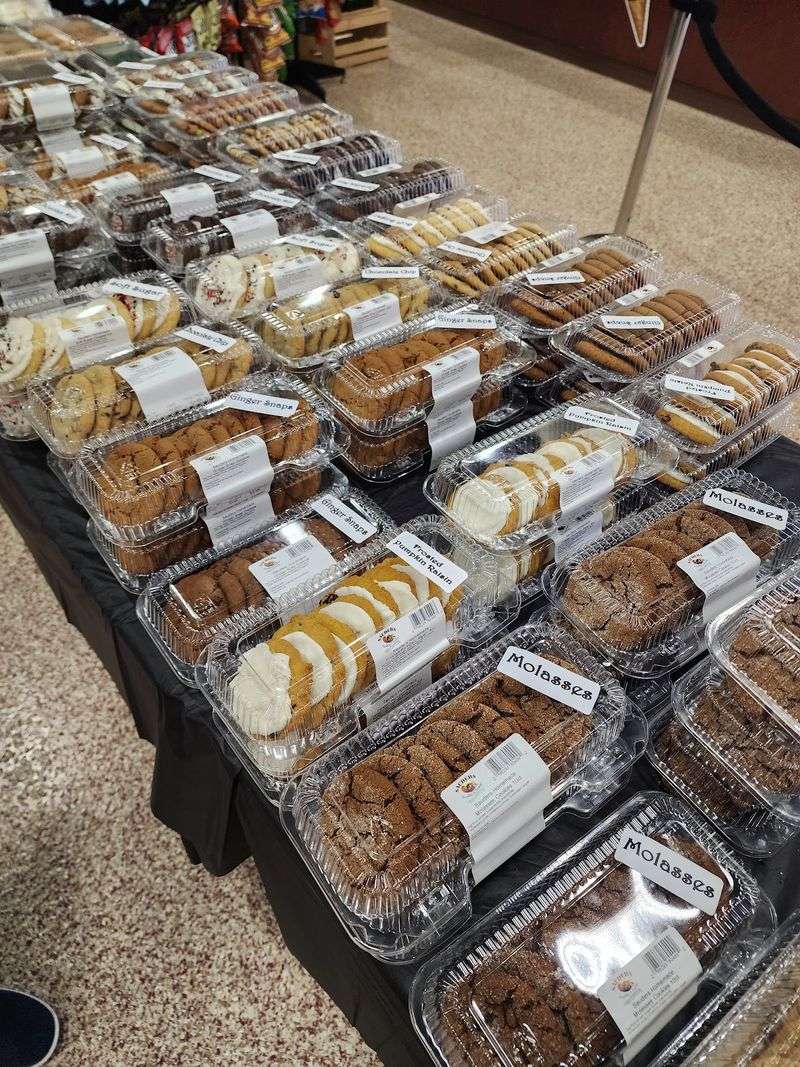
Willpower does not stand a chance near the sweets shelf. Bags of cookies sit at eye level, which feels almost unfair.
Expect soft molasses cookies, chocolate chip, oatmeal, and iced sugar cookies in generous sizes. Cinnamon rolls and glazed donuts appear too, often selling fast.
Portions run large, so one bag easily feeds a family road trip.
Texture is the standout quality. These cookies stay chewy in the center instead of snapping like a cracker.
The icing tastes like butter and sugar, nothing artificial. Simple recipes done carefully beat fancy ones done sloppily.
Donuts are best eaten the same day, ideally within the hour. Waiting is a mistake you only make once.
Cookies hold their softness for several days in a sealed container. Add a slice of bread to the container to keep them tender.
Kids gravitate straight to this section, so keep a plan ready. Letting each child pick one item avoids negotiations in the parking lot.
Snack pricing here feels refreshingly reasonable. You can fill a bag without wincing at the total.
Bring a cooler in summer if icing is involved. Melted frosting still tastes fine but looks tragic.
Bulk Bins Built For Serious Bakers
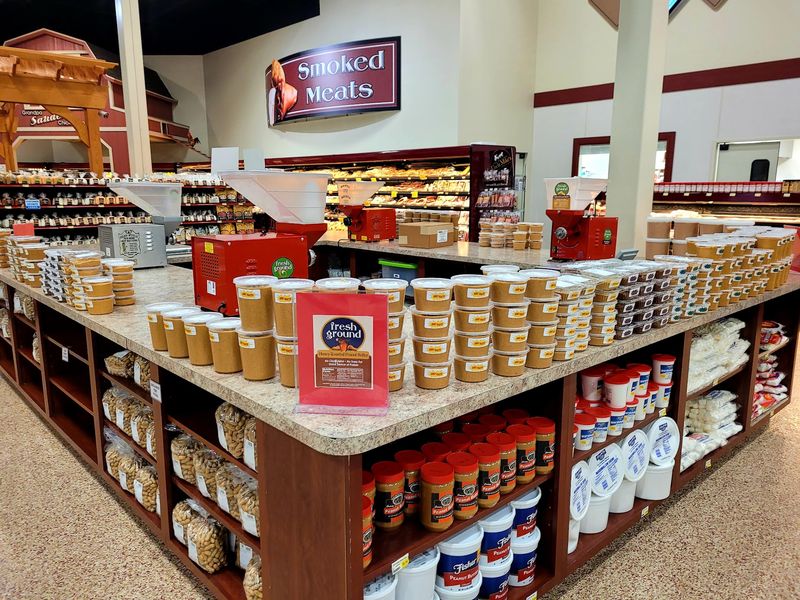
Baking supplies are the quiet star of this place. Rows of bagged goods line the shelves in practical, no-nonsense fashion.
You will find flour, sugar, oats, baking cocoa, spices, nuts, and dried fruit. Chocolate chips and candy melts sit nearby in tempting quantities.
Prices on bulk staples often beat supermarket shelves by a comfortable margin.
Home cooks come for spices especially. Buying cinnamon or paprika in a bag rather than a tiny jar changes your kitchen budget.
Turnover appears steady, which helps keep dried goods fresh. Stale spice is the enemy of good cooking.
Bring a list, because the selection is wide and easy to wander through. Shopping without a plan leads to three bags of almonds.
Label your purchases at home with the date and name. Plain bags look identical in a pantry six weeks later.
Store flour and nuts in airtight containers, and keep nuts cold for longer life. Freezer space is worth sacrificing here.
Canning supplies, noodles, and pantry basics round out the aisles. Many visitors arrive for pie and leave with a month of groceries.
Reusable bins in your trunk keep everything upright. Loose bags roll around like bowling balls.
Jams, Pickles, And Jars Worth Shelf Space
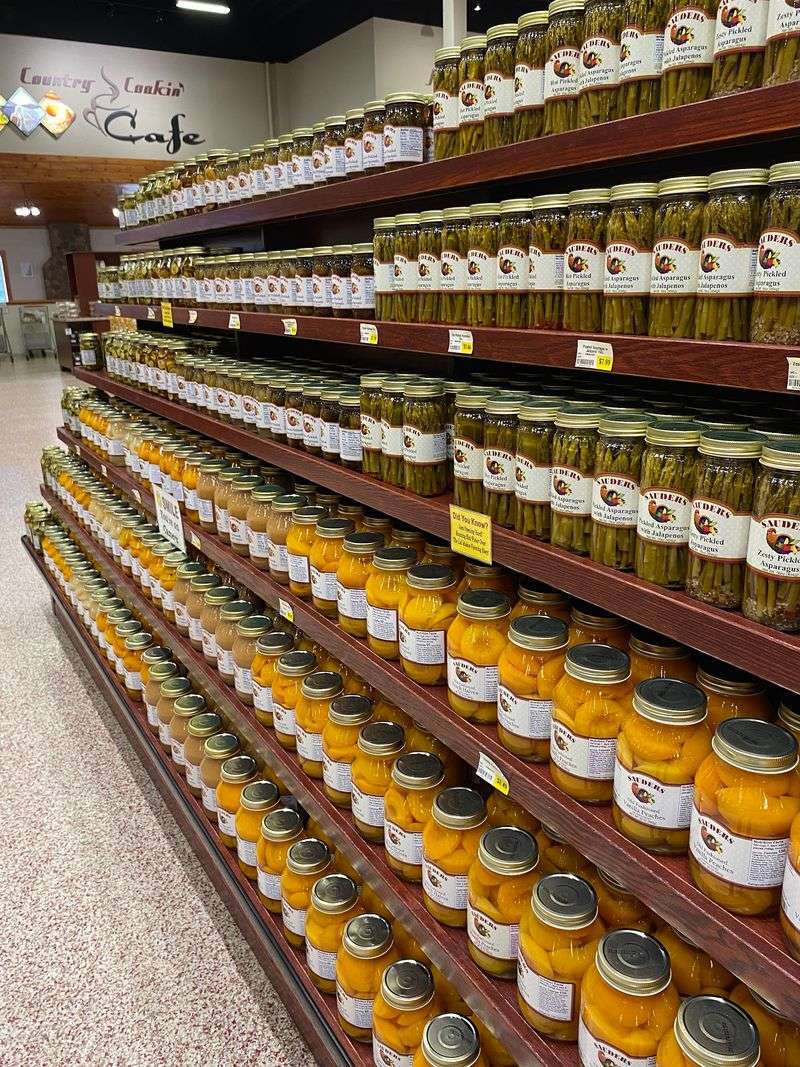
Glass jars catch the light along the shelves like a small museum of summer. Jam, pickles, relish, and preserves stand in tidy rows.
Strawberry, raspberry, and grape spreads are common favorites. Pickled beets and bread-and-butter pickles also earn steady praise.
Pair a jar of jam with a warm loaf and dinner practically makes itself.
Preserves like these taste closer to fruit than candy. The flavor stays bright instead of flat and overly sweet.
Pickles bring the crunch that jarred grocery versions often lose. Vinegar sharpness balances the sweetness nicely.
Check lids and labels before you buy, as with any canned goods. Sealed and clean is what you want.
Jars make excellent gifts, especially for hosts who already own everything. A ribbon turns a two dollar jar into something thoughtful.
Keep opened jams refrigerated and use them within a few weeks. Spooning straight from the jar is not officially recommended, though it happens.
Honey and maple products sometimes appear too, reflecting the region’s farms. Local sweeteners upgrade oatmeal and tea immediately.
Wrap jars in a towel for the ride. Country roads have opinions about glass.
A Room That Feels Refreshingly Plain
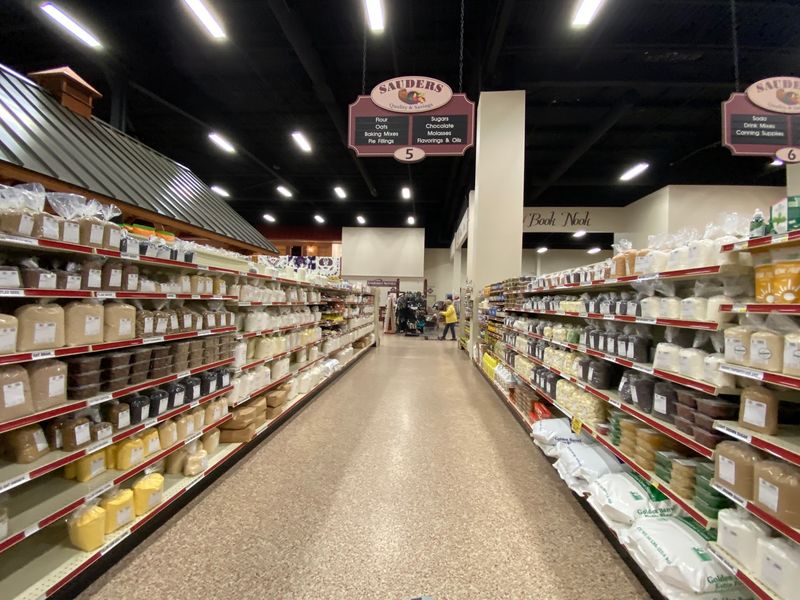
Shelves are practical wood and metal, floors are easy to sweep, and lighting is straightforward. Nothing exists to impress you.
That plainness reflects Mennonite values of simplicity and usefulness over decoration.
Shopping without a soundtrack does something to your brain. You slow down and actually look at what you are buying.
Staff tend to be polite and low-key rather than chatty. Ask a question and you get a clear answer.
Photography deserves real care here, since many Mennonite families prefer not to be photographed. Keep the camera pointed at the pie, not the people.
Dress modestly and keep voices calm as a sign of respect. Small courtesies go a long way in a community store.
Cash is the safest bet, and small bills help. Card acceptance at rural stores can be limited.
Sunday closures are standard for stores like this one. Check hours before making the trip.
The whole visit feels like a break from noise. That alone justifies the mileage.
Turning The Trip Into A Full Finger Lakes Day
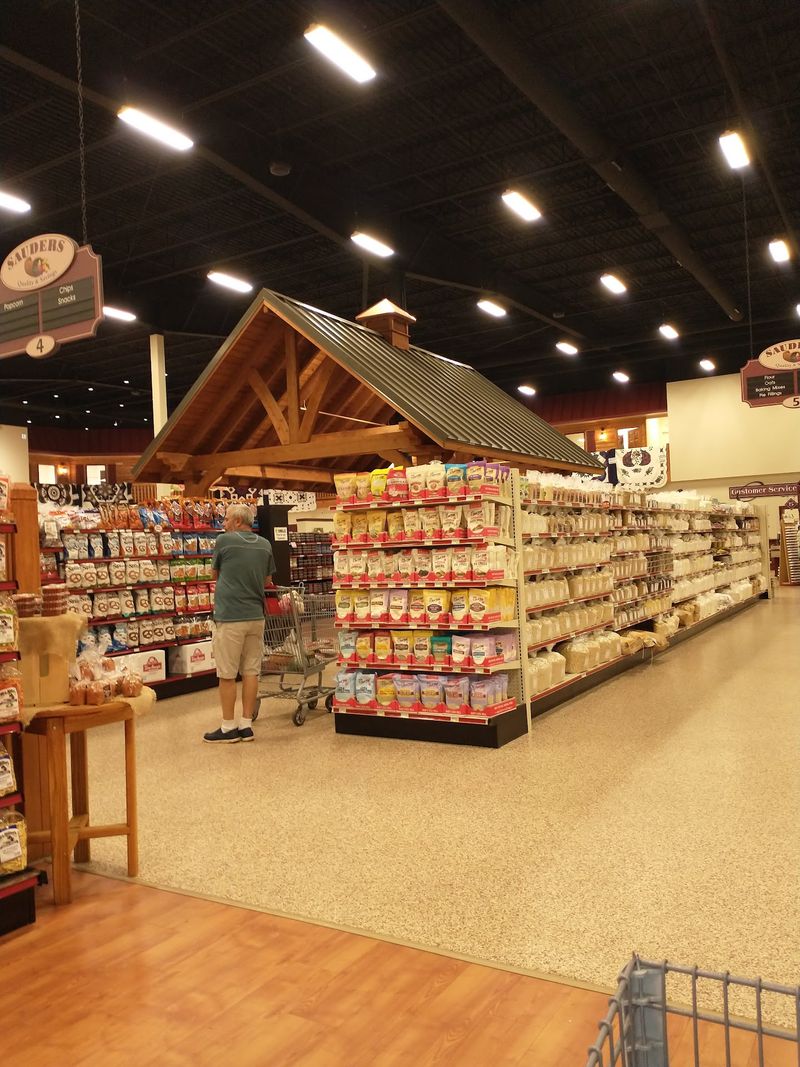
One stop can easily become an afternoon out here.
The Montezuma National Wildlife Refuge, New York, is close, drawing birders during spring and fall migrations. Bring binoculars if that appeals to you.
Seneca Lake and Cayuga Lake frame the area, so water views are never far away.
Pack your bakery haul into a cooler and treat it as a picnic base. Bread, jam, and cookies make a fine roadside lunch.
Morning is the best window for shopping, then explore afterward. Fresh goods do not improve while sitting in a warm car.
Autumn turns the drive golden and adds apple season to the mix. Spring brings green fields and quiet roads.
Winter visits demand attention to weather, since rural roads clear slowly. Check conditions before setting out.
Fill your tank before heading down River Road. Gas stations thin out fast in farm country.
Tell a friend about the place and you will probably get asked to bring pie next time. Consider that a compliment.
Simple food, quiet roads, and an unhurried stop still beat most fancy plans.