This Old-School Polynesian Tiki Bar Has Been Bringing Tropical Island Vibes To California For Generations
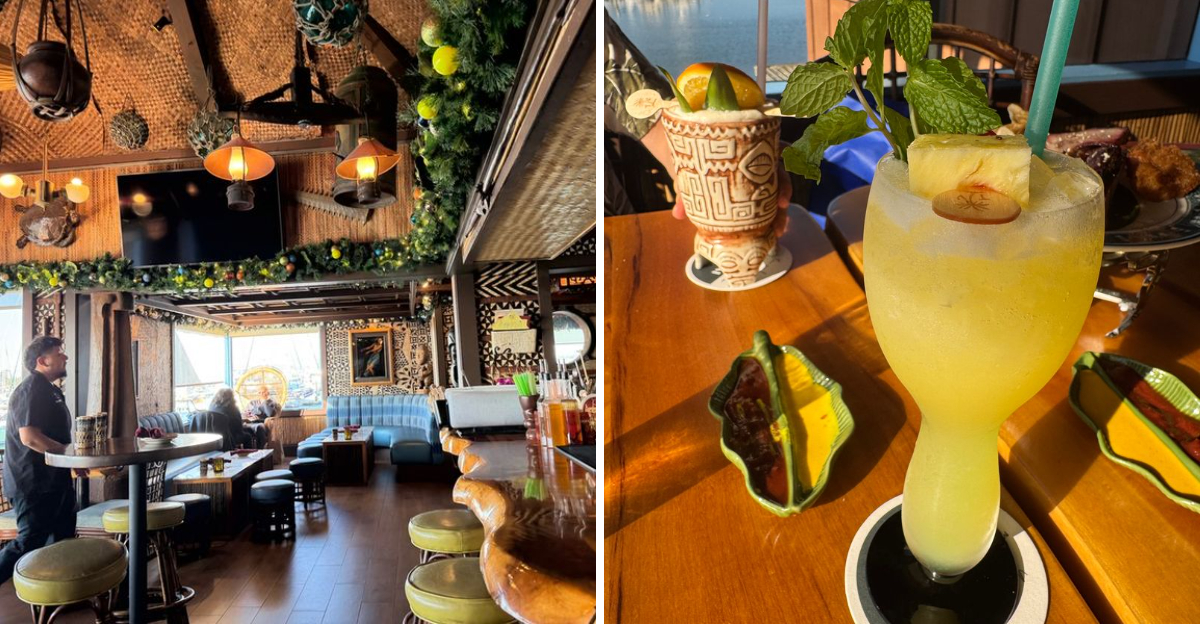
A tropical escape unfolds the moment guests walk through the doors along the Emeryville waterfront. The outside bustle fades quickly. Island ambiance takes over.
Bamboo-lined walls frame the dining rooms, while carved masks and glowing lanterns cast a warm, amber light across the space.
The atmosphere feels immersive rather than decorative. Trader Vic’s has transported Bay Area visitors into this Polynesian-inspired fantasy for decades.
What began as a humble operation in nearby Oakland has evolved into one of California’s most enduring themed dining destinations.
Its move to the waterfront elevated the experience, pairing tropical design with sweeping views of the bay.
Generations of guests have celebrated milestones here. Birthdays. Anniversaries. First dates that turned into lifelong partnerships.
The décor rewards slow exploration, with nautical relics and vintage artifacts revealing themselves the longer visitors linger.
The restaurant built its legacy on atmosphere as much as cuisine. Mid-century tiki nostalgia blends with modern Bay Area energy in every room.
Dining here feels less like a routine night out and more like stepping into a tropical escape that has endured for generations.
1. Victor Bergeron’s Oakland Beginning
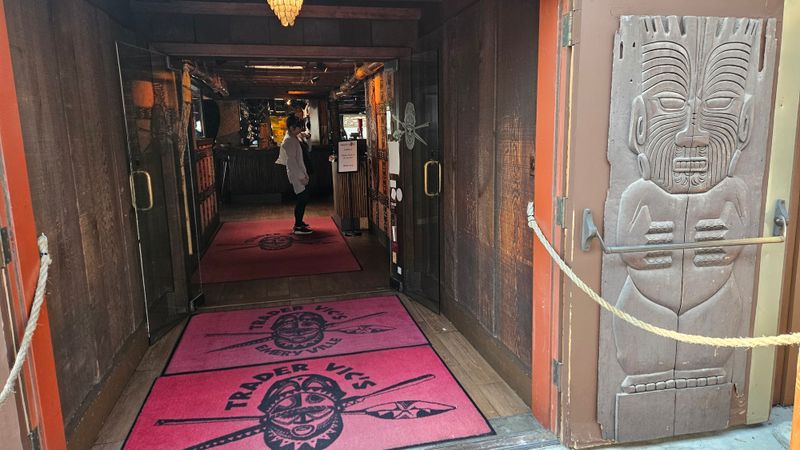
Victor Jules Bergeron Jr. opened his first establishment in 1934 at 6500 San Pablo Avenue in Oakland, starting with a modest beer parlor called Hinky Dinks.
The space measured just one room and served simple fare to local patrons during the Great Depression era.
Bergeron, who walked with a wooden leg after a childhood accident, showed remarkable entrepreneurial spirit in launching a business during such challenging economic times.
The original spot attracted neighborhood regulars who appreciated the unpretentious atmosphere and affordable refreshments.
Bergeron’s personality and hospitality drew people in, creating a foundation for what would become a global phenomenon. The Oakland location operated for several years before Bergeron’s vision expanded dramatically.
After traveling to Cuba and Hawaii in 1937, Bergeron returned home inspired by Polynesian culture and tropical aesthetics.
He completely transformed his Oakland establishment, introducing bamboo, carved tikis, and island-themed decor that transported guests far from California’s shores.
This bold reinvention marked the birth of Trader Vic’s, a concept that would revolutionize American dining and drinking culture for generations to come.
2. The Polynesian Transformation Of 1937
Bergeron’s 1937 trip to the Caribbean and Hawaiian islands changed everything about his business approach and aesthetic vision.
He absorbed the colors, textures, and spirit of Polynesian culture, recognizing an opportunity to bring escapism to Depression-era Americans.
The transformation from simple beer parlor to exotic tiki destination happened quickly and completely.
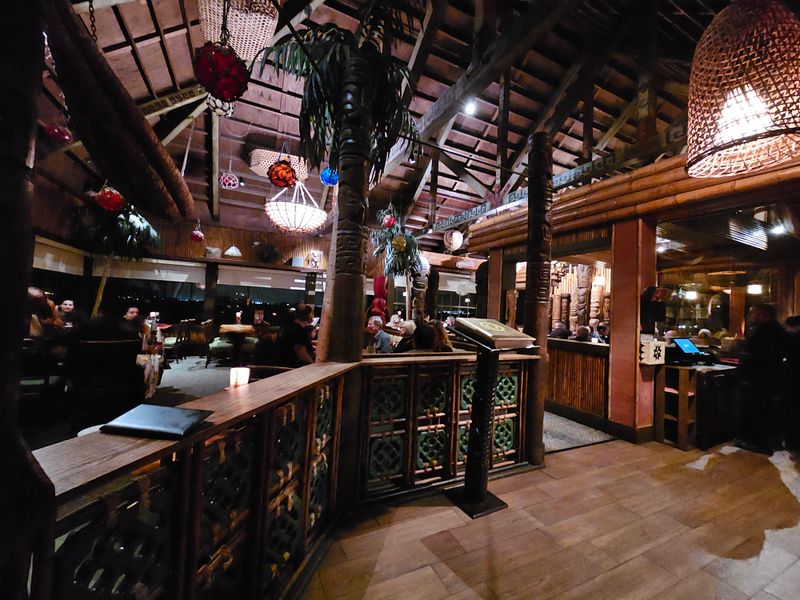
Bamboo replaced plain walls, carved wooden masks adorned every surface, and fishing nets hung from ceilings alongside glass floats.
Bergeron curated artifacts from his travels, creating an immersive environment that felt authentic rather than merely decorative. The lighting shifted to warm amber tones that mimicked sunset over tropical waters.
Menu offerings evolved beyond basic bar food to include dishes inspired by Asian and island cuisines, though adapted for American palates.
Bergeron understood that successful theme restaurants required commitment to atmosphere in every detail, from furniture to glassware to staff uniforms. The renamed Trader Vic’s became Oakland’s most distinctive dining destination almost overnight.
Guests responded enthusiastically to the escapist fantasy, especially as world tensions mounted toward the end of the 1930s. The restaurant offered a mental vacation when actual travel remained difficult for most families.
3. Birthplace Of The Mai Tai
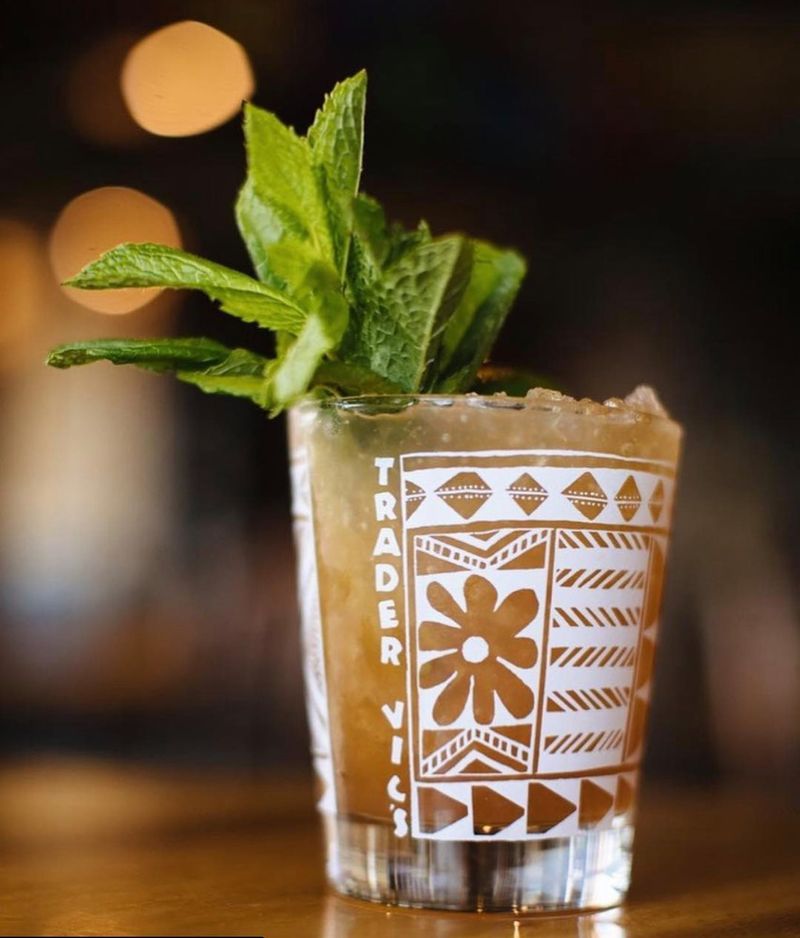
In 1944, Victor Bergeron created what would become one of the most famous tiki beverages in history when he blended lime juice, almond orgeat syrup, and orange curaçao-style flavors for visiting Tahitian friends.
According to legend, one guest exclaimed “Maita’i roa ae” after the first sip, meaning “very good” in Tahitian. Bergeron immediately realized he had crafted something special and named the drink the Mai Tai.
The original recipe focused on achieving a precise balance of citrus brightness and nutty sweetness, creating a flavor profile that felt both refreshing and complex.
Unlike many tropical drinks that leaned heavily on fruit juices, the Mai Tai stood out for its clean, carefully layered ingredients that allowed each element to shine.
Trader Vic’s Mai Tai sparked countless imitations and reinterpretations across America and beyond, though purists maintain that the original preparation remains unmatched.
The drink became so iconic that Bergeron strongly defended its origins when other tiki establishments claimed similar creations.
Today, the Mai Tai remains Trader Vic’s signature tropical beverage, prepared according to Bergeron’s specifications and served in distinctive tiki mugs that guests often request to purchase as souvenirs.
4. The Move To Emeryville In 1972
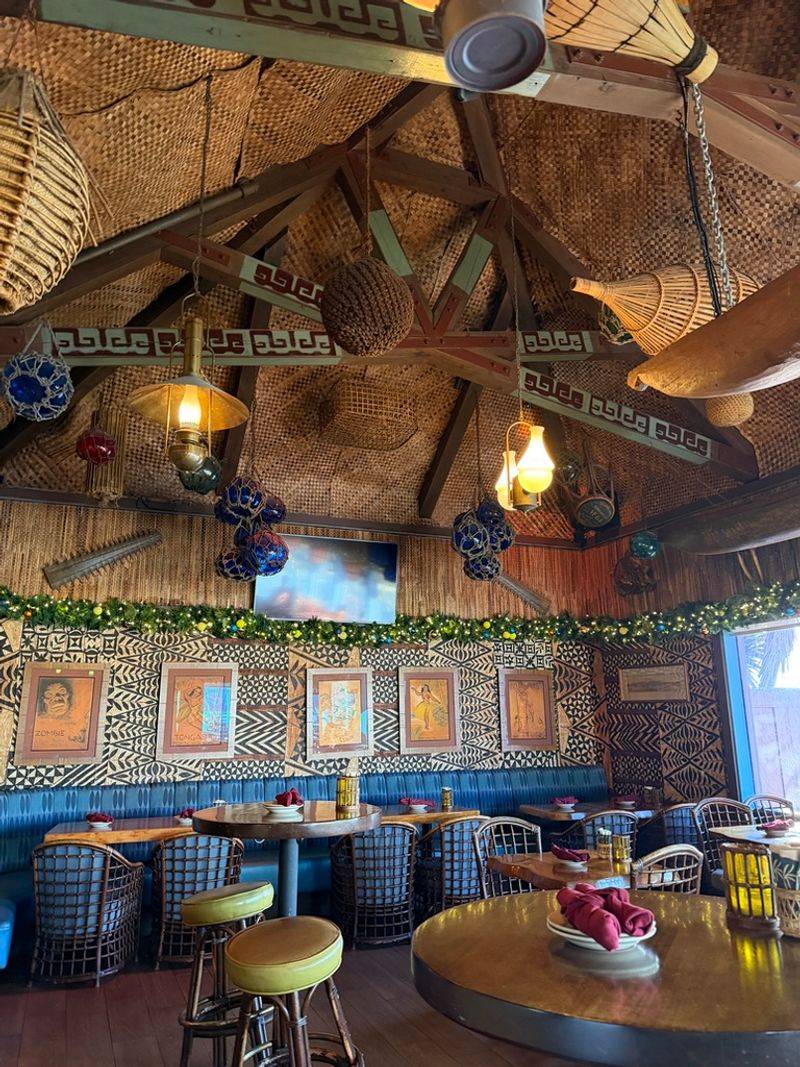
After nearly four decades in Oakland, Trader Vic’s relocated to Emeryville in 1972, establishing its current home with stunning San Francisco Bay views.
The move represented both an ending and a new beginning for the beloved establishment.
Emeryville offered better visibility, parking access, and waterfront ambiance that enhanced the tropical island fantasy.
The new location at 9 Anchor Drive sits directly on the bay, allowing diners to watch sailboats glide past while enjoying their meals.
Floor-to-ceiling windows frame water views without sacrificing the intimate tiki atmosphere that defined the original location.
Bergeron personally oversaw the design, ensuring the Emeryville space captured the magic of his Oakland creation while taking advantage of the superior setting.
The relocation coincided with tiki culture’s peak popularity in American dining, positioning Trader Vic’s perfectly to serve as the movement’s flagship.
The Emeryville restaurant became a destination for tourists and locals alike, drawing visitors from across the Bay Area.
The waterfront setting added authenticity to the Polynesian theme, making guests feel they had truly escaped to an island paradise rather than simply visiting a themed restaurant in an industrial city.
5. Flagship Restaurant Status
The Emeryville location serves as the official flagship for the entire Trader Vic’s brand, which expanded to locations worldwide during its peak years.
While other Trader Vic’s restaurants opened in major cities from London to Tokyo, Emeryville maintained special significance as the brand’s spiritual home.
The restaurant represents the purest expression of Bergeron’s original vision, with decor and recipes that stay truest to his intentions.
Franchise locations often adapted menus and atmospheres to local tastes, but Emeryville preserved traditional preparations and classic tiki aesthetics.
The flagship designation attracts tiki enthusiasts who make pilgrimages specifically to experience the most authentic Trader Vic’s atmosphere.
Staff members receive extensive training in the restaurant’s history and traditions, becoming ambassadors for tiki culture itself.
The Emeryville restaurant houses the most extensive collection of Polynesian artifacts and vintage tiki decor in the chain, including pieces Bergeron personally acquired.
Many items displayed throughout the dining rooms carry historical significance within tiki culture.
The flagship status also means the Emeryville kitchen serves as the standard for recipe development and quality control across remaining locations, ensuring consistency with Bergeron’s original culinary philosophy.
6. The 2010 Renovation Project
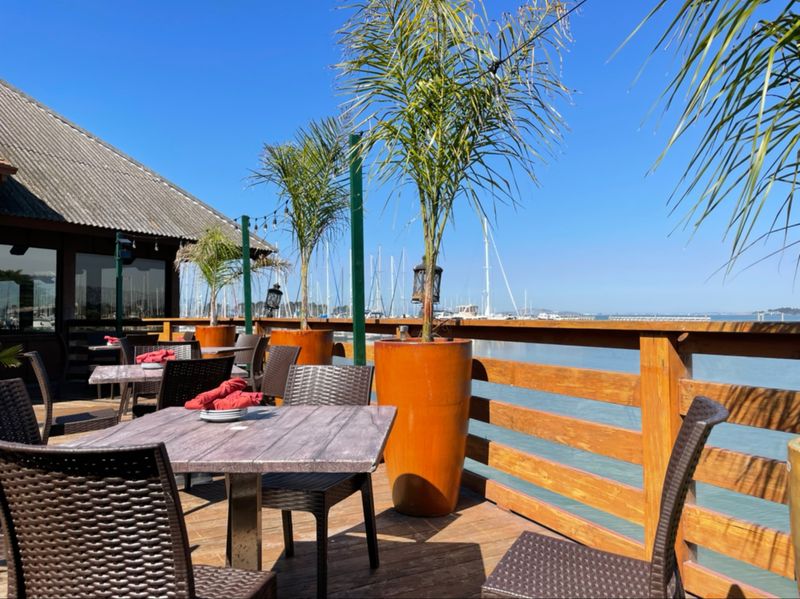
Trader Vic’s underwent a comprehensive five-month renovation in 2010, breathing new life into the aging establishment while respecting its historical character.
The project updated infrastructure and refreshed decor without erasing the patina that longtime patrons cherished.
Designers faced the delicate challenge of modernizing comfort and functionality while maintaining authentic tiki atmosphere.
New bamboo replaced weathered materials, carved tikis received careful restoration, and lighting systems upgraded to energy-efficient fixtures that still produced warm amber glows.
The bar area expanded slightly to accommodate more guests during peak hours.
Seating received new upholstery in tropical patterns that matched the original color palette.
Kitchen equipment modernized completely, improving efficiency and food safety while preserving classic recipe preparations.
The renovation addressed decades of wear without turning the space into a sterile reproduction. Restrooms updated significantly, offering contemporary conveniences that the 1972 design lacked.
The reopening drew enthusiastic crowds eager to see the refreshed space, with many regulars relieved that the essential character remained intact.
The renovation successfully extended the restaurant’s lifespan while honoring Bergeron’s aesthetic vision.
Today’s guests enjoy improved comfort and cleanliness alongside the nostalgic atmosphere that makes Trader Vic’s special.
7. Fusion Cuisine Menu Offerings
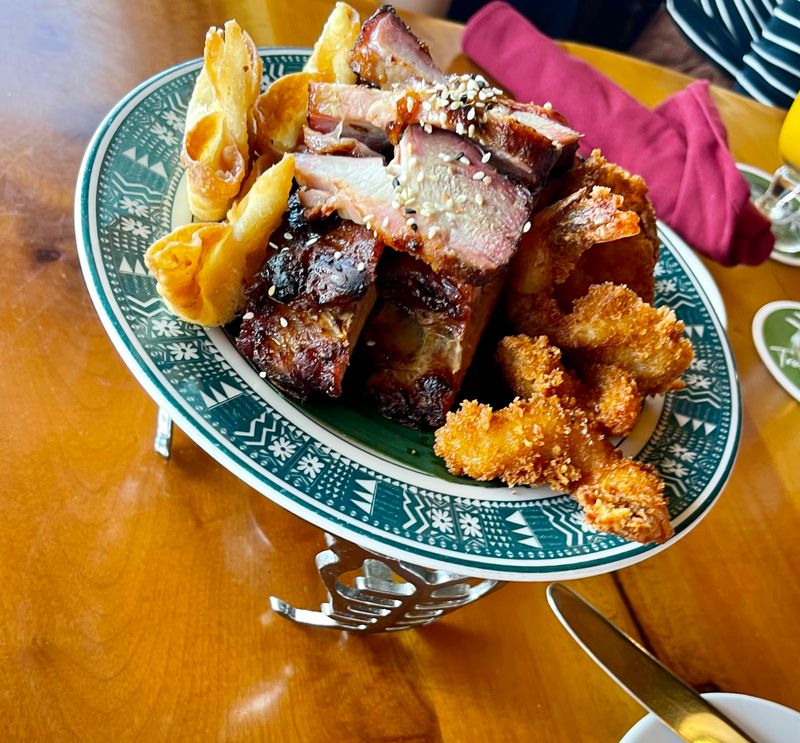
Trader Vic’s menu blends Polynesian, Asian, and Californian culinary traditions into distinctive dishes that have delighted diners for generations.
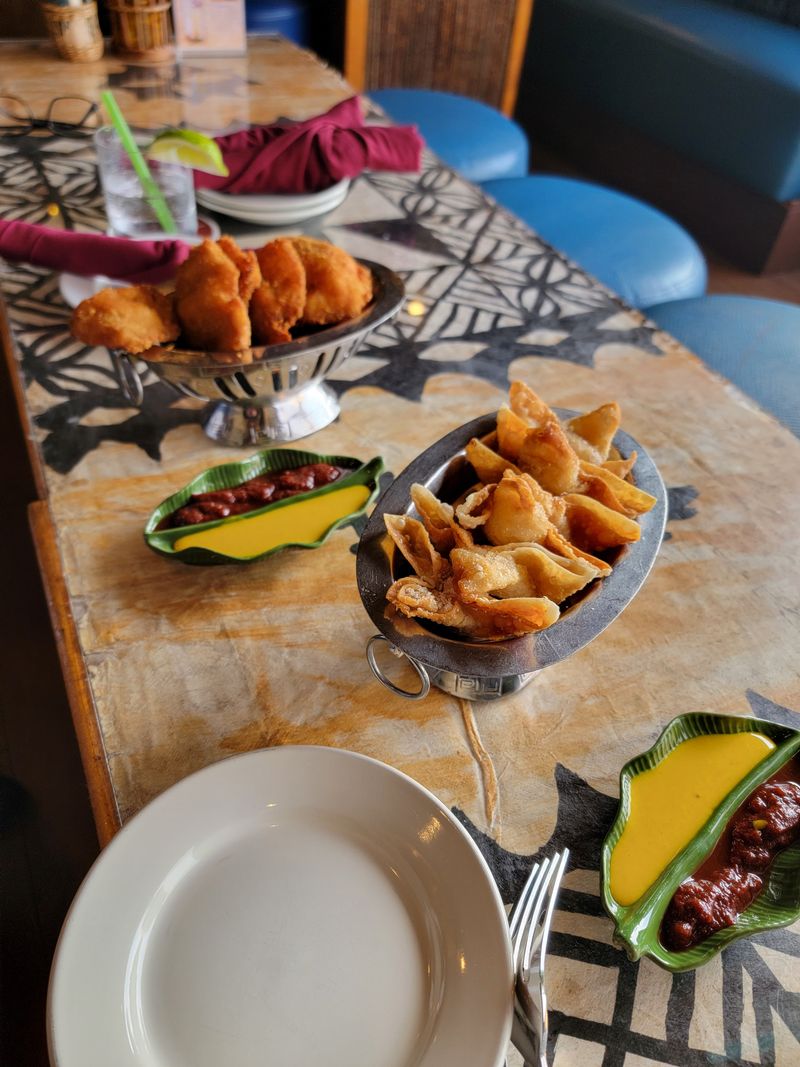
The kitchen prepares crab rangoon with creamy filling wrapped in crispy wonton shells, served with sweet chili sauce for dipping.
This appetizer has become so popular that many guests order multiple rounds throughout their meals.
The rack of lamb arrives perfectly cooked with a slightly charred exterior and tender pink interior, seasoned with island-inspired spices. Hong Kong-style sea bass features delicate white fish in savory sauce with ginger and scallions.
The menu also includes Indonesian lamb roast, Cosmo spareribs glazed with tangy sauce, and various preparations of fresh seafood.
Vegetable dishes incorporate Asian techniques and tropical ingredients, offering options beyond typical American steakhouse sides.
The kitchen sources quality ingredients and prepares dishes to order rather than relying on shortcuts. Portion sizes remain generous without becoming overwhelming.
Desserts continue the tropical theme with items like coconut ice cream and tropical fruit presentations.
The menu has evolved gradually over decades, with some dishes dating to Bergeron’s original recipes while others reflect contemporary culinary trends adapted to tiki style.
8. Signature Beverage Collection
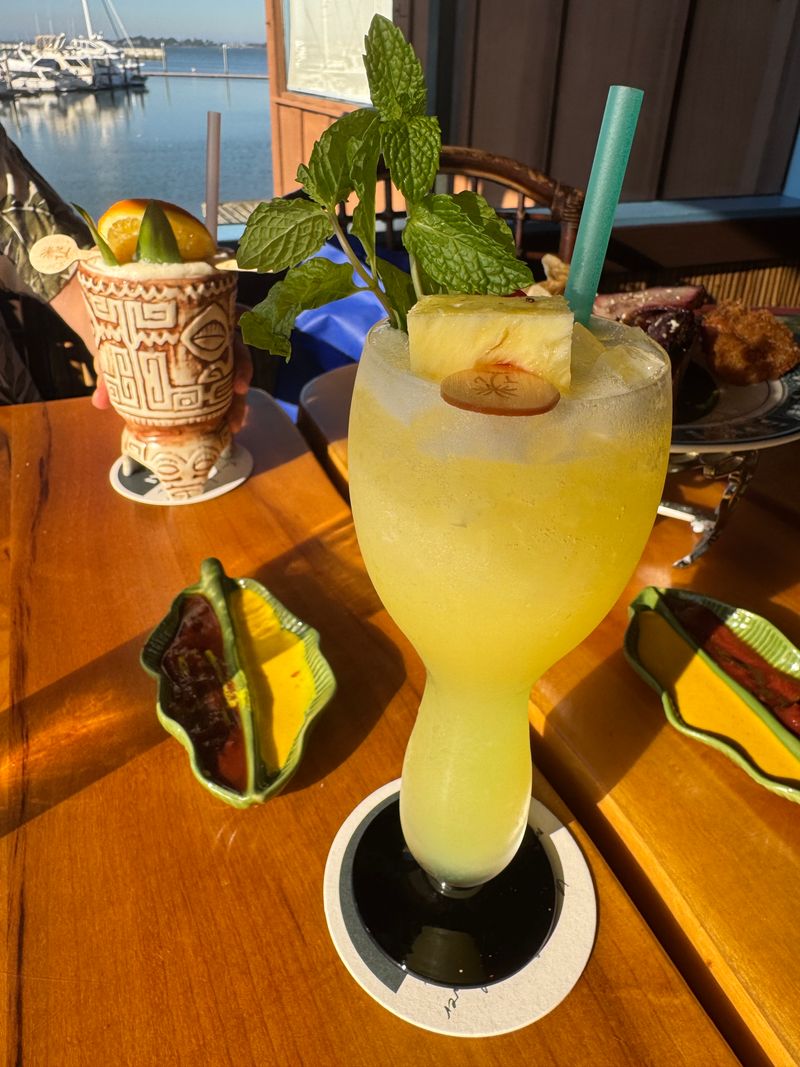
Beyond its iconic island-inspired creations, Trader Vic’s bar presents an extensive collection of tropical mocktails that celebrate the artistry of Polynesian mixology traditions.
Drinks like the Samoan Fog Cutter blend layered citrus juices with almond orgeat and house tropical syrups, creating a bold yet balanced flavor profile served in tall, eye-catching glassware.
The Suffering Bastard offers a refreshing mix of ginger beer, lime, and spice-forward ingredients that deliver complexity with a lively kick.
Each beverage arrives in distinctive glassware or ceramic tiki mugs that elevate the experience through playful presentation.
Bartenders follow precise preparation methods, balancing juices, syrups, and fresh ingredients while finishing each drink with carefully arranged garnishes.
The bar highlights flavors inspired by island traditions, allowing guests to explore vibrant taste combinations rooted in classic tiki culture.
Tropical garnishes include fresh mint sprigs, pineapple wedges, orchid flowers, and colorful paper umbrellas that add festive visual flair.
The menu features both timeless tiki-style mocktails and creative house specialties built around bright citrus, warming spices, and exotic fruit blends. Prices reflect the premium ingredients and craftsmanship behind each carefully prepared drink.
The bar’s atmosphere encourages leisurely sipping rather than rushed visits, with comfortable seating and dim lighting that foster relaxed conversation.
Many guests stop in specifically for these elaborate nonalcoholic creations, treating the bar as a destination experience rather than simply an addition to their meal.
9. Private Dining And Event Spaces
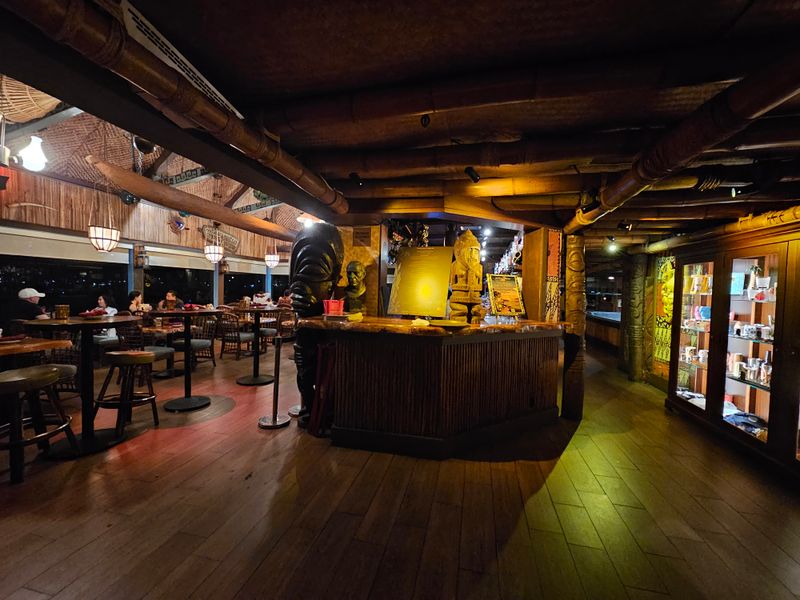
Trader Vic’s provides unique private dining spaces that accommodate groups ranging from intimate gatherings of ten to large celebrations of one hundred guests.
The restaurant offers full venue buyouts for events up to three hundred people, transforming the entire establishment into a private tropical paradise.
These spaces maintain the tiki atmosphere while offering flexibility for various event types. Private rooms feature the same bamboo walls, carved tikis, and warm lighting as the main dining areas, creating immersive environments for celebrations.
Event coordinators work with hosts to customize menus, bar selections, and room arrangements according to specific needs.
The waterfront location adds special appeal for weddings, corporate events, and milestone celebrations.
Groups can choose from preset menu options or work with the kitchen to create custom dining experiences.
The bar staff prepares signature mocktails for private events, including popular items like Mai Tais alongside other tropical drinks.
Private dining guests receive dedicated servers who understand the pacing and service style appropriate for special occasions.
The combination of distinctive atmosphere, quality food, and professional event management makes Trader Vic’s a popular choice for memorable gatherings.
Many Bay Area families have celebrated multiple generations of birthdays, anniversaries, and achievements within these tiki-adorned walls.
10. Community Legacy And Long-Term Staff
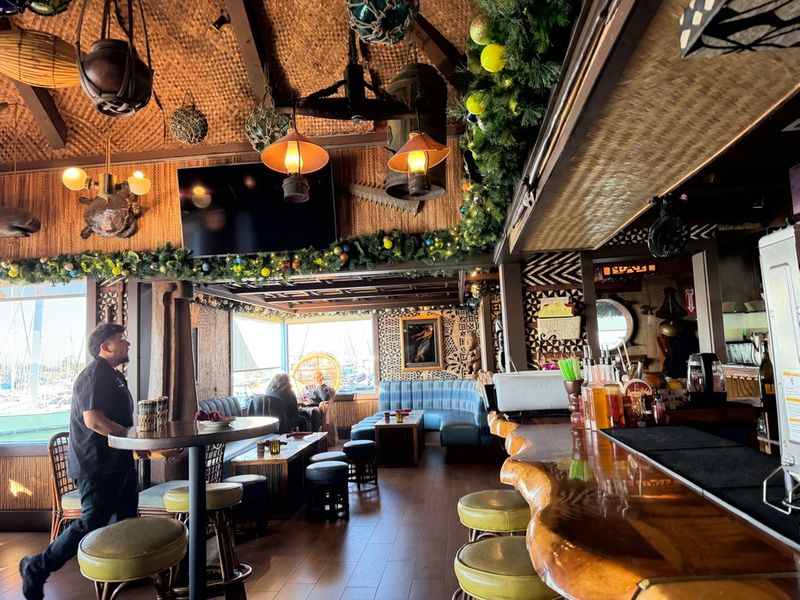
Trader Vic’s Emeryville has built deep community connections through decades of service and remarkably long employee tenures.
Claudette Lum worked as maitre d’ for fifty-seven years before retiring in 2017, exemplifying the loyalty and dedication that characterize the restaurant’s staff culture.
Her retirement marked the end of an era, as she had greeted multiple generations of the same families throughout her career.
Long-term employees develop encyclopedic knowledge of menu items, recipes, and restaurant history that they share generously with curious guests.
Many staff members have worked at Trader Vic’s for twenty, thirty, or even forty years, creating continuity and expertise that newer restaurants cannot replicate.
These experienced team members train newer hires in proper tiki hospitality traditions.
The restaurant has served as a gathering place for Bay Area residents celebrating life milestones from first dates to retirement parties.
Families return year after year, often sitting in preferred sections and ordering favorite dishes that connect them to happy memories.
The staff remembers regular customers by name and knows their usual orders.
This community legacy extends beyond individual relationships to broader cultural impact, as Trader Vic’s has influenced Bay Area dining culture and preserved tiki traditions that might otherwise have faded.