This One-Of-A-Kind Connecticut Museum Is A Must-Visit For Curious Minds
Most museums tell you about history. This one hands you a piece of it and lets you figure out the rest.
This one-of-a-kind Connecticut museum is the kind of place that turns even the most casual visitor into someone who suddenly has a million questions.
The collection here is so specific, so deep, and so unexpectedly fascinating that most people walk in a little skeptical and walk out completely converted. There is a whole world hiding inside everyday objects that most of us never think twice about and this place blows that wide open in the most satisfying way.
Niche in the best possible sense, the kind of niche that makes you text someone immediately and say you have to see this.
Give it a chance, bring your curiosity, and prepare to leave looking at ordinary things very differently.
1. Where The Lock Museum Of America Is Located
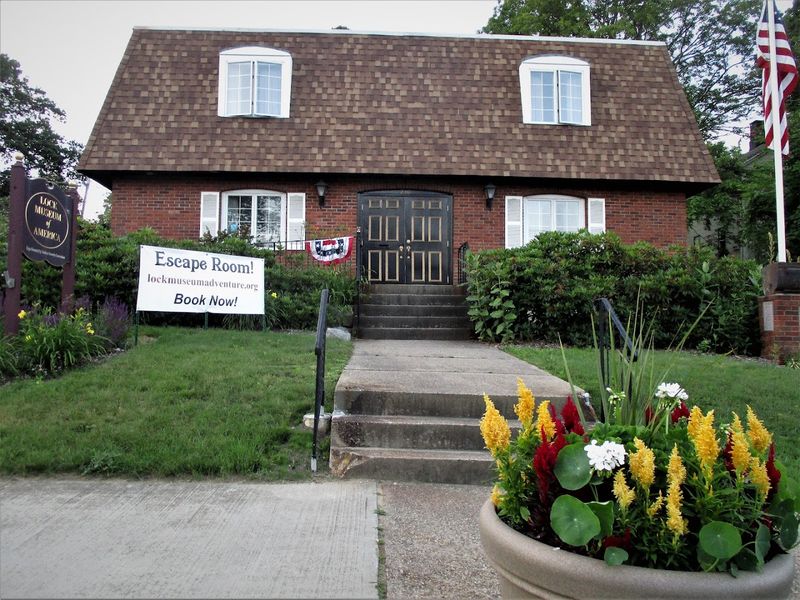
Sitting quietly on a main street in a small New England town, the Lock Museum of America has an understated exterior that does not shout for attention, but that quiet presence is part of its charm. Terryville itself is a small borough within the town of Plymouth, surrounded by rolling hills, classic Connecticut scenery, and the kind of relaxed pace that makes a short detour feel easy.
Getting there is straightforward from most parts of the state, with Route 6 and Route 72 both running nearby and making it accessible from Hartford, Waterbury, and surrounding towns. The surrounding neighborhood has a quiet, small-town feel that sets the mood before anyone even steps through the door.
Visitors interested in unusual museums, local history, or old industrial craftsmanship will likely appreciate how specific and unexpected this stop feels.
For anyone planning a road trip through central Connecticut, Terryville sits in a convenient spot between larger cities, making it an easy and worthwhile detour. You’ll find the Lock Museum of America at 230 Main Street, Terryville, CT 06786, in the heart of the Bristol-Terryville area of Connecticut.
2. Who Will Enjoy The Lock Museum Of America Most
This museum is especially rewarding for visitors who like places with personality, detail, and a little bit of surprise. History lovers will appreciate the deep connection to Connecticut’s manufacturing past, while puzzle fans will enjoy seeing how clever mechanical design has shaped locks across centuries.
Families can also get a lot out of the visit because the exhibits are specific enough to feel unusual but interactive enough to keep younger visitors curious.
It is also a great stop for anyone who enjoys small museums that do not feel overly polished or impersonal. The Lock Museum of America has a volunteer-led charm that makes the experience feel more direct and memorable, especially when someone is available to explain the stories behind the objects.
For road trippers, curious travelers, and people who love discovering places that are unlike anything else nearby, this Terryville museum is exactly the kind of stop that turns into an unexpectedly fun story later.
3. Why This Terryville Museum Feels So Unique
Most museums ask visitors to stand back and observe. The Lock Museum of America takes a different approach, offering a hands-on experience that lets curious minds actually engage with many of the objects on display.
The museum is run almost entirely by volunteers who bring genuine enthusiasm to every tour. That personal touch creates an atmosphere that feels more like a guided conversation than a scripted presentation.
Visitors often leave knowing far more than they expected, simply because the people leading tours are so invested in sharing what they know.
There is also an escape room built right into the museum space, which uses real locks, puzzles, and mechanisms as part of the challenge. It blends education and entertainment in a way that works surprisingly well for both adults and younger visitors.
The escape room can be booked by appointment and adds a layer of adventure to what might otherwise seem like a quiet afternoon at a niche museum. Small in size but rich in personality, this place genuinely earns its reputation as one of Connecticut’s hidden gems.
4. What Curious Visitors Can See Inside
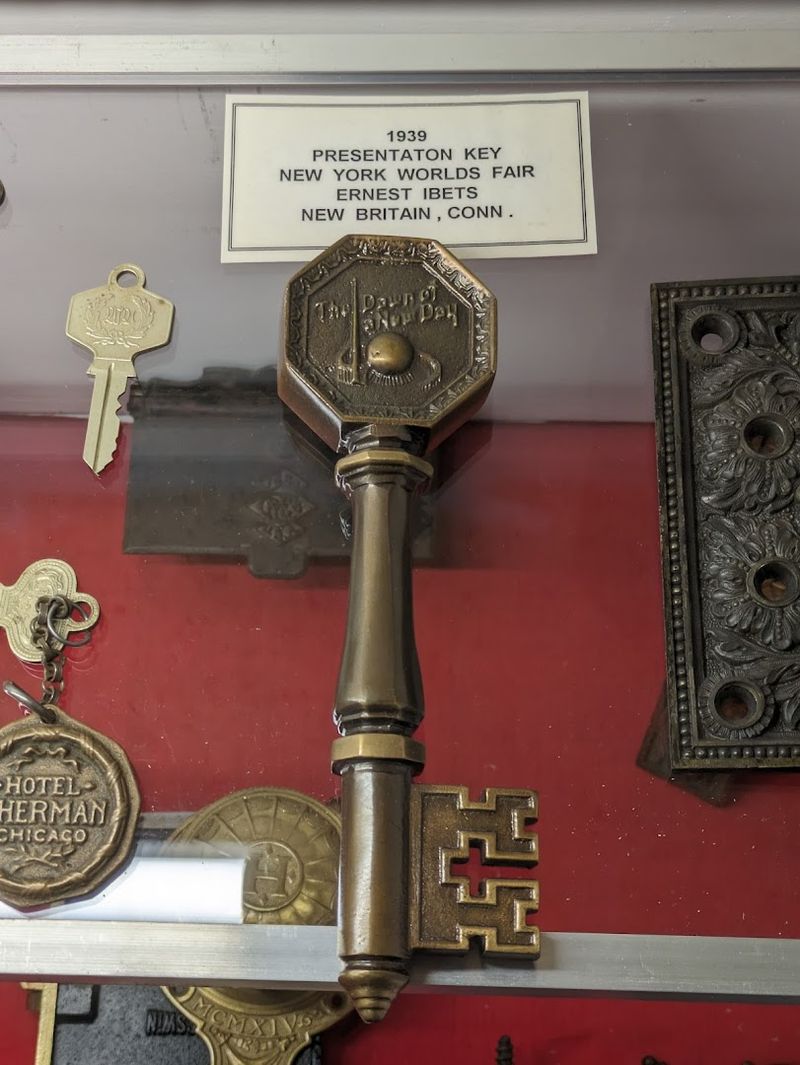
Stepping inside the Lock Museum of America feels a bit like opening a treasure chest that someone has been filling for decades. The collection spans thousands of years of lock history and includes everything from ancient wooden mechanisms to ornate Victorian-era padlocks.
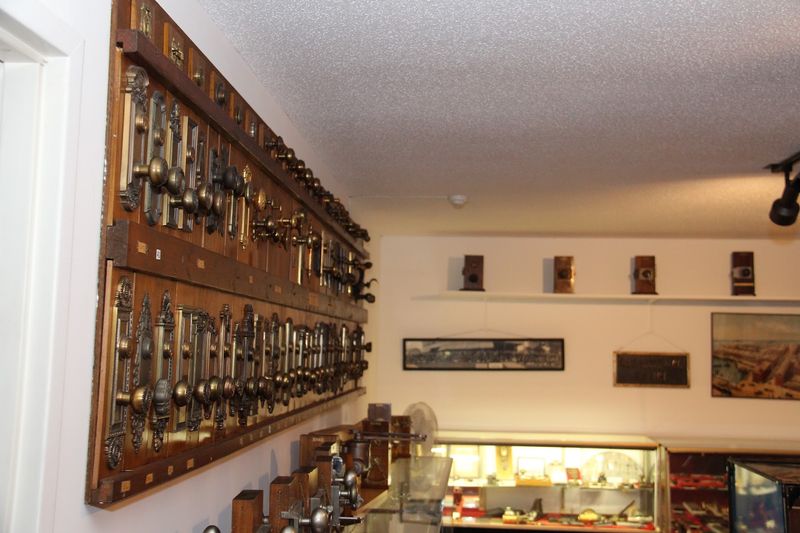
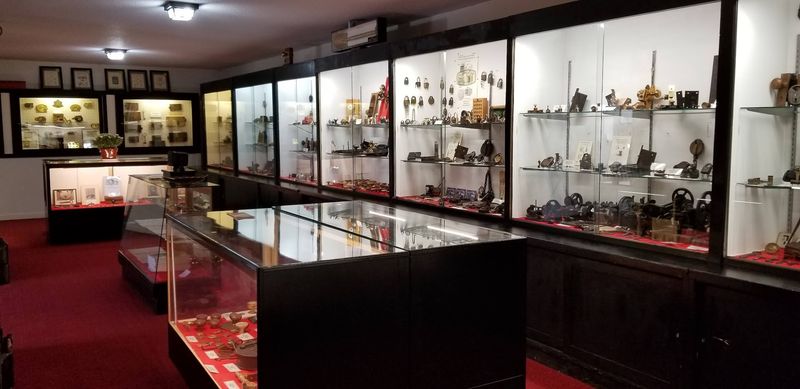
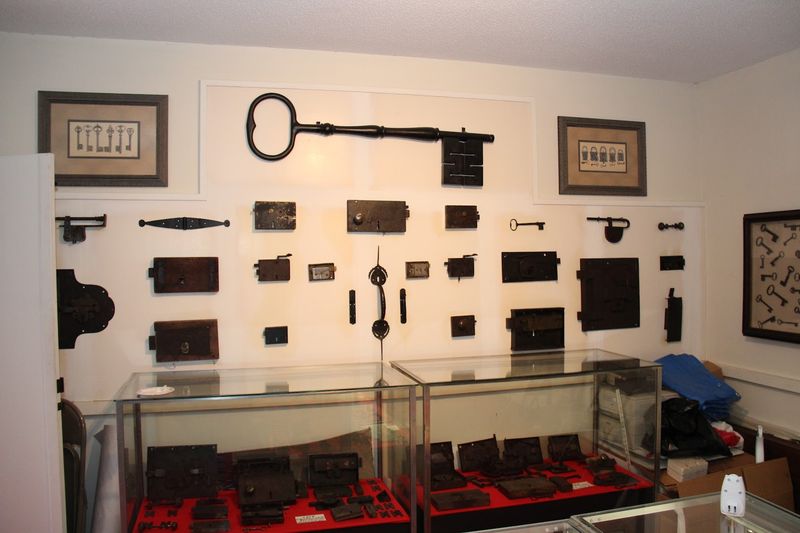
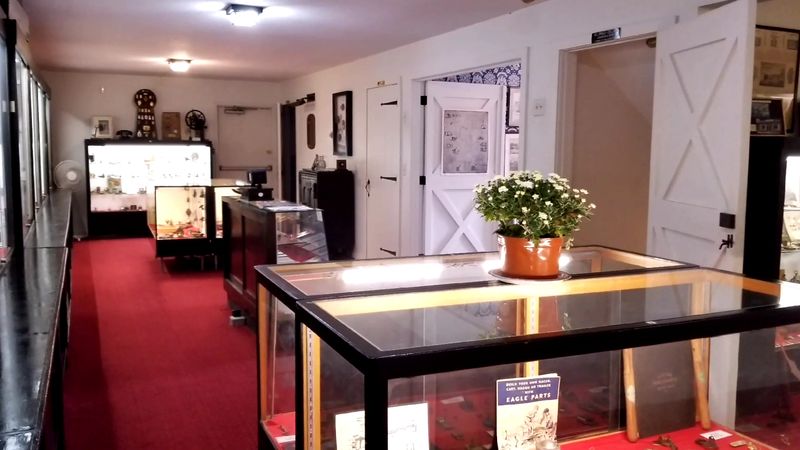
Display cases line the walls and fill the floor space, each one packed with objects that reward close inspection.
One dedicated section of the museum focuses on the Eagle Lock Company, which once operated a factory directly across the street from the current museum building. That local connection gives the collection a grounded, community-rooted quality that larger institutions sometimes lack.
Seeing the tools, products, and records from a factory that once defined this small town adds a layer of emotional depth to the visit.
Beyond the historical displays, there are locks that visitors can actually handle and manipulate, which makes the experience feel genuinely interactive rather than passive. The escape room, which is woven into the exhibit space itself, adds another dimension entirely.
Families, history buffs, puzzle enthusiasts, and casual visitors all tend to find something that holds their attention. The museum covers a surprising amount of ground for a space that, from the outside, looks modest and unassuming.
5. Why Terryville Became Part Of Lockmaking History
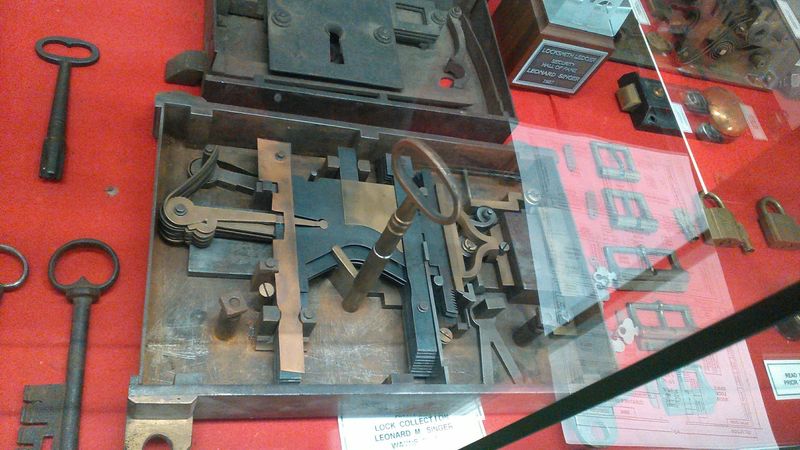
Terryville’s connection to lockmaking runs deeper than most people realize before visiting the museum. The Eagle Lock Company, founded in the mid-1800s, established its manufacturing operations in this small Connecticut town and grew into one of the most recognized lock brands in American history.
At its peak, the factory employed a significant portion of the local workforce and shaped the character of the entire community.
Connecticut had already built a reputation for precision manufacturing long before the Eagle Lock Company arrived, with the state’s rivers powering mills and factories that produced everything from clocks to firearms. That industrial culture made Terryville a natural home for a business that required skilled metalwork and mechanical precision.
The town essentially grew up around the factory, and the museum exists in part to preserve that legacy for future generations.
Eagle locks appeared in homes, businesses, and institutions across the country for well over a century, and examples from nearly every era of the company’s production can be found in the museum’s collection. The factory building no longer stands, but the museum preserves tools, signage, records, and products that keep the story alive.
Understanding that local history adds real meaning to every object behind the glass, turning a curiosity into a genuine connection to the past.
6. Rare Antique Locks, Keys, And Security Devices
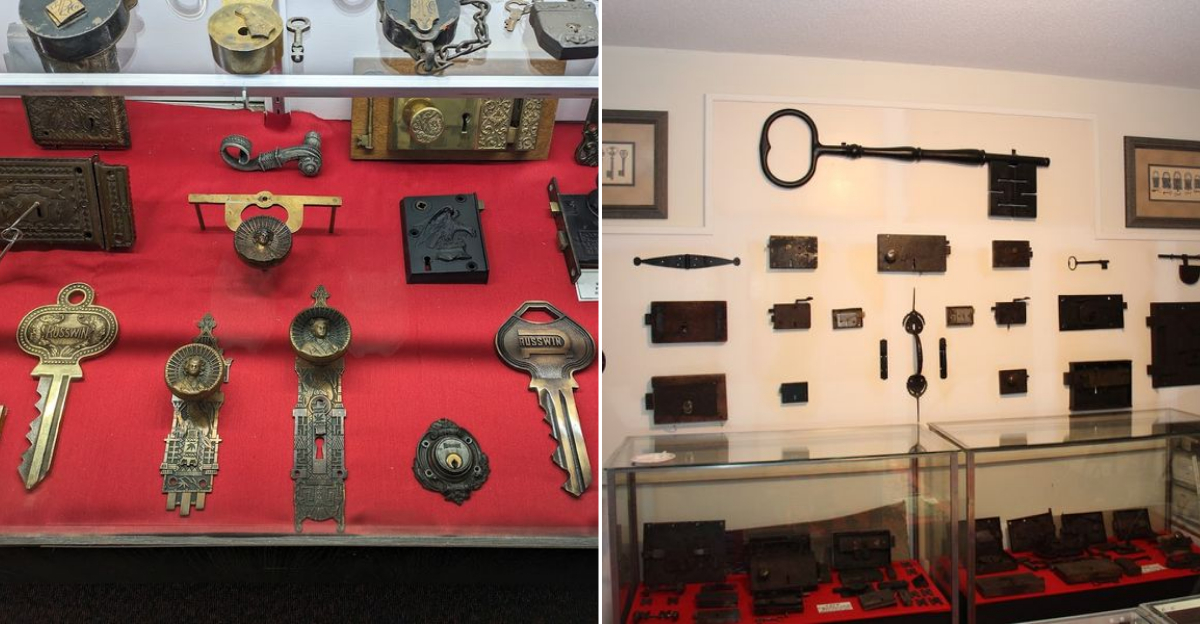
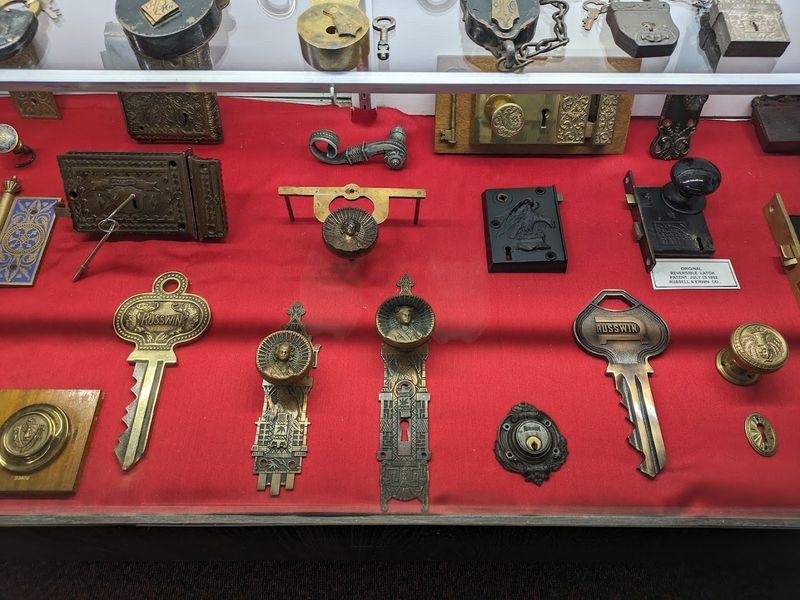
Some of the most striking objects in the collection are the antique padlocks that showcase decorative metalwork alongside serious mechanical engineering. Craftsmen during the 1700s and 1800s treated lock hardware as an art form, and the results are visible in every engraved surface and hand-forged hasp on display.
The level of detail on some of these pieces is genuinely hard to believe until seen up close.
The museum also holds a notable collection of bank locks, safe locks, and vault mechanisms that illustrate how the stakes of security design rose alongside the growth of commerce and industry. Larger and more complex than everyday door hardware, these devices reflect the serious engineering challenges that locksmiths and manufacturers faced as cities and financial institutions expanded through the 19th century.
Unusual novelty locks are another highlight, including trick locks, puzzle locks, and combination mechanisms that were designed to baffle and delight in equal measure. Some were made as gifts or conversation pieces rather than purely functional tools.
The range and variety across the collection make it clear that lockmaking was never just a utilitarian trade. For anyone who appreciates fine craftsmanship or the overlap between art and function, these cases alone make the trip worthwhile.
7. The Fascinating History Behind Locks And Keys
Long before deadbolts and digital keypads existed, people were already engineering clever ways to protect their belongings. The earliest known locks date back to ancient Egypt and Mesopotamia, where wooden pin tumbler designs were used to secure doors and storage containers.
Those simple mechanisms laid the groundwork for centuries of innovation that eventually led to the precision metalwork seen throughout the Lock Museum of America’s collection.
During the Roman era, locks became smaller and more portable, and keys were sometimes worn as rings to keep them close at all times. The medieval period brought iron locks with elaborate decorative covers, where craftsmanship and security went hand in hand.
By the 18th and 19th centuries, lockmaking had evolved into a highly competitive industry, with inventors racing to develop mechanisms that could outsmart the most skilled lock-pickers.
Connecticut played a direct role in that industrial chapter, and the museum captures that history with remarkable depth. Seeing how lock design evolved from carved wood to cast iron to precision-machined steel gives a surprisingly clear picture of how technology and everyday life have always pushed each other forward.
Few objects tell the story of human ingenuity quite as quietly or as honestly as a well-made lock.
8. When To Visit This Small Connecticut Museum
Planning a visit to the Lock Museum of America is easiest with a little preparation, since the museum operates on a limited public schedule. Outside of regular open dates, visits are often available by appointment through the museum’s official contact options.
Checking ahead helps visitors choose the best time to experience the museum and gives volunteers the opportunity to prepare for a smooth, welcoming visit. Because the museum is volunteer-run, advance planning can make the experience feel more personal and relaxed.
Weekday appointment visits often offer a quieter atmosphere, while scheduled open days may feel livelier with more visitors. Groups and families who plan ahead may also have the chance to enjoy a guided tour, which can add helpful context to the exhibits.
The escape room requires advance booking as well, so planning early helps make the visit more complete and memorable.