This Overlooked State Park In California Takes You Straight To The Old West
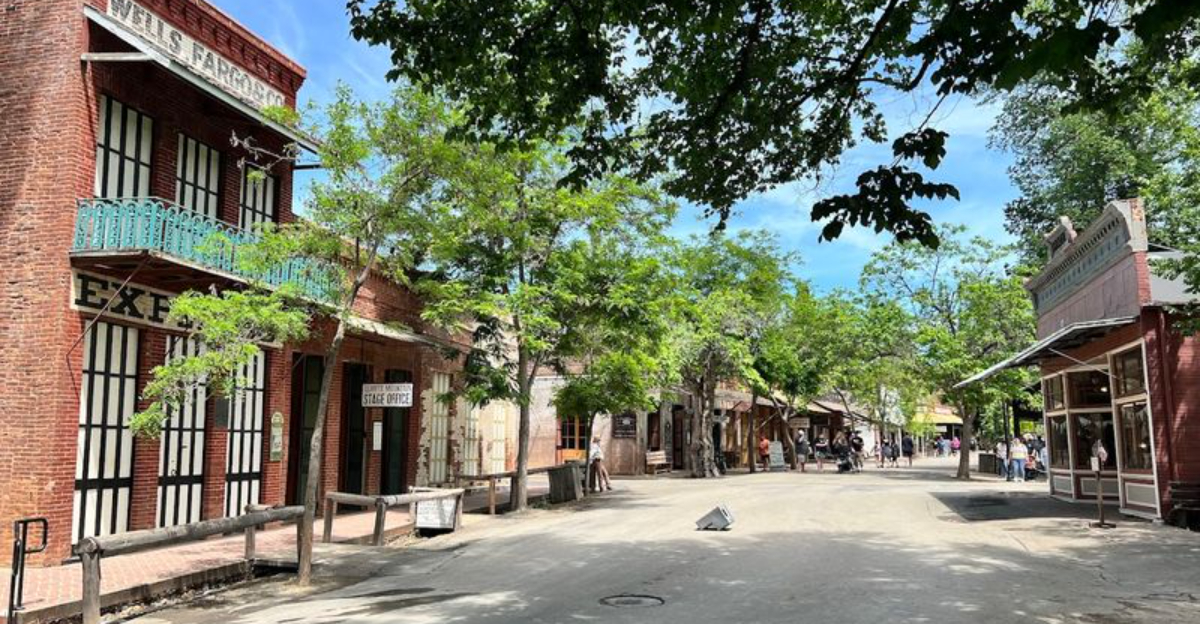
Wooden boardwalks creak under every step. Dust drifts slowly across the street. Old brick buildings stand exactly where they did more than a century ago.
The pace feels different here. Horses pull wagons past storefronts. Shop windows display goods that look like they belong to another era. Visitors wander the streets while the sounds of a frontier town quietly return to life.
History does not feel distant in a place like this. The atmosphere pulls people in almost immediately. A short walk down the main street can make the present day feel very far away.
Places like this feel increasingly rare in California.
Gold seekers once filled these streets during the height of the 1850s mining boom. Merchants opened shops. Hotels filled with travelers chasing fortunes in the nearby hills. Many of those original buildings still stand today.
One remarkably preserved Gold Rush town in the Sierra Nevada foothills now welcomes visitors who want to experience one of the most authentic frontier settings anywhere in California.
1. Columbia Was Once One Of California’s Largest Cities

Gold fever turned a quiet California valley into a booming city almost overnight.
When gold was discovered near Columbia in 1850, thousands of miners flooded in within months, and by 1853 the town had grown into one of the largest cities in the entire state of California.
At its peak, Columbia reportedly had a population of around 5,000 people, along with hotels, saloons, shops, and even a school.
The town earned the nickname “Gem of the Southern Mines” because of how prosperous and well-organized it became compared to other mining camps in the region.
What makes that history even more striking is how much of it still stands today.
Unlike many Gold Rush towns that faded into ghost towns or were swallowed by development, Columbia managed to hold onto its original character.
Walking through the park today, it is genuinely possible to feel the scale of what once existed here, and that sense of place is something few historic sites in California can match.
2. National Historic Landmark Status Since 1961

Not every old town earns official recognition from the federal government, but Columbia did.
In 1961, the entire area was designated a National Historic Landmark District, which placed it among the most historically significant sites in the United States.
That designation was given because of the remarkable concentration of original Gold Rush-era architecture still standing in Columbia.
Many towns from that era lost their buildings to fire, floods, or simple neglect, but Columbia retained enough original structures to give historians and visitors a genuinely accurate picture of mid-19th-century California life.
The landmark status also helps ensure that the town continues to be preserved rather than altered or developed.
California State Parks manages the site, and that combination of federal recognition and state stewardship has kept Columbia in exceptional condition.
For anyone who appreciates American history or architectural preservation, knowing that this level of care has been applied to a place that is still freely accessible to the public makes a visit feel even more worthwhile.
3. Almost 30 Original Brick Buildings Still Standing On Main Street
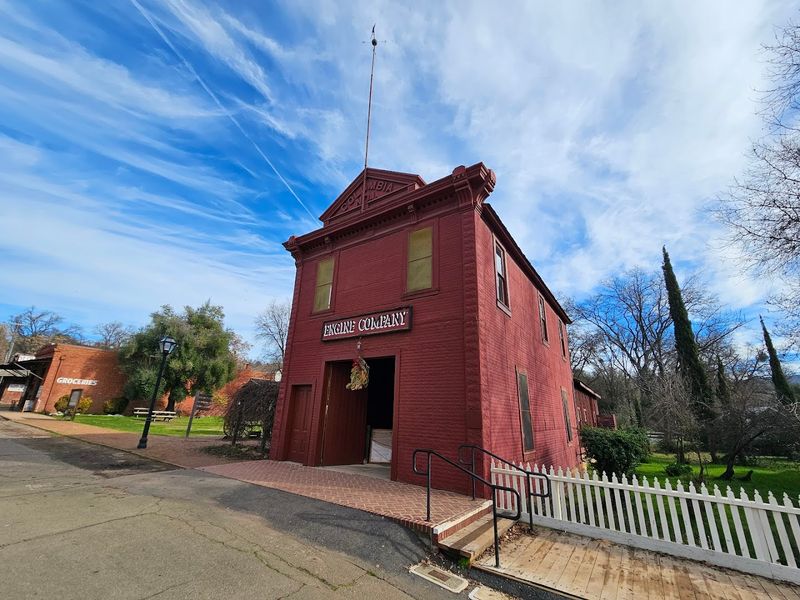
Most historic towns have a handful of preserved buildings surrounded by modern construction, but Columbia operates on a completely different scale.
Almost 30 original brick buildings still line the streets of the park, many of which have been carefully restored to reflect their appearance during the 1850s Gold Rush period.
The brick construction itself tells an interesting story.
After a series of devastating fires swept through early Columbia, residents rebuilt using brick and iron shutters to prevent future destruction.
That practical decision ended up saving the town’s architectural legacy for generations to come.
Walking along Main Street today, visitors pass storefronts, hotels, and public buildings that have stood for over 170 years.
Some of those buildings are still actively used as shops, restaurants, and working demonstrations, which means the architecture is not just decorative but genuinely functional.
The texture of old brick, the weight of iron door hardware, and the proportions of 19th-century storefronts create a visual environment that no modern reconstruction could replicate.
Columbia State Historic Park in California offers a streetscape that is rare, honest, and deeply rooted in real history.
4. Gold Panning At Matelot Gulch Mine

Few activities connect visitors to Gold Rush history quite as directly as crouching over a creek and swirling a pan in the hope of finding something shiny.
At Matelot Gulch Mine inside Columbia State Historic Park, that experience is available to anyone who wants to try it, with staff on hand to walk visitors through the panning process step by step.
The technique involves filling a pan with sediment, adding water, and carefully tilting and rotating the pan to wash away lighter material while heavier gold particles settle to the bottom.
It sounds simple, but getting a feel for the motion takes a few tries, and the staff at Matelot Gulch are patient and encouraging with beginners of all ages.
Kids tend to get completely absorbed in the activity, and adults often find themselves just as caught up in the search.
Finding even a small flake of real gold produces a surprisingly genuine thrill.
The mine is one of the most hands-on experiences available in the park, and it tends to be a highlight for families visiting Columbia State Historic Park in California for the first time.
5. Seasonal Horse-Drawn Stagecoach Rides

There is something about the sound of hooves on a dirt road that makes history feel completely real.
Seasonal horse-drawn stagecoach rides at Columbia State Historic Park offer a 15-minute journey through the town that gives visitors a genuine sense of what travel looked like during the Gold Rush era.
The stagecoach follows routes through the historic district, and the drivers often share stories and context about the town during the ride.
Past visitors have noted that the experience includes a playful encounter with “bandits,” which adds a theatrical and family-friendly layer to the journey.
Tickets have been priced around $17, though pricing and seasonal availability can vary, so checking ahead before visiting is a good idea.
Getting to sit inside or on top of a real stagecoach, pulled by horses through streets that miners once walked, is the kind of experience that sticks with people long after the visit ends.
Children and adults both tend to light up during the ride, and it is widely considered one of the most memorable activities available at the park.
Stagecoach rides operate seasonally, so timing a visit accordingly makes a real difference in what is available on the day.
6. Fallon House Theatre Built In 1857

Built in 1857, the Fallon House Theatre is one of the oldest continuously operating theaters in California and one of the most charming features of Columbia State Historic Park.
The building itself is a piece of living history, constructed during the height of the Gold Rush when Columbia was a thriving and culturally active town.
The theater hosts live performances including plays and musicals, presented in a setting that has barely changed since miners and townspeople first filled its seats almost 160 years ago.
Sitting inside the Fallon House to watch a performance creates an atmosphere that modern venues simply cannot replicate, because the history of the building is woven into every surface and corner of the space.
Columbia State Historic Park in California takes pride in keeping the Fallon House active and relevant, and the performances held there tend to draw audiences from well beyond the immediate area.
Checking the current schedule before visiting is worthwhile, since performance dates and show availability change throughout the year.
For anyone who enjoys live theater, experiencing it inside a genuine 19th-century building adds a layer of meaning and atmosphere that transforms an ordinary evening into something genuinely memorable.
7. A Working Blacksmith Shop Still In Operation
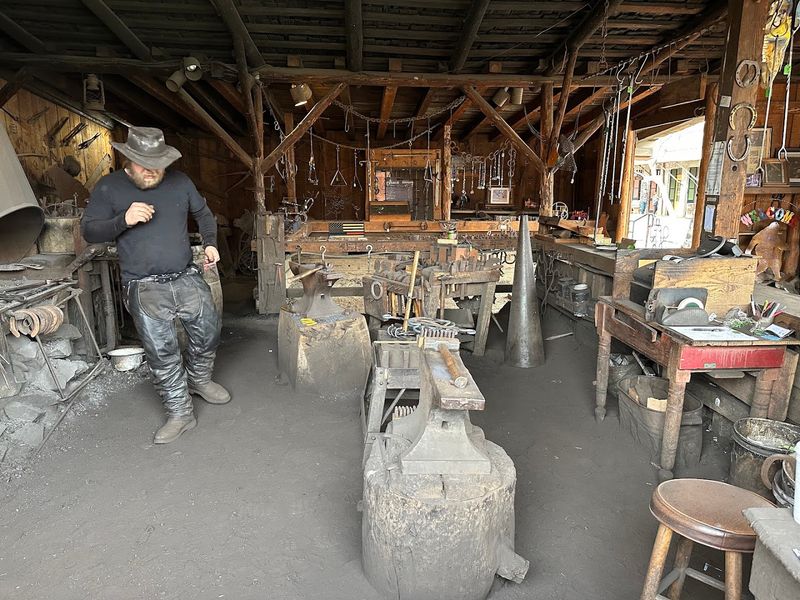
The ring of a hammer on hot metal is one of those sounds that carries straight through the noise of a busy day and demands attention.
At the working blacksmith shop inside Columbia State Historic Park, visitors can watch skilled artisans shaping iron into tools, horseshoes, and decorative items using techniques that date back centuries.
Watching a blacksmith work is genuinely captivating, even for people who have no particular interest in metalworking.
The heat radiating from the forge, the way the metal glows orange before being struck into shape, and the precision involved in each blow combine to create a demonstration that holds attention naturally.
The shop also sells finished items, and having a personalized horseshoe made has become a popular keepsake for visitors.
The blacksmith shop represents something that many historic parks lack, which is a craft being practiced authentically rather than just displayed behind glass.
Skills like blacksmithing were essential to Gold Rush-era communities, and seeing them performed in real time inside a building that has existed for over a century gives the experience an honesty and depth that purely interpretive exhibits cannot match.
It is one of those spots in the park where history genuinely comes alive through action rather than explanation.
8. The Columbia Museum Inside The Historic Knapp Building
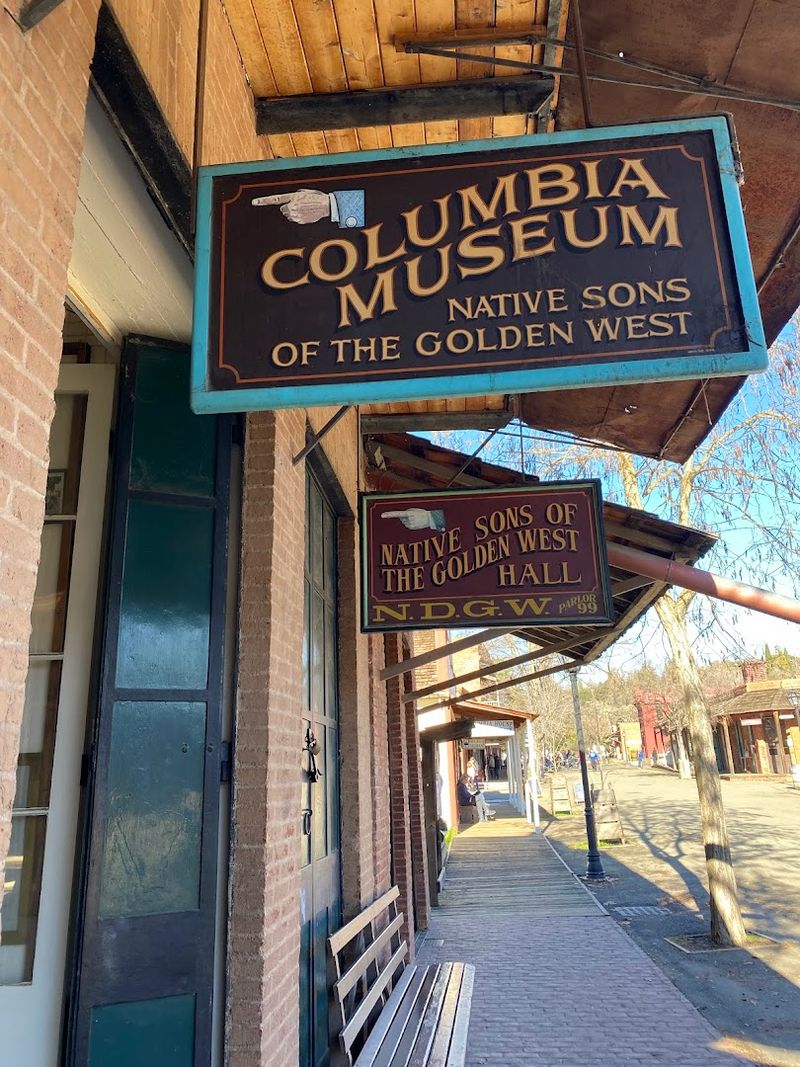
History has a way of hitting harder when the objects telling the story are real.
The Columbia Museum, housed inside the historic Knapp building at Columbia State Historic Park, holds a collection of Gold Rush-era artifacts that includes original mining tools, equipment, and historical photographs that document what life in Columbia actually looked like during the 1850s.
The museum is free to enter, which fits with the park’s broader philosophy of making history accessible to everyone.
Exhibits are organized to give visitors context about how the town grew, how mining operations worked, and what daily life involved for the thousands of people who called Columbia home during its peak years.
The photographs in particular tend to draw people in, because seeing real faces from that era creates a human connection that written descriptions alone cannot achieve.
Columbia State Historic Park in California positions the museum as a starting point for many visitors, since understanding the history before exploring the streets outside makes the entire experience richer.
The Knapp building itself adds to the atmosphere, since its original construction means the space where the artifacts are displayed is itself a piece of the history being told.
Spending time here before heading out into the town is a natural and rewarding way to begin any visit.
9. Step Inside The Historic City Hotel And Fallon Hotel

Stepping inside a Gold Rush–era hotel still offers a glimpse into what life once felt like in this frontier town.
Columbia State Historic Park features two preserved inns, the City Hotel and the Fallon Hotel, both dating back to the mid-1800s and carefully maintained to reflect their original character.
The City Hotel stands at 22768 Main St, Columbia, CA 95310, and its historic interior showcases period furnishings and architectural details that transport visitors straight into the 19th century.
Instead of overnight stays, the building now welcomes guests for guided tours and historical interpretation that explain how travelers once lived, slept, and socialized during the height of the Gold Rush.
The Fallon Hotel at 11175 Washington St, Columbia, CA 95310 serves a similar purpose today.
Walking through its rooms reveals how guests would have experienced lodging in a mining town more than a century ago, from modest sleeping quarters to shared gathering spaces.
Exploring these preserved interiors offers a rare chance to see the town beyond its wooden sidewalks and storefronts.
Visitors to Columbia State Historic Park in California often find that touring these historic hotels adds a deeper layer of understanding to the Gold Rush story that still echoes through the streets.
10. Living History Programs And Educational Events Year-Round

Columbia State Historic Park does not just preserve buildings and objects.
It actively brings the past to life through living history programs that run throughout the year, making it one of the most educationally rich state parks in California.
Gold Rush Days, held on the second Saturday of each month, is among the most popular recurring events.
During these days, docents dressed in period-accurate clothing walk the streets, answer questions, give guided tours, and demonstrate skills from the 1850s.
A militia march and ceremonial flag raising are also part of the day’s activities, adding a theatrical and community-oriented dimension to the visit.
School field trips are a regular feature of the park’s calendar, and many California residents remember visiting Columbia as children during class outings.
The programs are designed to meet educational standards while remaining engaging enough that students stay genuinely interested rather than simply going through the motions.
For families visiting on their own, the living history events provide structure and storytelling that makes the park’s history feel personal and immediate.
Checking the park’s schedule at parks.ca.gov before planning a visit helps ensure arriving on a day when the full range of programming is available.
11. Dogs Are Welcome In The Park On A Leash
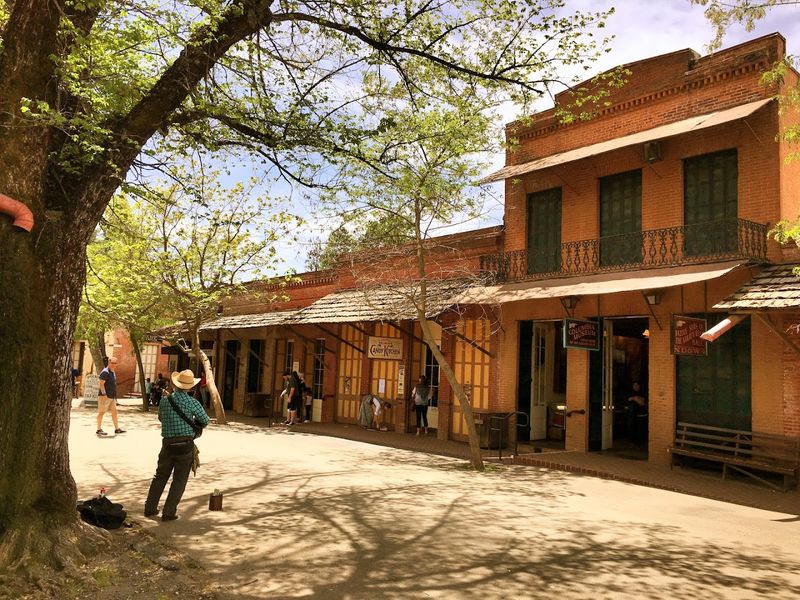
Bringing a dog along on a day trip can sometimes mean navigating complicated rules or leaving a pet behind entirely, but Columbia State Historic Park takes a straightforward and pet-friendly approach.
Dogs are welcome throughout the outdoor areas of the park as long as they remain on a leash at all times.
The park’s dirt streets and open spaces make it a comfortable environment for leashed dogs, and the lack of vehicle traffic inside the historic district means the walking areas feel safe and manageable.
The one clear restriction is that dogs are not permitted inside any historic buildings, which is a reasonable limitation given the preservation requirements of the structures.
For dog owners who enjoy exploring historic sites, Columbia offers a genuinely pleasant experience where a pet can be part of the day without causing stress or logistical complications.
The shaded picnic areas scattered around the park also provide good spots to rest with a dog between activities.
Bringing water for a pet is a practical consideration, especially during warmer months when the Sierra Nevada foothills can get quite warm by midday.
Columbia State Historic Park in California makes the visit accessible and comfortable for four-legged visitors and their owners alike.
12. Free Admission With No Entry Fee Required
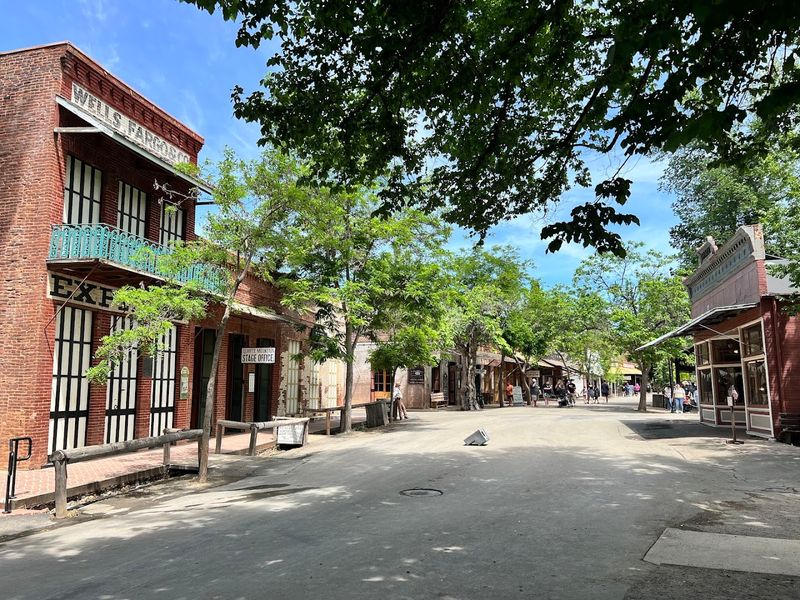
Getting into Columbia State Historic Park costs nothing, which sets it apart from many comparable historic attractions in the United States.
Entry to the park, access to the museum, guided tours, and participation in living history programs are all available without any admission charge, making it genuinely accessible for families and travelers on any budget.
The park is located at 11259 Jackson St, Columbia, CA 95310, and parking in the surrounding lots is also free, which means visitors can arrive without worrying about fees before they even set foot on the historic streets.
Some specific activities within the park, such as the stagecoach ride, gold panning at Matelot Gulch, and certain special events, do carry their own individual costs, but the core experience of walking the town and absorbing its history is completely free.
That accessibility changes the character of a visit in a subtle but meaningful way.
Without the pressure of justifying an entry cost, visitors tend to move at a more relaxed pace, linger longer in spots that interest them, and return more than once across different seasons.
Columbia State Historic Park in California is open daily from 10 AM to 4 PM, and the combination of free access and genuine historic depth makes it one of the most rewarding day trips in the entire region.