This Peaceful Kentucky Forest Turns Into A Monarch Butterfly Haven Every Fall
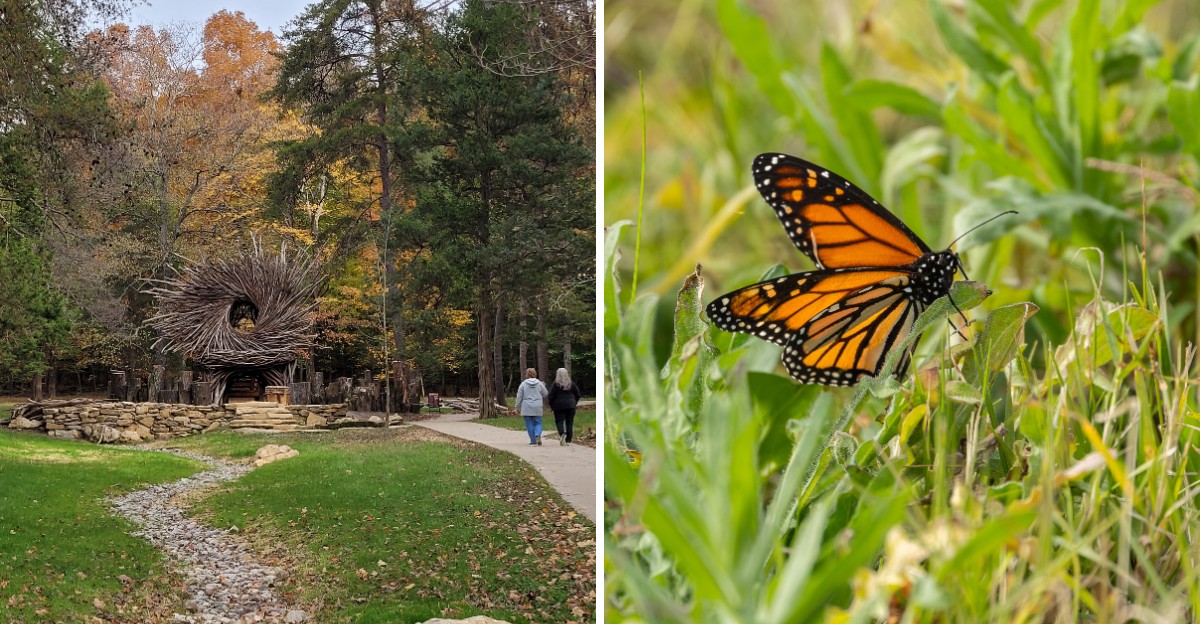
More than 500 monarch butterflies have been tagged in one Kentucky forest since 2016. Each tiny sticker helps scientists track a trip that ends in the mountains of Mexico.
The monarchs don’t just pass through, either. They stop to refuel on late-season wildflowers and a sweeping prairie full of milkweed.
One garden here even works as an official Monarch Waystation, which is basically a butterfly gas station with better scenery.
I like how this place mixes real science with pure wonder. You can watch orange wings drift over native grasses, then wander off to find giant wooden sculptures hiding in the trees.
I can’t imagine a better excuse to get outside when the leaves start turning.
So where exactly do these butterflies stop, and what else is waiting for you once you arrive?
Thousands Of Orange Wings Pass Through On Their Way To Mexico
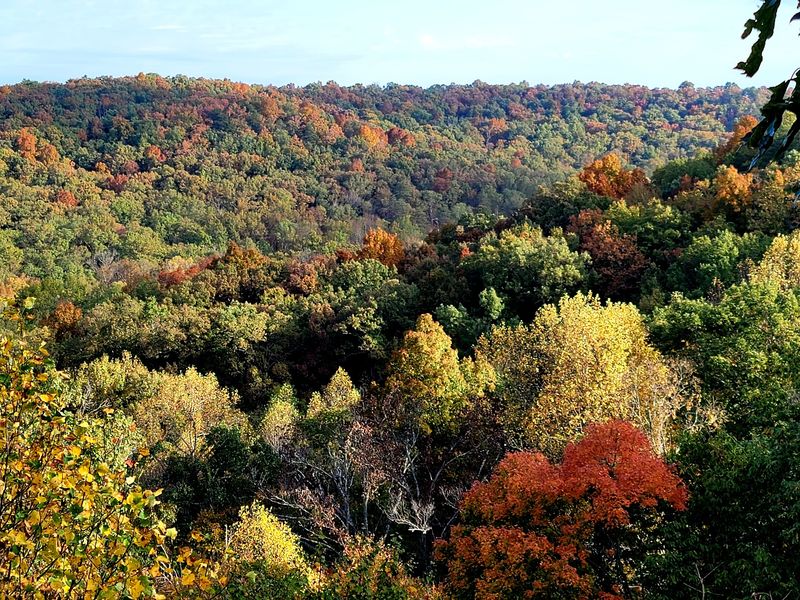
Monarchs are tiny travelers with a seriously big itinerary. Every fall, thousands of them cross Kentucky on a journey of thousands of miles to wintering grounds in Mexico.
Bernheim Forest and Arboretum sits right along that route. The forest covers more than 16,000 acres, which gives these butterflies plenty of room to rest and refuel.
Monarchs don’t pack bags or check the weather app. Shorter days, cooler temperatures, and fading flowers tell them it’s time to head south.
That two-way migration makes them unusual among insects. They travel more like birds than bugs, which still sounds a little unbelievable when you see how fragile those wings look.
Monarch numbers at Bernheim usually peak during the spring and fall migrations. Fall is the season this article is cheering for, since the colors around them get fancy too.
Plan your visit with patience in mind. Butterflies keep their own schedule, and they won’t line up just because you drove over.
Slow down near blooming plants and give your eyes time to adjust. A flash of orange can show up when you least expect it, and that moment feels like winning a tiny prize.
You’ll find it at 2075 Clermont Rd, Clermont, Kentucky. The grounds open daily at 7 a.m. and stay open until sunset.
Scientists Here Put Tiny Tags On Butterfly Wings
Over 500 monarchs have been tagged at Bernheim since 2016. That’s a lot of very small, very careful paperwork.
Bernheim Forest and Arboretum works as a research forest, not just a pretty place to walk. Tagging helps researchers study where monarchs go and how they move during migration.
Each tag is a small sticker placed on a butterfly’s wing. If someone spots that monarch later, the information adds another piece to a giant migration puzzle.
I believe that’s what makes a fall visit feel bigger than a hike. The butterfly you notice on a flower could be part of a study that stretches across countries.
Bernheim also protects monarchs by reducing insecticide use. That choice matters, because pollinators need safe plants as much as they need plenty of them.
Kids especially tend to love this kind of detail. Explaining that a butterfly might be headed for Mexico turns a simple walk into a geography lesson with wings.
Keep an eye on the event calendar before you go. Bernheim lists guided programs throughout fall, and nature learning is a big part of what this Kentucky forest does best.
Head To The Big Prairie For A Real Butterfly Buffet
Thirty-six acres of native grasses make up the Big Prairie at Bernheim. For a monarch, that’s an all-you-can-eat situation with a view.
The prairie supplies milkweed, the only plant monarch caterpillars eat. It also offers nectar plants that adult butterflies need for energy on their long trip.
Late-season wildflowers matter more than many people realize. They bloom in fall and give migrating monarchs a key nectar boost right when the journey gets serious.
The Big Prairie doesn’t only serve butterflies. Grassland birds and small mammals also call this open space home, so bring curious eyes and quiet feet.
Wide spaces like this feel very different from the shady woods nearby. The sky opens up, the grasses sway, and suddenly you’re scanning for orange specks instead of checking your phone.
A pair of binoculars can help here. So can a little patience and a willingness to stand still longer than feels normal.
Wear comfortable shoes and bring water for your wandering. The prairie rewards slow explorers, and the monarchs certainly aren’t in a rush to pose for anyone.
You Can Snack Your Way Past A Real Monarch Waystation
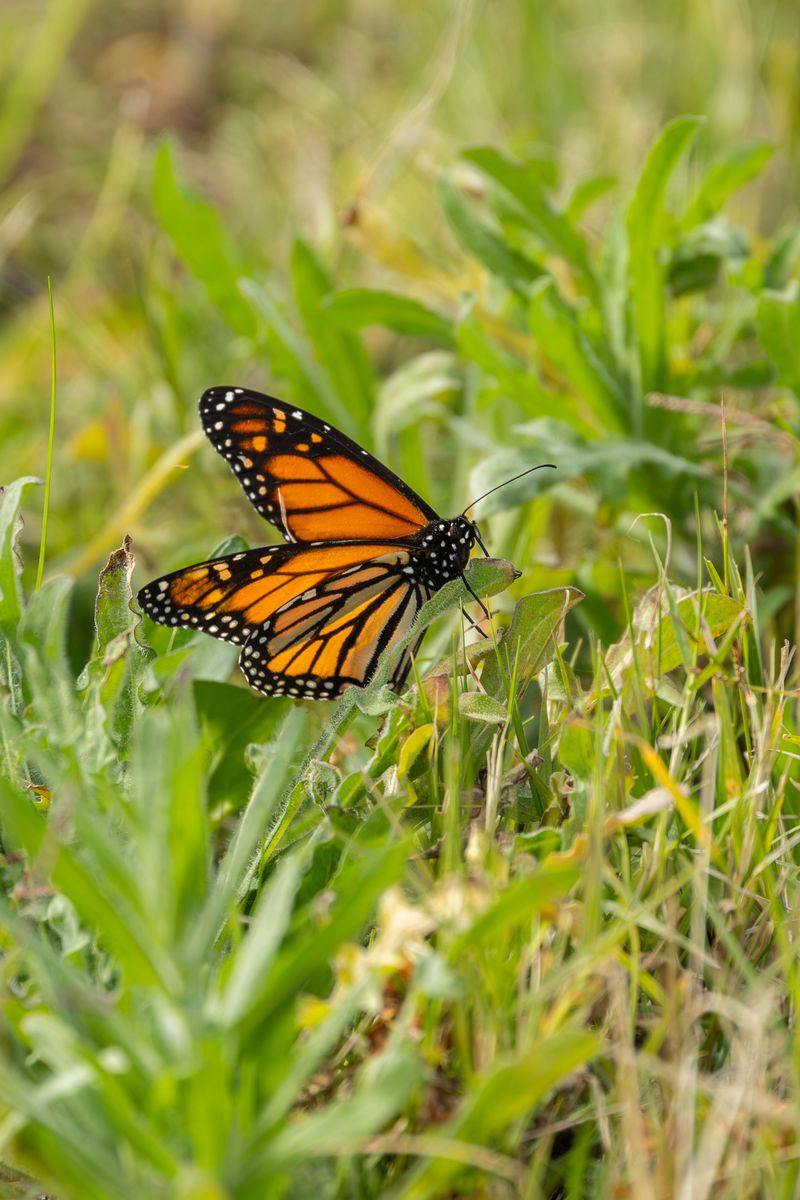
Gardens usually feed people, but Bernheim’s Edible Garden pulls double duty. It’s also a dedicated Monarch Waystation.
A waystation gives monarchs the plants they need to breed and refuel during migration. Think of it as a roadside rest stop, minus the vending machines and the weird bathroom smell.
The Edible Garden shows that food gardens and pollinator gardens can share the same ground. That idea is easy to bring home, even if your yard is small.
Monarchs also show up in other pollinator habitats around Bernheim, including the cedar glades. Exploring more than one spot gives you better odds of a sighting.
I like how this garden makes conservation feel doable. Nobody needs a huge prairie to help butterflies when a few smart plants can make a difference.
Bernheim also holds a Fall Plant Sale, scheduled for September 18, 2026. That’s a handy chance to pick up ideas and maybe a few plants for your own patch.
Take notes on what’s blooming while you stroll. Your future backyard butterflies will thank you, in their quiet, fluttery way.
Good Luck Spotting All Three Forest Giants Without Grinning
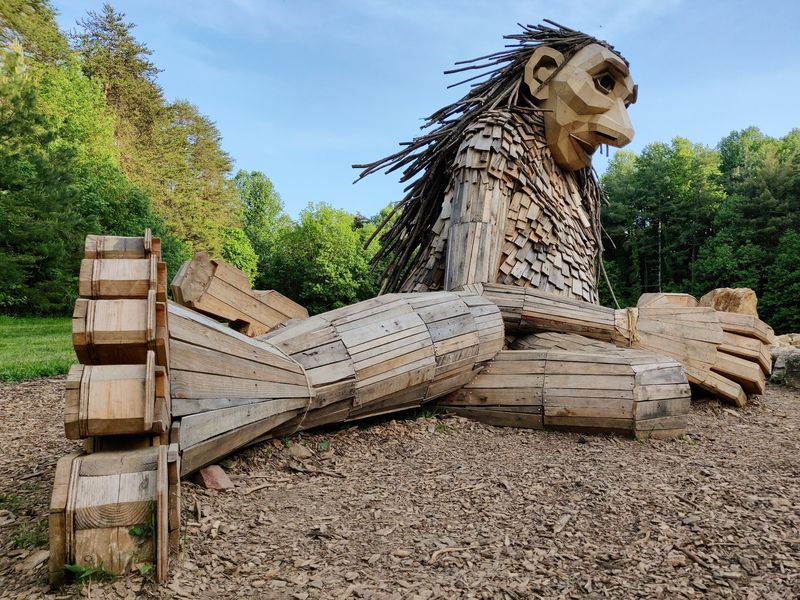
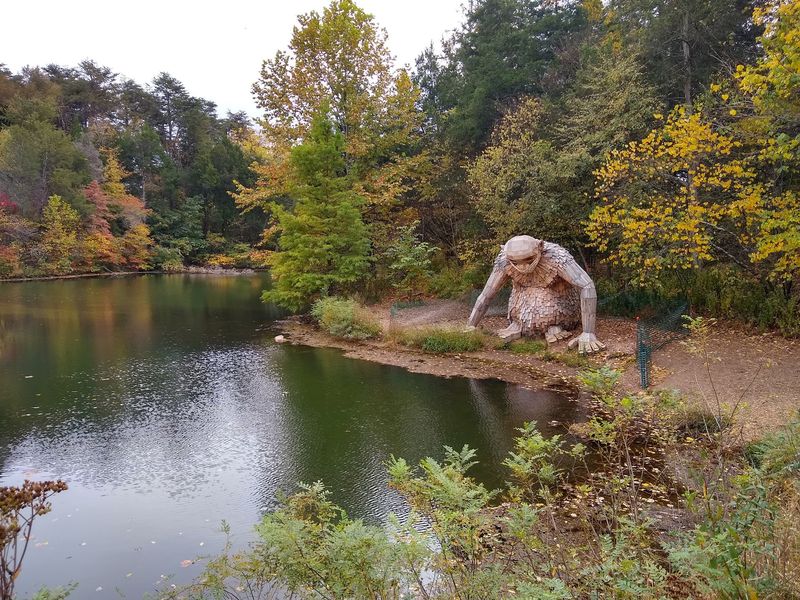
Three enormous wooden giants live in these woods. Danish artist Thomas Dambo built them using repurposed and natural materials, and they were completed in 2019.
The installation is called Forest Giants in a Giant Forest. Their names are Little Elina, Mama Loumari, and Little Nis, which sounds like a very cozy family.
The giants have become one of the most famous sights at Bernheim Forest and Arboretum. Finding them feels like a scavenger hunt designed by someone with a great sense of humor.
Fall makes the search even better. Changing leaves frame the sculptures, and you might catch a monarch drifting by along the way.
Plan for some walking if you want to see all three. The trails pass through different habitats, so the journey is half the fun.
Bring water and a charged phone for photos and maps. You’ll want proof that you stood next to a giant and still looked tiny.
Kids usually go wild for these characters. Adults do too, honestly, though they pretend it’s about the art.
Climb Up Where The Treetops Turn Gold
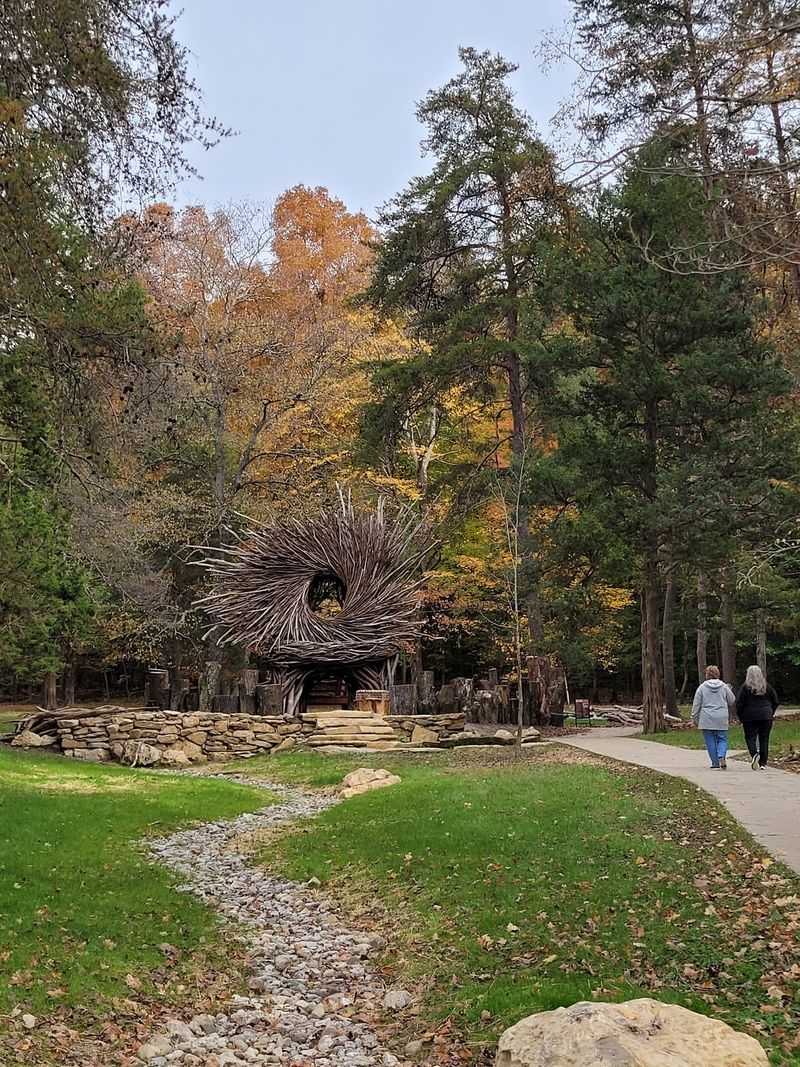
Seventy-five feet above the forest floor is a pretty great place to watch fall happen. The Canopy Tree Walk at Bernheim takes you right out there.
This walkway reaches into the treetops and opens up wide views of the woods. In autumn, that means a sea of color instead of plain green leaves.
Looking down on a forest changes how you see it. Branches, birds, and sunlight suddenly feel close enough to touch.
Not far away, another tall surprise waits. The Heart of the Forest features a 27-foot-tall Tin Man sculpture, and yes, he’s as striking as he sounds.
Bernheim loves blending art with nature. Its L+A+N+D initiative celebrates design ideas where creativity and the outdoors meet.
That mix keeps the visit from feeling predictable. One minute you’re watching leaves, and the next you’re staring up at a metal giant in the trees.
Save time for both stops if you can. Heights and art make a strong team, and Kentucky fall colors only make the pairing better.
Little Explorers Get 17 Wild Acres To Themselves
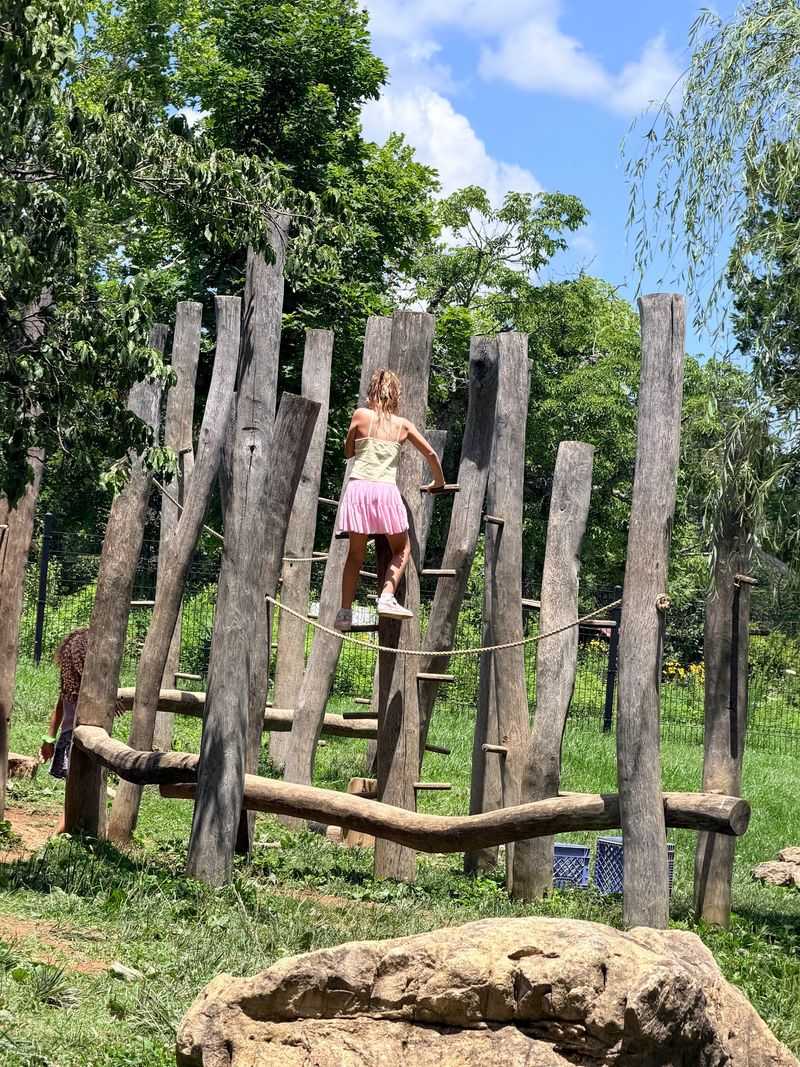
Swings are nice, but how about 17 acres of natural play? That’s the scale of Playcosystem at Bernheim.
This nature playground encourages free, wild, and adventurous play. It’s designed to spark imagination instead of handing kids a plastic slide and calling it a day.
Bernheim set out to make it the nation’s largest natural playground by 2025. That’s a big goal, and it fits a forest of this size.
Kids can climb, balance, and explore in a setting full of real trees and natural materials. Grown-ups get a breather and maybe a little nostalgia for simpler afternoons.
A Sensory Garden adds a calmer option nearby. It has five beds dedicated to each of the senses, plus a quiet space.
That garden can be a smart reset after high-energy play. Not every explorer needs to be climbing something every single minute.
Pack snacks, layers, and maybe a spare pair of socks. Natural play has a funny way of finding mud, especially in fall.
Mark Your Calendar For A Very Colorful November Weekend
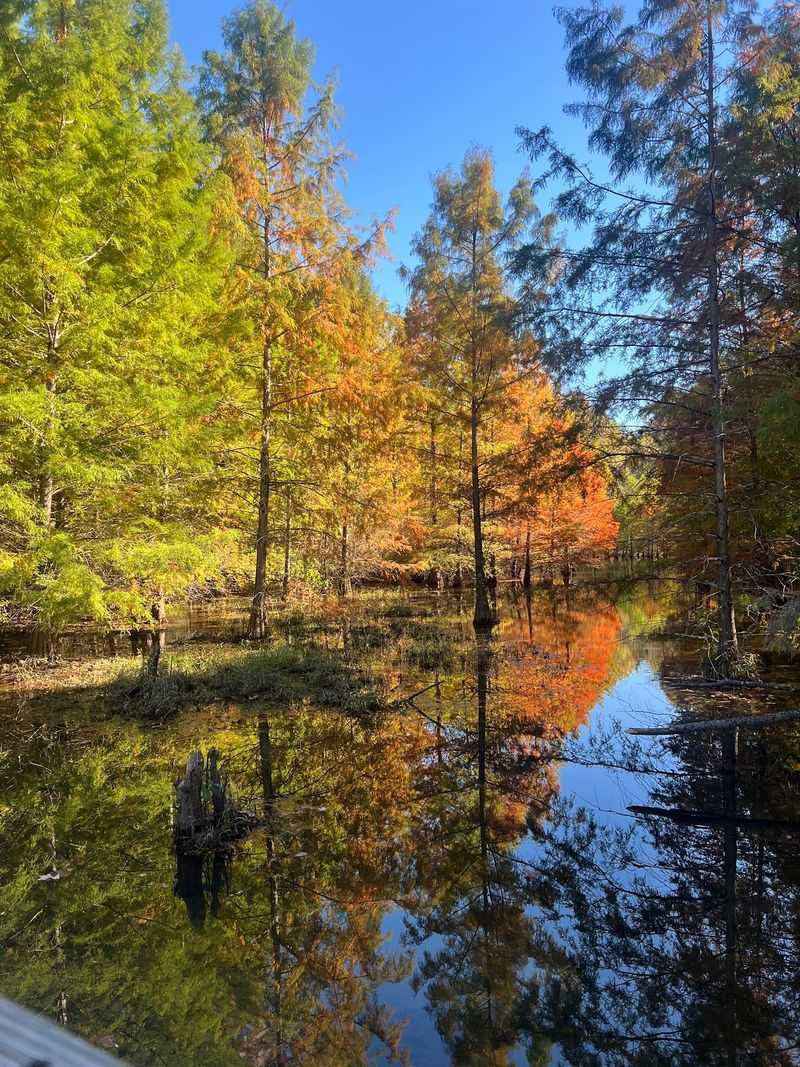
ColorFest turns 30 in 2026, and it lands on November 7-8. That’s a lot of birthdays spent surrounded by fall leaves.
The event brings family-friendly activities, music, and vendors to Bernheim during peak foliage season. It’s a festive way to celebrate the trees that make this place famous.
Fall at Bernheim offers more than one big weekend, though. The calendar also lists a Historic Fire Tower Tour, a Lake Nevin Bird Walk, and Forest Homeschool Hikes.
Some events sound delightfully cozy. Treeful Treats Along the Trail and Hot Cocoa and a Fall Hike at the Bean House are both on the list.
Adult Fall Camps add guided hikes, crafts, and hands-on activities for grown-ups. Kids shouldn’t get to have all the fun, after all.
Check the calendar early since programs can fill up. Fall is a popular season here, and good plans beat last-minute scrambling every time.
Pick one event and build your day around it. Then wander the rest of the forest like you’ve got nowhere else to be.
A Generous Gift From 1929 Still Welcomes You Every Day
Isaac W. Bernheim, a German immigrant, founded this forest in 1929.
He turned land once affected by logging and mining into a gift for the public.
The Olmsted Brothers, famous for their Central Park work, helped design the arboretum. The forest officially opened to the public in 1950.
Today, Bernheim Forest and Arboretum is Kentucky’s Official State Arboretum. Its 600-acre arboretum and more than 40 miles of trails give you plenty to explore.
The LEED Platinum Visitor Center opened in 2007 and runs from 10 a.m. to 4 p.m. It holds exhibits, a gift shop, and Isaac’s Cafe, which serves fresh, seasonal menus with local produce.
A recommended admission fee per car supports the forest, and members get in free. Bernheim closes for a few major holidays, so check dates first.
Bring a picnic, a fishing pole for Lake Nevin, or just your curiosity. Monarchs or not, this place knows how to make a fall day count.