This Polish Bakery In Illinois Serves Warm Bread And Pastries Daily
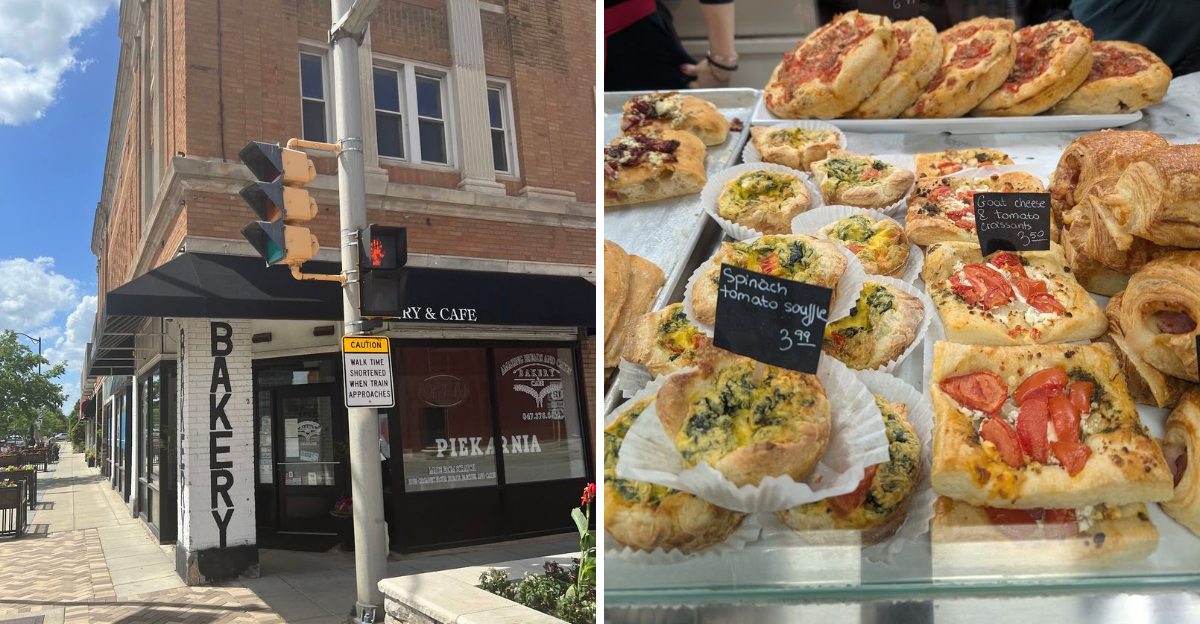
Some smells are basically a trap. Warm bread is the ringleader.
You go in for one loaf. You leave with three things, and only one of them was on the list.
Call it chemistry rather than weakness.
Illinois does Polish baking properly, and the state stays oddly quiet about it. This particular counter sits in the Chicago suburbs, run by a family that clearly takes flour seriously.
The sweets are not sugar bombs, which is the Polish way. Everything tastes made rather than manufactured.
The coffee is proper too, which makes lingering easy.
You will meet pastries you cannot pronounce yet. Pointing works beautifully, and nobody behind the counter will mind.
Keep reading, because your weekend now has a plan and a very specific destination.
The Bread Comes Out Warm
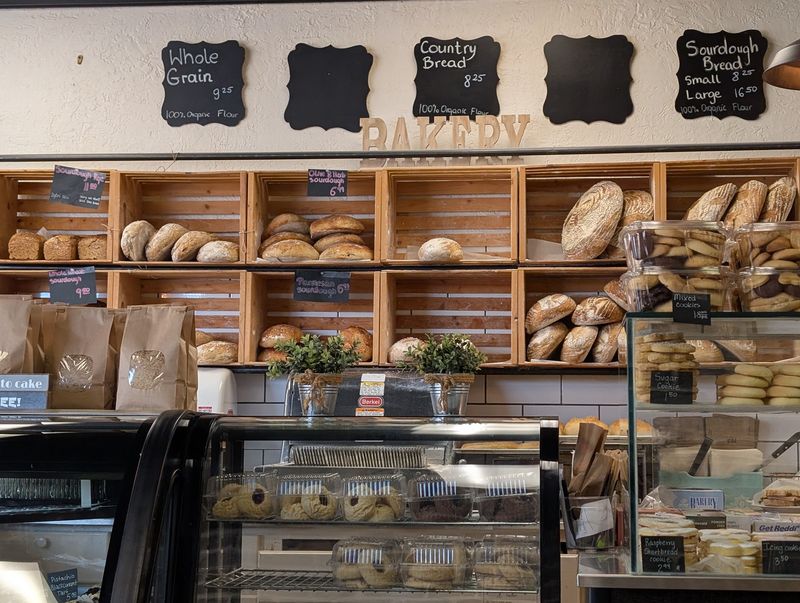
Amazing Breads and Cakes LLC builds its whole day around one simple promise. Bread comes out of the oven fresh, and it keeps coming out.
Polish bakeries take their loaves seriously. Rye is the backbone, dense and slightly sour, with a crust that crackles when you press it.
Ask for a loaf early and it may still be warm in your hands. Carry it to the car and the smell fills the whole seat.
Warm bread does not need much help. Butter is plenty, though a slice of good cheese never hurts anything.
Regulars will tell you the trick is buying two loaves. One gets eaten before dinner, which surprises nobody who has tried it.
Rye keeps well for days, unlike softer white breads. Store it in paper, not plastic, so the crust stays firm.
Timing matters more than you think here. Morning visits give you the widest choice and the freshest racks.
By late afternoon, the popular loaves often disappear. Show up early and you get first pick of everything.
Bread this fresh changes ordinary meals into something worth slowing down for. That is the quiet magic of a working neighborhood bakery.
You can find the shop at 1460 Miner St, Des Plaines, Illinois.
Paczki Season Turns Into A Local Event
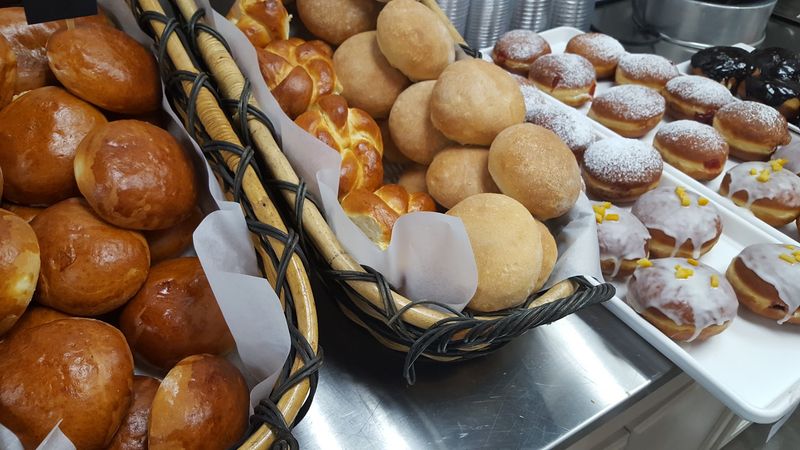
Once a year, powdered sugar becomes a citywide obsession in Illinois. Paczki Day arrives before Lent, and Polish bakeries brace for the crowd.
Paczki are not simply donuts, no matter what the box says. The dough is richer, heavier, and fried to a deep gold color.
Fillings range from rose petal jam to plum, raspberry, and sweet cheese. Each bite is dense in the best possible way.
Lines form early on Paczki Day at Polish bakeries across the Chicago area. Some shoppers order dozens ahead of time.
Here is a fun bit of history. Paczki began as a way to use up sugar and butter before Lent started.
Practical advice: call ahead if you want a large order. Popular flavors sell out faster than most people expect.
You do not need to wait for February either. Many Polish bakeries keep paczki in the case year round.
Eat one fresh and you will understand the fuss immediately. The sugar sticks to your fingers and you stop caring.
Bring a box to work and watch it vanish. Nothing builds goodwill quite like a tray of fresh paczki.
It is a tradition worth adding to your calendar.
Sweet Cheese And Fruit Pastries Worth Slowing Down For
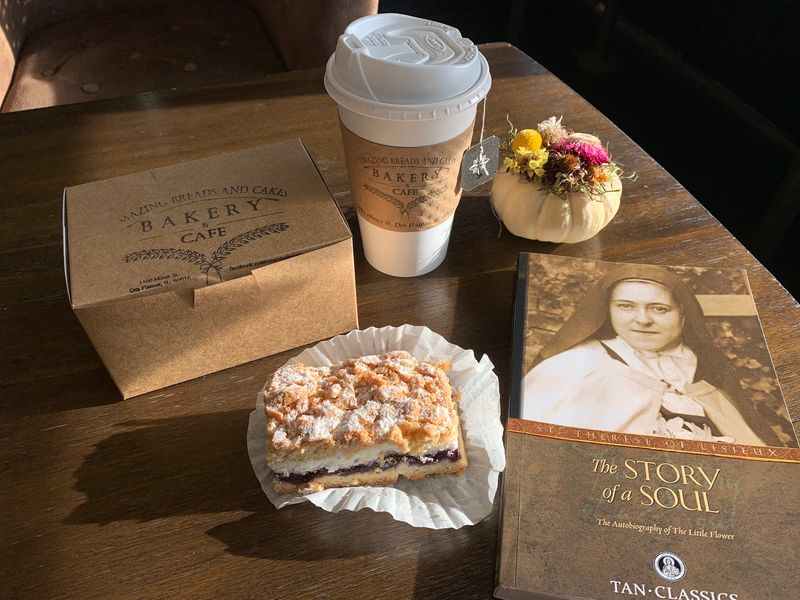
Polish pastry counters run on cheese, fruit, and crumb topping. The combinations look simple until you taste one.
Sweet farmer cheese shows up in danishes, buns, and squares of flaky dough. It is mild, slightly tangy, and less sugary than American cream cheese fillings.
Fruit versions lean on plum, cherry, apricot, and apple. The jam is thick and dark, spooned in generously.
Streusel topping seals the deal on most of them. Those buttery crumbs are the first thing to disappear off the plate.
Pair a cheese pastry with black coffee for the best balance. The bitterness cuts through the richness nicely.
Portions tend to run larger than at chain coffee shops. Two people can easily split one and feel satisfied.
Prices at neighborhood bakeries usually beat big cafes by a wide margin. Reviewers often mention the value as much as the flavor.
If you are shopping for a group, mix your box. Grab a few cheese, a few fruit, and let people argue over favorites.
Pastries taste best the day you buy them. A quick warm-up the next morning brings back most of the magic.
Simple, honest baking still wins.
Cakes Built For Birthdays, Weddings, And Random Tuesdays
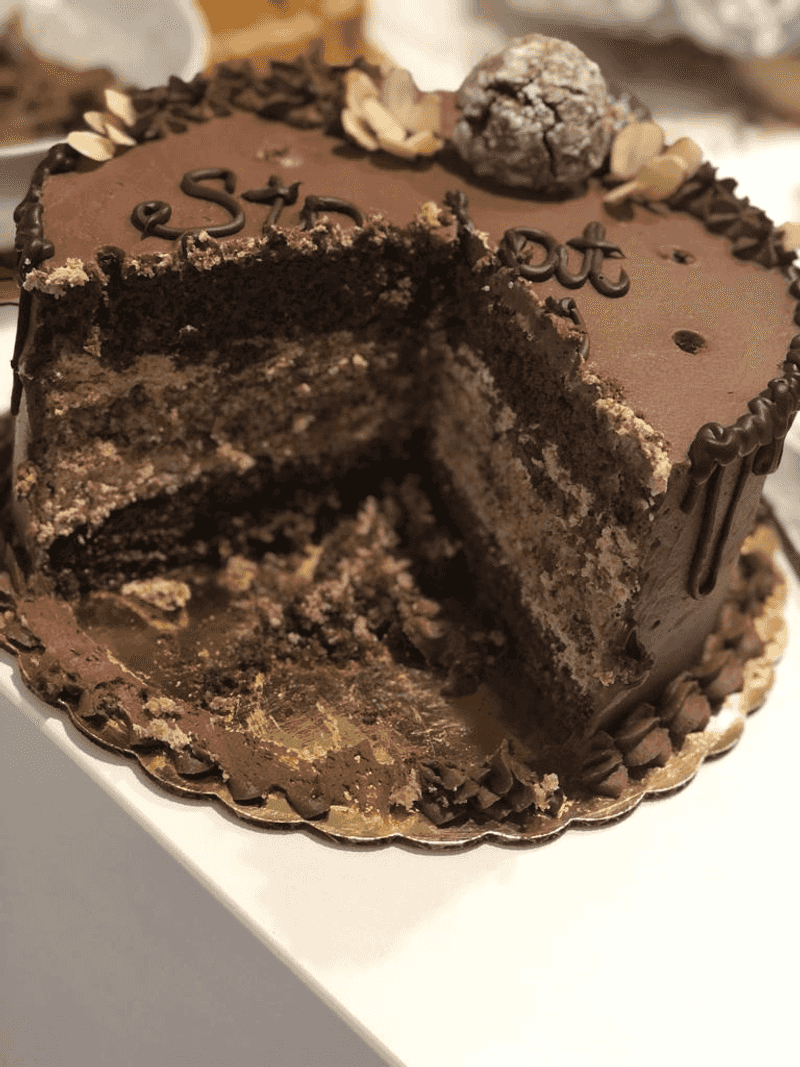
The name says breads and cakes, and the cakes hold up their end. Polish bakery cakes lean toward lighter frosting and real fruit.
Whipped cream and fruit layers show up often instead of heavy buttercream. The result feels less sugary and easier to finish.
Poppy seed cake is a classic worth trying at least once. Dark, nutty, and not too sweet, it splits opinions in the best way.
Honey cake is another staple, built from thin layers and soft cream. Each slice holds its shape like a little tower.
Custom orders are common at bakeries like this one. Call with your date, size, and flavor preferences well in advance.
Graduation season keeps ovens busy.
Ask about writing on the cake and color choices when you order. Small shops often accommodate more than chain grocery bakeries.
Whole cakes are not your only option either. Individual slices let you sample before committing to a party order.
Bring one to a family dinner and skip the store-bought box. People notice the difference immediately.
Good cake does not need a special occasion. Tuesday counts.
A Small Storefront With Big Neighborhood Energy
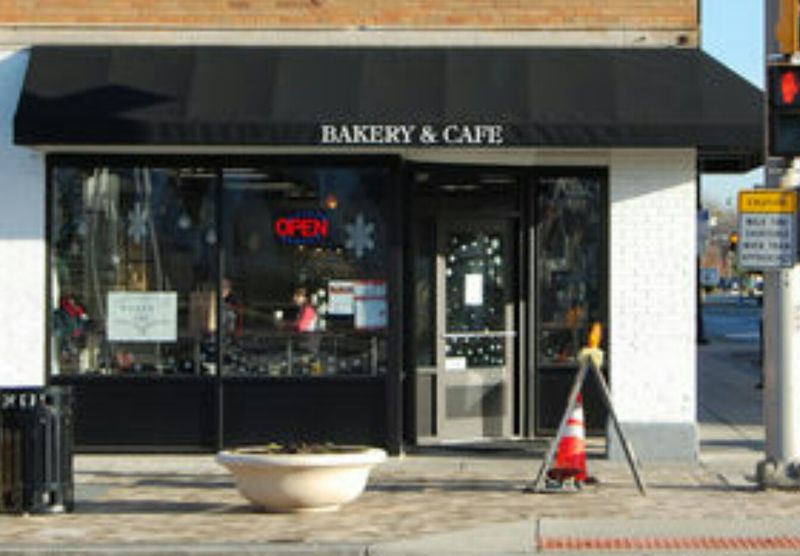
Miner Street runs through the heart of Des Plaines, and the bakery sits right along it. The building is modest and easy to drive past.
Inside, the space is compact. Display cases do the talking, and the smell handles the advertising budget.
Customers greet each other by name in shops like this. Regulars know the schedule and the staff know the regulars.
The counter moves fast during morning rush. Have a rough idea of what you want before your turn.
Pointing works fine if you do not know the Polish names. Nobody minds, and staff are used to helping newcomers.
Parking in the area is straightforward on most days. Street spots and nearby lots handle the traffic.
Des Plaines has a strong Polish community, and bakeries like this one reflect that history. The food is not a theme, it is daily life.
Support for these shops keeps the tradition going. Every loaf sold funds tomorrow morning’s batch.
Small storefronts hold the best surprises. This one earns its reputation quietly.
Savory Options That Turn A Snack Into Lunch
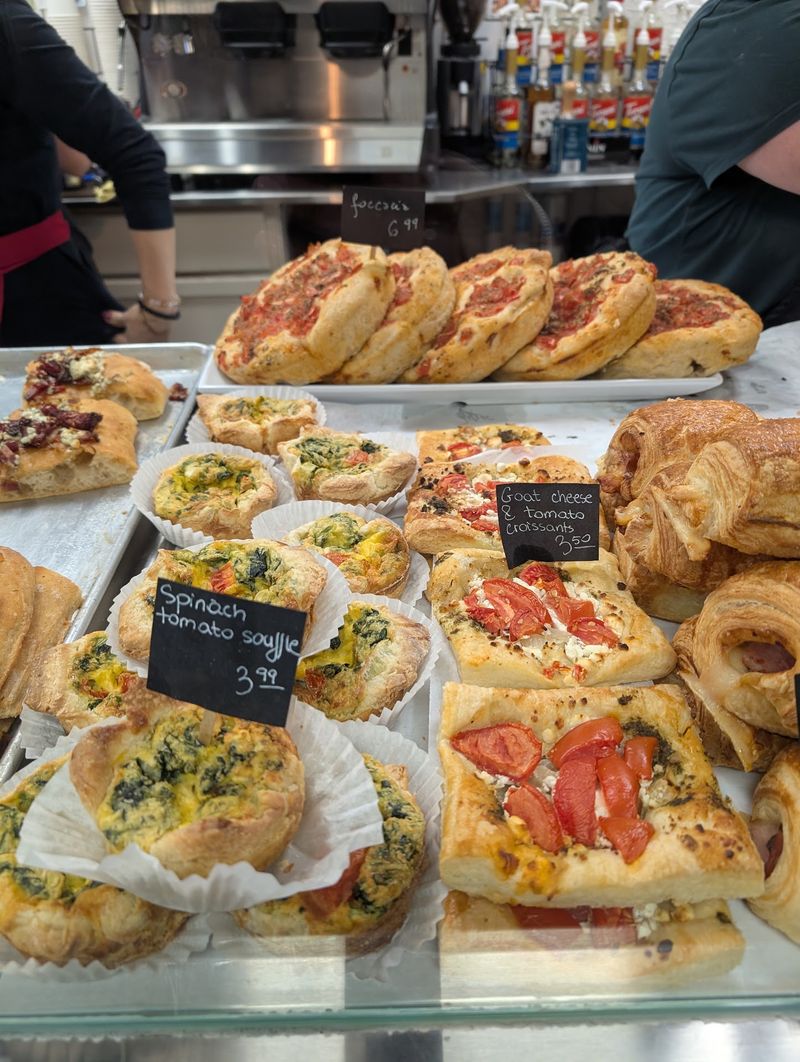
Sweet gets the headlines, but savory items quietly steal the show. Polish bakeries handle meat and cabbage fillings with real skill.
Rolls stuffed with seasoned filling make a fast, filling lunch. They travel well and reheat without falling apart.
Cabbage and mushroom fillings are traditional and surprisingly satisfying. Even people who skip vegetables tend to finish these.
Pair a savory roll with a slice of rye and you have a real meal. No plate required.
Prices stay friendly, which makes experimenting easy. Try two things you cannot pronounce and see what happens.
Ask the staff what came out most recently. Warm always beats room temperature with baked savories.
These items suit road trips and lunch boxes nicely. Wrap them in foil and they stay decent for hours.
Office potlucks are another good use. A tray of savory pastries stands out next to the usual chips.
Keep a few in the freezer for busy nights. A short oven visit brings the crust back to life.
Savory baking rarely gets enough credit. Give it a shot and your lunch routine improves fast.
Rye Bread Deserves Its Own Fan Club
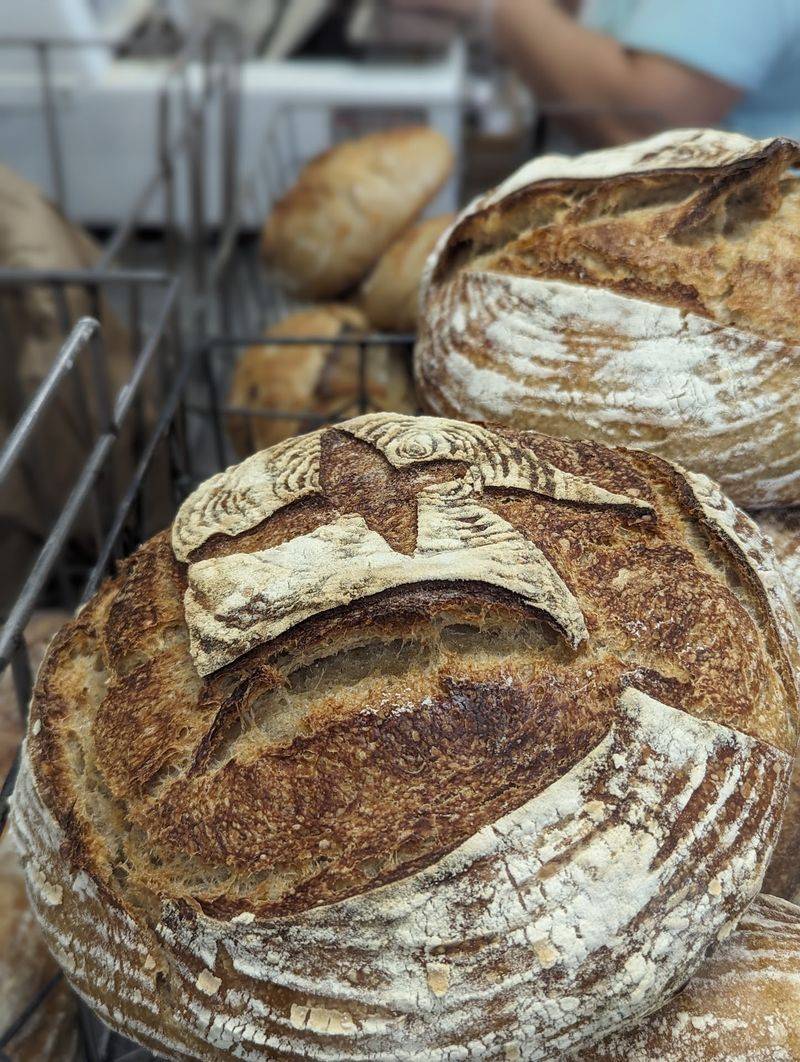
Rye is the quiet star of Polish baking. It is dense, tangy, and built to last more than a day.
The flavor comes from a sour starter, not from added sugar. That gives each slice depth without sweetness.
Caraway seeds appear in many versions and add a warm, slightly citrusy note. Some loaves skip them entirely for a cleaner taste.
Sandwiches on real rye hold together better than soft supermarket bread. Fillings stay put instead of sliding out the sides.
Try it toasted with butter and a sprinkle of salt. Simple, and hard to stop eating.
Rye also pairs beautifully with soup. A thick slice soaks up broth without turning to mush.
Storage tip: keep the cut side face down on a board. The crust protects the crumb better than any bag.
Slices freeze well too. Pull out what you need and toast straight from frozen.
Once you get used to bakery rye, packaged bread feels like a downgrade. Regular customers say the same thing.
Buy a loaf and test the theory yourself. The bread will not last long enough for second thoughts.
How To Plan Your First Visit Like A Regular
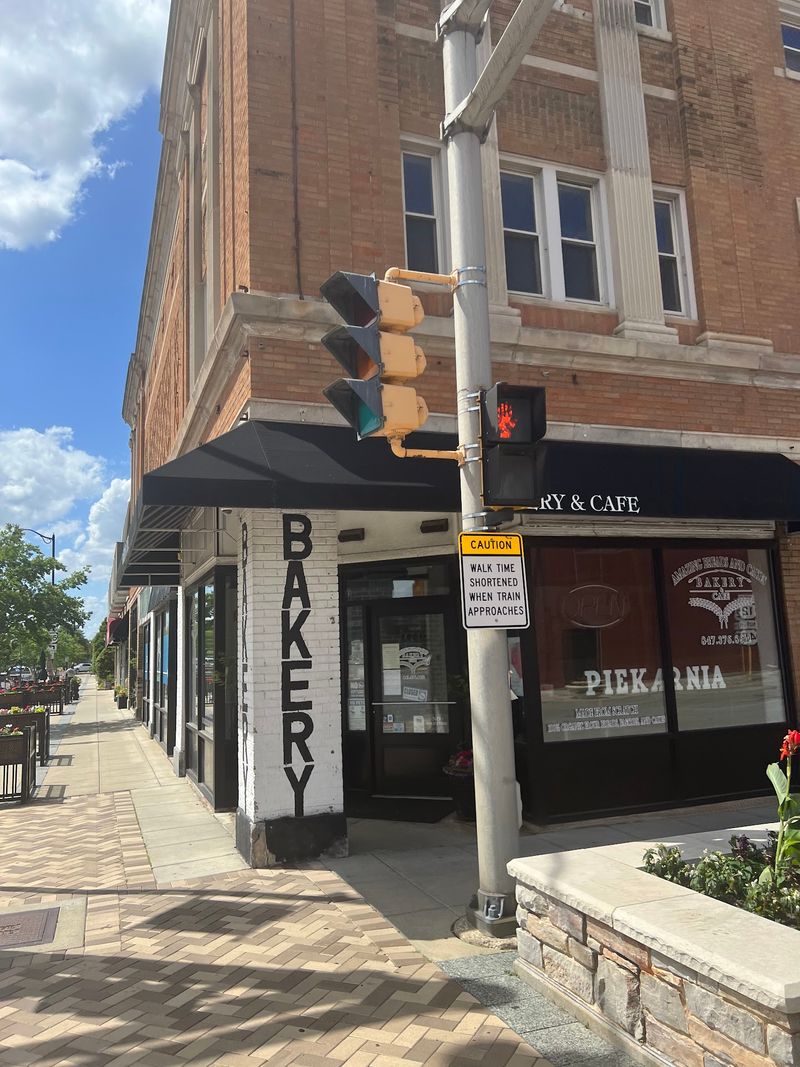
First visits go smoother with a little strategy. Morning is the golden window, when racks are full and everything is warm.
Bring a reusable bag or a box for the drive home. Paper bags soften quickly with steam from fresh bread.
Order bread first, then browse the pastry case while you wait. Popular loaves move fastest.
Do not overthink the unfamiliar names. Ask what is fresh out of the oven and take the recommendation.
Buy a little more than you planned. Sharing bakery finds is how you build a reputation among friends.
Saturday brings bigger crowds, especially before holidays. Weekday mornings feel calmer and less rushed.
Check hours before you drive over, since small bakeries sometimes adjust their schedule. A quick call saves a wasted trip.
Once you find your favorite item, stick with it and add one new thing each visit. That is how regulars discover everything eventually.
Warm bread and fresh pastries are not a special occasion in Des Plaines. They are simply Tuesday, if you know where to go.