This Quiet California City Is One Of The Few Places Where Living On Social Security Still Feels Possible
You almost don’t check anymore. It never works. Fixed income and California don’t usually belong in the same sentence.
Then something interrupts that thinking in a way that’s hard to ignore, not dramatic, just different enough to make you pause and look twice instead of closing it out like you normally would.
One number leads to another. Rent. Utilities. Daily costs. They line up in a way that feels unfamiliar, like the pressure isn’t stacking up all at once for once. You test it again just to be sure. Still holds.
That’s when the shift happens. Slowly. Then all at once.
Instead of planning around what you have to cut, you start thinking about what would actually work long term, what it would feel like to live somewhere that doesn’t constantly push back against your budget.
Living on a fixed income in California sounds unrealistic until something quietly proves otherwise.
And once that idea lands, it changes how everything else looks.
Housing Costs Are Lower Than Most California Cities
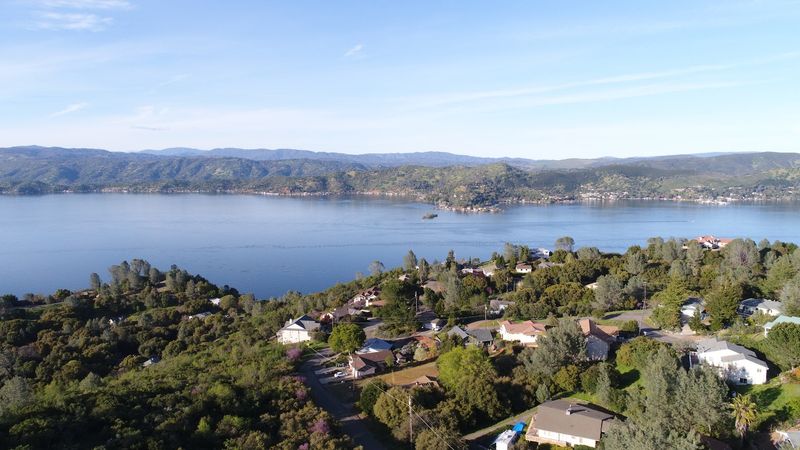
Finding a home in California for under $250,000 feels like searching for a needle in a haystack, but Clearlake makes it more realistic than most would expect.
The median value of owner-occupied housing units in Clearlake sits at approximately $214,200, which is a striking contrast to coastal California cities where median home prices routinely exceed $700,000.
For Social Security recipients, lower home prices mean lower mortgage payments or smaller down payments, which can make a meaningful difference on a fixed monthly budget.
Renting is also an option, with one-bedroom apartments averaging around $1,300 per month, though that figure is still roughly 16% above the national average.
The key takeaway is that compared to the broader California housing market, Clearlake offers a more accessible entry point.
Buyers and renters alike tend to find more square footage for their dollar here than in cities like Sacramento, San Jose, or Los Angeles.
For someone already receiving Social Security, the lower baseline cost of housing could free up room in a monthly budget for food, utilities, and healthcare without feeling constantly stretched thin.
The City Sits On The Shores Of Clear Lake

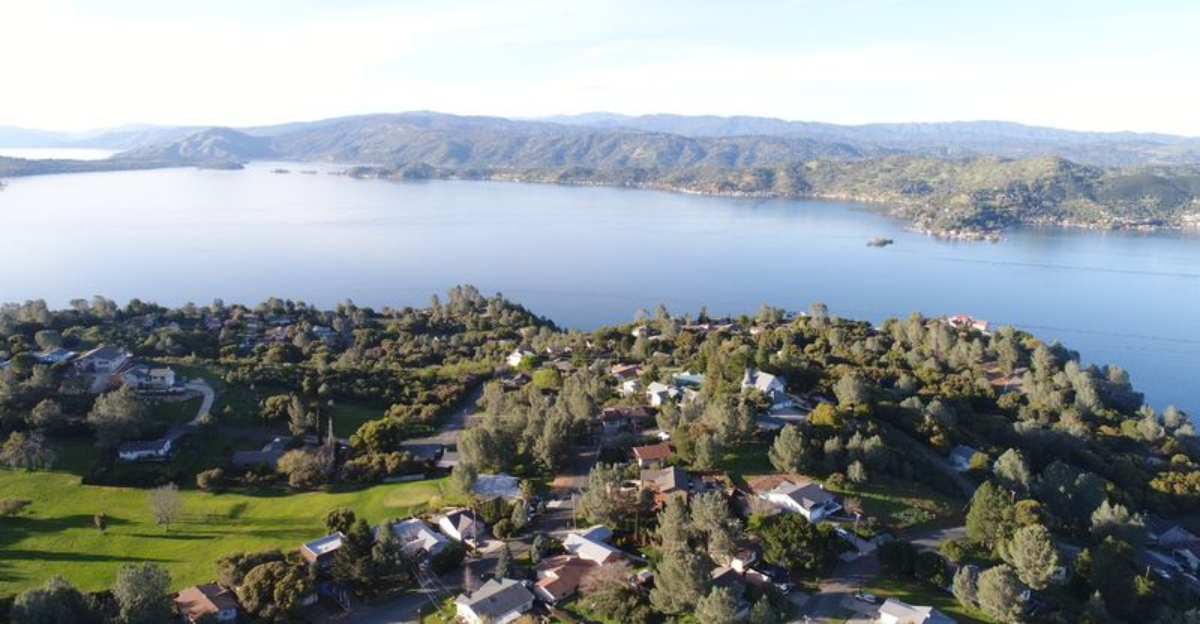
Clear Lake is the largest natural freshwater lake entirely within California, and the city of Clearlake wraps right along its southern and eastern shores.
Having a major lake this close to home adds a quality-of-life element that money usually cannot buy in most California cities, yet here it comes with the territory.
Fishing on Clear Lake has a long-standing reputation, particularly for bass fishing, and the lake draws anglers from across the state throughout the year.
Public access points allow residents to launch boats, fish from the shore, or simply sit near the water without paying entrance fees at many spots.
For retirees and Social Security recipients, free or low-cost outdoor recreation is a practical financial benefit that tends to get overlooked in cost-of-living conversations.
Spending an afternoon by the lake costs nothing, and the calming effect of waterfront access on daily stress levels is a real quality-of-life factor.
The lake also supports a small but active community of birdwatchers, kayakers, and nature walkers who take advantage of the shoreline throughout different seasons of the year.
Population Size Keeps The Pace Of Life Manageable
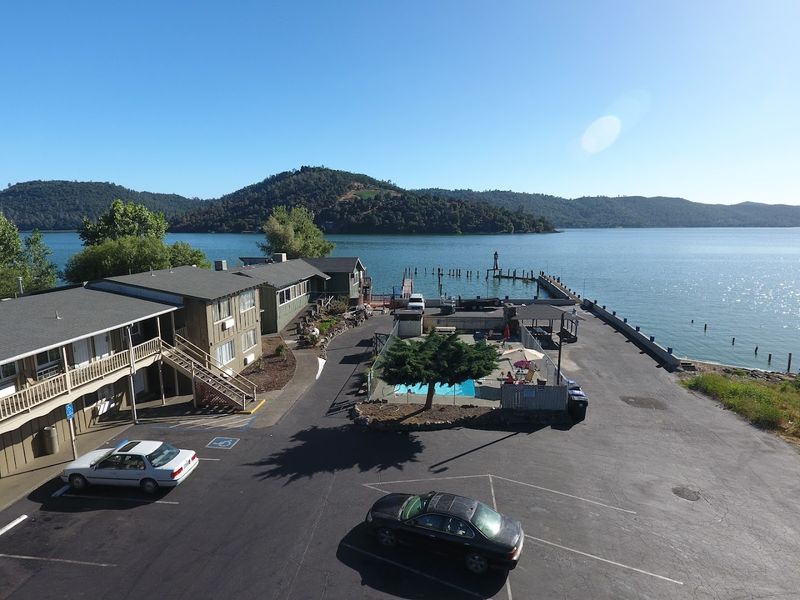
With roughly 16,685 residents recorded in the 2020 census, Clearlake is genuinely small by California standards.
That size translates directly into a calmer, less congested daily experience that many retirees actively seek when choosing where to spend their later years.
Traffic in smaller cities tends to be lighter, grocery store lines move faster, and the general rhythm of daily errands feels less exhausting.
For someone managing health concerns or simply preferring a quieter environment, that difference in daily pace matters more than many financial comparisons can capture.
The city has grown modestly over time, with the population rising from 15,250 in 2010 to 16,685 in 2020, suggesting steady but not overwhelming development.
A city that grows slowly tends to maintain its character and avoid the rapid rent inflation that often follows population booms in more popular destinations.
For Social Security recipients who value predictability and stability in their living environment, a smaller and slower-growing city like Clearlake can provide a sense of groundedness that larger, faster-changing cities rarely offer anymore.
Median Age Reflects A Community With Older Residents
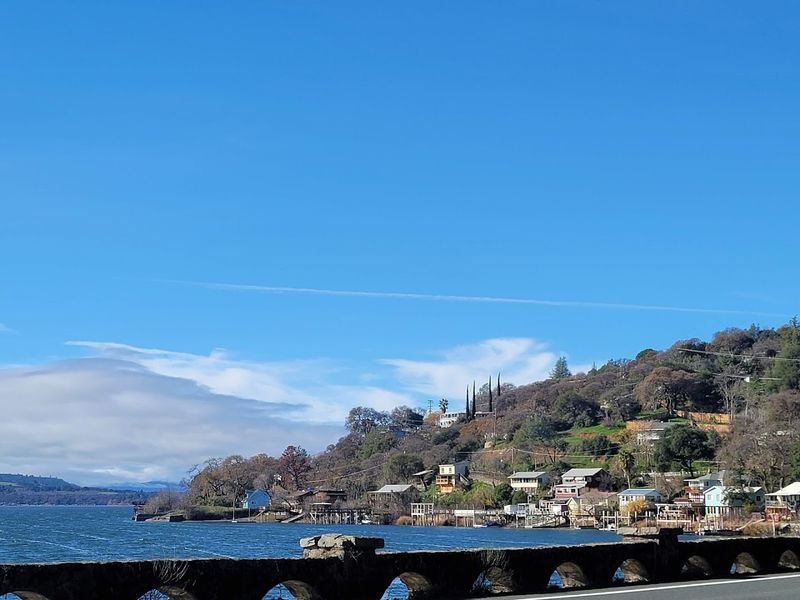
The median age in Clearlake is 37.5 years, which is relatively young compared to some retirement-heavy communities but still reflects a population that includes a meaningful share of middle-aged and older adults.
A community with a range of ages tends to support services and infrastructure that benefit retirees without creating the isolation that sometimes comes with living in an exclusively senior-focused area.
Having neighbors of various age groups can make daily life feel more connected and less segregated by generation.
Local businesses, healthcare providers, and community programs often calibrate their offerings to serve the population they actually have, which means older residents are likely to find relevant services without having to travel far.
For someone living on Social Security, proximity to healthcare and senior services is a practical financial concern as much as a comfort one.
Fewer miles driven to appointments means lower fuel costs, and a community that already serves older adults tends to have shorter wait times and more familiarity with the needs of that demographic.
Clearlake’s age profile suggests it has developed alongside a population that includes long-term residents who have aged in place over many years.
Elevation And Climate Create A Distinct Living Environment
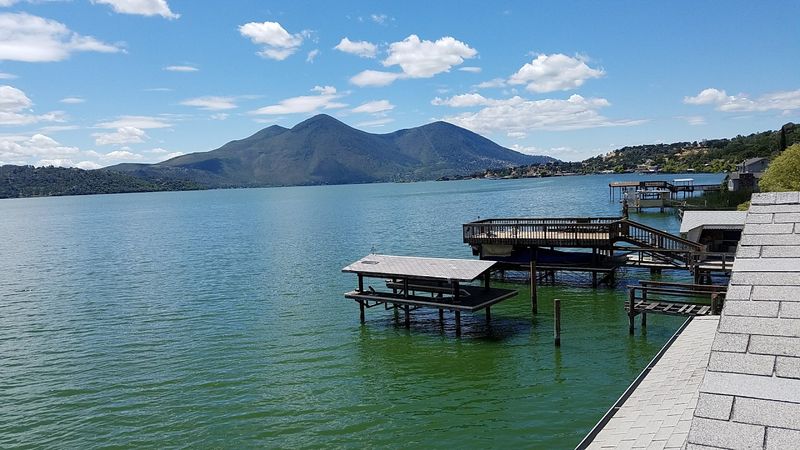
Sitting at an elevation of 1,417 feet, Clearlake experiences a climate that differs noticeably from California’s coastal cities.
Summers tend to be warm and dry, while winters bring cooler temperatures and occasional rainfall that refreshes the surrounding landscape without the extreme cold found in higher-elevation mountain towns.
For retirees sensitive to extreme heat or humidity, the inland lake climate of Clearlake can feel more manageable than the Central Valley’s intense summer heat.
The lake itself has a moderating effect on temperatures, keeping the area from swinging too far in either direction during seasonal transitions.
Heating and cooling costs are a real consideration for anyone on a fixed income, and a climate that avoids the most extreme temperature ranges can help keep utility bills more predictable throughout the year.
Outdoor activities remain accessible across most of the calendar, which supports both physical health and mental well-being without requiring expensive gym memberships or travel.
The combination of elevation, lake proximity, and inland positioning gives Clearlake a microclimate that feels genuinely different from the California most people picture when they think of the state.
Overall Cost Of Living Is Lower Than Most Of California
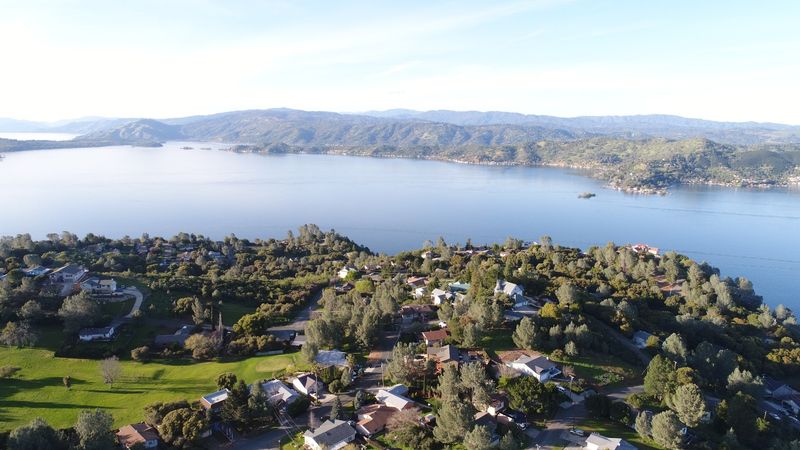
Compared to the broader California landscape, Clearlake holds a notable position as one of the more affordable cities in the state.
While the overall cost of living runs approximately 43% above the national average, it sits only about 2% above the California state average, meaning it competes favorably against the majority of cities within the state itself.
For Social Security recipients who have already decided to remain in California, that comparison is the one that matters most.
Moving to Clearlake from a city like San Francisco or Santa Barbara could represent a significant reduction in monthly expenses, even if the raw numbers still feel high compared to other states.
Groceries, local services, and everyday spending in smaller inland cities tend to run lower than in coastal metros, and Clearlake reflects that pattern to a reasonable degree.
The city does not offer the cheapest living in the country, but within California, it stands as a realistic option for those who want to stay close to family or familiar surroundings while stretching a Social Security check further than they could in a larger city.
Every dollar saved on housing and daily costs adds up significantly over a year.
Recreational Access Reduces The Need For Paid Entertainment
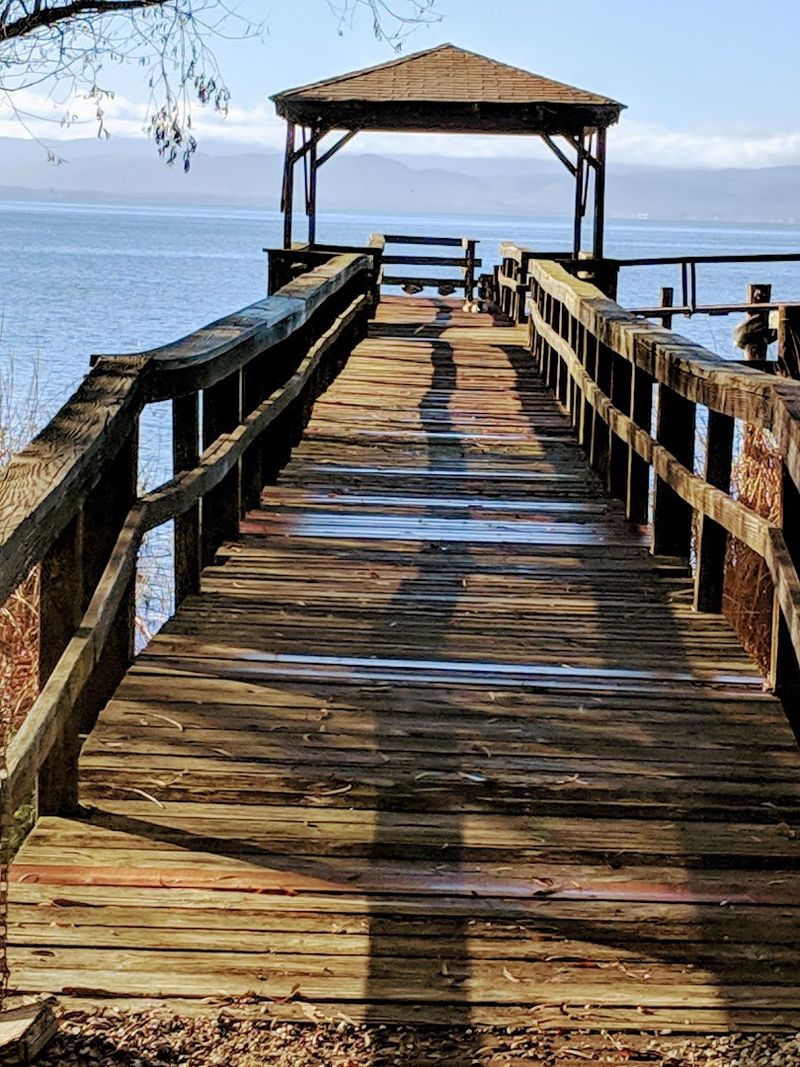
One of the quieter financial advantages of living in Clearlake is the amount of free or low-cost recreation available right outside the door.
Clear Lake offers fishing, boating, birdwatching, and shoreline walking without requiring expensive memberships, travel, or admission fees at many public access points.
Bass fishing on Clear Lake has earned a national reputation among anglers, and the lake consistently draws visitors who come specifically for the sport.
For residents, that same resource is simply part of daily life, available whenever the mood strikes without requiring a special trip or significant spending.
Outdoor recreation has well-documented benefits for physical health and mental well-being, and having consistent access to nature without a price tag attached makes a measurable difference for retirees on tight budgets.
Spending an afternoon fishing, walking along the water, or watching birds from a public shoreline costs nothing but time.
Over the course of a month, replacing paid entertainment with free outdoor activities can save a meaningful amount of money for someone managing a Social Security budget.
Clearlake’s natural setting makes that kind of lifestyle genuinely sustainable rather than just theoretically possible.
The City Is Located In Lake County, A Rural Setting
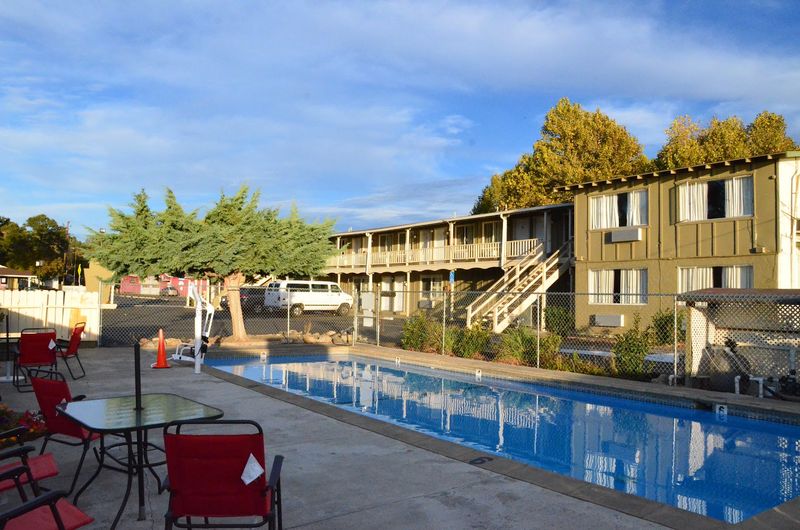
Lake County surrounds Clearlake and gives the city its rural character, which contributes directly to its lower cost profile compared to urban California.
Rural counties in California tend to have lower property taxes, less commercial density, and a slower pace of development that keeps prices more stable over time.
For retirees, a rural setting also means less noise, less traffic, and a greater sense of space in daily life.
The surrounding hills and open land create a visual and physical buffer from the kind of urban density that can make city living feel relentless and exhausting over time.
Lake County itself offers additional resources and services that benefit Clearlake residents, including county-level senior programs, healthcare access, and community support networks that extend beyond what the city alone provides.
Understanding the county context matters because many services available to Clearlake residents are funded and administered at the county level rather than the city level.
For someone considering a move based on available support systems, researching Lake County’s senior and social services alongside Clearlake’s city resources will give a more complete picture of what daily life on a fixed income could actually look like in this part of California.
Compared To Coastal California, Clearlake Offers A Genuine Alternative
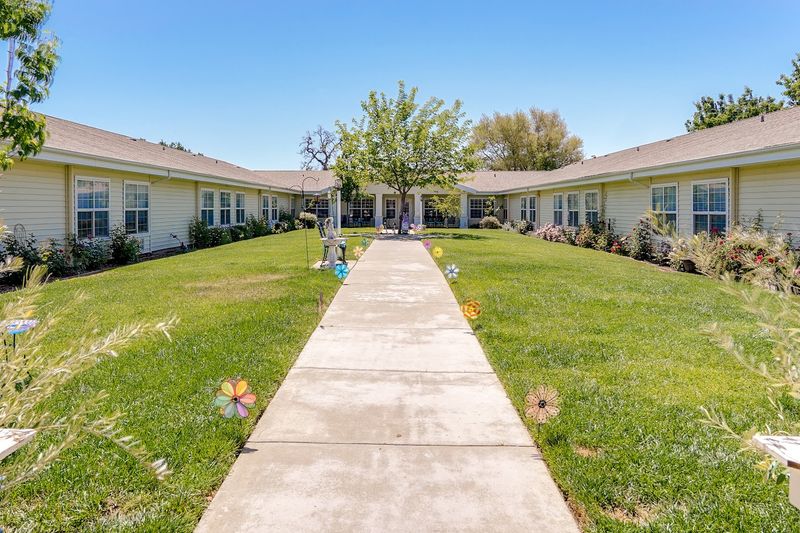
Coastal California cities like San Francisco, Santa Cruz, and San Diego carry housing costs that place them entirely out of reach for most Social Security recipients, with median home prices that can exceed $800,000 or even $1 million in some neighborhoods.
Against that backdrop, Clearlake’s median home value of around $214,200 represents a fundamentally different financial reality.
The trade-off is real and worth naming honestly: Clearlake does not offer the cultural amenities, healthcare infrastructure, or employment opportunities of a major coastal city.
For retirees who have already wound down careers and prioritize affordability, natural beauty, and a quieter life over urban convenience, that trade-off tends to feel more acceptable.
The city is approximately 2.5 hours from Sacramento and about 2 hours from the Bay Area by car, which means access to major medical centers, airports, and family in larger cities remains possible without requiring a permanent move.
For someone weighing options across California, Clearlake occupies a specific and honest niche: it is not the cheapest place in the country, but it is one of the few places in California where a fixed-income lifestyle can still function with careful planning and realistic expectations firmly in place.