This Quiet Rhode Island Cemetery Holds The Grave Of America’s Most Famous Vampire
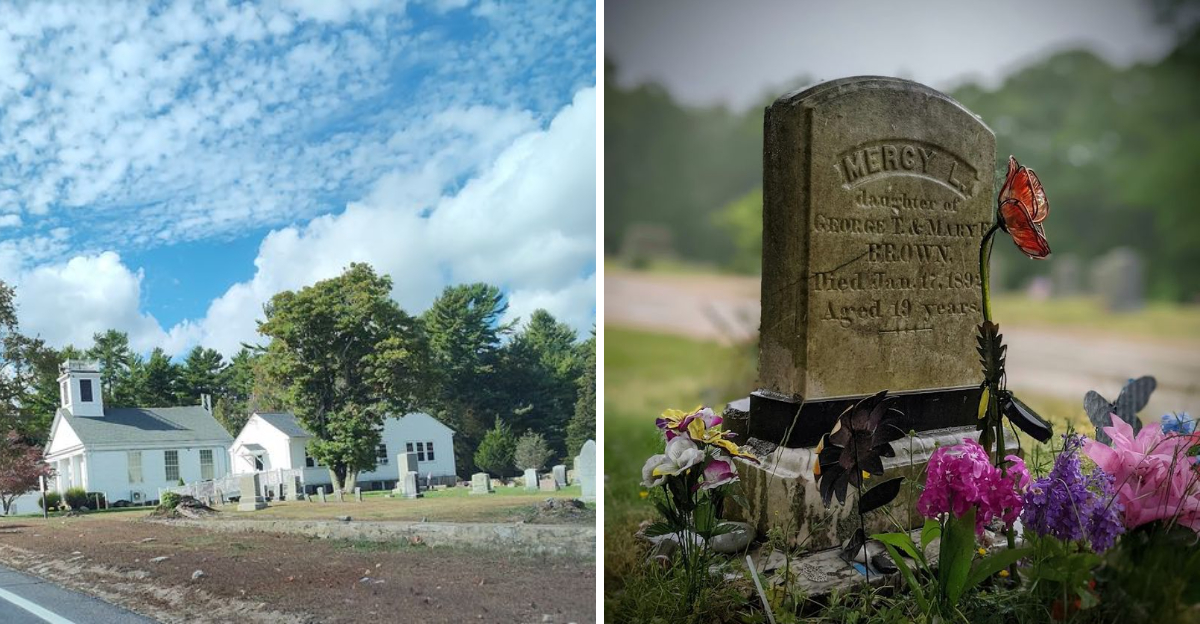
Rhode Island looks peaceful until you learn what is buried here. One quiet country cemetery holds the grave of America’s most famous vampire.
And the real story is stranger than any movie.
She was a teenager in the late 1800s. Back then people did not understand the disease she had, so panic filled in the blanks.
Her neighbors became convinced she was feeding on the living.
What happened next involves an exhumation and a very dark ritual. The details are grim, true, and genuinely hard to shake.
Some believe the tale even inspired a certain Irish author’s classic novel.
Today her headstone still draws curious visitors year-round. People leave trinkets, pay respects, and feel a small chill.
History this eerie rarely sits in plain sight.
Bring a little courage and a lot of curiosity. Some legends are buried closer to home than you think.
The Story Behind Mercy L. Brown
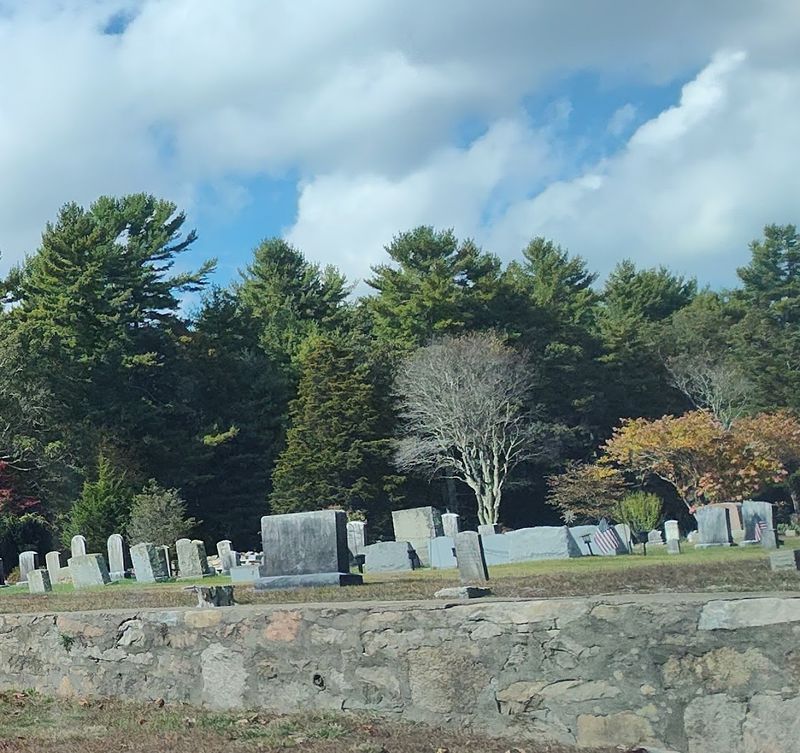
Chestnut Hill Cemetery is where one of the strangest chapters in American history quietly unfolded. Most visitors pass it without a second glance.
But once you know the story, every crumbling headstone feels different.
Mercy L. Brown was a 19-year-old girl who passed away in January 1892 from tuberculosis, a disease that was devastating communities across New England at the time.
Her mother and sister had already passed from the same illness. When her brother Edwin also fell gravely ill, the community began to whisper about something supernatural.
Desperate neighbors convinced the family to exhume the bodies of the women. Mercy’s body was reportedly still in unusually good condition.
Locals believed she was drawing life from the living, a belief rooted in old European folklore that had quietly traveled to America.
Her heart was removed and burned, and the ashes were reportedly given to Edwin as medicine. He passed away two months later.
The story was widely reported and is believed to have partially inspired Bram Stoker’s Dracula.
What Vampire Folklore Meant To 19th-Century New Englanders
Before you picture capes and coffins, stop. The vampire panic that gripped rural New England in the 1800s had nothing to do with Hollywood monsters.
It was born from grief, fear, and a complete lack of medical understanding.
Tuberculosis, then called consumption, was spreading through families like wildfire. When one family member passed and others started showing symptoms, people searched for explanations.
The idea that the recently buried were somehow pulling vitality from the living made terrible sense in a world without germ theory.
Bodies decompose at different rates depending on soil, temperature, and coffin conditions. When exhumed bodies appeared fresh or showed liquid blood, communities took that as proof of something unnatural.
They were not monsters or superstitious fools. They were frightened people trying to protect their families with the only knowledge they had.
This context makes Mercy Brown’s story feel far more human and heartbreaking than spooky. Her community was not cruel.
They were scared.
Understanding that changes how you feel standing at her grave. It stops being a ghost story and starts being a reminder of how far medicine and compassion have come since then.
Getting To Chestnut Hill Cemetery
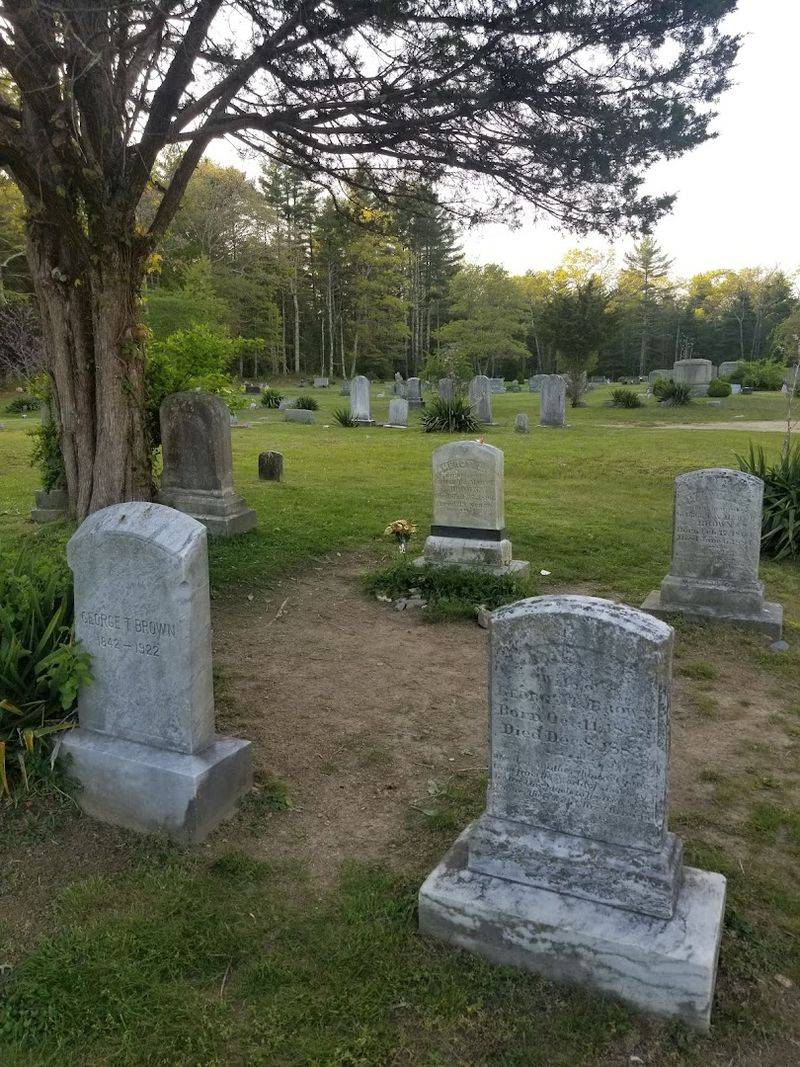
Finding Chestnut Hill Cemetery is surprisingly easy, which makes it all the more interesting that so few people know about it.
The address is 467 Ten Rod Rd, Exeter, RI 02822, and it sits right along the road, completely visible from your car.
There is a small gravel area where you can park. The cemetery is not large, and you can walk the entire grounds in about ten minutes.
Mercy’s grave is clearly marked and easy to locate near the back of the property.
Exeter itself is a quiet, rural town in Washington County. There are no major tourist attractions pulling crowds in.
That is exactly what makes this place feel so authentic.
You are not fighting foot traffic or buying tickets. You simply show up, walk in, and stand in front of a piece of genuinely strange American history.
The drive through Exeter is scenic and peaceful, with rolling farmland and old stone walls lining the roads. It is the kind of place that feels completely removed from modern noise.
Plan a visit in the late afternoon when the light hits the old stones just right. It is unexpectedly beautiful out there.
Mercy’s Headstone Up Close
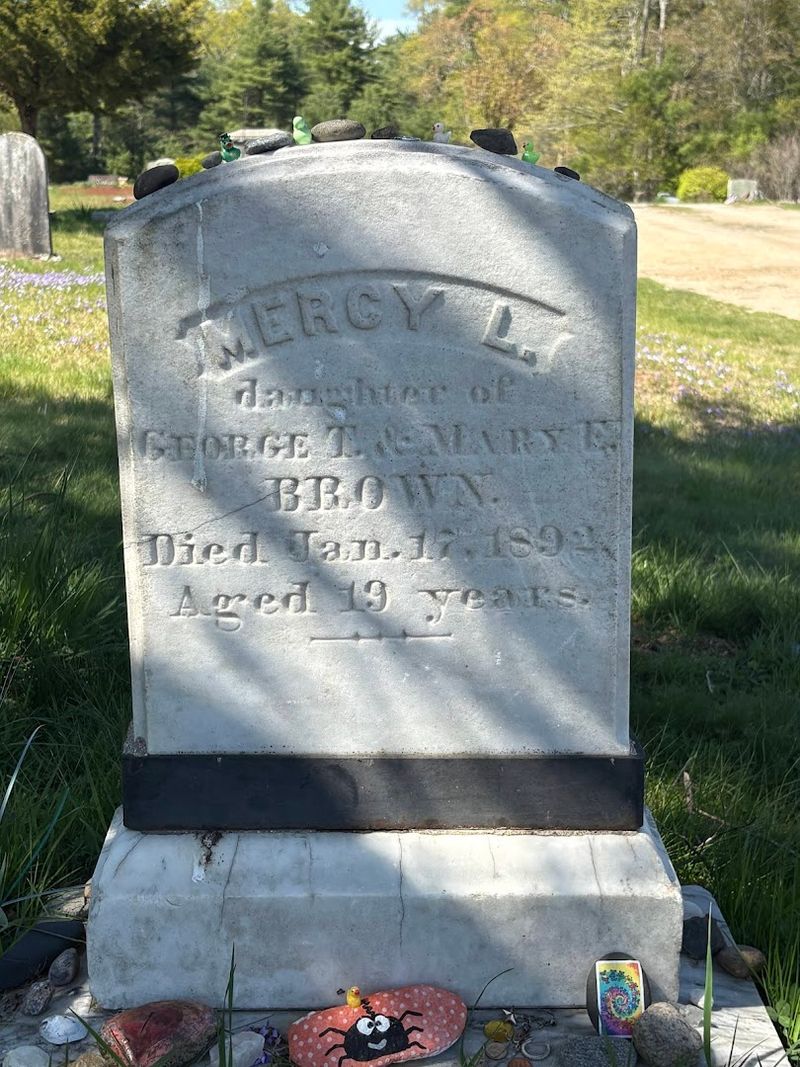
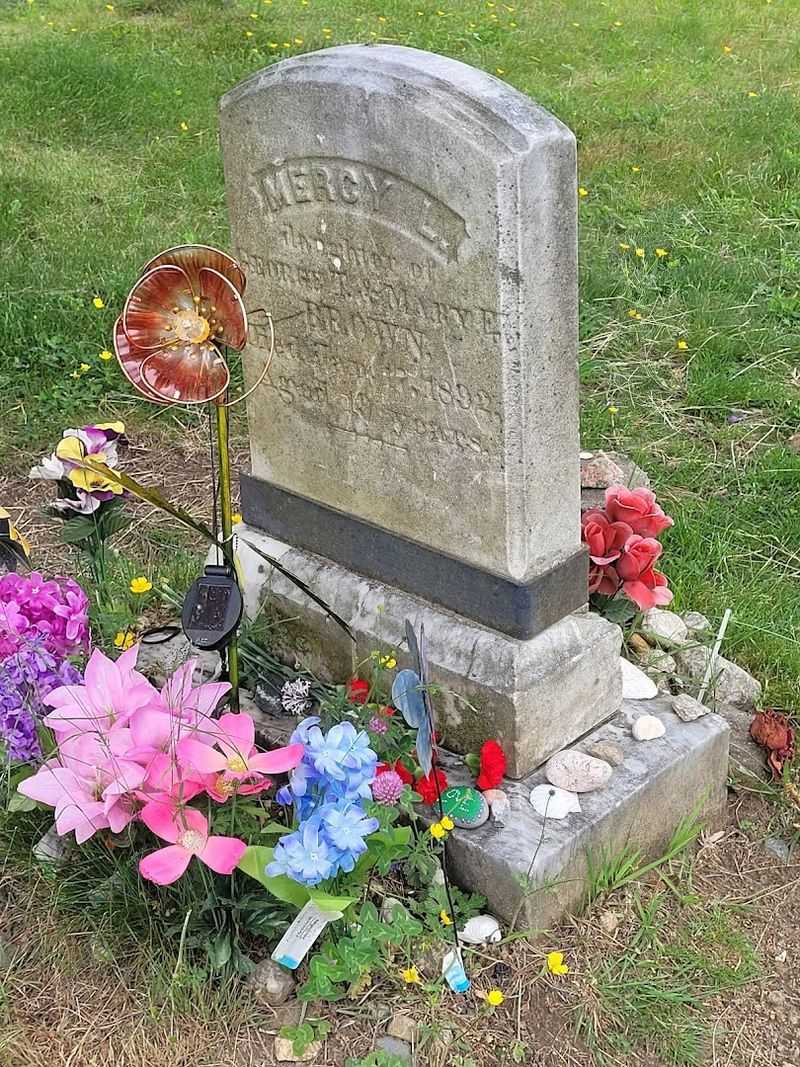
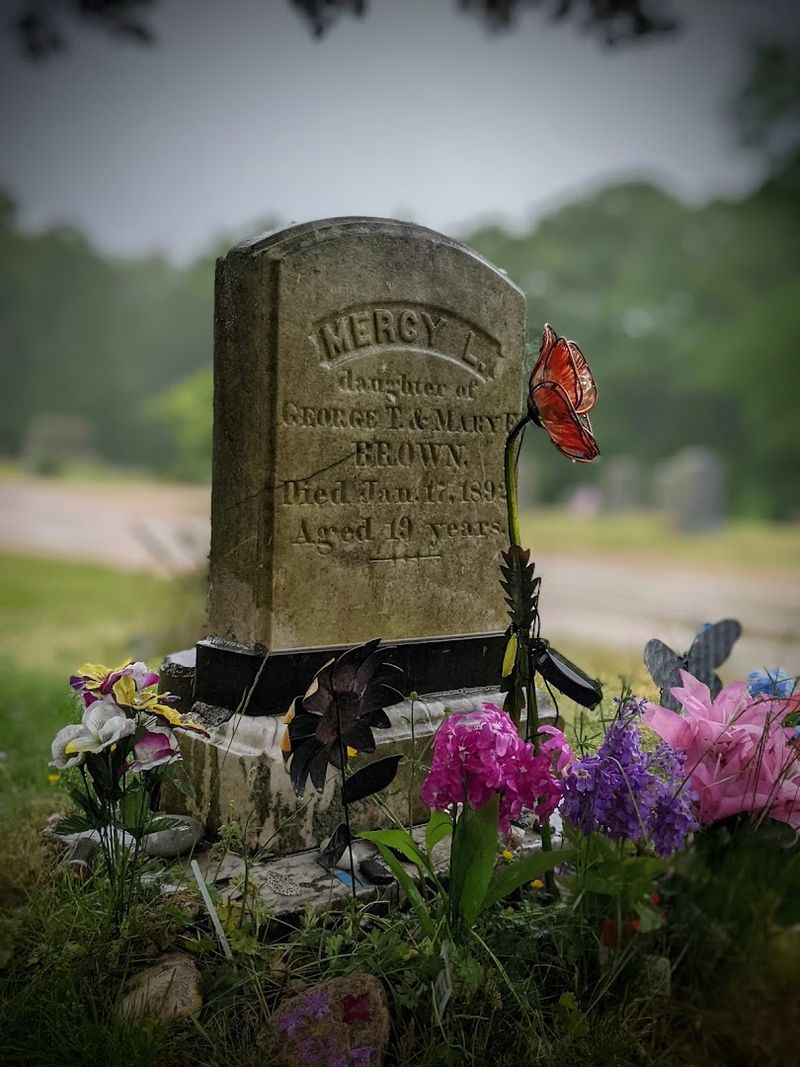
Standing in front of Mercy Brown’s headstone for the first time is a quietly powerful moment. The stone is modest and worn, engraved simply with her name and the year of her passing.
It does not announce itself. It does not beg for attention.
That restraint makes it more affecting, not less.
Visitors often leave small offerings near the grave. Coins, flowers, and handwritten notes appear regularly.
Some people come out of curiosity. Others seem to come out of something closer to respect.
The grave has become a pilgrimage site for fans of folklore, history, and the genuinely strange corners of American culture.
The stone itself has survived over 130 years of New England winters. It leans slightly, as old stones often do, giving it a natural, unrestored quality that feels honest.
Nobody has tried to make it look prettier than it is.
Photographing the headstone feels almost meditative. You find yourself reading her name over and over, thinking about how young she was and how enormous her legacy became.
She never asked for any of this. She was just a teenager from a farming community in Rhode Island.
That contrast between ordinary life and extraordinary story is what lingers long after you leave.
The Connection To Bram Stoker’s Dracula

Here is where the story gets genuinely fascinating. Bram Stoker published Dracula in 1897, just five years after the Mercy Brown case made national headlines in America.
Researchers and literary historians have long noted that Stoker kept newspaper clippings about the New England vampire panics in his research notes.
The Providence Journal covered the Mercy Brown story extensively in March 1892. It was not a small local footnote.
It was reported as a sensational and disturbing event, exactly the kind of material a novelist mining folklore for inspiration would find irresistible.
Scholars point to specific parallels between Mercy’s story and elements in Dracula, particularly the way the vampire’s influence spreads through a family, and the role of a young woman as the central mysterious figure.
Nothing is confirmed as a direct lift, but the timing and Stoker’s documented interest in American vampire folklore makes the connection hard to ignore.
Knowing this adds a whole new layer to standing at that grave in Exeter. You are not just looking at a sad piece of local history.
You are standing at a possible origin point for one of the most famous horror novels ever written. That is not something you expect from a quiet Rhode Island cemetery on a Tuesday afternoon.
Other Graves Worth Noting In The Cemetery
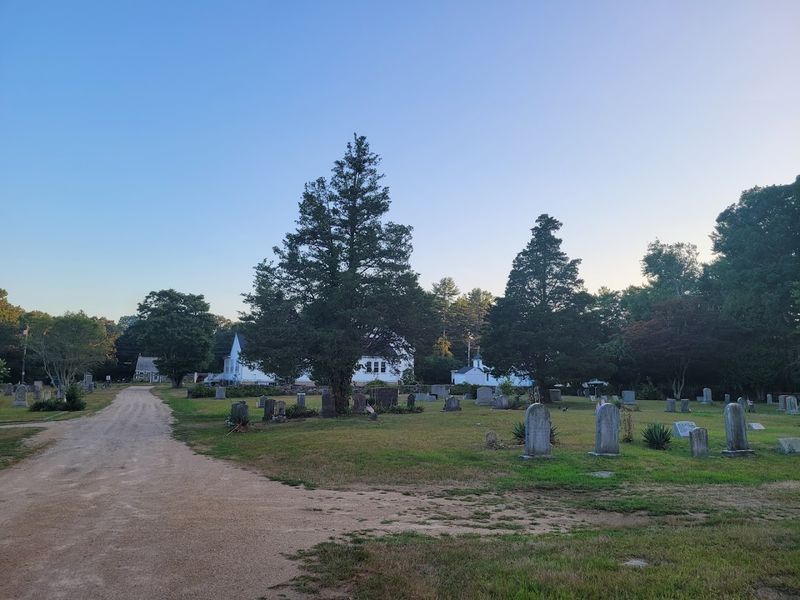
Mercy Brown gets all the attention, but Chestnut Hill Cemetery holds other members of her family as well.
Her mother Mary and her sister Mary Olive are buried nearby. Walking among the surrounding graves gives you a fuller picture of the Brown family’s tragedy.
The cemetery dates back to the 18th century, and many of the older stones are so worn that the names have become nearly illegible.
Running your fingers along the carved edges of a 200-year-old gravestone is one of those tactile experiences that makes history feel real in a way that no museum exhibit quite replicates.
The layout of the cemetery is simple and unfussy. There are no grand mausoleums or elaborate monuments.
It is a working-class burial ground, and that plainness gives it dignity.
These were farming families, ordinary people living hard lives in rural New England.
Spending time looking at the other graves before arriving at Mercy’s is worth doing. It slows you down.
By the time you reach her stone, you are not just a tourist hunting for something spooky.
You are a person thinking about community, loss, and the stories that survive long after everyone involved is gone. That shift in perspective matters.
Why People Keep Coming Back
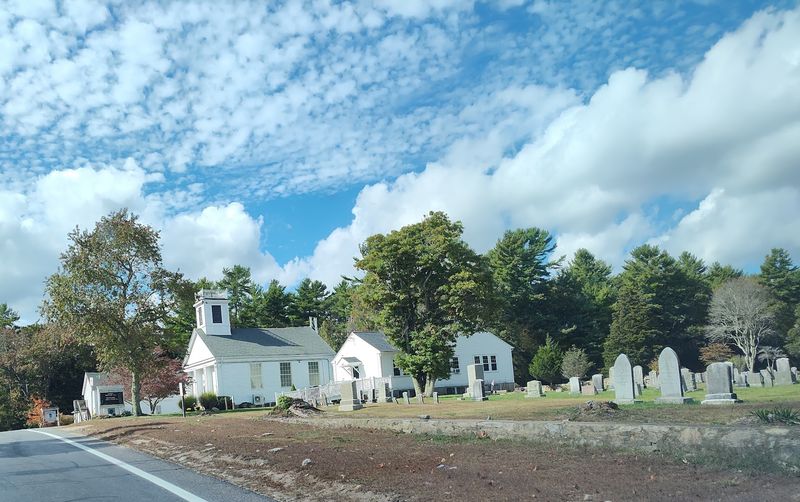
Mercy Brown’s grave draws a surprisingly steady stream of visitors year-round. Folklore enthusiasts, history buffs, Dracula fans, and people who simply stumbled across the story online all make their way to Exeter.
What keeps bringing them back is harder to explain, but it has something to do with authenticity.
There is no gift shop. No guided tour.
No interpretive signage telling you exactly how to feel.
You just show up at a small cemetery on a rural road and encounter a genuine piece of American history without any packaging around it. That rawness is rare and refreshing.
The cemetery is peaceful rather than unsettling. Birds, wind, and the occasional car passing on Ten Rod Road are the only sounds.
It is the kind of quiet that invites actual thought rather than just photo opportunities.
People return because the story sticks with them. Once you have stood at Mercy’s grave and really thought about what happened there, it becomes one of those reference points your brain keeps returning to.
It reframes how you think about folklore, fear, and the way communities respond to things they cannot explain. For a free afternoon trip off the beaten path, the payoff is genuinely remarkable.
Planning Your Visit
A visit to this place requires almost no planning, which is part of the appeal. The cemetery is accessible year-round and there is no admission fee.
It is a public historic site, and visitors are welcome to walk the grounds respectfully during daylight hours.
Autumn is an especially good time to visit. The foliage in Exeter is stunning, and the combination of fall color and old New England stonework is genuinely picturesque.
Spring works well too, when the grounds are green and the light is soft through the trees.
Wear comfortable shoes because the ground is uneven. Bring a phone or camera.
The light in the late afternoon creates interesting shadows across the older stones.
Give yourself at least 30 minutes to walk the full cemetery rather than rushing straight to Mercy’s grave and leaving.
There are no restaurants or shops immediately nearby, so plan your food and fuel stops before heading into Exeter. The town is quiet and rural by design.
That is honestly part of the experience. Arriving at Chestnut Hill Cemetery feeling a little off the grid makes the whole visit feel more like a real discovery and less like a scheduled attraction.
Go curious, leave thoughtful.