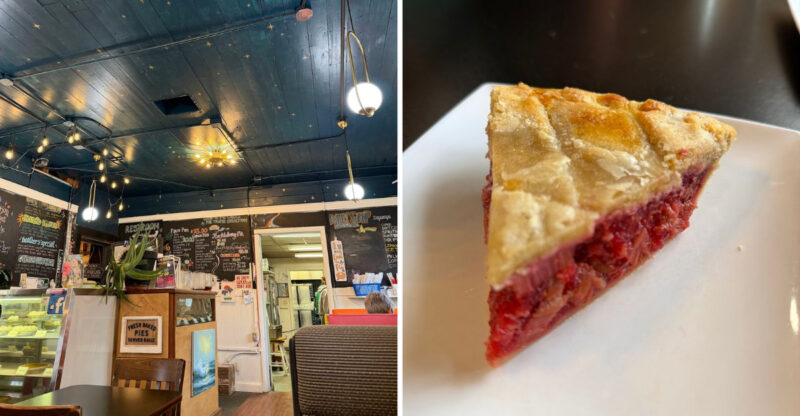
This Remote Idaho Steakhouse Sits In An Old Gold-Rush Town Where One Regular May Never Have Left
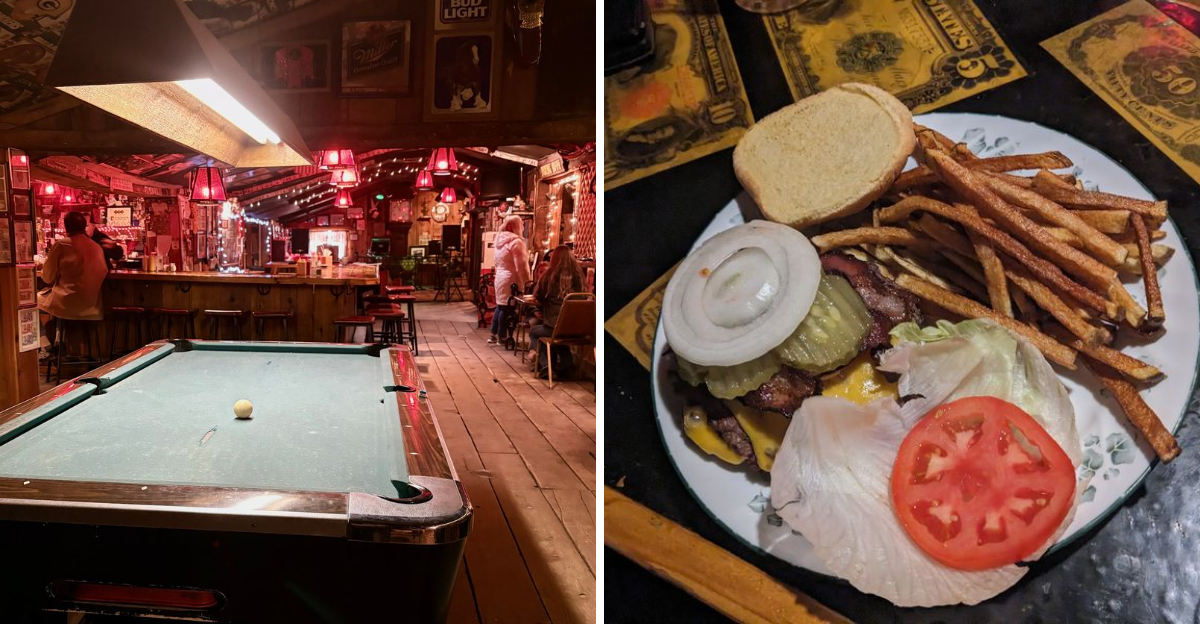
Dinner comes with a very old rumor here: one regular may have forgotten to leave.
About an hour from Boise, an Idaho gold-rush town still carries the bones of the 1860s, and one Main Street steakhouse leans straight into that history.
Old photographs cover the walls, memorabilia fills the rooms, and stories about unexplained happenings have been passed around long enough to become part of the local folklore.
None of those spooky tales are documented fact, which honestly makes them more fun to argue about over dinner.
The building’s real history is interesting enough without embellishment. It sits among surviving nineteenth-century structures from a town that exploded after gold discoveries brought thousands of prospectors into the surrounding mountains.
Today, people come for hand-cut steaks and stay long enough to start studying the photographs. Just try not to wonder who might be studying you back.
Gold-Rush History Is Practically Part Of The Dining Room Decor
Thousands of newcomers poured into the Boise Basin after gold discoveries in 1862, transforming a small settlement into one of the region’s busiest communities.
Originally known as Bannock City and later West Bannock, Idaho City reached roughly 6,000 residents during its peak years, while many thousands more lived throughout the surrounding mining district.
That rapid growth helped reshape the region as Idaho Territory was established in 1863. The restaurant at 407 and 409 Main Street now sits within the historic downtown that developed from those early boom years.
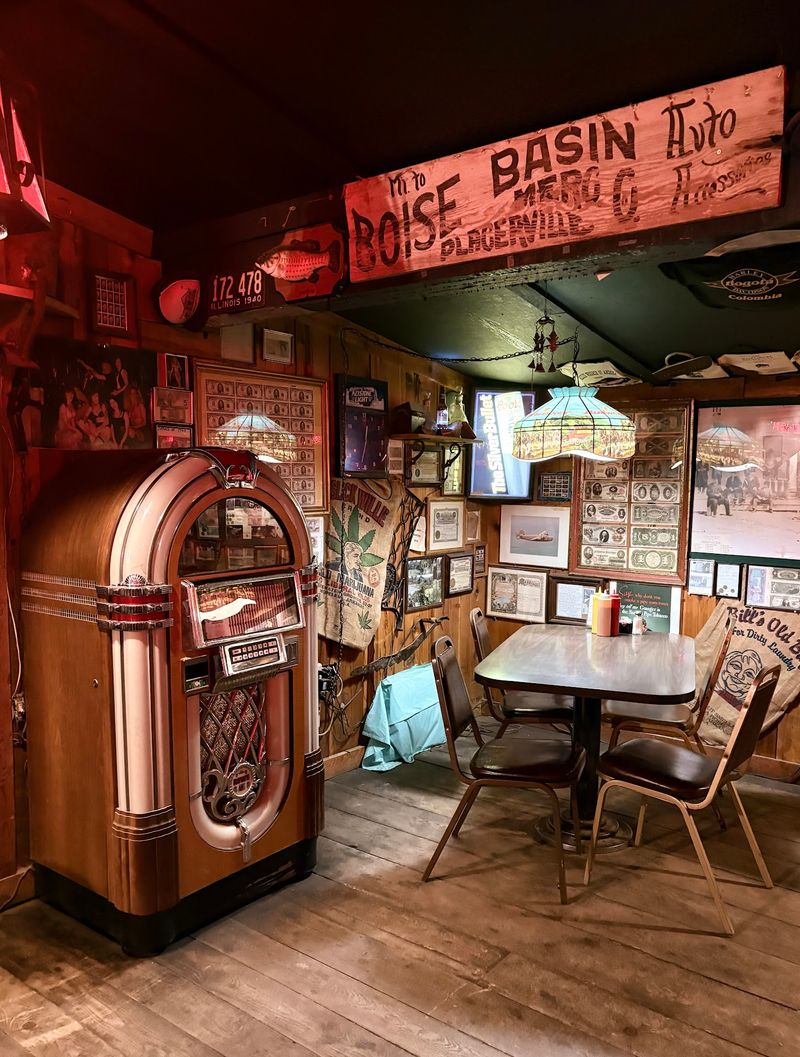
Photographs and memorabilia inside reference different periods of local and regional history, while the streets outside retain a compact pattern associated with nineteenth-century Idaho City.
Diamond Lil’s itself should not be confused with a business that has operated continuously since the mining rush.
Its significance comes from occupying a historic Main Street property and displaying material connected with the town’s past. That distinction keeps the history accurate while still explaining why the setting feels closely tied to Idaho City’s origins.
Ribeye Steaks And Saturday Prime Rib Keep The Menu Firmly Old-School
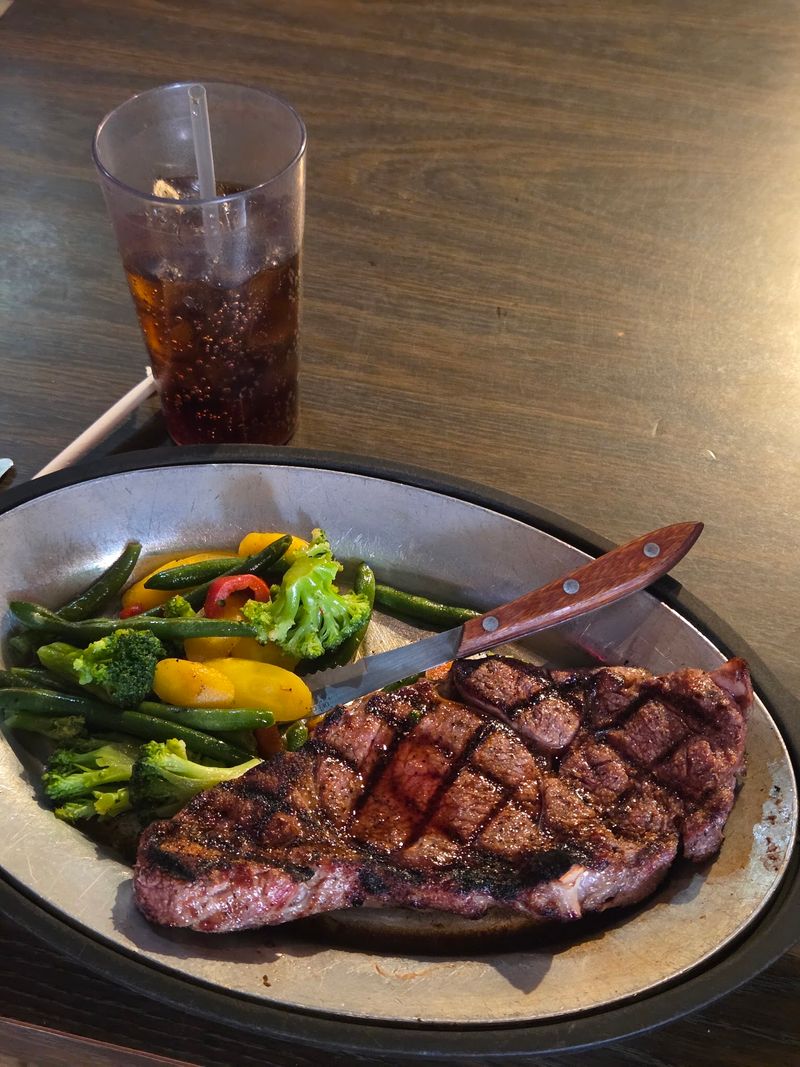
A substantial steak menu gives the restaurant its clearest culinary identity. Hand-cut ribeyes remain one of the best-known offerings, while prime rib is served as a Saturday specialty during the operating season.
Larger groups can also arrange a Prime Rib Special Night by reservation, giving parties of six or more another way to order one of the restaurant’s signature meals.
Beyond beef, the menu includes other familiar American dishes such as burgers, chicken, pork, soups, salads, and rotating specials, allowing mixed groups to order without relying on one narrow set of choices.
Seasonal operation means exact availability can change, so anyone making the drive for a specific item should confirm the menu before leaving Boise.
The overall approach stays straightforward rather than highly specialized, with hearty entrees and recognizable steakhouse food forming the core of the dining experience.
That simplicity matches a small mountain town where the surrounding setting carries as much historical weight as the menu itself.
The Famous Money Bar Gives You Plenty To Look At Before Dinner Arrives
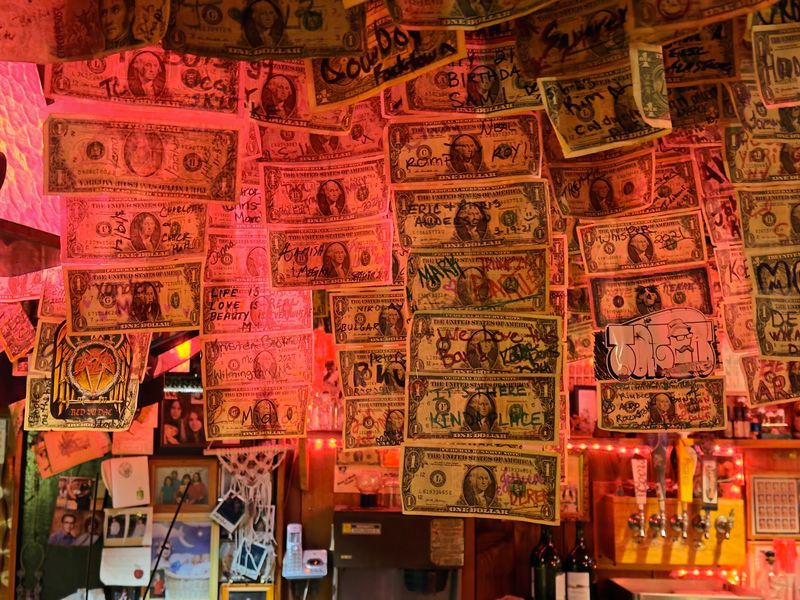
Older currency appears across one of the interior’s most distinctive displays, incorporated into the bar area and extending overhead.
Diamond Lil’s refers to the collection as its World Famous Money Bar, and owner-supplied information also describes bills from other countries that patrons have contributed over the years.
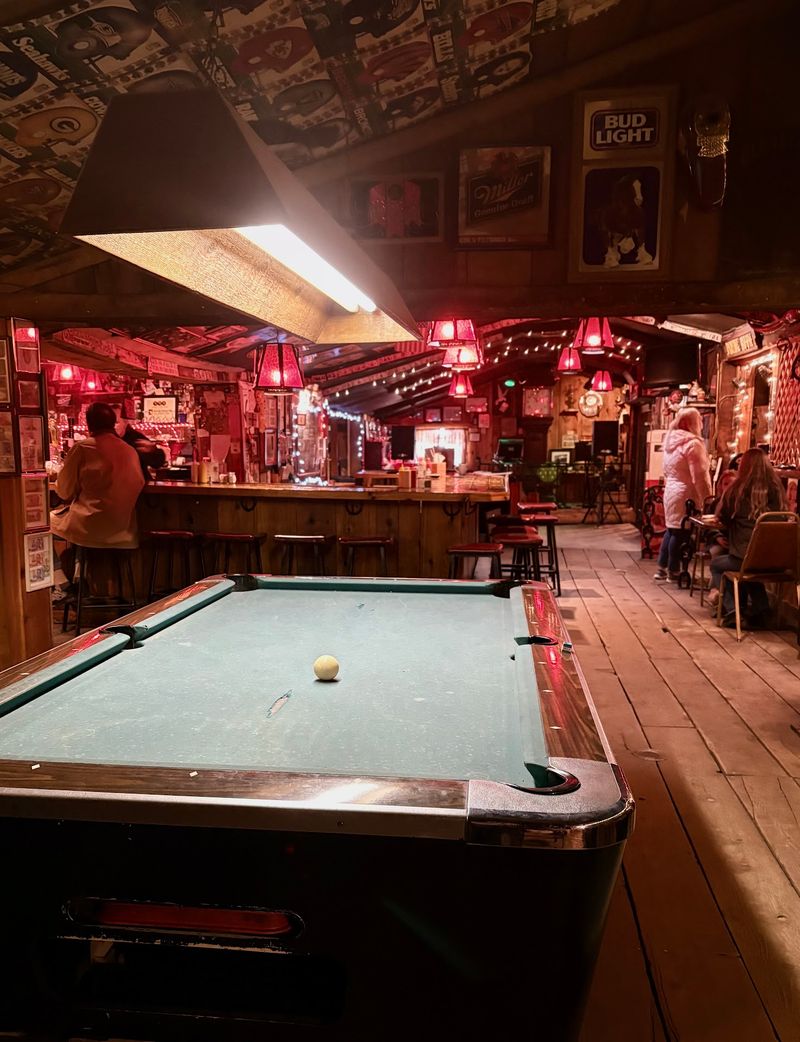
The display sits alongside photographs and memorabilia rather than functioning as a separate museum exhibit, giving the room a layered appearance built from objects gathered across different periods.
Historic American currency is especially noticeable because older notes used elaborate engraving, detailed lettering, and portrait styles that differ sharply from modern bills.
No unsupported world-record claim is needed to explain why the display stands out. Its size and placement already make it unusual for a working restaurant, particularly because the collection surrounds guests instead of sitting behind glass cases.
Together with the historical photographs elsewhere in the building, the currency display helps explain why “Museum” remains part of the restaurant’s full name.
Historic Photos And Memorabilia Turn A Meal Into A Mini Museum Visit
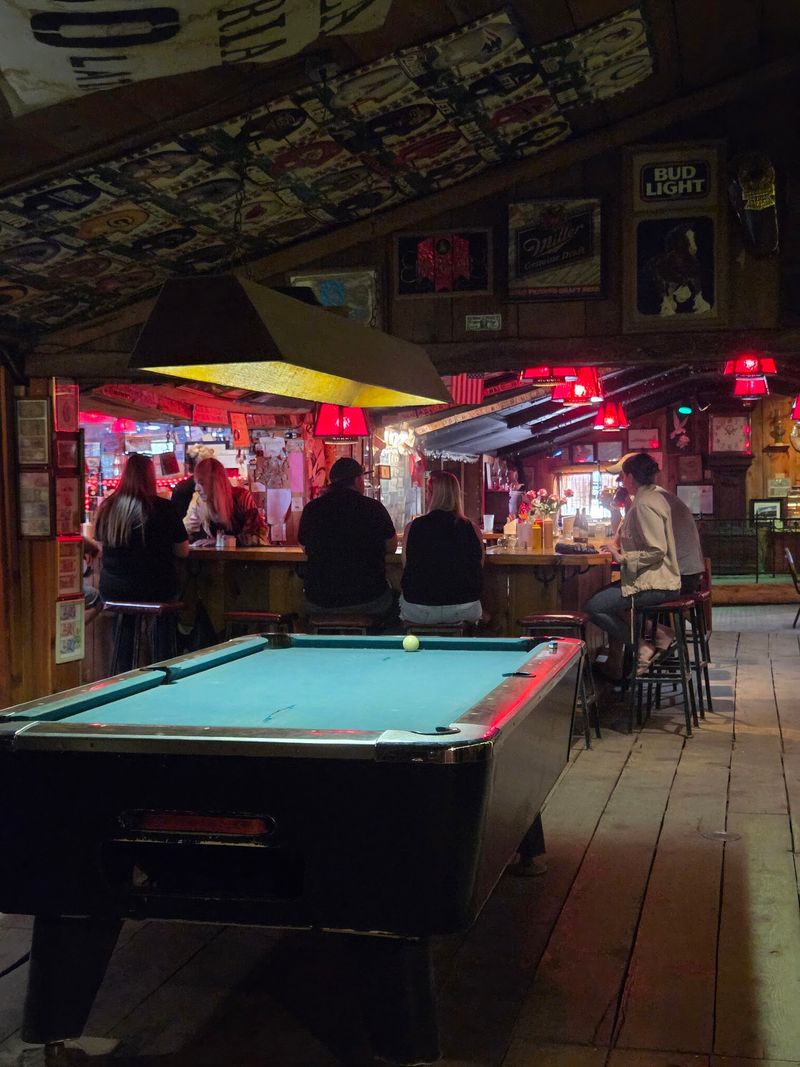
Walls throughout the dining areas carry images and objects tied to Idaho City, the wider West, and several periods of regional history.
Some displays connect directly with the Boise Basin’s mining past, while others broaden the collection beyond the local story.
Photographs associated with well-known western figures such as Bat Masterson and Butch Cassidy have also been documented among the restaurant’s memorabilia.
The collection is informal rather than arranged like a traditional museum gallery, which separates it from the more structured historical interpretation available elsewhere in town.
A few blocks away, the Boise Basin Museum occupies Idaho City’s former post office building from 1867 and preserves records, photographs, and material related more directly to the mining district.
Visiting both places provides two different approaches to local history, one inside a working restaurant and another through a dedicated museum collection.
Because downtown Idaho City is compact, the sites can be combined without requiring a separate drive across town.
Local Ghost Stories Add An Unexpected Twist After The Sun Goes Down
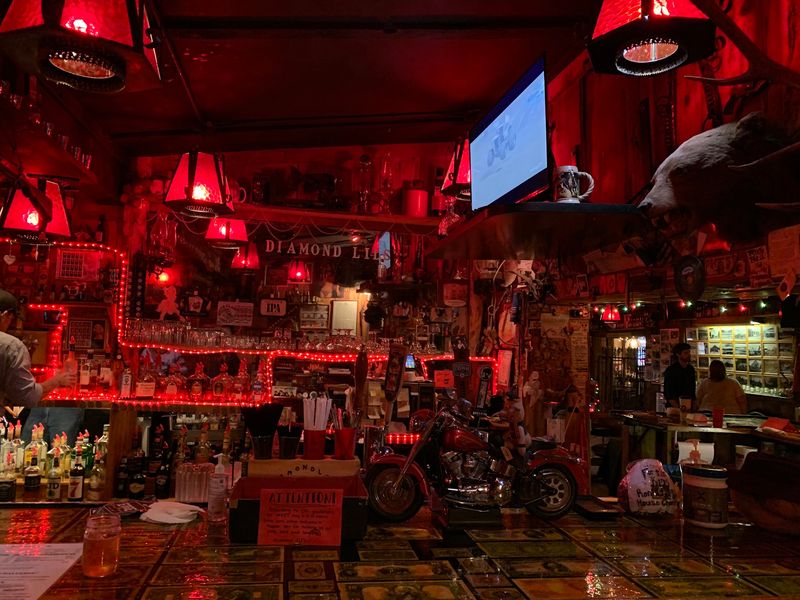
Reports of unexplained sounds and objects appearing out of place have circulated around the restaurant for years, although none of them should be presented as proven events.
Retellings have mentioned chairs moving, glasses breaking, and portions of the room appearing disturbed after closing, but those details come from anecdotal accounts rather than documented historical records.
No reliable source identifies a specific former customer, miner, or other nineteenth-century resident as the cause of the stories.
The folklore fits a broader pattern found in many former mining towns, where surviving buildings often accumulate ghost stories alongside better-documented local history.
Idaho City already provides the setting for that kind of tradition through its nineteenth-century streets, old commercial buildings, and long record of settlement in the Boise Basin.
At Diamond Lil’s, the paranormal accounts work best as one layer of modern storytelling rather than evidence that anything supernatural has been established.
One Particular Table Has Inspired Tales Of Strange Overnight Disturbances
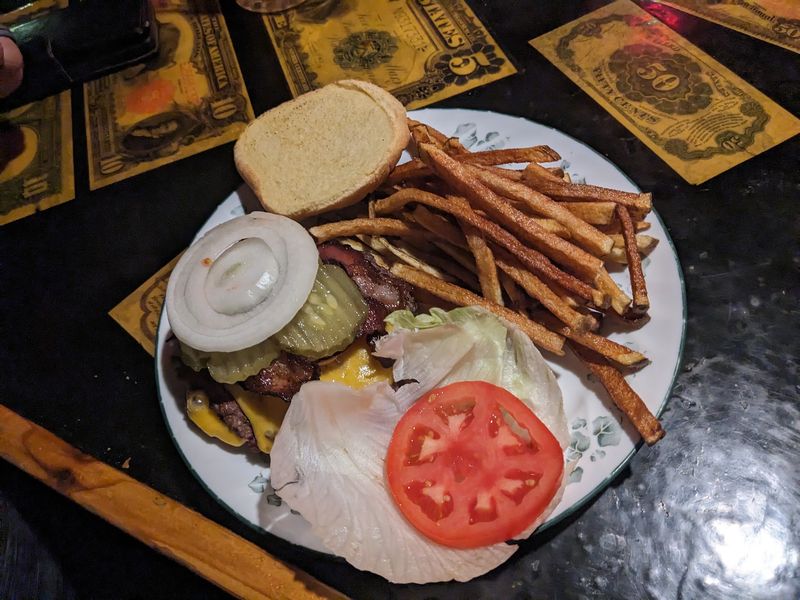
Among the tales repeated about the dining room, one concerns a particular table said to be found slightly disturbed after the restaurant has closed.
Versions of the story mention chairs being moved, unexplained noises, and occasional broken glass, but those details remain anecdotal and cannot be tied to a verified historical event.
No documented evidence connects the table with a named miner, former customer, or other person from Idaho City’s nineteenth-century past.
The story has persisted largely because it fits the atmosphere of an old mountain town filled with surviving buildings and local legends.
Ordinary factors such as temperature changes, aging wood, weather, and everyday use can also produce noises or shifts inside older structures. Keeping the account grounded in folklore preserves the local tradition without presenting speculation as fact.
The table story therefore belongs beside Idaho City’s other long-running legends rather than within the documented history of the restaurant.
The Drive From Boise Makes Dinner Feel Like A Proper Mountain Detour
State Highway 21 carries drivers roughly 39 miles from the Boise area into Idaho City, forming part of the Ponderosa Pine Scenic Byway.
The route leaves the Treasure Valley and gradually moves into higher, more forested terrain, with early sections passing near the Boise River and Lucky Peak before Mores Creek becomes more prominent on the final approach toward town.
Elevation and weather can make conditions noticeably different from Boise, particularly later in the year when mountain roads may see snow or ice.
Diamond Lil’s operates seasonally, with summer service concentrated from Thursday through Sunday, although published Sunday hours currently vary between listings.
Calling 208-392-4400 before making the drive is the safest way to confirm opening times. Reaching town before dinner also makes it possible to explore the compact historic district, where many surviving buildings stand close enough together for an easy walk.
The highway links Boise with a former mining center that still retains much of the scale and layout of its nineteenth-century downtown.
A Former Boomtown Setting Gives The Whole Steakhouse More Character Than Most
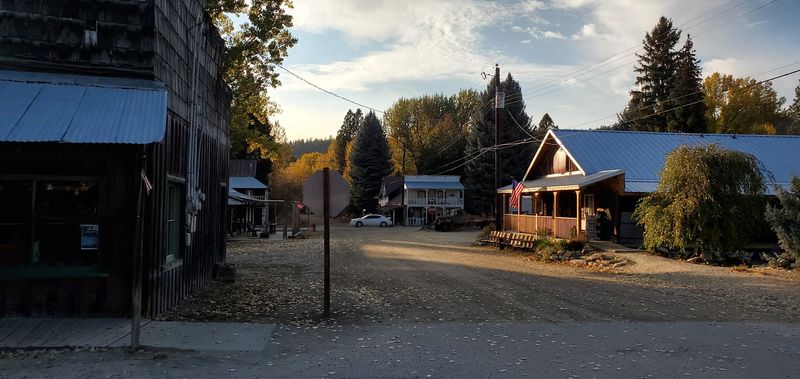
Rapid population growth reshaped this mountain community soon after gold was discovered in 1862. Stores, hotels, offices, and other businesses appeared quickly as miners and merchants moved into the Boise Basin, and Idaho City itself grew to roughly 6,000 residents during its height.
The surrounding district held many thousands more, making the area one of the busiest population centers in the region for a brief period.
Major fires damaged parts of town several times during the 1860s and early 1870s, prompting repeated rebuilding while mining continued.
The population dropped sharply once the earliest rush years passed, although placer and hydraulic mining remained active in the basin for decades afterward.
By the early twentieth century, Idaho City had become much smaller than the boomtown it once was.
Surviving nineteenth-century structures and the original street pattern still preserve much of that history today. Diamond Lil’s occupies a historic Main Street property within this setting, operating as a later restaurant rather than a business unchanged since the gold-rush era.
Its photographs, currency displays, steakhouse menu, and local folklore now form part of a downtown that continues to reflect Idaho City’s mining past.