This Remote Illinois State Park Has Canyon Views And Old West Charm
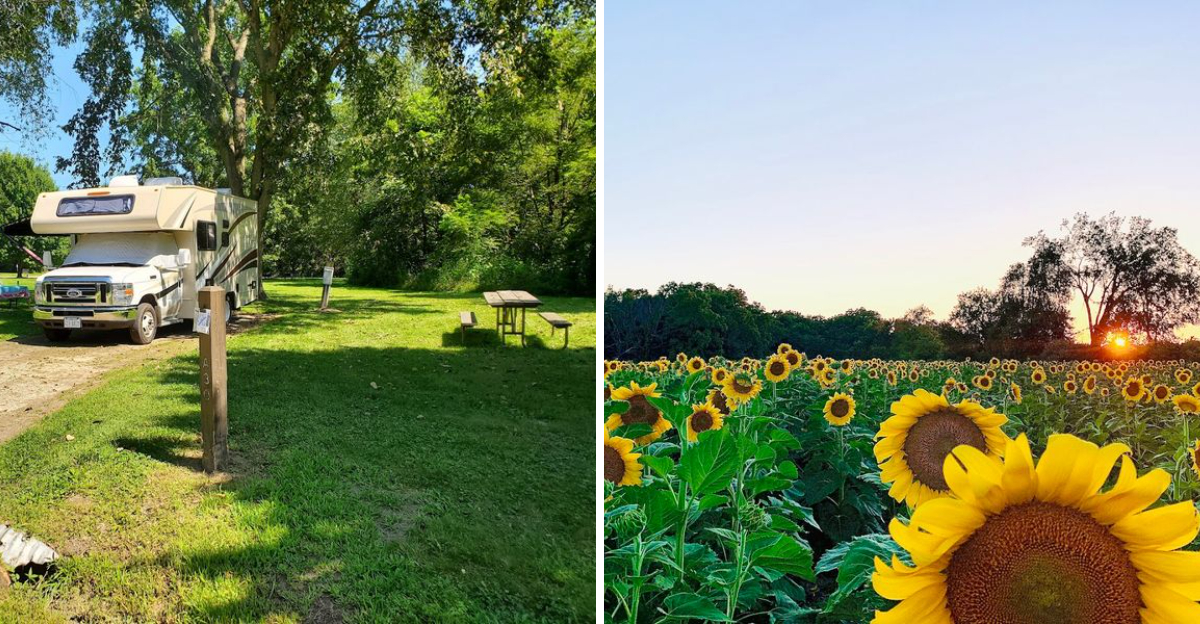
Some places earn their reputation without ever asking for attention, and this park in central Illinois is about as good an example of that as you are going to find.
I almost drove past it twice before something finally made me turn in, which tells you everything about how well it hides in plain sight along a stretch of highway that gives absolutely nothing away.
What waited on the other side of that entrance was not what I expected from a state better known for its flat, endless cornfields.
Canyon views dropped away, dense forest closed in from both sides, and a sense of frontier history settled over the whole place like it had been there all along, quietly waiting for someone to show up and pay attention.
This place does not shout. It does not need to.
It simply delivers the kind of outdoor experience that makes you wonder how Illinois kept this one so well under wraps for so long.
The Park That Defies Illinois Stereotypes
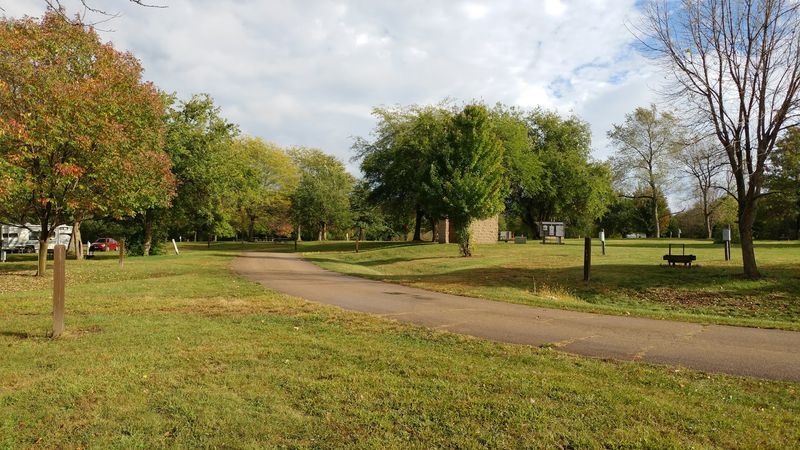
Jubilee College State Park is the kind of place that makes you question everything you thought you knew about Illinois scenery. Most people picture flat fields stretching endlessly in every direction.
This park has other plans entirely.
The terrain here is genuinely dramatic. Deep ravines cut through the forest floor, and the tree canopy overhead creates a mood that feels more like the Ozarks than central Illinois.
Hiking even a short trail here will shift your expectations fast.
The park covers over 3,200 acres, which means you can spend a full day exploring and still feel like you have not seen everything.
Trails range from easy walks to more rugged routes that wind along creek beds and canyon edges. The variety keeps things interesting for casual visitors and serious hikers alike.
Bring water, wear good shoes, and prepare to be genuinely surprised by how beautiful this corner of Illinois actually is.
Canyon Views That Belong On A Postcard
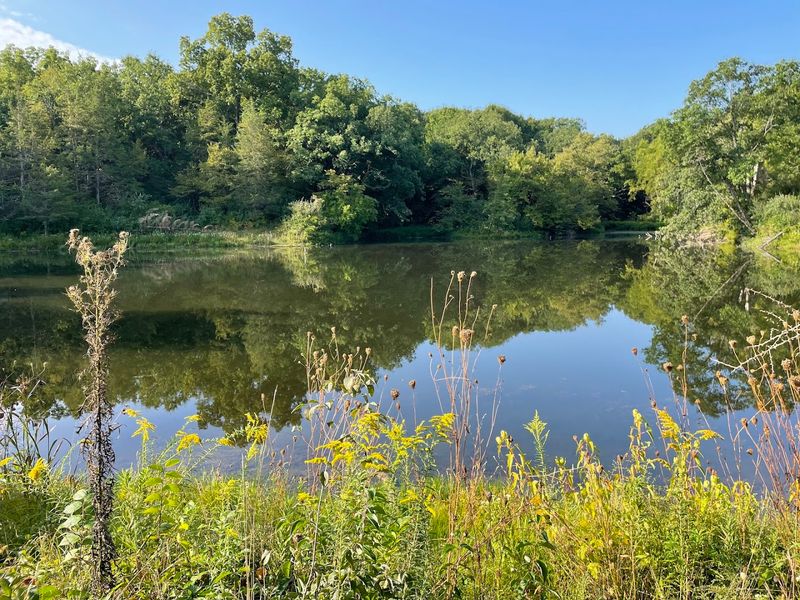
Nobody warns you that Illinois has canyons. That is part of what makes discovering this park so genuinely satisfying.
The ravines at Jubilee College State Park drop sharply below the trail edges, creating canyon-like views that feel completely out of place in the Midwest in the best possible way.
Standing at certain overlook points on the trail system, you can look down into dense tree-filled gorges that seem to go on forever.
The light filters through the canopy in layers, and in autumn the colors are almost absurdly beautiful. It looks like a painting someone made up, but it is absolutely real.
These ravines were carved over thousands of years by creek erosion, and the geology here is genuinely unique for this part of the state.
The sandstone and shale formations along the canyon walls give the landscape texture and character that flat-ground parks simply cannot offer.
If you are chasing that feeling of standing somewhere that looks nothing like where you live, this is your spot. Come prepared with a camera because your phone storage will not survive this trip intact.
The Old West History Hiding In Plain Sight
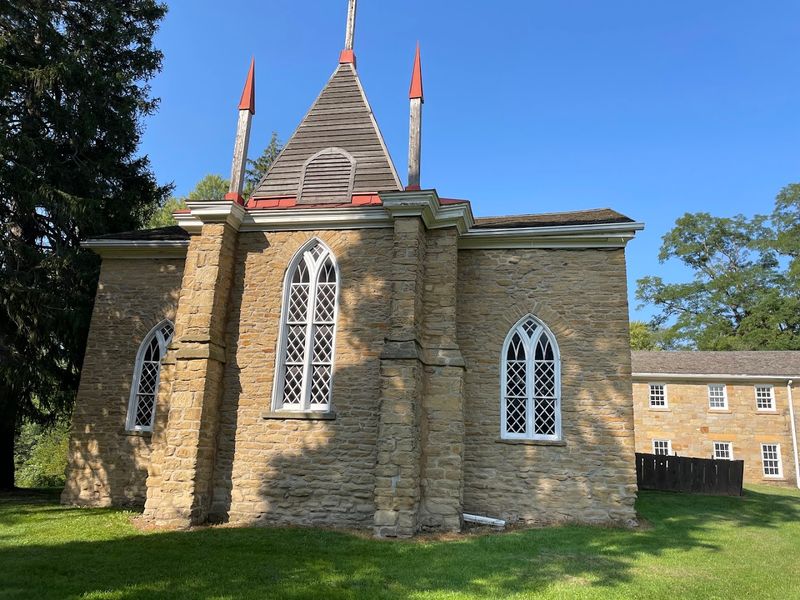
Before it became a state park, this land had a fascinating story rooted in frontier Illinois history.
Jubilee College was founded in 1839 by Episcopal Bishop Philander Chase, who wanted to build an institution of higher learning in what was then the rural American frontier.
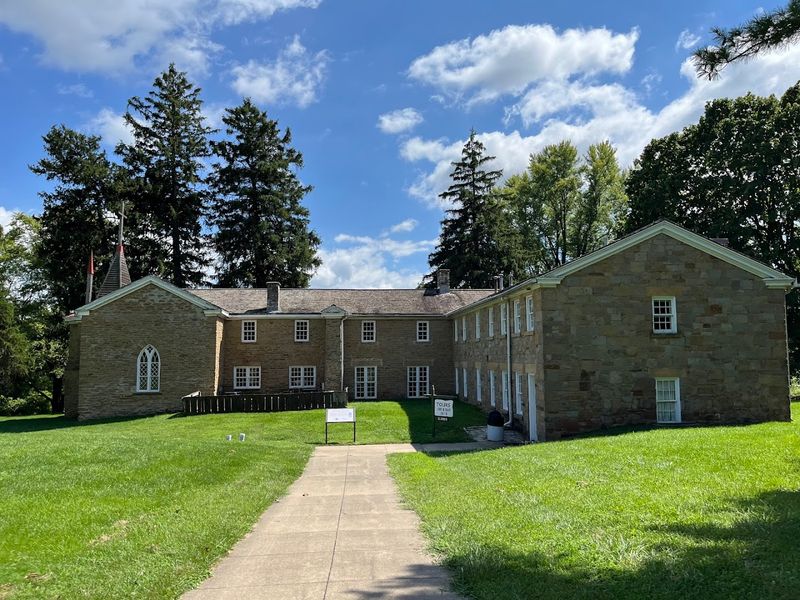
The original college building still stands on the property as a preserved historic site.
Walking up to those old stone walls feels genuinely cinematic. The building has that classic Old West institutional look, sturdy and weathered, surrounded by trees that have been growing here for well over a century.
It is the kind of historic structure that makes history feel tactile rather than textbook.
The college operated for several decades before eventually closing, and the state of Illinois later preserved the land as a public park.
Bishop Chase himself was a larger-than-life frontier character, the kind of determined pioneer figure who seems more like fiction than real history.
Learning about him while standing on the actual ground he shaped adds real depth to a visit here. This is not just a hike.
It is a walk through living Illinois history.
Trails For Every Type Of Explorer
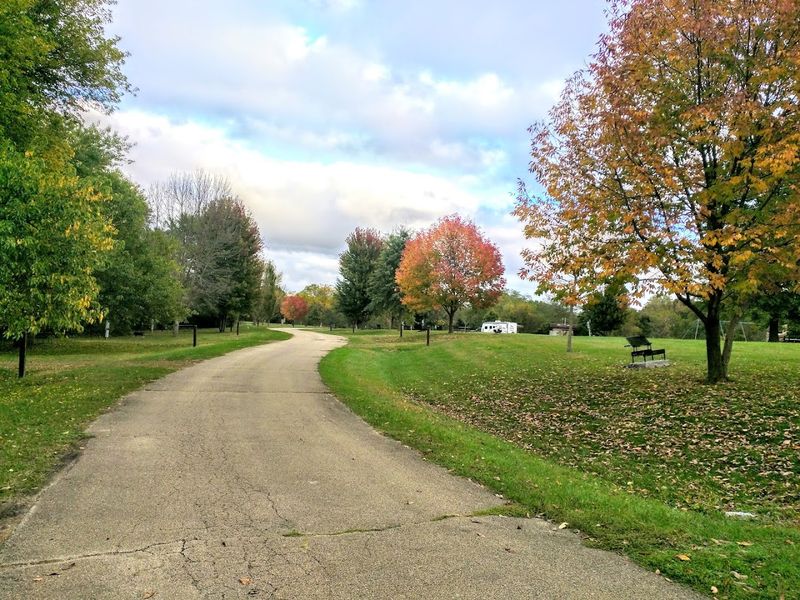
The trail system here is genuinely well-designed, which is not something you can say about every state park.
There are roughly 15 miles of marked trails covering a wide range of difficulty levels, so whether you are bringing a seven-year-old or training for something serious, you will find a route that fits.
Some trails follow the ridgelines, giving you elevated views over the ravines below. Others drop down into the creek valleys and follow the water through dense, shaded forest.
The creek crossings are fun and add a little adventure to the experience without being genuinely difficult.
Trail conditions are generally well maintained, and the park is quiet enough on weekdays that you can hike long stretches without seeing another person. That kind of solitude is rare and genuinely valuable.
Equestrian trails also run through parts of the park, so do not be surprised if you encounter a horse on the path.
The park accommodates hikers, horseback riders, and mountain bikers, making it one of the more versatile outdoor spaces in central Illinois. Pack a snack, check the trail map at the entrance, and pick your own adventure.
Wildlife And Nature That Reward Patience
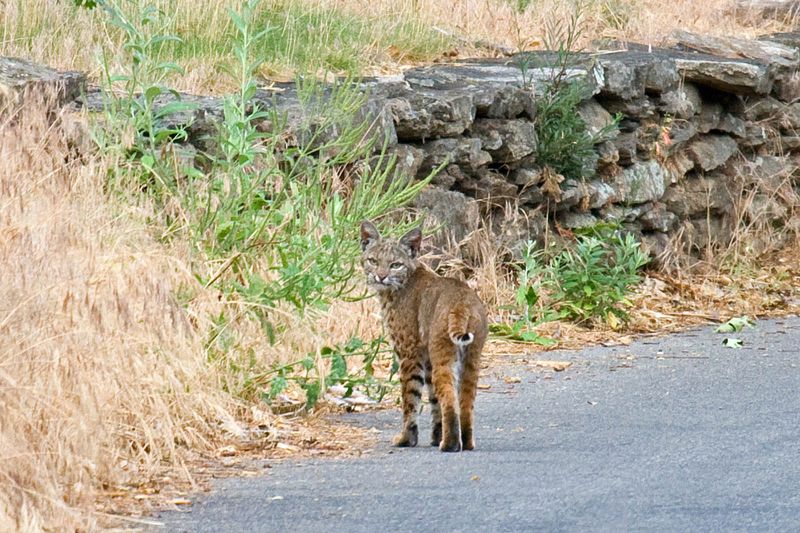
Quiet people see the most interesting things in this park.
White-tailed deer are common throughout the forest, and if you move slowly and stay off your phone, you will almost certainly spot one within the first hour of hiking.
Wild turkey, fox squirrels, and a wide variety of woodland birds also call this park home.
Birdwatchers in particular will find a lot to love here.
The mature hardwood forest supports species that need large, unbroken woodland habitat, including several types of woodpeckers, warblers during migration season, and owls that you are more likely to hear than see.
Dawn visits are especially rewarding for birding.
The creek corridors in the ravines support their own ecosystem, including aquatic insects, small fish, and amphibians that thrive in the cool, shaded water.
Spring is a spectacular time to visit because wildflowers carpet the forest floor before the tree canopy fills in overhead.
Trillium, wild ginger, and mayapple all bloom here in impressive numbers. Nature photography enthusiasts will find this park endlessly productive across all four seasons.
Each visit genuinely looks and feels different depending on the time of year you show up.
Camping Under A Real Night Sky
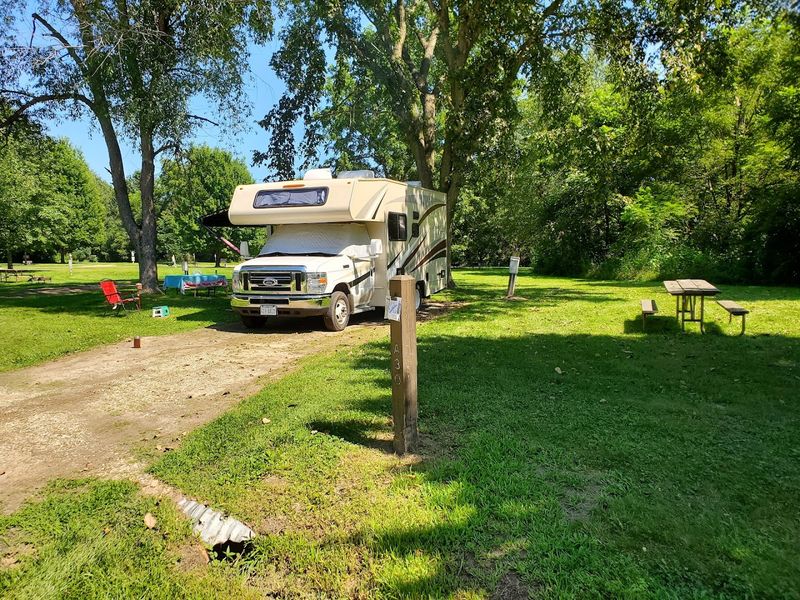
Spending the night here changes the experience completely. Jubilee College State Park offers tent camping facilities that put you right inside the forest, far enough from any city that the night sky actually shows up in full.
If you have not seen the Milky Way recently, this is a reasonable place to fix that.
The campground is rustic but functional, with basic amenities that keep things comfortable without feeling like a parking lot with tents.
Sites are spread out with reasonable privacy between them, which makes a real difference when you want to actually feel like you are in the woods.
Morning in this park is its own reward. The forest wakes up gradually, starting with birdsong well before sunrise and building into a full woodland soundtrack by the time the light filters through the trees.
Waking up to that after a night of genuine quiet is the kind of reset that most people do not realize they need until they have actually experienced it.
Reservations are recommended during peak season, especially on weekends from late spring through early fall. Weeknight camping is generally easier to secure and noticeably more peaceful overall.
Getting There And What To Bring
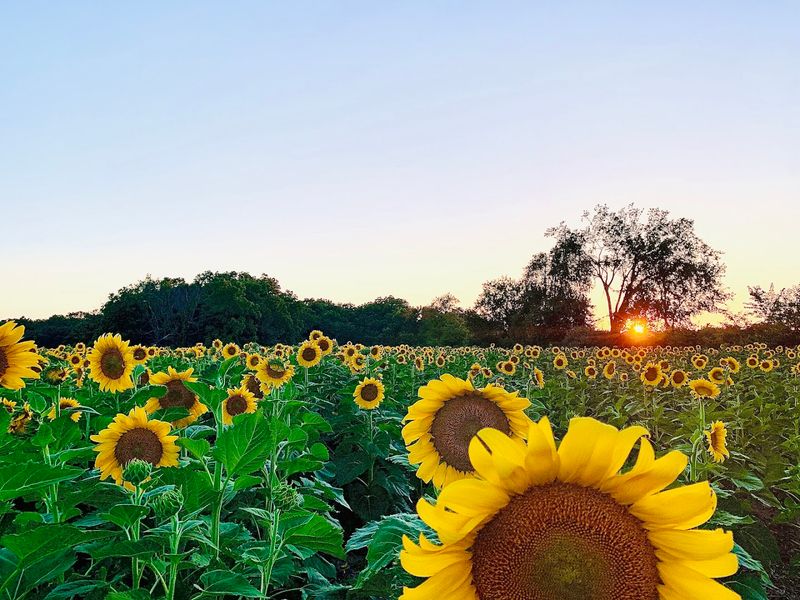
The drive to Jubilee College State Park is part of the experience. Coming in along on Fussner Rd in Brimfield, Illinois, you pass through classic central Illinois farm country before the landscape suddenly shifts to dense forest.
That contrast is genuinely striking and sets up the surprise of the park perfectly.
The park entrance is well-marked, and parking is free.
Cell service gets spotty in parts of the park, so downloading the trail map before you arrive is a genuinely good idea rather than an optional suggestion. A paper map from the entrance kiosk works just as well.
Pack for a real outdoor day rather than a casual stroll. Good hiking shoes with ankle support are worth it given the uneven terrain near the ravines.
Bring more water than you think you need, sunscreen for open sections of trail, and insect repellent during warmer months. A small first aid kit is always smart in a park this remote.
The nearest town with services is Brimfield, so plan your supplies before you arrive rather than hoping for a convenience store nearby. The effort of preparation pays off immediately once you are standing on the trail.
Why This Park Deserves More Credit Than It Gets
Illinois does not get enough credit for its natural landscapes, and Jubilee College State Park is one of the strongest arguments for changing that perception.
The combination of canyon-like ravines, frontier history, diverse wildlife, and genuine solitude makes this park stand out from most public lands in the state.
It is not crowded. That alone makes it special.
Popular parks in Illinois can feel like outdoor shopping malls on summer weekends, but Jubilee stays manageable even during peak season.
The remoteness filters out casual visitors and leaves the trails to people who actually came to be there.
What sticks with you after a visit is how complete the experience feels. You get history, scenery, wildlife, and physical challenge all in one place without driving more than a few hours from most of central Illinois.
Parks like this remind you why public land preservation matters and why exploring your own state is worth the effort.
If you have been saving this one for someday, move it up the list. Someday has a way of never arriving, and this park is genuinely worth a weekend this season rather than a vague future one.