This 1800 Acre Safari Park In California Lets You Get Face To Face With Rhinos And Tigers On Valentine’s Day
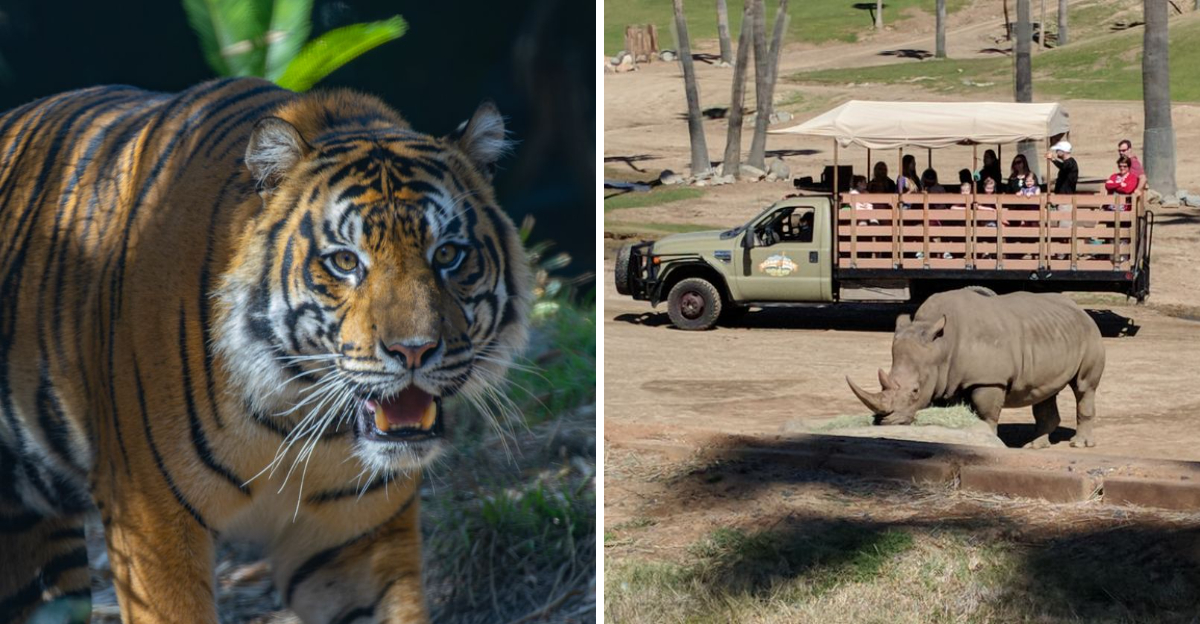
Few places in California make you feel like you have stepped straight into an African safari, but this one does it the moment you arrive.
Imagine standing just yards away from towering giraffes, watching cheetahs explode into full speed, and spotting elephants roaming landscapes that feel wild, not staged.
The experience stretches across vast open savannas where animals move freely, turning every viewpoint into a jaw dropping wildlife moment.
It feels less like visiting a zoo and more like traveling across continents in a single afternoon. Valentine’s Day adds an unexpected twist to the adventure.
Instead of crowded restaurants and predictable plans, couples find themselves sharing once in a lifetime encounters, snapping photos beside roaming herds and exploring sunlit trails together.
From open air safari rides to winding walkways that reveal animals around every bend, the entire park feels immersive, cinematic, and endlessly surprising. It is romantic, thrilling, and wildly different from any typical date you could plan.
1. Expansive 1,800-Acre Landscape Designed for Animal Welfare
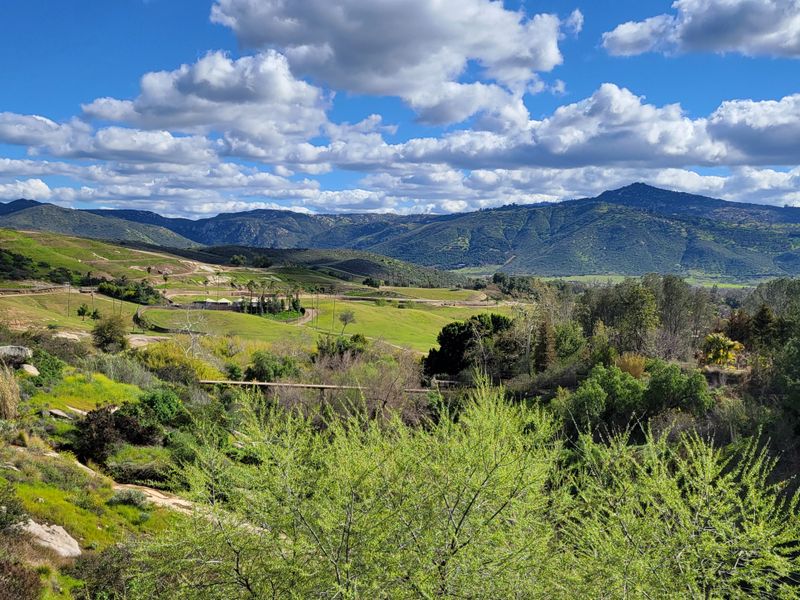
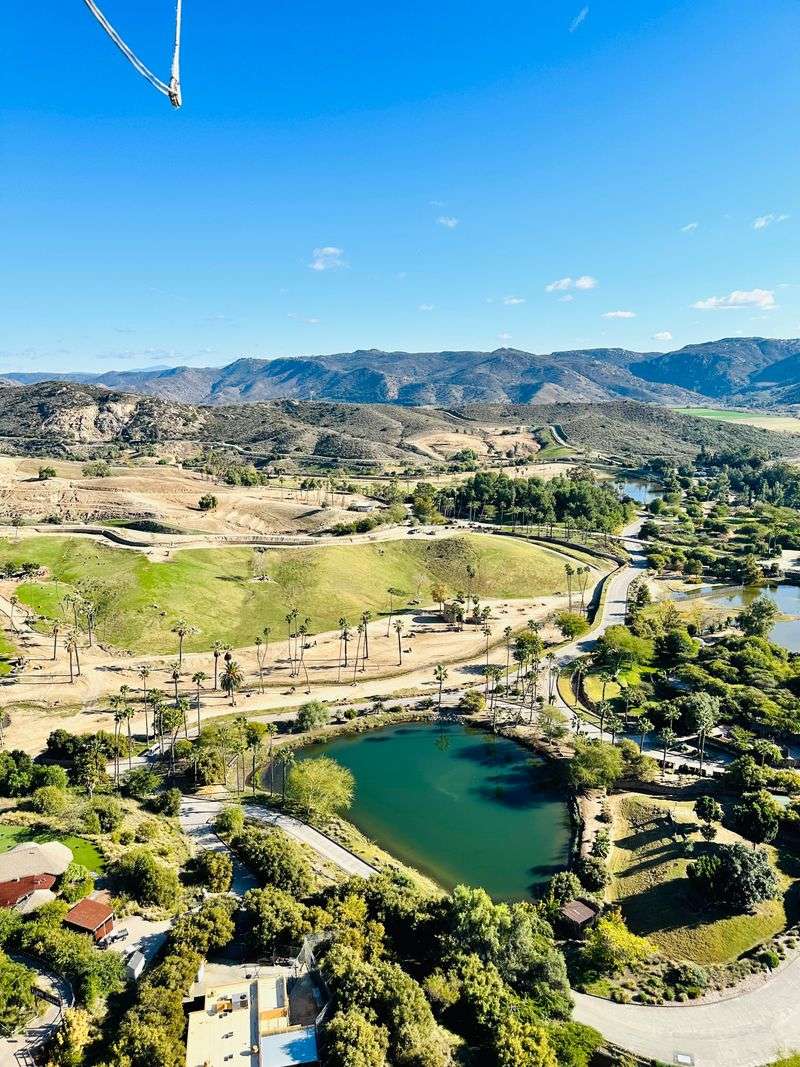
Sprawling across hillsides and valleys, the San Diego Zoo Safari Park at 15500 San Pasqual Valley Rd, Escondido, CA 92027 occupies a space larger than many small towns.
The sheer size allows animals to move freely across terrain that mimics their ancestral homes, from African grasslands to Asian forests.
Pathways wind through different climate zones, giving visitors glimpses into how various species interact with their surroundings.
Open vistas stretch for hundreds of yards, creating sightlines that reveal herds grazing in the distance or birds soaring overhead.
The park’s layout encourages exploration at a comfortable pace, with shaded rest areas positioned along major trails.
Walking from one habitat to another takes time, so comfortable shoes become essential for anyone planning to see multiple areas in a single visit.
Elevation changes throughout the property add variety to the experience, with some viewpoints offering panoramic scenes of the entire park.
These higher spots provide photo opportunities that capture both animals and landscapes in single frames.
Temperature can vary significantly between different sections, especially when moving from sunny savannas to shaded forest areas. Layered clothing helps visitors adapt as they transition between microclimates throughout the day.
2. Over 3,100 Animals Representing More Than 340 Species
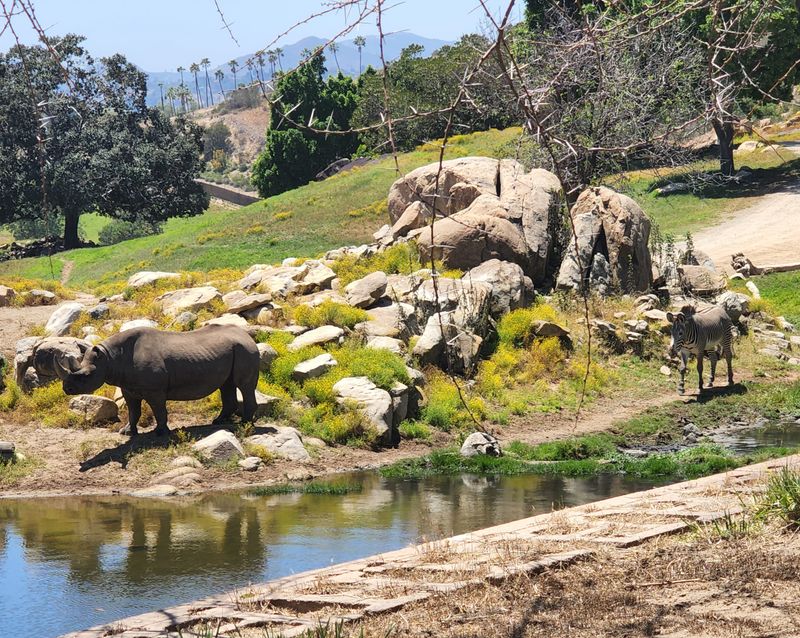
Biodiversity thrives here in ways that surprise even seasoned wildlife enthusiasts. Species from every continent except Antarctica call this park home, creating a living encyclopedia of global fauna.
Rare and endangered animals receive particular attention, with breeding programs designed to support conservation efforts worldwide.
Visitors often encounter creatures they’ve only seen in documentaries, from tiny insects to massive mammals.
The variety extends beyond the obvious crowd favorites, including reptiles, birds, and smaller mammals that play crucial roles in their ecosystems.
Educational signage throughout the park explains how each species contributes to its native environment.
Seasonal changes bring different animal behaviors to the forefront, with some species more active during cooler months and others thriving in summer heat.
Staff members adjust exhibit schedules to align with natural activity patterns, maximizing visitor chances of seeing animals engaged in interesting behaviors.
The collection continues to grow as conservation partnerships bring new species under the park’s care.
Each addition receives habitat customization that addresses its specific needs, from dietary requirements to social structures that mirror wild populations.
3. Valentine’s Day Provides Unique Romantic Wildlife Encounters
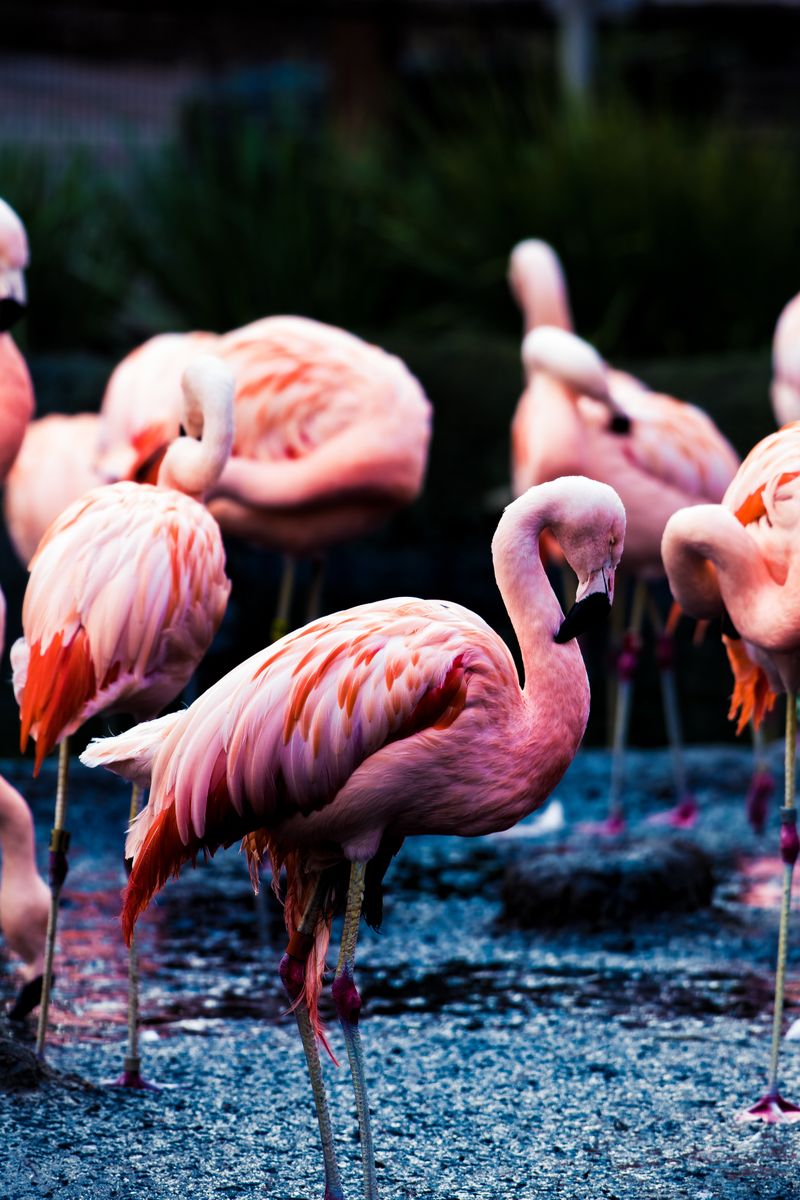
Romance takes on new dimensions when shared alongside majestic wildlife. Valentine’s Day at the park offers couples an alternative to crowded restaurants, replacing candlelit tables with sunset views over African-inspired plains.
The experience creates conversation starters that outlast typical date activities, with shared discoveries about animal behavior and conservation becoming memorable talking points.
Watching a giraffe family interact or observing playful primates provides entertainment that feels both educational and emotionally engaging.
Photography opportunities abound for couples wanting to document their day together, with natural backdrops that beat any studio setting.
Many visitors capture candid moments while watching animals, creating authentic images that reflect genuine reactions rather than posed smiles.
The park’s size means crowds disperse naturally across the property, allowing for quieter moments even on popular holidays.
Strategic timing helps couples find pockets of solitude, particularly in less-trafficked sections or during early morning hours.
Shared experiences in nature tend to strengthen bonds between people, and wildlife encounters provide that grounding effect.
Walking side by side through habitats while discussing conservation or simply enjoying the peaceful atmosphere creates connection without forced interaction.
4. Located In Escondido, Just 30 Miles North Of Downtown San Diego

Geography plays a significant role in the park’s accessibility and climate. Escondido sits inland from coastal San Diego, creating warmer temperatures that suit many of the animals housed here.
The drive from downtown takes roughly 45 minutes under normal traffic conditions, with highway routes offering straightforward navigation.
Visitors coming from other parts of Southern California find the location convenient as a day trip destination.
Parking facilities accommodate hundreds of vehicles, though arrival before mid-morning typically ensures spots closer to the entrance.
Weekend and holiday visits may require walking farther from parking areas to ticketing, so allowing extra time helps reduce stress.
The surrounding Escondido area offers dining options for those wanting to extend their visit beyond park hours.
Local restaurants range from casual to upscale, providing post-safari meal choices that suit various preferences and budgets.
Public transportation options exist but require careful planning, as bus routes may not align perfectly with park operating hours.
Driving remains the most practical choice for most visitors, especially those hoping to explore the park at their own pace without time constraints.
5. Denny Sanford Elephant Valley Opens March 2026
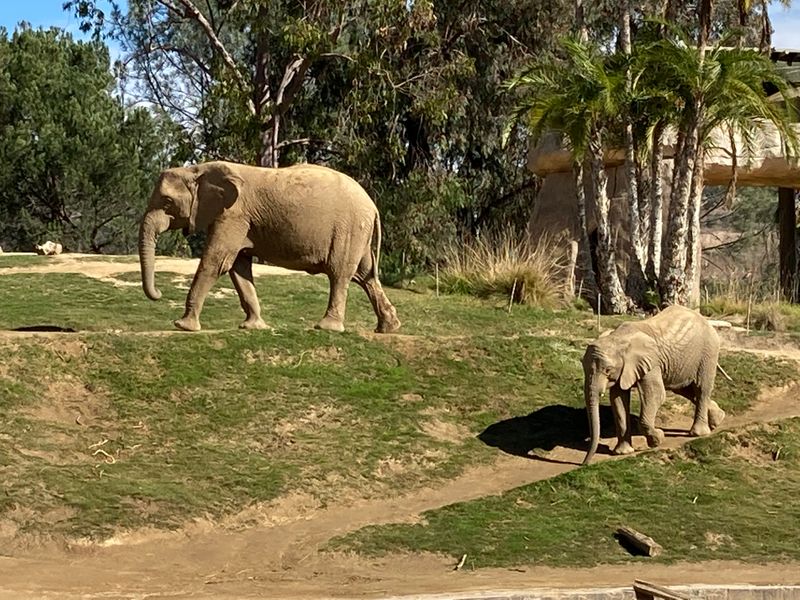
Anticipation builds for an exhibit that promises to redefine how people experience elephants. The Denny Sanford Elephant Valley opens March 5, 2026, introducing a habitat where guests walk alongside these giants in carefully designed spaces.
The exhibit reflects years of planning focused on elephant welfare and visitor education. Landscape architects studied African savannas to recreate terrain that encourages natural behaviors, from dust bathing to social interactions within the herd.
Walking paths allow visitors to observe elephants from multiple vantage points, including ground-level views that reveal the animals’ true scale.
Barriers remain minimal and unobtrusive, maintaining sightlines while ensuring safety for both guests and animals.
Educational components explain elephant social structures, communication methods, and conservation challenges facing wild populations.
Interactive elements help visitors understand how their choices impact elephant survival in native habitats. The timing of this opening makes spring 2026 a particularly exciting period to visit the park.
Early visitors to Elephant Valley will experience the exhibit while elephants are still adjusting to their new space, potentially witnessing unique exploratory behaviors.
6. Butterfly Jungle Event Runs March 21 Through April 12, 2026
Delicate wings create living kaleidoscopes during this annual spring celebration. Butterfly Jungle transforms a section of the park into an enclosed tropical environment where hundreds of butterfly species flutter freely among visitors.
The temperature-controlled space maintains conditions that keep butterflies active, with flowering plants positioned to attract different species throughout the exhibit area.
Visitors often find butterflies landing on shoulders or hands, creating intimate encounters with these fragile creatures.
Timing a visit during this event requires advance planning, as the six-week window fills quickly with school groups and families.
Weekday mornings typically offer the calmest atmosphere for observing butterflies without navigating large crowds.
Educational programming accompanies the exhibit, explaining butterfly life cycles, migration patterns, and the critical role these insects play in pollination. Children particularly enjoy watching caterpillars and chrysalises in various stages of transformation.
The event’s overlap with Elephant Valley’s opening creates a unique opportunity to experience two major attractions during a single visit.
Both exhibits emphasize conservation themes, reinforcing messages about biodiversity and habitat protection through different animal lenses.
7. Safari Tours Offer Guided Expeditions Through Animal Habitats
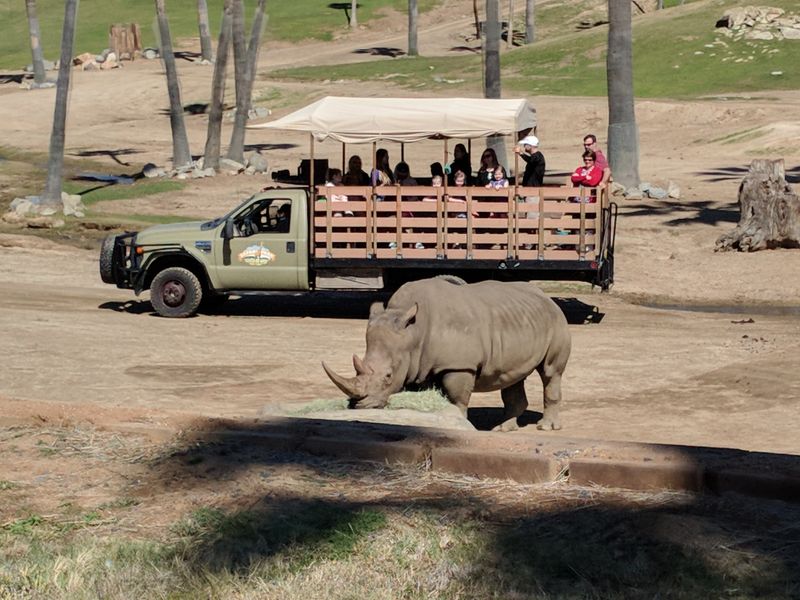
Guided tours provide perspectives impossible to achieve on foot. Specialized vehicles carry small groups into areas closed to regular park visitors, bringing guests within yards of animals that would otherwise remain distant specks on the horizon.
Tour guides share insights about individual animals, including names, personalities, and behavioral quirks that make each creature unique.
This personalized information transforms the experience from simple observation to genuine connection with specific beings.
Several tour options exist, ranging from basic overviews to specialized experiences focusing on particular species or conservation topics.
Prices vary accordingly, with premium tours offering smaller group sizes and extended time in animal areas.
Advance reservations become essential for popular tour times, particularly during weekends and holidays when demand peaks.
Booking several weeks ahead ensures preferred time slots, though some last-minute availability occasionally opens due to cancellations.
The physical demands of tours vary, with most requiring ability to board vehicles and remain seated for extended periods.
Accessibility accommodations exist for visitors with mobility limitations, though advance notice helps staff prepare appropriate arrangements.
8. Walking Trails Wind Through Multiple Ecosystem Representations

Self-guided exploration appeals to visitors who prefer setting their own pace. Miles of paved and natural surface trails connect different habitat zones, allowing guests to customize their route based on interests and energy levels.
Trail maps available at the entrance highlight distances and difficulty ratings, helping visitors plan realistic routes.
Some paths include significant elevation changes that challenge stamina, while others remain relatively flat and accessible.
Benches and shaded structures appear regularly along major trails, providing rest spots where visitors can pause to observe animals or simply catch their breath.
These areas often become impromptu gathering places where strangers share sightings and recommendations.
Signage along trails explains the ecological relationships within each habitat type, from predator-prey dynamics to plant species that support animal populations.
This educational layer adds depth to the walking experience beyond simple animal viewing. Trail conditions can vary with weather, particularly after rain when natural surface paths may become muddy or slippery.
Checking current conditions at the entrance helps visitors choose appropriate footwear and routes for the day’s circumstances.
9. Conservation Programs Support Global Wildlife Protection Efforts

Behind every animal encounter lies a network of conservation initiatives.
The park participates in breeding programs for dozens of endangered species, contributing genetic diversity to populations struggling in the wild.
Research conducted here informs conservation strategies worldwide, with findings shared among zoos, wildlife organizations, and government agencies.
Visitors indirectly support this work through admission fees, creating a direct link between recreational visits and species survival.
Educational displays throughout the park explain specific conservation challenges and success stories.
These presentations avoid overwhelming visitors with doom-and-gloom messaging, instead focusing on actionable steps individuals can take to support wildlife protection.
Some animals at the park represent species that no longer exist in viable wild populations. For these creatures, captive breeding programs may represent their only hope for long-term survival until habitat restoration makes reintroduction possible.
Staff members often share updates about conservation milestones during encounters and presentations.
Hearing about successful births or reintroduction programs adds emotional weight to the visit, helping visitors understand their role in a larger conservation movement.
10. Year-Round Operating Schedule Accommodates Various Visiting Preferences
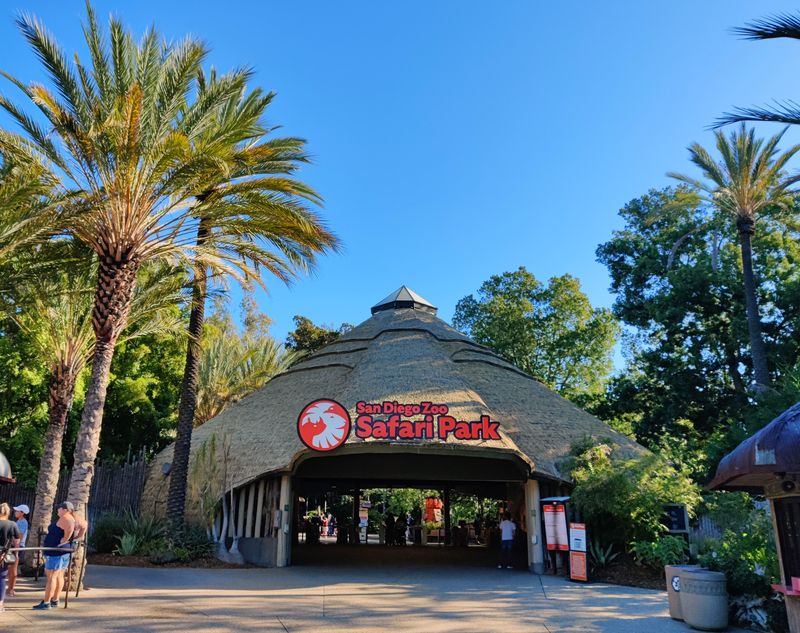
Operating hours shift with seasons, extending during summer months and contracting slightly in winter. Checking current hours before visiting prevents disappointment, as closing times can affect how much ground visitors can cover.
Early arrival offers advantages beyond smaller crowds, including cooler temperatures and more active animals.
Many species become less visible during midday heat, retreating to shaded areas or indoor facilities until temperatures moderate.
The park remains open most holidays, including Valentine’s Day, though specific events or exhibits may have their own schedules.
Holiday visits often include special programming or decorations that add festive elements to the standard experience. Membership options provide unlimited visits for those living within reasonable driving distance.
Members can visit during off-peak times, breaking up the experience into multiple shorter trips rather than attempting to see everything in one exhausting day.
Seasonal weather patterns in Escondido mean summer visits require sun protection and hydration planning, while winter days may need light jackets.
Spring and fall typically offer the most comfortable conditions, with moderate temperatures and lower visitor volumes.
11. Dining Options Range From Quick Snacks to Full Meals
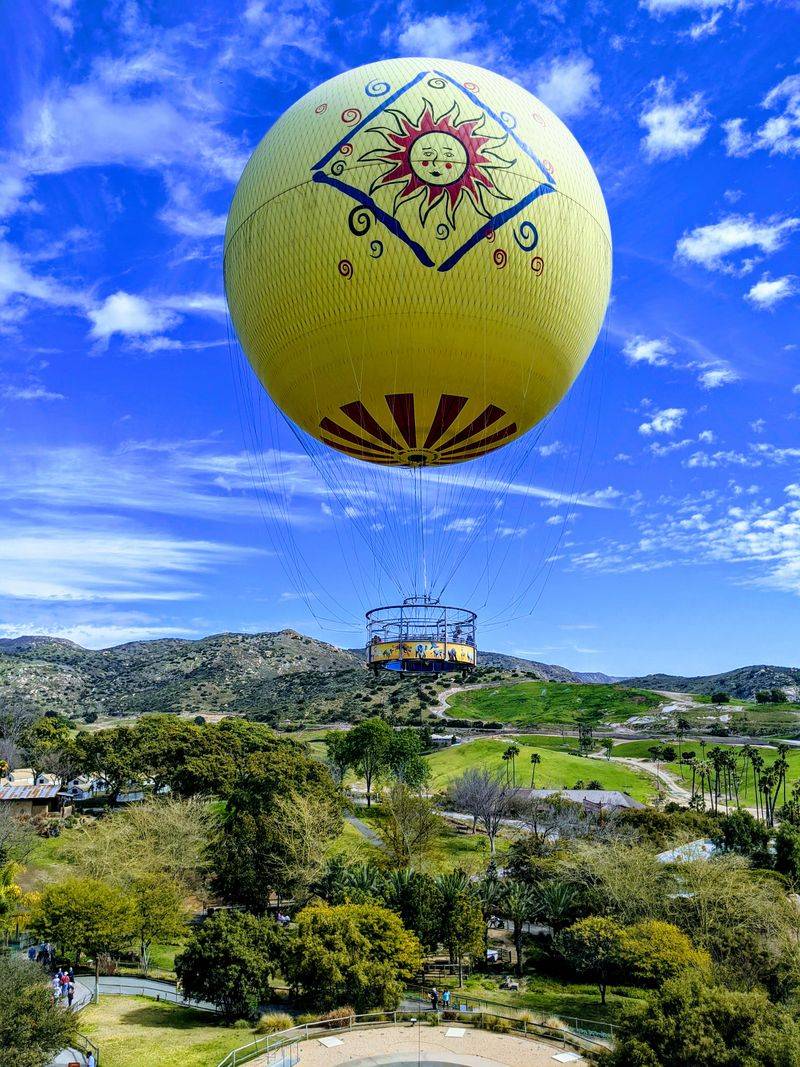
Hunger management becomes part of any full-day park visit. Multiple dining locations scatter throughout the property, offering everything from grab-and-go sandwiches to sit-down meals with animal views.
Menu selections emphasize convenience and broad appeal, with options suitable for various dietary preferences including vegetarian and kid-friendly choices.
Prices reflect typical theme park markups, so budgeting accordingly helps avoid sticker shock. Outdoor seating predominates at most dining locations, with umbrellas providing shade during sunny hours.
Some spots offer views of animal habitats, allowing visitors to continue observing wildlife while refueling.
Outside food policies permit visitors to bring their own meals and snacks, potentially reducing costs for budget-conscious families.
Designated picnic areas provide tables and shade structures for those choosing this option.
Water bottle refill stations appear throughout the park, encouraging hydration without requiring constant purchases.
Bringing reusable bottles supports both personal comfort and environmental sustainability. Food service can experience rushes during typical lunch hours, particularly on busy days.
Eating slightly earlier or later than peak times reduces wait times and helps secure better seating options.
12. Photography Opportunities Capture Wildlife In Natural-Looking Settings
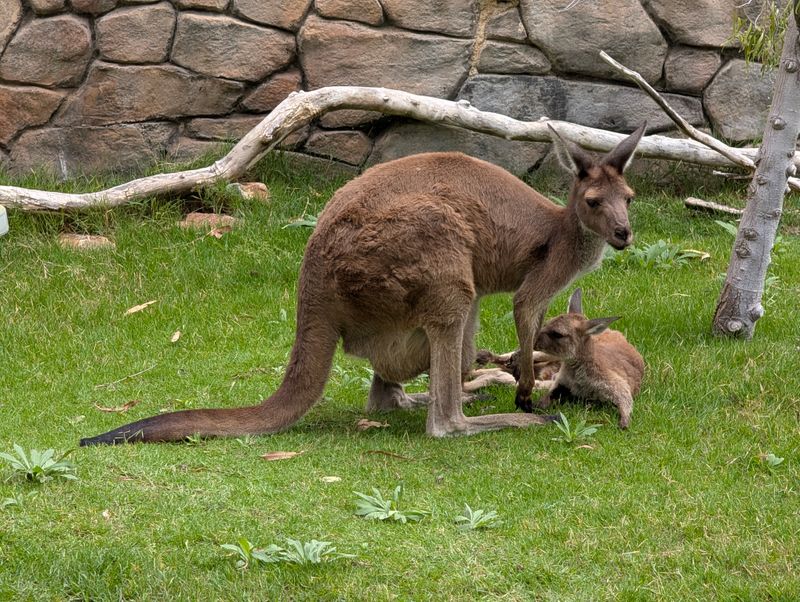
Camera enthusiasts find endless subjects within the park’s boundaries. Natural-looking habitats provide backgrounds that minimize obvious human construction, creating images that could almost pass for wildlife photography from actual safaris.
Lighting conditions vary dramatically throughout the day and across different habitat areas.
Early morning and late afternoon typically offer the most flattering light, with harsh midday sun creating challenging shadows and overexposure.
Telephoto lenses prove valuable for capturing distant animals, though many encounters bring creatures close enough for standard zoom ranges.
Photography policies permit personal use images, with commercial shoots requiring advance permission and often involving fees. Patient observation usually yields better photos than rushed attempts to capture everything.
Watching animal behavior patterns helps photographers anticipate interesting moments rather than simply reacting to whatever happens to occur.
Respectful photography means avoiding flash in animal areas and never attempting to provoke reactions for better shots.
Animals’ wellbeing takes priority over any photograph, and staff members will intervene if visitor behavior causes stress to creatures under their care.