This Scenic California Train Ride Takes You To A Forest Dinner Deep In The Redwoods
The whistle sounds, the cars lurch gently forward, and the outside world starts to fade. Conversation softens. Trees close in. The pace slows enough to notice things usually missed from a car window.
How often does a journey feel intentional before it even reaches the destination?
Railroads like this carry more than passengers. History rides along with every mile, shaped by logging days, quiet towns, and forests that refuse to be rushed.
Skunk Train moves travelers through dense redwood groves where light shifts with every curve. Departures from Fort Bragg and Willits lead deep into landscapes that feel untouched by time.
The ride slows everything down. Redwoods replace highways, and the forest becomes the view instead of a blur. Dinner served beneath the trees turns the trip into a full evening, not just a train ride.
This California rail experience is built for people who need a real pause, not another attraction. Wildlife appears along Pudding Creek, and the route through Mendocino County lets nature set the pace.
Some attractions impress quickly. Others stay with you because they slow everything down. This one belongs firmly in the second group, offering a reminder that travel still holds room for wonder when patience leads the way.
1. Historic Logging Railway Transformed Into Passenger Experience
Built back in 1885, the Skunk Train started its life hauling massive redwood logs from inland forests down to coastal sawmills where the timber industry thrived.
Workers rode these rails daily, transporting the region’s natural resources that helped build communities up and down the California coast.
The railway earned its unusual nickname from the distinctive smell produced by its early gas-powered engines, a scent so strong that locals claimed they could smell the train before they could see it winding through the trees.
Today, those same tracks carry passengers instead of lumber, offering a window into what Northern California looked like more than a century ago.
The route remains largely unchanged, following the original path carved through dense forest and along river canyons.
Riding these rails connects travelers to a time when transportation moved slower and the journey itself held as much value as the destination.
Modern excursions preserve the railway’s heritage while adding comfort and safety features that make the trip accessible for all ages.
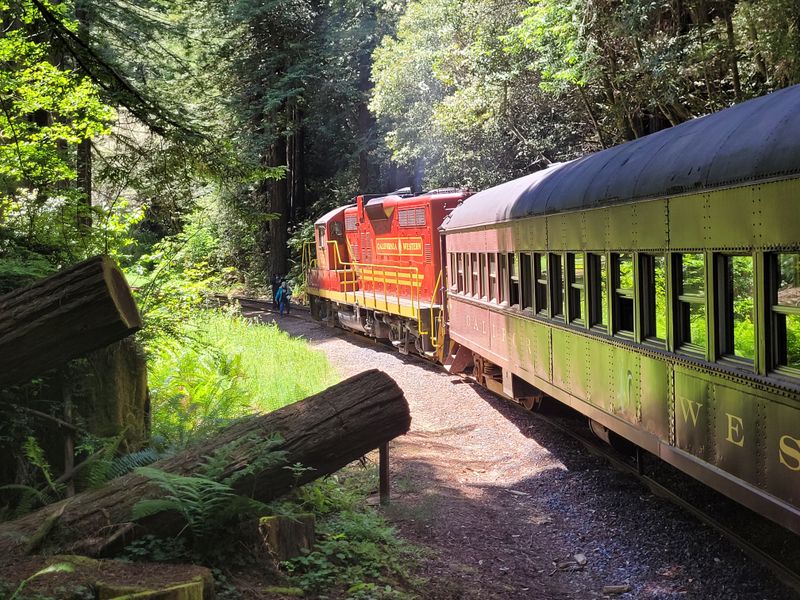
Vintage rail cars have been restored with care, maintaining their historic character while ensuring passenger comfort.
The transformation from industrial workhorse to beloved tourist attraction happened gradually, as communities recognized the value of sharing this unique landscape with visitors from around the world.
2. Two Departure Points Offer Different Forest Perspectives
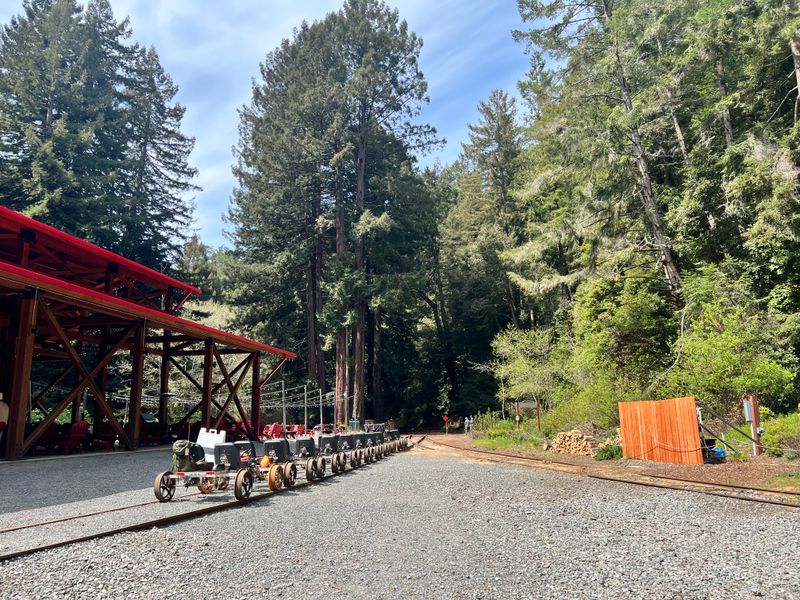
Fort Bragg serves as the coastal starting point, where the Pudding Creek Express departs on a seven-mile round trip that hugs the estuary before entering redwood territory.
The depot sits near downtown, making it convenient for visitors staying in coastal accommodations or exploring the Mendocino shoreline.
This route provides a gentler introduction to the landscape, with wetland views giving way to forest as the train moves inland.
Willits offers the inland option, located at 299 East Commercial Street, Willits, CA 95490, where the Wolf Tree Turn launches passengers on a two-hour journey into Noyo River Canyon.
This departure point sits further from the coast, placing riders immediately into deeper forest territory where the redwoods grow taller and the canyons cut steeper.
The Willits route tends to feel more remote, with fewer signs of coastal development and more emphasis on wilderness.
Choosing between departure points depends on what kind of experience appeals most and where travelers are staying during their Northern California visit.
Fort Bragg works well for those combining the train ride with coastal activities, while Willits suits visitors focused primarily on forest immersion.
Both routes showcase stunning scenery, though the specific views and journey rhythms differ enough to make each trip feel distinct and worthwhile in its own right.
3. Glen Blair Junction Provides Remote Forest Access
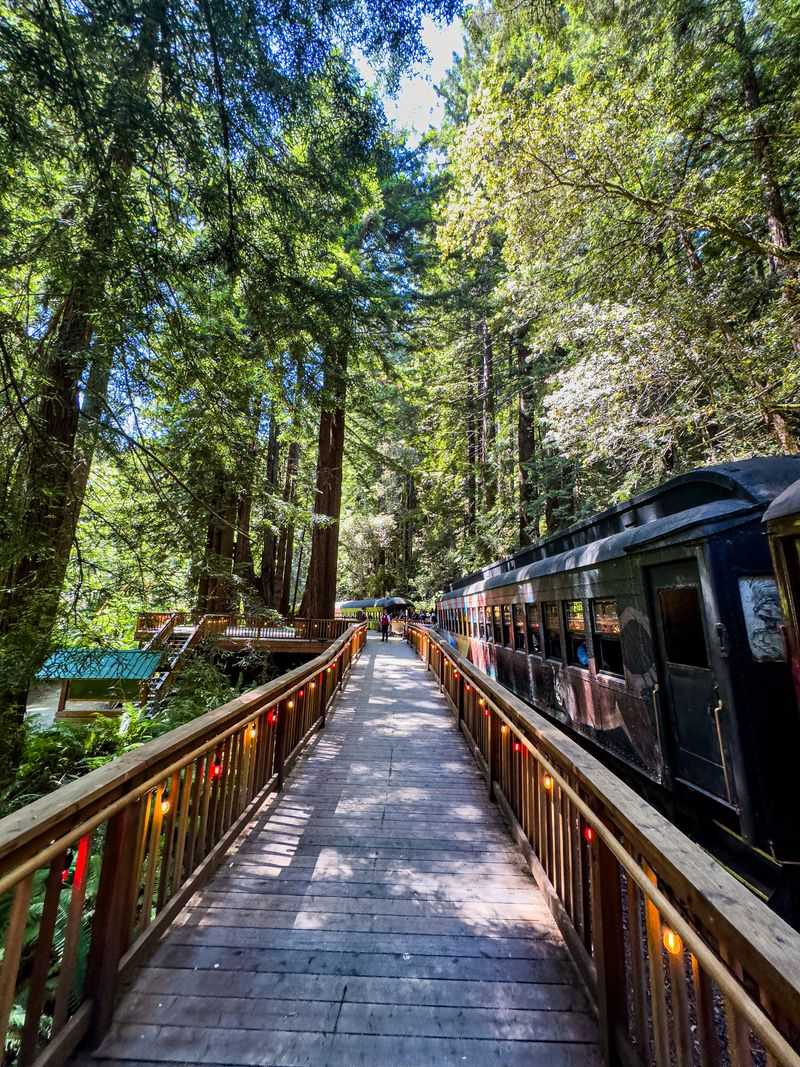
Tucked miles away from any road, Glen Blair Junction exists as a stopping point accessible only by rail, creating an unusual sense of isolation despite being just a train ride from town.
Ancient redwoods encircle the small platform where passengers can step off, stretch their legs, and wander short trails that wind between trees hundreds of years old.
The air here carries a different quality than coastal areas, cooler and damper, filled with the earthy smell of decomposing needles and moss-covered bark.
Some excursions include extended stops here, allowing time for picnics on wooden tables scattered through the grove or participation in guided walks led by naturalists who explain the forest ecosystem.
The quiet can feel almost startling after the rhythmic clatter of the train, with only bird calls and wind through high branches breaking the silence.
No cell service reaches this spot, encouraging visitors to simply be present rather than documenting every moment.
Families appreciate the chance to let children explore safely within the clearing while adults relax on benches positioned to maximize shade and views.
The junction serves as a reminder of how much forest once covered California’s coastal ranges before logging reduced these groves to scattered remnants.
Standing here, surrounded by survivors, offers perspective on both what was lost and what remains worth protecting for future generations.
4. Glen Blair Bar Brings Nightlife Into The Woods
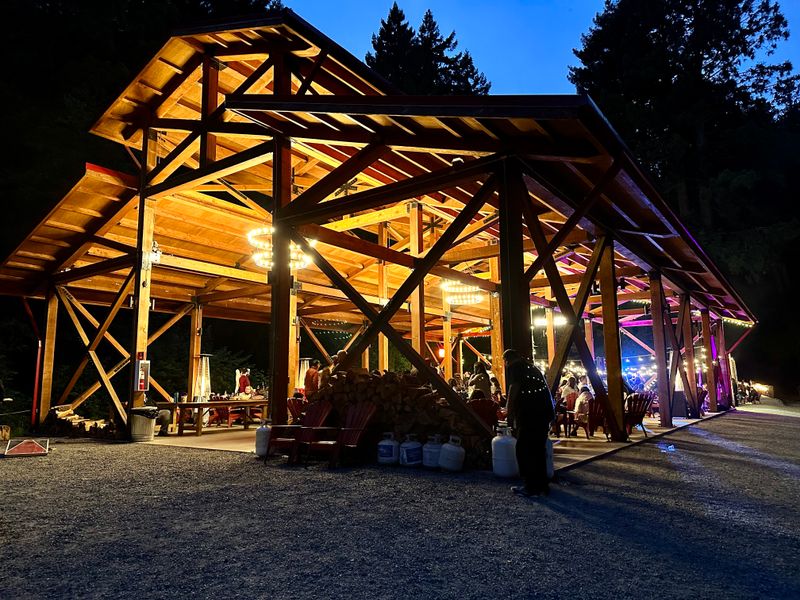
Friday and Saturday nights on select dates, the Skunk Train carries passengers into the forest for an after-dark experience unlike any typical bar outing.
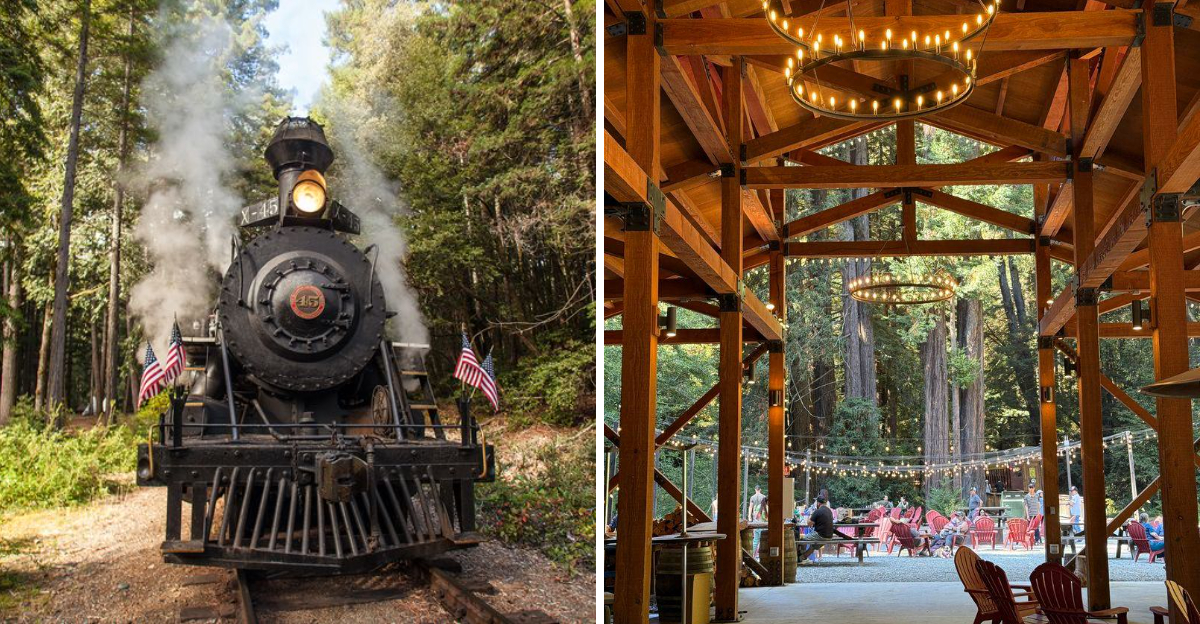
Glen Blair Bar operates deep in the redwoods at the same remote junction, transforming the daytime picnic spot into an evening gathering place complete with firepits casting flickering light on massive tree trunks.
Local musicians perform on a small stage while visitors warm themselves by the flames, creating an atmosphere that blends campfire intimacy with social entertainment.
The bar serves regional beers and wines alongside non-alcoholic options, keeping the focus on the unique setting rather than elaborate drink menus.
Seating clusters around fire rings encourage conversation between strangers who’ve all made the same unusual journey to reach this spot.
The darkness beyond the firelight feels complete, with no light pollution to diminish the stars visible through breaks in the canopy overhead.
Trains depart Fort Bragg in early evening, timed so arrival coincides with sunset filtering through the trees, then return late enough that the ride back happens under full darkness.
The experience requires advance booking and tends to sell out quickly, especially during summer months when comfortable evening temperatures make outdoor gathering most pleasant.
No other venue quite matches the combination of accessibility and remoteness that defines this forest bar, making it a memorable addition to any Mendocino County visit focused on distinctive local experiences.
5. Annual Mushroom Train Celebrates Foraging Culture
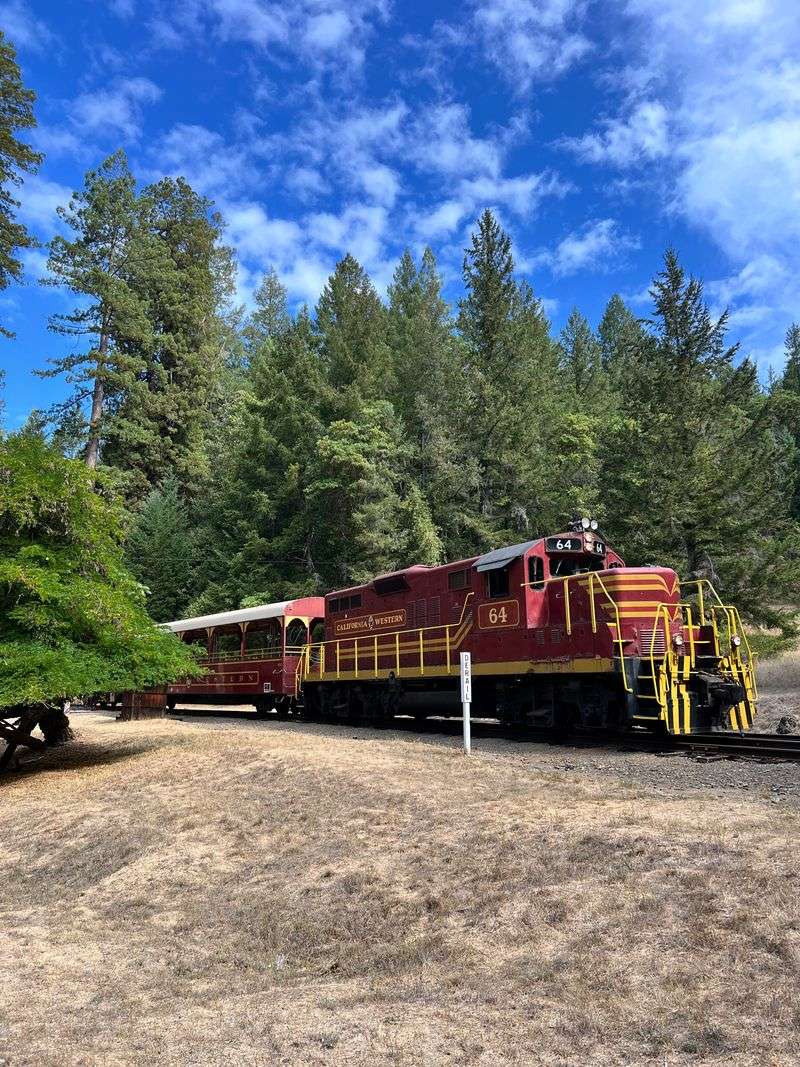
Each November, the Mushroom Train runs as a special event honoring Northern California’s rich tradition of wild mushroom foraging, a practice deeply embedded in local food culture.
Passengers enjoy multi-course meals featuring various mushroom species prepared by regional chefs who understand how to highlight each variety’s unique flavors and textures.
The timing coincides with peak mushroom season when recent rains coax fungi from the forest floor in abundance, making it the ideal moment to celebrate these often-overlooked forest products.
Between courses, guides lead forest bathing experiences and short foraging demonstrations that teach participants how to identify common edible species while emphasizing safety and sustainable harvesting practices.
Local wines complement the mushroom-focused menu, though non-alcoholic pairings are also available for those who prefer them.
Live music adds to the festive atmosphere as the train winds through the redwoods, creating a sensory experience that engages sight, sound, taste, and smell simultaneously.
Tickets for this annual event typically sell out within days of release, reflecting both the train’s popularity and the region’s enthusiasm for mushroom culture.
The experience differs significantly from regular daytime excursions, offering a more immersive dive into local food traditions and ecological knowledge.
Attendees leave with not just full stomachs but also deeper appreciation for the complex relationships between forests, fungi, and the communities that have learned to sustainably harvest these seasonal treasures for generations.
6. Presidential Class Car Adds Luxury To The Journey
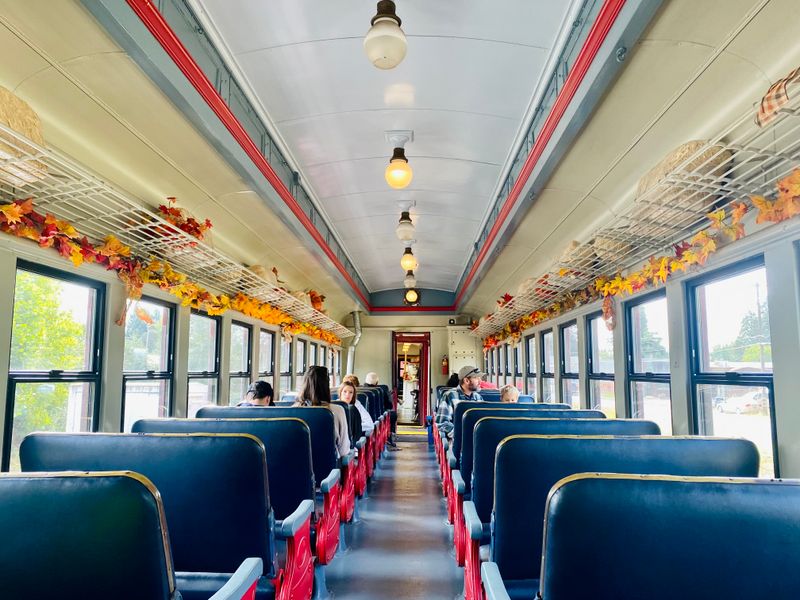
For passengers seeking extra comfort, the Presidential Class Car offers an upgraded experience on the Pudding Creek Express route with amenities that elevate the journey beyond standard seating.
Plush chairs provide significantly more space and cushioning than regular cars, positioned to maximize window views of passing scenery.
White tablecloths cover small tables between seats, creating an atmosphere more reminiscent of fine dining than typical train travel.
First-class service includes attentive staff who provide handcrafted beverages and snacks throughout the journey, though the emphasis remains on non-alcoholic options that complement rather than dominate the experience.
The car’s restored interior showcases polished wood details and vintage fixtures that honor the railway’s historic character while incorporating modern comfort features.
Lighting stays subdued to reduce glare on windows, ensuring nothing interferes with views of the forest sliding past outside.
This upgrade costs additional beyond standard tickets but appeals to travelers celebrating special occasions or those who simply prefer more refined surroundings during their excursion.
The Presidential Car accommodates fewer passengers than regular cars, resulting in a quieter, less crowded atmosphere that some visitors find worth the extra expense.
Booking this option requires advance planning, as limited capacity means availability can be restricted, especially during peak tourist seasons when demand for all Skunk Train experiences runs highest.
7. Wildlife Viewing Opportunities Along The Route
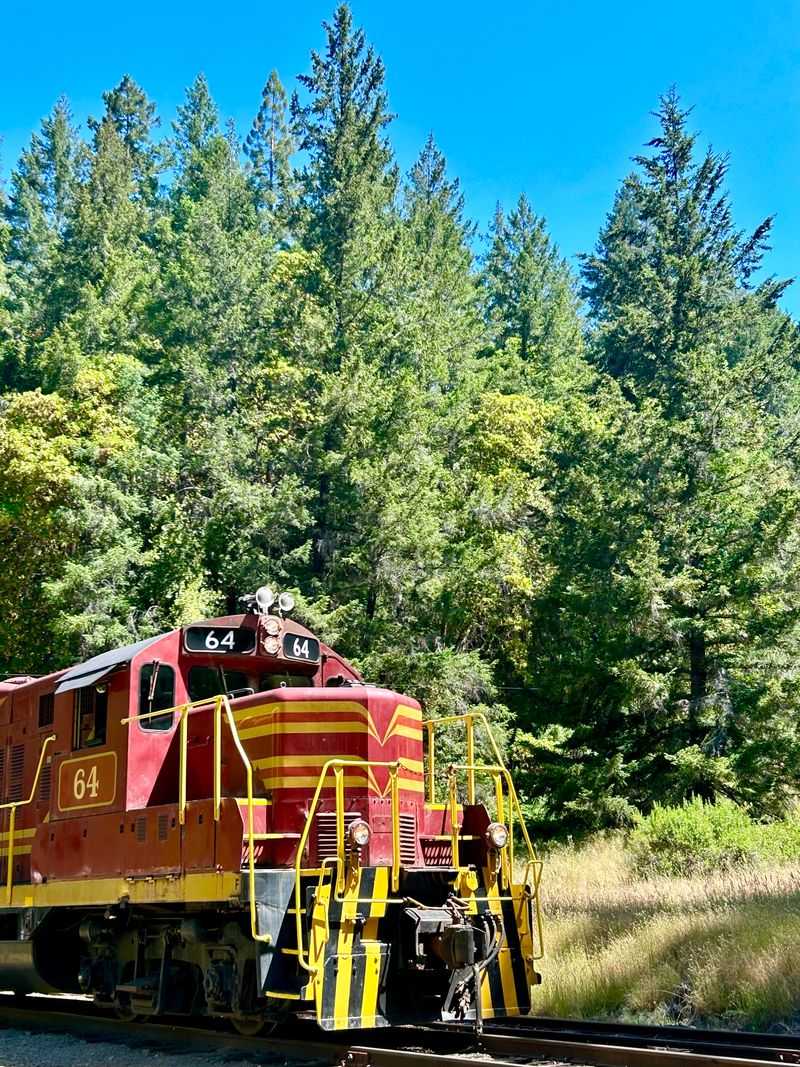
The train’s slow pace and large windows create ideal conditions for spotting wildlife that inhabits the varied ecosystems along the route, from coastal wetlands to deep forest.
Blue herons frequently wade in Pudding Creek’s shallow waters, their statuesque forms easy to spot against mudflats and marsh grasses.
Ospreys nest in dead trees near the water, and passengers often watch these fish-hunting raptors diving or returning to their massive stick nests with fresh catches.
Further inland, the forest sections provide glimpses of different species adapted to life among the redwoods, though spotting them requires patience and attentive watching.
Deer occasionally browse near the tracks at dawn or dusk, while smaller creatures like squirrels and woodpeckers move through the canopy overhead.
The train’s engine noise gives wildlife advance warning, so dramatic close encounters happen rarely, but persistent observers usually spot at least several species during any given journey.
Bringing binoculars enhances wildlife viewing significantly, allowing clearer looks at birds perched in distant trees or animals moving through underbrush alongside the tracks.
Early morning and late afternoon excursions tend to offer the best viewing opportunities when many species are most active.
The conductors and guides often point out wildlife sightings, sharing knowledge about local species and their behaviors that helps passengers understand what they’re seeing beyond simple identification of animals glimpsed through the windows.
8. Historic Steam And Diesel Locomotives
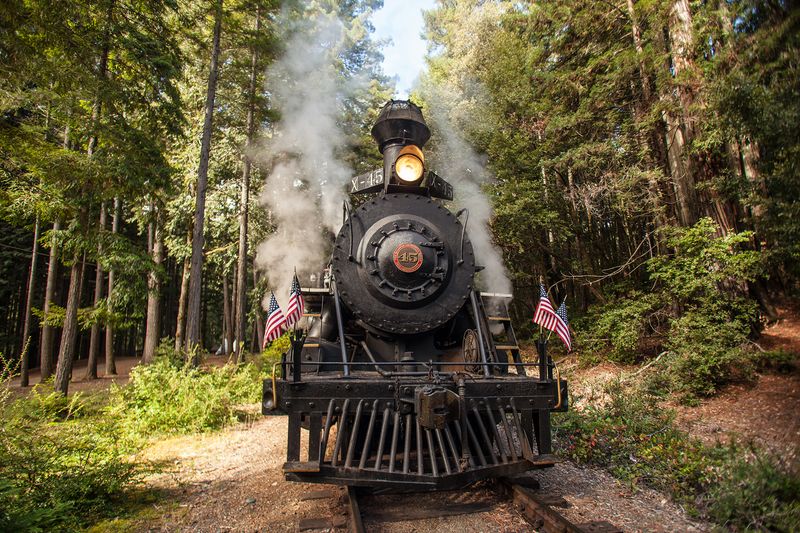
The Skunk Train operates a mix of diesel-electric engines and restored steam locomotives, each providing a different sensory experience for passengers.
The Baldwin 2-8-2 Mikado Steam Engine No. 45, known affectionately as the Super Skunk, represents the railway’s heritage most dramatically when it runs, with smoke and steam adding theatrical flair to the forest journey.
The rhythmic chuffing of the steam engine and occasional whistle blasts create an authentic soundtrack that transports riders back to the railway’s early decades.
Diesel engines offer their own advantages, running more frequently and providing reliable power for regular scheduled service throughout the year.
These locomotives may lack the romantic appeal of steam power, but they deliver smooth, consistent performance that keeps the railway operating efficiently.
The choice between steam and diesel often comes down to scheduling and maintenance requirements rather than passenger preference, though special steam-powered excursions generate considerable excitement when announced.
Maintenance crews work year-round keeping both types of locomotives operational, a challenging task given the age of the equipment and the specialized knowledge required for steam engine repair.
The railway’s commitment to preserving these historic machines means visitors can experience train travel as it existed generations ago, complete with mechanical sounds and operational characteristics long since replaced by modern rail technology elsewhere.
Watching the locomotives being serviced at the depot before departure adds another layer of appreciation for the skilled work required to maintain these rolling pieces of California history.
9. Family-Friendly Atmosphere Welcomes All Ages
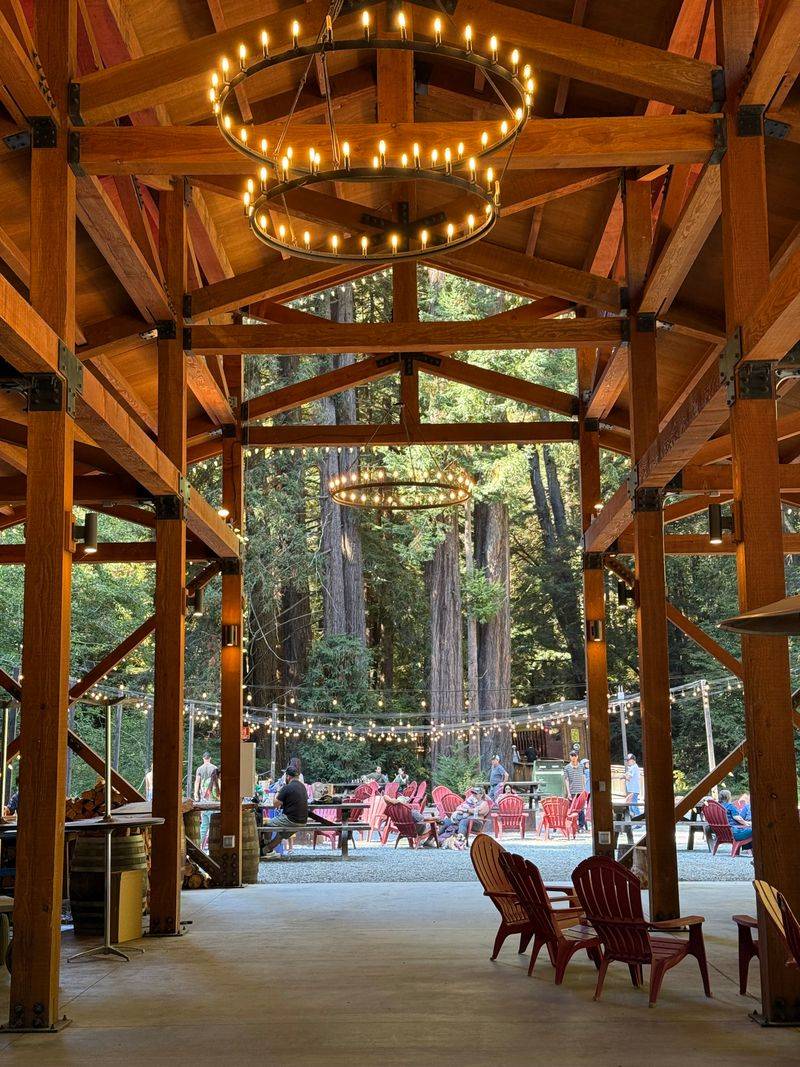
The Skunk Train welcomes passengers of all ages, making it one of Northern California’s most accessible forest experiences for families traveling with young children or elderly relatives.
The trains accommodate strollers and wheelchairs, though advance notice helps staff prepare for specific accessibility needs.
Children typically enjoy the novelty of train travel itself, especially if they’ve never ridden vintage rail cars, and the journey’s length stays manageable for shorter attention spans without feeling rushed.
Some excursions allow well-behaved dogs to join their owners, adding another dimension of inclusivity that pet-owning families appreciate when planning vacations.
The pet policy requires leashes and considerate behavior, ensuring dogs don’t disturb other passengers or create safety concerns in the confined space.
This accommodation reflects the railway’s understanding that for many families, pets are integral members who deserve inclusion in special experiences.
Onboard bathrooms and climate-controlled cars address practical comfort needs that matter especially when traveling with very young or very old passengers.
The trains lack the aggressive marketing and gift shop pressure found at some family attractions, keeping the focus on the actual experience rather than merchandising.
Staff members show patience with questions from curious children and provide information at levels appropriate for different ages, recognizing that creating positive early experiences with nature and history helps build lifelong appreciation for both.
10. Year-Round Operations Through Changing Seasons
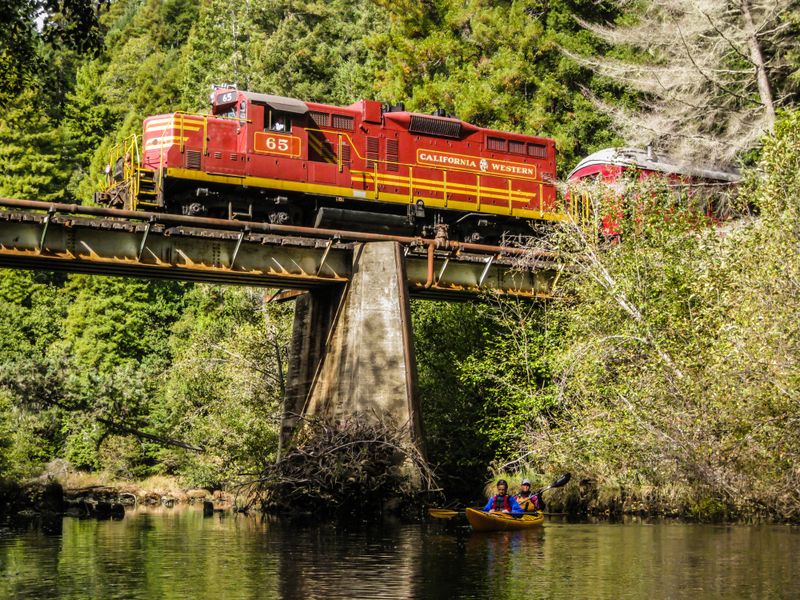
Unlike many seasonal attractions, the Skunk Train operates throughout the year, allowing visitors to experience the redwood forest across different seasons and weather conditions.
Spring brings wildflowers to the understory and increased water flow in creeks crossed by the railway, while summer delivers the warmest temperatures and longest daylight hours for extended exploration.
Autumn transforms the deciduous trees mixed among the conifers into splashes of gold and orange, and winter rains intensify the forest’s green hues while creating dramatic fog effects through the canopy.
Each season offers distinct advantages, with winter’s smaller crowds providing a more intimate experience despite occasional rain that may require extra layers and waterproof gear.
Summer’s popularity means advance booking becomes essential, though the guaranteed sunshine and comfortable temperatures explain why families with school-age children concentrate their visits during these months.
Spring and fall occupy a sweet spot between weather reliability and crowd levels, often delivering excellent conditions without the peak-season press of people.
The railway adjusts its schedule seasonally, with more frequent departures during summer and reduced service in winter when tourist numbers naturally decline.
Special events like the Mushroom Train or holiday-themed excursions add variety to the calendar, giving repeat visitors reasons to return during different times of year.
Checking the official schedule before planning a trip ensures expectations align with actual operations, as maintenance closures or weather events can occasionally affect service despite the railway’s commitment to year-round accessibility.