This Secluded California State Park Is Too Beautiful To Keep Secret
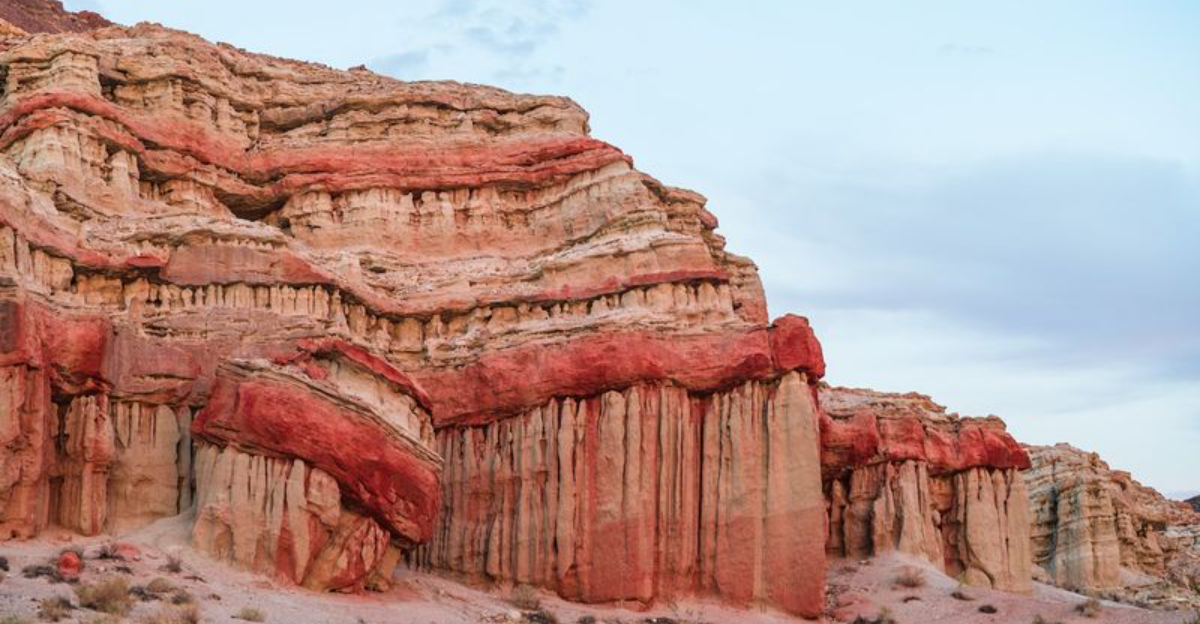
Color takes over the horizon.
Jagged cliffs streaked in crimson and blush rise straight from the desert floor, their layers glowing as the sun shifts overhead. The air feels dry and wide open. Wind threads through narrow ravines carved by time itself.
Red Rock Canyon State Park stretches along Highway 14 in Kern County, where ancient seabeds and tectonic forces sculpted a landscape that looks almost unreal against the California sky.
Every ridge and band of stone reveals another chapter written in sand and pressure.
Footpaths lead into slot-like canyons and up to sweeping overlooks. Campers watch daylight fade as the rocks deepen in tone. When night settles in, the stars appear sharp and endless above the quiet terrain.
This is not a polished postcard version of nature. It is rugged, exposed, and unforgettable – a desert escape that proves California’s beauty goes far beyond its beaches.
1. Visitor Center Open Hours And Location
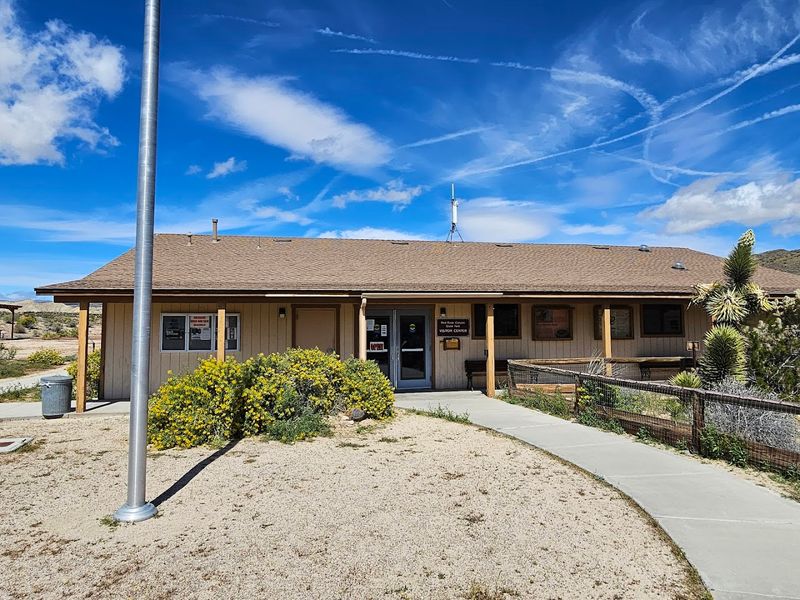
The visitor center at 37749 Abbott Dr, Cantil, CA 93519 serves as the park’s main hub for information and interpretation.
It is open Friday through Sunday from 9 AM to 5 PM, except during July and August when it closes due to extreme summer heat.
When open, staff and volunteers provide updates on trail conditions, wildlife activity, and park guidelines while helping visitors plan their time in the canyon.
Inside, exhibits explore the powerful geological forces that shaped the park’s dramatic cliffs and layered rock formations.
Displays also highlight the desert plants and animals that thrive in this harsh environment, along with cultural exhibits honoring the Kawaiisu people and their deep historical connection to the land.
Maps, brochures, and guidebooks are available for those who want to explore more deeply or navigate specific trails with confidence.
Because the center operates on a limited weekly schedule and remains closed during the hottest months, checking ahead before visiting is recommended.
Even when the building is closed, the park itself stays open, and trail access remains available.
When the center is operating, the added insight from knowledgeable staff can significantly enrich the overall experience.
2. Spectacular Rock Formations Carved By Time
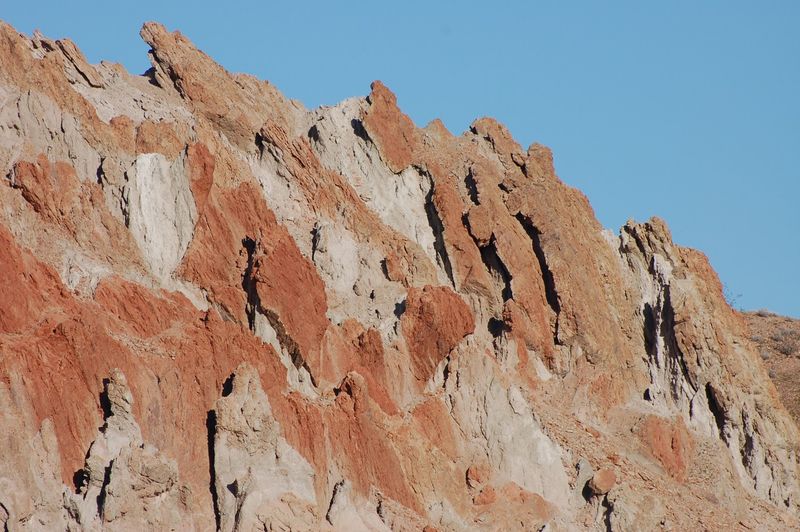
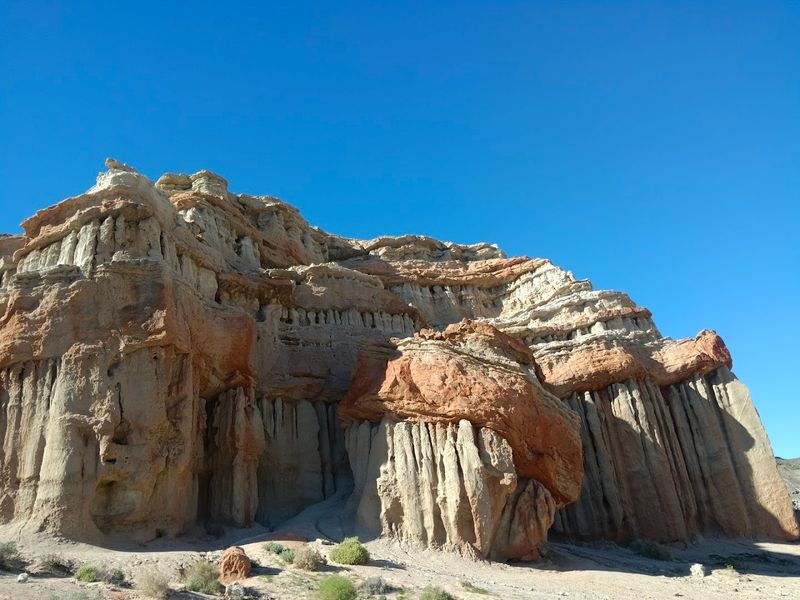
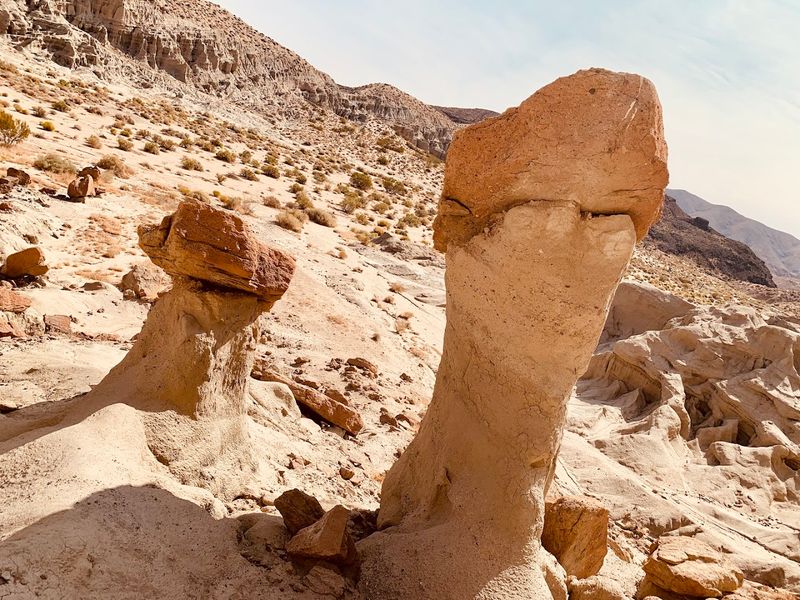
Rock formations at Red Rock Canyon State Park display colors that range from deep crimson to soft rose, creating a visual contrast against the pale desert floor and bright blue sky.
Erosion has worked on these cliffs for millions of years, carving out buttes, mesas, and narrow passages that invite exploration.
The sandstone layers reveal different mineral compositions that contribute to the varying hues, making each section of the park visually distinct from the next.
Visitors often spend hours photographing the cliffs from different angles as sunlight changes the intensity of the colors throughout the day.
Morning light brings out cooler tones while late afternoon casts warm shadows that deepen the reds.
The formations stand tall enough to create a sense of scale that reminds people how small they are compared to geological time.
Walking among these structures feels like stepping into a natural sculpture garden where wind and water have been the artists. Some formations resemble towers while others look like waves frozen in stone.
The textures vary from smooth surfaces polished by wind to rough patches pocked with small holes, offering plenty of details to notice up close.
3. Geological Layers Spanning Tens Of Millions Of Years
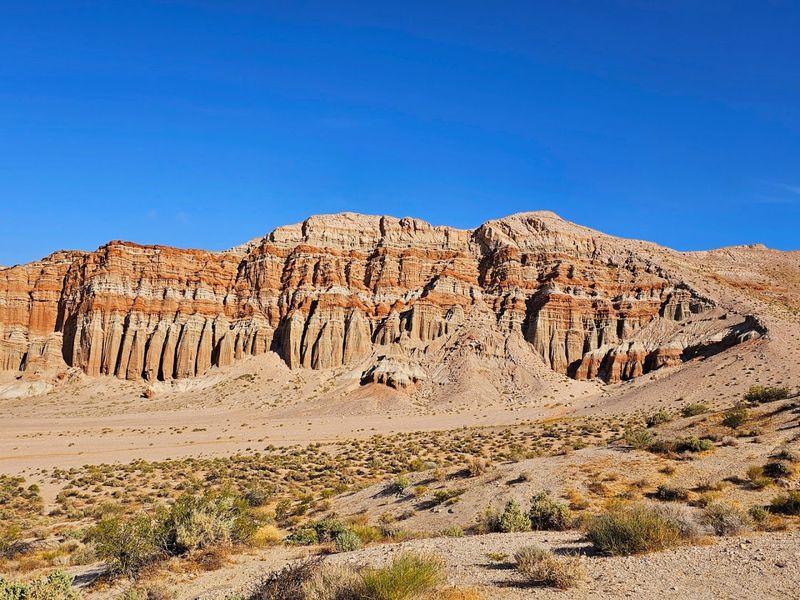
Rock layers at the park function like pages in a history book, with each stratum representing a different period in Earth’s past.
Geologists have identified formations dating back roughly 5–65 million years, including deposits from ancient riverbeds and shifting desert environments.
These layers stack on top of each other in visible bands that tell stories about climate changes, water flow patterns, and the movement of sediments across vast stretches of time.
The Ricardo Formation, one of the most prominent geological features, contains fossils and sediments from a time when the area looked completely different from the arid landscape visible today.
Reading these layers requires some knowledge of geology, but even casual observers can appreciate how the different colors and textures indicate shifts in environmental conditions.
Some layers appear thicker and more compressed while others show signs of rapid deposition during flood events.
Understanding this geological timeline adds depth to any visit because it transforms the park from just a pretty place into a living record of planetary change.
Educational signs along certain trails provide context about what each layer represents.
The sheer age of these formations puts human history into perspective and offers a humbling reminder of how temporary our presence is compared to the enduring nature of stone.
4. Around 400 Plant Species Thriving In Desert Conditions
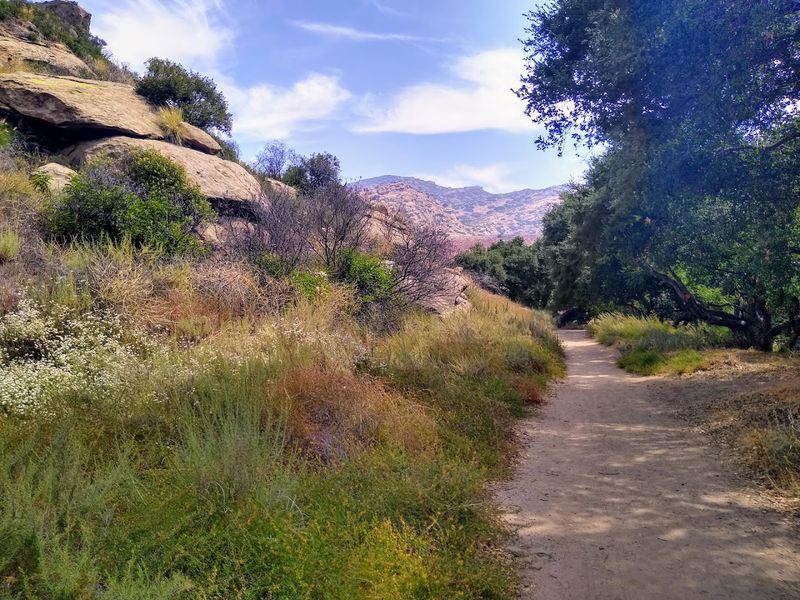
Plant life at Red Rock Canyon State Park demonstrates remarkable adaptation to harsh desert conditions, with around 400 species calling this area home.
Creosote bushes, desert marigolds, and various cacti dot the landscape, each species equipped with specialized features that help them conserve water and withstand extreme temperatures.
Spring brings wildflower blooms that add splashes of yellow, purple, and orange to the terrain, creating brief but spectacular displays when rainfall cooperates.
Joshua trees appear in certain sections of the park, their twisted branches reaching toward the sky in shapes that look almost sculptural.
These plants grow slowly and can live for hundreds of years, making them symbols of desert resilience.
Smaller plants like brittlebush and desert lavender cluster near washes where occasional water flow provides slightly better growing conditions.
The diversity of plant life supports the animal population and contributes to the overall ecosystem health.
Some plants bloom only after specific rainfall patterns, meaning visitors might encounter different botanical displays depending on when they arrive.
Paying attention to the plant life adds another layer of interest to hikes and helps people understand how life finds ways to flourish even in places that seem inhospitable at first glance.
5. Wildlife Including Eagles, Coyotes, And Desert Rodents
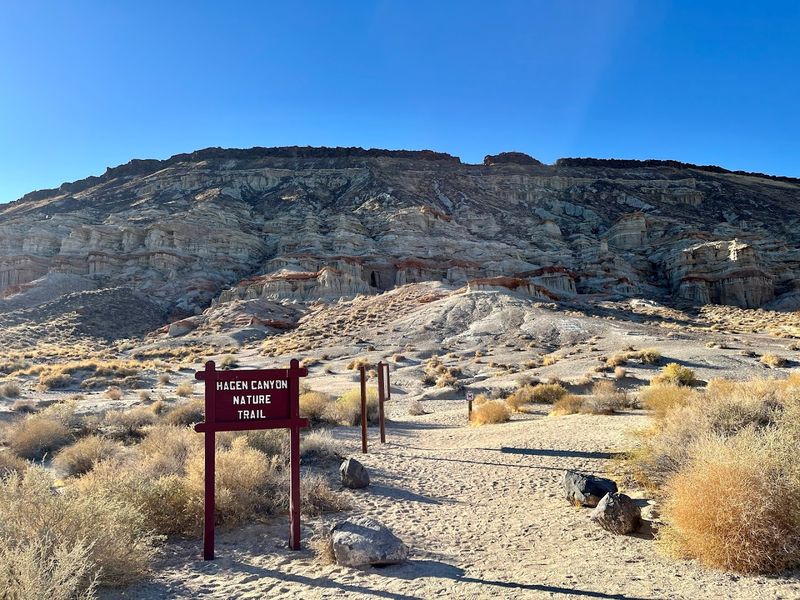
Animal sightings add excitement to visits at Red Rock Canyon State Park, where eagles and falcons soar overhead while smaller creatures scurry across the desert floor.
Roadrunners dart between bushes with their characteristic quick movements, and patient observers might spot coyotes or kit foxes during early morning or late evening hours.
Bobcats roam the area too, though their elusive nature makes them harder to encounter than other species. Bird enthusiasts bring binoculars to watch raptors hunting from high perches on the cliffs.
The park’s varied terrain provides different habitats that support diverse wildlife populations, from rocky outcrops favored by lizards to open areas where mice and squirrels forage for seeds.
Each animal plays a role in the ecosystem, creating a complex web of interactions that keeps the environment balanced. Watching wildlife requires patience and respect for the animals’ space.
Moving quietly and avoiding sudden movements increases the chances of observing natural behaviors without causing stress to the creatures.
Some visitors focus entire trips on wildlife photography, setting up near water sources or known animal corridors.
The experience of seeing these animals in their natural habitat rather than in captivity creates memorable moments that deepen appreciation for desert ecosystems and conservation efforts.
6. Ancient Petroglyphs Left By The Kawaiisu People
Cultural history runs deep at Red Rock Canyon State Park, where the Kawaiisu people left their mark through petroglyphs and pictographs carved and painted on rock surfaces in the nearby El Paso Mountains.
These images represent ritual sites and spiritual practices from ancestors who lived in this region long before modern settlement.
The symbols include geometric patterns, animal figures, and abstract designs that held meaning within the Kawaiisu culture.
Viewing these ancient artworks connects visitors to human stories that stretch back centuries. The Kawaiisu adapted to desert life through extensive knowledge of water sources, plant uses, and seasonal patterns.
Their presence in the landscape reminds people that this area has been home to communities who developed sophisticated understanding of how to thrive in challenging conditions.
Respecting these cultural sites means observing from a distance and never touching or disturbing the rock art.
Oils from human skin can damage the delicate surfaces, and vandalism has already caused irreparable harm to some sites.
Educational materials at the park explain the significance of these cultural resources and the importance of preservation.
Learning about the Kawaiisu people adds historical context that enriches the experience of exploring the park and encourages thoughtful consideration of how different cultures have interacted with this landscape over time.
7. Hiking Trails From Easy Strolls To Challenging Loops
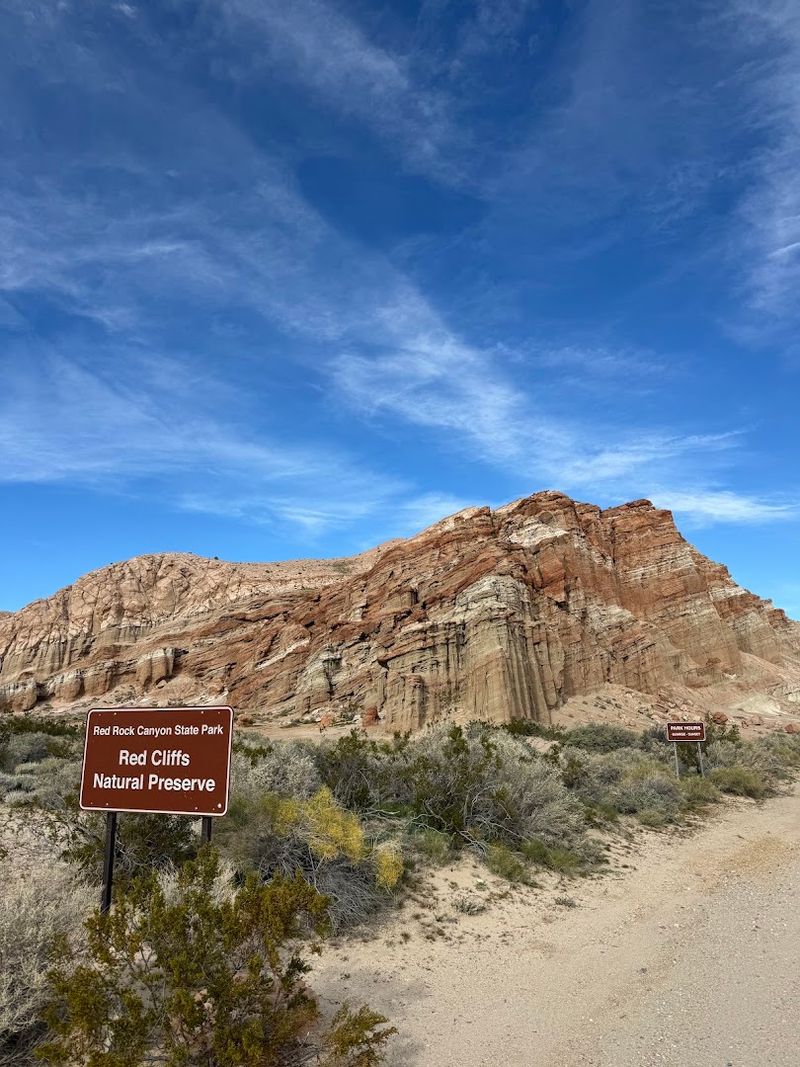
Trail options at Red Rock Canyon State Park range from short walks suitable for families with young children to longer routes that challenge experienced hikers.
The Red Cliffs Trail covers about one mile and follows the base of the colorful cliffs, providing close-up views of the rock formations without requiring significant elevation gain.
This path works well for visitors who want to experience the park’s beauty without committing to strenuous activity.
The Nightmare Gulch Loop Trail extends for 8.8 miles and offers panoramic views from higher elevations, though hikers should note seasonal closures from February through June to protect nesting raptors.
This longer route requires more preparation including adequate water, sun protection, and awareness of personal fitness levels.
The trail winds through varied terrain that showcases different aspects of the park’s geology and vegetation. Other trails branch off from main routes, creating opportunities for exploration and discovery.
Some paths lead to quiet spots perfect for contemplation or photography while others provide vantage points for surveying the surrounding landscape.
Trail conditions can change based on weather, so checking current status before heading out helps avoid disappointment.
Comfortable hiking shoes with good traction make a difference on rocky surfaces, and starting early in the day helps avoid the most intense heat during warmer months.
8. Dark Skies Perfect For Stargazing Adventures
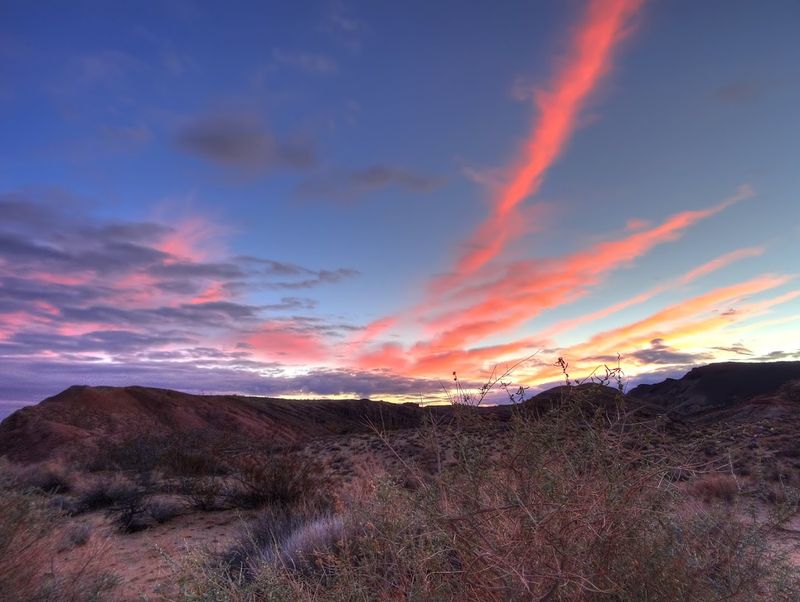
Night skies at Red Rock Canyon State Park rank among the darkest within a two-hour drive of Los Angeles, making this destination a favorite for astronomy enthusiasts and anyone who appreciates celestial views.
Distance from major urban centers means light pollution stays minimal, allowing stars, planets, and the Milky Way to appear with remarkable clarity.
The desert air typically holds less moisture than coastal areas, contributing to sharper viewing conditions on clear nights.
Bringing a blanket and lying back to watch the sky reveals countless stars that remain invisible in city environments.
Meteor showers become spectacular events here, with shooting stars streaking across the darkness in numbers that feel almost overwhelming.
Some visitors bring telescopes to examine planets, star clusters, and distant galaxies in greater detail, while others prefer the simple experience of naked-eye observation.
Planning a stargazing visit requires checking moon phases since full moons brighten the sky and wash out fainter stars. New moon periods offer the darkest conditions and the most dramatic views.
Temperatures drop significantly after sunset in the desert, so warm layers become necessary even during months that feel hot during the day.
The combination of geological beauty during daylight hours and celestial displays after dark makes overnight camping trips particularly rewarding for visitors who want to experience both aspects of the park.
9. Primitive Campground With 50 Rustic Sites
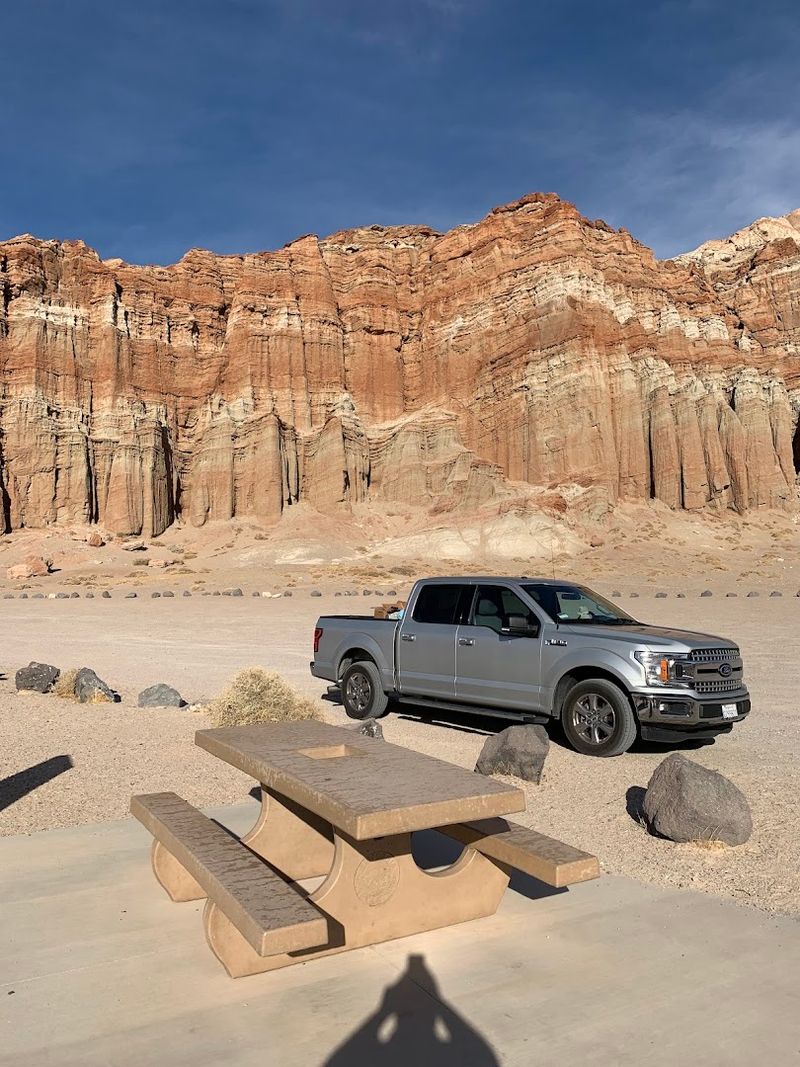
Camping facilities at Red Rock Canyon State Park maintain a primitive character that appeals to visitors seeking authentic outdoor experiences without modern conveniences.
The campground offers 50 sites scattered across the desert terrain, providing basic amenities like picnic tables and fire rings while keeping the focus on natural surroundings.
This setup works well for people who enjoy camping but prefer some structure compared to completely dispersed camping in wilderness areas.
Sites lack hookups for recreational vehicles, though the campground can accommodate both tent campers and self-contained RVs.
Water availability varies by season, so bringing sufficient supplies ensures comfort throughout the stay.
Vault toilets serve the campground, and their locations balance accessibility with distance from individual sites to maintain privacy and minimize odors.
Choosing a campsite involves considering factors like proximity to trails, views of the rock formations, and exposure to wind.
Some sites nestle among boulders that provide natural windbreaks while others sit more openly with expansive views.
Reservations help secure spots during popular times, though the campground rarely fills to capacity except during major events or holiday weekends.
The rustic nature of the facilities means visitors should come prepared with their own supplies and equipment, but the trade-off is an experience that feels more connected to the natural environment than highly developed campgrounds offer.
10. Seasonal Trail Closures To Protect Nesting Raptors
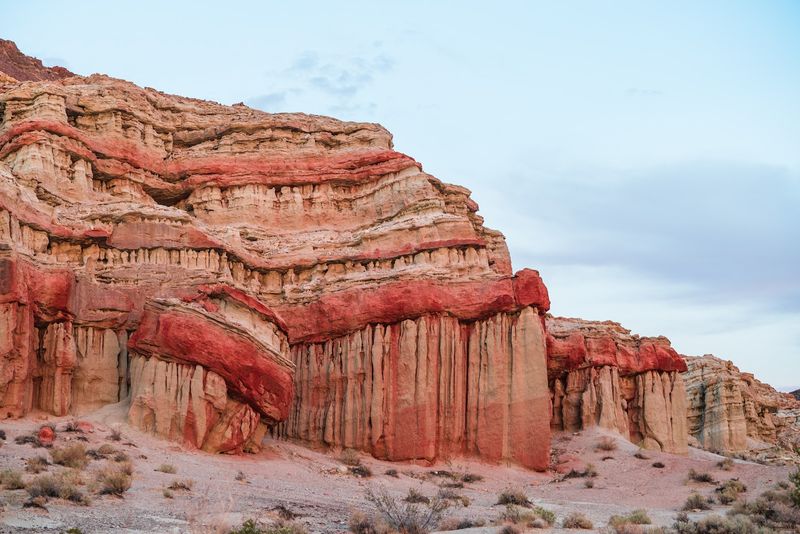
Conservation efforts at Red Rock Canyon State Park include seasonal closures of certain areas like Nightmare Gulch from February through June to protect breeding raptors.
These restrictions help ensure that eagles, falcons, and other birds of prey can raise their young without human disturbance during critical nesting periods.
The closures demonstrate how park management balances public access with wildlife protection, prioritizing long-term ecosystem health over unlimited visitor freedom.
Raptors select nesting sites on cliff faces and rocky outcrops where they have clear views of surrounding territory and protection from ground predators.
Human presence near these sites can cause adult birds to abandon nests or fail to adequately feed chicks, leading to reproductive failure.
The temporary closures allow these birds to complete their breeding cycles successfully, supporting healthy populations that benefit the entire ecosystem through their role as predators controlling rodent and small animal numbers.
Respecting these closures means planning visits around the restrictions or choosing alternative trails during affected months.
Signs and park information clearly indicate which areas are off-limits and when they will reopen.
The patience required to wait for seasonal access teaches valuable lessons about coexisting with wildlife and recognizing that natural processes sometimes take priority over human convenience.
Successful raptor breeding seasons ultimately benefit future visitors who will continue to enjoy watching these magnificent birds soaring above the canyon.
11. Historic Mining Remnants From The 1890s
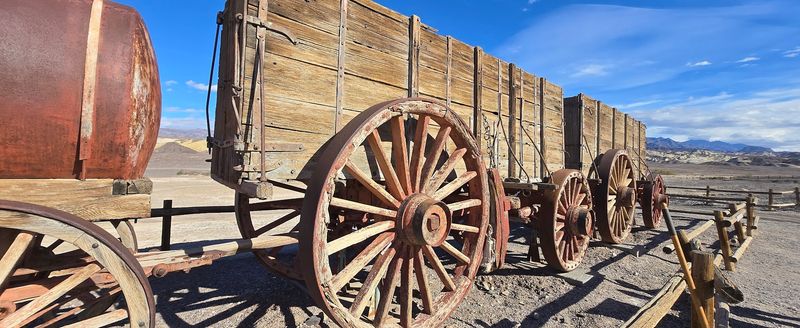
Mining history adds another dimension to Red Rock Canyon State Park, where remnants from 1890s-era operations remain scattered across certain sections of the landscape.
These artifacts include old equipment, structural ruins, and mine entrances that tell stories about the people who came to this remote area seeking mineral wealth.
The mining activity never reached the scale of operations in other California locations, but it left enough traces to provide historical interest for visitors curious about the human past in this region.
Exploring these historic sites requires caution because old mine shafts pose serious safety hazards and should never be entered.
Unstable structures and abandoned equipment can also present dangers, so observation from a safe distance protects both visitors and the historical resources.
Photographs capture these remnants without risking damage or injury, and educational signs provide context about what life was like for miners working in this harsh environment.
The contrast between the natural beauty of the park and the industrial scars left by mining raises questions about land use and resource extraction.
These sites serve as reminders that even remote places have been shaped by human economic activities and that preservation efforts work to balance historical documentation with environmental restoration.
Understanding this mining heritage helps visitors appreciate the full complexity of the park’s story beyond just its geological and natural features.
12. Easy Access From Highway 14 In Kern County
Location along State Highway 14 makes Red Rock Canyon State Park easily accessible for visitors traveling from various parts of Southern California.
The park sits about 80 miles east of Bakersfield and 25 miles north of Mojave, placing it within reasonable driving distance for day trips or weekend getaways.
Clear signage along the highway marks the park entrance, and the main road through the park remains paved, allowing standard vehicles to reach key areas without requiring four-wheel drive.
The drive to the park takes travelers through changing landscapes that transition from urban areas to agricultural regions and finally into the desert environment surrounding the canyon.
This journey itself becomes part of the experience as the scenery shifts and the sense of remoteness increases.
Highway 14 serves as a major route connecting the Antelope Valley to the Mojave Desert, so traffic conditions generally remain manageable except during peak travel times.
Accessibility extends beyond just reaching the park to include the variety of ways visitors can experience it once they arrive.
Some people stop for quick photo opportunities during longer road trips while others plan multi-day camping adventures. The proximity to other desert attractions allows for combining visits to multiple sites in a single trip.
Fuel and supplies should be secured before entering the park area since services remain limited in this remote region, and cell phone coverage can be spotty or nonexistent in some sections.