This Short 2-Mile Hike In California Is So Scenic, You’ll Be Dreaming About It For Days
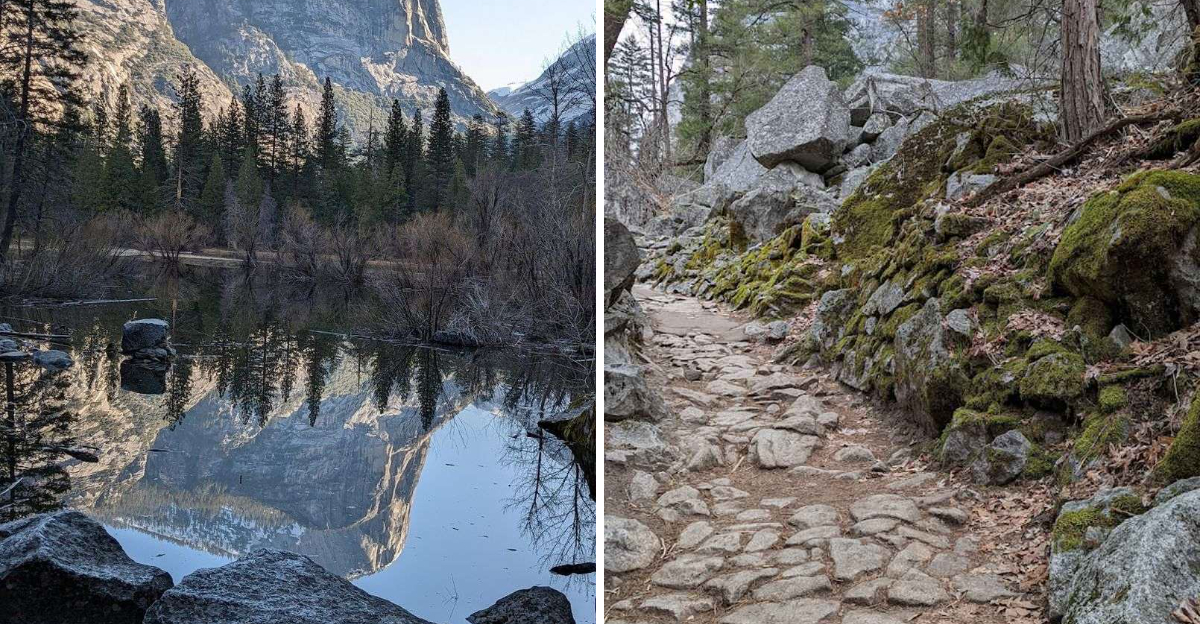
The first few steps feel almost too easy.
The trail starts off wide and steady, giving no real hint of what is waiting ahead. The pace stays relaxed, and the surroundings begin to open up in a way that feels gradual rather than dramatic. Then the views start to shift.
Granite walls rise higher. The landscape feels larger. Reflections appear in the water at just the right angle, pulling your attention in without needing much effort. The change happens quickly, but it never feels rushed.
Short hikes do not always deliver this kind of payoff. That is what makes this one stand out.
Easy trails in California can still feel memorable when the setting does most of the work.
A walk like this does not ask much, but it gives back more than expected. The Mirror Lake Trail holds that balance, offering a simple route with scenery that lingers long after the hike is over.
The Trail Is Only 2 Miles Round-Trip But Feels Like So Much More
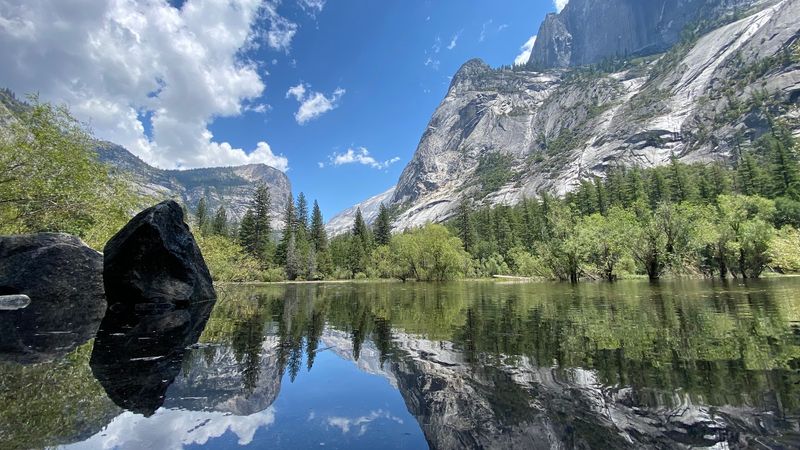
Short hikes sometimes get dismissed as not worth the effort, but the Mirror Lake Trail in Yosemite quietly proves that distance has nothing to do with how memorable a walk can be.
Stretching just 2 miles round-trip from the trailhead to the lake and back, the path covers a relatively modest distance that most visitors can complete in about an hour at a comfortable pace.
The elevation gain is only around 100 feet, which means the trail stays mostly flat and easy on the legs throughout.
That gentle grade makes it accessible to a wide range of visitors including young children, older adults, and people who may not be regular hikers.
The trail starts at shuttle stop number 17 in Yosemite Valley, making it easy to reach without driving directly to the lake.
The first mile is a paved service road that leads directly to Mirror Lake, giving the walk a smooth and well-maintained feel from the very beginning.
For those wanting more, a longer loop around Tenaya Creek extends the total distance to roughly 5 miles.
Half Dome Views Are The Star Of The Show Along This Route
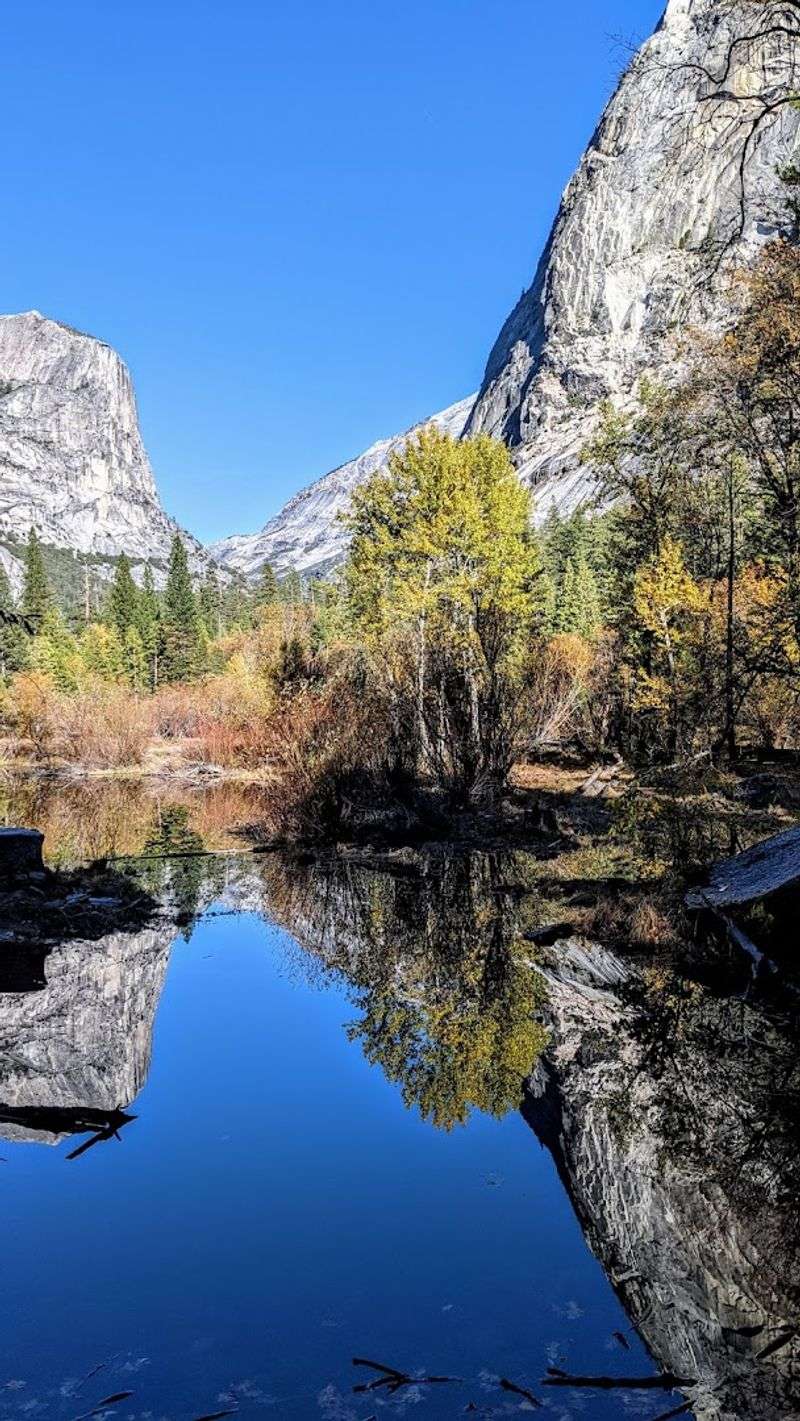
Few natural landmarks in the United States command attention the way Half Dome does, and the Mirror Lake Trail puts that iconic granite face front and center.
The view of Half Dome from near the lake is widely considered one of the most photogenic angles in all of Yosemite National Park.
Visiting near sunset adds a particularly striking quality to the experience because the late light catches the sheer face of the mountain and turns it a warm shade of pink and gold.
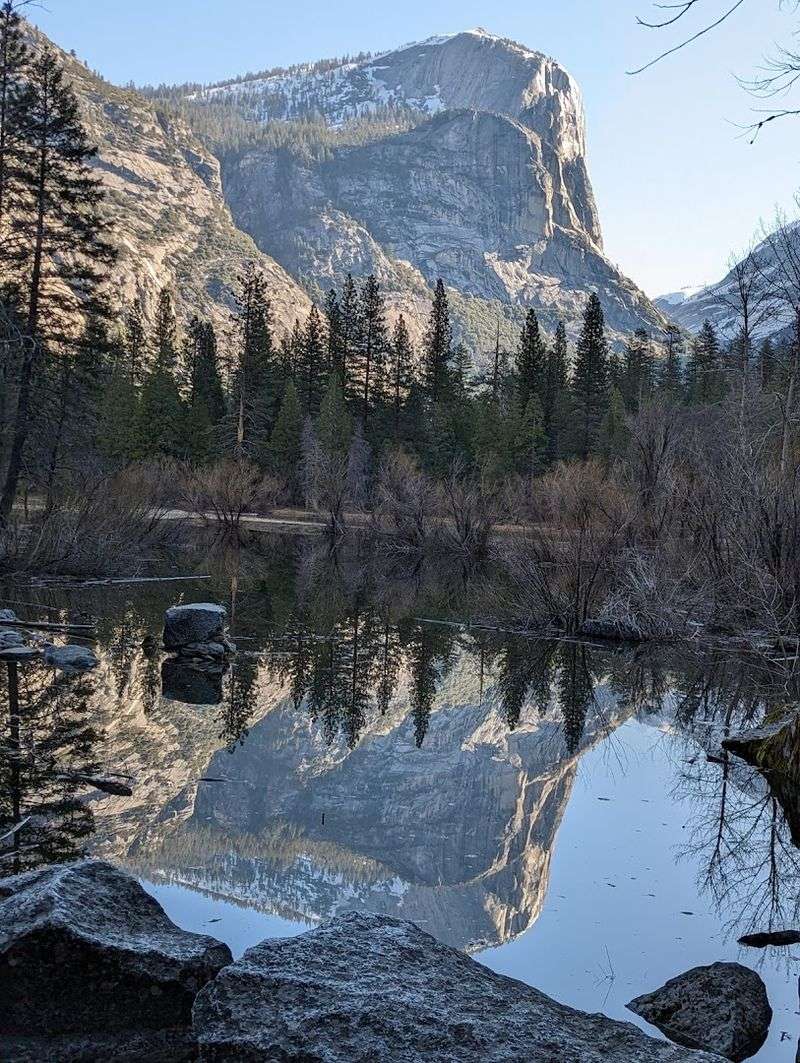
The reflection of Half Dome in the still water of the lake during spring creates a near-perfect mirror image that gives the trail its name.
Beyond Half Dome, the trail also offers clear sightlines toward Tenaya Canyon, Mount Watkins, and Washington Column, surrounding visitors with some of the most dramatic granite scenery found anywhere in California.
The combination of vertical cliffs and open sky creates a sense of scale that feels genuinely humbling.
Even on a cloudy day, the sheer walls and rugged ridgelines make for a visually powerful walk that tends to linger in the memory long after leaving the park.
Spring And Early Summer Bring The Most Spectacular Reflections
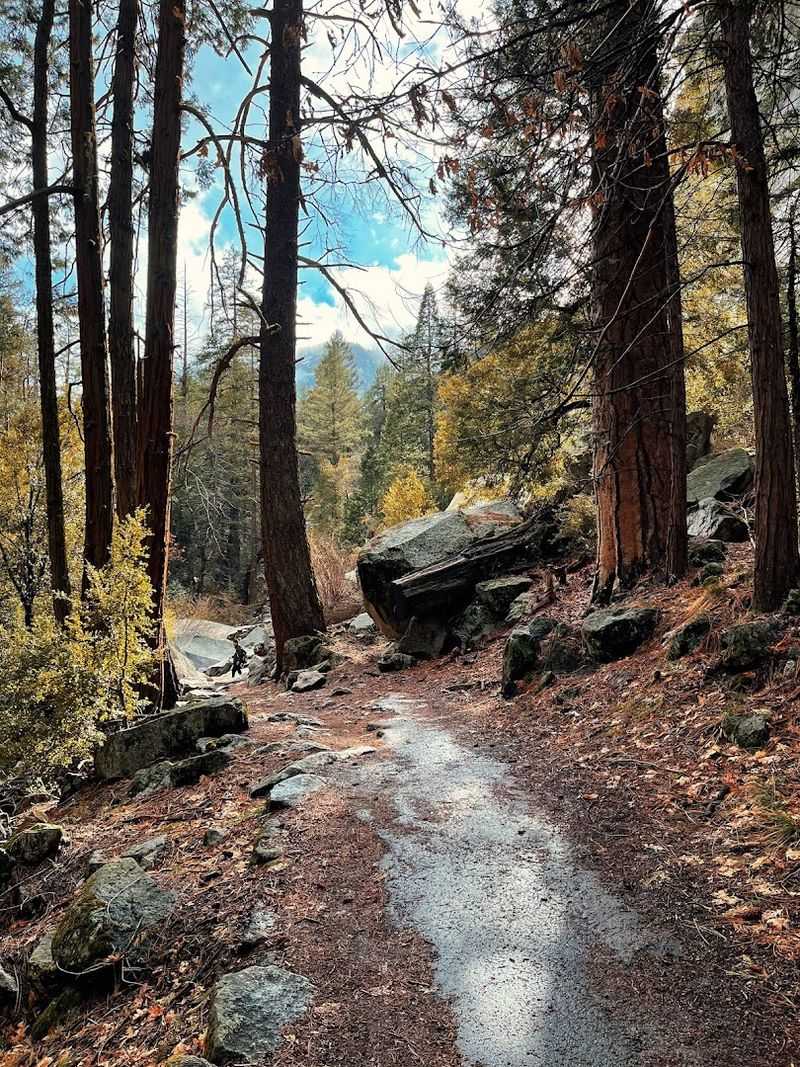
Timing a visit to Mirror Lake can make a significant difference in what the landscape actually looks like.
Spring and early summer tend to offer the most visually dramatic experience because snowmelt from the surrounding mountains feeds Tenaya Creek and fills the lake to its fullest level.
When the water is calm and high, the surface acts like a natural mirror, producing clear reflections of the towering cliffs and peaks above.
The light during morning hours tends to be particularly soft and even, which makes the reflections appear especially sharp and vivid.
Wildflowers along the trail edges add splashes of color during late spring, and the surrounding forest looks richly green from the seasonal moisture.
The creek itself runs with more energy during this period, creating gentle sounds of moving water that accompany the walk in a pleasant way.
Visiting on a weekday morning during spring could offer a quieter experience compared to weekend afternoons when the trail sees heavier foot traffic.
Arriving early in the day also increases the chance of catching the lake surface before afternoon breezes disturb the stillness of the water.
Late Summer Transforms The Lake Into A Peaceful Meadow
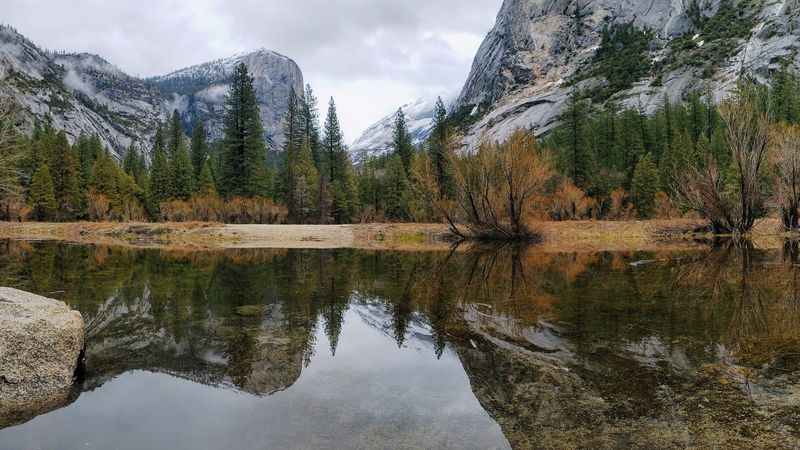
Not every visitor arrives to find a shimmering lake, and that is actually part of what makes the Mirror Lake Trail so interesting across different seasons.
By late summer and into fall, the lake typically dries up almost completely as snowmelt decreases and the water level drops significantly.
What remains is a wide sandy lakebed covered in grasses and low vegetation that creates its own kind of quiet beauty.
The open expanse of the dry meadow offers unobstructed views of the surrounding cliffs that are actually harder to see when the lake is full and the treeline fills the frame.
Some visitors find the dry lakebed version of the trail just as rewarding because the landscape feels more open and the views stretch further without water in the way.
The sandy floor of the former lake also provides a unique perspective on the geology of the valley, with exposed rock and sediment telling a story of seasonal cycles.
Fall foliage along the trail in October and November adds warm tones of amber and orange to the scene, making late-season visits worth considering for those who enjoy a different kind of natural palette.
Reaching The Trailhead
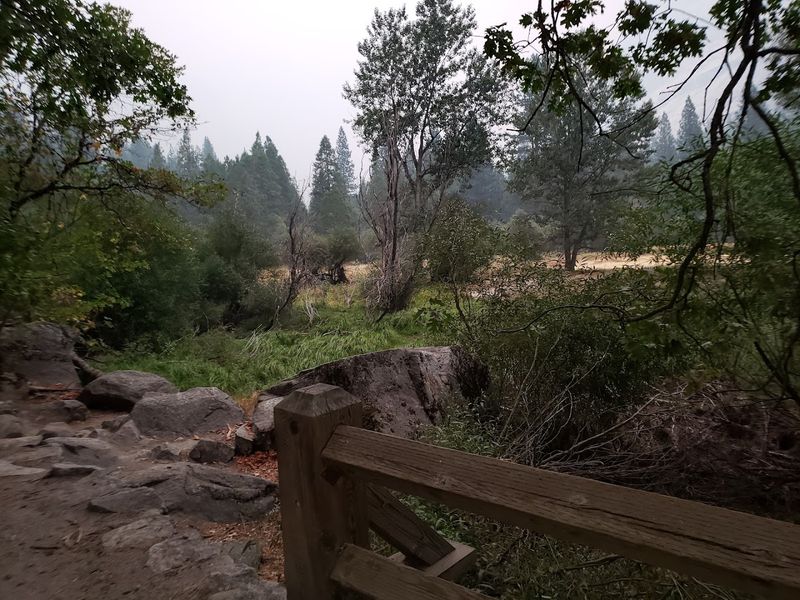
Getting to the Mirror Lake Trail requires a bit of planning, but the options are more flexible than many first-time visitors expect.
Parking is not available directly at the lake, though visitors can drive and park nearby at Curry Village.
From there, it is an easy walk or bike ride to the trailhead, adding a small amount of distance to the overall experience.
Biking in is a popular choice for those who want a quicker and more active approach, while walking offers a more gradual start to the day.
The paved path leading toward the trailhead makes both options straightforward and easy to follow.
The free Yosemite Valley shuttle is also available and can simplify the experience, especially during busier times when traffic increases.
Shuttle stop 17 drops visitors close to the trailhead, making it a convenient alternative to driving.
Planning ahead tends to make the visit smoother, particularly during peak season when roads can become congested.
Checking current shuttle hours on the National Park Service website before arriving is a practical step, as schedules can vary throughout the year.
Leashed Pets And Bicycles Are Welcome On The First Mile
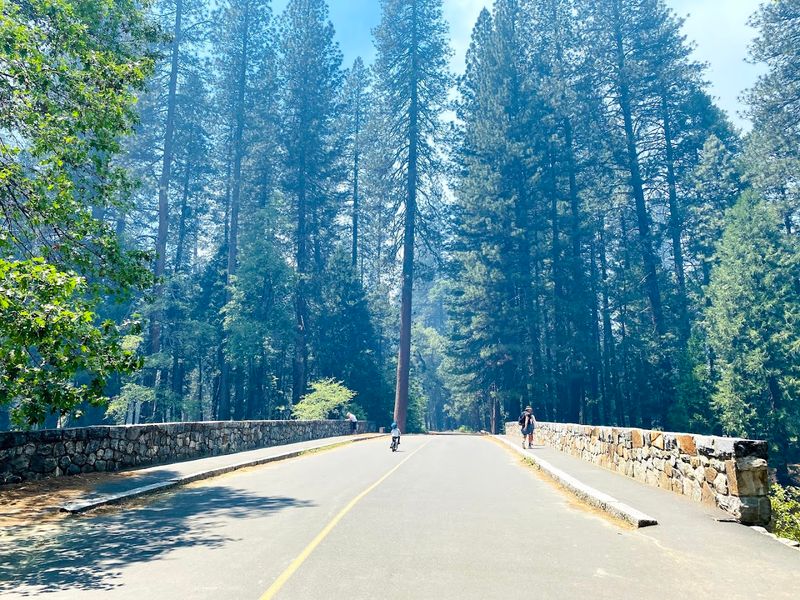
Bringing a pet along on a hike in a national park can be tricky because many trails prohibit animals entirely.
The Mirror Lake Trail is a bit more flexible in that regard, allowing leashed pets and bicycles on the first paved mile of the route that leads to the lake.
Strollers are also permitted on that same paved section, which adds to the trail’s reputation as one of the more family-friendly walks in Yosemite.
The smooth surface makes pushing a stroller manageable without the uneven terrain challenges that come with unpaved backcountry trails.
Beyond the first mile, the rules change and pets as well as bicycles are no longer allowed on the trail.
Visitors planning to complete the full 5-mile loop around Tenaya Creek should arrange for pets to stay behind or return to the trailhead before continuing past the lake.
Water levels in Tenaya Creek can run fast and high during spring, so keeping pets on leash near the creek is especially important during that season for safety reasons.
Checking current trail rules on the National Park Service website before visiting helps avoid any surprises at the trailhead.
The Full Loop Around Tenaya Creek Extends The Adventure To 5 Miles
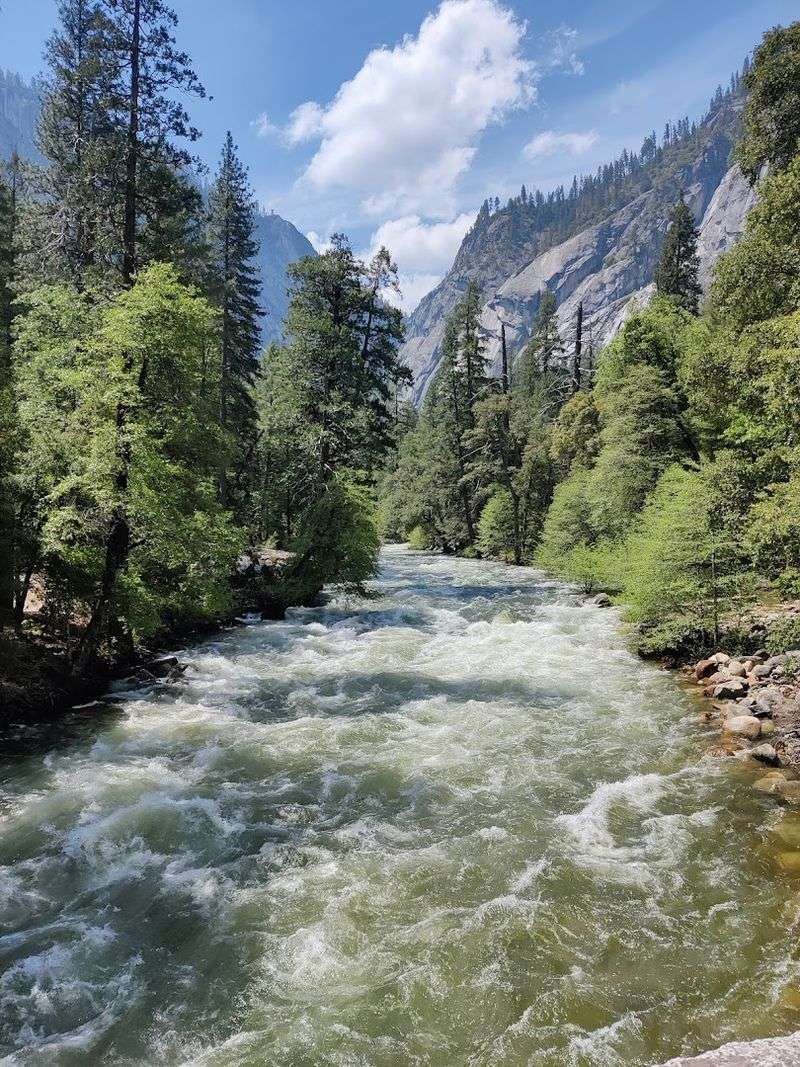
For visitors who want more than a quick out-and-back stroll, the Mirror Lake Trail offers a natural extension that turns the short walk into a more substantial half-day outing.
Continuing past the lake and following the loop around Tenaya Creek adds enough distance to bring the total to approximately 5 miles with an estimated completion time of 2 to 3 hours at a comfortable pace.
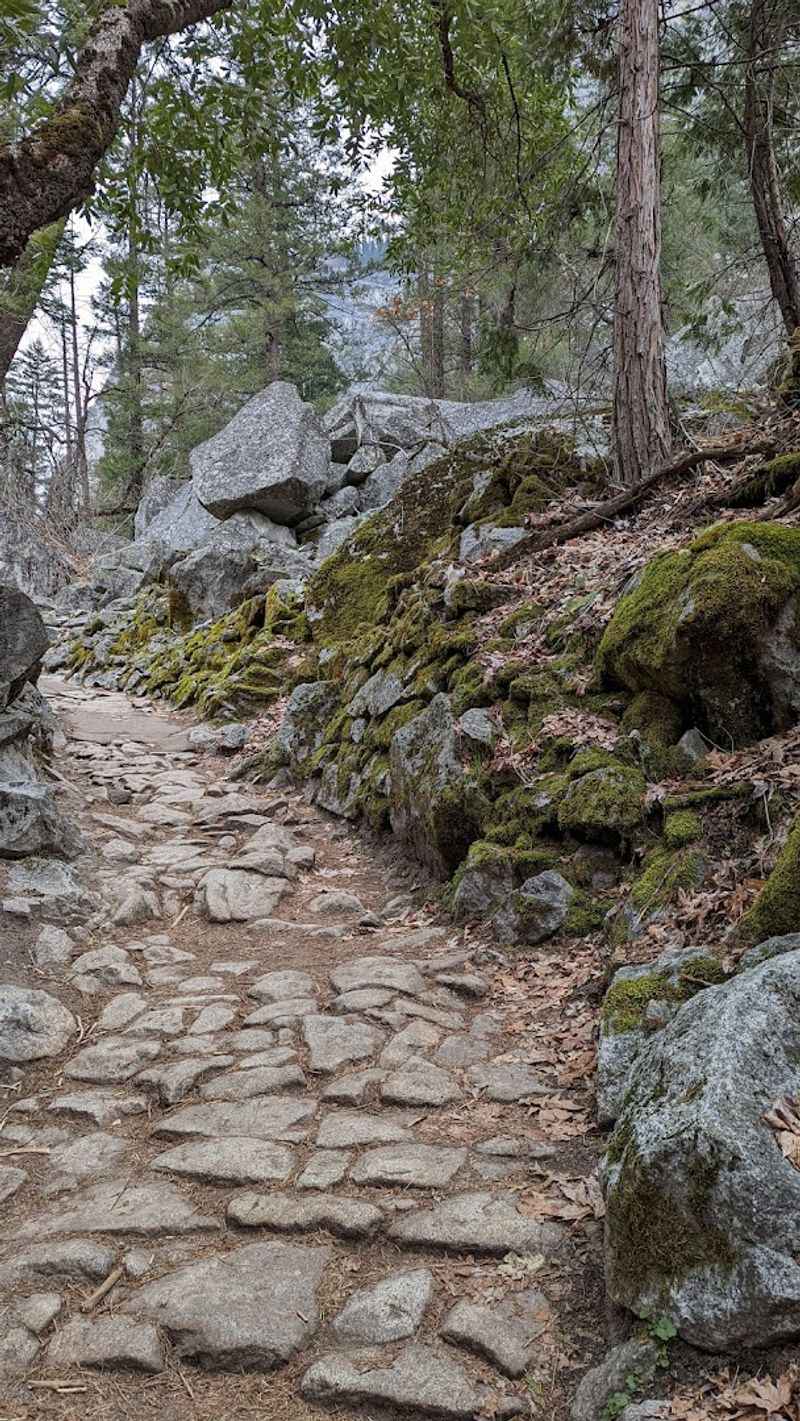
The loop portion of the trail moves away from the paved section and onto a natural surface path that winds through forest and along the creek.
Shaded stretches of the loop provide welcome relief from the sun during warmer months, and the sound of water moving over rocks adds a pleasant rhythm to the walk.
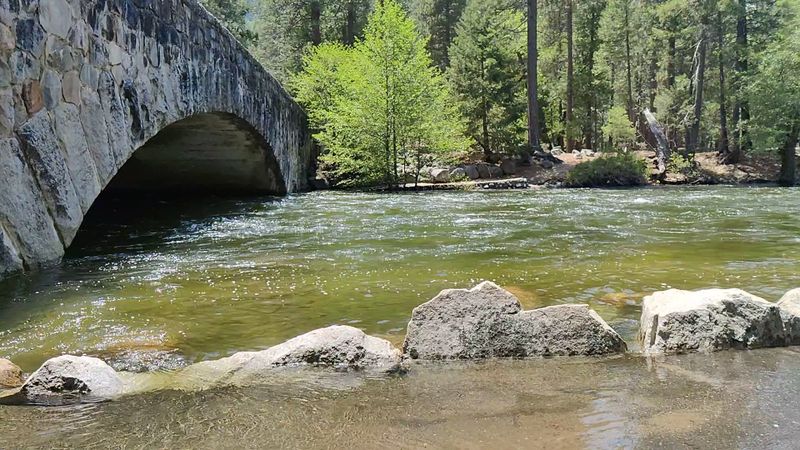
Tenaya Creek itself is a beautiful feature of the loop section, with clear water and rocky banks that invite a rest break.
The loop connects back around to the trailhead, making navigation straightforward without needing to backtrack the same route.
Hikers who complete the full loop tend to come away with a richer sense of the valley’s landscape since the varied terrain of the extended trail covers more ecological variety than the paved first mile alone.
Restroom Facilities Are Available Along The Trail Route
Practical amenities on a hiking trail can make a big difference in how comfortable and well-prepared visitors feel during the outing.
The Mirror Lake Trail provides vault toilet facilities at two points along the route, which is a helpful detail worth knowing before heading out.
One set of restrooms is located approximately 0.5 miles from the trailhead, and another is available at Mirror Lake itself.
Having facilities at the lake means visitors do not have to rush back to the trailhead if nature calls after reaching the main destination.
Beyond those two points, there are no additional restroom facilities along the trail, particularly on the extended loop section around Tenaya Creek.
Anyone planning to complete the full 5-mile loop should plan accordingly and use the facilities at the lake before continuing onto the unpaved portion of the route.
Bringing a refillable water bottle is also a smart move since there are no water stations along the trail and temperatures in Yosemite Valley can climb noticeably during summer afternoons.
Staying hydrated on even a short and easy hike like this one makes the overall experience more enjoyable and reduces the chance of fatigue setting in before reaching the lake.
The Paved Section Makes The Trail Accessible To A Wide Range Of Visitors
Accessibility is something that not every hiking trail in a national park can honestly claim, but the Mirror Lake Trail stands out for its genuinely inclusive first mile.
The paved service road that leads from the trailhead to the lake is wheelchair accessible, making it one of the more welcoming paths in Yosemite National Park.
Vehicles carrying passengers with a disability placard are permitted to drive up to Mirror Lake, though caution is advised because the road is shared with pedestrians and cyclists.
That shared-use arrangement means drivers should move slowly and remain alert throughout the approach.
The combination of a smooth surface, minimal elevation gain, and manageable distance makes the paved section suitable for visitors across a wide age range.
Older adults who may find steeper or rougher terrain challenging tend to find the Mirror Lake Trail a satisfying option that still delivers genuine scenic rewards without requiring high physical output.
Families with young children in strollers also benefit from the smooth footing.
The trail’s accessibility features do not diminish its scenic quality at all since the views of Half Dome and the surrounding cliffs are fully visible from the paved section long before reaching the lake.
Wildlife and Foliage Sightings Add an Unexpected Layer to Every Visit
Yosemite Valley is home to a remarkable range of wildlife, and the Mirror Lake Trail passes through habitat where animal sightings are a genuine possibility rather than a rare stroke of luck.
Deer are frequently spotted along the tree-lined sections of the trail, particularly during early morning and late afternoon hours when they tend to be most active.
Less commonly, visitors have reported seeing bobcats moving through the forest near the trail, which adds a memorable and unexpected quality to an already scenic walk.
Birdwatchers also find the trail rewarding since the creek corridor and forest canopy attract a variety of species throughout the year.
Fall foliage transforms the trail visually in a way that surprises many visitors who associate Yosemite primarily with spring and summer visits.
By late October and into November, the trees along the path display rich shades of yellow, orange, and gold that contrast beautifully against the grey granite walls of the valley.
The dry lakebed during that season provides open sightlines that allow visitors to observe more of the surrounding landscape than the leafy summer version of the trail does.
Bringing binoculars adds an extra dimension to the experience for anyone interested in birds or distant cliff details.