This Six-Story Concrete Castle In Pennsylvania Is Packed With 40,000 Old Tools, Wagons And A Whaleboat Overhead
A real whaling boat hangs in midair inside a six-story concrete castle, right here in Pennsylvania.
Nearby, a Conestoga wagon and an antique fire engine dangle from the ceiling too.
The man who built it wanted to save everyday tools before machines made them vanish.
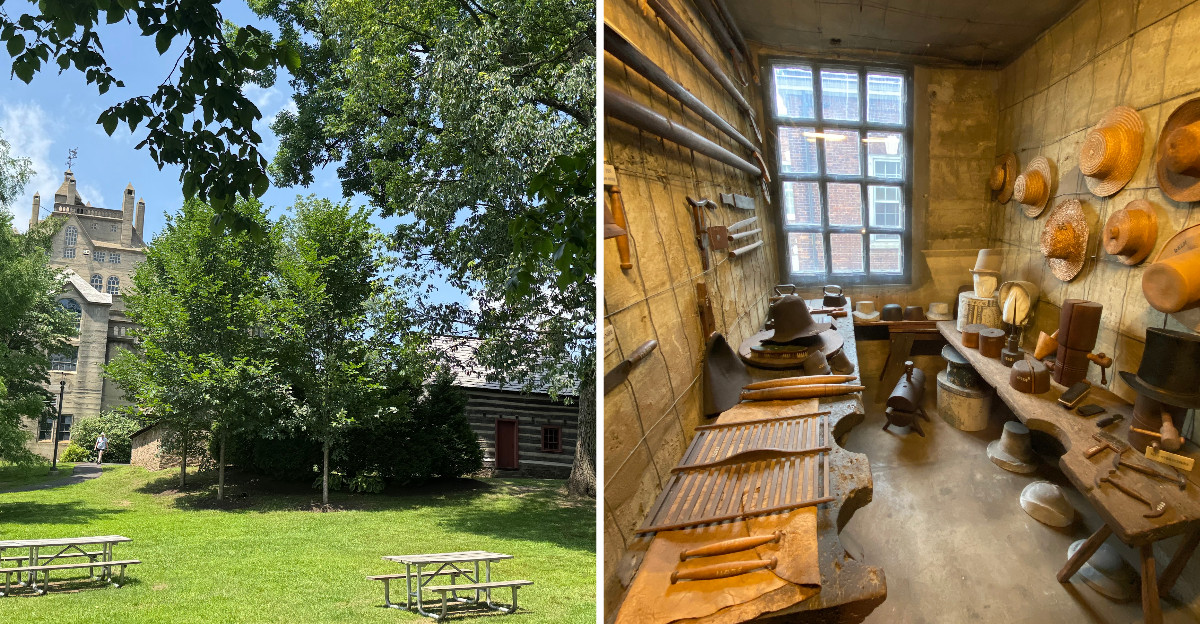
So he gathered fruit presses, leather-working tools, and objects from more than 60 early American trades. Then he poured a fortress to hold them all.
I like how strange the whole idea sounds on paper. A castle for spinning wheels and wooden buckets?
It works, and it works in a way no glass-case museum ever could.
I can’t imagine a better rainy-day puzzle for curious kids or grandparents who still remember a hand tool or two.
So how does a whaleboat end up floating over a stairwell?
A Concrete Castle Rises Over Downtown Doylestown
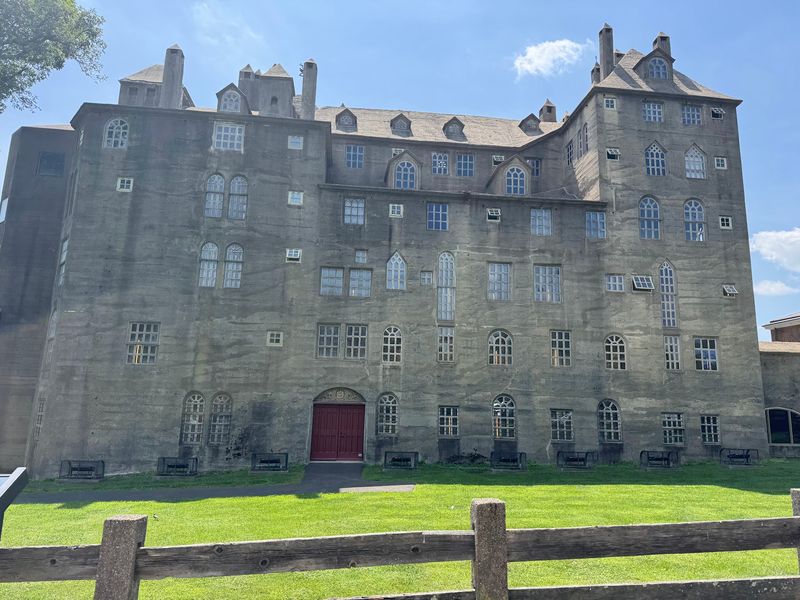
Towers, turrets, and a jagged gray skyline greet anyone heading down South Pine Street in Doylestown. That castle is the Mercer Museum, and it holds one of the most unusual collections in Pennsylvania.
The building stands six stories tall and is made almost entirely of reinforced concrete. From the outside, it looks like something a medieval king might order from a hardware catalog.
Inside, the focus is everyday life in early America before factories took over. Think tools, vehicles, and household equipment that people once used to make nearly everything by hand.
The Bucks County Historical Society runs the museum today. It also carries Smithsonian affiliate status, which is a nice bit of credibility for a building full of old axes.
Doylestown sits in Bucks County, north of Philadelphia. That makes it a manageable drive for plenty of Pennsylvania families looking for a day trip with a real payoff.
The castle shape isn’t a gimmick, either. Every odd angle and stacked balcony exists to show off the collection from new viewpoints.
So the outside sets expectations high. Happily, the inside matches the drama and then adds a whaleboat for good measure.
The Collector Who Saw Treasure In Worn-Out Tools
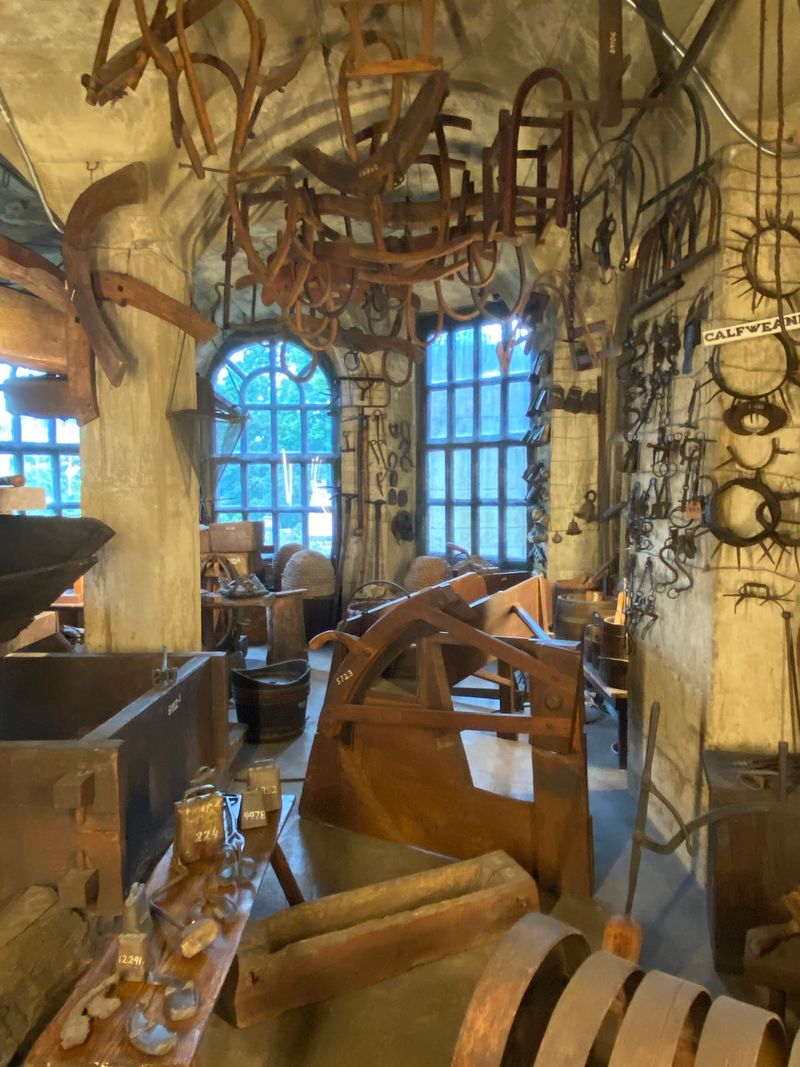
Henry Chapman Mercer was born in Doylestown in 1856. He grew up to become an archaeologist, anthropologist, tilemaker, and a very determined collector.
His big idea arrived in 1897. Mercer noticed that hand tools and old crafts were quickly disappearing as the Industrial Revolution rolled forward.
Plenty of people tossed those objects out without a second thought. Mercer saw them as a record of how ordinary Americans actually lived and worked.
So he started gathering them up. Barn tools, kitchen gadgets, shop equipment, and wagons all landed on his list.
Some neighbors probably thought he was hauling home junk. History has been much kinder to that hobby than they likely were.
Mercer believed the story of human progress could be told through the things people used every day. Bones and battlefields got the headlines, but spoons and saws told the quieter truth.
That mindset shapes the whole Mercer Museum today. You aren’t looking at royal crowns or famous paintings here.
Instead, you’re looking at the stuff that built farms, homes, and towns across early America. Honestly, that feels more relatable than any crown ever could.
Why Anyone Would Pour A Museum Out Of Concrete
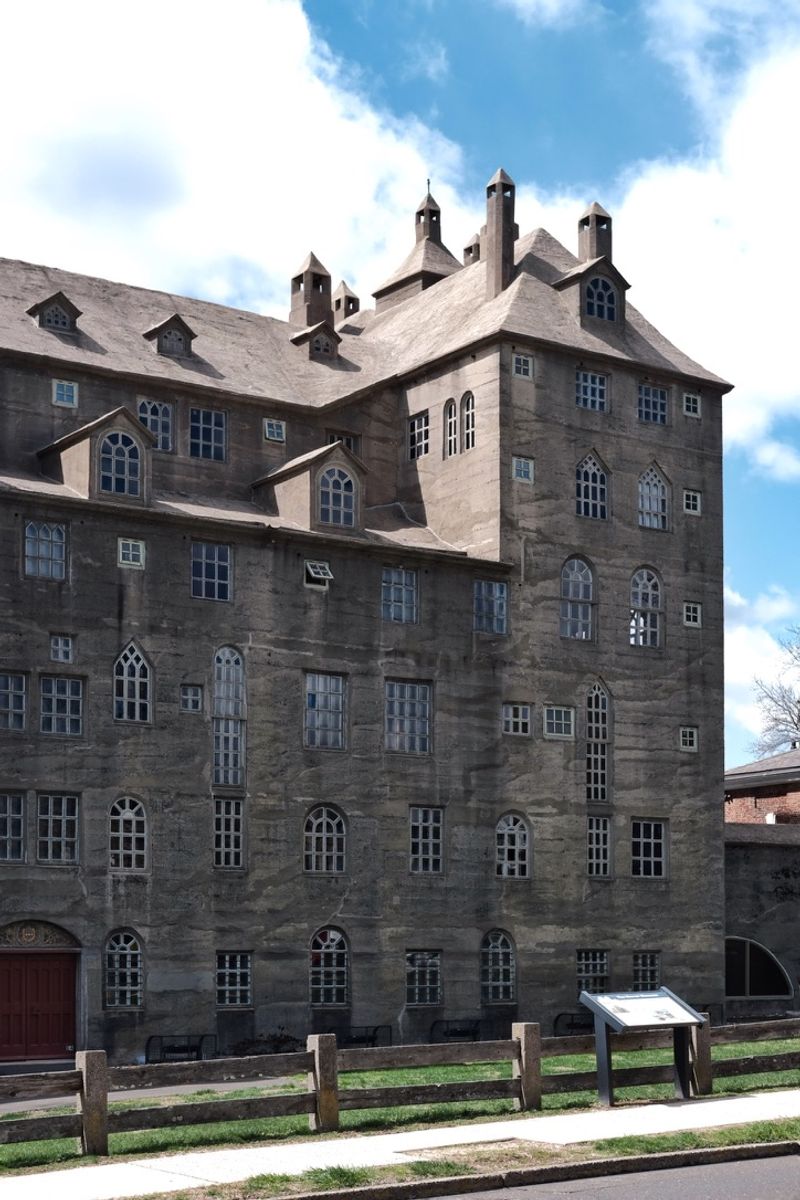
Concrete might sound like an odd choice for a castle. Mercer picked it on purpose, and his reasons were surprisingly practical.
He valued how concrete could be molded into nearly any shape he wanted. That flexibility let him design towers, balconies, and alcoves without following anybody’s rulebook.
Fire resistance mattered too. When your collection is mostly wood, leather, and cloth, a building that won’t easily burn is a smart investment.
Mercer designed the building himself, and it was completed in 1916. Pretty bold for a man whose main credentials were digging up artifacts and making tiles.
The result doesn’t look like any traditional museum in Pennsylvania. Walls curve, stairways twist, and rooms appear in places you wouldn’t expect.
Some people find the gray interior moody. Others think it makes the warm wooden tools stand out even more against the stone-like backdrop.
Either way, the building is part of the exhibit. You’re not just seeing a collection, you’re walking through one man’s very personal blueprint.
More than a century later, the structure still stands strong. Mercer’s gamble on concrete clearly paid off.
Look Up, Because The Wagons Are Overhead
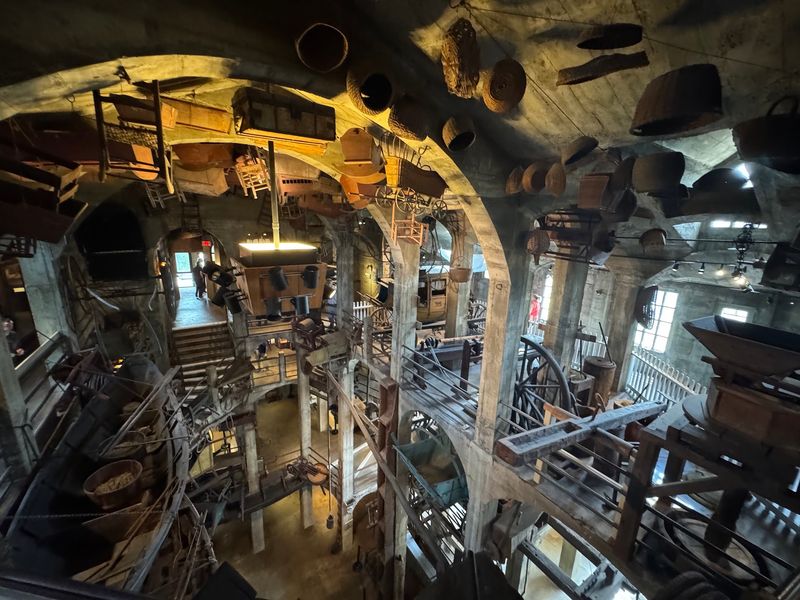
Most museums ask you to look straight ahead. The Mercer Museum’s Central Court practically demands that you tilt your head back.
Hanging high above the floor is a real whaling boat. Nearby, a Conestoga wagon and an antique fire engine float in the air like oversized ornaments.
It’s a wonderfully bold way to display huge objects. Instead of filling floor space, Mercer simply sent them up toward the ceiling.
The court rises through several levels of balconies. As you climb, you get closer views of these suspended giants from new angles.
Smaller objects cover the walls and railings too. Chairs, tools, and equipment seem to cling to every surface in sight.
That layered look is a big part of the fun. You’ll probably spot something new each time you glance around a corner.
Kids tend to notice the fire engine fast, and who could blame them? It’s not every day you see one parked above your head.
Bring a camera and patience. The view from the upper balconies down into the court is one of the most memorable sights in Pennsylvania museums.
Forty Thousand Objects And Over Sixty Trades
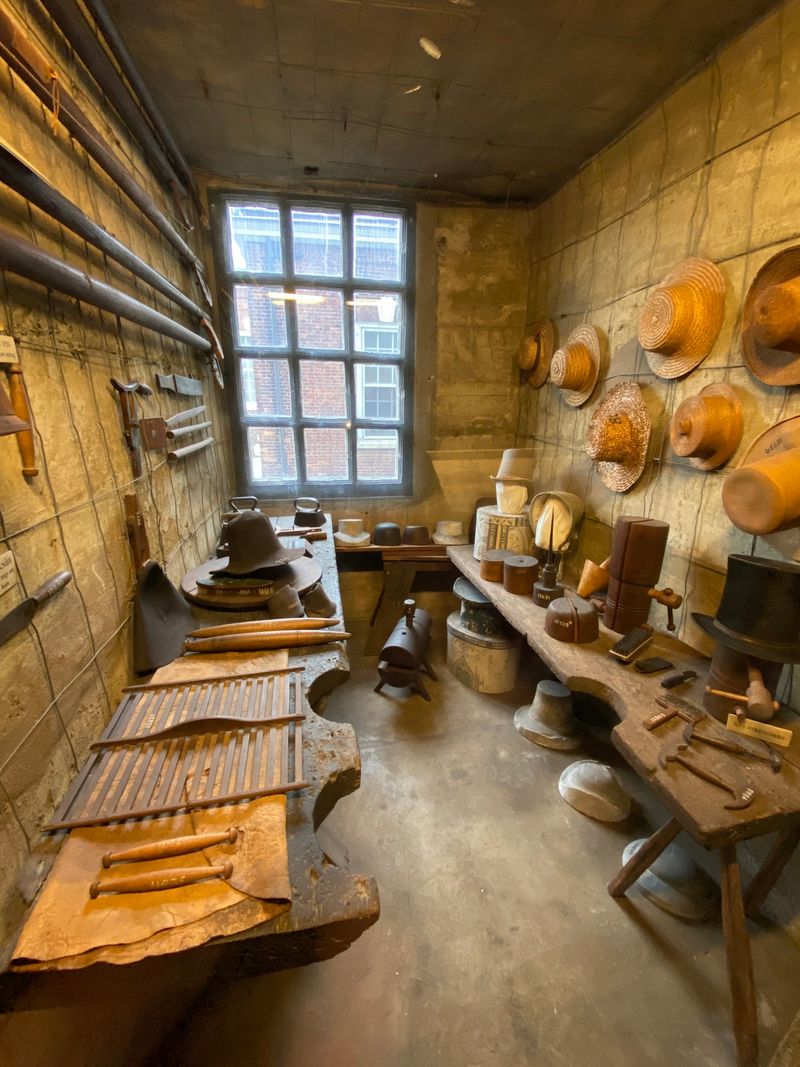
Numbers help explain why this place feels so packed. Mercer’s broader collection is often cited at around 40,000 early American objects.
The museum itself highlights more than 17,000 artifacts in its core collection. Those pieces represent more than 60 different crafts and trades.
That range covers a lot of ground. You’ll find tools tied to farming, woodworking, leather work, fruit pressing, and plenty more.
Each trade gets its own space, so the collection feels organized rather than chaotic. It’s like a giant library where the books happen to be saws and churns.
Many of these objects once sat in barns and kitchens across the region. Mercer gathered them before they vanished into scrap piles or firewood.
The museum even suggests it’s impossible to see everything in one visit. That’s not a sales pitch, it’s simple math.
Plan to pick a few favorite trades and slow down there. Rushing through every floor can turn into a blur of handles and blades.
Grandparents may recognize a tool or two from childhood. Younger visitors might wonder how anybody built anything without a power outlet.
Old Stairs Upstairs, Modern Comfort Downstairs
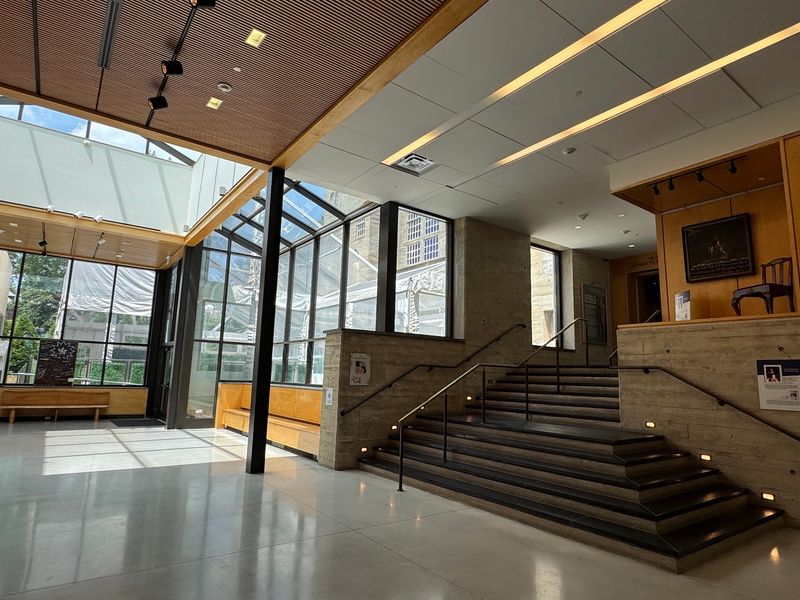
Two very different buildings share one address here. The ground floor features a modern wing, while the upper levels belong to Mercer’s original castle.
The modern wing is fully accessible and climate-controlled. It holds the changing exhibit gallery, a lecture space, the museum shop, and restrooms.
Upstairs is another story. The historic castle isn’t climate-controlled, so temperatures and humidity can shift with the weather outside.
That’s worth remembering on a sticky summer afternoon. Dressing in light layers is a simple way to stay comfortable.
The castle also includes narrow passageways and plenty of stairs. Central Court alone climbs through several levels.
An elevator serves the historic building, though it recently went through a major renovation. Anyone who needs it should check ahead about current accessibility.
The museum has said it wants the castle accessible for all kinds of visitors. That’s encouraging news for families traveling with grandparents or strollers.
Comfortable shoes are a must either way. Mercer clearly didn’t design his castle with short attention spans or tired feet in mind, but the views reward every step.
One Castle Leads To Another On The Mercer Mile
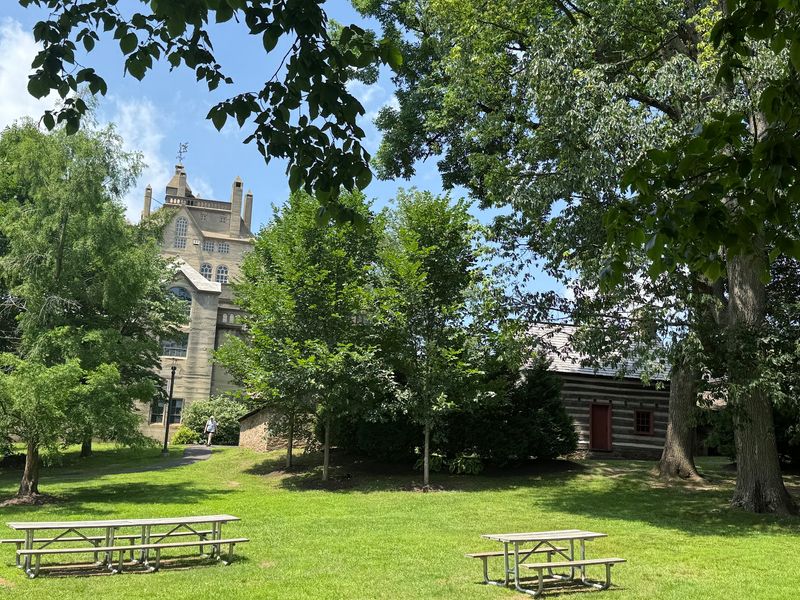
Mercer didn’t stop at one concrete castle. He built a whole trio, and they now form what’s known as the Mercer Mile.
Fonthill Castle was Mercer’s home, and it sits about a mile from the museum. Like the museum, it’s made of concrete and full of eccentric touches.
Then there’s the Moravian Pottery and Tile Works. Mercer’s tile-making operation still works today, which feels fitting for a man so devoted to handmade craft.
Seeing all three paints a fuller picture of the man. The museum shows what he collected, while Fonthill shows how he actually lived.
The tile works connects the dots between his hobbies and his business. His tiles even appear inside the museum’s walls.
Fonthill tours are a separate experience from the museum. Planning both on the same day takes a little scheduling, so check ahead.
Downtown Doylestown is close by too. Its shops and restaurants make an easy midday break between castles.
Put together, the Mercer Mile can fill a full day in Pennsylvania. Some folks may even stretch it into a relaxed weekend.
Parking, Tickets, And Timing Before You Go
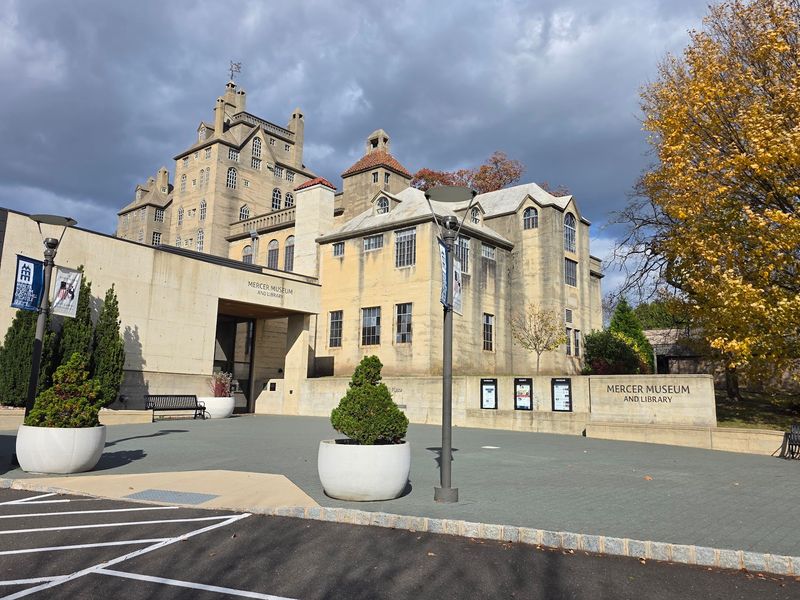
Getting there is the easy part. The Mercer Museum sits at 84 South Pine Street, Doylestown, PA 18901.
Onsite parking is available in the museum’s lot on Scout Way. That’s a welcome perk in a busy downtown.
Tickets can be purchased online or at the museum shop. Buying ahead is a smart move, since popular days can fill up.
The museum is open several days a week, but it closes on certain weekdays. Hours can shift, so confirm the schedule before you leave home.
Plan for a couple of hours at minimum. With six stories of exhibits and a changing gallery, a quick lap rarely feels like enough.
History buffs should know about the research library too. It’s a valuable resource for local history in Bucks County and the surrounding region.
Visiting in cooler weather may feel more comfortable upstairs. Summer heat can linger inside the historic castle.
Bring water, comfy shoes, and a curious attitude. The museum does the rest, starting the moment you look up at that whaleboat.