This Small California Beach Town Hosts A Sandcastle Festival Right On The Coast
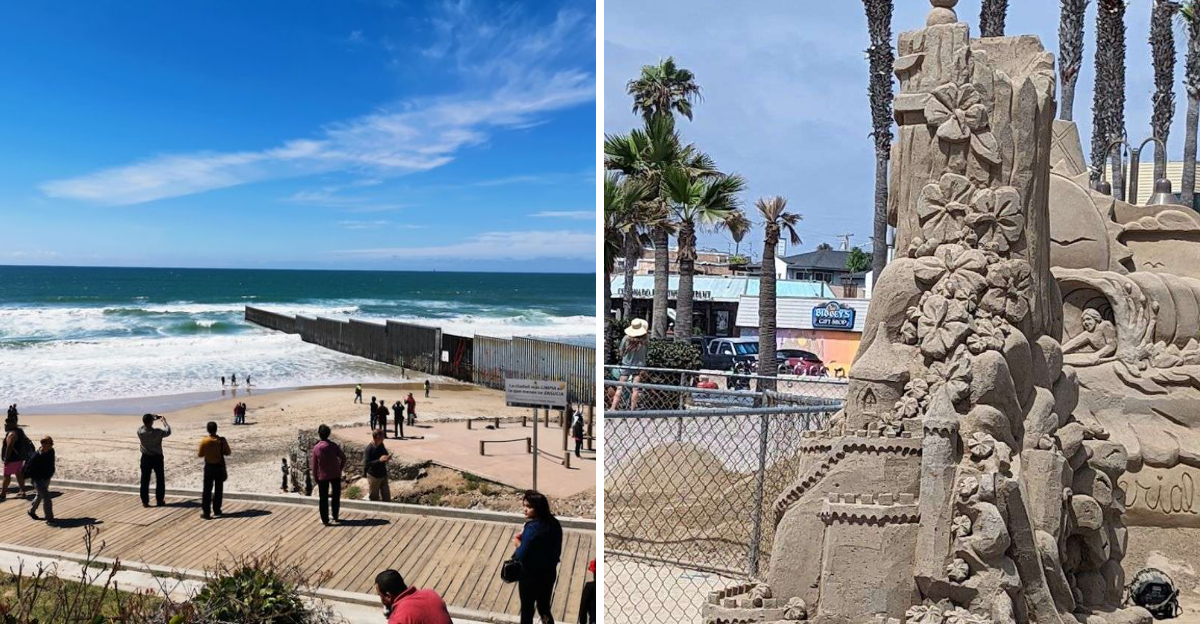
Leave the ordinary beach day behind. This one comes with towers, tunnels, sea creatures, and entire miniature worlds built from sand.
You may arrive expecting a quick walk along the shore, then find yourself studying tiny carved windows or wondering how a sculpture survived the afternoon breeze.
Music drifts through the celebration, food vendors keep the boardwalk energy going, and the ocean sits just beyond it all like part of the backdrop.
Near California’s southern edge, the coast turns playful for a full summer festival.
Sandcastle building may be the headline attraction, but the day rarely stays focused on one thing.
Families wander between activities and visitors keep circling back to see what has changed since their last pass.
Nothing here asks you to take summer too seriously. Come ready to get sandy and watch an ordinary stretch of beach become something far more imaginative for the day.
Watch Five Master Sand Sculptors Work Their Magic
Sand sculpting at a competitive level is a different world from what most people try on a casual beach day.
The Beach Sun and Sea Festival brings five master sculptors together at Portwood Pier Plaza in Imperial Beach, each one working with a level of precision that stops passersby in their tracks.
These are not hobbyists shaping casual mounds but trained artists who have competed nationally and internationally.
The 2026 competition produced some memorable results worth knowing before visiting.
Team Shoreline Shapers claimed first place with their piece titled “Peek Inside,” while Team Sculpintures earned second with “iLiik’ik Talokan.”
The Sculptors’ Choice Award went to the I.B. Posse for “Save our Sandcastles,” a team with deep roots in Imperial Beach’s sculpting history.
Watching these sculptors is an experience that rewards patience. Each artist works methodically, and the early hours reveal the structural groundwork before the finer details emerge.
The competition building period typically runs from 8 a.m. to 2 p.m., giving observers a wide window to watch the process unfold.
Standing near the work areas and watching a sculptor carefully shape a curved surface or hollow out an archway offers a quiet appreciation for a craft that most people rarely get to witness up close.
See Ordinary Sand Become Detailed Works Of Art
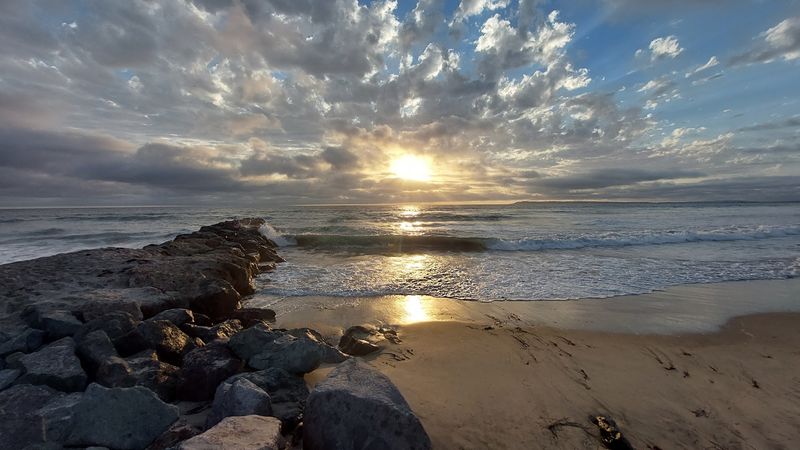
The raw material for these sculptures is as common as it gets, just the same sand found underfoot along any California shoreline.
Yet in the hands of skilled sculptors, that same sand becomes something entirely different.
The transformation starts with compaction, where sand and water are packed tightly into wooden forms, creating blocks almost as dense and carvable as soft stone.
Once the forms come off, the real artistry begins. Sculptors use a range of tools, from wide shovels for roughing out shapes to thin, narrow implements for etching fine lines and surface textures.
A steady hand and a clear vision are essential because sand does not forgive mistakes the way clay or wax might. Every cut is deliberate and every surface is shaped with a specific outcome in mind.
Up close, the finished pieces reveal details that are easy to miss from a distance. Feathers, scales, fabric folds, and facial expressions are all achievable in sand when the sculptor knows what they are doing.
The temporary nature of these works adds a layer of meaning that permanent sculptures rarely carry.
Knowing that the ocean will eventually reclaim every grain makes each finished piece feel more precious and worth taking the time to truly look at.
Cheer On Young Builders In The Kids Competition
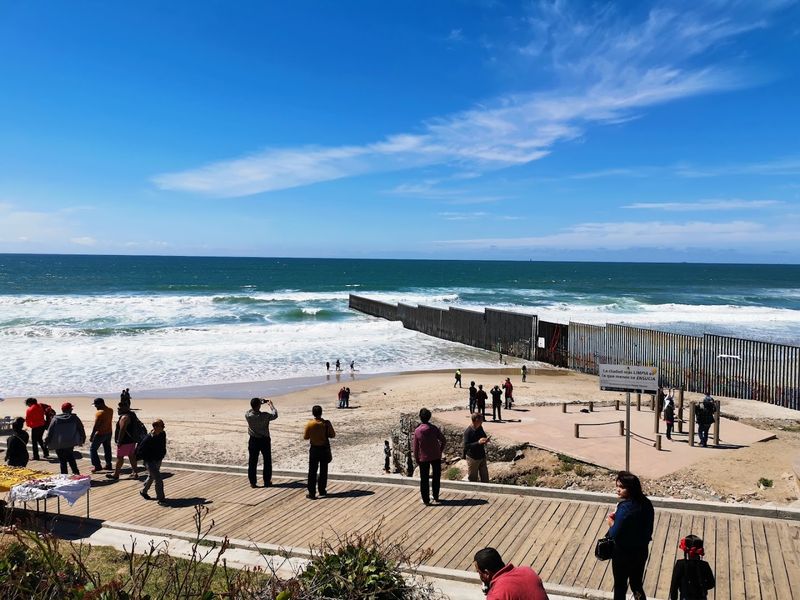
There is something genuinely joyful about watching a group of kids throw themselves into building a sandcastle with total commitment.
The Kids Sandcastle Contest, sometimes called Kids n Kastles or Sandcastle Showdown, gives children aged 14 and under a dedicated space to compete and create.
Teams work together, which means the competition doubles as a lesson in cooperation and shared problem-solving.
The rules keep things fair and focused on the kids themselves. Adults are permitted to help carry water to the plots but the actual building stays entirely in the hands of the young competitors.
Mini pools filled with tap water are typically provided at each plot so teams can keep their sand workable throughout the contest. This thoughtful setup means children can focus on building rather than logistics.
The competition generally begins around 10 a.m. with awards presented at noon, making it a focused and energetic part of the morning program.
Local organizations such as the Imperial Beach and South Bay Kiwanis have historically supported this event, reflecting how deeply community-rooted the festival really is.
Prizes and ribbons recognize the winners, but the real reward tends to be the pride kids feel standing next to something they built themselves.
Shells, stones, and other natural decorations often appear on the finished structures, adding a personal touch to each entry.
Wander Through The Lively Seacoast Street Fair
Seacoast Drive takes on a completely different energy on festival day.
What is normally a quiet coastal road becomes a lively corridor of activity, with booths lining the street and foot traffic filling every available space.
The Seacoast Street Fair runs from 10 a.m. to 5 p.m. on the Saturday of the festival, giving visitors a generous window to explore at their own pace.
The fair stretches in a way that rewards slow walking. Food, drinks, crafts, and curiosities appear around every turn, and the relaxed beach town atmosphere keeps things from feeling rushed or overwhelming.
Families tend to spread out naturally along the route, with some stopping to eat while others browse or simply enjoy the coastal scenery nearby.
The sound of the ocean is never far away, which adds a calming layer to what might otherwise feel like a crowded event.
Part of what makes the street fair work so well is how organically it connects to the rest of the festival.
Visitors moving between the sand sculpture area and the main stage pass right through the fair, making it easy to shop, snack, and explore without having to make a special trip.
The layout encourages wandering, and that unhurried quality is exactly what gives the fair its welcoming, small-town character.
Browse Local Vendors Near The Ocean
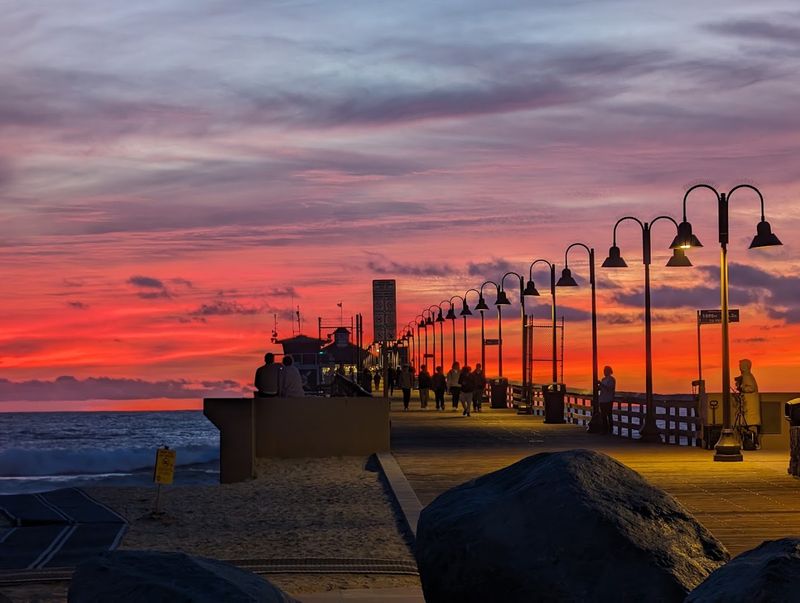
Shopping at a festival is a different experience when the Pacific Ocean is within earshot.
The vendor area at the Beach Sun and Sea Festival spans Pier Plaza, the adjacent beach, and extends along Seacoast Drive toward Dunes Park, creating a natural flow that encourages exploration rather than a quick scan-and-move approach.
The setting itself slows things down in the best possible way.
Local Imperial Beach businesses make up a meaningful portion of the vendor lineup, which gives the marketplace an authenticity that larger events sometimes lack.
Handmade crafts, apparel, coastal-themed gifts, and specialty food items tend to dominate the selection.
The organizers actively seek vendors who reflect the character of the beach town, so the overall feel stays curated rather than generic.
Food booths and trucks bring variety to the mix, with options that often lean toward fresh, flavorful, and internationally inspired choices.
Browsing through the vendor area is a low-pressure experience. There is no obligation to buy, and most vendors are happy to chat about their products without pushing for a sale.
Supporting small businesses and independent artists at an event like this is one of the quieter pleasures of attending a community-rooted festival.
Get A Closer Look At The Sculpting Process
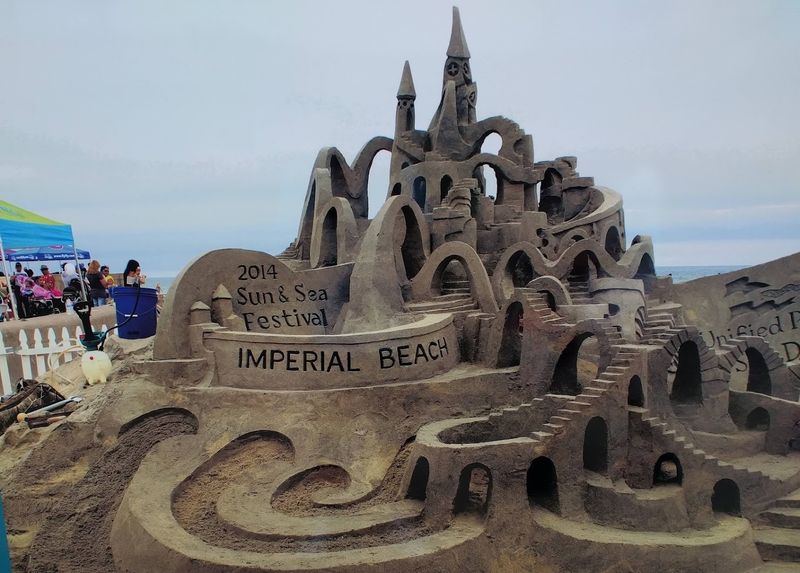
Most people have seen a finished sand sculpture in a photo, but watching one take shape in real time is a genuinely different experience.
The building period for the master competition at the Beach Sun and Sea Festival typically runs from 8 a.m. to 2 p.m., which means early arrivals get the longest view of the process from start to finish.
Showing up when the day is still fresh allows visitors to see the sculptors working at their most foundational stage.
The process begins with compacting sand inside wooden forms, stacking tiers upward to create a solid column of workable material.
Once the forms are removed from the top down, the carving begins. Tools vary from broad scrapers used to rough out large shapes to fine picks and loop tools used for detail work.
Watching a sculptor transition between these tools reveals just how deliberate and planned each sculpture really is before a single mark is made.
Getting close to the work areas, where permitted, gives observers a sense of scale that photographs rarely convey.
Some structures reach impressive heights, and the details visible at eye level, like carefully textured bark on a carved tree or the folds of a sculpted robe, are easy to miss from further back.
After judging concludes around 4 p.m., the completed sculptures remain on display, sometimes for up to a week, offering a quieter chance to appreciate the finished works.
Enjoy Free Family Fun At Portwood Pier Plaza
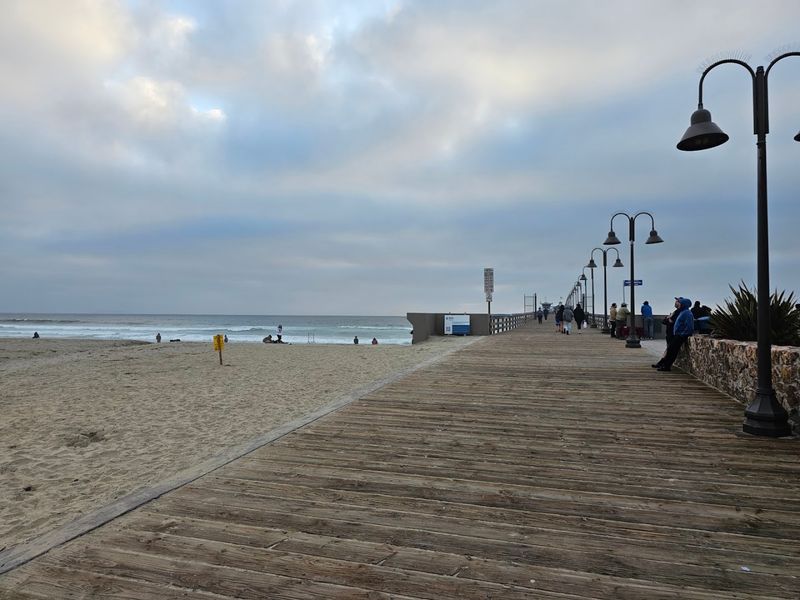
Portwood Pier Plaza sits at the center of everything that makes the Beach Sun and Sea Festival work.
It serves as the main hub for the master sandcastle competition, the live entertainment stage, and a gathering space for the broader community celebration.
Its layout is open and accessible, with ample room for families to spread out and settle in for the day.
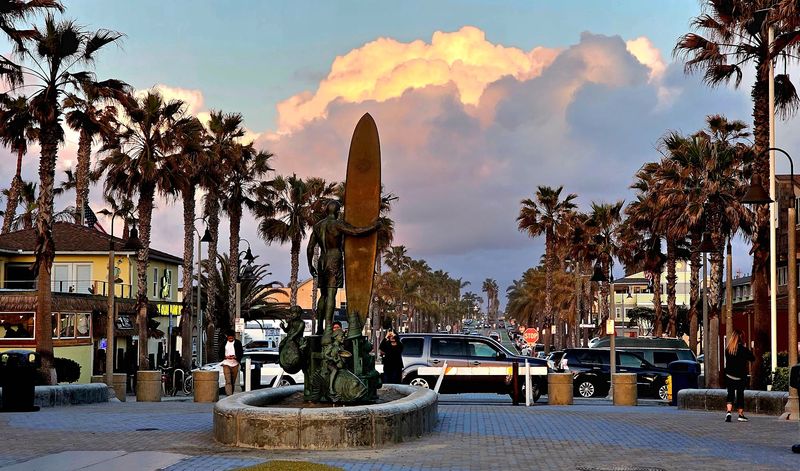
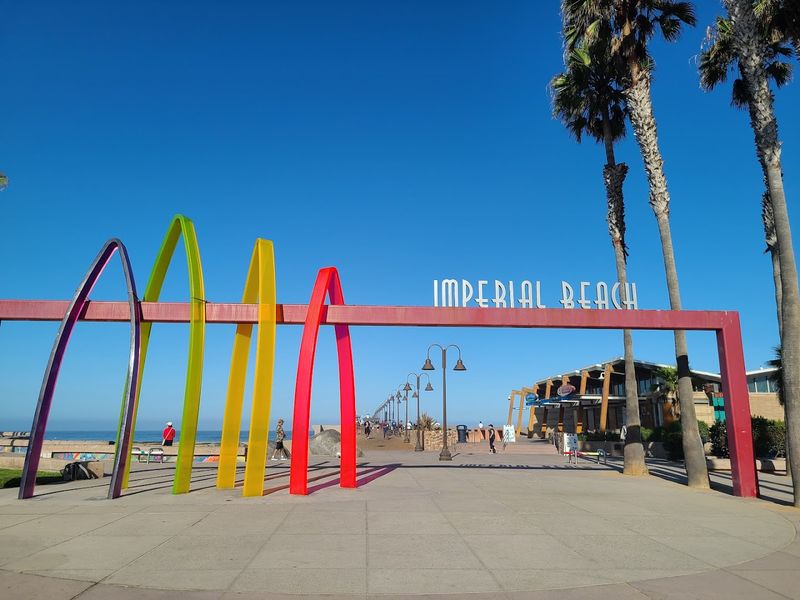
A distinctive public art installation called Surfhenge greets visitors near the entrance to the Imperial Beach Pier, giving the plaza its own visual personality even outside of festival season.
Picnic tables and restroom facilities make extended visits more comfortable, which matters when spending a full day outdoors.
A splash play area is also anticipated to be completed at the plaza by late 2026, which would add another layer of appeal for younger visitors in future festival years.
Parking near the plaza can be limited during busy events, so arriving early or exploring alternative transportation options may help avoid frustration.
A parking may offer some availability, though spots fill quickly on festival day.
The plaza connects directly to the beach and the pier, making it easy to step away from the festival activity for a quiet moment by the water before returning to the festivities.
Stay To See The Finished Sand Masterpieces
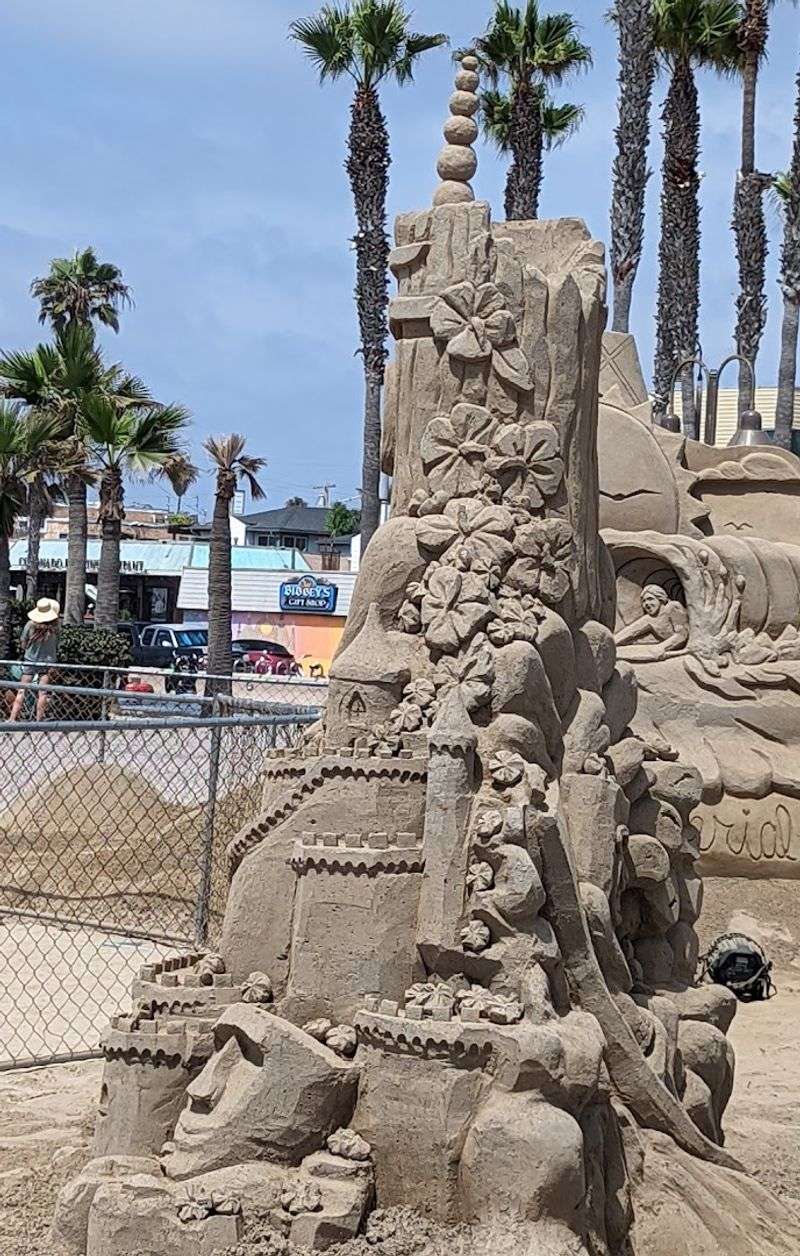
The awards ceremony for the master competition takes place around 4 p.m. on festival Saturday, which marks the official end of the sculpting contest but not the end of the sculptures themselves.
The finished pieces often remain standing for several days after the festival concludes, giving those who could not attend on the main day a chance to see the results in a much quieter setting.
That extended viewing window is genuinely worth planning around.
Walking among the completed sculptures after the crowds thin out offers a different kind of experience than watching them being built.
There is more space to move, more time to look closely, and fewer distractions pulling attention in multiple directions.
The fine details that sculptors spend hours perfecting, like carefully etched patterns, realistic figures, or intricate structural forms, are easier to appreciate when the surrounding atmosphere is calm.
The knowledge that these works will eventually return to ordinary beach sand gives each viewing a quiet urgency.
Nothing about them is permanent, and that impermanence is part of what makes them worth stopping to really look at.
For those finishing the day at the festival, staying through the late afternoon also brings the added pleasure of softer light along the coast.
The golden hour along California’s Imperial Beach shoreline has a quality that makes even a simple walk feel memorable.