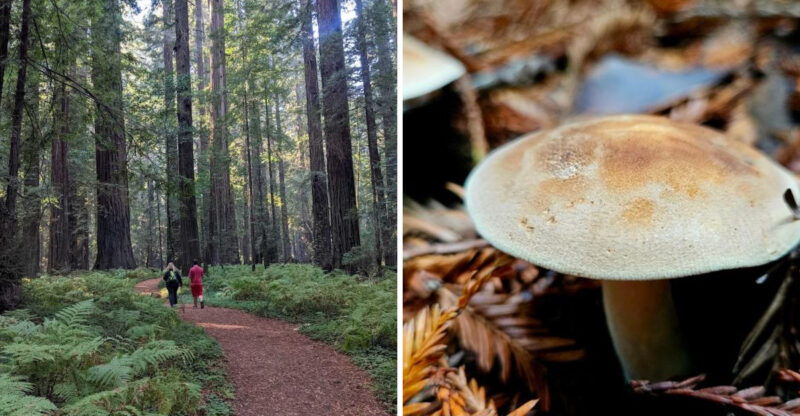
This Small California Mountain Town Just Landed At The Top Of A Best-In-The-State List
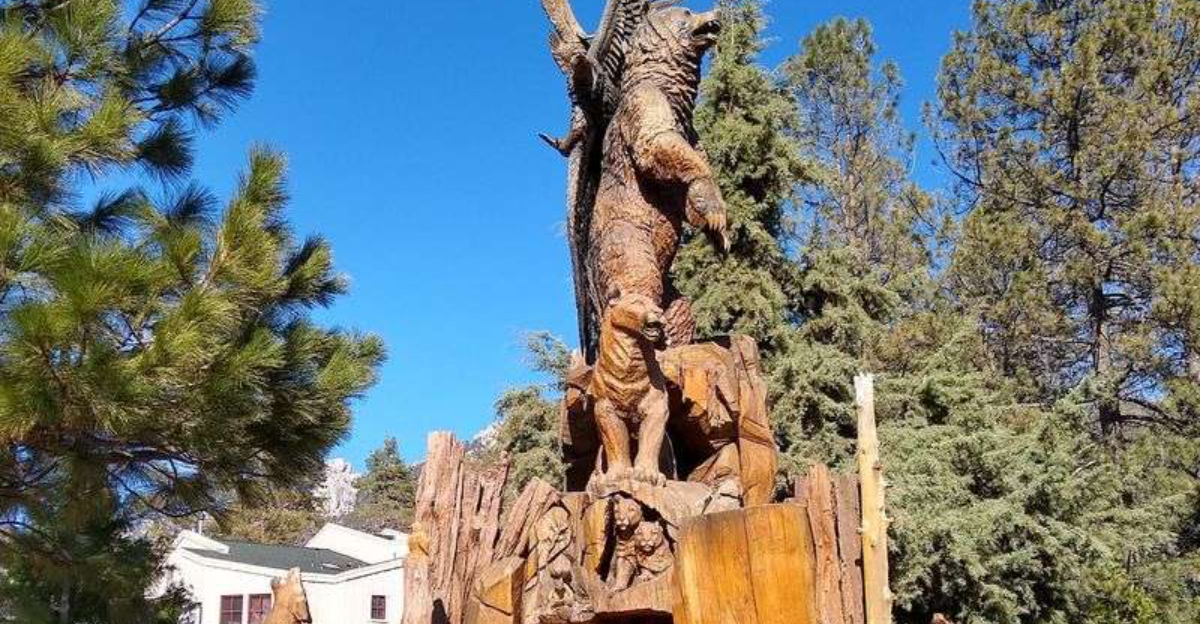
Small mountain towns usually win people over quietly. Then one of them lands at the top of a statewide list and suddenly the secret feels a little less secret.
This California mountain escape has long been the kind of place people choose when they want cooler air and a slower pace without turning the trip into a major expedition.
The recent recognition only adds another reason to look closer.
There are local shops worth wandering into, trails nearby when sitting still gets old, and enough personality packed into the center of town to make a short visit feel surprisingly full.
Nothing here needs to shout for attention. That may be exactly why the place stood out in the first place.
A best-in-the-state title sounds impressive. The real test is seeing how quickly the town makes you understand it.
A Mountain Town That Keeps Showing Up On Best-Of Lists
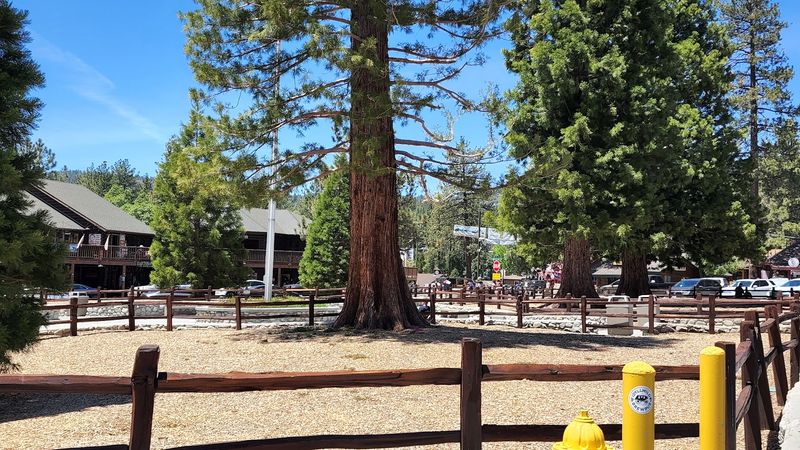
Travel writers keep circling back to the same handful of California mountain communities, and the village in the San Jacinto Mountains lands on those roundups again and again.
Part of the appeal comes down to contrast. Palm Springs and the Coachella Valley sit below in dry desert air, while the forested village above holds cedar and fir trees along with noticeably cooler temperatures.
Reaching the town takes a climb along mountain highways, which is exactly why the arrival feels like a genuine change of scenery rather than a slight shift.
What tends to earn the recognition is balance. There are trailheads for serious hikers and gentle woodland paths for families, plus a compact village center filled with independent shops and galleries.
Visitors who prefer slow mornings and browsing can fill a day without ever putting on hiking boots, which is not true of every mountain destination.
Weekends bring more people into the village, especially during warm months and after winter snowfall, so weekday visits often feel calmer and easier for parking.
Planning around the seasons matters more than planning around crowds. Mountain weather shifts quickly, snow chains may be required in winter, and summer afternoons can bring sudden clouds.
Checking road conditions before driving up is simply part of the routine here.
Roughly A Mile Above Sea Level, And It Shows
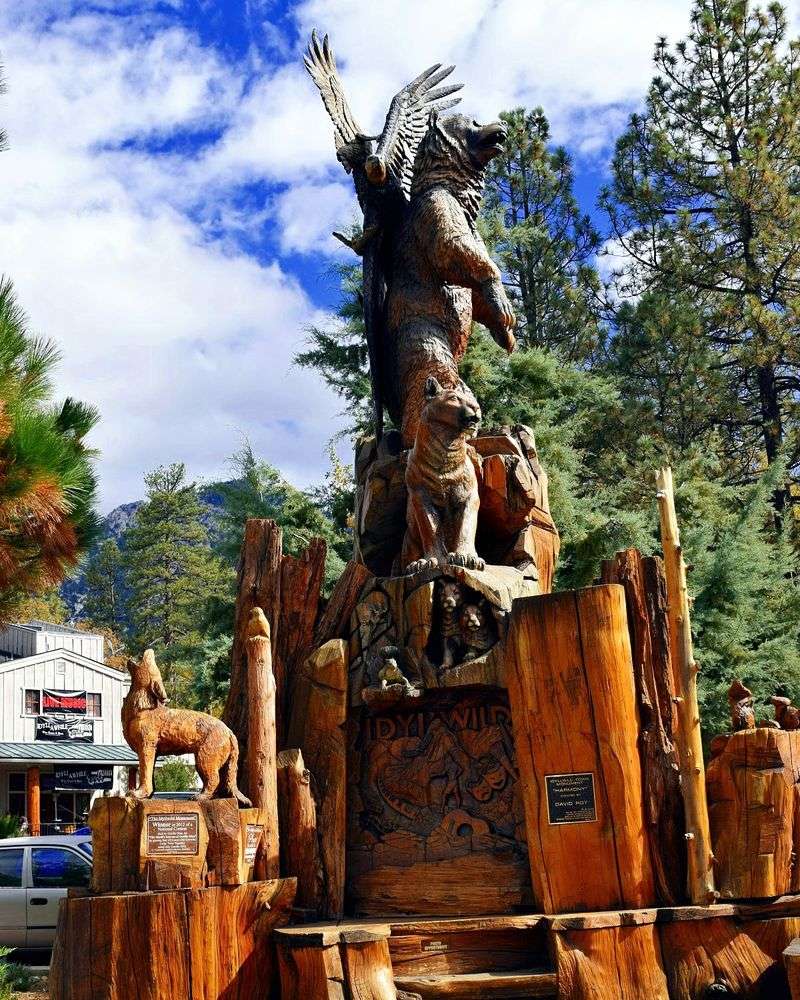
Elevation does most of the heavy lifting when it comes to how different the village feels.
The town sits between roughly 5,300 and 5,413 feet above sea level, which is high enough to support a real conifer forest rather than desert scrub.
Summer afternoons stay more comfortable than the valley floor below, and winter can bring genuine snow rather than a rare dusting.
Thinner air at that height affects visitors in small ways worth planning around.
Walking uphill takes a bit more effort, water helps more than people expect, and anyone arriving from sea level may notice mild breathlessness during the first few hours.
Hikers heading toward higher trails should build in extra time rather than assuming flatland pace.
Temperature swings also catch people off guard. Mornings can start chilly even in warmer months, then warm up by midday before cooling again after sunset once the sun drops behind the ridgeline.
The light feels different too. Sunlight filters through pine branches in narrow beams, and shaded stretches of the village stay noticeably cooler than sunny corners.
Sitting outside with a warm drink in the morning shade is one of the simplest pleasures the elevation provides, and it costs nothing at all.
North Circle Drive Rewards Slow Wandering
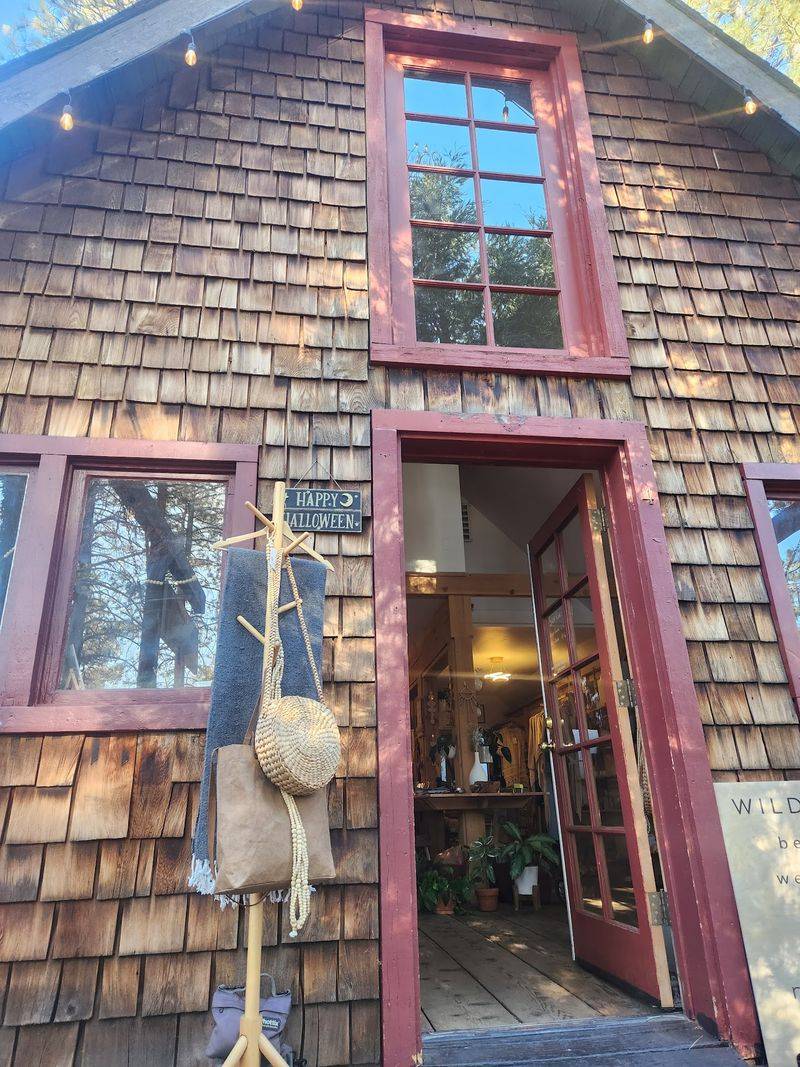
Walking beats driving in the village center, and that becomes obvious within about five minutes.
North Circle Drive serves as the recognized main street, with local shops, galleries, and small businesses clustered close together rather than spread across a long commercial strip.
Parking once and covering the rest on foot is the practical approach. Storefronts sit close to the sidewalk, and many have wooden facades that fit the forest setting.
Browsing here moves at a relaxed pace because the distances are short, and doubling back to a shop noticed earlier takes almost no effort.
Sidewalk width and surfaces vary in places, so anyone using a stroller or mobility aid may want to scout the flattest routes first.
Weekday mornings usually feel quieter, which makes conversation with shop owners easier and lines shorter.
Weekend afternoons bring more foot traffic, particularly during pleasant weather, though the compact layout keeps things manageable compared with larger tourist towns.
Comfortable shoes matter more than they might in a flat town, since the village sits on sloping mountain ground and some connecting stretches include gentle inclines.
Setting aside two or three unhurried hours gives enough room to browse, sit down for a bite, and still have energy left for a short forest walk afterward.
Independent Shops Instead Of Familiar Chains
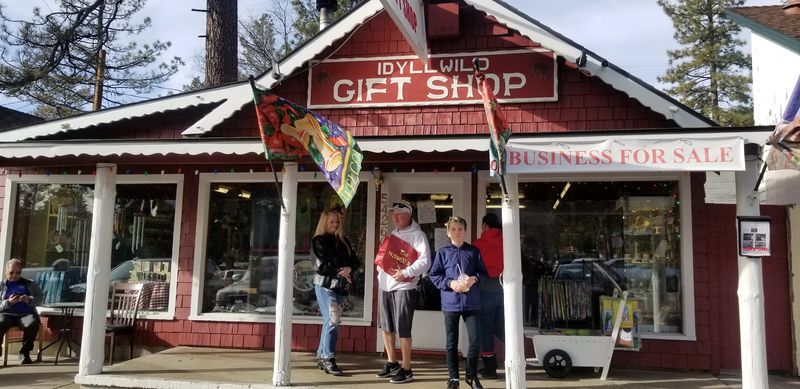
Anyone hunting for a big-box store will come up empty in the village center, and that is largely the point.
The community emphasizes independent shops, which gives downtown a character that would disappear fast if national retailers moved in. Inventory reflects the owners rather than a corporate plan.
Shopping here works differently as a result. Selections tend to be smaller and more specific, with handmade goods, books, outdoor gear, and locally made art appearing alongside everyday items.
Finding something unusual is likelier than finding a predictable brand name.
Hours can vary by business, especially in slower seasons or during storms, so calling ahead helps when a particular shop is the main reason for the trip.
Some places close earlier than visitors expect, particularly on weekday evenings.
Cash is not usually necessary, though carrying a little is never a bad idea in small mountain towns where card systems occasionally hiccup during power interruptions.
Conversations with shopkeepers often turn into useful trail advice or weather updates.
Supporting these businesses keeps the village center what it is, and the practical benefit for visitors is a shopping stroll that feels genuinely tied to the place.
Bringing a tote bag along makes the walk back to the car simpler, since many purchases here are small, breakable, or oddly shaped.
Forest Begins Almost Where The Sidewalk Ends
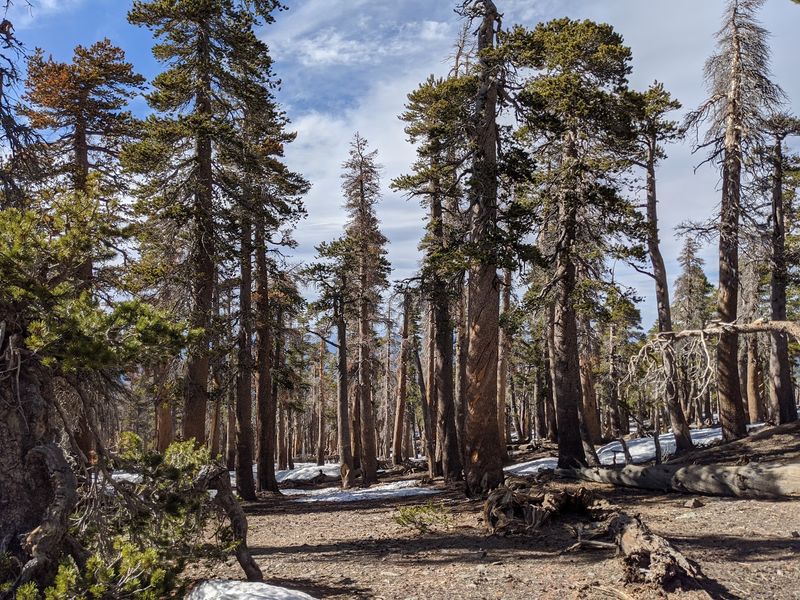
The transition from village to wilderness happens faster here than in most towns.
Cedar, pine, and fir trees surround the community, and large stretches of protected mountain landscape sit close by.
Driving more than a few minutes from the shops is rarely necessary before the surroundings turn fully wooded.
Sound changes as quickly as the scenery. Traffic noise fades into wind moving through branches, birds, and the crunch of dry needles underfoot.
Cell reception can drop off in wooded areas, so downloading maps before heading out is smart.
Short walks work well for visitors without much time. Even a brief loop through the trees offers shade, cooler air, and the resinous smell of warm pine bark that hangs around on summer afternoons.
Fire safety deserves real attention in a forested community like this one. Restrictions on campfires and smoking may be in place depending on conditions, and posted rules can change through the season.
Wildlife lives close to town, so food should stay secured and pets leashed where required.
Sunset arrives early behind the ridges, which means afternoon walks should start with enough daylight left for the return trip.
Ernie Maxwell Scenic Trail Keeps Things Easy
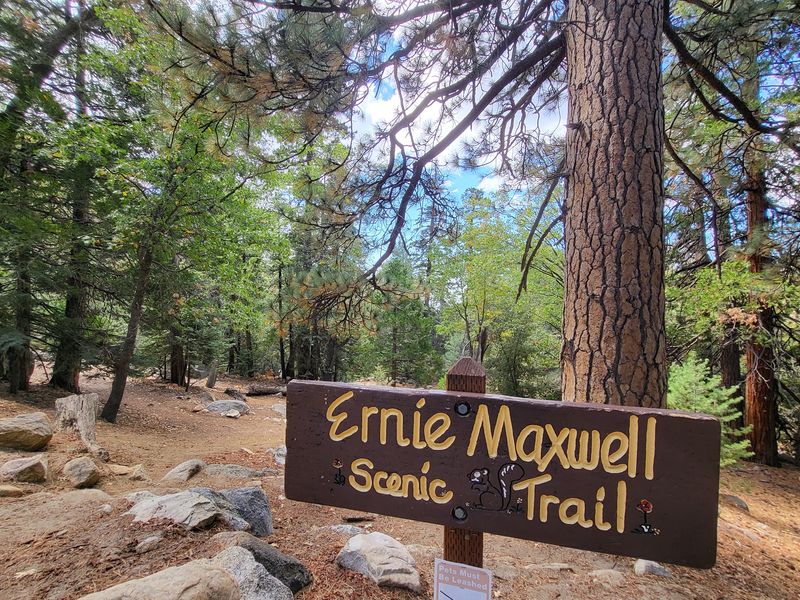
Not every mountain hike demands lungs of steel, and the Ernie Maxwell Scenic Trail proves it.
Starting near Humber Park at roughly 6,400 feet, the route runs about 2.6 miles one way, which works out to somewhere between 4.6 and 5.2 miles for an out-and-back depending on the turnaround point.
Grades stay gentle for most of the distance.
Scenery along the way stays consistently pleasant. Woodland cover provides shade, and openings in the trees give views toward dramatic granite formations including Suicide Rock and Lily Rock, also known as Tahquitz Rock.
Footing is mostly dirt with roots and loose rock in spots. Families with older children often find this trail manageable, and hikers can simply walk part of it and return whenever they like.
Because it begins at higher elevation than the village, the air feels cooler and slightly thinner. Water, sun protection, and a light layer cover most needs.
Parking at Humber Park fills up on busy weekend mornings, and permit requirements for national forest areas can apply, so checking current Forest Service information ahead of time avoids surprises.
Early starts help with both parking and temperature.
Idyllwild Nature Center Suits All Ages
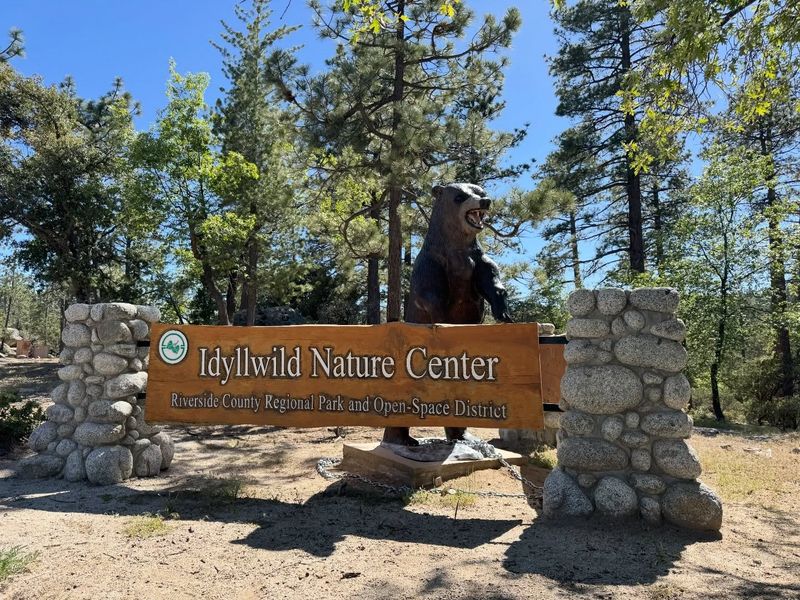
Learning about a place before hiking through it changes the whole experience.
The Idyllwild Nature Center is located at 25225 Highway 243, Idyllwild, CA 92549, and it focuses on the ecology of the San Jacinto Mountains along with Cahuilla culture.
Trails and educational programming surround the center itself. According to current Riverside County information, the trails at the center are open daily from sunrise to sunset.
Building hours and program schedules can differ from trail access, so checking with the county before visiting helps set expectations.
Walking distances here stay short, which makes the site workable for young children, grandparents, and anyone who wants a taste of the forest without a demanding climb.
Interpretive information helps visitors recognize the trees and plants they will see elsewhere in the area.
Understanding that the Cahuilla people have deep ties to these mountains adds meaningful context to the landscape.
Shade and benches make a slow visit comfortable during warmer months. Pairing the center with a village stroll fills a relaxed half day.
Morning light through the trees tends to be pleasant for photos, and quieter weekday hours often suit visitors who prefer calm.
Bringing water and closed-toe shoes handles the practical side, since even short mountain trails have uneven ground in places.
An Arts Academy With Eight Decades Behind It
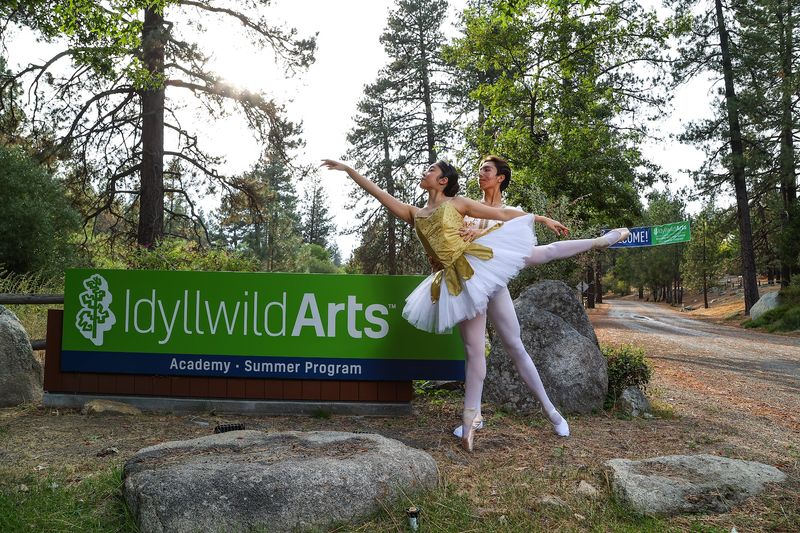
Few small mountain towns can claim an internationally recognized arts school, but this one can.
Idyllwild Arts Academy is located at 52500 Temecula Road, Idyllwild, CA 92549, and the institution was incorporated as an arts education organization back in 1946. In 2026 it marks its 80th anniversary.
The campus covers roughly 205 acres of forested ground, which gives students a setting most art schools cannot match.
Its summer arts program traces its history to 1950, making it a long-running part of the town’s identity.
Presence of the academy shapes the village in practical ways. Performances, exhibitions, and workshops connected to the school bring music and visual art into the community throughout the year.
Event schedules and public access vary, so checking the academy’s official calendar before planning around a specific performance is the sensible move.
Because it is an active school with students living on site, respecting posted access rules and staying on public areas matters.
Visitors interested in touring or attending events should arrange details in advance rather than arriving unannounced.
Knowing the school exists explains a lot about why so many working artists live nearby.
The Honorary Mayor Is A Golden Retriever
Here is the detail that makes visitors laugh out loud.
The honorary mayor of the village is a Golden Retriever known as Mayor Max III, and the current officeholder began his duties in December 2022.
The position is ceremonial, but the town takes it seriously in the best possible way.
The tradition started with a fundraising election in 2012. Dogs and cats competed for the honorary mayoral role, with proceeds benefiting Idyllwild Animal Rescue Friends, often shortened to ARF.
A charity election turned into a lasting piece of local culture.
Having a canine mayor says something about the town’s sense of humor and its affection for animals. Pets are a visible part of daily life in the village, and the mayoral tradition keeps attention on rescue work.
For families traveling with children, the story alone can make the trip more memorable than another scenic overlook.
Explaining the history of the office to kids while walking through town is an easy way to keep them engaged.
Anyone hoping to support the cause behind the tradition can look into Idyllwild ARF directly, since donation options and needs change over time.
Quirky local customs like this one are exactly what separate a small mountain village from a generic getaway destination.