This Small Kentucky Town Is Pushing Back Against A Massive AI Data Center Near Shaker Village
A billion-dollar AI data center could land about a mile from a beloved historic Shaker village. The little town next door has roughly 1,000 residents, and plenty of them are saying no thanks.
The plan even has a catchy code name, Project Bluegrass. Developers have talked about hundreds of acres and power needs measured in gigawatts.
That is a lot of computer for a place better known for farm fields and quiet country roads.
I like how this central Kentucky fight goes far beyond machines. Neighbors are talking about water, electric bills, open land, and the sound of a calm evening.
They have packed meetings, carried signs, and even reshaped local elections.
How does a tiny town stand up to one of the biggest tech trends on the planet?
A Town Of About 1,000 People Took On A Billion-Dollar Idea
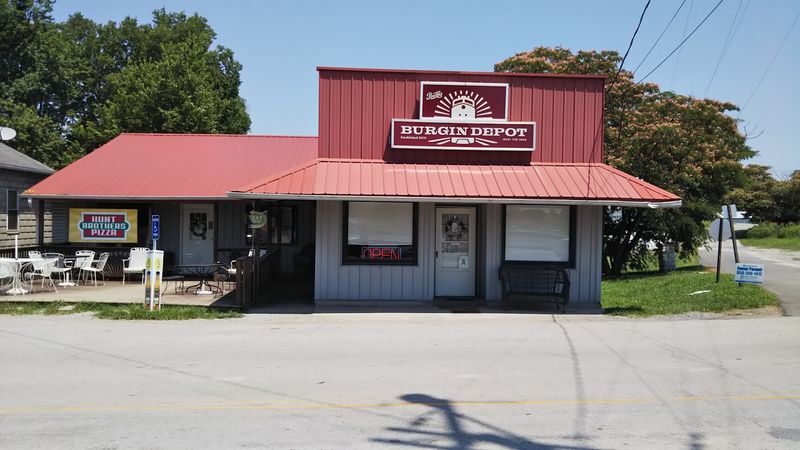
Some towns argue about parking spaces. Burgin, Kentucky ended up arguing about one of the largest tech projects ever pitched in its corner of the state.
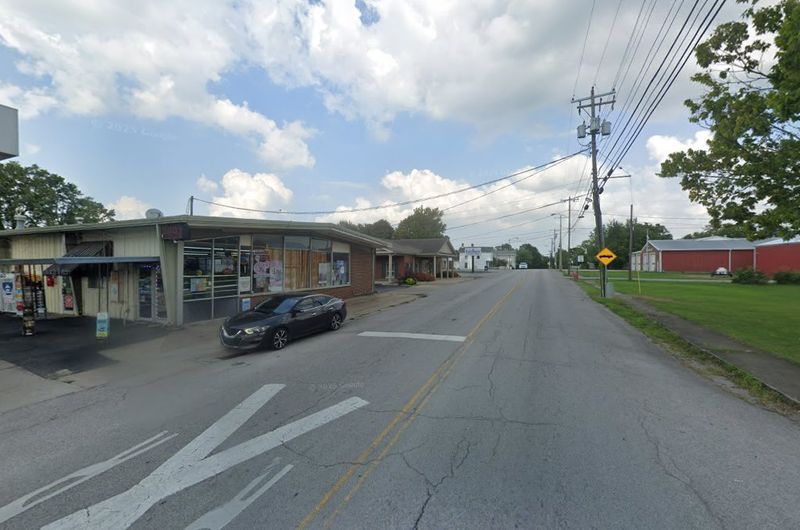
Burgin is a home rule-class city in Mercer County. The 2020 census counted just 979 people living there.
That number matters for understanding this story. A town that small usually has a handful of city council members and a short meeting agenda.
Then a hyperscale AI data center entered the conversation. Talk of a billion-dollar investment and acres of server buildings suddenly put Burgin in regional headlines.
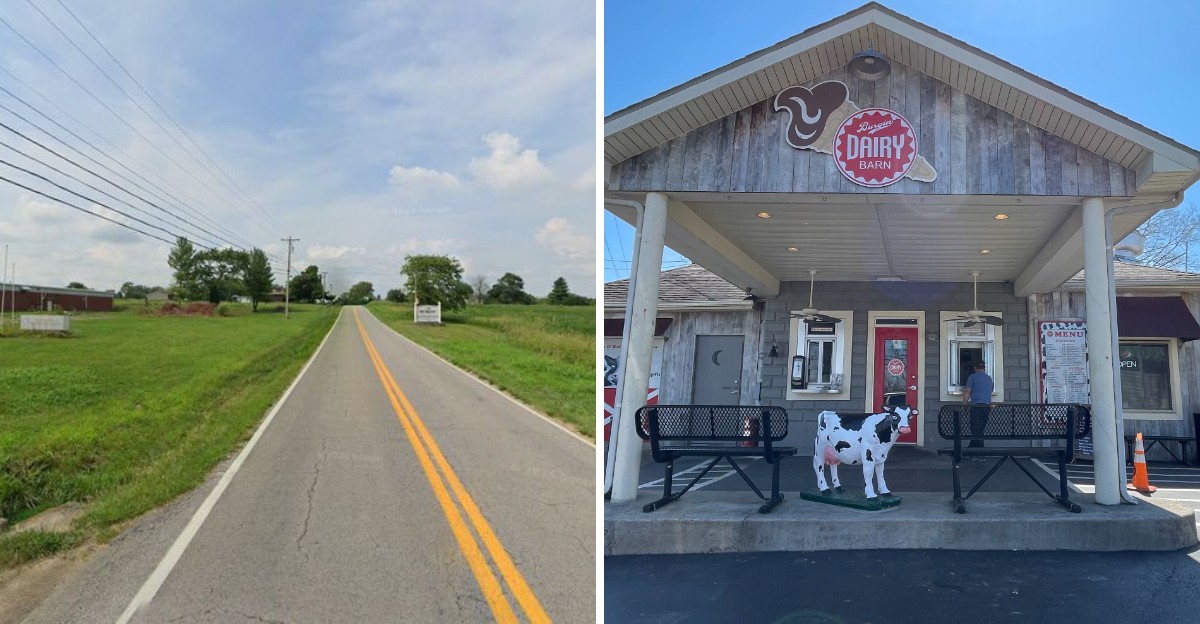
Farmland surrounds the town on nearly every side. Rural life here moves at a slower pace, and many residents chose it for exactly that reason.
So the proposal felt enormous in more ways than one. It raised questions about what Burgin wants to look like ten or twenty years from now.
I believe that is why the debate grew so heated so quickly. People weren’t only judging a building, they were defending a way of living.
Small towns rarely get a say in national tech trends. Burgin decided it would speak up anyway, loudly and often.
The Neighbor Down The Road Happens To Be A National Treasure
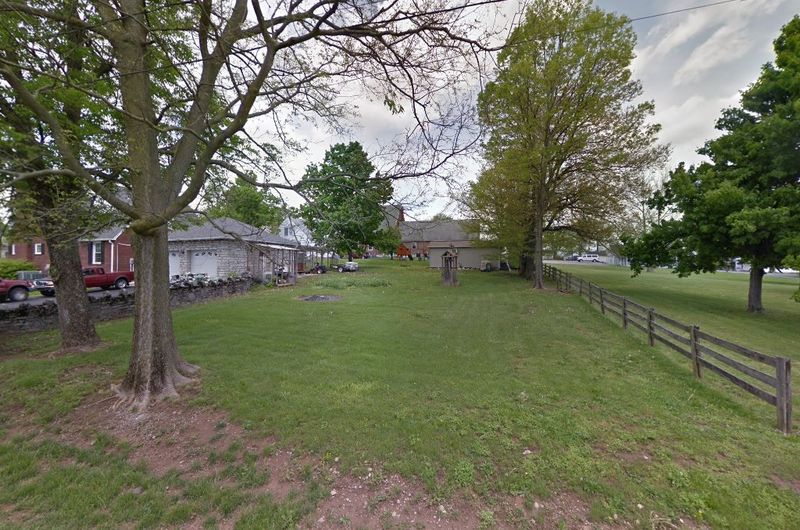
Shaker Village of Pleasant Hill holds a big title. It is Kentucky’s largest National Historic Landmark, and it sits close to Burgin.
The village preserves buildings and history from the Kentucky Shakers religious community. Visitors come for the peaceful grounds, the old structures, and the wide open views.
Now picture a massive data center about a mile away. That distance is what turned a local zoning question into a preservation fight.
Billy Rankin, the CEO of Shaker Village, became one of the project’s most visible opponents. He raised concerns about noise, heavy construction, and the calm atmosphere guests expect.
The historic viewshed also came up again and again. A viewshed is simply what you can see from a spot, and here that means rolling countryside.
Shaker Village representatives testified at public hearings. Their voices gave the opposition a cultural angle that many data center debates simply don’t have.
Fun fact for history fans: the Shakers were famous for simple, careful craftsmanship. Protecting that quiet setting feels very much in their spirit.
Few small towns can point to a landmark like this next door. It helps explain why so many people care about what happens nearby.
Meet Project Bluegrass, The Plan With A Very Big Appetite For Power

Project Bluegrass sounds like a folk festival. In reality, it’s the name tied to a hyperscale AI data center pitched for land near Burgin.
The developer is Panattoni Data Centers. Plans and reports have described a site ranging from about 500 to 950 acres.
The scale gets wilder from there. Estimates mention an investment over $1 billion and around 1.3 gigawatts of power capacity.
For comparison, that is a huge amount of electricity for one project. It helps explain why neighbors started asking hard questions about the local grid.
The story started in the summer of 2025. Landowner Brian Luftman of American Farm Investors approached county leaders about the property’s data center potential.
Around the same time, commercial brokerage firm JLL began marketing a parcel of roughly 555 acres. Suddenly, quiet farmland had a very modern price tag attached.
A separate industrial area near the E.W. Brown power plant was also discussed at the county level.
Burgin’s annexation idea focused on land north of the city instead.
Keeping all those maps straight takes some patience. Residents did the homework, and that knowledge fueled the pushback.
Noise, Water, And Electric Bills Topped The Worry List
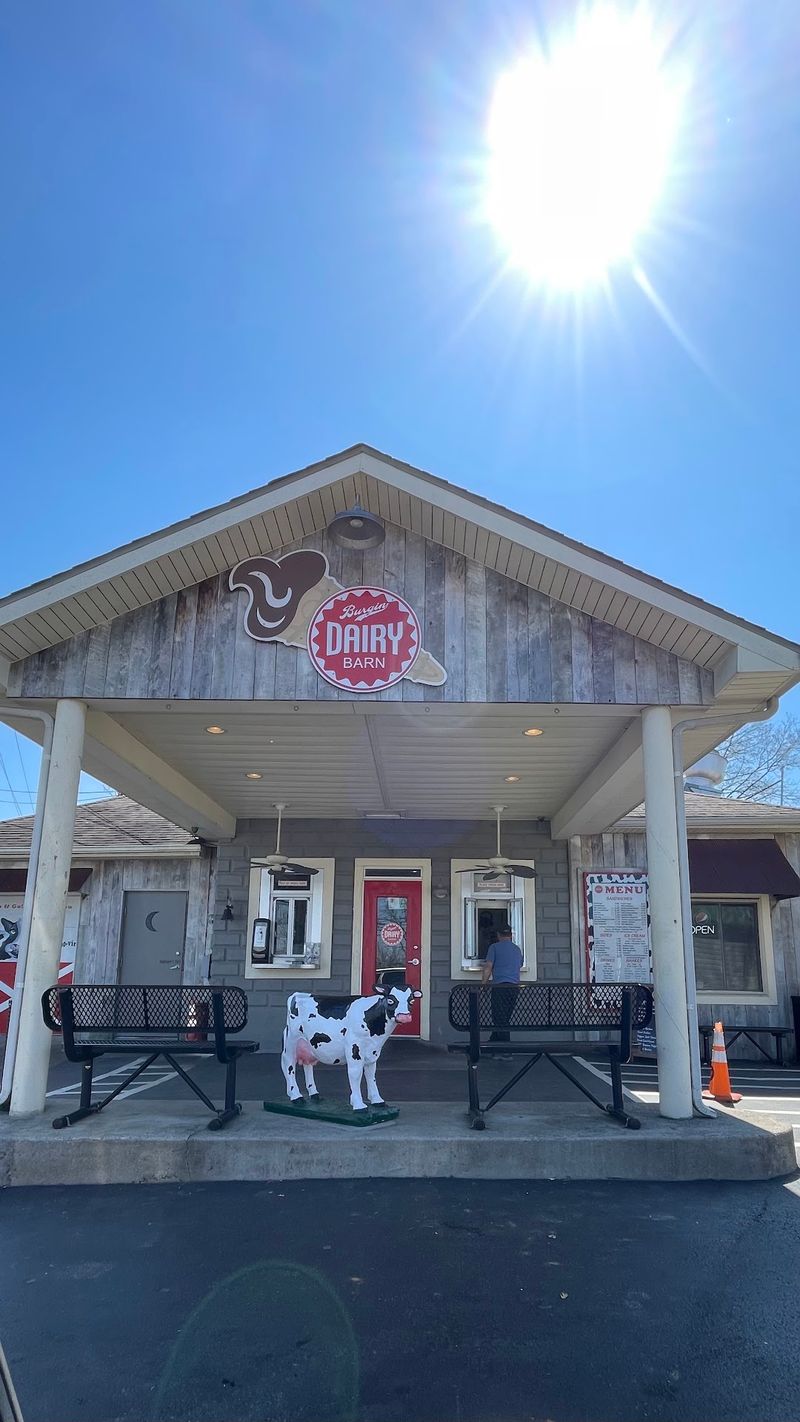
Ask a Burgin neighbor what bothers them most, and you’ll probably hear a long list. Each worry connects to daily life in a very practical way.
Noise came up early and often. Large data centers run cooling systems around the clock, and rural nights are usually quiet.
Water was another sore spot. Big server farms can need serious amounts of it, and residents wanted to know where it would come from.
Then there’s the power bill question. Opponents worried that a project this hungry for electricity could push rates higher for regular households.
Visual pollution also made the list. Nobody wanted giant gray buildings replacing the pastures that frame the drive toward Shaker Village.
Losing farmland felt personal to many people. Once fields turn into industrial sites, they rarely become fields again.
I like how specific these concerns stayed. Instead of vague fear about technology, people asked clear questions about sound, water, money, and land.
That approach made the opposition harder to brush aside. Officials had real issues to answer, not just loud complaints.
Public Meetings Turned Into Standing-Room-Only Events
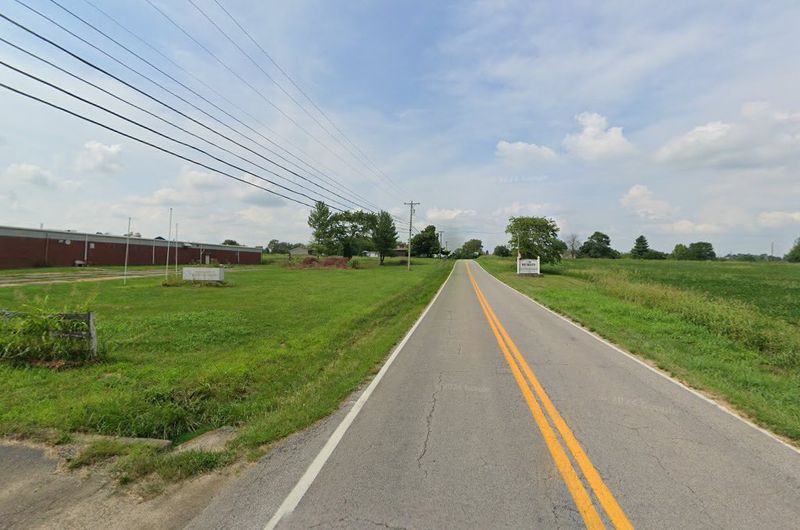
Hundreds of people showing up to a zoning meeting? In Mercer County, that became the new normal in 2026.
Back in December 2025, the county Planning and Zoning Commission discussed hiring a consultant. The goal was to write zoning language specifically for data centers.
By February 2026, public meetings were packed. Residents wore “No Data Center” signs and lined up to share their concerns.
On April 28, 2026, a Planning and Zoning public hearing brought even more testimony. Concerned citizens spoke alongside a group called We Are Mercer County.
Shaker Village representatives testified that night too. Their presence showed how widely the worry had spread beyond Burgin’s city limits.
One resident often mentioned in coverage is Diane Floyd. She moved her family to rural Mercer County in 2020 and became a vocal opponent.
Here’s a practical takeaway for any small community. Showing up in person, again and again, gets noticed by the folks holding the votes.
These meetings weren’t glamorous. Folding chairs and long agendas rarely are, but they shaped everything that came next.
One Walkout Changed The Whole Annexation Story
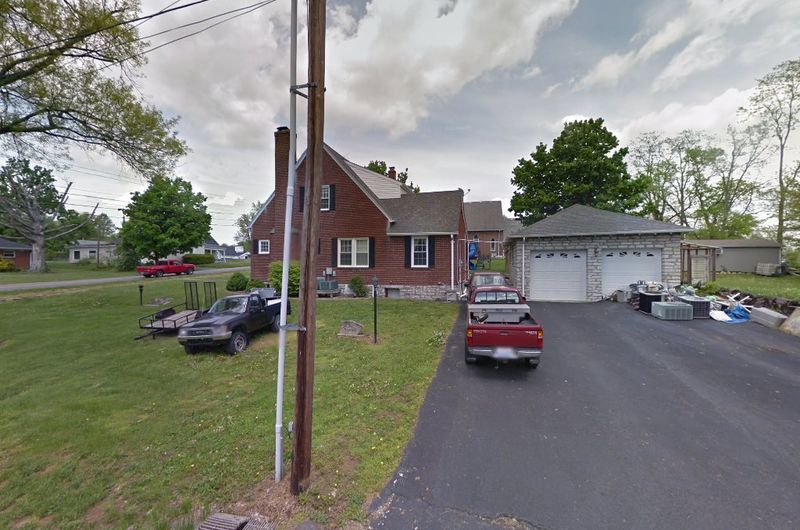
Small-town politics can get surprisingly dramatic. Burgin proved that point during the summer of 2026.
In July 2026, the Burgin City Council voted 3-2 to give first reading to an ordinance that would annex farmland for a data center. Annexation means a city pulls nearby land inside its official borders.
That move mattered because city land can follow different rules than county land. Opponents saw it as a possible path around county oversight.
Then came a twist worthy of a TV drama. At a later meeting, two council members walked out, leaving the council without a quorum to vote on annexation.
Without enough members present, the vote couldn’t happen. The annexation push failed, at least for that moment.
I believe this episode shows how fragile big plans can be in tiny governments. Two people leaving a room changed the direction of a billion-dollar idea.
It also highlighted a strange split. The city and the county were heading in very different directions on the same project.
For residents, keeping up required close attention. Missing one meeting could mean missing a major turning point.
The County Hit The Pause Button, Then Said Not Yet
August 11, 2026 marked a big moment for opponents. Mercer County passed a moratorium on new data center construction.
A moratorium is basically a timeout. The county set a one-year pause so leaders could study the issue before anything got built.
The next big move came on September 28, 2026. The Mercer County Fiscal Court denied an ordinance that would have allowed a data center near Shaker Village.
Instead of approving it, the court sent the ordinance back to Planning and Zoning. Members wanted stronger protective measures written into the rules.
That decision didn’t end the conversation forever. It did send a clear message that the current version wasn’t good enough.
For neighbors in and around Burgin, Kentucky, it felt like a real win. Months of meetings and signs had produced actual policy changes.
Think of it as the county asking for a better recipe. Protections around noise, setbacks, and resources could shape any future proposal.
Patience paid off here. Slow government sometimes frustrates people, but this time slowness gave the community room to breathe.
Voters Made The Data Center A Ballot Box Issue
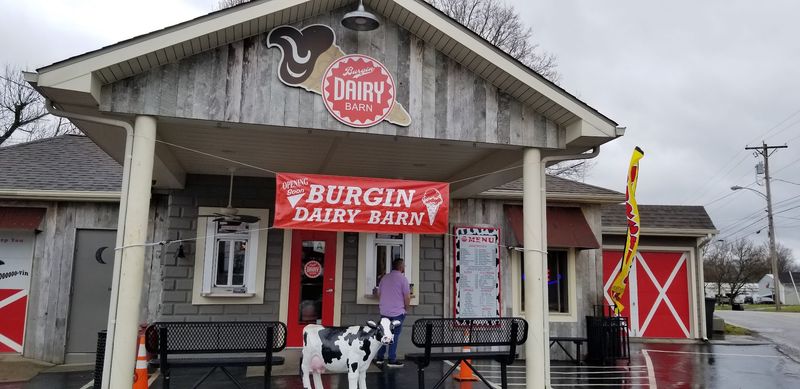
Nothing grabs a politician’s attention like an election. In Burgin, the data center fight showed up right on the ballot.
Data centers and land use were already hot topics during Kentucky’s May 2026 primaries. Local candidates had to explain exactly where they stood.
By November 2026, Burgin voters delivered a strong message. Incumbents who supported the data center lost their mayoral and city council races.
The newly elected officials were seen as more in tune with public opposition. That shift could reshape how the city handles future proposals.
Even before that, the council started changing course. In September 2026, it voted to take the first step toward rejoining the Harrodsburg-Mercer County Planning and Zoning Commission.
Rejoining would add another layer of oversight. Big projects would face county-level review instead of slipping through city rules alone.
I like how this part of the story reminds everyone that small votes carry weight. In a town under 1,000 people, every ballot really counts.
Want a lesson in local democracy? Burgin basically wrote the textbook in a single year.
Plan A Visit And See What Everyone Is Protecting

Reading about farmland is one thing. Seeing those rolling fields in person makes the whole debate click.
Burgin sits in Mercer County with the mailing address Burgin, KY 40330. It’s an easy drive through central Kentucky countryside.
Shaker Village of Pleasant Hill is the natural stop nearby. Its preserved buildings and open grounds show exactly why preservationists spoke up.
Take your time on the back roads. Pastures, fences, and quiet stretches are the very scenery residents want to keep.
Respect goes a long way in a small community. Remember that people here live and work on this land every day.
Visiting historic sites and local spots also supports the area’s tourism economy. That’s a big part of the argument for protecting rural character.
Curious about the latest news? Local radio stations and county meeting notices keep track of every new step.
The story in Burgin is still unfolding. One thing feels clear, though: this little town proved that size doesn’t decide who gets heard.