This Small Nebraska Town Sits Minutes From A National Scenic River Valley With Sweeping Overlook Views And Abundant Wildlife
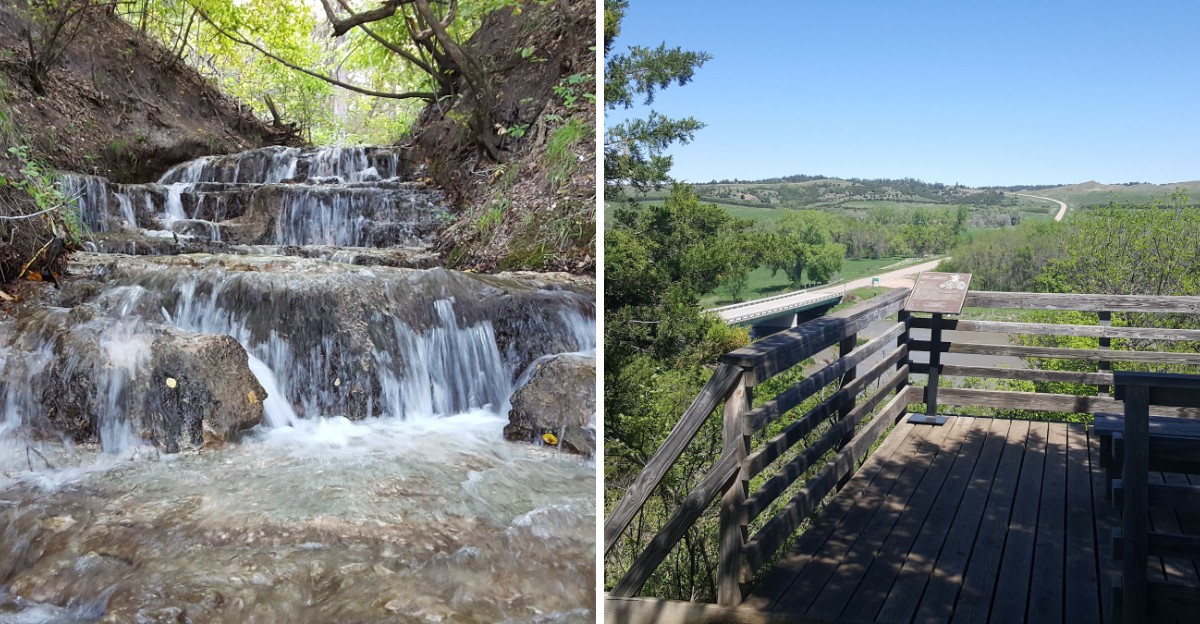
More than 200 waterfalls spill into a single river valley in the middle of the Sandhills. I still have to read that sentence twice.
The river carving that valley is a federally protected national scenic river. Six different ecosystems meet along its banks, from northern forest to Sandhills prairie.
That mix supports more than 500 plant species and over 200 kinds of birds.
The best part is how easy it is to start exploring. A small ranger-staffed center on a highway in a Nebraska cattle town hands you films, displays, maps and friendly advice.
I like how something so humble opens the door to something so big.
So which waterfall comes first, and where do the bison roam? A little stop on the edge of town holds the answers.
Your First Stop Is A Small Building With A Very Big Backyard
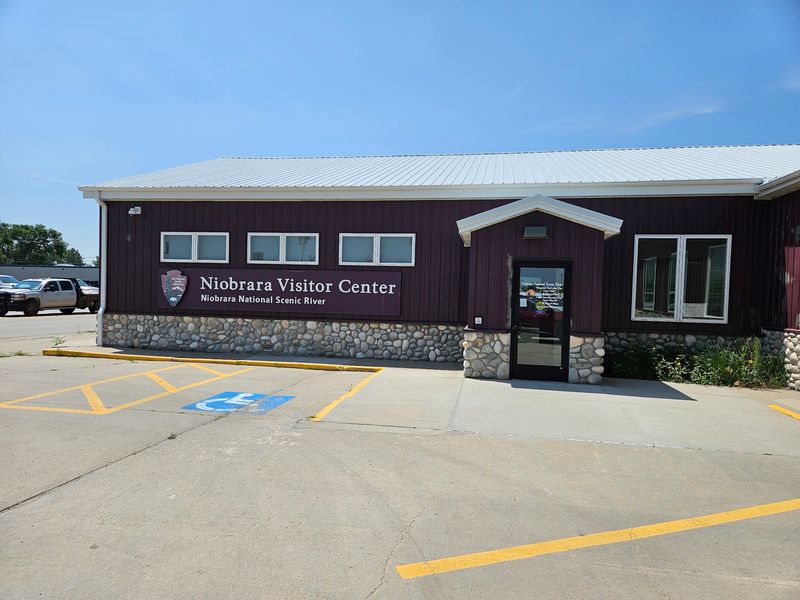
Plenty of grand adventures begin in grand buildings, but not this one. The Niobrara National Scenic River Visitor Center is a modest National Park Service stop in Valentine, a ranching town in north-central Nebraska.
Modest is the point, though. The building works like a front porch for a protected river corridor that stretches for 76 miles through some of the wildest country in the state.
Inside, you’ll find informational displays, hands-on learning pieces, books and brochures. A park film covers the river and the story behind its protection.
Rangers staff the desk and help travelers plan routes, floats and scenic stops.
Think of it as the place where a vague road-trip idea turns into an actual plan. You walk in curious and walk out with a map, a few smart tips and a list of places you didn’t know existed.
The center also gives the river a face and a voice. Without it, many drivers on the highway would roll right past a canyon full of waterfalls and never know it.
That would be a shame, honestly.
So park the car and stretch your legs. The real show starts just down the road.
Why Congress Put A Protective Ring Around This River
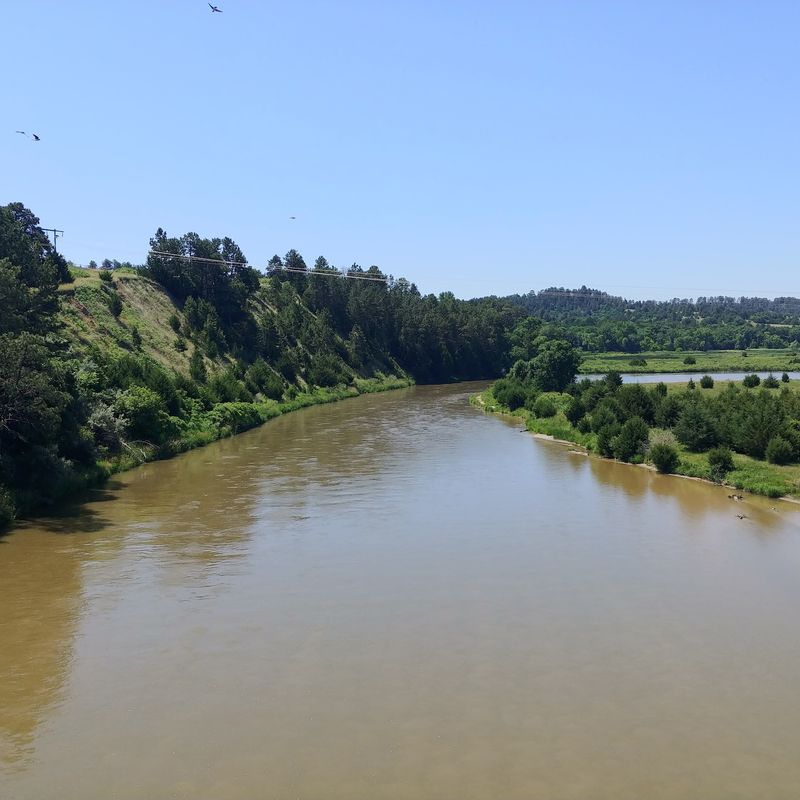
Back in 1991, Congress gave this stretch of the Niobrara a rare honor. It became a National Scenic River, protected for what federal law calls outstandingly remarkable values.
Those values aren’t just pretty words on paper. The designation lists fish and wildlife, scenery, fossil resources, geology and recreation, which covers pretty much everything a curious traveler could want.
The protected section runs 76 miles. It’s only part of a much longer river, yet it holds a remarkable concentration of the Niobrara’s most striking scenery.
The visitor center film lays out the background behind the designation. It explains why the river earned protection and what keeping it natural has meant for the valley.
It’s a helpful primer before you head out.
Knowing that history changes how the drive feels. Those canyons and spring-fed waterfalls aren’t an accident of good luck alone.
People made a choice to keep this place wild and open.
For Nebraskans, that’s a source of real pride. A river this special could have sat in a much more famous state, yet here it is, flowing through the Sandhills and waiting for anyone willing to make the drive.
Six Ecosystems Crammed Into One Gorgeous Valley
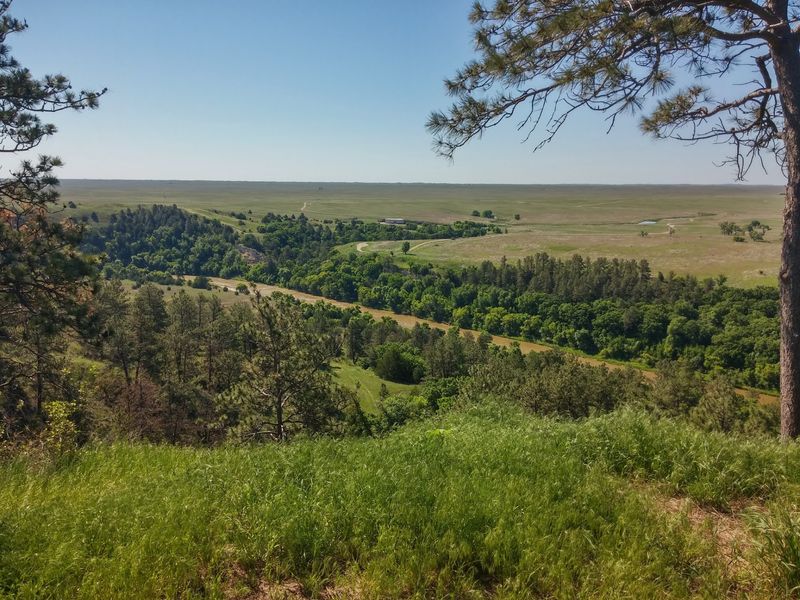
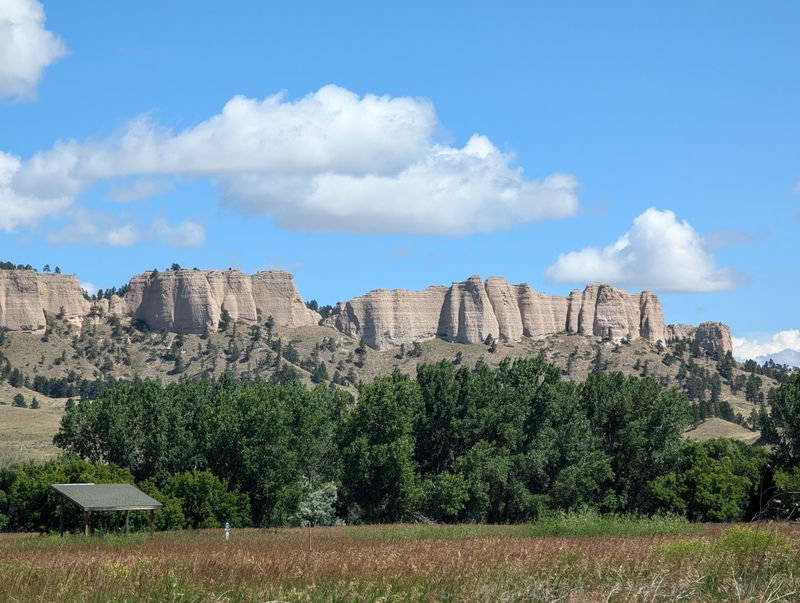
Botanists get a little giddy here, and for good reason. Six separate ecosystems overlap along the Niobrara valley, which is a rare thing anywhere on the Great Plains.
The list reads like a cross-country road trip. Northern boreal forest, eastern deciduous forest, ponderosa pine savanna, tallgrass prairie, mixed-grass prairie and Sandhills prairie all share the same corridor.
That means you can spot paper birch, a tree usually tied to cooler northern places, not far from ponderosa pines more common out West. It feels a bit like the continent decided to hold a meeting in one canyon.
The payoff shows up in the numbers. More than 500 plant species grow along the protected river, and each bend seems to bring a slightly different look.
Spring-fed side canyons keep things cool and shaded, which helps those northern plants hang on. Meanwhile, the open hills above stay sunny and grassy, so the landscape shifts quickly as you move.
The visitor center displays help explain how all of this fits together. Once you know what you’re looking at, every overlook turns into a living science lesson, minus the homework.
Binoculars Earn Their Keep Along This Wildlife Corridor
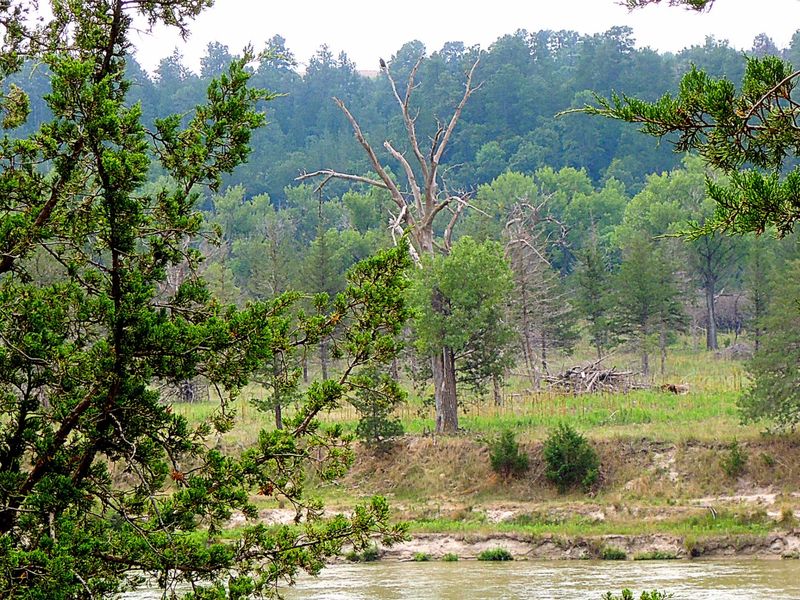
Over 200 bird species have been documented along the Niobrara. That number alone justifies tossing a pair of binoculars in the back seat.
Great blue herons, belted kingfishers and American bitterns all use the river corridor. Bald eagles show up too, which tends to make everyone in the car go quiet for a second.
The mammals keep things interesting as well. Biologists count 44 mammal species in the valley, including beavers, mink and river otters along the water.
Reptile fans aren’t left out either. Seventeen reptile species call the area home, so keep an eye on sunny rocks and trail edges.
The water itself supports a variety of fish populations, thanks to those cool, spring-fed flows. That steady supply of food is part of why so many birds and furry swimmers stick around.
Wildlife viewing here is never guaranteed, of course. Animals keep their own schedules and rarely check yours.
Still, with this much variety packed into one valley, the odds feel pleasantly stacked in your favor.
Ask the rangers where recent sightings have happened. A little local insight can turn a good drive into a memorable one.
Bison And Elk Roam Just A Few Miles From Town
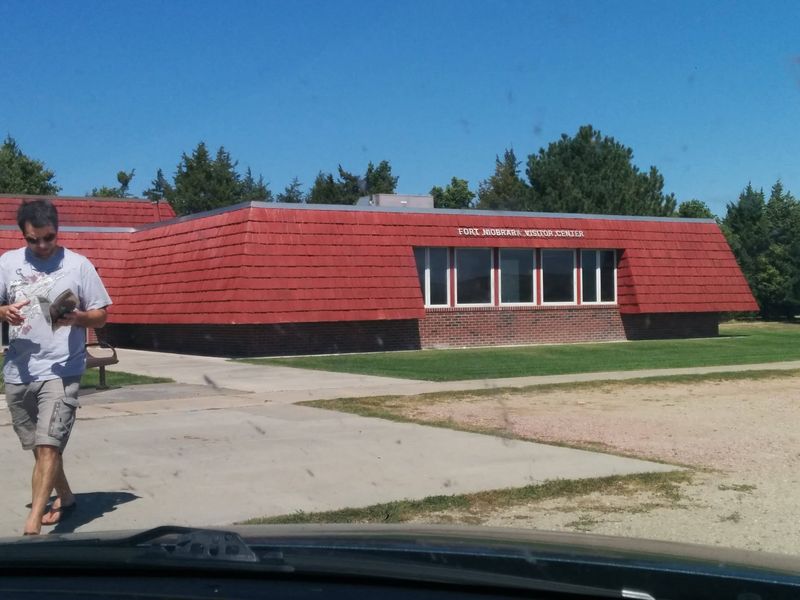
Roughly 350 American bison live a short drive from downtown Valentine. That’s not a typo, and it’s not a petting zoo either.
The herd roams Fort Niobrara National Wildlife Refuge, about five miles from town on Highway 12. The refuge covers 19,131 acres along the Niobrara River.
History runs deep here. The refuge was established in 1912 on the site of a former frontier military fort, so the land has seen plenty of change.
Elk share the range with the bison, along with mule deer and white-tailed deer. Coyotes, eagles and many grassland birds round out the cast.
A 3.5-mile driving tour gives you a chance to see bison and elk from the comfort of your seat. It’s a great option for families with little ones or anyone who prefers wildlife viewing with the air conditioning on.
Hiking trails and overlooks also let you take in the wooded canyons and river corridor. The refuge visitor center operates seasonally, roughly Memorial Day through Labor Day.
Keep a respectful distance from the big animals. Bison may look calm, but they’re wild, heavy and impressively quick when they want to be.
Nebraska’s Tallest Waterfall Is Closer Than You Think
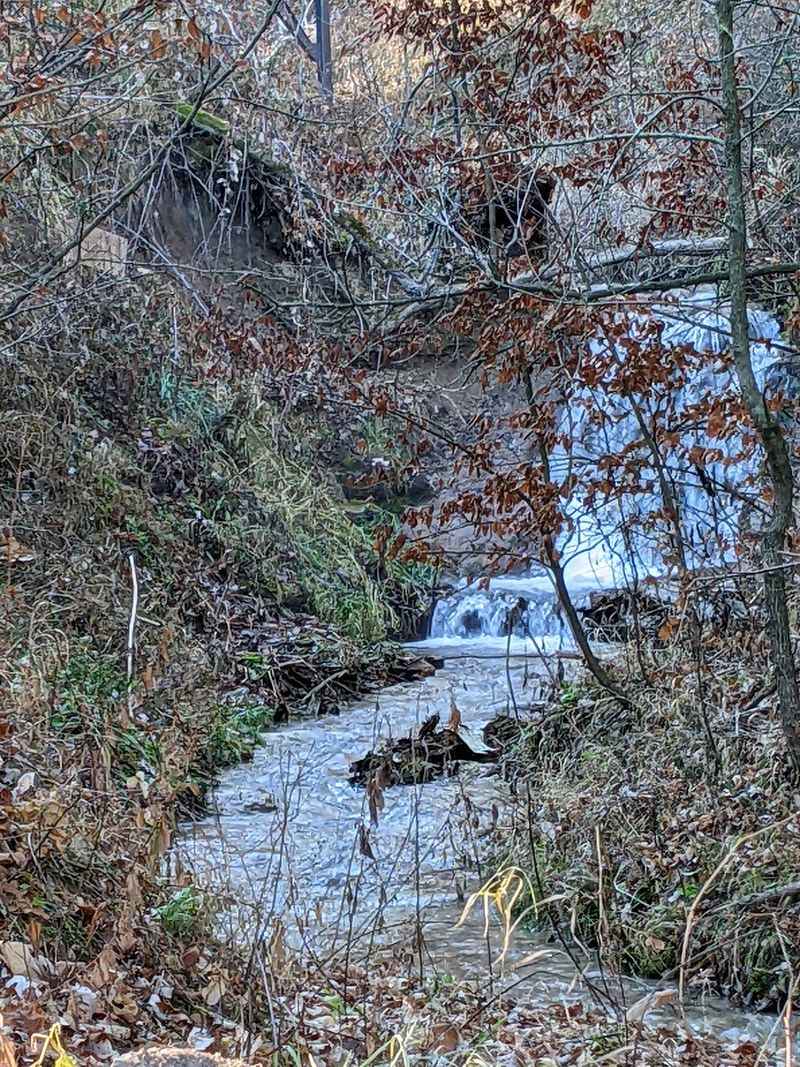
Sixty-three feet of falling water in Nebraska? Yes, and it’s only about 18 miles east of Valentine.
Smith Falls is the tallest waterfall in the state, tumbling over a sandstone cliff toward the Niobrara River. It sits inside Smith Falls State Park, which protects both the scenery and the unusual plant life around it.
Getting there is half the fun. You cross a 160-foot iron truss footbridge over the river, then follow a boardwalk to the falls.
The walk is short and easy, which makes it friendly for most ages. Even so, the shady canyon feels worlds away from the open prairie you just drove through.
The park welcomes day visitors, paddlers, tubers and tent campers. Picnic sites and restrooms add to the comfort, so it’s easy to turn a quick look into a lazy afternoon.
The Jim MacAllister Nature Trail also winds through the area. It helps explain the overlapping ecosystems that make this canyon so unusual.
Stop by the visitor center first for directions and river conditions. Then go stand at the base of the falls and enjoy a little cool mist on your face.
A Second Waterfall Hides Down A Short Refuge Trail
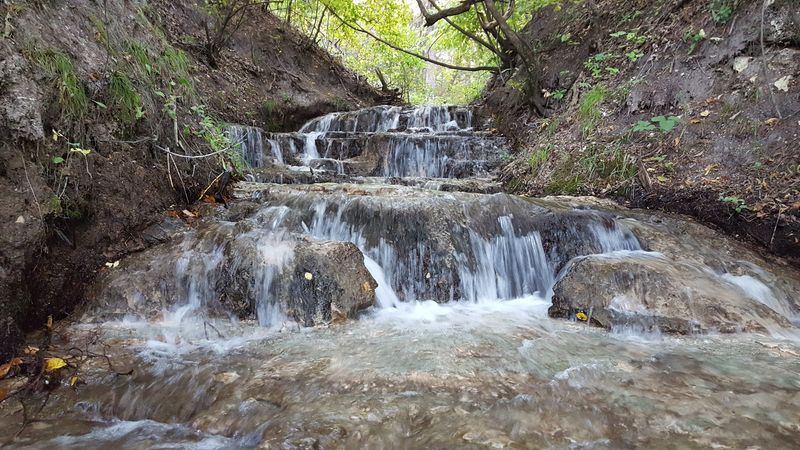
One waterfall is a treat, but two in one trip feels downright greedy. Fort Falls makes that greed easy to indulge.
The falls sit inside Fort Niobrara National Wildlife Refuge, at the end of a hike about a mile long. The water drops roughly 45 feet through a wooded side canyon.
It’s a lovely contrast to the bison range up top. You go from open grassland to cool, green shade in just a few minutes on foot.
Those side canyons are a big part of the Niobrara story. Spring water seeps out of the hills, feeding the many waterfalls that spill toward the river along this stretch.
Comfortable shoes are a smart call here. Trails near water can get damp, and nobody wants a soggy sock situation halfway through the afternoon.
Pairing Fort Falls with the refuge driving tour makes for a well-rounded outing. Wildlife in the morning, waterfall before lunch, and you’re still home in Valentine with plenty of daylight left.
Rangers at the visitor center can help you map out the order. Their local know-how saves time and guesswork.
Grab A Tube, Canoe Or Kayak And Let The River Do The Work
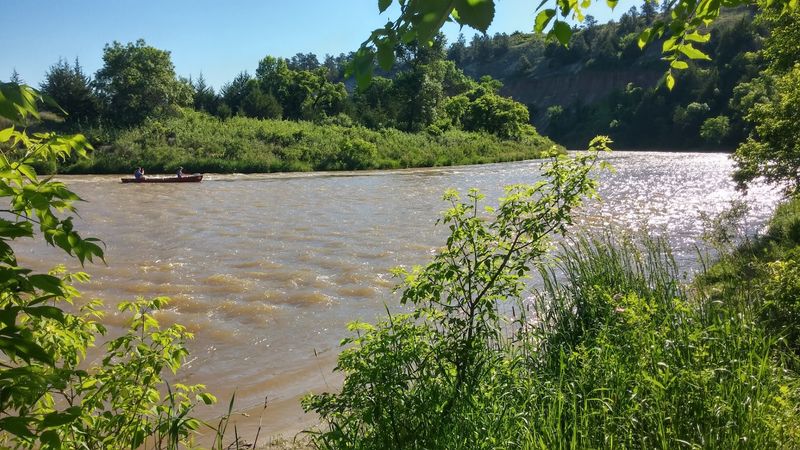
Floating the Niobrara is the classic way to see the valley. Canoes, kayaks, tubes and even stock tanks all make the trip downstream.
Outfitters in Valentine rent gear and run shuttles. Trips can last a few hours or stretch over several days, depending on how ambitious you’re feeling.
The river is spring-fed, which keeps the water refreshing on hot summer days. Some sections offer Class I and II rapids, enough for a few happy squeals without turning things scary.
Much of the river suits beginners, so families often make it a summer tradition. As you drift, high cliffs and pine-topped hills slide past, along with waterfalls tumbling in from side canyons.
Pack water shoes, since river bottoms can be rocky. Sunscreen and a dry bag for your phone are smart additions too.
Fort Niobrara National Wildlife Refuge also has a launch point for watercraft, with a small fee. Check details before you go, because rules and access can change by season.
The visitor center is a handy place to start. Rangers can talk you through river safety and point you toward the right stretch.
Pedal Across A Bridge Hanging 70 Feet Above The Water
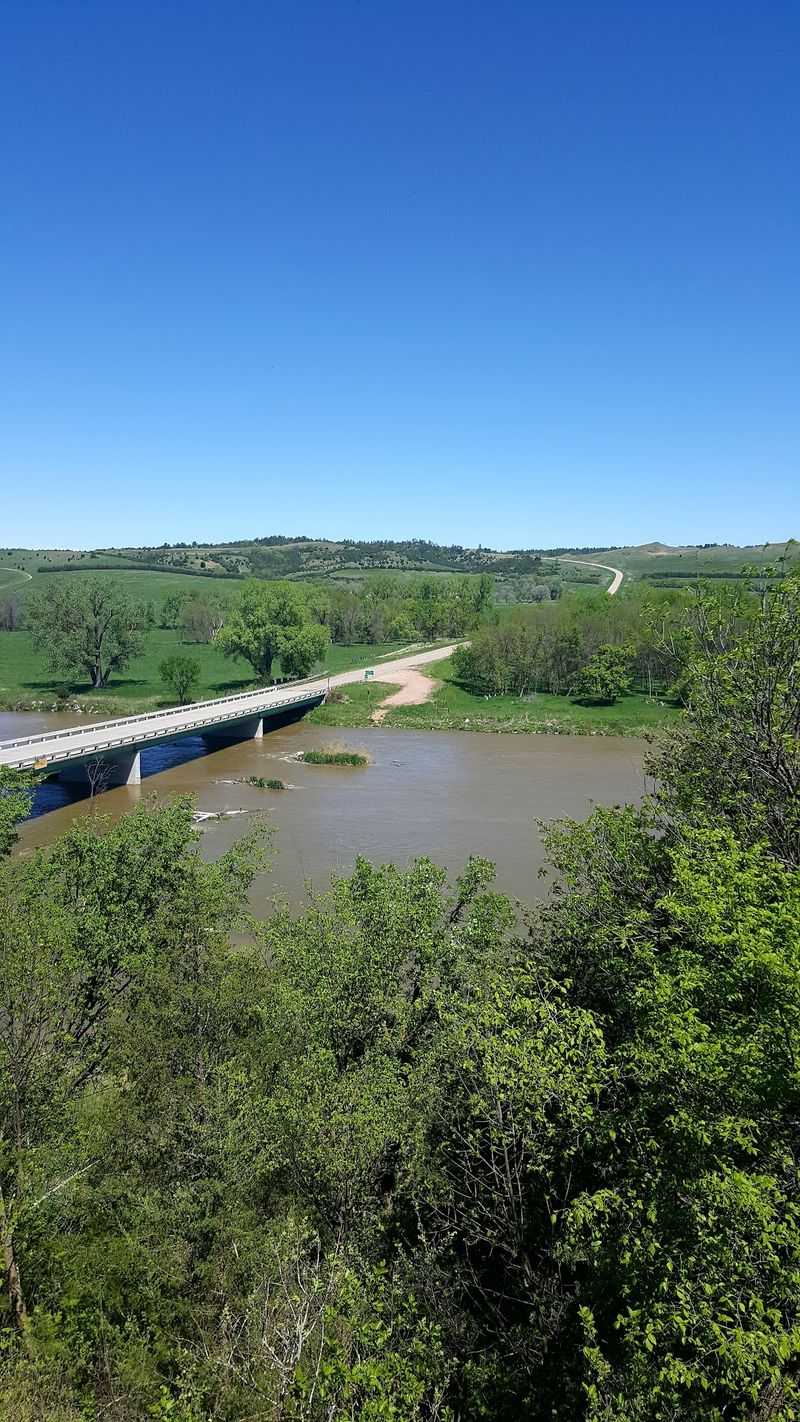
Some bridges get you across a river. The Valentine High Bridge gives you a bird’s-eye view of one.
It soars about 70 feet above the Niobrara and carries the Cowboy Trail right through Valentine. The trail covers 195 miles of walking and biking path across northern Nebraska.
The high bridge is one of the trail’s most photographed spots. Standing in the middle, you can look up and down the valley and see just how far the river has carved.
No bike? Valentine Bike Share offers e-bikes, which makes those Sandhills stretches far more forgiving on the legs.
History buffs will appreciate another crossing nearby. The Bryan Bridge, an arched steel cantilever truss built in 1932, spans the river near town and sits on the National Register of Historic Places.
Both structures show how the river shaped travel here for generations. Rail lines, roads and now trails have all had to find clever ways over this valley.
Bring a camera and pick a clear morning. The view from the high bridge deserves good light and a little time to soak it all in.
The Heart City Sends Love Notes Every February
A town named Valentine was bound to have fun with it. Every year, thousands of pieces of mail head to the local post office for a special Valentine’s Day postmark and verse.
Senders then watch those cards fly back out with a little extra sweetness stamped on. It’s a charming tradition that gives the Heart City its nickname real meaning.
The name itself comes from congressman E.K. Valentine.
The town was founded in 1882 and incorporated in 1884, with railroad arrival in 1883 fueling early growth.
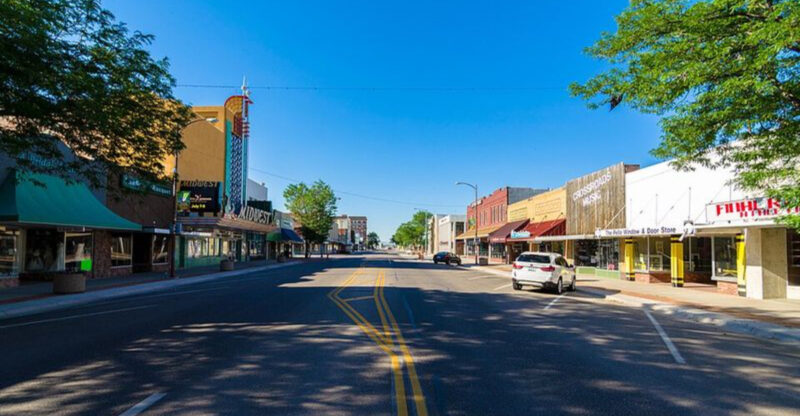
Today, Valentine is the county seat of Cherry County. Cattle ranching remains its backbone, while tourism serves as a strong second engine.
National Geographic Adventure once named it among its top 100 adventure towns. Considering the waterfalls, bison and river floats nearby, that recognition makes plenty of sense.
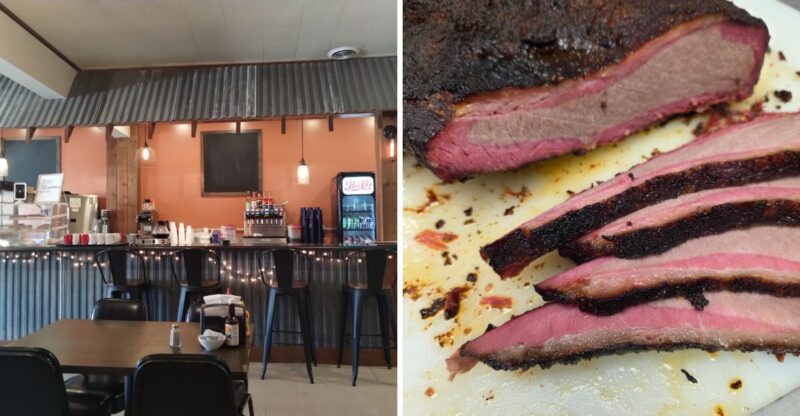
The town also offers practical comforts like a public library, city park and family aquatic center. Eateries range from barbecue and steaks to a bulk food shop known for cinnamon rolls.
So after a day outdoors, there’s a welcoming place to land. That balance of wild and cozy is a big part of the appeal.
Helpful Rangers, Hands-On Displays And A Few Practical Tips
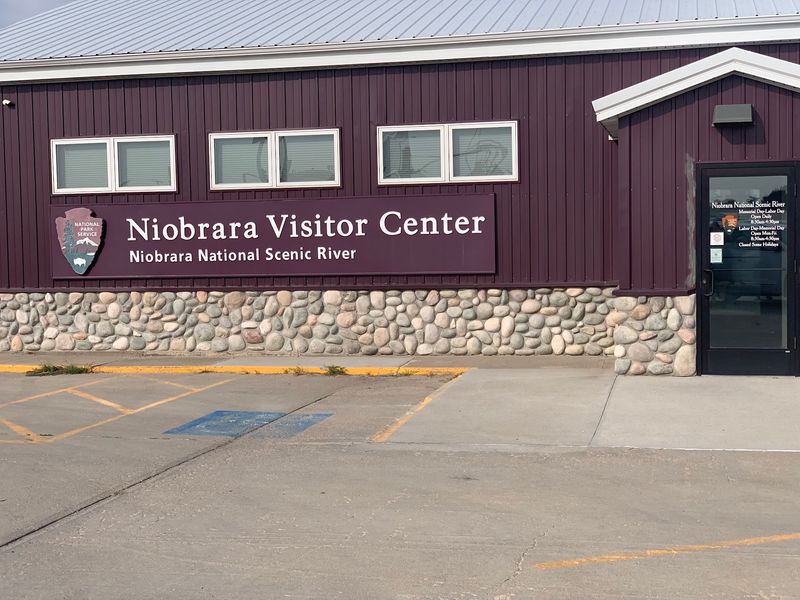
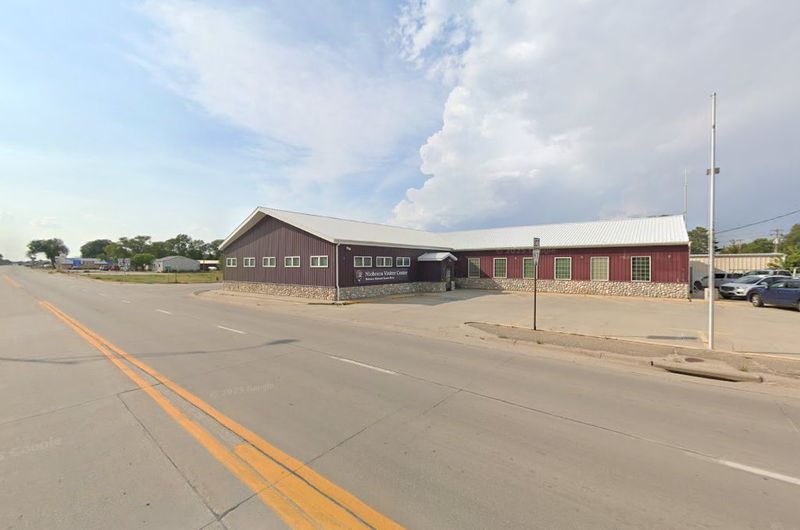
Good news for road-trippers: the visitor center sits right on the highway. You’ll find it at 214 US-20, Valentine, NE 69201.
Inside, the space is compact and straightforward. Exhibits, hands-on learning pieces, books and brochures fill the room, and a park video gives a solid overview of the river.
The rangers are the real treasure. They help with route planning, float questions and wildlife spots, and they’re especially friendly with kids.
Parking is limited, so a smaller vehicle makes life easier. Larger rigs may want to plan accordingly before pulling in.
Hours can shift with the seasons, especially after Labor Day. Sunday access has been known to change in the cooler months, so confirm the schedule before making a special trip.
Admission to the center itself carries no fee. That makes it an easy, budget-friendly first stop on any Niobrara adventure.
Grab a few brochures for the car. They come in handy when cell service gets spotty out in the Sandhills, which happens more often than you might expect.
Then ask one more question before heading out. Rangers usually have a tip you won’t find printed anywhere.
A Friendly Little Doorway Worth Opening
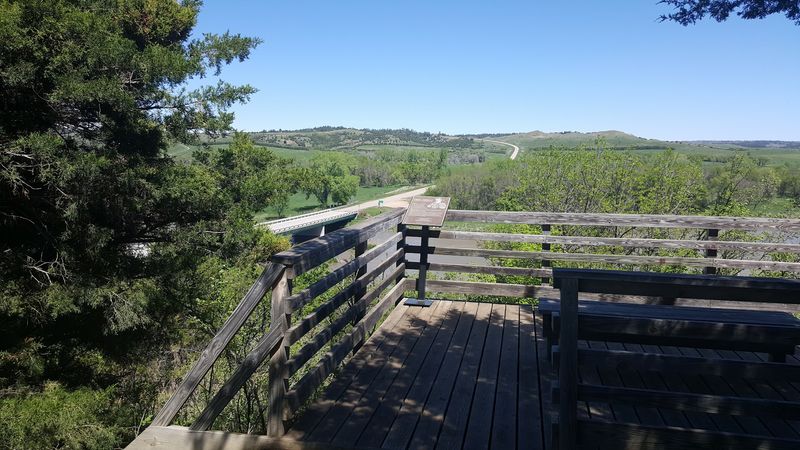
Few small stops deliver this much payoff. The Niobrara National Scenic River Visitor Center turns a quick highway break into a full Nebraska adventure.
It suits nearly everyone. Families can watch the film and touch the displays, while paddlers and hikers can gather tips for bigger plans.
Solo travelers get route advice from people who know the roads. Retirees and day-trippers can map out an easy loop with overlooks, waterfalls and bison without wearing themselves out.
Summer brings tubing season and long, bright days on the river. Fall offers cooler drives through changing colors, when the valley looks completely different.
The beauty truly shifts with the seasons here. That alone is a good excuse to come back more than once.
What makes the place special is the quiet confidence of it all. No flashy signs or giant gift shop, just a small center pointing toward one of the most remarkable river valleys in Nebraska.
Stop in, ask a question and follow the directions. Somewhere down the road, a waterfall is spilling into a canyon, and it would be a shame to miss it.