This Small Northern California Town Is Fighting Back Against A Mysterious Data Center Plan
A real estate listing once pitched an old bottling plant site as ideal for data centers with high water needs. The town next door read that line and basically said, absolutely not.
That site sits at the foot of a famous volcano in Northern California. Its springs help feed the headwaters of the Sacramento River. So a plan to cool AI servers there hit a very sensitive nerve.
The reaction came fast. An online petition gathered more than 15,000 signatures. Emails poured into city offices, and social media lit up like a holiday tree.
I have to admit, I love a story where a small community refuses to stay quiet. It says a lot about what people value most.
A Quiet Inquiry Turned Into A Very Loud Town Conversation
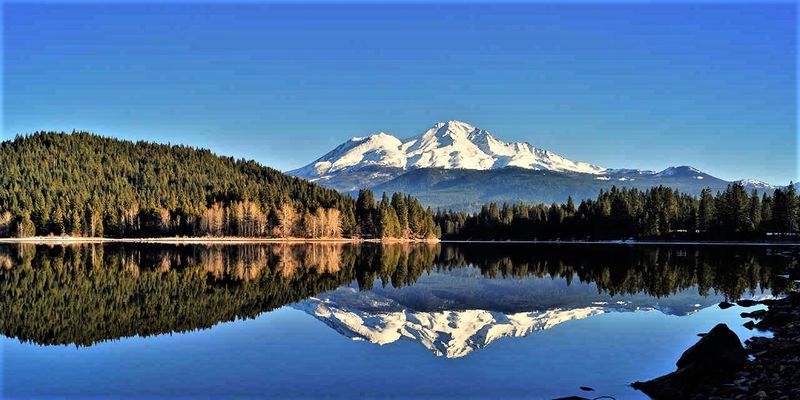
Mount Shasta, a small city in Siskiyou County, California, learned about a data center inquiry and reacted almost instantly. The company behind it was Dunlieh Infrastructure Group, a San Diego County developer focused on data center projects.
Nobody had broken ground or filed big construction plans. Still, the idea alone was enough to spark a huge wave of concern across town.
Why the strong reaction? People here care deeply about their water, their views, and their slower pace of life. A massive tech facility seemed like the opposite of all three.
The word mysterious fits pretty well here. Many residents first heard about the plan secondhand, which made them even more curious and uneasy.
Rumors travel fast in a small place, and this one traveled at full speed.
I find it impressive how quickly ordinary neighbors organized. They didn’t wait for a final proposal to show up on a meeting agenda. They spoke up early and loudly.
Here’s a practical takeaway for any small town. Paying attention to early inquiries can matter as much as watching official applications.
Mount Shasta proved that timing can shape the whole outcome.
That Old Bottling Plant Has Seen This Fight Before
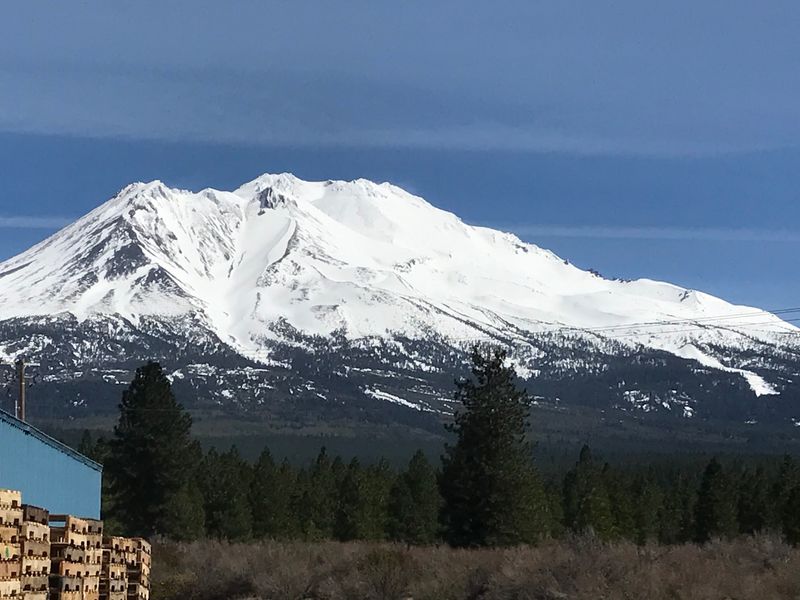
Talk about déjà vu. The proposed site is the former Crystal Geyser bottling plant near North Mt. Shasta Boulevard and Ski Village Drive.
Crystal Geyser Water Company bought the land back in 2013 to bottle water. That project also faced strong local opposition for years. The company finally withdrew in 2021.
So when a potential data center project emerged at the same property, residents worried about its possible impact on local water resources.
Many had already spent years attending meetings and writing letters about this very property. They knew the playbook.
In 2022, the building was acquired by One Shasta LLC. Later, the property’s real estate listing highlighted its water access.
The listing described it as ideal for data centers or other uses with high water needs.
That one phrase lit the fuse. It confirmed exactly what locals feared most about the site’s future.
History matters in moments like this. If a place has already sparked one long debate, any new proposal will get extra scrutiny.
Mount Shasta’s earlier experience gave the community confidence, practice, and a ready network of people willing to show up again.
The Water Here Is Kind Of A Big Deal
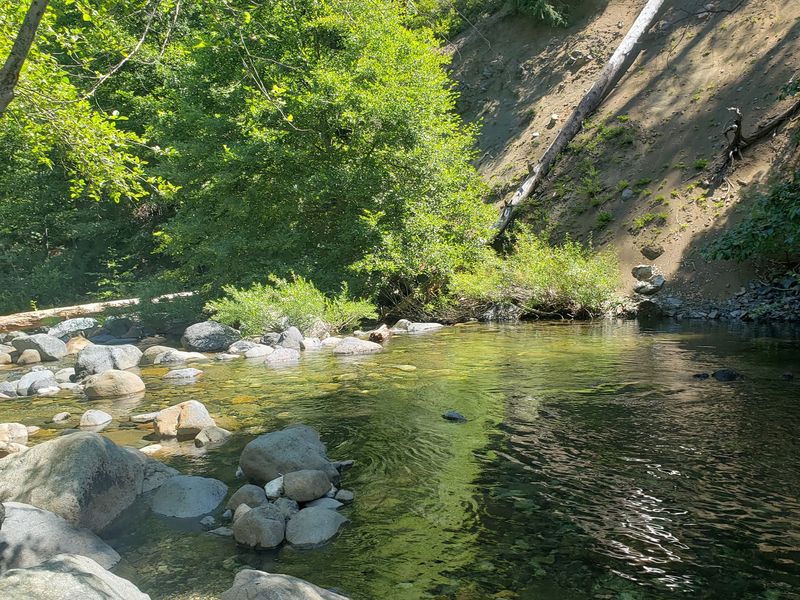
Cold, clear spring water bubbles up in Mount Shasta, and locals treat it like treasure. These springs are fed by volcanic aquifers and form the headwaters of the Sacramento River.
That river matters far beyond this small town. It’s one of the most important waterways in California. So protecting its source feels personal and practical at the same time.
AI data centers often use large amounts of water to cool their computer servers. Those machines run hot, all day and all night. Cooling them can put real pressure on local water supplies.
Residents called their water a precious commodity during the debate. Honestly, that phrase fits.
Few towns can say their tap water story begins inside a volcano. I’d say this is the heart of the whole fight. People weren’t simply against new technology.
They were protecting something that shapes their identity and their environment. Here’s a helpful thought for readers anywhere. Learn where your own water comes from.
Knowing your local source makes it easier to understand why some communities guard theirs so fiercely, and it might change how you think about your own faucet.
Fifteen Jobs Didn’t Sound Like Much Of A Trade
Big buildings don’t always bring big paychecks. Mount Shasta City Manager Todd Juhasz estimated the facility would create only about 15 long-term jobs.
He also expected minimal local tax revenue. In his words, the project offered a very limited payoff for the city. That’s a pretty blunt assessment from a city leader.
Data centers can look impressive from the outside. Inside, though, they mostly hold rows of servers that need few workers once built.
Construction crews come and go, but long-term staffing stays small.
For a town weighing water, noise, and scenery, that math didn’t add up. Giving up so much for so few jobs felt like a lopsided deal.
I have to admit, it’s refreshing when officials explain the numbers plainly. It helps everyone understand what’s really on the table.
Here’s a smart habit for any community member. When a big project shows up, ask how many permanent jobs it creates.
Then ask how much tax money stays local. Those two questions can reveal whether a shiny promise actually helps your town or mostly helps someone else’s bottom line.
Power Lines, Noise, And Wildlife Joined The Worry List
Water wasn’t the only concern on the table. Residents and officials also raised worries about wildlife, noise pollution, and the local power grid.
Data centers use huge amounts of electricity. The current grid around Mount Shasta might not handle that load.
Upgrades could require extensive new transmission lines across the landscape.
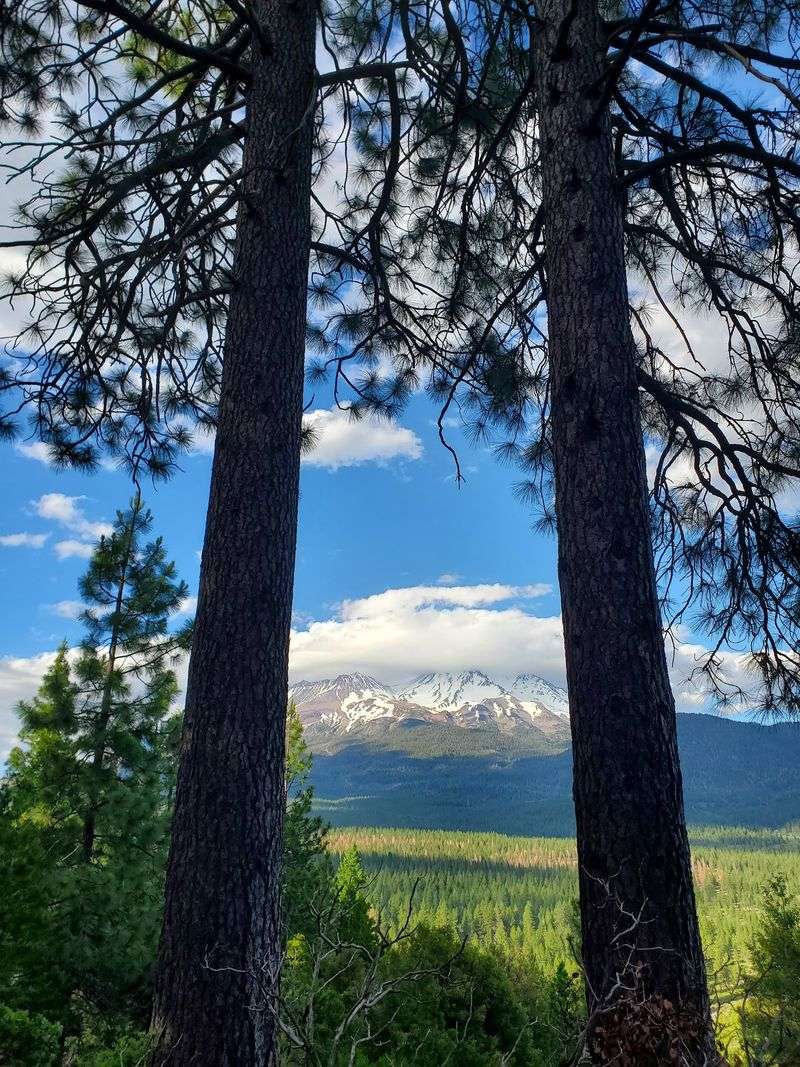
Picture tall towers and wires stretching through forests near a famous volcano. For many people, that image alone was enough to say no. Scenic views are a major reason folks live here and visit.
Noise was another issue. Cooling systems and equipment can hum constantly. In a quiet mountain town, a steady mechanical drone would stand out quickly.
Wildlife concerns rounded out the list. Animals depend on the same forests, streams, and open spaces that people treasure.
Disrupting those areas could have ripple effects that last a long time.
Good news for curious readers: these concerns apply to data center debates everywhere. Knowing the full list helps you ask better questions when a similar project appears near you.
Water gets the headlines, but power and noise matter too.
Over 15,000 Signatures Showed Up In A Hurry
Mount Shasta has a small population, so this number really stands out. An online petition against the data center gathered more than 15,000 signatures.
That support clearly reached far beyond city limits. People who love the mountain, its water, and its trails added their names too. The place clearly has fans all over.
Social media exploded with posts about the plan. Residents also sent many emails to city officials. The message was loud, clear, and hard to miss.
Both the Mount Shasta City Council and the Siskiyou County Board of Supervisors quickly acknowledged the public opposition. When leaders respond that fast, you know the outcry made an impact.
I love how this shows the power of everyday people. Nobody needed a fancy title to make a difference. They just needed to care and speak up.
Want a useful tip? If an issue matters to you, write a short, respectful email to local officials.
Clear and calm messages often carry more weight than angry ones. Mount Shasta’s campaign worked because so many voices pushed in the same direction at once.
Not Every Reaction Was A Proud Moment
Passion can be powerful, but it needs limits. Sadly, the situation escalated to include threats of violence against city staff and officials.
The City of Mount Shasta Police Department responded with a public statement. It vowed to investigate and prosecute anyone making threats.
Security was also increased for city meetings. This part of the story deserves attention. City workers are neighbors too.
Many of them shared the same concerns as residents, yet some still faced frightening messages.
It’s a reminder that winning an argument never requires scaring people. Strong opinions work best when paired with respect. Otherwise, the real issue gets lost in the noise.
I’d say the town’s overall effort still stands out as impressive. Thousands of people spoke up in healthy ways. A small group crossing the line shouldn’t erase that bigger picture.
Here’s practical advice for any heated local debate. Stick to facts, attend public meetings, and keep your tone steady.
Officials listen more closely when people stay civil. The most persuasive voices usually explain why something matters, rather than shouting about who’s to blame.
The Plan Was Basically Over On Arrival
Short version? Mount Shasta officials strongly opposed the data center inquiry before any formal development application was submitted.
City Manager Todd Juhasz said he would inform the company that Mount Shasta was not interested. Siskiyou County supervisors also confirmed they were not considering the proposal.
The old bottling plant sits mostly in unincorporated Siskiyou County, just outside city limits. Only a small portion straddles the city line.
That means the county holds much of the decision-making power over the land. Because of this, Mount Shasta was considering annexation.
Bringing the site into the city could give it more control over future development and water use.
Honestly, that’s a clever long-term move. Winning one round is nice. Preventing the next fight is even better.
The lesson here is simple. Know which government controls a piece of land near you.
City councils and county boards have different powers, and understanding the difference helps residents speak to the right people at the right time.
You Can See Exactly What Locals Are Protecting
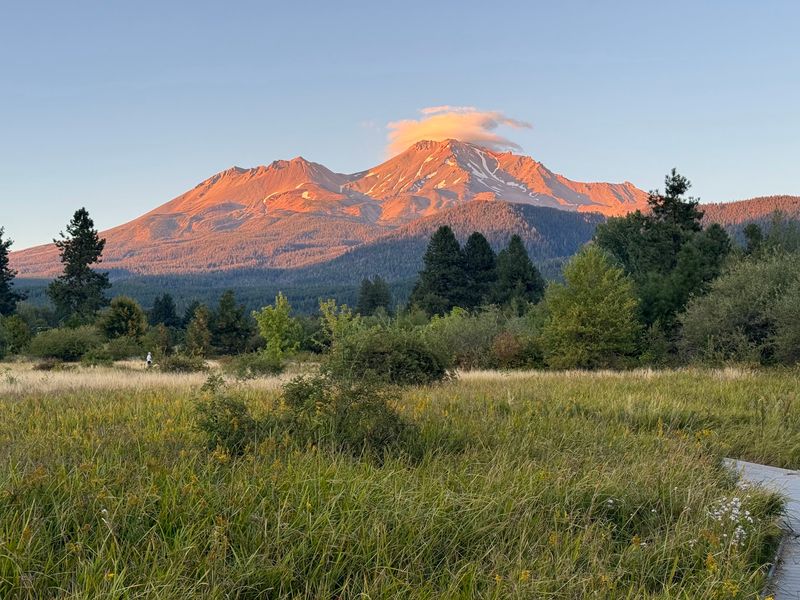
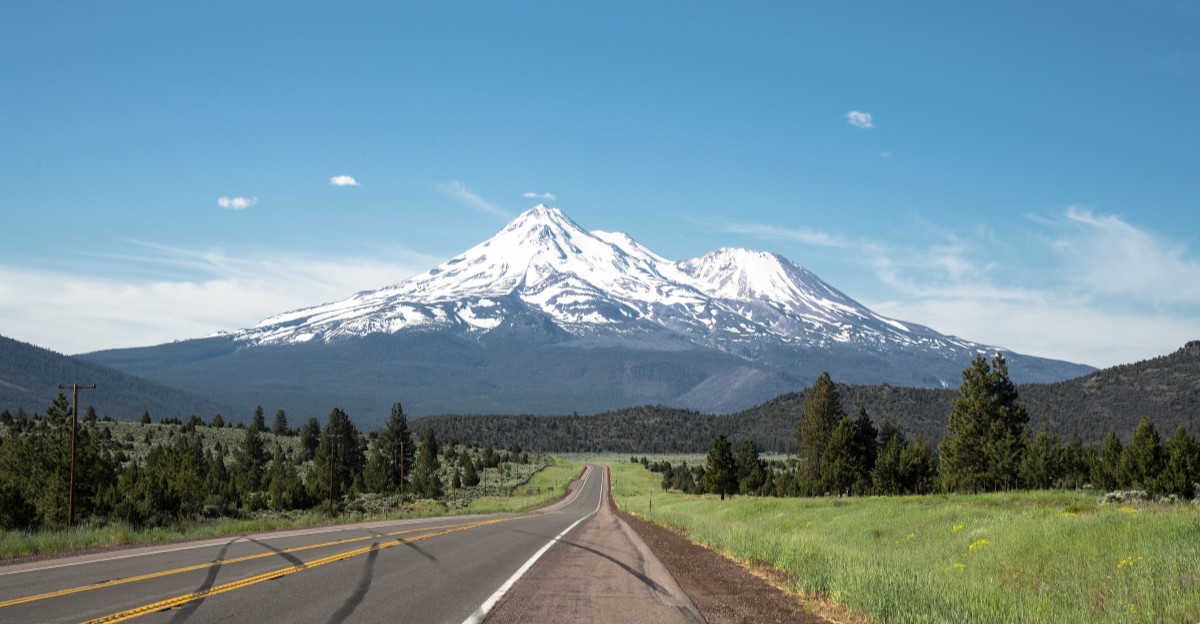
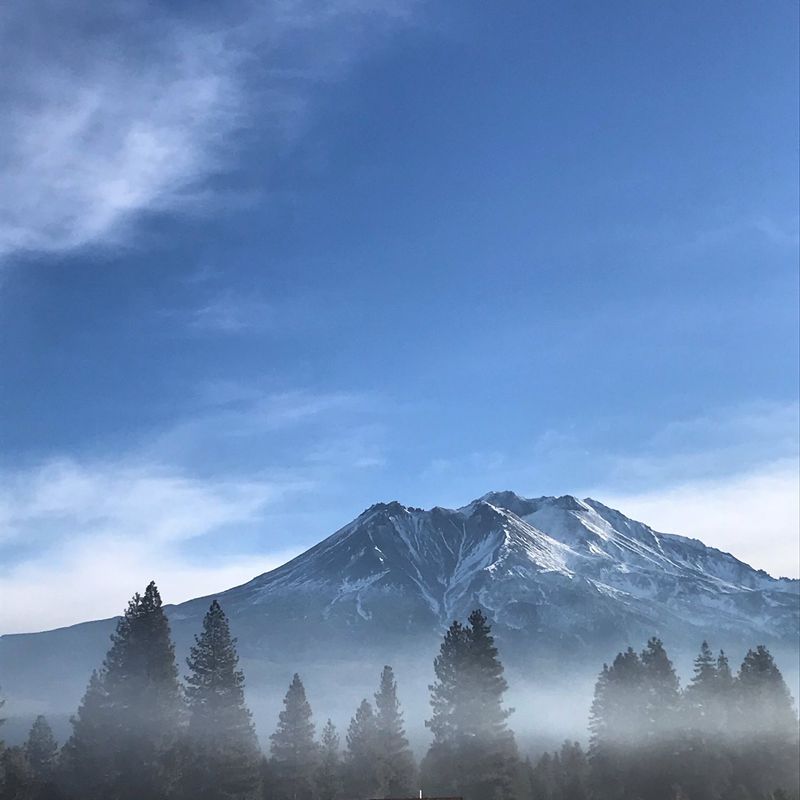
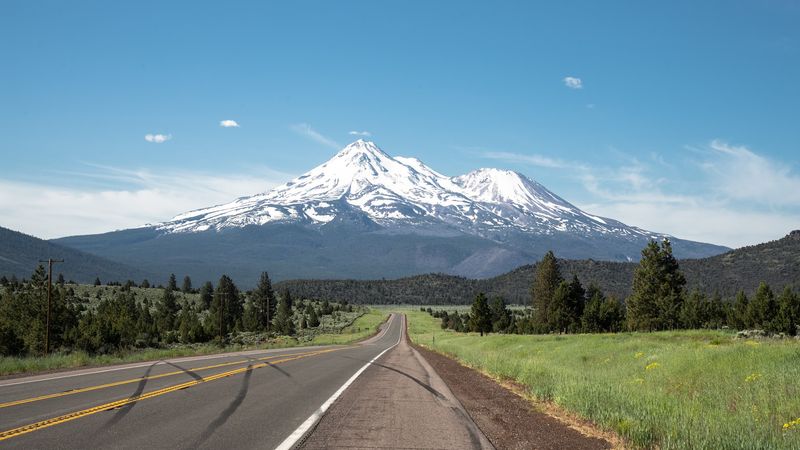
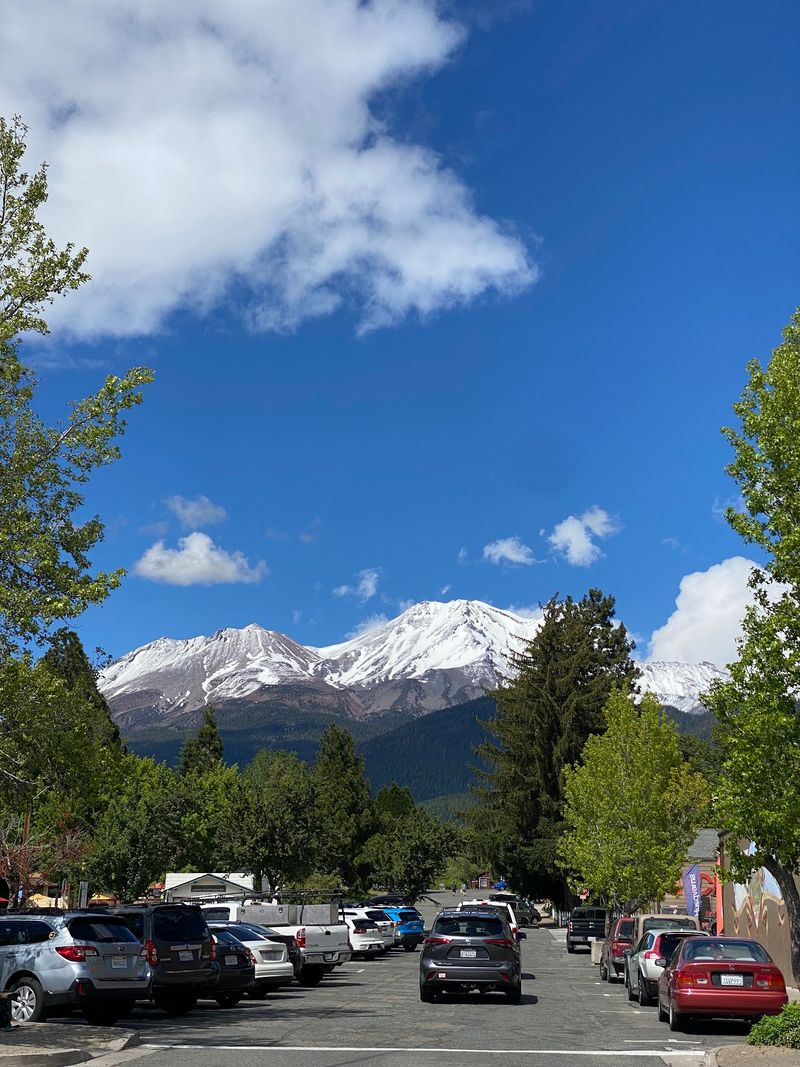
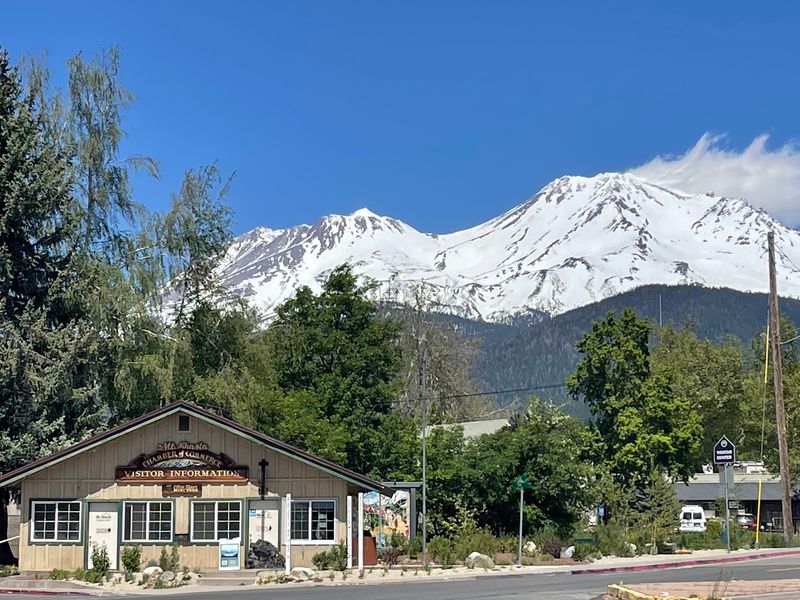
Sitting at roughly 3,600 feet above sea level, Mount Shasta, California makes its case the moment you arrive. The city rests on the flanks of its namesake volcano, less than 9 miles from the summit.
That giant peak dominates the skyline. It’s one of the most recognizable landmarks in Northern California.
Seeing it in person helps explain why people fight so hard for this place.
The city sits in ZIP code 96067, in Siskiyou County. Visitors come for the views, the outdoors, and that famous spring water. It’s the kind of town where nature is the main attraction.
Residents described their home as a quaint community during the debate. They wanted to keep its character and natural landscape intact.
One quick look at the mountain makes that wish easy to understand.
I find it charming that a town this size stood up so firmly. It feels like the mountain inspired some backbone.
If you visit, treat the area kindly. Stay on trails, pack out trash, and respect local water sources.
Doing your part helps keep this special corner of California exactly as residents hope it stays.