This Spot In Connecticut Is The Kind Of Place That Makes You Slow Down Instantly
Not many places have the ability to genuinely slow everything down the moment you arrive but this one does it without any effort at all. The pace here shifts almost immediately and that shift feels less like a choice and more like something the place itself insists upon in the most welcome way possible.
Beautiful surroundings, complete quiet and an atmosphere so genuinely peaceful that checking anything on your phone starts feeling almost disrespectful to what is around you.
Connecticut has spots like this that make slowing down feel completely inevitable and this one sits right at the top of that very short list.
People come here carrying the weight of a busy week and leave noticeably lighter in a way that is hard to fully explain until you have experienced it yourself. The kind of place that stays with you long after you have headed home and makes you want to come back before that feeling fades.
1. Rolling Meadows Made For Wandering
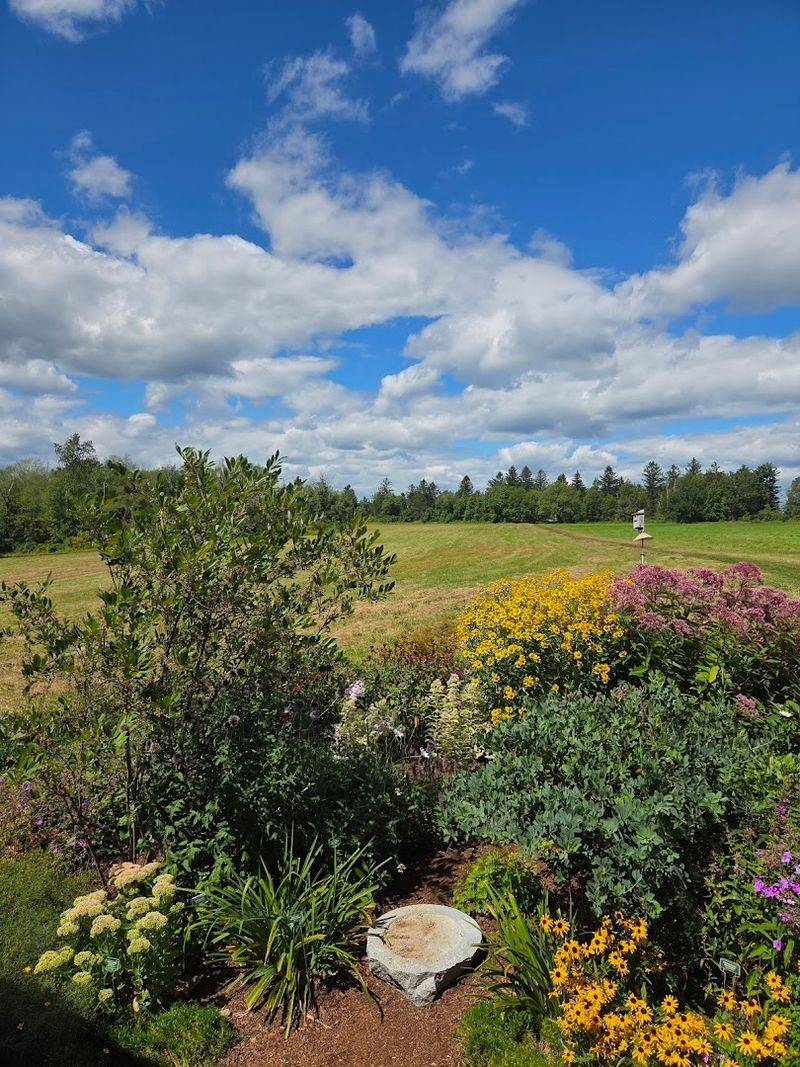
Open meadow, soft hills, and long views make Topsmead State Forest feel instantly calming.
Instead of a rushed trail with one obvious goal, this Litchfield escape invites slow wandering through preserved land where fields, woods, gardens, and wildlife habitats all share the same graceful landscape.
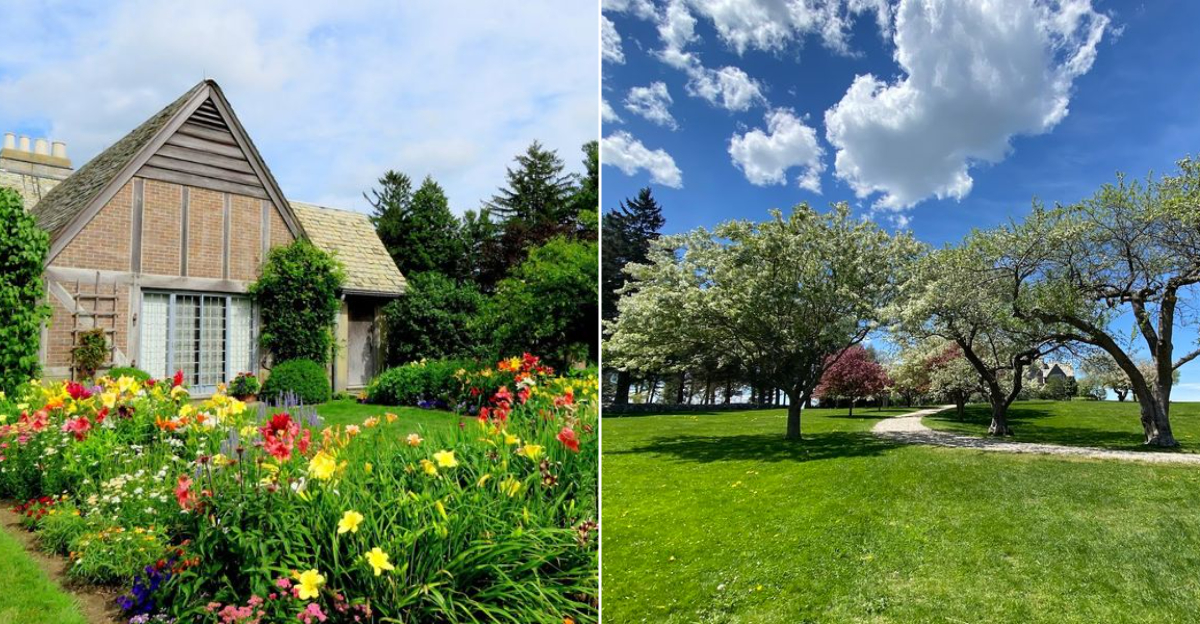
The meadows are the real highlight. Broad grassy stretches roll gently across the property, with wildflowers adding color through the warmer months and mowed paths guiding visitors without making the walk feel overly planned.
Those paths do more than create an easy route. Field maintenance is handled carefully to support Bobolinks, other ground-nesting birds, small mammals, and the long-term health of the meadow habitat.
As the walk continues, the scenery shifts gradually from open field to shaded edges and tree-lined sections, keeping the experience varied without breaking its peaceful rhythm.
Some corners feel wide and airy, while others draw the eye toward gardens, bird habitats, or the estate’s historic cottage.
That balance of openness and detail gives Topsmead its special pull. It feels spacious enough to clear your head, yet layered enough to make every return visit feel a little different.
2. A Quiet Escape In The Hills
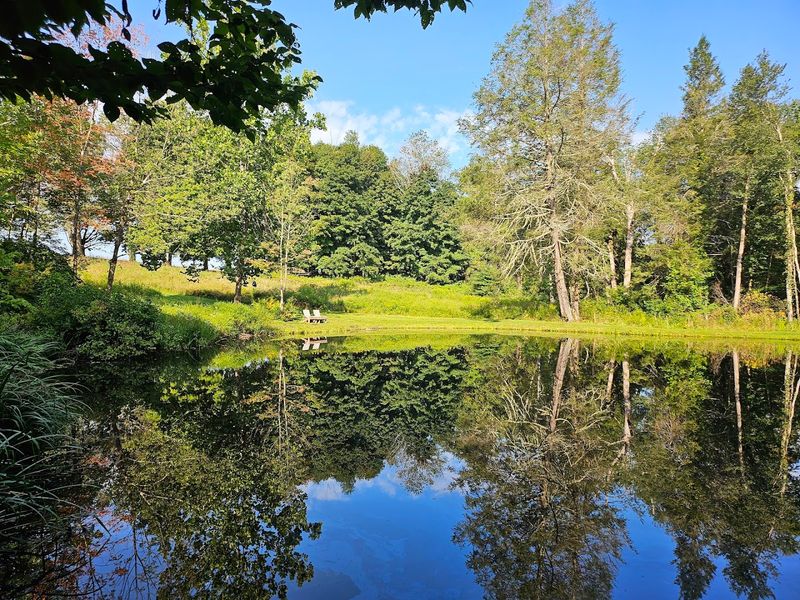
The surrounding landscape softens the noise of the outside world in a way that becomes noticeable within minutes of arriving. Birdsong tends to fill the gaps where traffic sounds would normally be, and that shift in the audio landscape alone can feel genuinely restorative.
The grasslands at Topsmead are recognized as an Important Bird Area by Audubon Connecticut, which speaks to the ecological richness hiding in plain sight across these open fields. Birdwatchers find the property rewarding throughout the year, with different species appearing depending on the season.
Even casual visitors who are not actively looking for birds often notice more wildlife activity here than they expect.
The property was originally maintained with the specific intention of being kept in a state of natural beauty, and that guiding philosophy still shapes how the grounds feel today.
Even during busier weekend visits, the sheer size of the estate tends to absorb crowds without making the place feel congested.
Quiet corners are almost always available for anyone willing to walk a little farther from the main cottage area, making solitude genuinely accessible here.
3. Best For Slow Scenic Walks
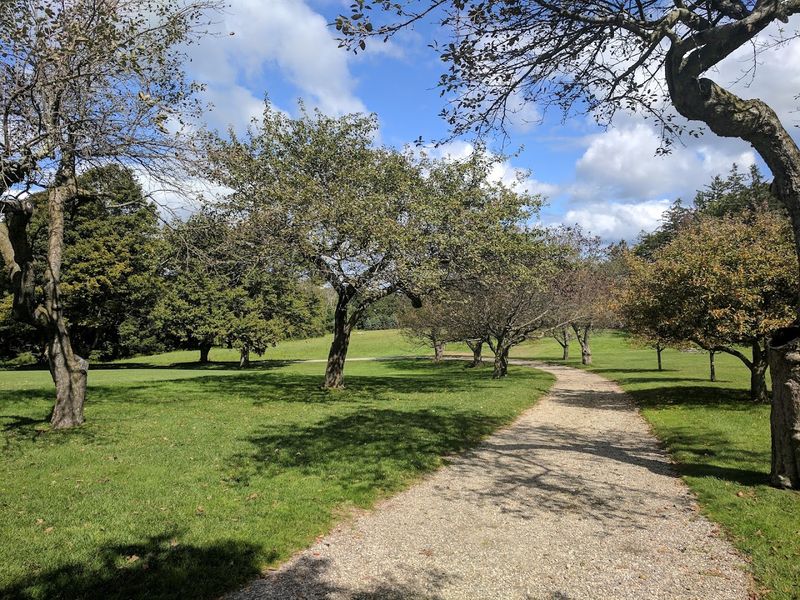
The trail system here is built for people who prefer to look around rather than push a pace. Paths include packed dirt, gravel, and crushed stone surfaces that are generally comfortable underfoot and easy to navigate across most of the property.
The Edith M. Chase Ecology Trail offers a 0.7-mile loop with interpretive signs placed along the route, turning a short walk into a small lesson in local ecology without feeling like a classroom.
Longer options like the Topsmead Red Trail extend through open meadows and along the forest edge, giving walkers more ground to cover if the mood calls for it.
The terrain across most of the estate stays relatively gentle, which makes it approachable for a wide range of visitors including older adults and families with younger children.
That accessibility is one of the reasons the property draws such a varied crowd on any given day.
Dogs are welcome on the trails as long as they stay on a leash, so four-legged companions can enjoy the outing too. A single visit rarely covers everything, which gives returning visitors something new to look forward to each time.
4. Historic Estate Grounds To Explore
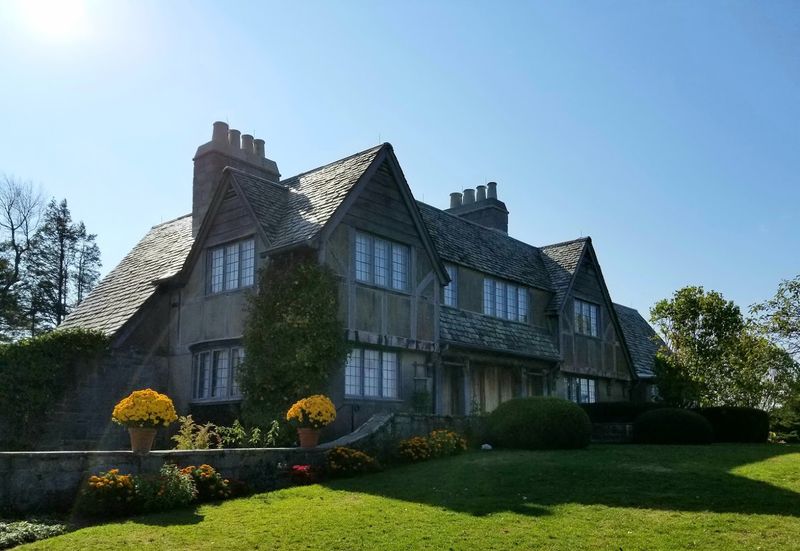
The cottage at the center of the estate is a remarkably well-preserved example of English Tudor Revival architecture, completed in 1925 with materials chosen for both beauty and longevity.
Cypress woodwork, lead and copper downspouts, brick and stucco walls, and a slate roof give the exterior a textured, layered appearance that holds up to close inspection.
The building is listed on the National Register of Historic Places, a designation that reflects both its architectural integrity and its cultural significance.
Inside, the rooms are furnished with 17th and 18th-century English country antiques, and the floors shift between polished oak planks and terra cotta tile depending on the room.
The foyer, hallway, and dining room carry that warm terracotta tone underfoot, which pairs well with the dark oak woodwork throughout the rest of the home.
Together, the materials create an interior that feels historically grounded without feeling sterile or overly curated.
The formal gardens surrounding the cottage were originally designed by Ellen Shipman, a pioneering female landscape designer whose work is still recognizable in the layout today.
The Orintas Family Butterfly Garden and Viewing Stand adds a lively natural element to the estate grounds, drawing numerous butterfly species during the warmer months.
Exploring the full perimeter of the estate on foot takes time but rewards the effort with details that are easy to miss on a quick pass.
5. Summer Tours Add Extra Charm
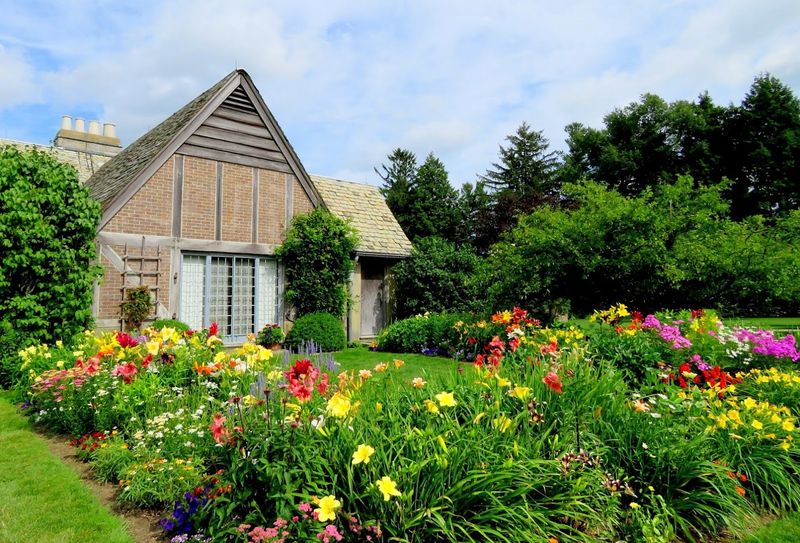
The English Tudor-style cottage at the heart of the estate becomes even more engaging during the summer months when free guided tours open its doors to the public.
Tours typically run from mid-June through mid-October, operating on the second and fourth weekends of each month during that window.
No reservations are needed, which makes it easy to include a tour as part of a spontaneous visit without any advance planning.
On open weekends, tours generally run from 11:00 AM to 4:00 PM, with each session lasting approximately 30 minutes.
Groups are typically kept to around 8 to 10 people at a time, which creates an intimate atmosphere that feels more like a personal walkthrough than a formal museum tour.
The cottage was completed in 1925 and designed by architect Richard Henry Dana Jr., and the interior reflects the craftsmanship and aesthetic sensibilities of that era.
The tours add a layer of historical context to the natural setting, connecting the landscape to the people who shaped it. Experiencing both the grounds and the interior on the same visit makes for a noticeably richer afternoon.
6. Picnic Spots With Peaceful Views
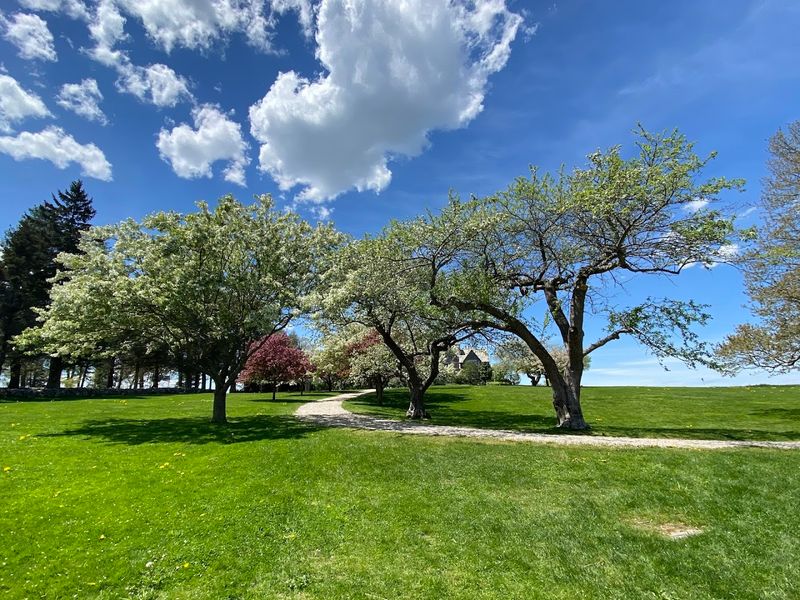
Spreading a blanket across the manicured lawn near the cottage and settling in for a long, unhurried lunch is one of the simplest pleasures Topsmead has to offer. The formal gardens surrounding the estate home create a naturally beautiful backdrop that requires no filter or staging to appreciate.
A handful of picnic tables and benches are scattered across the property, offering more structured seating for those who prefer it.
The forest at Buell Road, Litchfield, CT 06759 operates under a strict carry-in, carry-out policy, meaning all trash must leave with the visitor. Open fires and grills are not permitted anywhere on the grounds, which keeps the environment clean and reduces fire risk across the preserved acreage.
Packing a ready-to-eat meal is the most practical approach, and the variety of spots available means there is flexibility in choosing a location based on sun, shade, or view preference.
Families frequently settle near the open fields where children have room to move around between bites. Spending a full afternoon this way, with no agenda beyond good food and fresh air, tends to be exactly what visitors remember most fondly.
7. Golden Hour Feels Especially Dreamy
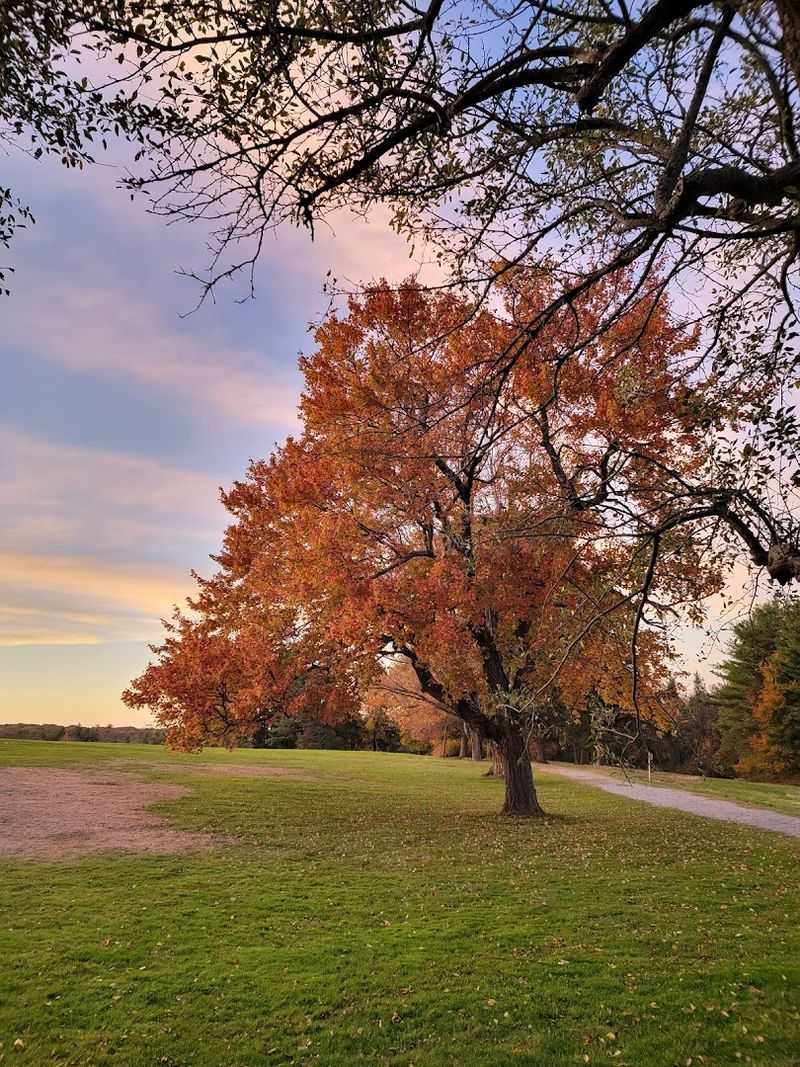
Late afternoon at Topsmead tends to reward patience in a way that earlier hours do not quite match. The grounds are open daily from 8:00 AM until sunset, which means visitors have the option to stay through the full arc of the day and catch the light as it shifts toward evening.
During golden hour, the warm, low-angle sunlight moves across the rolling meadows in a way that makes even familiar paths look entirely different.
The cottage’s textured exterior catches the late light particularly well, with the slate roof and stucco walls taking on a softer, more amber-toned quality than they carry at midday.
Shadows lengthen across the open fields and garden beds, adding depth and dimension to the landscape that photographers frequently seek out.
The formal gardens tend to look especially vivid at this hour, with flower colors appearing richer and more saturated under the warmer spectrum of light.
The overall mood of the property shifts during this time, becoming noticeably quieter and more contemplative as the day winds down. Visitors who linger into the late afternoon often describe a sense of calm that builds gradually rather than arriving all at once.
8. Open Fields Meet Shaded Trails
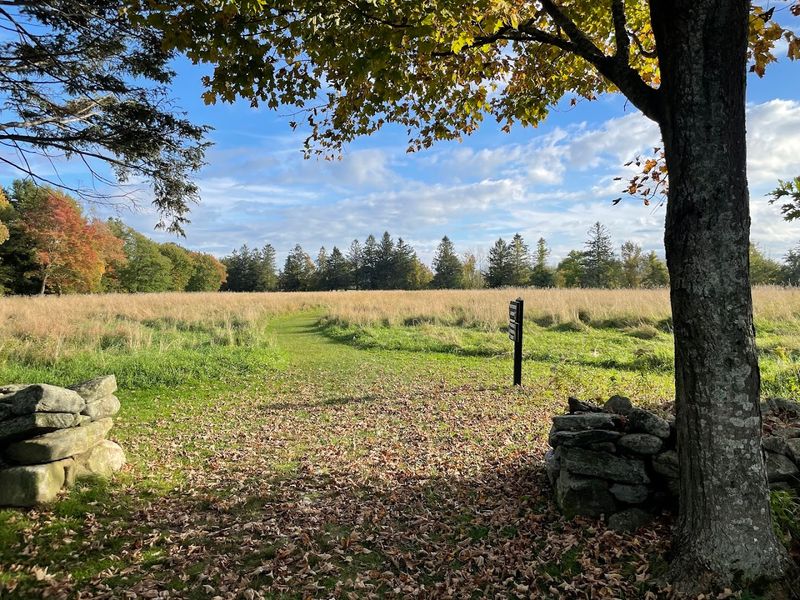
One of the most satisfying aspects of walking through Topsmead is the way the landscape shifts without warning. A stretch of open, sun-warmed meadow can give way to a canopied woodland trail within a few hundred feet, and that contrast keeps each walk feeling dynamic rather than repetitive.
The open sections offer broad views across the Litchfield Hills, while the wooded passages close in around the path in a way that feels sheltered and calm.
Under the tree canopy, the quality of light changes completely, filtering down through the leaves in shifting patterns that move with any breeze. The sounds change too, with the open-field wind giving way to the quieter, more contained sounds of the forest floor.
That sensory shift between environments is subtle but noticeable, and it tends to reset the mood of a walk in a way that single-terrain parks rarely manage.
The trail network is laid out so that visitors can experience both environments within a single outing, moving between sun and shade without backtracking unnecessarily.
Some trails follow the forest edge for extended stretches, offering a middle ground where meadow and woodland exist side by side.
9. A Calm Stop Before Sunset
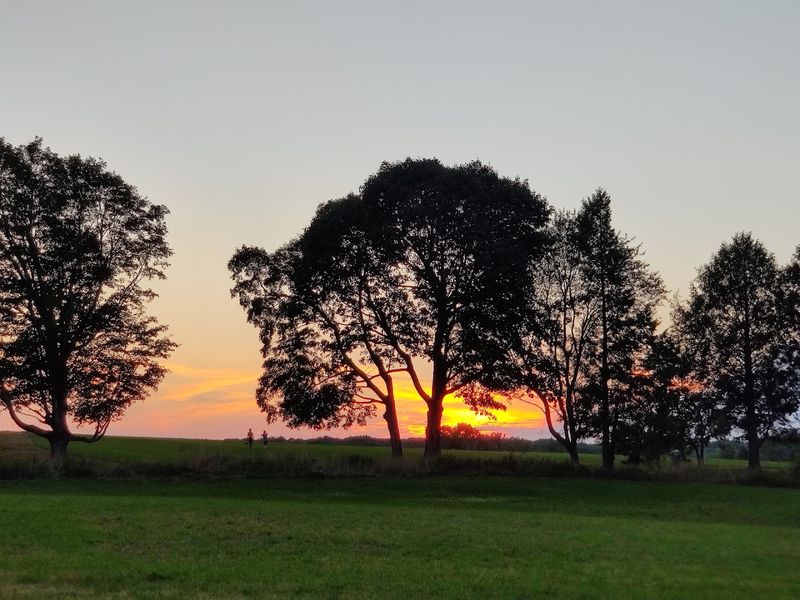
Arriving in the mid-to-late afternoon and staying until the property closes at sunset turns a simple visit into something closer to a full sensory experience.
The energy on the grounds shifts noticeably as the day moves toward evening, with fewer visitors around and a deeper quiet settling across the meadows.
That reduction in ambient noise makes the natural sounds of the property more present and easier to notice.
Benches are placed at various points throughout the grounds, and finding one with a clear sightline toward the western sky can make for a genuinely peaceful end to the day.
The open fields provide unobstructed views in multiple directions, so the changing colors of the sky tend to be visible from several spots rather than just one designated area.
Evening wildlife activity also picks up during this window, with birds and other animals becoming more active as the temperature drops.
A slow walk along a familiar trail as the light fades tends to feel different from the same walk earlier in the day, with the lowering sun casting the landscape in a softer, more muted palette.
The transition from afternoon to dusk happens gradually here, which gives visitors time to adjust and simply be present without feeling rushed toward the exit.
Leaving at the end of a visit like this tends to feel complete rather than abrupt.