This Storybook-Inspired Museum In California Feels Like A Hidden Escape In 2026
The shift happens quietly. One step in and everything slows down.
A narrow staircase leads somewhere unexpected. The energy changes almost immediately. Shelves and displays begin to tell stories without saying a word. Familiar characters start to feel closer than they ever did on the page.
Time moves differently here. Minutes stretch. Small details pull your attention in ways you didn’t plan for. A quick visit turns into something more personal. Something that lingers long after you leave.
Childhood memories don’t always stay where you left them. They show up again in subtle ways. A story you thought you knew starts to feel completely different.
Hidden gems in California have a way of catching people off guard. No crowds. No big signs. Just a quiet kind of magic that builds the longer you stay.
Some places don’t try to impress anyone. They just stay with you.
The Museum Sits Above A Working Bookstore
Not every museum announces itself with grand entrance gates or towering signs.
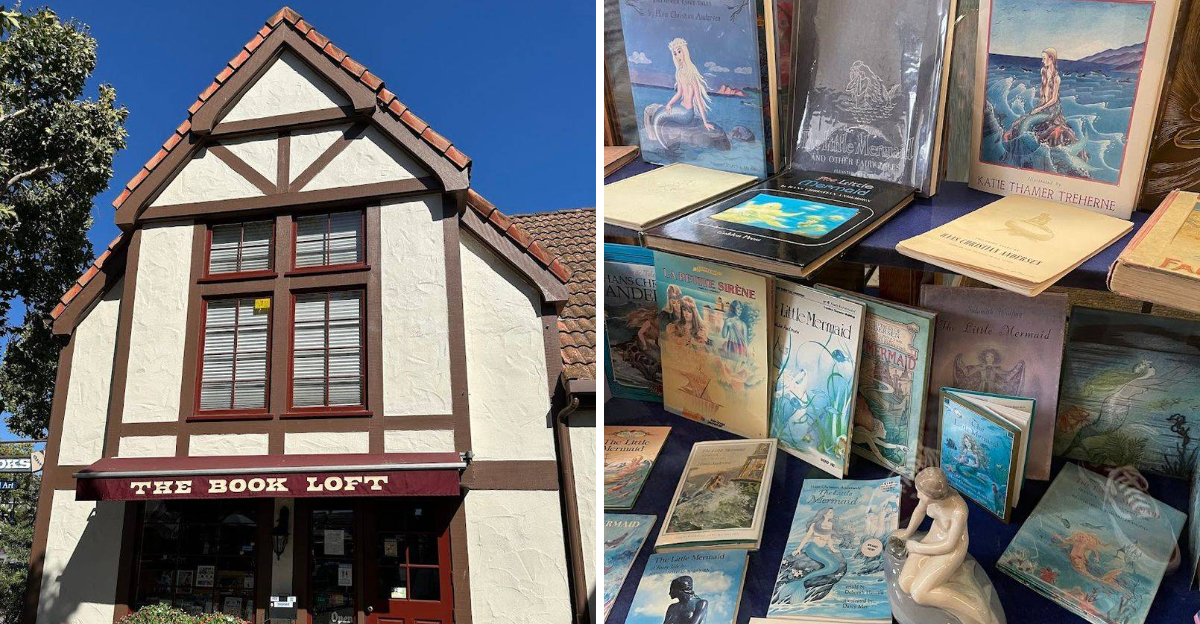
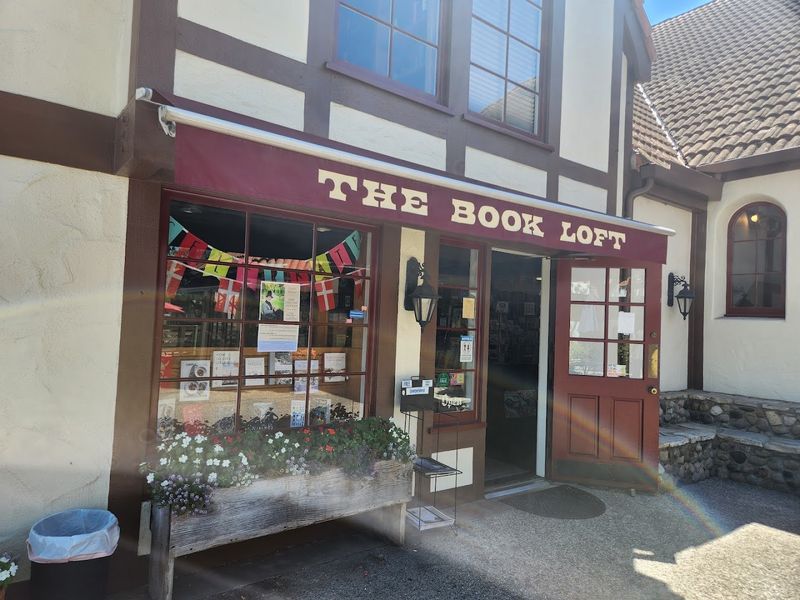
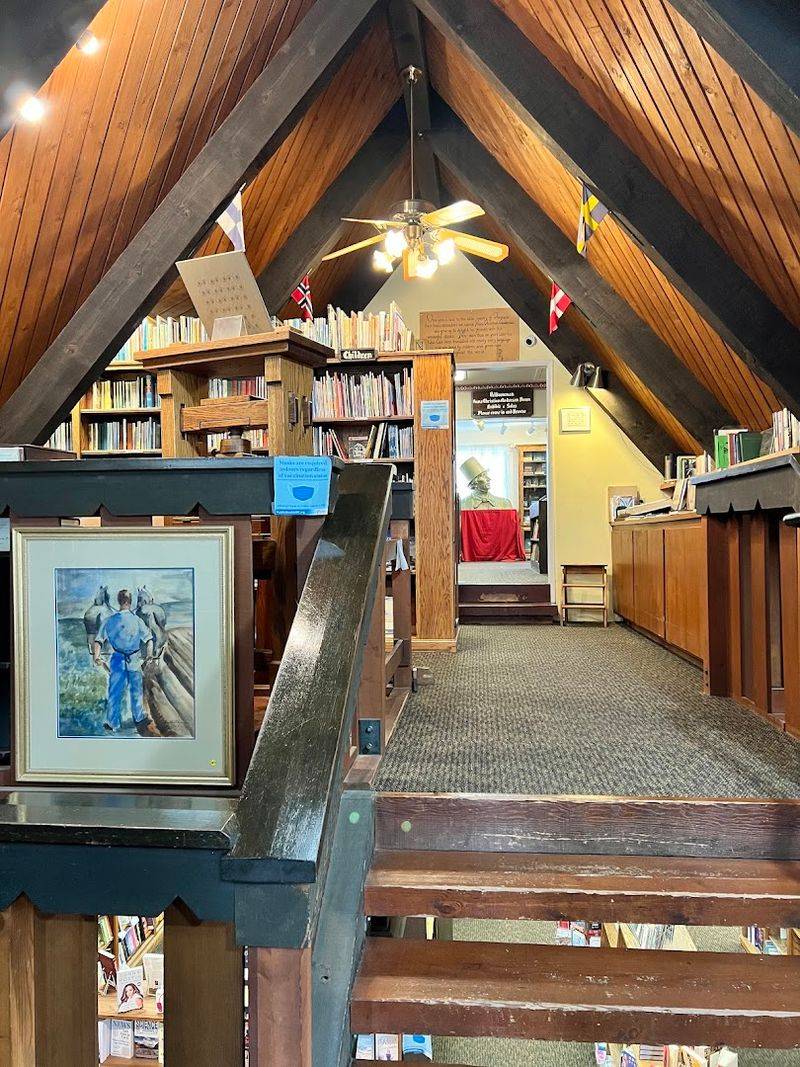
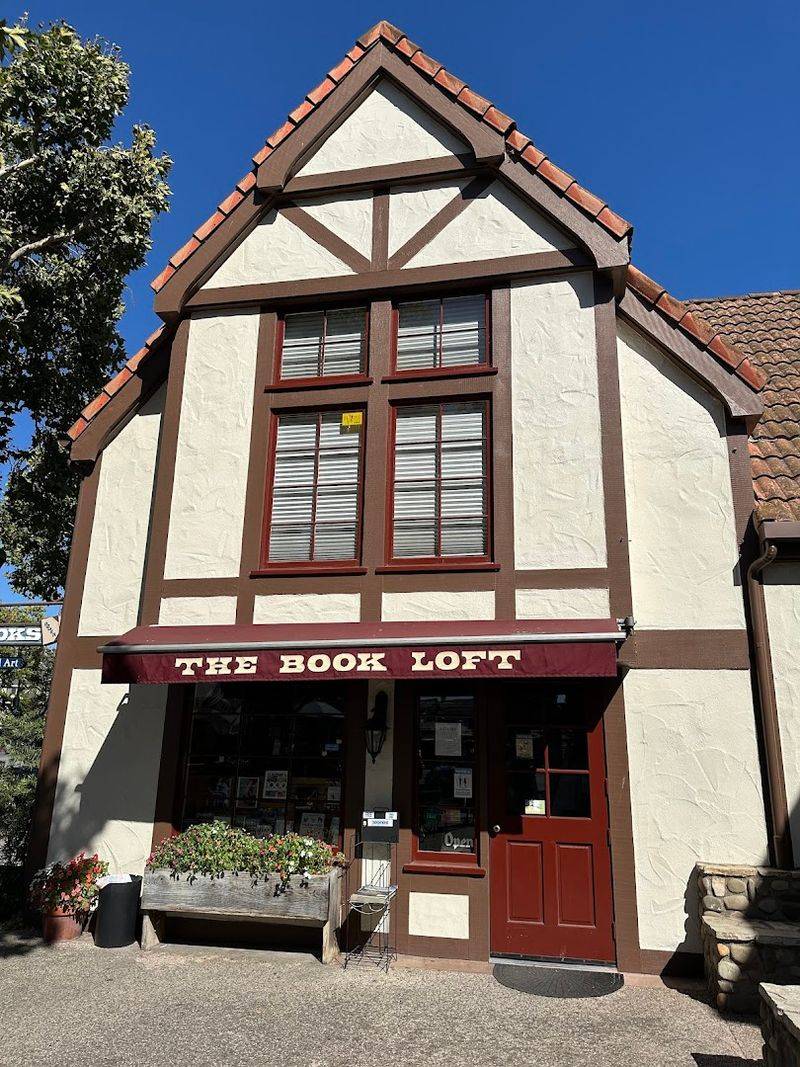
The Hans Christian Andersen Museum is reached by climbing a staircase inside The Book Loft, a working bookstore located at 1680 Mission Dr, Solvang, CA 93463, where shelves are packed with new and vintage titles that visitors can browse before or after exploring the exhibits upstairs.
The setup feels genuinely layered, almost like discovering a secret room hidden inside an already wonderful place.
The bookstore below carries a broad selection that includes fairy tale editions, children’s classics, and used books on nearly every subject.
Spending time in both spaces tends to make the visit feel fuller and more rewarding than a typical museum stop.
Visitors who enjoy reading often find themselves lingering longer than expected, especially when they spot a childhood favorite on the shelves below.
Admission Is Free For Everyone
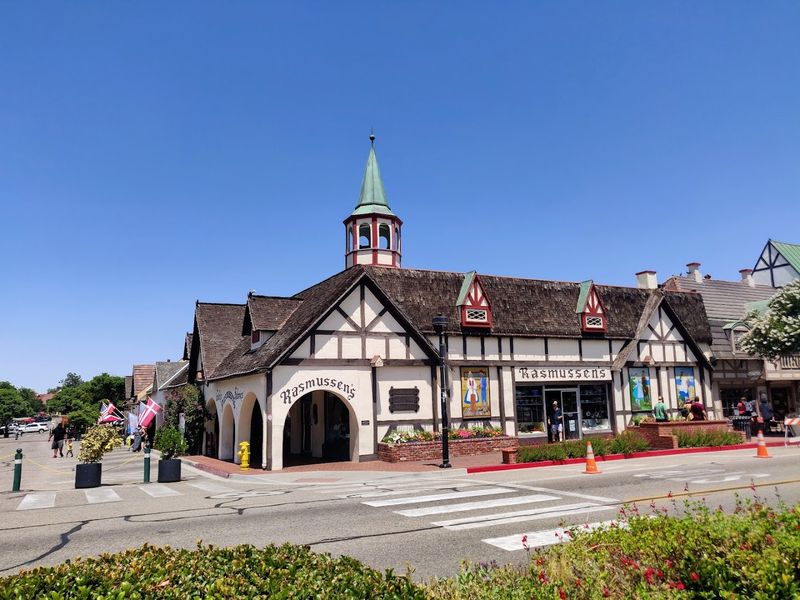
Free admission at a museum always feels like a small gift, and that is exactly what visitors get here.
There is no ticket booth, no entry fee, and no age restriction standing between curious visitors and the exhibits inside.
Donations are appreciated and help support the Ugly Duckling Foundation, the non-profit organization that operates the museum and keeps it running for the public.
Contributing even a small amount helps preserve the collection and ensures the space stays open for future visitors.
The no-cost entry makes the museum especially appealing for families, solo travelers on a budget, or anyone who just wants to pop in for a quick look without committing to a full paid experience.
It also removes the pressure of feeling like a visit needs to be long or thorough to justify the price, which makes the whole experience feel relaxed and low-stakes in the best possible way.
Original Letters And First-Edition Books Are On Display
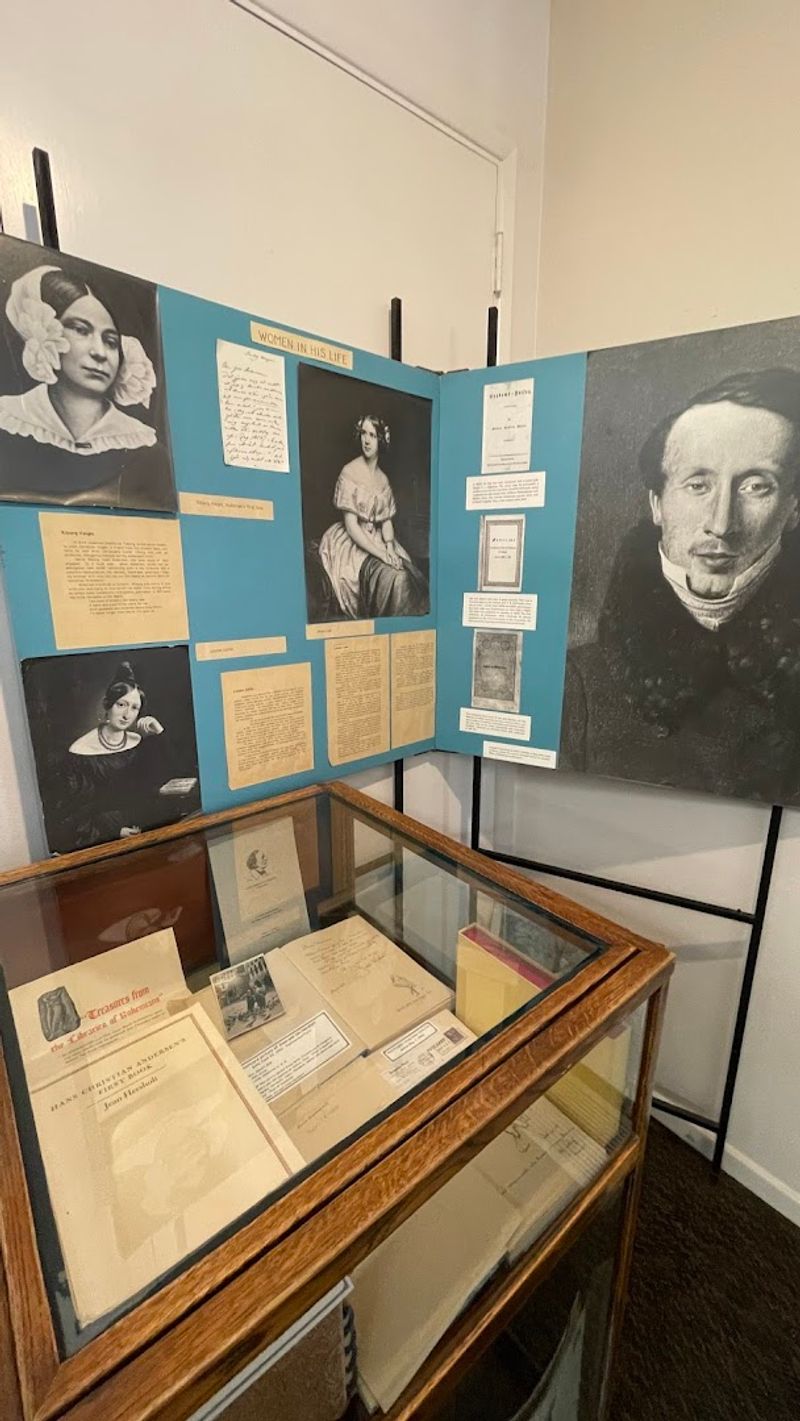
Seeing a handwritten letter from a famous author up close carries a kind of quiet electricity that photos simply cannot replicate.
The museum holds original letters and first-edition books connected to Hans Christian Andersen, giving visitors a rare chance to look at actual artifacts from his life and era.
These pieces offer a tangible link to the 1800s, when Andersen was writing stories that would eventually reach millions of readers across the globe.
The detail in the handwriting and the condition of the older volumes tend to make the history feel surprisingly immediate rather than distant.
For anyone interested in literary history or the physical craft of bookmaking, the display cases here offer genuine substance.
The exhibits are compact but thoughtfully arranged, and reading through the informational placards alongside the artifacts helps build a clearer picture of who Andersen was beyond the fairy tales most people already know.
A Model Of His Childhood Home Is One Of The Highlights
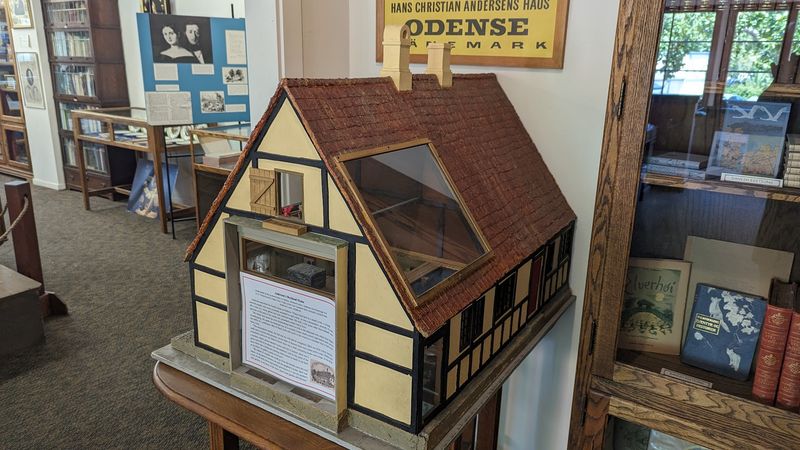
Among the exhibits inside the museum, the miniature model of Hans Christian Andersen’s childhood home tends to draw the most attention.
Built to scale and placed where visitors can observe it closely, the model captures the modest conditions in which Andersen grew up in Odense, Denmark.
Growing up in a small, humble home and eventually becoming one of the most widely translated authors in history makes for a compelling story, and the model helps ground that narrative in something physical and visible.
There is something quietly powerful about seeing the tiny structure and knowing how far his imagination carried him from those beginnings.
The replica is often described as one of the more memorable pieces in the collection, partly because it feels so specific and personal compared to a standard exhibit panel.
Visitors who take a moment to read the surrounding context tend to leave with a stronger appreciation for the arc of his life and legacy.
The Museum Is Operated By A Non-Profit Organization
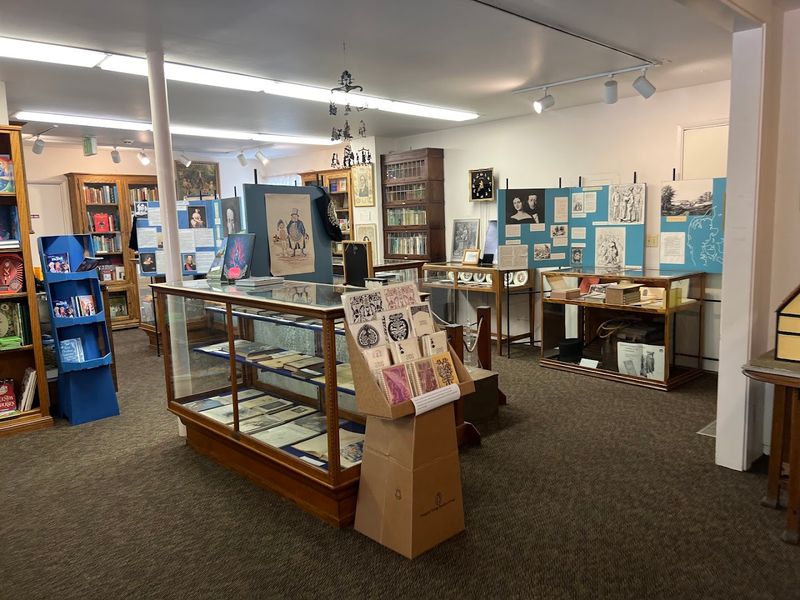
Behind every small museum that stays open and well-maintained, there is usually a dedicated group of people working to keep it that way.
The Ugly Duckling Foundation, a non-profit organization, operates the Hans Christian Andersen Museum and is responsible for curating and preserving the collection on display.
The foundation’s mission centers on promoting the legacy of Andersen and making his life and work accessible to the public.
Running a museum on a non-profit model means that community support, including donations from visitors, plays a real role in keeping the space functional and welcoming.
Knowing that the museum is passion-driven rather than profit-driven tends to change how a visit feels.
The space carries a sense of genuine care rather than commercial polish, and that comes through in the way exhibits are presented and maintained.
Supporting the foundation through a donation during a visit is a small but meaningful way to help ensure the museum continues serving future generations of readers and curious travelers.
Hundreds Of Translated Editions Line The Shelves
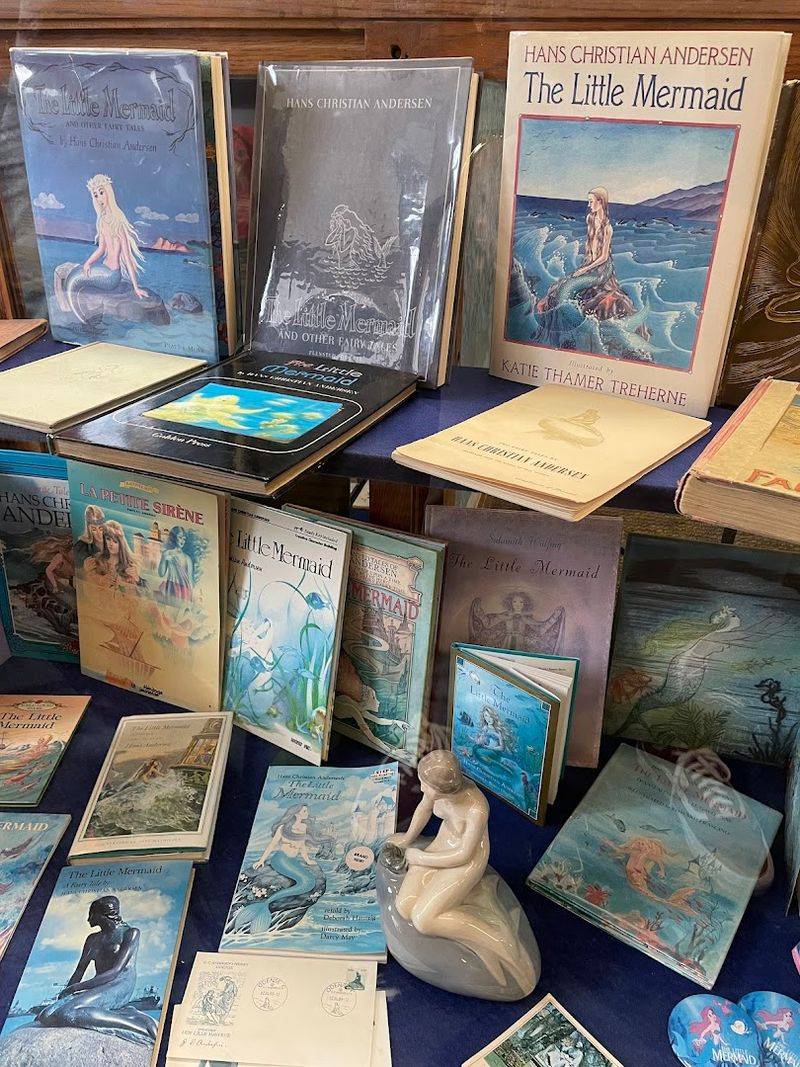
One of the more visually striking features of the museum is the collection of Andersen’s works translated into dozens of languages.
Shelves hold hundreds of volumes representing editions from countries around the world, each with its own cover art and design sensibility.
Seeing the same stories rendered through so many different artistic and cultural lenses offers a reminder of just how far Andersen’s writing has traveled.
A story like The Snow Queen looks dramatically different in a Japanese edition compared to a German one, and browsing through the variety tends to be a surprisingly engaging experience even for casual visitors.
For language enthusiasts, educators, or anyone fascinated by how stories cross borders, the translated collection alone makes the visit worthwhile.
The sheer number of editions also reinforces something that might otherwise feel abstract: the fact that Andersen’s work has genuinely reached almost every corner of the world and continues to be read, illustrated, and reimagined in new ways across generations.
The Space Is Small But Thoughtfully Curated
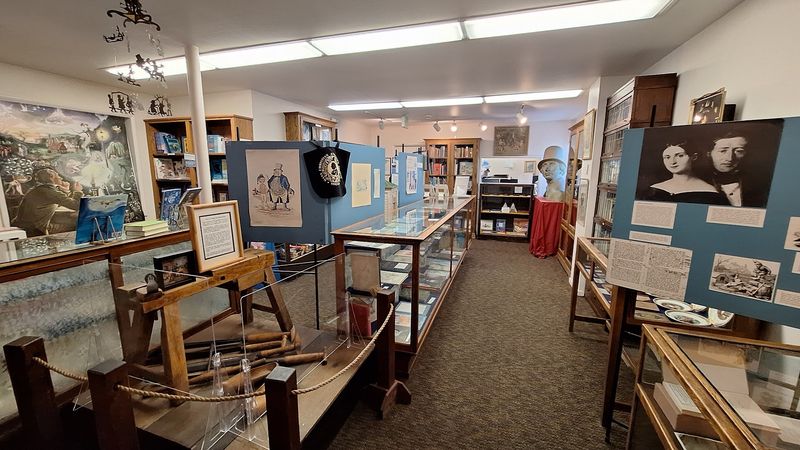
Compact spaces can sometimes feel rushed or underwhelming, but the Hans Christian Andersen Museum manages to pack genuine depth into a relatively small footprint.
Every display case and wall panel seems chosen with intention, covering different aspects of Andersen’s life including his travels, relationships, creative process, and cultural impact.
Most visitors spend between 20 and 40 minutes exploring the exhibits, which is enough time to absorb the content without feeling overwhelmed.
The pacing feels natural, and there is no pressure to move quickly or skip anything to keep up with a tour group.
The intimate scale of the space actually works in its favor because it creates a quieter, more focused atmosphere than larger museums often allow.
Visitors tend to read more carefully and notice more details simply because the environment encourages slowing down.
For anyone who appreciates a thoughtful, unhurried experience over a sprawling one, the size of this museum feels like a feature rather than a limitation.
An Annual Birthday Celebration Takes Place On April 2nd
Every year on April 2nd, the museum marks the birthday of Hans Christian Andersen with a special celebration.
The date holds real significance because April 2nd is also recognized internationally as International Children’s Book Day, a designation that was chosen specifically in honor of Andersen’s birthday.
The annual event at the museum typically draws visitors who want to acknowledge the occasion in a meaningful way, and it offers a livelier atmosphere than a standard weekday visit might provide.
Details about specific programming for each year’s celebration may vary, so checking directly with the museum ahead of time is a good idea for anyone planning to attend.
Marking the birthday of an author whose stories have shaped childhood experiences for generations carries a kind of warmth that feels right for a place like this.
Even visitors who arrive on a regular day rather than April 2nd often find the exhibit context around Andersen’s life and personality just as engaging as any formal event.
Accessibility Considerations Are Worth Knowing Before Visiting
Planning a visit to any museum works better when practical details are known in advance, and the Hans Christian Andersen Museum has one worth mentioning.
The exhibits are located on the second floor of the building, accessible via a staircase inside The Book Loft bookstore below.
Based on available information, the museum may not be fully wheelchair accessible due to the staircase layout.
Visitors with mobility considerations are encouraged to contact the museum directly at (805) 688-2052 before visiting to confirm current accessibility options and get the most up-to-date information.
There are also no public restrooms inside the museum itself, though a nearby park within a short walking distance reportedly has facilities available.
Knowing these details ahead of time helps make the visit smoother and more comfortable for everyone.
The museum’s staff tends to be described as approachable and willing to help visitors navigate the space, which makes it easier to ask questions upon arrival if needed.
The Museum Hours Make It Easy To Fit Into A Day Trip
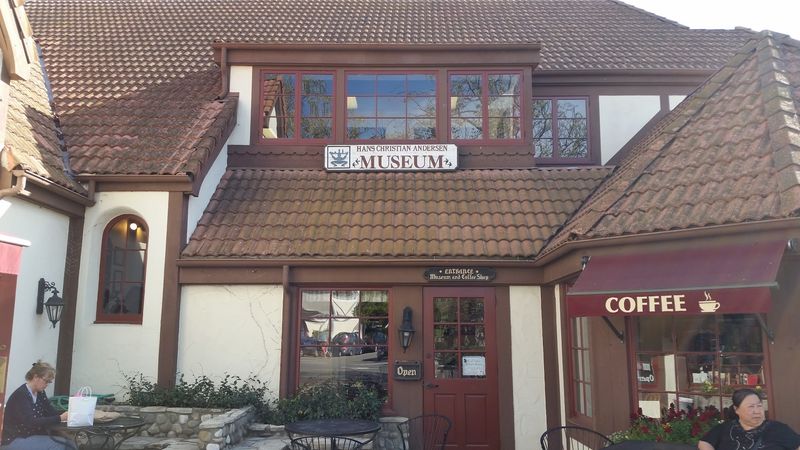
Solvang is a popular day-trip destination in the Santa Ynez Valley, and the museum’s hours align well with a relaxed morning or afternoon itinerary.
The Hans Christian Andersen Museum is open Monday through Saturday from 10 AM to 5 PM and is closed on Sundays, so planning around that schedule is important for anyone visiting on a weekend.
Arriving earlier in the day tends to mean fewer crowds and a calmer atmosphere inside the compact space, which makes reading the exhibits and taking in the displays more comfortable.
Midweek visits are generally quieter than Saturdays, which can get busier as Solvang draws more tourists.
Because the museum does not require a long block of time, it pairs naturally with other stops in town such as the Danish bakeries, windmills, and shops that make Solvang feel so distinct.
Building the museum into a broader Solvang itinerary rather than treating it as a standalone destination tends to make for a fuller and more satisfying day overall.