This Tennessee State Park Quietly Delivers One Of The Most Memorable Experiences Around
State parks earn reputations slowly and this Tennessee one has earned it. I arrived with modest expectations and left reconsidering everything.
Trails wind through terrain that shifts in ways that genuinely surprise people. The quiet here is a feature and not an absence worth mentioning.
Wildlife, overlooks, and hidden water all appear at intervals throughout the park. The moments that stay longest here tend to be the quietest ones.
I came for a half-day and returned the very next morning. This state holds natural experiences like this in places that rarely get attention.
Visit without a fixed plan and let the park decide the rest.
A Park Built By History And Heart
Before the first hiking boot ever hit these trails, hundreds of young men were out here shaping the land with their bare hands.
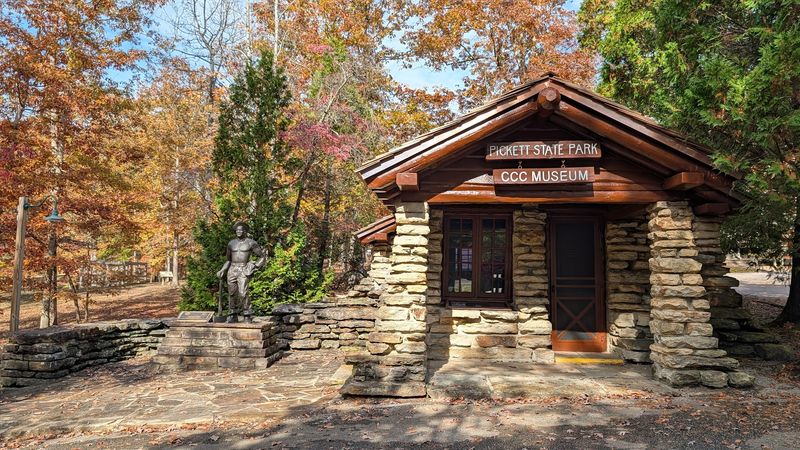
The Civilian Conservation Corps, a federal work program launched during the Great Depression, built much of what you still see at Pickett CCC Memorial State Park today.
Stone cabins, retaining walls, and park structures were all crafted by CCC workers during the 1930s, and their craftsmanship has held up remarkably well.
The park sits in Fentress County in northern Tennessee, right along the border of the Big South Fork National River and Recreation Area.
Being here is like flipping through a living history book, one where the pages are made of sandstone and timber rather than paper. A small but thoughtfully arranged museum on-site tells the story of the CCC workers and their contributions.
The exhibits are compact but rich with detail, and they give real context to everything you see around the park. History rarely feels this tangible or this personal. You can find this park at 4605 Pickett Park Hwy in Jamestown.
Trails That Reward Every Step
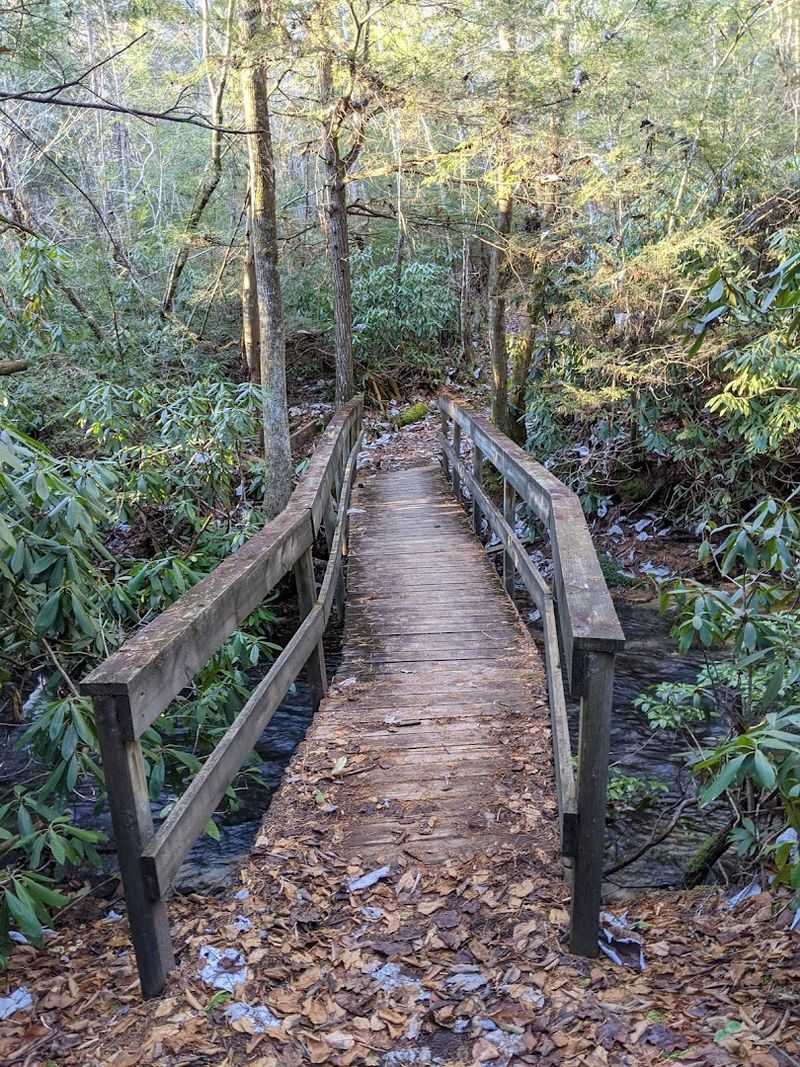
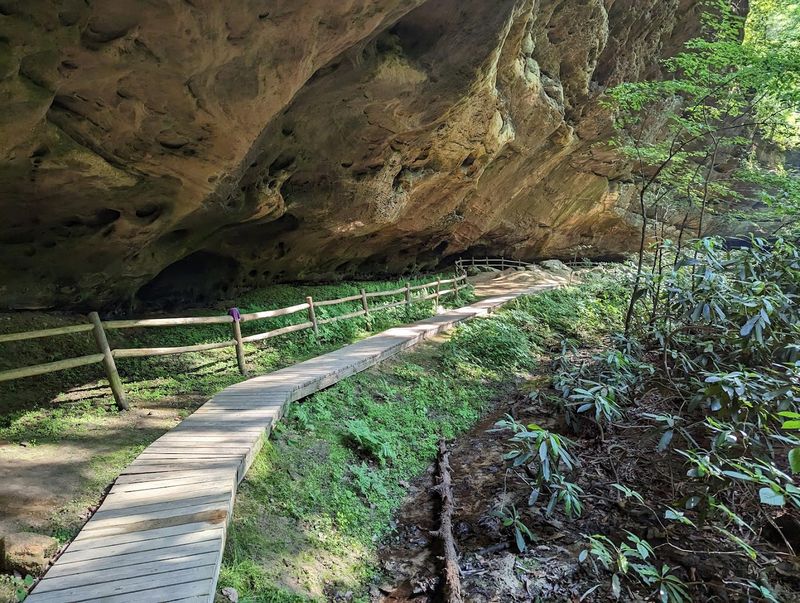
Few things compare to standing at the base of a massive sandstone rock shelter and realizing that ancient geology is just casually hanging over your head.
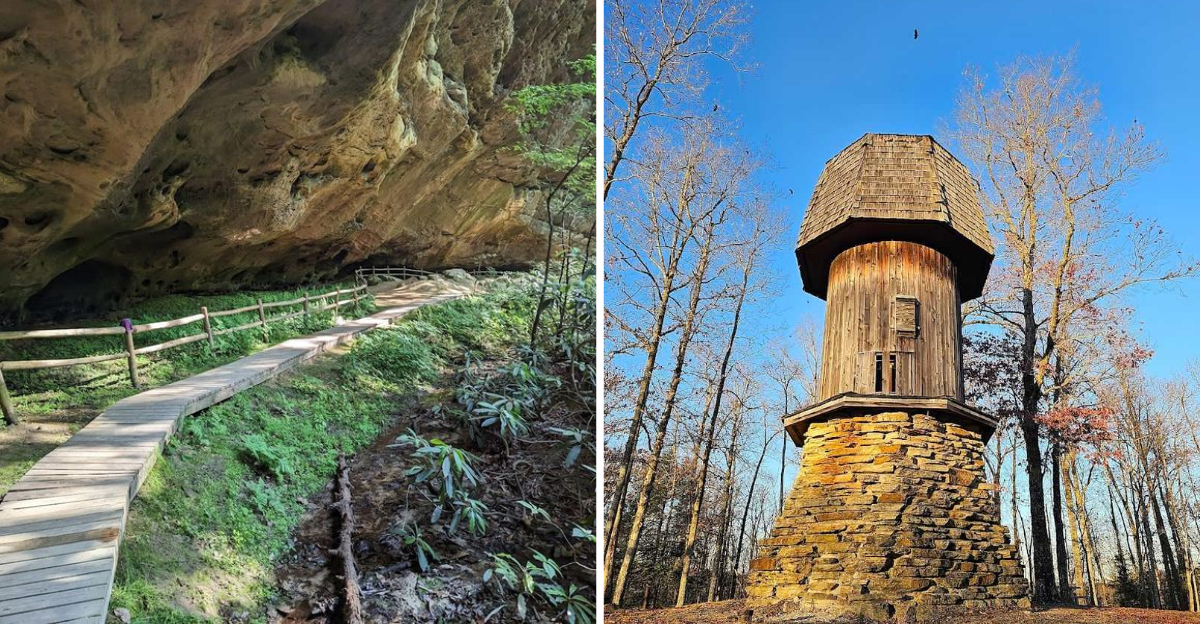
The Hazard Cave Trail is one of the most talked-about hikes at Pickett CCC Memorial State Park, and it earns the attention.
The path winds through dense woodland before opening up to a dramatic rock overhang where light filters in at golden angles during the late afternoon.
The Lake Trail is another standout, looping around Arch Lake with a mix of moderate and more challenging terrain.
One section near the suspension bridge involves some steep, rocky footing that will wake up your legs in a hurry. It is worth every scramble, especially when you reach the swinging bridge and cross over to the island with wide-open lake views on both sides.
Tennessee hikers of all experience levels will find something here that fits. Trails range from short roadside walks to longer backcountry routes that push into quieter forest.
Rock Arches And Geological Wonders
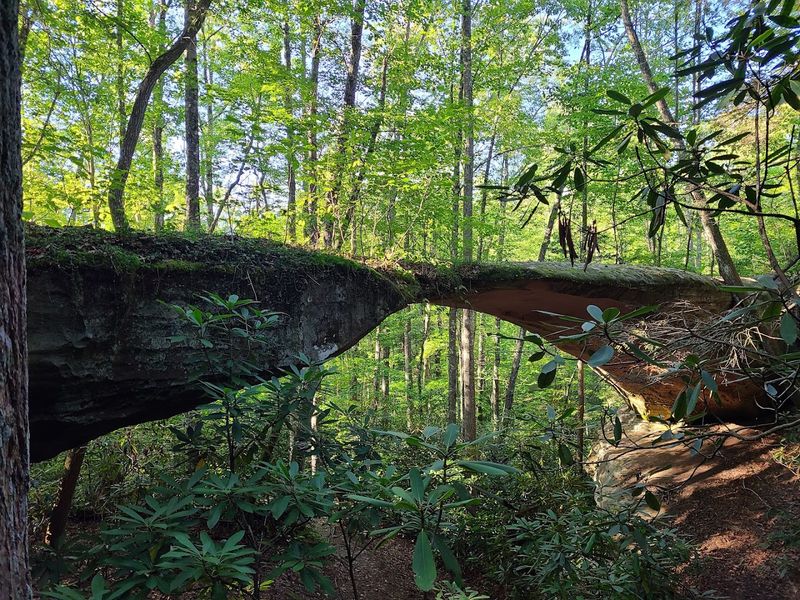
The geology here does not ask for your attention politely. It just shows up, massive and ancient, and you cannot look away.
This park is on a stretch of the Cumberland Plateau where millions of years of erosion have carved sandstone into arches, cliffs, caves, and overhangs that look almost too dramatic to be real.
The Natural Bridge is one of the most photogenic formations in the park, and even when the official trail to it is temporarily closed, you can often spot it from a roadside pullout.
Rock shelters like Indian Rockhouse offer cool shade and a sense of ancient shelter that is hard to put into words.
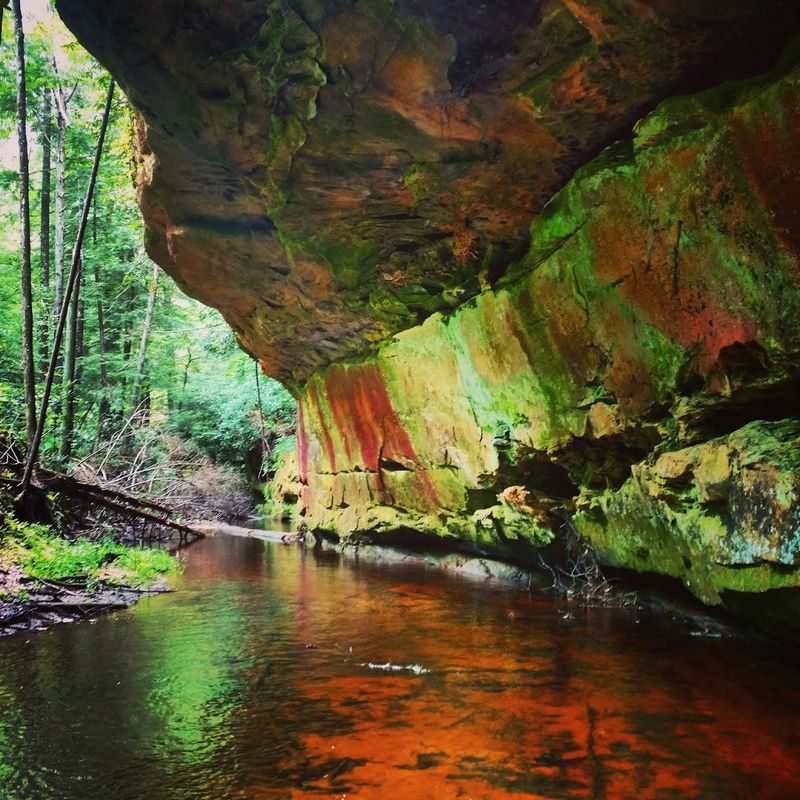
For kayakers, the lake itself hides some geological treats. Paddling along the shoreline, you can pass under a natural bridge and explore small caves and rockhouses that are only accessible from the water.
Tennessee does not have a shortage of beautiful parks, but the rock formations here feel like something from a different world entirely. Pack a camera and leave plenty of memory card space for this section of the trip.
Life On The Water At Arch Lake
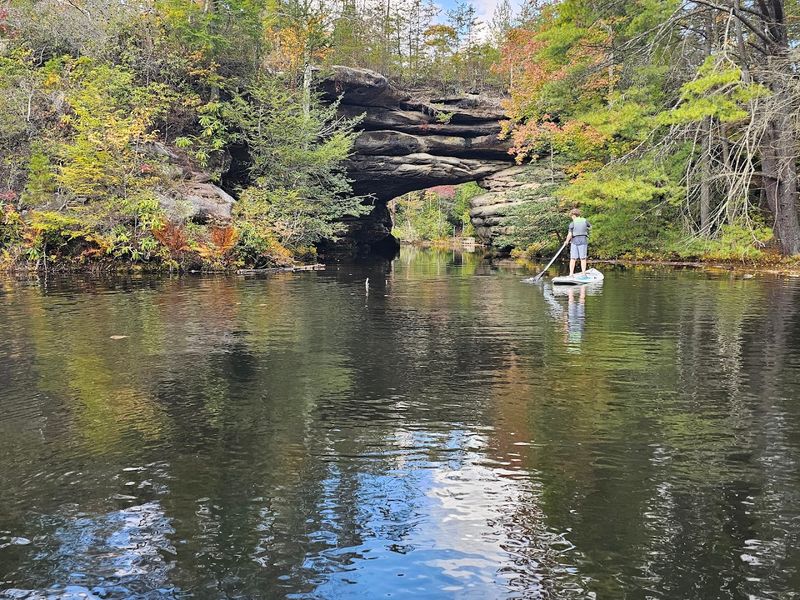
There is something about a calm lake surrounded by forest that makes every problem feel smaller.
Arch Lake sits at the heart of Pickett CCC Memorial State Park, covering about 12 acres of smooth, quiet water that practically begs you to get out on it.
Kayaking and canoeing are the most popular ways to explore it, and you can rent equipment right at the park if you did not bring your own.
Fishing is another favorite pastime here, and the lake has a reputation for being a solid spot to cast a line without fighting for space.
A small beach area and designated swimming zone make it a great family stop during warmer months. The water runs cold even in summer, which actually makes a quick swim feel refreshing rather than punishing after a long hike.
One of my favorite moments from my visit was paddling slowly along the rocky shoreline early in the morning, with mist still hanging over the water and the forest completely quiet.
Cabin Stays Worth Coming Back For
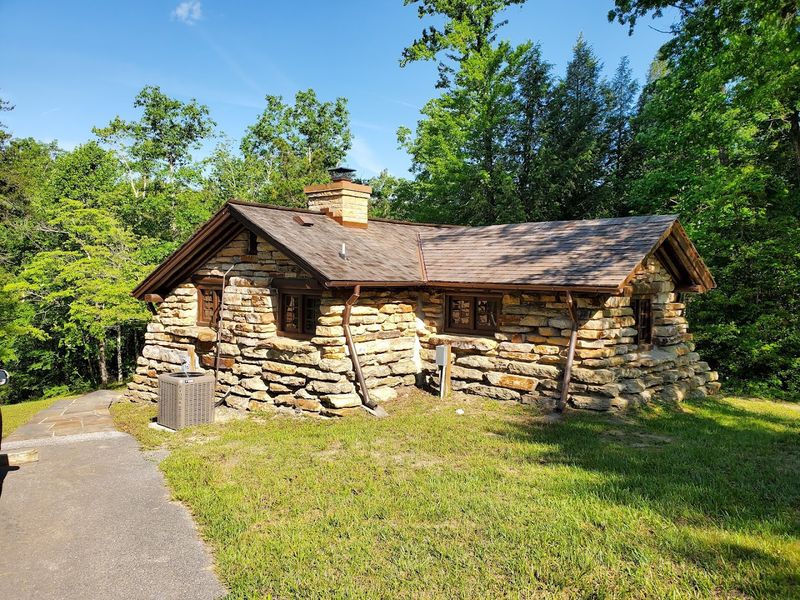
Roughing it is optional here. This park offers three distinct styles of cabin accommodation, and each one comes with its own personality.
The oldest cabins were built by the CCC in the 1930s and feature stone construction that feels genuinely historic without sacrificing comfort.
Mid-century modern options and newer home-style cabins round out the selection, so there is something for every preference.
The cabins are tucked into the woods, which means you wake up to birdsong and filtered morning light rather than traffic noise. Many are pet-friendly and come equipped with kitchen essentials, making longer stays practical and relaxed.
Being this close to the trailheads means you can step outside and start hiking almost immediately, which is a detail that sounds small until you actually experience it.
Fireplaces in some cabins make cold-weather visits especially cozy, and several guests have noted that the combination of a warm fire and a freezing night outside is its own kind of perfect.
Tennessee winters can be sharp, but they also bring clearer skies and emptier trails.
Wildlife, Nature, And The Park Museum
The park sits in an active bear habitat, so proper food storage is not just a suggestion but a genuine necessity when camping.
Beyond the bears, the woods are alive with white-tailed deer, wild turkey, and a rich variety of bird species that make the park a quiet favorite among birdwatchers.
The nature center on-site is a hands-on space that brings local wildlife to life in a way that kids and adults both find memorable.
Staff have been known to let visitors handle live snakes during open sessions, which either sounds thrilling or terrifying depending on your outlook.
Either way, the enthusiasm of the nature center team is contagious and makes the experience genuinely educational.
The CCC museum is compact but surprisingly rich in content, packing decades of history into a small footprint. Exhibits cover the work program, the workers, and the lasting impact of their efforts on Tennessee state parks.
Visiting both the nature center and the museum adds meaningful context to everything else you do in the park. Plan to spend at least an hour between the two, and you will leave knowing this place at a much deeper level.
Stargazing Under Truly Dark Skies
Most people do not think of Tennessee as a premier stargazing destination, but Pickett CCC Memorial State Park is quietly changing that reputation.
The park has earned International Dark Sky Park status, which means the night sky here is genuinely spectacular on clear evenings. The Milky Way is visible with the naked eye, and during meteor showers, the viewing is extraordinary.
A dedicated astronomy field located a short drive from the main park area gives stargazers an open, unobstructed view of the sky with minimal light pollution.
Bringing a blanket, a reclining chair, and a star map app will turn a clear night here into something you will talk about for years.
If you are a seasoned astronomer or someone who simply wants to see more than three stars for once, this park delivers the kind of sky that reminds you how big the universe actually is.
Camping overnight is the best way to take full advantage of the dark sky experience. The temperature drops noticeably after sunset, especially in fall and winter, so layering up is essential.
I stayed out past midnight on my visit, and the cold was absolutely worth it.
Planning Your Visit The Right Way
Getting the most out of this park starts with a little preparation.
The park’s visitors center is open daily from 8 AM to 4:30 PM, and the park grounds are free to enter, which makes it one of the best-value outdoor destinations in Tennessee.
The park sits about 80 miles north of Knoxville and is conveniently close to Big South Fork National River and Recreation Area, making it easy to combine both destinations into a longer trip.
Nearby hikes like Twin Arches and Slave Falls are worth adding to your itinerary if you have extra days. The visitor center staff are helpful and can point you toward current trail conditions, closures, and any special programs happening during your stay.
Spring and fall offer the most comfortable hiking temperatures, while winter brings crystal-clear skies perfect for stargazing. Summer is great for swimming and kayaking.
Arriving with a loose plan and an open schedule is honestly the best approach for a place this full of surprises.