This Tiny California Coastal Studio Allows You To Shape Glowing Glass Into A Colorful Keepsake
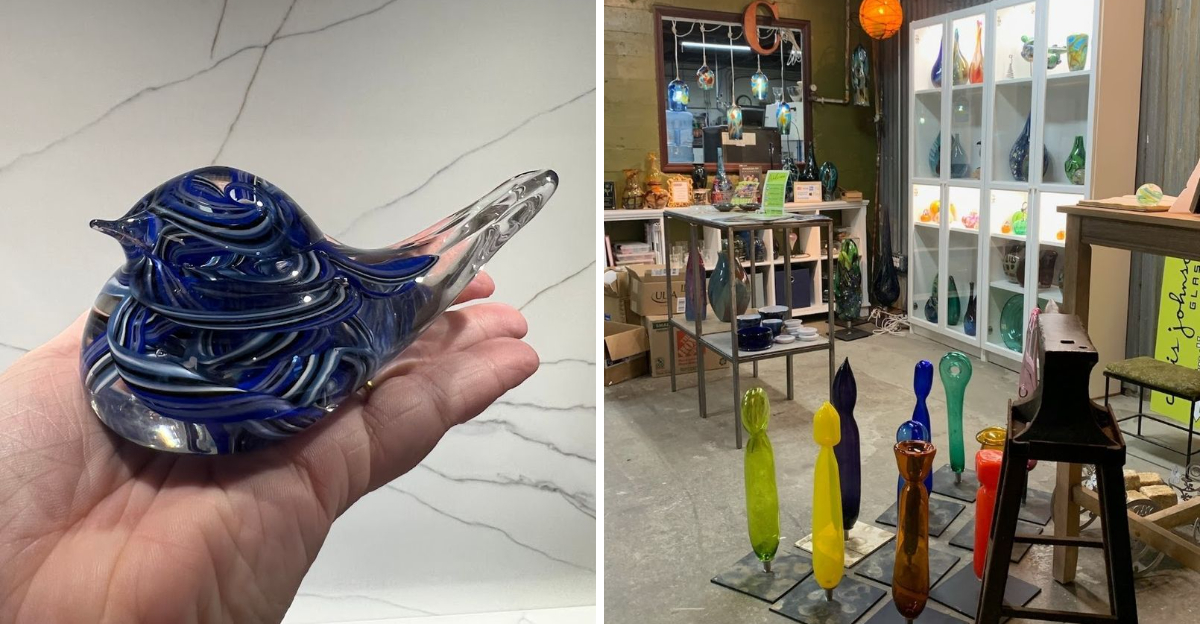
Molten glass does not look especially cooperative.
It glows, bends, stretches, and demands quick decisions before cooling into something permanent. That unpredictability is exactly what makes stepping up to the furnace so exciting.
Inside this coastal studio, beginners can choose colors and work alongside experienced artists to shape a keepsake with their own hands.
The process feels part art lesson and part test of whether anyone can remain calm while handling material heated to roughly 2,000 degrees.
Along California’s Highway 1, a creative detour can leave you with far more than another photograph of the coast.
The final result must cool slowly overnight, which means the reveal comes later.
Will it match the idea you had at the beginning? Possibly. Yet the swirls, bubbles, and unexpected flashes of color may be what make it worth keeping.
It Is California’s Hands-On Glass Studio By The Coast
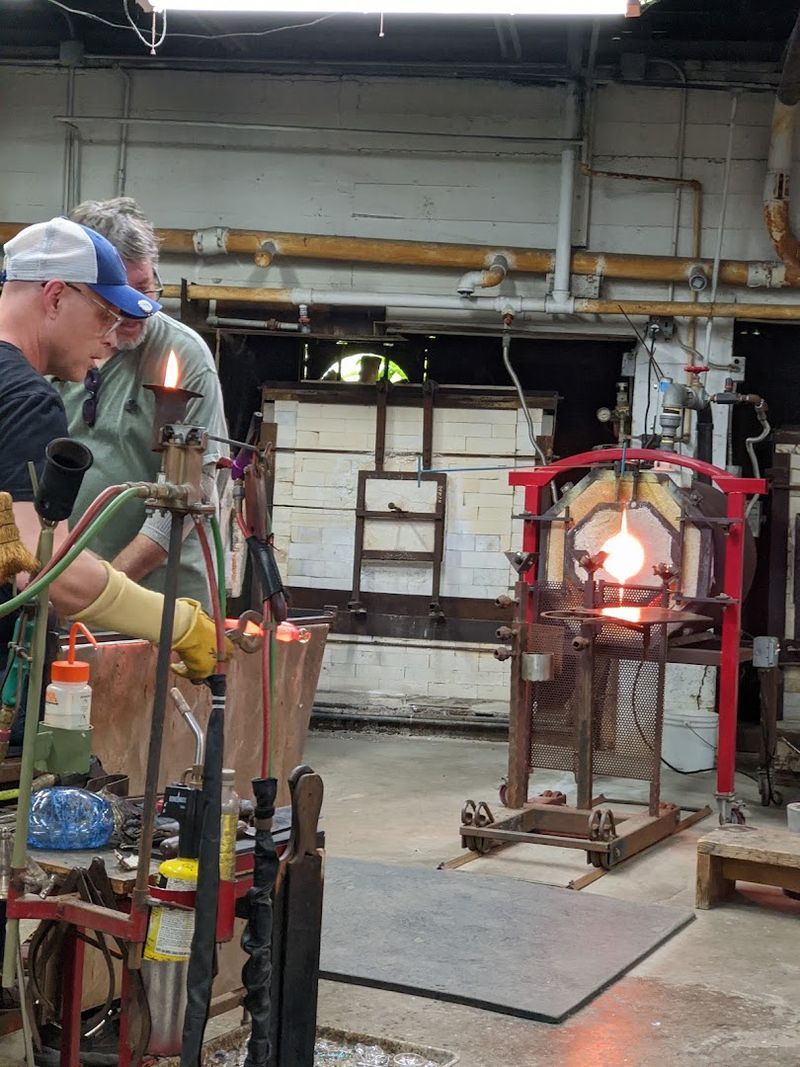
Few roadside stops along California’s Highway 1 offer the kind of hands-on creative encounter that glassblowing provides.
The studio sits at 131 Old Coast Rd, Davenport, CA 95017, roughly nine miles north of Santa Cruz in a tiny coastal community that most drivers pass through without stopping.
Identified by the local tourism bureau as the sole publicly accessible glassblowing studio in Santa Cruz County, it occupies a genuinely rare spot on the map.
Parking is available directly in front of the building, marked by a green “Park Here” sign, with overflow space available along the street.
Drivers are advised to avoid parking beneath pine trees because sap can drip onto vehicles.
When approaching on Highway 1, looking for the Roadhouse Inn nearby helps confirm the right turn, since standard navigation apps can occasionally give misleading directions for Old Coast Road.
The studio operates on a Wednesday, Friday, Saturday, and Sunday schedule, with hours varying by day, so confirming the current calendar before making the drive is always a smart move.
The coastal setting adds a natural bonus to the outing, placing ocean overlooks and beaches within easy reach of the studio entrance.
Complete Beginners Are Welcome
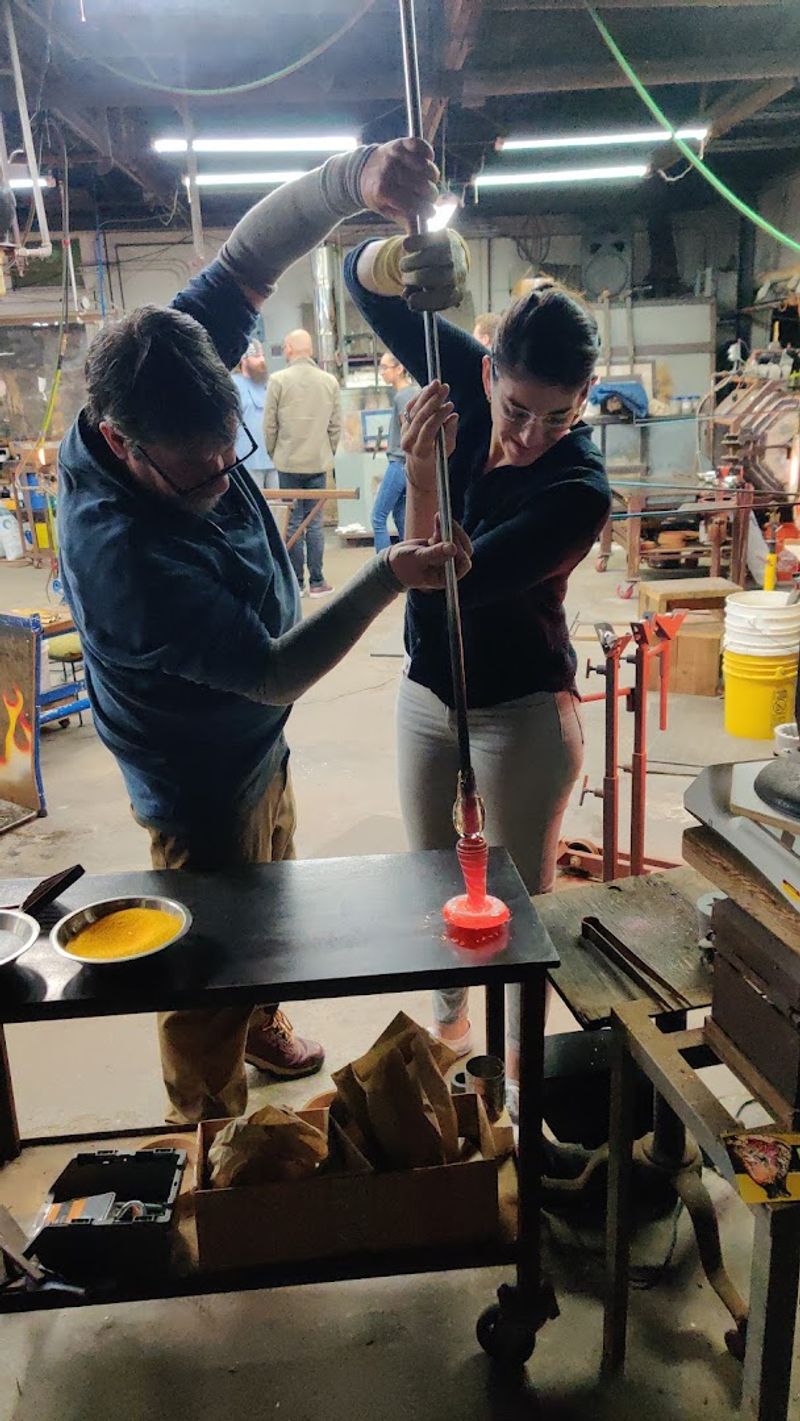
Glassblowing can look intimidating from the outside, but the Hot Glass Experience at Studio Zayante was specifically designed with curious newcomers in mind.
No prior sculpting knowledge or artistic background is required before walking through the door.
An experienced instructor explains the full process before any glass is touched, walking participants through each step at a pace that feels manageable rather than rushed.
The hands-on format means guests are not simply watching from a distance while an artist does all the work.
Instead, participants actively stretch, twist, turn, and color the glass themselves under close guidance throughout the session.
That active involvement is a big part of what makes the experience feel genuinely rewarding rather than just educational.
For anyone who has ever watched a glassblowing documentary and wondered what it actually feels like to hold a molten gather on the end of a blowpipe, the studio offers a realistic and safe answer.
The instructors emphasize safety throughout without making the process feel overly restricted.
Walk-ins may be accommodated if space allows, but booking ahead through the studio’s online calendar or by calling 831-246-1652 is the most reliable way to secure a spot.
The Glass Reaches Around 2,000 Degrees
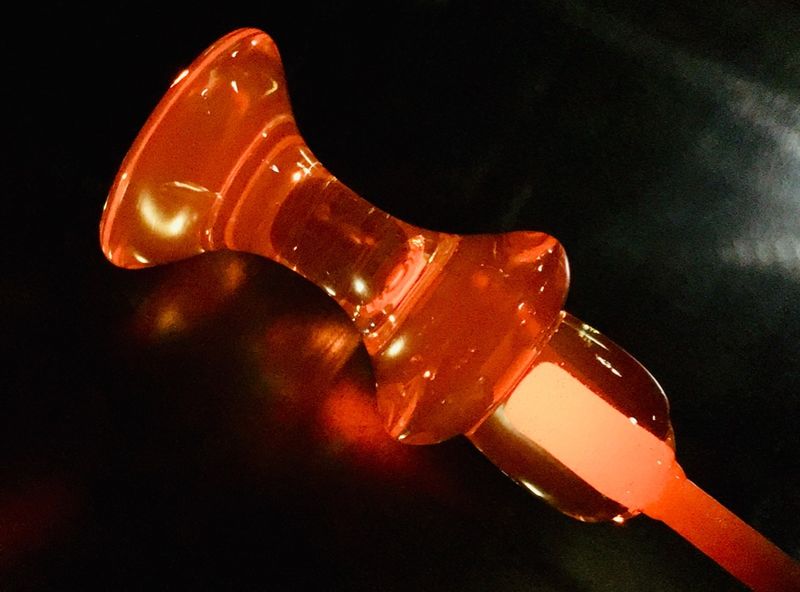
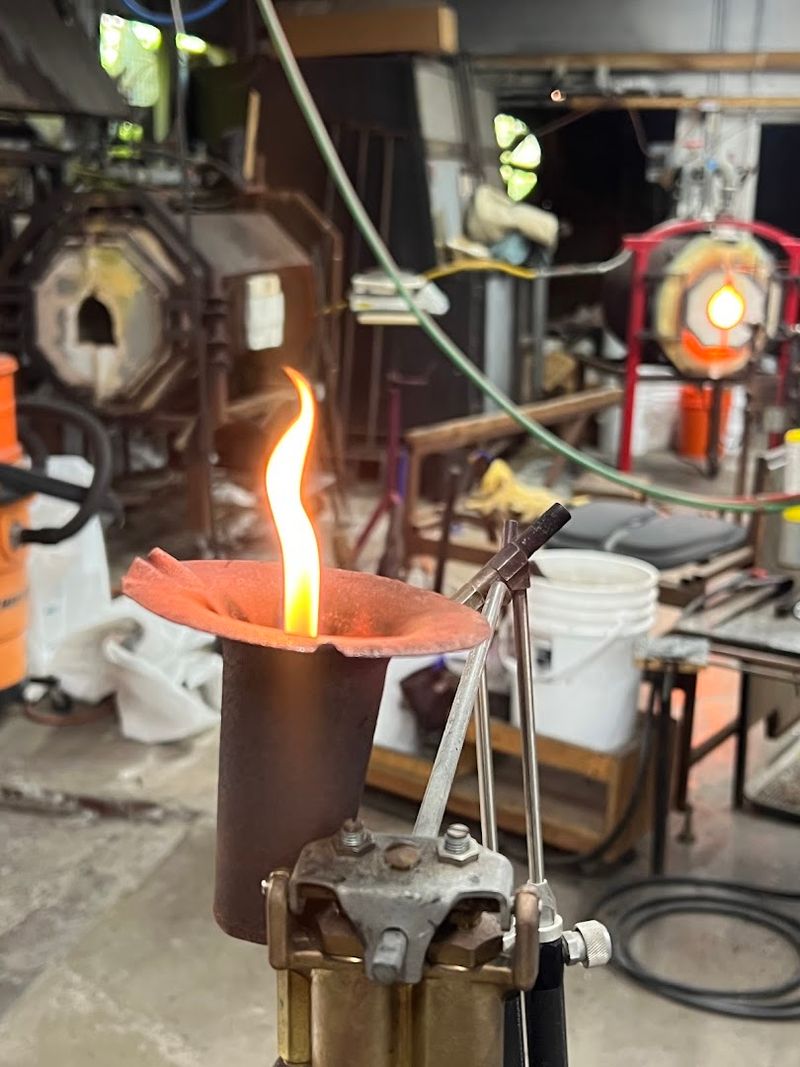
Working with glass heated to approximately 2,000 degrees Fahrenheit is not something most people encounter in everyday life, and that extreme temperature is part of what makes the studio experience so striking.
At that heat, glass behaves almost like thick honey, stretching and flowing in ways that feel surprising the first time a participant sees it happen in person.
The glow it produces is genuinely vivid and warm.
Despite the intense heat involved, guests are positioned and guided in ways that keep the process safe throughout.
Instructors remain close during every step, and the studio’s emphasis on safety allows participants to stay engaged without feeling anxious.
The heat from the furnace is noticeable but manageable, adding to the sensory atmosphere of the space rather than making it uncomfortable.
Understanding why the temperature matters helps participants appreciate the timing involved in shaping glass.
As the material cools even slightly, it becomes less workable, which is why movement during the shaping process tends to happen with a certain rhythm and focus.
That element of working against the clock gives the session an exciting quality that keeps attention sharp from start to finish.
Several Keepsake Shapes Are Included
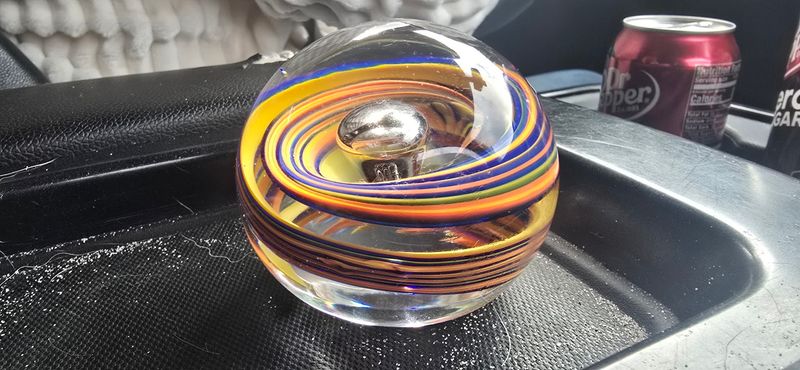
Choosing a shape is one of the first creative decisions participants make during the standard Hot Glass Experience.
The current introductory options include a paperweight, heart, egg, an inverted egg shape known as a gee, a rock, or a disk.
Each form has its own character, and the shape a participant selects tends to reflect what they plan to do with the piece once it is home.
A paperweight sits naturally on a desk or bookshelf and catches light beautifully throughout the day.
A heart shape makes an intuitive gift for a partner, friend, or family member, while the egg and gee forms have a sculptural quality that works well as a standalone decorative object.
The rock and disk options tend to appeal to guests who prefer something with a more understated, organic look.
Each participant ordinarily creates one piece during a standard session, so the shape decision carries some weight.
Taking a moment to think about where the finished piece will live and who might eventually receive it as a gift can make the choice feel more intentional.
The instructors are happy to describe how each shape tends to behave during the forming process for anyone weighing the options.
More Complicated Designs Are Available
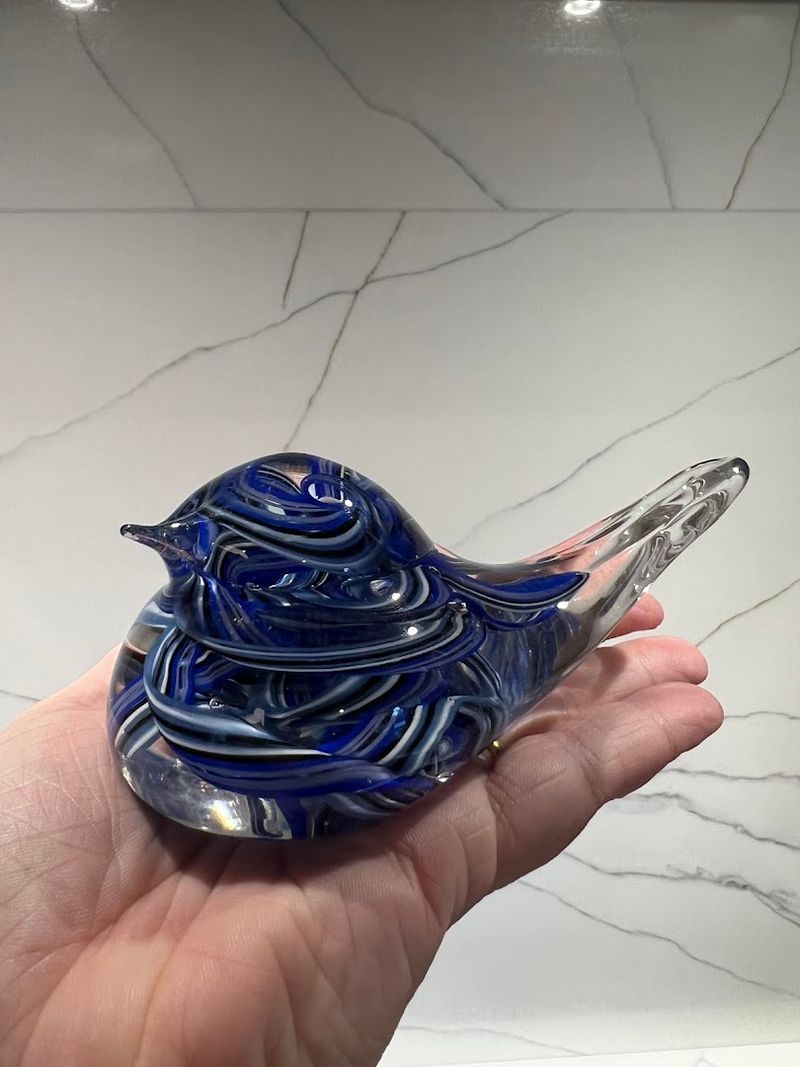
Guests who want to push beyond the introductory shapes have the option to attempt more complex forms for an additional fee.
The upgrade options currently include a ring tray, perfect sphere, cylinder, bird, mushroom, angel wings, penguin or standing bird, half moon, cube, pyramid, ring holder, sun catcher, and sand dollar.
Each of those forms involves more steps and a higher degree of technical precision than the standard introductory pieces.
That expanded menu makes the studio genuinely appealing for returning visitors who have already completed one of the basic shapes and are ready for a new challenge.
Rather than repeating the same experience, a returning guest can attempt something that requires more coordination between the blowing, turning, and shaping stages.
The progression feels natural rather than forced.
Pricing for the upgraded shapes starts at an additional cost above the standard session fee, and the exact amount depends on the complexity of the chosen design.
Anyone interested in a specific upgrade shape is encouraged to ask about it when booking rather than waiting until arrival, since some forms may require additional preparation or scheduling considerations.
Seasonal Workshops Change Throughout the Year
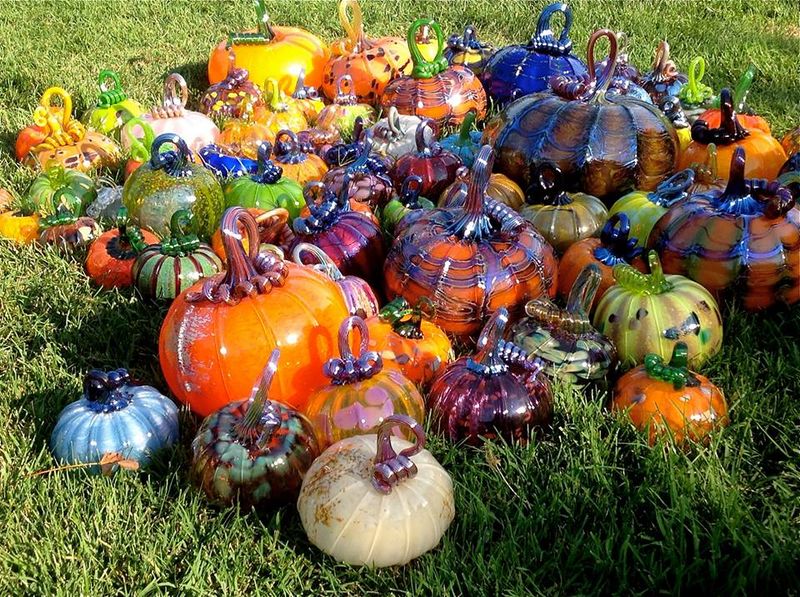
The studio keeps its offerings fresh by introducing limited-time projects tied to different times of the year.
Pulled-glass flowers tend to appear on the schedule during April and May, giving spring visitors a distinctly different option from the standard keepsake menu.
The technique involved in creating pulled flowers differs from blown glass, adding variety to the type of skill being practiced.
Autumn brings blown glass pumpkins to the schedule, typically available from September through November.
An annual glass pumpkin patch event takes place each September, which has become a notable seasonal draw for the studio.
Holiday ornaments follow in November and December, making the studio a particularly memorable stop during the colder months when handmade gifts carry extra meaning.
Seasonal workshops tend to fill up faster than standard sessions, particularly around holidays and school breaks.
Booking two to four weeks in advance is generally advisable for any seasonal offering, and checking the studio’s live online calendar before planning a trip helps confirm exactly which projects are currently available.
The schedule shifts with the calendar, so a visit during one season can feel noticeably different from one made a few months earlier or later in the year.
Children Can Participate Once They Are Old Enough
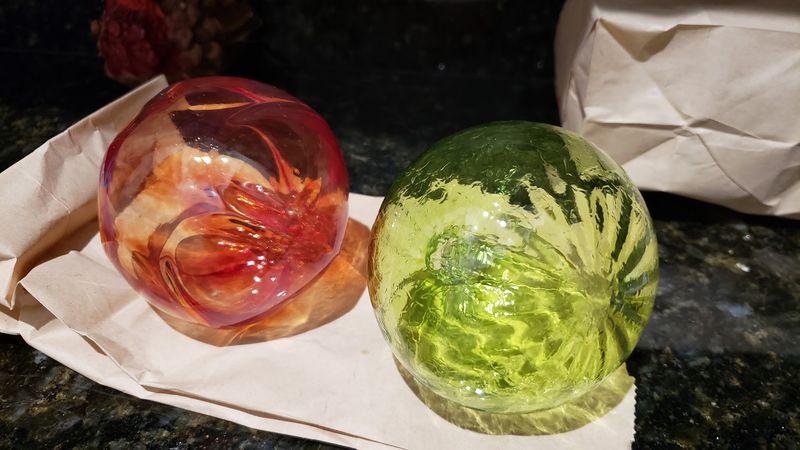
Most hands-on art studios aimed at adults tend to leave younger visitors on the sidelines, but the Hot Glass Experience welcomes children who are over age seven.
That lower age threshold makes it a genuinely unusual family activity rather than a parents-only outing where kids watch from a chair.
Younger participants stay involved in the actual creative process rather than simply observing.
Safety remains a clear priority during sessions that include children, and the instructors are attentive to positioning and guidance throughout.
The heat and equipment involved are real, so the studio’s safety-conscious approach ensures younger participants understand the boundaries of the workspace before they begin.
That structure tends to make children feel more confident rather than nervous once the shaping starts.
Families looking for something more memorable than a standard tourist activity often find that the studio delivers exactly that.
Creating a glass piece together gives parents and children a shared experience with a tangible result, and the finished object serves as a lasting reminder of the outing.
Booking in advance is especially important for family groups since spots can fill quickly on weekends and during school breaks when demand tends to run higher.
The Finished Piece Cannot Go Home Immediately
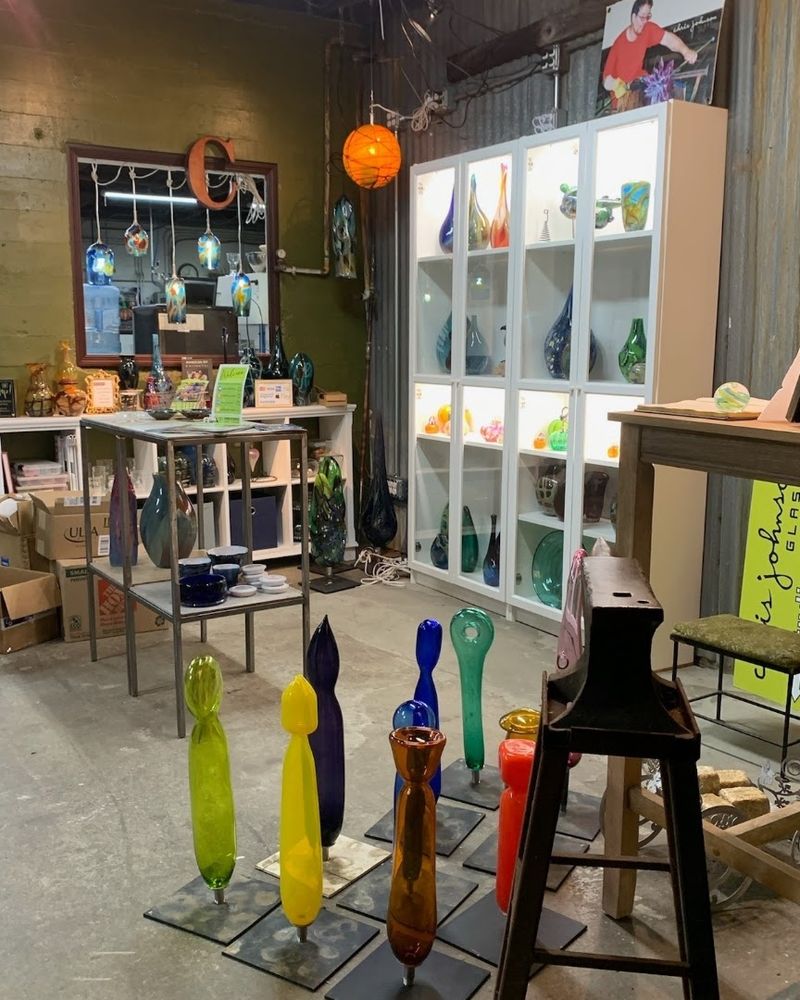
One of the more surprising aspects of the glassblowing experience for first-time participants is that the finished piece cannot leave with them on the same day.
Freshly shaped glass must go through a gradual cooling process called annealing, which prevents the material from cracking due to rapid temperature change.
Skipping or rushing that process would almost certainly destroy the finished piece.
Creations remain at the studio overnight and are generally ready for collection the following day.
For visitors who are staying in the area, picking up the piece the next morning makes for a satisfying conclusion to the experience.
The anticipation of seeing the finished, cooled result often adds to the overall enjoyment rather than feeling like an inconvenience.
Planning the visit with the pickup timeline in mind tends to make the logistics smoother. If staying locally is not possible, the studio offers shipping for completed pieces, with rates currently starting at $25.
Shipping typically occurs once per week and delivery can take three to four days after the piece ships.
Confirming shipping details at the time of booking ensures there are no surprises about when and how the finished creation will arrive.
Private Sessions Can Accommodate Original Ideas
The standard workshop menu covers a solid range of shapes and styles, but guests with a specific vision in mind have another option available.
The “Hot Glass with Chris” offering provides a more personalized one-on-one session where participants can discuss objects, vessels, or shapes that fall outside the regular choices.
That flexibility makes it possible to create something genuinely custom rather than selecting from a preset list.
Advance consultation is required before booking a private session, since the pricing depends on the complexity of the chosen design and preparation may be needed before the session begins.
The starting additional cost for this option is around $100 above the base session fee, though the final amount varies based on what is being created.
Reaching out by phone at 831-246-1652 before booking is the most direct way to discuss a specific idea and get accurate pricing information.
Private sessions also appeal to guests who simply prefer a quieter, more focused environment rather than sharing the studio with a group.
The one-on-one format allows for more detailed conversation about the physics and technique of glassblowing throughout the session.