14 California Places Where The Silence Is Half The Reason To Go
Silence feels strange at first. Then it starts winning.
Footsteps sharpen. Breathing slows. Phones seem embarrassingly needy. Silence can feel like the rarest luxury California still gives away for free.
Desert light can do that. So can a still lake, an empty overlook, or a stretch of coast where waves handle the conversation.
The appeal is not boredom. It is relief. Who says we need to chase every second?
No noisy attraction has to prove the trip was worth it. Places like these give the day room to settle.
The longer you stay, the more the quiet starts feeling full instead of empty. That is why silence becomes half the reason to go.
1. Mono Lake Tufa State Natural Reserve, Lee Vining
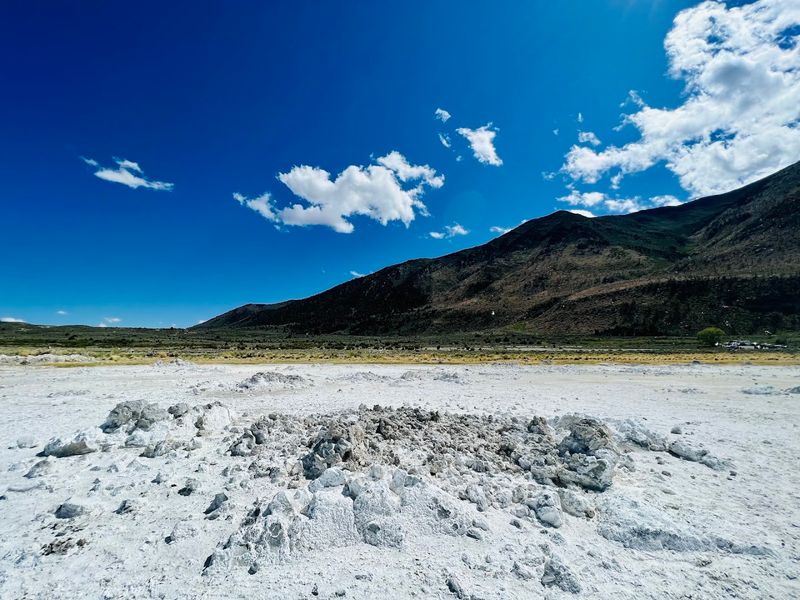
Ancient and otherworldly, the landscape at Mono Lake Tufa State Natural Reserve feels like it belongs on a different planet.
The lake itself is estimated to be over one million years old, making it one of the oldest lakes in North America.
Standing at the shoreline near the tufa formations, the quiet has a particular weight to it, wide and unhurried.
The tufa towers are columns of calcium carbonate that formed underwater over thousands of years and now rise dramatically above the lake surface.
Early morning visits tend to offer the calmest conditions, with glassy water reflecting the pale sky and very few other visitors around. The stillness is almost physical at that hour.
The reserve is managed by California State Parks and is open to the public year-round. Boardwalk trails lead to the south shore tufa area and require minimal hiking effort.
The lake also serves as a critical stopover for migratory birds, so binoculars are worth packing.
Silence here is not empty; it carries the sound of wind, water, and occasional birdcalls that make the remoteness feel full rather than lonely.
2. Bodie State Historic Park, Bodie
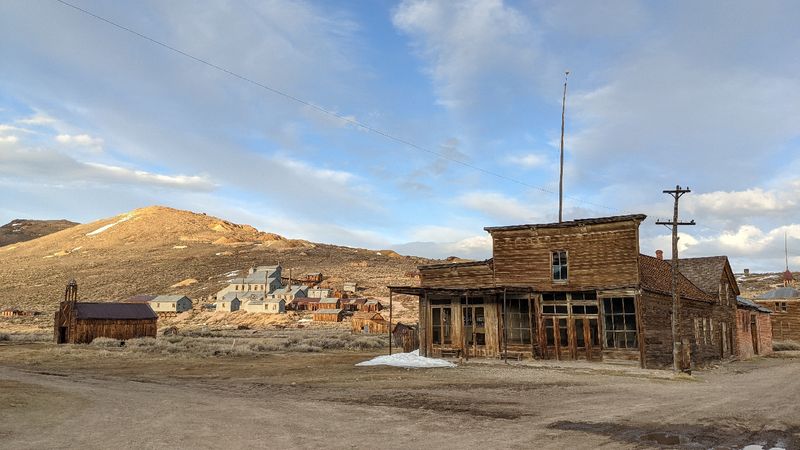
There are ghost towns, and then there is Bodie.
Frozen in a state of what California State Parks calls “arrested decay,” this former gold-mining settlement sits at nearly 8,400 feet in the Eastern Sierra and has been largely untouched since its abandonment.
The silence here does not need any help from the landscape because the empty streets and hollow buildings provide it on their own.
Walking between the preserved structures, it is easy to feel the absence of the thousands of people who once lived and worked here.
Curtains still hang in some windows. Machinery rusts quietly in old mill buildings.
The wind moves through without competition from traffic or conversation.
Bodie is located off Highway 395, roughly 13 miles east of Bridgeport via a partially unpaved road, and the park is generally open daily during summer months with reduced access in winter due to snow.
No services or food are available on-site, so visitors should arrive prepared. The high-altitude setting means temperatures can shift quickly, and afternoon thunderstorms are possible in summer.
The stillness at Bodie is not peaceful in a spa-retreat way; it is more unsettling and honest, which makes it memorable.
3. Point Reyes National Seashore, Marin County
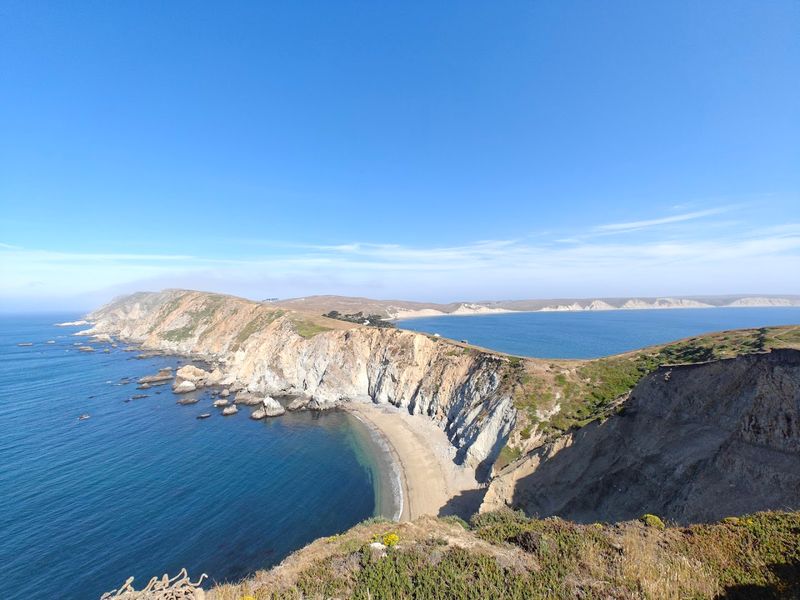
Wind is the dominant sound at Point Reyes, and somehow that still counts as quiet when the alternative is city noise.
Stretching along the Marin County coast roughly 30 miles north of San Francisco, Point Reyes National Seashore covers over 71,000 acres of cliffs, beaches, forests, and grasslands.
The scale of the place means solitude is genuinely available even on busy weekends if the right trails are chosen.
The park includes designated wilderness areas managed specifically for solitude and primitive recreation, which sets it apart from more developed coastal destinations.
Trails like the Tomales Point route wind through open tule elk habitat with sweeping views and very little shade, giving the landscape a raw, exposed feeling.
The beaches at places like Sculptured Beach and Wildcat Beach require some hiking to reach, which keeps foot traffic naturally lower.
Fog rolls in frequently along this stretch of coast, softening edges and muffling sound in a way that feels almost deliberate.
Whale watching from the lighthouse area is popular in winter and spring. Parking at the main trailheads can fill on weekends, so arriving before mid-morning helps.
4. Anza-Borrego Desert State Park, Borrego Springs
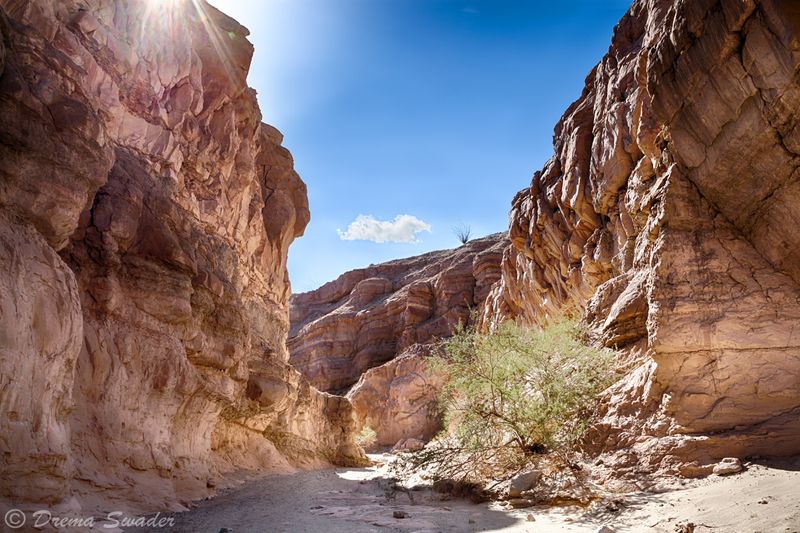
Covering roughly 600,000 acres, Anza-Borrego Desert State Park is the largest state park in California and one of the largest in the contiguous United States.
Quiet Parks International has recognized it as a Quiet Conservation Area, which is a distinction that reflects just how seriously the park takes its acoustic environment.
With 500 miles of dirt roads and 12 designated wilderness areas, the sense of space here is difficult to overstate.
Camping is permitted in most areas of the park without requiring a designated campsite, which means it is possible to find a spot with no neighbors visible in any direction.
The Borrego Springs town at the park’s center offers basic services including food and lodging, but the surrounding desert absorbs all of that quickly once you drive even a short distance out.
Star visibility at night ranks among the best in Southern California due to the town’s strict dark-sky ordinance.
Spring wildflower blooms draw larger crowds in good rainfall years, so visiting outside of that window offers a noticeably quieter experience.
The desert heat peaks in summer, making fall through early spring the most comfortable window for extended exploration.
5. New Camaldoli Hermitage, Big Sur
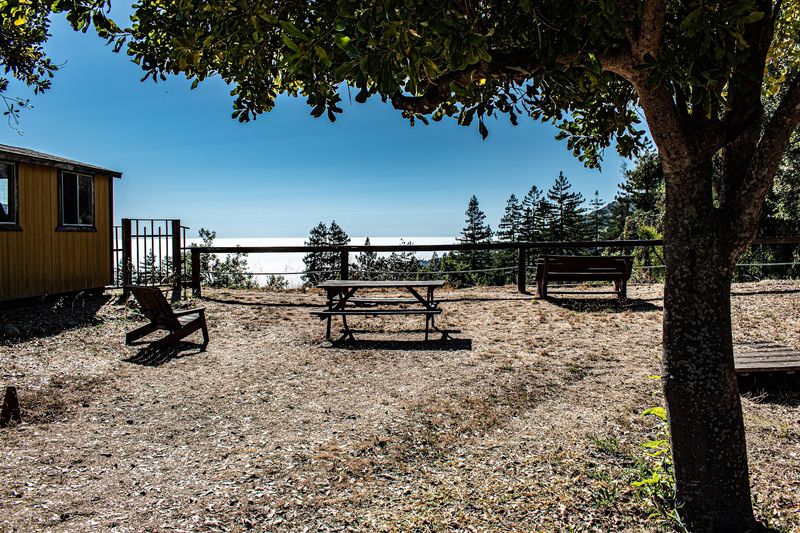
Perched on a steep hillside above the Pacific in Big Sur, New Camaldoli Hermitage is a working Benedictine monastery that welcomes guests for personal retreats.
Silence is not incidental here; it is the organizing principle of daily life for the monks who live and pray on these grounds.
Guests stay in simple private rooms called hermitages, each with a small porch facing the ocean or the surrounding mountains.
The retreat experience is self-directed, meaning there is no formal programming or required schedule for visitors.
Meals are simple and taken in quiet. The chapel offers multiple prayer services throughout the day that guests may attend or skip entirely.
The combination of monastic rhythm, ocean views, and minimal distraction creates a kind of stillness that is hard to replicate elsewhere in California.
Reservations are required well in advance because availability is limited and demand is high year-round.
The hermitage is located along Highway 1 south of the Big Sur village area, and the access road is narrow and steep.
Visitors should confirm current availability and any seasonal access restrictions directly with the hermitage before planning a trip, as Highway 1 in Big Sur can be affected by slides or closures.
6. Redwoods Abbey, Whitethorn
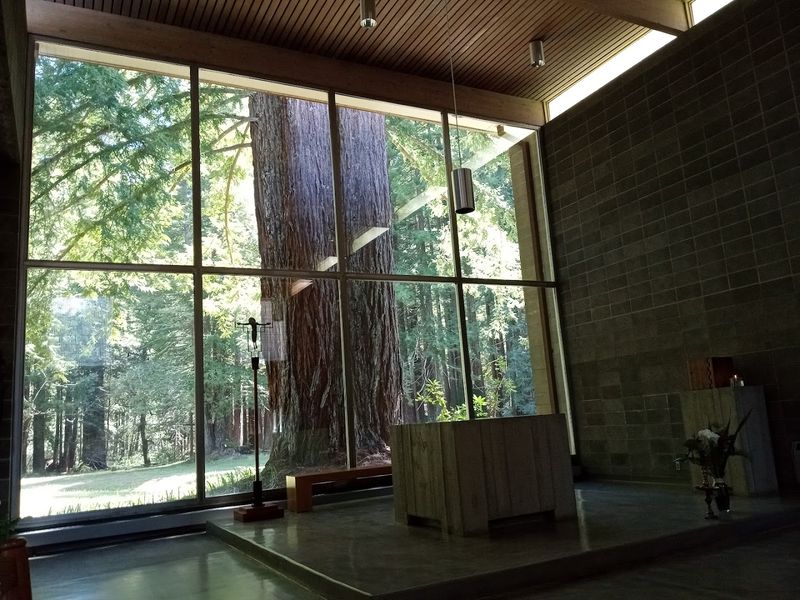
Redwoods Abbey is a Benedictine monastery run by a community of nuns who have maintained a life of prayer and work in this forested setting for decades.
The abbey offers retreat accommodations for guests seeking quiet, and the surrounding redwood landscape reinforces that intention without any extra effort.
Stays here tend to be simple by design. Private rooms are available, and guests are welcome to participate in the rhythm of monastic prayer if they choose.
The abbey also operates a small business producing fruitcake and other goods, which connects the community to the outside world in a grounded, practical way.
Gardens on the property add to the sense of calm, with tended beds and open green space that invites slow walking rather than purposeful activity.
Whitethorn sits in a remote part of Northern California that most travelers pass through rather than stop in, which keeps the area naturally quiet.
The roads leading to the abbey require some patience, particularly in wet weather.
Prospective guests should contact the abbey directly for current retreat availability and guidelines, as schedules and capacity can vary.
7. Mission San Luis Rey Retreat Center, Oceanside
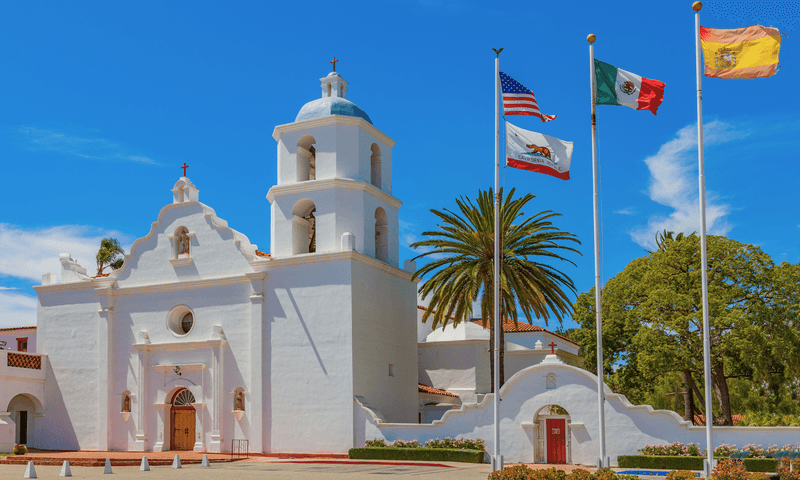
Founded in 1798, Mission San Luis Rey de Francia is the largest of California’s 21 missions and one of the most historically significant.
The retreat center connected to the mission occupies a quieter section of the broader property and offers guest rooms and garden spaces that create a noticeably slower atmosphere than the surrounding Oceanside area.
The Franciscan tradition of contemplative life shapes the tone of the place without making it feel unwelcoming to secular visitors.
The grounds include a restored sunken garden, a historic cemetery, and walking paths that feel removed from the busy streets just outside.
Retreat programs range from guided silent retreats to simple overnight stays without structured programming.
The chapel at the center of the property holds regular liturgical services that guests may attend as part of their stay.
Southern California’s mild climate makes the gardens comfortable for outdoor sitting and walking in most seasons.
The architecture itself carries a particular stillness, with thick adobe walls, shaded arcades, and interior courtyards that absorb heat and noise alike.
8. Cuyama Valley, Santa Barbara County
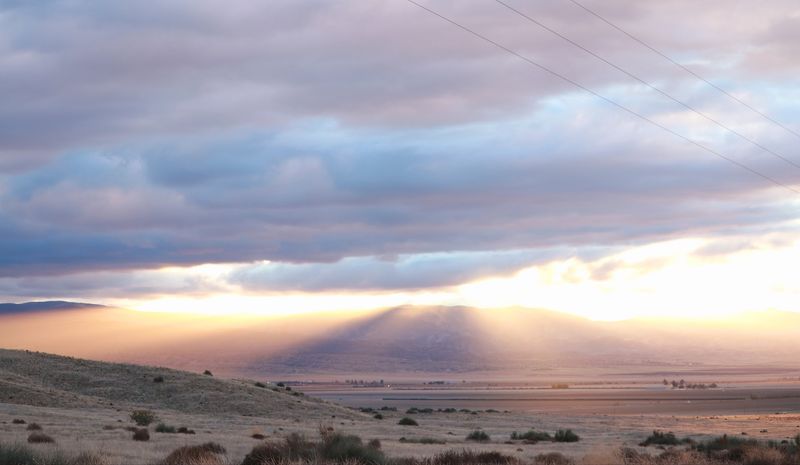
Not many people can point to Cuyama Valley on a map, and that obscurity is a big part of its appeal.
Situated in the northeastern corner of Santa Barbara County where the Transverse Ranges meet the southern edge of the San Joaquin Valley.
The area is defined by wide skies and a pace of life that feels genuinely disconnected from coastal California.
Travel publications have noted the valley’s particular kind of cinematic quietness in recent years, though visitor numbers remain low.
The town of New Cuyama serves as the valley’s modest hub, offering basic amenities including a small motel and diner.
The surrounding landscape includes views of the Caliente Range to the south and the Sierra Madre Mountains to the north, with long straight roads that invite slow driving and window-down listening.
Oil derricks dot some portions of the valley, which adds an industrial texture that is honest rather than picturesque.
Highway 166 cuts through the valley and connects it to the coast on one side and the Central Valley on the other, making it accessible as a detour rather than a destination requiring special logistics.
9. Channel Islands National Park
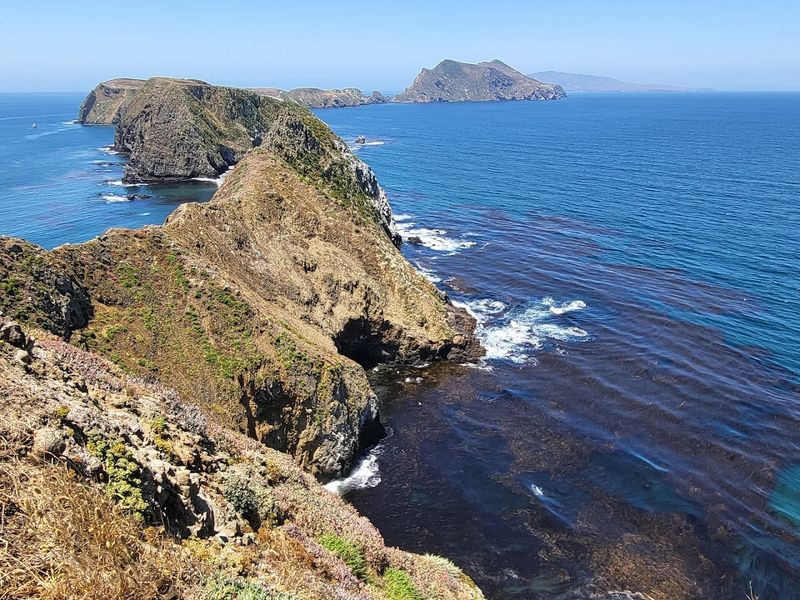
Getting to Channel Islands National Park requires a boat ride, and that logistical barrier is precisely what keeps the islands feeling remote and unhurried.
Five islands make up the park, each with its own character, but all of them share the quality of feeling genuinely separated from the mainland rush in a way that coastal parks accessible by car simply cannot replicate.
The crossing itself, which takes roughly an hour from Ventura Harbor, marks a clear psychological transition.
Santa Cruz Island is the largest and most visited, offering sea kayaking, hiking, and snorkeling in kelp forests.
Santa Rosa Island is more remote and suited to those seeking extended solitude, with backcountry camping available for those who arrange permits in advance.
The wildlife on the islands includes endemic fox species, elephant seals, and enormous seabird colonies that fill the silence with natural sound rather than human noise.
Island Packers operates the primary boat service from Ventura, and schedules vary by season and island destination.
Visitors should book crossings early during summer and holiday periods. Weather can shift quickly on the water, and some crossings may be canceled due to wind or swell conditions.
10. Lava Beds National Monument, Tulelake
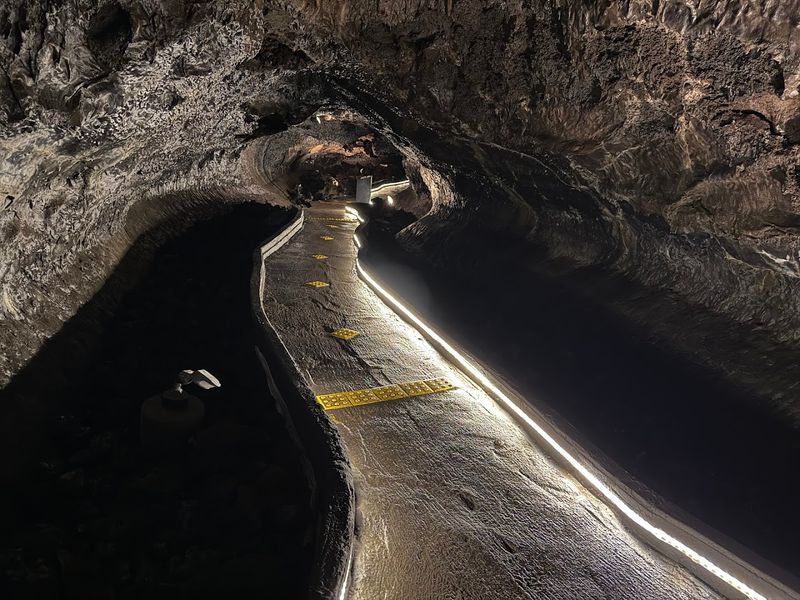
Remote even by Northern California standards, Lava Beds National Monument sits near the Oregon border in a part of the state that most visitors never reach.
The monument protects a volcanic landscape shaped by eruptions from the Medicine Lake Volcano, with more than 800 lava tube caves open for exploration, spatter cones, and vast stretches of dark basalt.
Crowds are consistently thin here, which makes the silence feel reliable rather than accidental.
The cave system is one of the park’s most distinctive features, and many tubes can be explored with just a flashlight or headlamp.
The surface landscape above the caves is equally compelling, with long views across the Modoc Plateau and very little visual noise from development or infrastructure.
The monument is located near the town of Tulelake and is managed by the National Park Service. The visitor center provides maps, cave permits, and information on current conditions.
Summer temperatures are moderate at this elevation, and the park can receive snow in winter, which further reduces visitation.
11. Pinnacles National Park, San Benito County
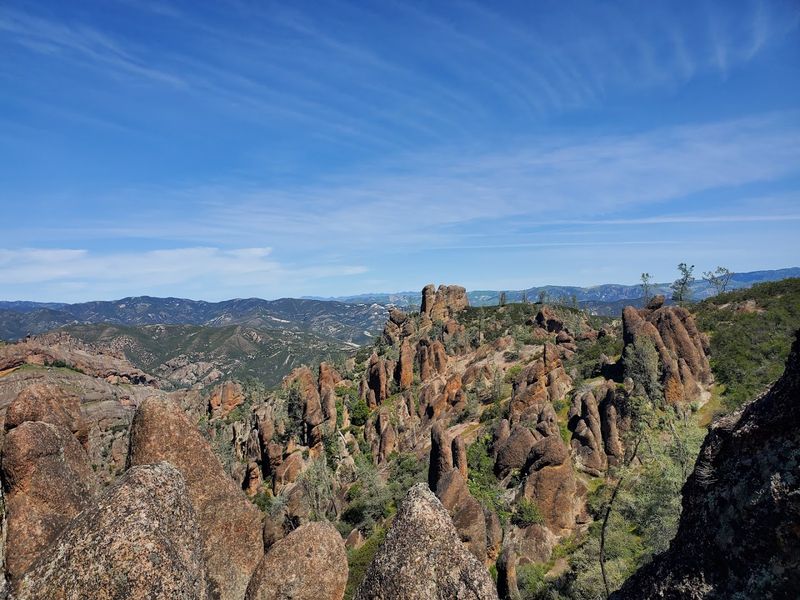
Volcanic rock formations jut out of the Gabilan Mountains in a way that looks almost architectural, as if something enormous stacked them deliberately.
Pinnacles National Park protects the eroded remnants of an ancient volcano that has been slowly moving northward along the San Andreas Fault for millions of years.
The geology alone makes the place worth visiting, but the relative quiet is what keeps it memorable.
Weekday mornings on the less-traveled west side of the park tend to offer noticeably calmer conditions than the more popular east entrance.
The Balconies Cave Trail on the west side passes through a talus cave that requires navigating by touch in total darkness for short sections, which creates a sensory experience unlike any other trail in the California park system.
California condors nest in the park and are frequently spotted soaring above the rock formations, making the sky feel active even when the trails are quiet.
The park has two separate entrances that are not connected by an interior road, so choosing a side before arrival matters for planning purposes.
Summer temperatures in the interior can reach extreme heat, making spring and fall the most comfortable seasons.
12. Salt Point State Park, Sonoma Coast
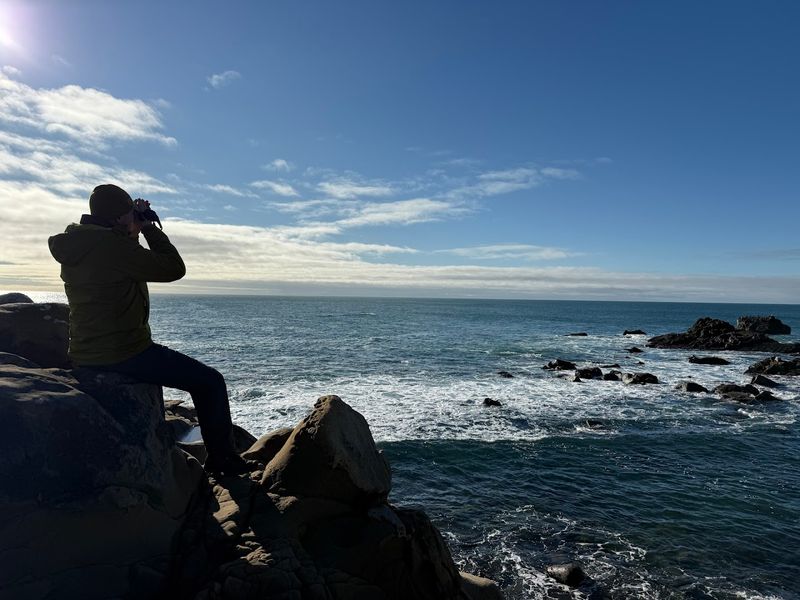
The Sonoma Coast has a different personality than the more polished stretches of California shoreline further south, and Salt Point State Park captures that difference well.
Rocky tidal shelves, wind-shaped bluffs, and a coastline that seems indifferent to tourism make this a place that rewards visitors who show up without expecting comfort or convenience.
The park sits roughly 90 miles north of San Francisco and covers about 6,000 acres of coastal and forested terrain.
Underwater preserves offshore make Salt Point one of the few places in California where recreational abalone diving has historically been permitted, though regulations change.
Trails through the park’s interior pass through Bishop pine forest and open grassland before dropping back to the bluffs, offering a varied walking experience that shifts in character with each mile.
The tafoni sandstone formations along the shore, eroded into honeycomb patterns by salt and wind, are unusual enough to stop most visitors in their tracks.
Weekdays see significantly fewer visitors than weekends, and the shoulder seasons of fall and spring offer the most balanced combination of mild weather and manageable crowds.
Fog is common along this stretch of coast and can settle in quickly even on otherwise clear days.
13. Prairie Creek Redwoods State Park, Humboldt County
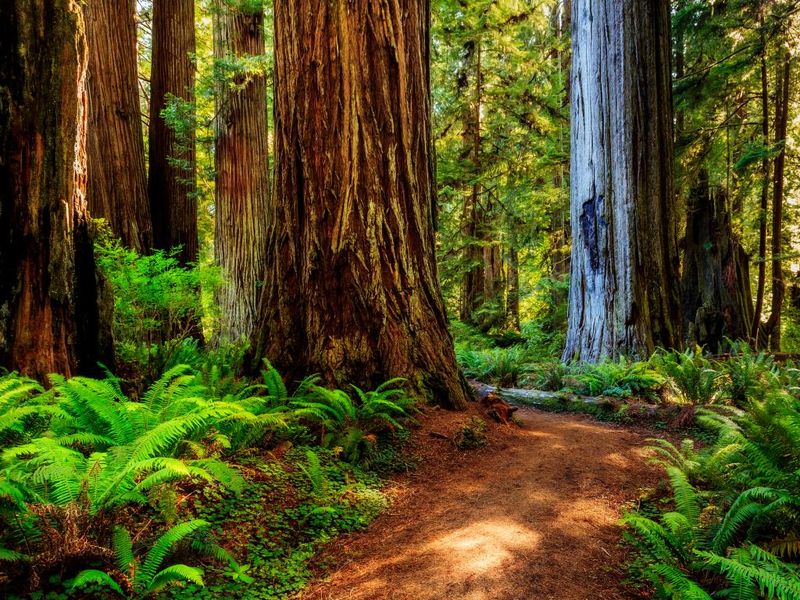
Sound behaves differently inside an old-growth redwood forest.
The canopy absorbs it, the thick moss on the ground dampens it, and the sheer scale of the trees creates a kind of acoustic shelter that makes even nearby noise feel distant.
Prairie Creek Redwoods State Park in Humboldt County is one of the best places in California to experience this effect, with groves of ancient trees that have been growing undisturbed for centuries.
Fern Canyon, located within the park, draws visitors for its walls of five-finger ferns rising from a narrow water-carved gorge, but the surrounding trail network extends far beyond that single attraction.
The Coastal Trail and Rhododendron Loop offer longer routes through quieter sections of the park where encountering other hikers is genuinely uncommon.
Roosevelt elk roam the park’s open prairie areas and are frequently visible from the main road, adding a wildlife dimension that requires no hiking to access.
The park is part of the larger Redwood National and State Parks complex, which is managed cooperatively by the National Park Service and California State Parks.
The northern section of the state is genuinely remote, with the nearest major airport in Arcata roughly 50 miles to the south.
14. Kelso Dunes, Mojave National Preserve
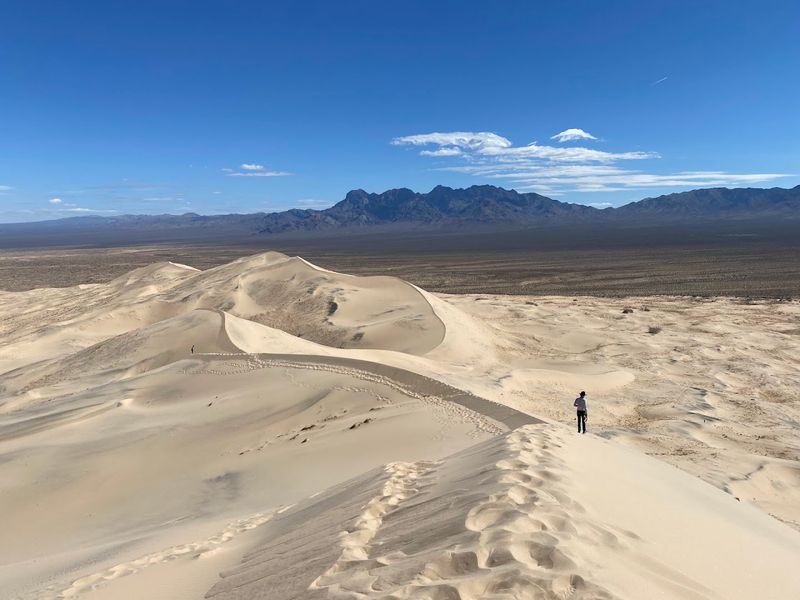
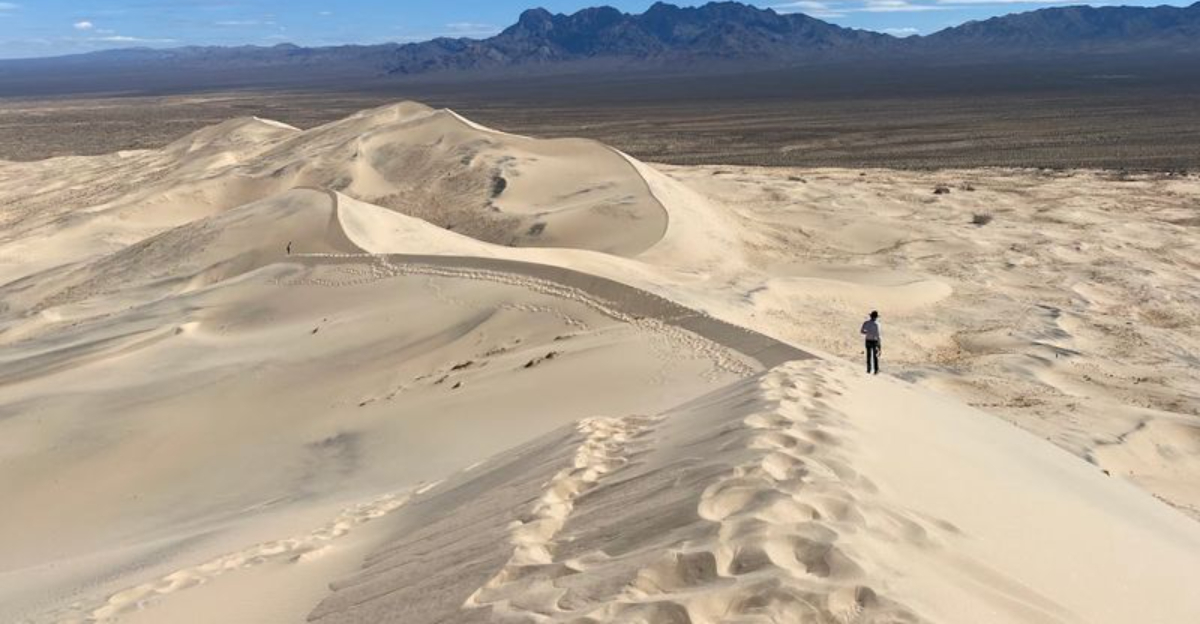
Rising nearly 700 feet above the surrounding desert floor, the Kelso Dunes are among the tallest sand dunes in North America and one of the most visually striking landforms in the Mojave National Preserve.
The dunes are composed of quartz sand blown in from the Mojave River sink, and under the right conditions they produce a low humming sound when dry sand avalanches down the steep slip face.
That sound, when it happens, feels like the landscape is talking to itself.
The hike to the top of the main dune is roughly three miles round trip and gains significant elevation through loose sand, making it more physically demanding than it looks from the trailhead.
The reward at the top is a 360-degree view of desert that stretches to mountain ranges on every side with almost no sign of human infrastructure.
The emptiness here is not bleak; it reads as spacious and clarifying in a way that busy landscapes simply cannot offer.
The Mojave National Preserve is managed by the National Park Service and has no entrance fee as of current information, though fees may change.
The Kelso Depot Visitor Center, a restored 1924 Union Pacific railroad station, provides maps and information on current conditions.