This Tiny California Town Hides One Of The West Coast’s Most Incredible Natural Wonders
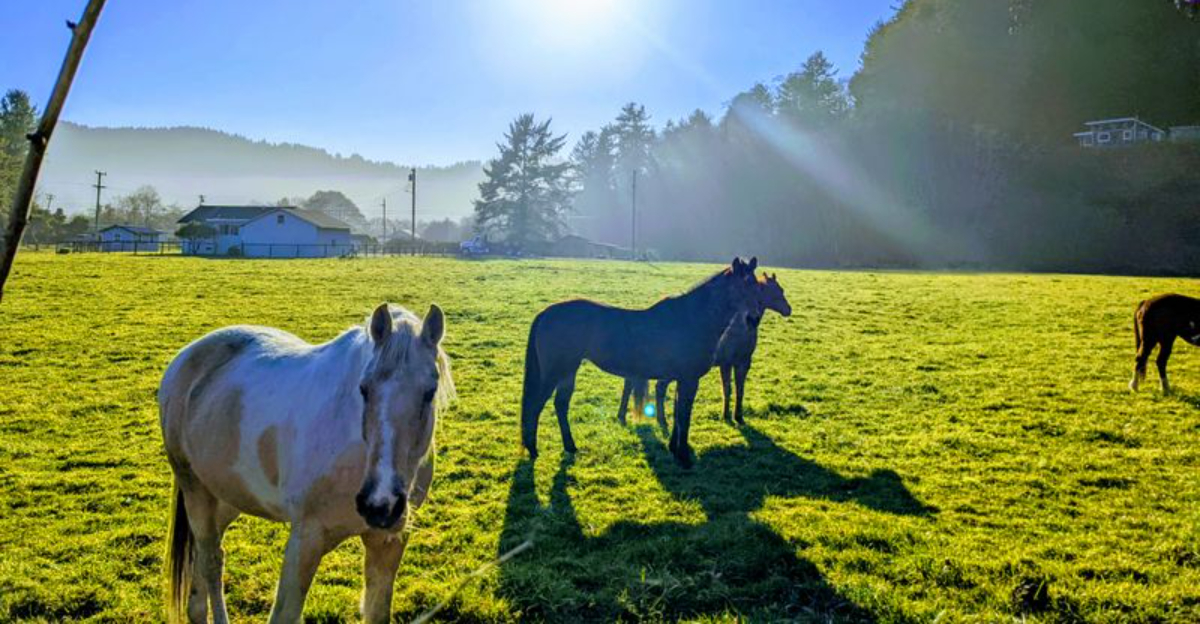
A single main road cuts through a settlement so small you might drive past it without realizing you just crossed through an entire town.
Ancient trees rise overhead in numbers that feel almost impossible, their trunks wider than most living rooms and their canopies blocking out the sky.
Herds of elk wander through meadows just steps from the pavement, and trails disappear into forests that have stood for thousands of years.
The town itself barely registers on most maps, but the wilderness surrounding it draws visitors from across the globe.
It has weathered decades of economic change, shifting from logging to tourism, and the community that remains is small, resilient, and deeply connected to the land.
Fern-draped canyons, coastal bluffs, and trails that wind beneath towering redwoods all lie within minutes of this unassuming stop.
For anyone willing to slow down and look beyond the roadside, California offers a front-row seat to one of the most extraordinary natural wonders the West Coast has to offer.
1. First Impressions Of Orick
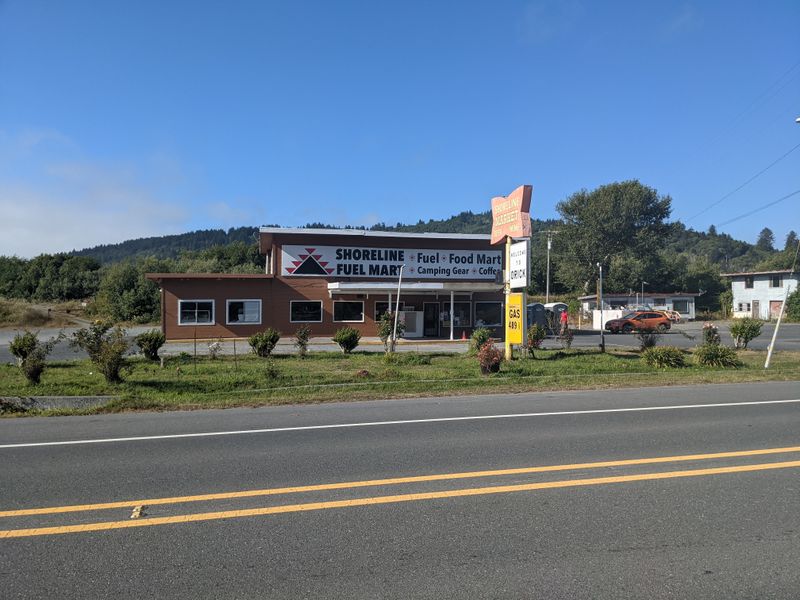
Driving into Orick feels less like arriving somewhere and more like passing through a pause in the landscape.
The town stretches along a narrow strip of Highway 101, flanked on both sides by towering redwood forest that seems to press in from every direction.
A handful of buildings line the road, most of them low and weathered, with hand-painted signs and gravel parking lots that speak to decades of use.
There are no stoplights, no chain restaurants, and no real downtown to speak of.
What exists instead is a scattering of small businesses, a post office, and a few homes tucked back among the trees.
The pace here is slow, and the atmosphere is quiet in a way that feels intentional rather than abandoned.
Visitors often stop for a quick snack before continuing north or south along the coast. But those who linger a bit longer start to notice the details that define the place.
The air smells like damp earth and cedar, and the light filters through the canopy in soft, shifting beams.
Orick does not announce itself with fanfare, but it sits at the edge of something monumental, and that proximity shapes everything about the town.
2. A Town Surrounded By Towering Redwoods
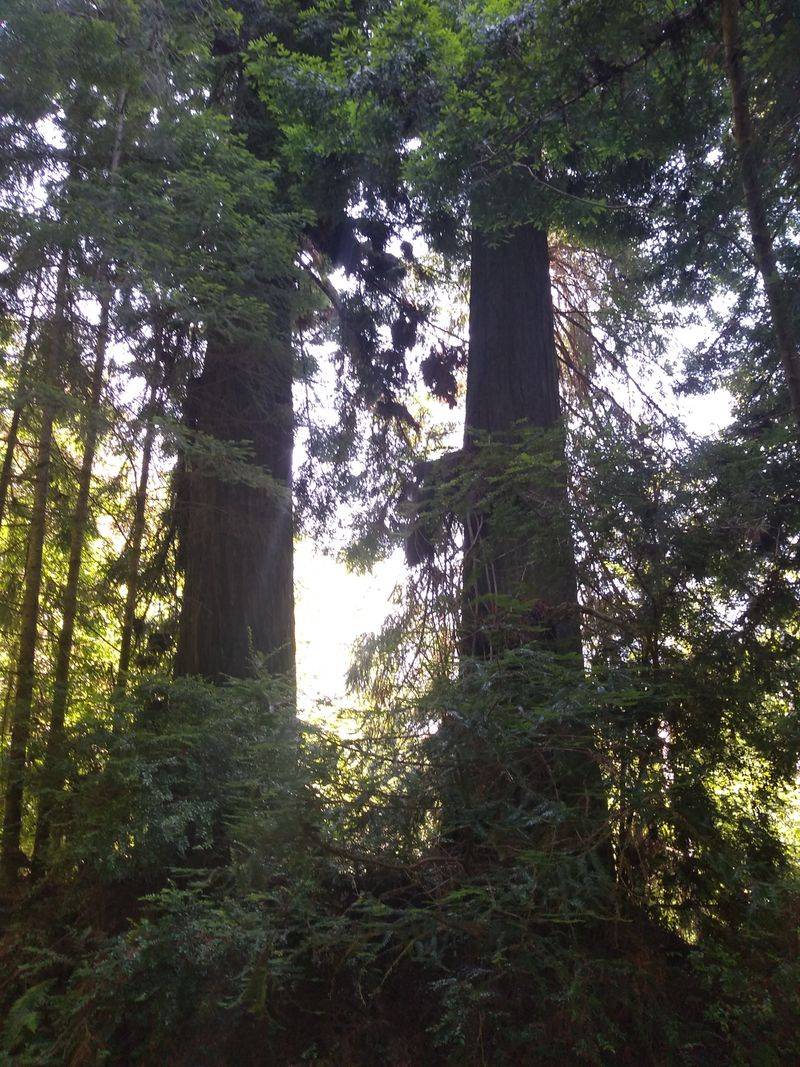
Coastal redwoods dominate the landscape around Orick in a way that feels almost surreal.
These trees are among the tallest living organisms on Earth, with some reaching heights of over 350 feet and trunk diameters that can exceed 20 feet.
They grow in dense groves that block out much of the sky, creating a cathedral-like atmosphere beneath their branches.
The redwoods thrive in the cool, foggy climate of Northern California, where moisture from the Pacific Ocean provides the conditions they need to survive for centuries.
Many of the trees standing today were already ancient when European settlers first arrived in the region.
Their bark is thick and fibrous, resistant to fire and insects, and their root systems spread wide rather than deep, intertwining with neighboring trees for stability.
Walking among them offers a sense of scale that photographs rarely capture. The trunks rise so high that craning your neck to see the tops becomes almost dizzying.
Ferns and moss carpet the forest floor, and the air stays cool even on warm days. Orick sits at the heart of this ecosystem, surrounded on all sides by forests that feel older than time itself.
3. Life On The Edge Of Wilderness
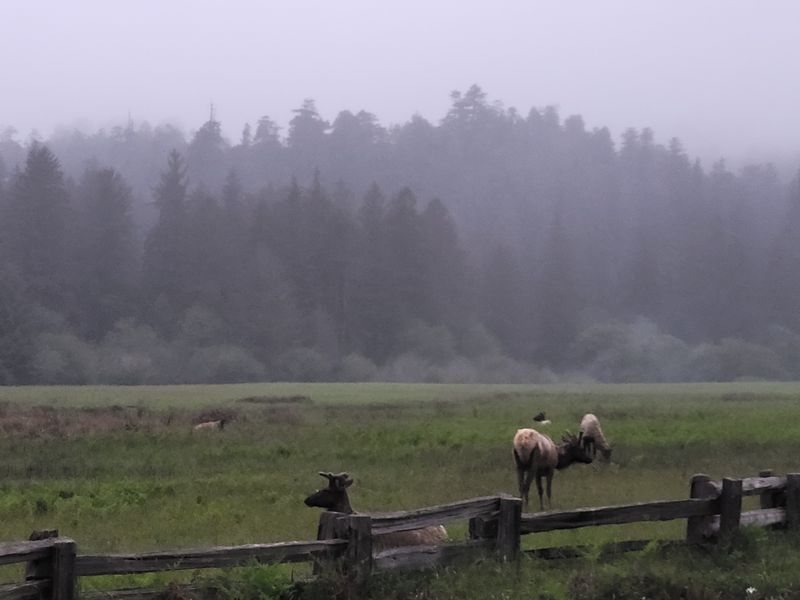
Living in Orick means existing in a delicate balance between human settlement and untouched wilderness.
The town occupies a narrow strip of cleared land, but step a few hundred feet in any direction and you are surrounded by ecosystems that have remained largely unchanged for millennia.
This proximity shapes daily life in ways both practical and profound.
Residents grow accustomed to sharing space with wildlife, from black bears that occasionally wander through yards to banana slugs that appear after every rain.
The forest is not just scenery but an active presence, influencing weather patterns, seasonal rhythms, and even the sounds that fill the air at night.
Owls call from the trees, and the rustle of unseen animals becomes a familiar backdrop. The isolation also brings challenges.
Services are limited, and the nearest larger towns lie miles away along winding coastal roads. Internet access can be spotty, and cell service drops out in many areas. Yet for those who choose to stay, the trade-offs feel worthwhile.
The landscape offers a kind of peace that is increasingly rare, and the sense of living at the edge of something vast and wild becomes part of the identity of the place.
4. The Quiet, Remote Atmosphere
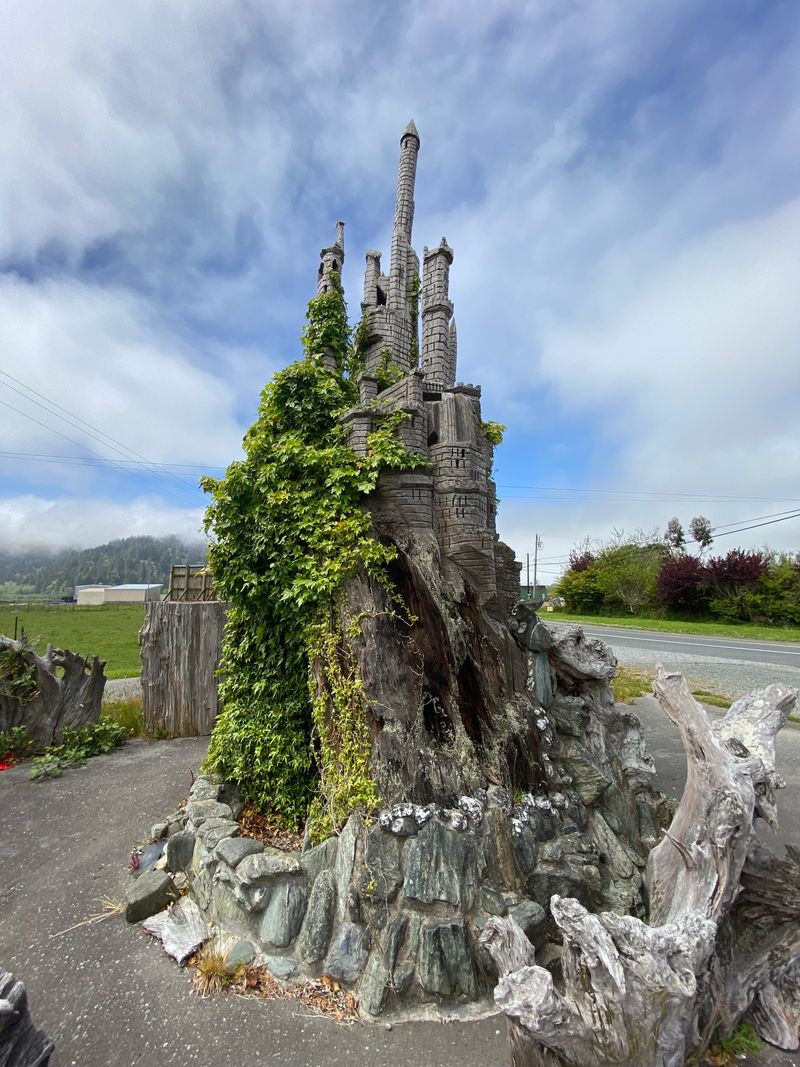
Silence settles over Orick in a way that feels almost tangible.
The hum of traffic is minimal, and the absence of urban noise allows other sounds to emerge.
Wind moves through the redwood canopy with a low, steady whisper, and rain pattering on leaves creates a rhythmic backdrop during wet months.
Even on busy summer days, the town retains a sense of calm that contrasts sharply with more populated areas along the coast. The remoteness is not accidental.
Orick lies far from major metropolitan centers, and the drive to reach it involves navigating narrow highways that wind through mountains and along cliffsides.
This geographic isolation has preserved the character of the place, keeping development minimal and tourism relatively low-key.
There are no resorts, no bustling boardwalks, and no crowds jostling for parking. For some, the quiet feels restorative.
The lack of distractions allows for a different kind of attention, one that focuses on small details like the pattern of lichen on a fence post or the way fog drifts between tree trunks.
For others, the isolation can feel heavy, especially during long winter months when daylight hours shrink and the forest seems to close in even further. Either way, the atmosphere here is undeniably distinct.
5. Local Businesses & Small-Town Stops
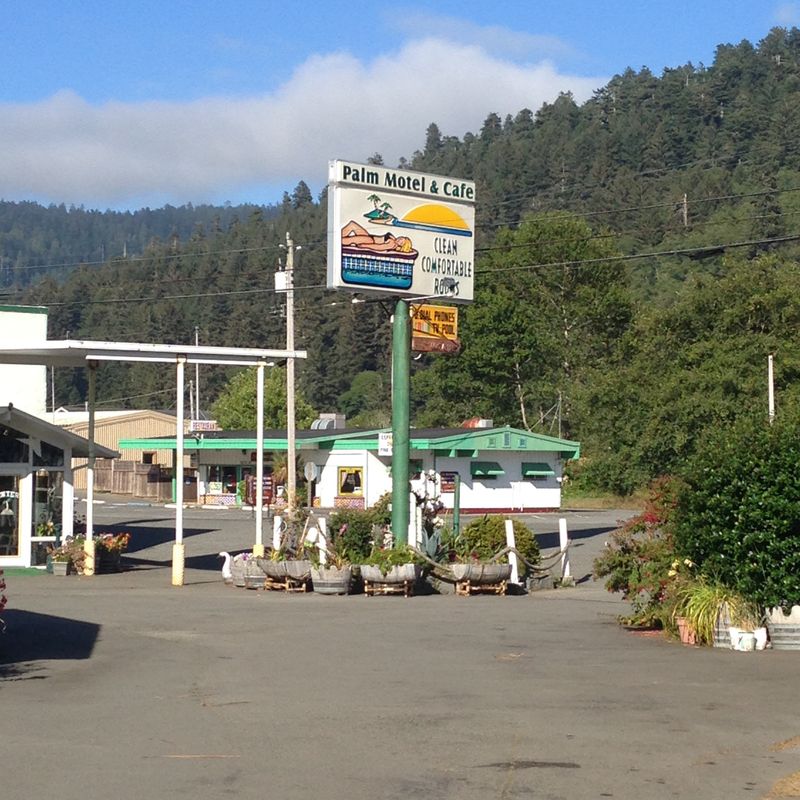
The commercial heart of Orick consists of a handful of businesses clustered along Highway 101, each one serving both locals and travelers passing through.
These establishments tend to be modest in scale, often family-run, and characterized by a practical, no-frills approach.
You will find a small market, a motel, and a few cafes that offer basic meals and coffee to fuel the next leg of a journey.
Many of the storefronts display handmade signs and decorations that reflect the surrounding environment.
Chainsaw-carved bears stand outside gift shops, and local artwork depicting redwoods and elk appears in windows.
The selection of goods tends toward the essentials, with an emphasis on convenience rather than variety.
Fresh produce is limited, and specialty items are rare, but the basics are reliably available. Service at these spots is often personal and unhurried.
Owners and employees tend to recognize repeat visitors, and conversations linger a bit longer than they might in busier places.
The rhythm here is slower, shaped by the steady flow of tourists during peak season and the quiet lulls that follow.
These businesses serve as gathering points for the community, places where news is exchanged and connections are maintained in a town too small for anonymity.
6. Elk Sightings Right In Town
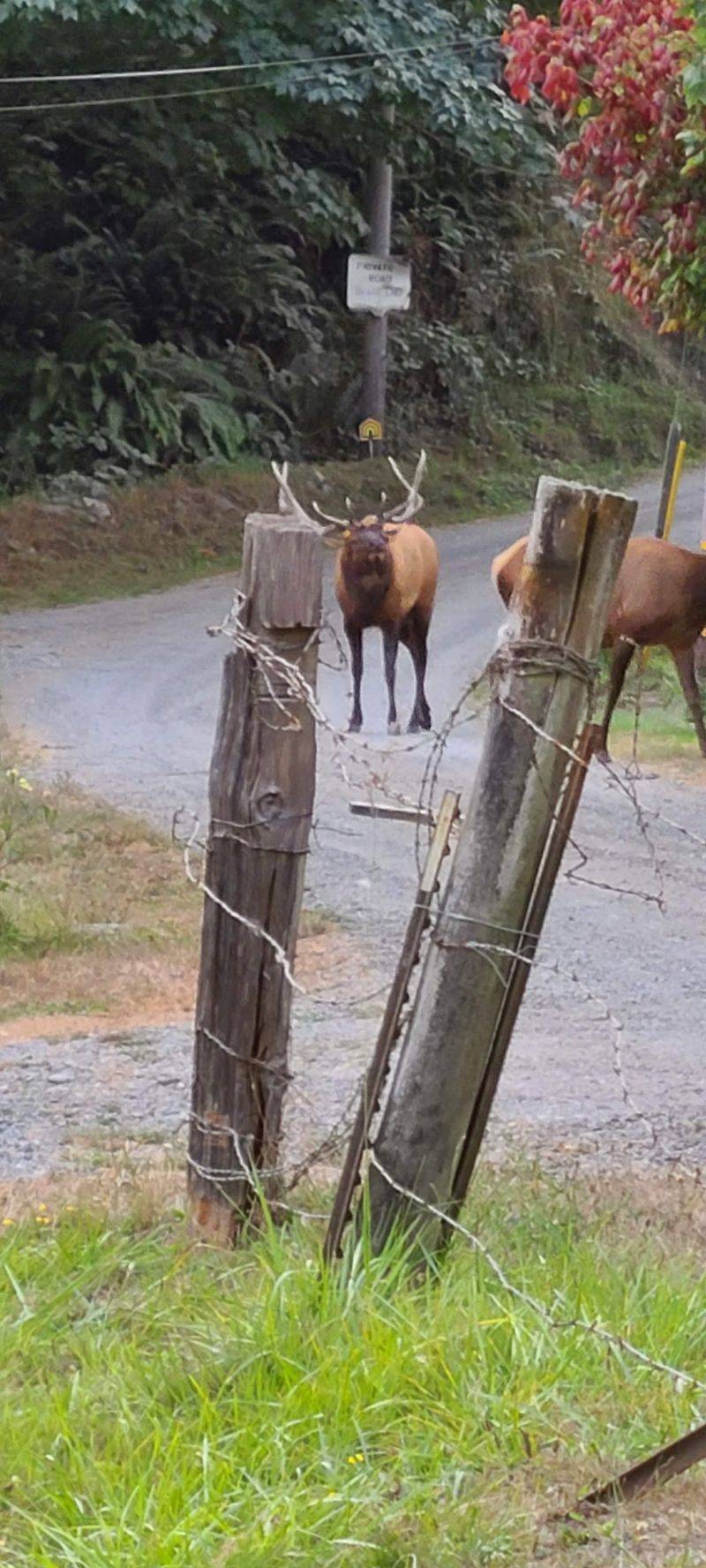
Roosevelt elk are a common sight around Orick, and their presence adds an unexpected dimension to the experience of visiting or living here.
These animals are the largest subspecies of elk in North America, with males often exceeding 1,000 pounds and sporting antlers that can span more than four feet.
They move through the area with a calm confidence, grazing in open meadows and sometimes wandering close to the roadside.
The elk tend to gather in prairie areas where grasses are plentiful, and these spots are often visible from Highway 101.
During certain times of year, entire herds can be seen lounging in the sun or feeding in groups that number in the dozens.
Their size and proximity to human activity make them a frequent subject of photographs, and many visitors pull over to watch from a safe distance.
Despite their impressive bulk, Roosevelt elk are generally peaceful unless provoked.
Keeping a respectful distance is important, especially during rutting season in the fall when males become more territorial.
The sight of these massive creatures moving through the landscape serves as a reminder that Orick exists not just as a human settlement but as part of a larger, living ecosystem where wildlife remains abundant and visible.
7. Scenic Roads That Run Through Orick
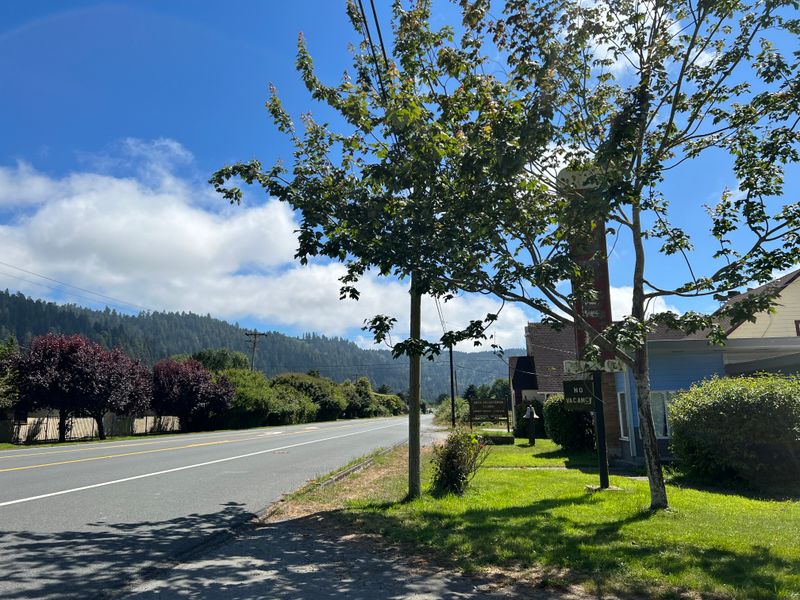
Highway 101 serves as the main artery through Orick, and the stretch of road that passes through town offers some of the most scenic driving on the entire West Coast.
Redwood groves press close to the pavement on both sides, creating a tunnel-like effect where sunlight filters through the canopy in dappled patterns.
The road curves gently, following the contours of the land, and the pace tends to slow as drivers take in the surroundings.
Beyond the immediate vicinity of town, the highway continues north toward the Oregon border and south toward Eureka, each direction offering its own distinct character.
To the north, the road climbs through forested hills and dips down toward coastal overlooks.
To the south, it winds along the shoreline, passing beaches and rocky headlands where waves crash against the cliffs.
Side roads branch off from the main highway, leading deeper into the redwood parks and toward more remote areas.
These routes are often narrower and less maintained, with gravel surfaces and tight turns that require careful navigation.
Driving through Orick and its surroundings is not about speed or efficiency but about absorbing the landscape, noticing the shifts in light and texture, and appreciating the way the road threads through a wilderness that feels both vast and intimate.
8. Community Spirit & Rural Culture
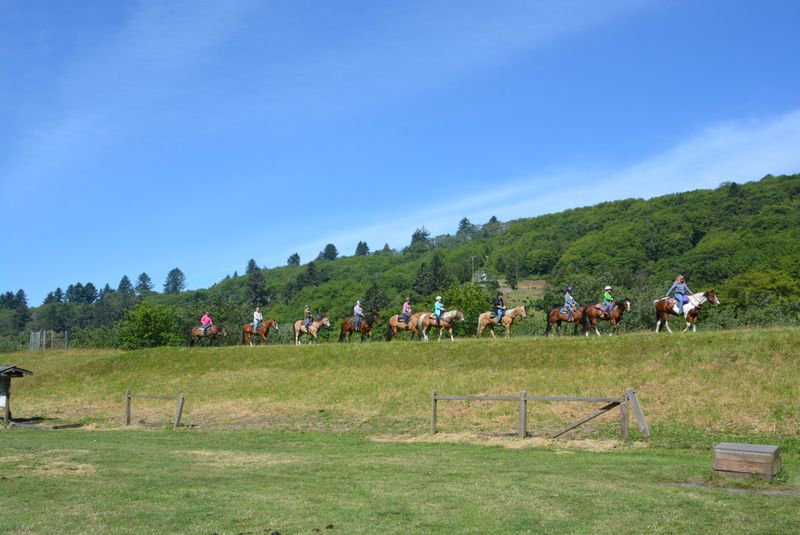
The community in Orick is tight-knit by necessity, shaped by the challenges of living in a remote area with limited resources.
Neighbors tend to know one another, and informal networks of mutual support play a significant role in daily life.
When someone needs help with a repair, a ride, or simply a conversation, the response is often immediate and generous.
Local events bring people together in ways that feel organic rather than staged.
The Orick Rodeo, held annually, draws participants and spectators from surrounding areas and serves as a celebration of rural traditions and community pride.
Other gatherings, such as potlucks and volunteer work days, reinforce the bonds that hold the town together.
These occasions are not heavily advertised or commercialized but rely on word of mouth and long-standing tradition.
The culture here reflects a blend of logging heritage, indigenous history, and the evolving identity of a town learning to navigate economic change.
There is a wariness of outside influence, particularly when it comes to development or regulation, but also a recognition that tourism and conservation efforts provide opportunities for the future.
The spirit of Orick is resilient, shaped by people who have chosen to stay despite the difficulties and who find meaning in the landscape and the community they have built within it.
9. Historic Buildings & Old-Town Charm
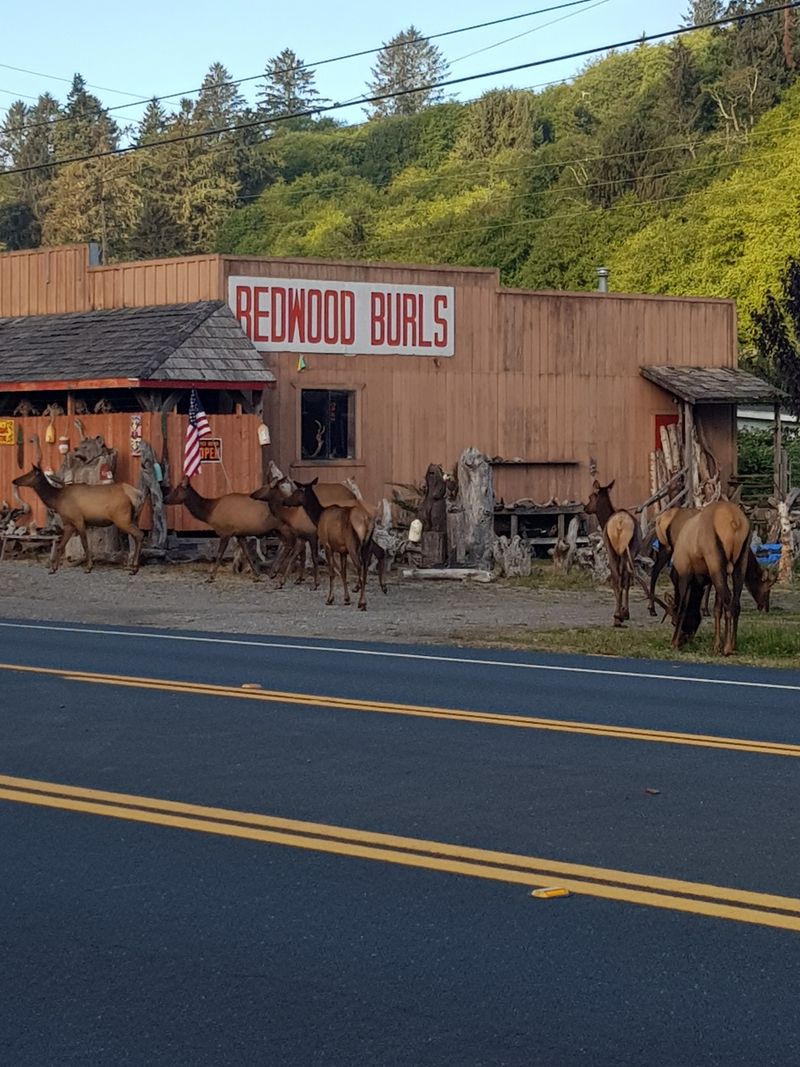
Orick retains a handful of older buildings that hint at its past as a logging town and a stop along the coastal highway.
These structures are modest in scale, built from wood and corrugated metal, and show the wear of decades spent exposed to rain, wind, and salt air.
Paint peels in places, and roofs sag slightly, but the buildings remain functional and add a sense of continuity to the town.
Some of these older structures house businesses that have operated for years, serving as landmarks for both locals and repeat visitors.
Others sit empty, their original purposes long since abandoned as the economy shifted away from timber and toward tourism.
The architecture is not grand or ornate but practical, designed to serve basic needs rather than make a statement.
Walking past these buildings offers a glimpse into the town’s history, though much of that history is not formally documented or preserved.
Stories are passed down through conversations rather than plaques, and the physical remnants of earlier eras blend quietly into the present.
The charm of Orick does not rely on polished restoration or heritage tourism but on the authenticity of a place that has simply continued to exist, adapting as needed while retaining the bones of what came before.
10. Where Locals Go For Views & Nature
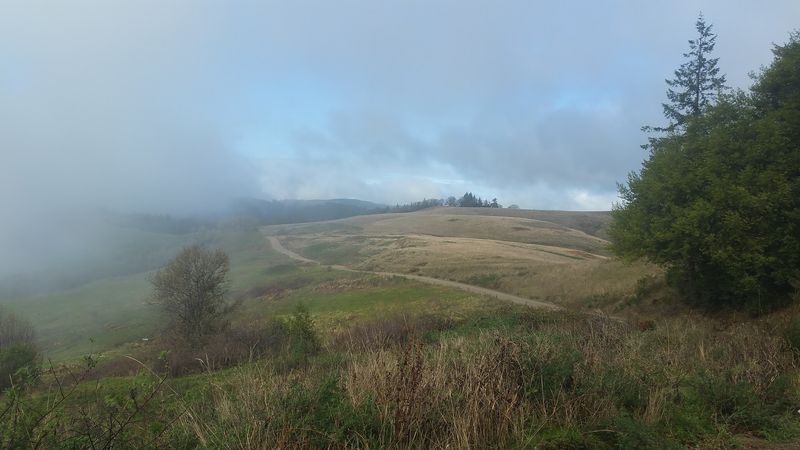
Residents of Orick do not need to travel far to find extraordinary natural beauty, but certain spots hold particular appeal for those who know the area well.
These places tend to be quieter and less trafficked than the major tourist destinations, offering a sense of solitude even during busy seasons.
Local favorites include stretches of beach where driftwood piles high against the dunes and trails that wind through old-growth groves without interpretive signs or paved paths.
One such area is the network of trails accessible from Bald Hills Road, which climbs out of the redwood forest and into open prairie land where views extend for miles.
The light here shifts dramatically throughout the day, and the sense of space contrasts sharply with the enclosed feeling of the forest below.
Another favored spot is the mouth of Redwood Creek, where the waterway meets the ocean and sandbars shift with the tides.
These locations are not secret, but they require a bit more effort to reach and tend to attract those seeking quiet observation rather than quick photo opportunities.
Locals visit them not just for recreation but as places to reset, to reconnect with the landscape that defines their home, and to escape the occasional influx of visitors that summer brings to the more accessible sites.
11. Seasonal Changes In The Landscape
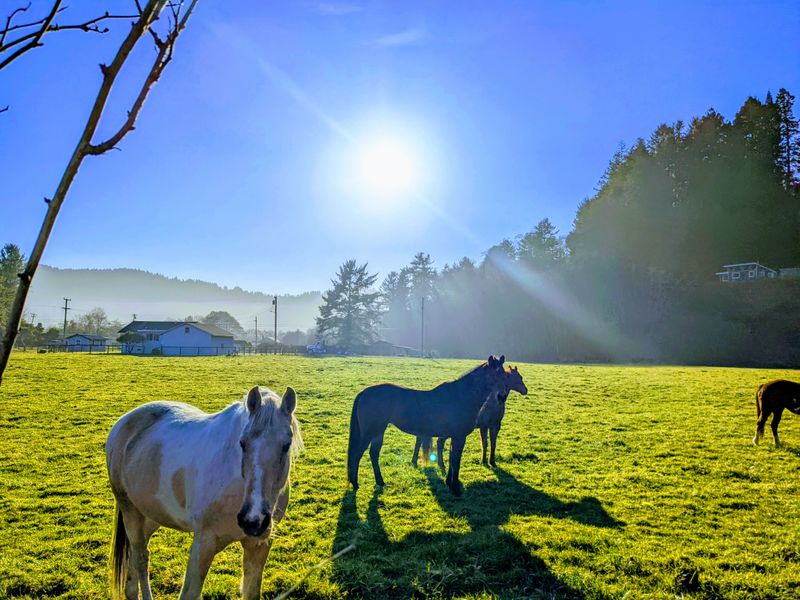
The landscape around Orick transforms throughout the year, each season bringing distinct shifts in light, color, and atmosphere.
Winter arrives with heavy rains that soak the forest and swell Redwood Creek, turning trails muddy and filling the air with the scent of wet earth and decaying leaves.
Fog becomes a near-constant presence, drifting through the trees and softening the edges of the world.
Spring brings a burst of green as ferns unfurl and wildflowers appear in the meadows where elk graze. The days lengthen, and the rain begins to taper off, though clouds still linger most mornings.
This is a time of renewal, when the forest feels most alive and the waterfalls that cascade down hillsides run full and clear.
Summer draws the largest number of visitors, though the weather remains cooler than in much of California.
Fog rolls in from the ocean most afternoons, keeping temperatures moderate and creating dramatic light as it moves through the redwood canopy.
Fall brings a quieter period, with fewer tourists and a shift in the quality of the light. The air turns crisp, and the first rains of the season arrive, signaling the beginning of the cycle once more.
Each season offers a different way of experiencing Orick, and those who stay long enough come to appreciate the full rhythm of the year.