This Tiny Idaho Town Has A Hospital Ranked Among The Best In America
Preston is not the kind of place most people expect to see on a national hospital list. That is exactly what makes this story interesting.
In southeast Idaho, a local medical center has earned recognition among the country’s top rural Critical Access Hospitals.
For a town surrounded by farmland and foothills, that is a big headline.
The award looks specifically at rural hospitals, so this is not a tiny facility being compared with giant city systems.
It is being measured against hospitals facing many of the same challenges. That makes the recognition feel much more meaningful.
For locals, it is a point of pride.
For everyone else, it is a reminder that impressive healthcare can show up in unexpected places.
See How A Small-Town Hospital Landed Among America’s Top 100
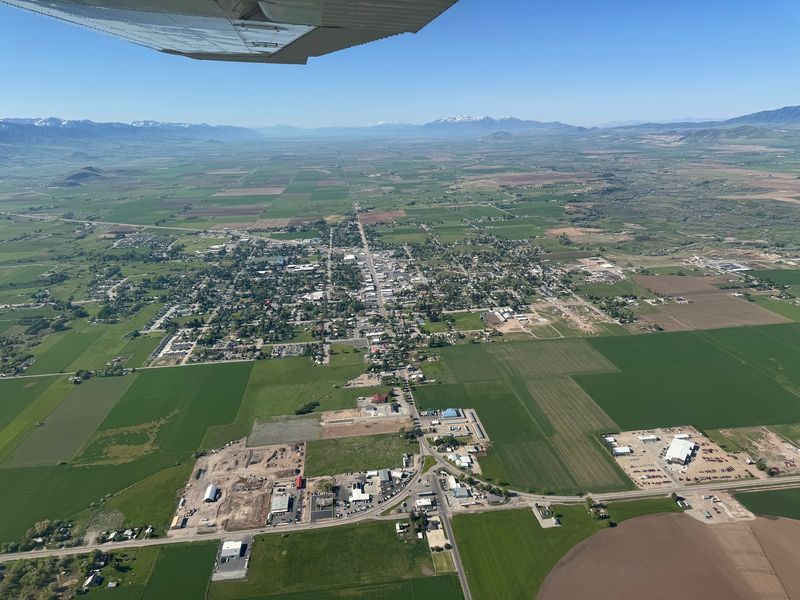
National awards rarely land in towns you can drive across in four minutes.
Yet The Chartis Center for Rural Health named Franklin County Medical Center a 2026 Top 100 Critical Access Hospital, picking it from roughly 1,300 similar facilities spread across the country.
That number matters. Being one of 100 out of 1,300 means the hospital placed in the top eight percent of every critical access hospital in America, competing against facilities in dozens of states.
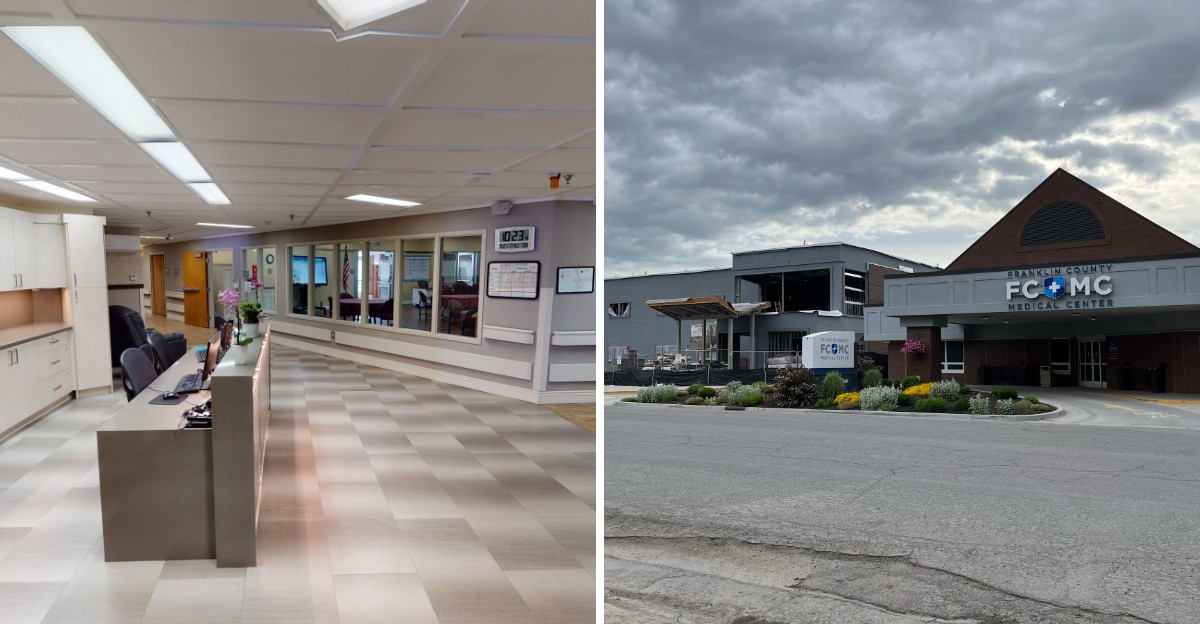
The building itself gives no hint of that.
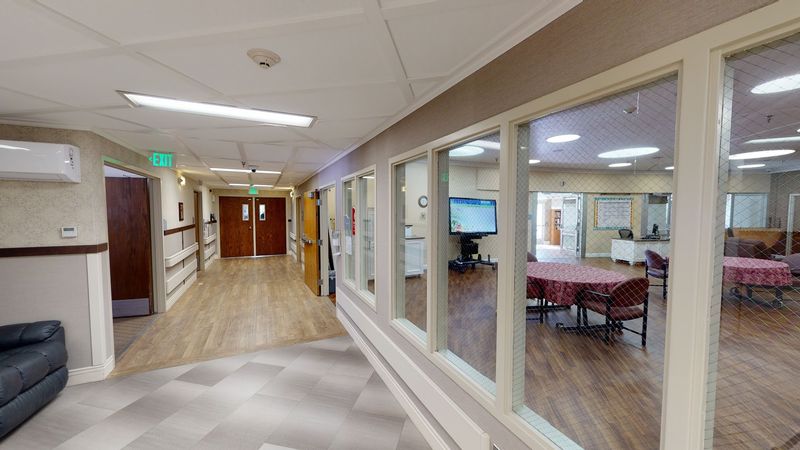
Walk inside and the lobby feels calm rather than cavernous, with quiet hallways instead of echoing corridors.
Chief executive Darin Dransfield has noted that the ranking reflects something patients and staff already experience day to day on campus, not a sudden change in how things are done.
For travelers passing through on the way to Bear Lake or the Cache Valley, it is a reminder that serious quality can live in small packages.
Find Out What Makes This Rural Medical Center Stand Out Nationally
Awards like this are not handed out for good intentions.
The Chartis Center for Rural Health measures hospitals across several hard categories: quality, outcomes, patient perspective, cost, and financial efficiency.
Doing well in one area is achievable.
Doing well in all of them, year after year, is the part that separates a hundred hospitals from twelve hundred others, and that steady performance is what pushed Franklin County Medical Center onto the list.
Financial efficiency deserves a mention, because it is the quiet backbone of rural care.
A hospital that manages its money carefully can keep its emergency doors open, replace aging equipment, and recruit physicians willing to settle in a town of a few thousand people.
Leadership has framed the recognition as confirmation rather than celebration.
According to CEO Darin Dransfield, the honor reflects a daily commitment to excellence that patients and employees already feel walking the halls.
Those measures are paired with continued investment in facilities, clinical services, and technology across the Preston campus.
The metrics simply put language around something the community had already figured out.
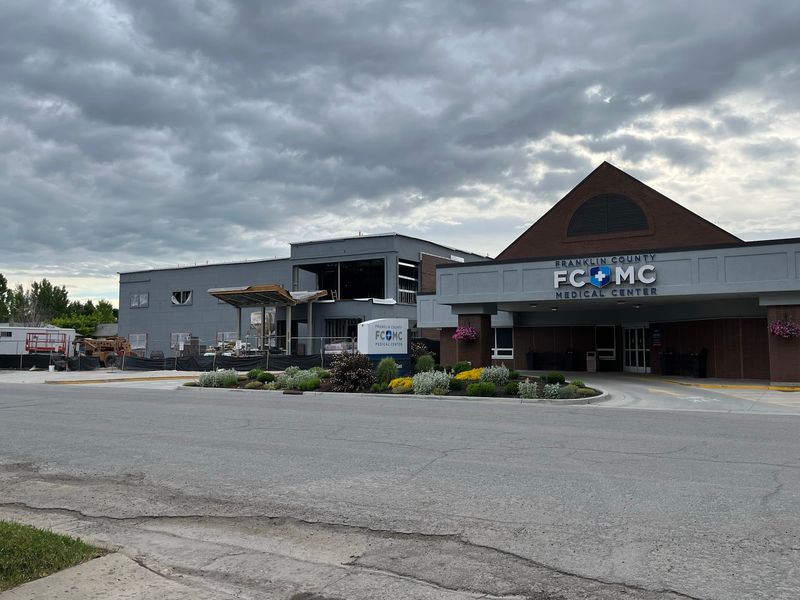
You will find a low, tidy campus with easy parking, a covered entrance, and clean lines of brick and glass at 44 N 1st E in Preston, Idaho.
Discover Why It Was The Only Idaho Hospital To Earn The 2026 Honor
Franklin County Medical Center was the only Idaho hospital named to Chartis’s 2026 Top 100 Critical Access Hospitals list.
Being Idaho’s sole honoree on the 2026 Critical Access list makes the recognition particularly notable within the state. Geography plays an interesting role here.
Preston sits near the Utah border, roughly a half hour north of Logan, so residents technically have options in a neighboring state.
Its location near larger regional medical centers makes the continued expansion of local services especially relevant to Franklin County residents.
The town wears its identity proudly.
Preston is known as the setting for a certain quirky small-town movie, and visitors often stop for a photo before continuing toward the canyons and reservoirs beyond.
Now there is a second point of local pride, less photogenic but far more useful: the knowledge that the local hospital was Idaho’s only facility on the 2026 Top 100 Critical Access Hospitals list.
Learn How Quality, Outcomes, And Patient Experience Factor Into The Ranking
Behind the ranking sits a tool with a formal name: the Chartis Rural Hospital Performance INDEX.
It weighs quality, patient outcomes, and patient perspective right alongside cost and financial efficiency.
Patient perspective is the softest sounding measure and often the hardest to fake.
It captures whether people felt listened to, informed, and respected, which tends to reveal the real culture of a place faster than any brochure.
Two specific programs show that culture at work.
The hospital’s Home Health team holds a 5-star rating in patient satisfaction and is the only agency in its service area to reach that top mark, based on feedback about care, communication, professionalism, and support.
The Transitional Care Unit adds another credential. It received the Silver Achievement in Quality Award for patient-centered care and improved outcomes, and it carries a 5-star rating on the CMS Care Compare system.
Stack those together and a pattern appears.
Together, those separate recognitions add context to the broader quality, outcomes, patient-perspective, cost, and financial measures behind the Chartis recognition.
See Why Critical Access Hospitals Matter So Much In Rural Communities

Picture a winter night in a farming valley, when even a drive to a larger regional medical center can become more difficult because of distance and road conditions.
That scenario explains why the Critical Access Hospital designation exists.
The label applies to small rural facilities that anchor healthcare for communities far from metropolitan hubs.
Franklin County Medical Center carries that designation, which shapes how it is funded and how it is expected to serve the people around it. These hospitals act as local hubs rather than specialty destinations.
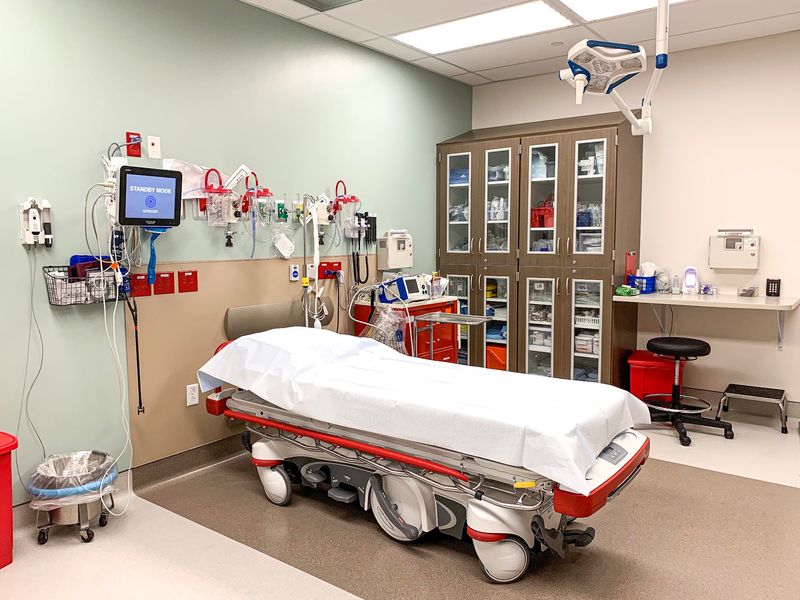
They handle emergencies, deliveries, routine clinic visits, imaging, recovery care, and follow-up appointments, keeping families from stringing together long drives for basic needs.
Distance is the real issue in country like this.
Minutes matter during a cardiac event, a farm injury, or a difficult labor, and having a staffed emergency department in town changes outcomes in ways no ranking fully captures.
There is a community effect too.
Beyond its clinical services, FCMC describes itself as a healthcare hub for Franklin County and surrounding communities in southeastern Idaho.
Take A Closer Look At The Services Available Right Here In Preston
The service list runs longer than most visitors expect from a building this size.
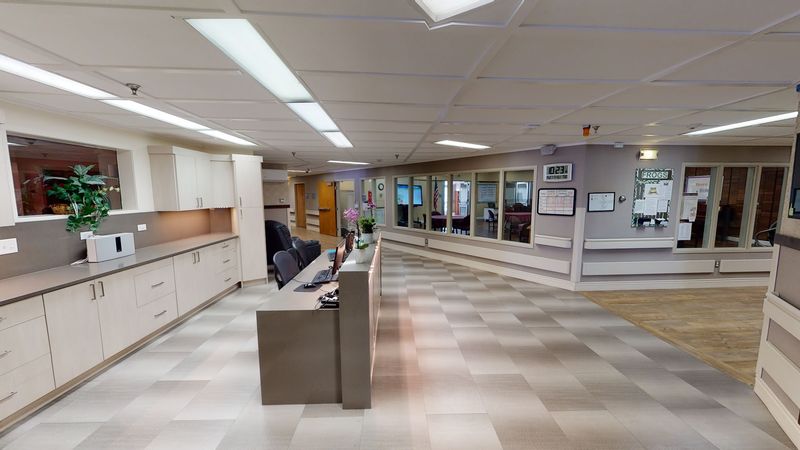
Community health and specialty clinics operate alongside inpatient and outpatient care, labor and delivery, surgery, home care programs, rehabilitation, skilled nursing through the Transitional Care Unit, urgent care, and emergency service around the clock.
Recent years brought visible construction.
A renovated medical campus and a new medical office building expanded the footprint, and the front doors at 44 N 1st E now open onto a facility considerably more equipped than it was a decade ago.
Specialty care grew alongside the buildings.
Urology and gynecology services joined the roster, reducing the number of trips families make out of the valley for appointments that used to require a full day.
Technology received serious attention as well.
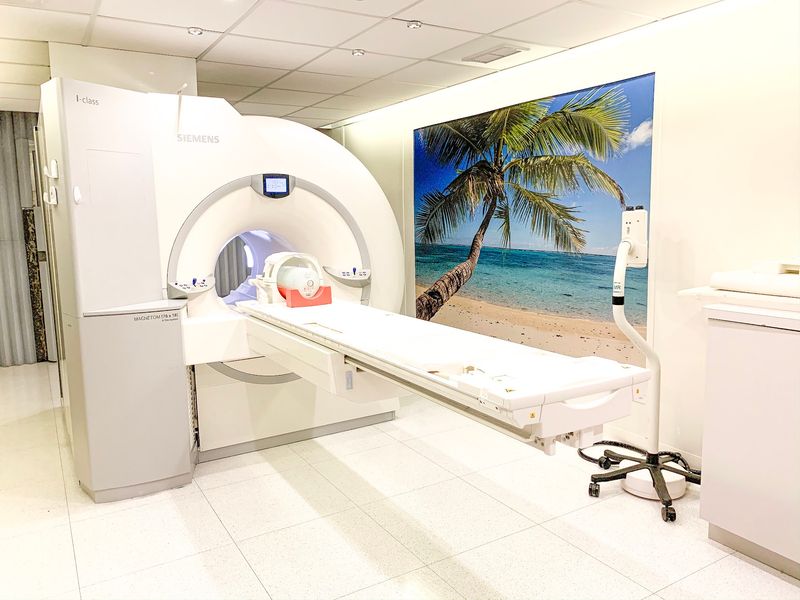
Advanced imaging equipment arrived, including a state-of-the-art MRI, giving physicians detailed answers without sending patients elsewhere for scans. Records went modern too.
The hospital launched the MEDITECH EXPANSE electronic health record system along with the MyHealth patient portal.
Understand How This Hospital Serves A Much Bigger Region Than Its Town Size Suggests

Town population tells you almost nothing about a hospital’s reach.
Franklin County Medical Center draws patients from across its home county and well beyond, serving the broader southeastern corner of the state and the communities scattered through neighboring valleys.
Think about the map for a moment.
The Preston campus combines emergency care, surgical services, obstetrics, and other hospital services in one local facility.
Its Critical Access Hospital role formalizes that responsibility.
The designation exists precisely for facilities that cover wide geographic areas where the alternative is a long, sometimes risky drive. Home care extends the reach even further.
Instead of requiring every patient to travel, the Home Health team drives out to houses along country roads, which matters enormously for older adults and anyone recovering from surgery.
For travelers exploring this stretch of Idaho, the practical takeaway is simple.
Franklin County Medical Center provides emergency and hospital services from its Preston campus at 44 N 1st E.
Know What Makes Franklin County Medical Center Worth Paying Attention To
Consistency is the detail worth remembering.
Repeated recognition as a Top 100 Critical Access Hospital, capped by standing as the only facility in the state to earn the 2026 honor, points to steady effort rather than a lucky year.
The investments back that up.
Modern buildings, upgraded imaging, expanded specialty clinics, and new digital tools all arrived with a clear purpose: keeping quality care within driving distance of home.
Patient-focused results give the story its weight.
A 5-star satisfaction rating in home health and a Silver Achievement in Quality Award for the Transitional Care Unit show the care holds up in the areas patients notice most.
Doors stay open every hour of every day, which in a rural county is less a convenience than a necessity for anyone dealing with a sudden emergency. What lingers, though, is the scale of it.
A small hospital in a farming town competing with hundreds of others and landing near the top offers a hopeful picture of what rural healthcare in Idaho can look like when a community decides its own care is worth investing in.