This Tiny Japanese Market In North Carolina Is Packed With Mochi, Ramen, Candy And Hard-To-Find Imports
I walked in thinking I would browse for five minutes. That was my first mistake.
The second was picking up a basket, because apparently giving myself carrying capacity was all the encouragement I needed.
A few aisles later, I was studying snack packages like they contained important clues and wondering how many kinds of ramen one person can reasonably justify bringing home.
North Carolina has plenty of specialty markets, but this little shop makes curiosity do most of the work.
I kept spotting things I had only seen online, then finding something completely unfamiliar beside them. That turned a quick stop into a full afternoon of “wait, what is this?”
The best part is that the store still feels personal after more than three decades in business. The family behind it knows the products well, which helps when you are staring at a shelf and realizing you have absolutely no idea what to choose.
By the time I finally left, my basket looked like I had been preparing for a very specific international snack emergency.
So much for five minutes. I came in curious.
I walked out with dinner plans, dessert plans, and considerably less self-control than I started with.
Browse Shelves Filled With Genuine Japanese Imports
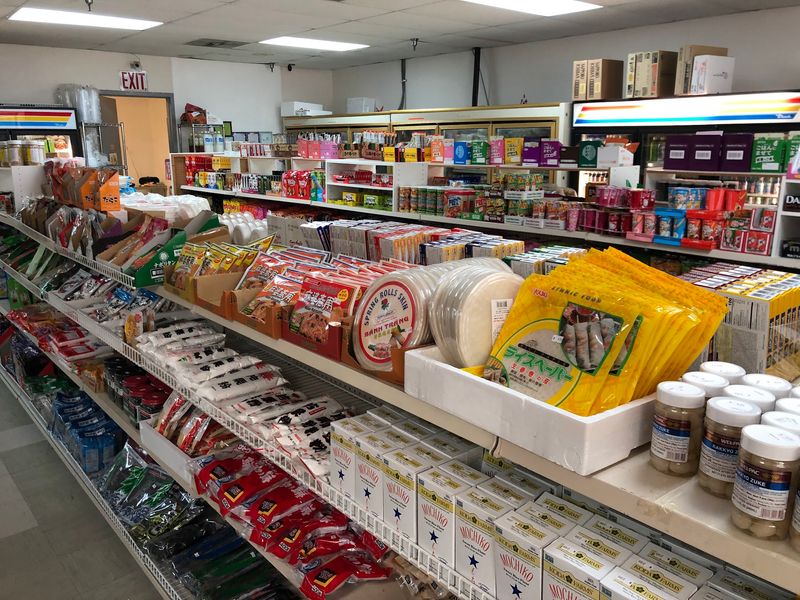
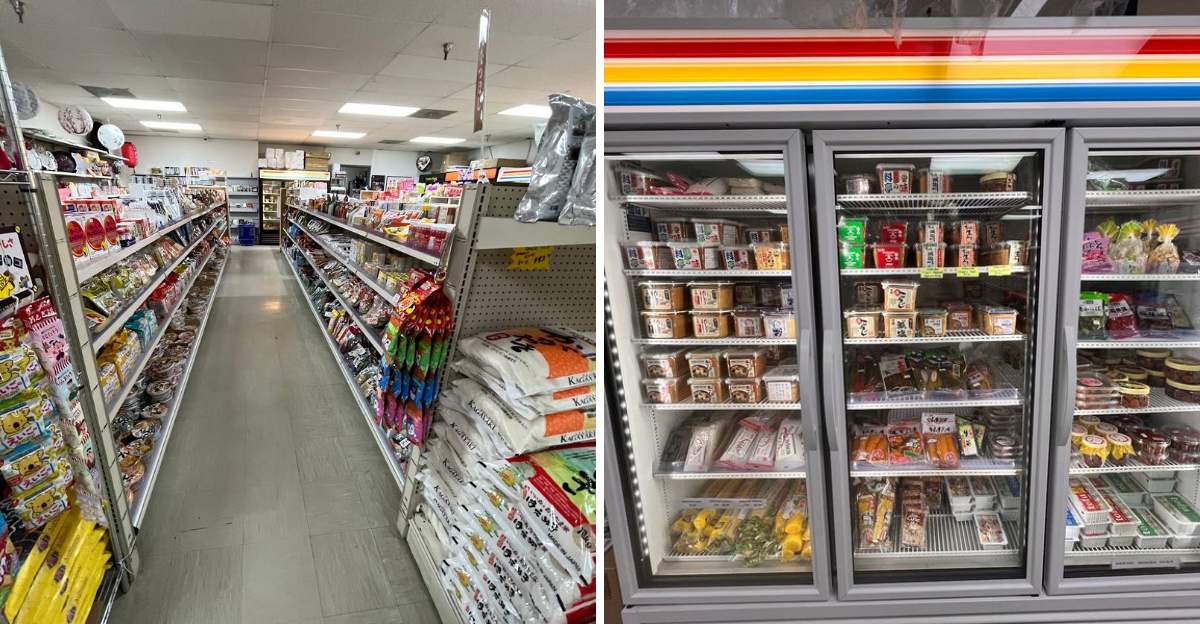
Walking through the door, the first thing that registers is how much fits into such a compact room. Almost every package on the shelves arrived from Japan, so the labels, colors and portion sizes all look a little different from what you find at a chain store.
Bottles of soy sauce line up beside miso paste tubs, curry blocks, sesame oils, rice vinegars and jars of umeboshi plums. Bags of Japanese-grown rice sit low on the shelves, and shelves of tea range from everyday sencha to roasted varieties with a nutty aroma.
Shoppers also come across household goods, ceramic plates and cups, and skin care items sprinkled among the food.
The narrow aisles encourage slow browsing, and reading the back of a package becomes part of the fun.
Business hours run from 10 AM to 7 PM most days, with a 6 PM close on Sunday, so mid-morning visits tend to feel calm and unhurried. Three decades of steady sourcing show in the depth of the selection.
Grab Mochi Candy And Snacks You Rarely See In Regular Grocery Stores
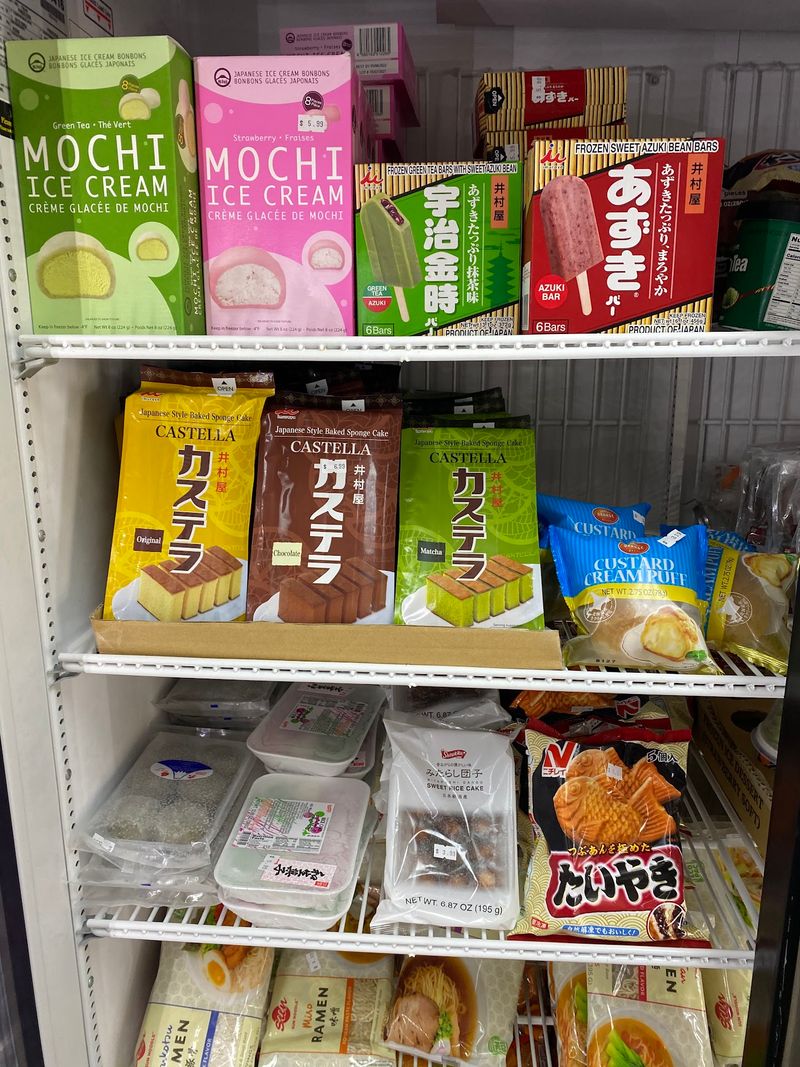
Sweet-toothed shoppers usually end up spending the longest stretch of time in one particular corner.
Mochi shows up in several forms, from soft daifuku with a pillowy chew to sakura mochi supplies for anyone who wants to make the pink spring version at home.
Dango, the little sweet rice dumplings served on skewers, appears alongside candies in wrappers covered with cheerful cartoon lettering. Potato snacks, rice crackers dusted with seaweed, and chewy fruit candies fill the boxes near the register.
Textures are the real story here. Japanese sweets lean less sugary than American candy and more focused on chew, crunch and gentle bean or fruit flavors.
Kids tend to grab something bright, while grown-ups reach for matcha-flavored treats or red bean fillings.
Buying a small mix of a few unfamiliar items makes for an easy tasting session at home, and the prices stay reasonable enough that experimenting does not feel risky.
Stock Up On Ramen Noodles Sauces And Pantry Staples
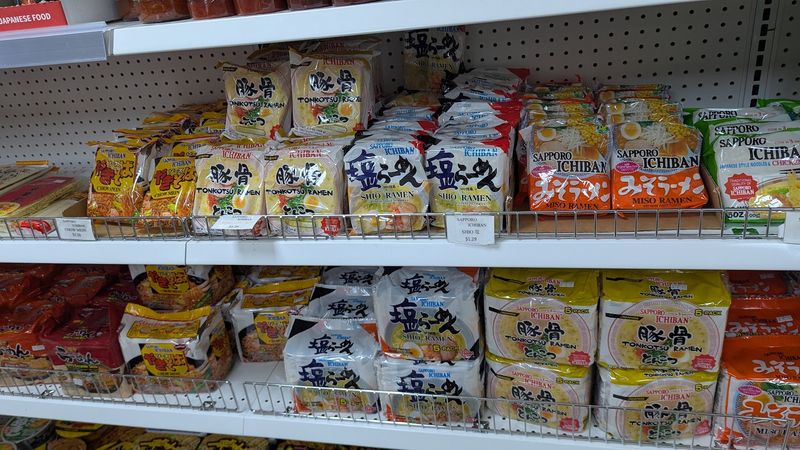
Noodle shoppers, listen closely, because the range goes well past instant packets. Bundles of stand-alone ramen and udon wait to be dropped straight into a pot of boiling water, and beside them sit soup bases, tare concentrates and miso pastes for building broth from scratch.
Curry roux blocks, panko, dashi packets, sesame seeds and furikake seasonings round out the pantry section. Anyone assembling a first Japanese kitchen can walk out with nearly everything needed in a single trip.
Shoppers across North Carolina drive in specifically for these staples, since a dedicated Japanese grocery aisle is not easy to come by in the region. The store’s phone line, 919-319-1620, comes in handy if you want to check stock before making a longer drive.
Try pairing a fresh noodle bundle with a simple miso broth and a soft-boiled egg. The chew of the noodles alone explains why regulars keep coming back for more.
Check The Freezers For Dumplings Desserts And Other Ready-To-Cook Finds
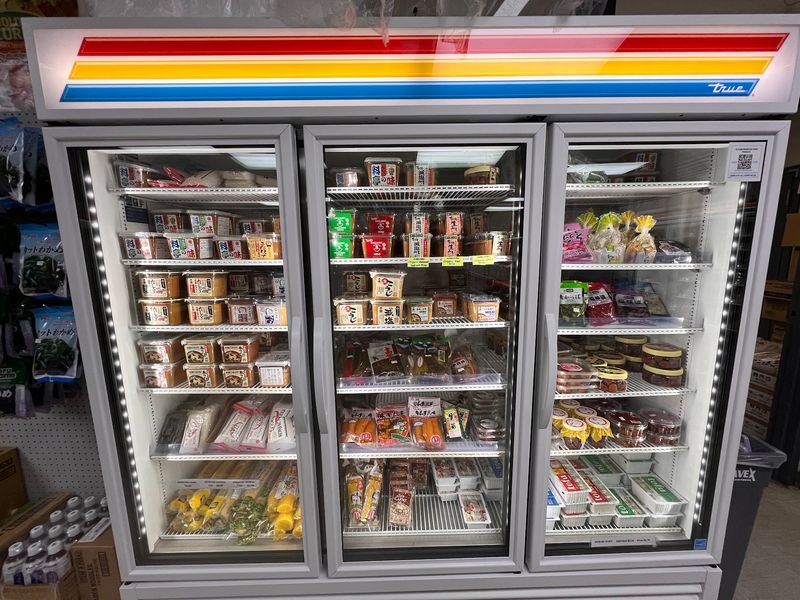
Cold cases along one wall hold some of the shop’s most useful finds. Gyoza dumplings wait in bags ready for a hot pan, and frozen fresh noodles cook in roughly a minute and a half with a bite that dried versions cannot match.
Quality frozen fish rounds out the selection, giving home cooks a starting point for sushi or grilled dishes. Salmon collars and shishamo turn up here too, both simple to cook and rich in flavor.
Desserts share the space, including ice creams and frozen mochi that soften into a chewy shell around cold filling.
Refrigerated shelves nearby carry natto, tofu, kimchi and prepared foods such as kinpira gobo, a savory dish of shredded burdock root and carrot.
A small produce area often stocks cabbage, carrots, daikon, nagaimo and fragrant shiso leaves. Bring a cooler bag if you plan a longer errand run afterward.
Look For Rotating Products That Make Every Visit A Little Different
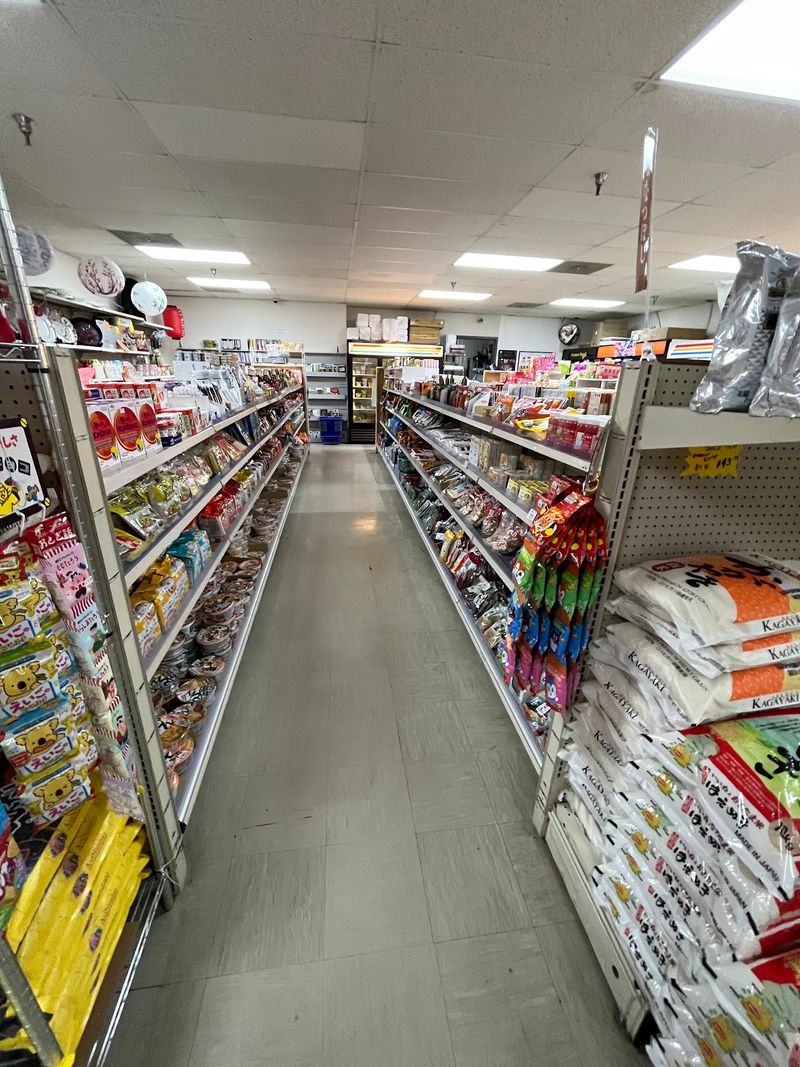
Repeat trips rarely look identical, which is part of the appeal. Portions of the inventory rotate, so a snack flavor you spotted last month may be replaced by a seasonal arrival or a brand-new import.
Autumn might bring chestnut and sweet potato flavors, while spring leans toward cherry blossom themes. Limited-edition candies and drink flavors often appear in small quantities and disappear once they sell through.
Because of that turnover, longtime shoppers tend to scan the front shelves first for anything unfamiliar. It gives an ordinary grocery errand a treasure-hunt feeling.
Practical tip: if something catches your eye and you love it, buy an extra. Restocks depend on what arrives in the next shipment, and popular seasonal items may not return until the following year.
The rotating stock also keeps the shop’s character distinct from larger Asian supermarkets in the Triangle, where selections stay more predictable from week to week.
Pick Up Japanese Gifts Alongside Your Grocery Haul
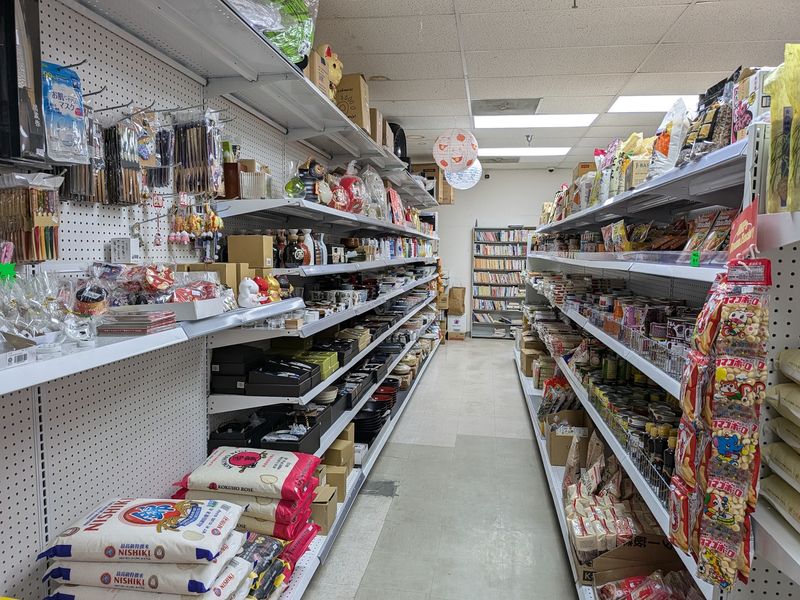
Half the store’s name refers to gifts, and that side is easy to overlook when your basket is filling with snacks. Chopsticks in painted patterns, ceramic bowls, teacups and cloth bags share space with kitchen tools and small household items.
Pieces here work well for anyone who has just started cooking Japanese food at home. A matching set of rice bowls and chopsticks makes a thoughtful present that costs less than most novelty gift-shop finds.
Tea drinkers can pair a bag of sencha with a simple cup for a tidy little package. Families shopping with children often leave with a small stationery item or a character-themed trinket.
Everything carries genuine Japanese origins rather than mass-produced imitations, which is why the gift shelves feel connected to the food rather than tacked on. Shopping for a housewarming, birthday or holiday exchange becomes surprisingly simple in a room this size.
Ask About Hard-To-Find Ingredients You Have Been Trying To Track Down
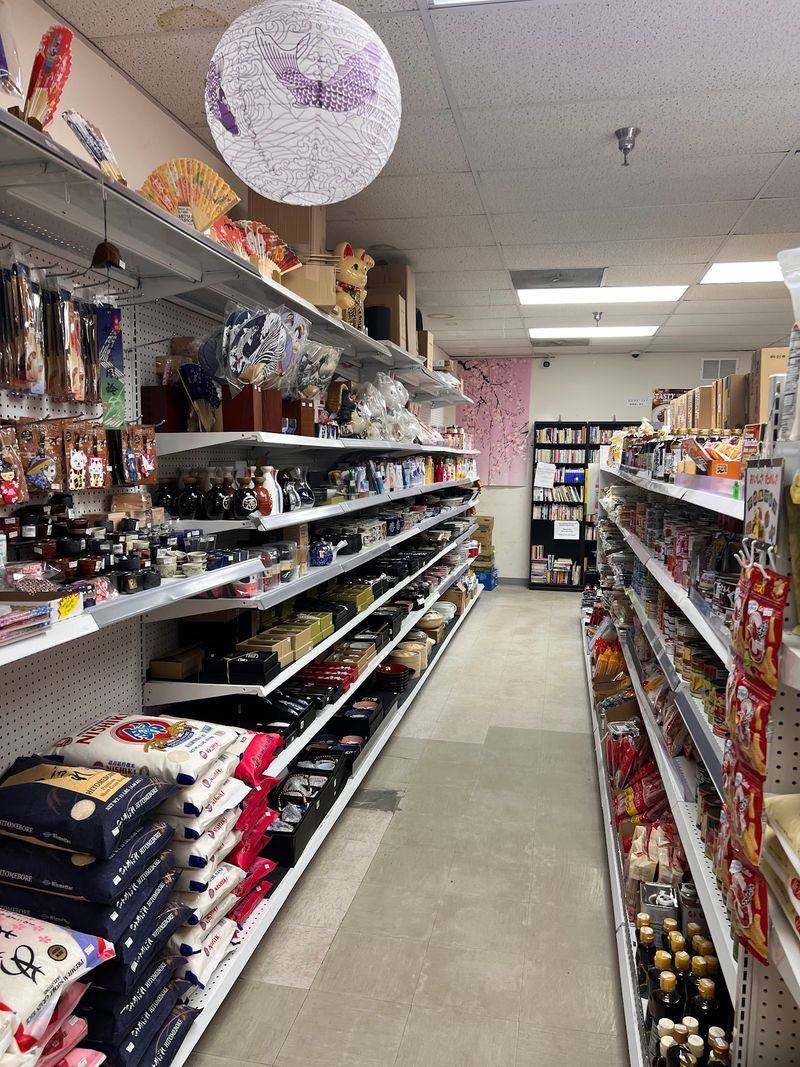
Ever spent weeks hunting for one specific ingredient a recipe insists on?
Conversations at the counter often solve exactly that problem, since the family running the shop knows Japanese brands well and can point out substitutions when needed.
Items like hikiwari natto, umeboshi, shiso leaves and Japanese-grown rice show up here even when larger stores skip them. If something is missing, the team welcomes requests and works to bring in products people actually want.
Asking questions also uncovers products you did not know existed. A shopper looking for one seasoning may leave with a simpler alternative and a cooking tip to go with it.
The shop sits at 748 E Chatham St, Suite L, in Cary, and calling ahead helps when you are chasing something unusual.
Regulars often plan monthly restock trips around whatever they cannot find closer to home, and that back-and-forth shapes the inventory over time.
Fill A Basket Quickly Inside One Of Cary’s Smallest Specialty Markets
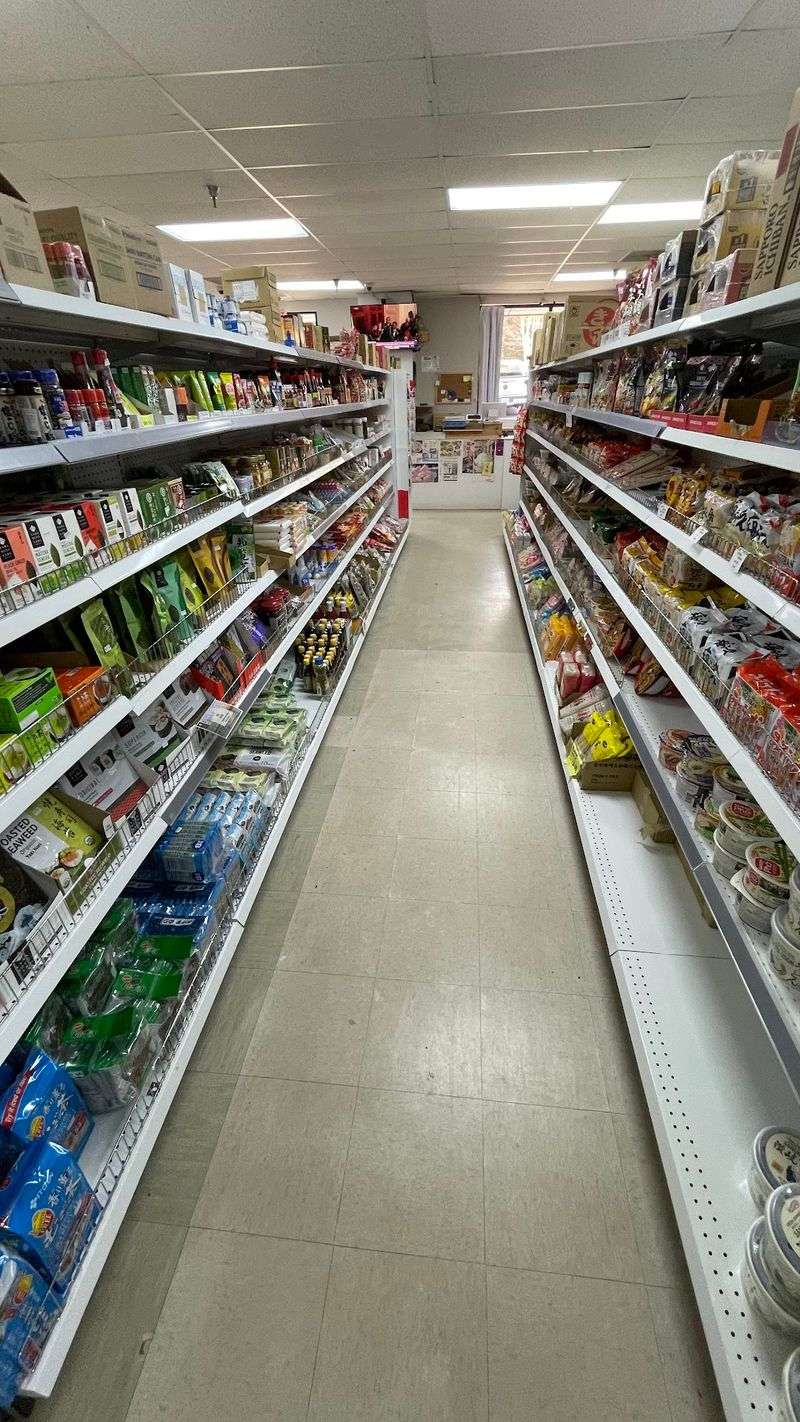
Modest square footage turns out to be an advantage rather than a limitation. You can cover the entire store in a few minutes, which means a full basket of imported goods comes together faster than a lap around a giant supermarket.
Storefront appearances stay unassuming from the parking lot, and the address is 748 E Chatham St, Suite L, in Cary. Inside, shelves stretch floor to ceiling with barely an inch of wasted space.
For much of this part of the state, it stands as the main dedicated Japanese market, drawing shoppers from Raleigh, Durham and farther out. Some drive forty minutes each way and treat it as a monthly stock-up run.
Weekend afternoons feel livelier, while weekday mornings offer room to linger.
Whether you need one bottle of soy sauce or a full pantry reset, the trip rarely takes long and almost always ends with something unplanned in the bag.