This Tiny Kentucky Coal Town Church Has A Surprising Connection To Mother Teresa
Mother Teresa herself showed up in a small Appalachian coal town in 1982. She came to open her order’s first rural mission in America.
Her sisters never left. More than four decades later, the Missionaries of Charity still serve these hills in their blue-and-white habits.
I love that the story starts with a priest’s simple request. He asked one of the most famous women on Earth to come to eastern Kentucky, and she said yes.
I can’t imagine the nerve that letter took, or the joy when the answer arrived.
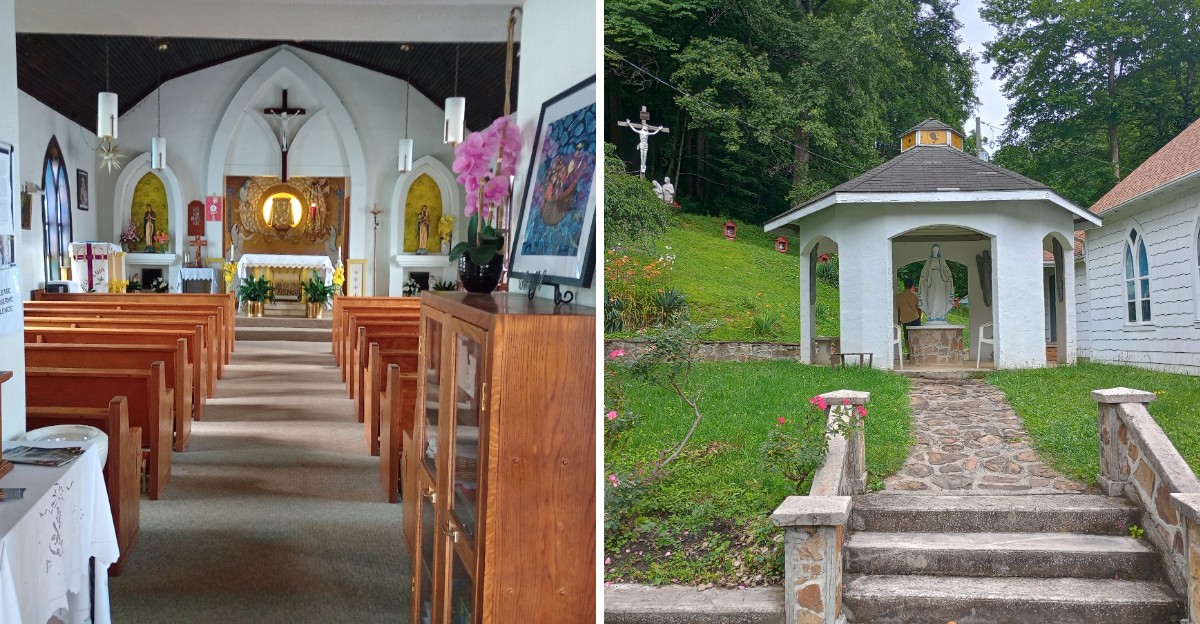
The little parish she prayed in is still standing, and it’s still holding Mass. It sits on a hillside above a creek, built long ago for immigrant miners.
I believe some of the best stories hide in the smallest buildings. How did a saint end up here?
A Priest Asked A Saint For Help, And She Actually Came
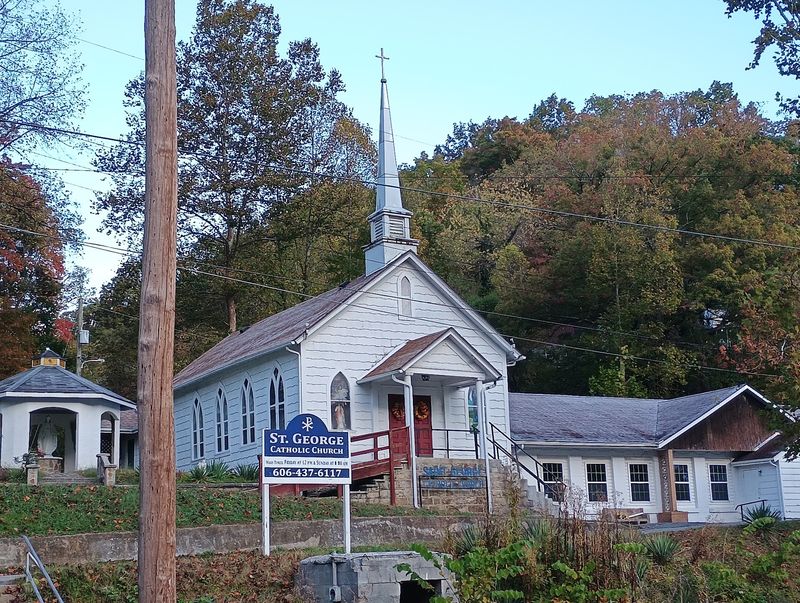
Father Edward Randall had a big ask and a small parish. He wanted Mother Teresa to open a mission in the Appalachian coalfields.
That’s like inviting a world leader to your backyard cookout.
St. George Catholic Church in Jenkins, Kentucky, is where that bold request led. Mother Teresa won the Nobel Peace Prize in 1979.
Three years later, in 1982, she came to Jenkins in person.
She came to oversee the opening of the Missionaries of Charity’s first rural mission in the United States. While she was in town, she attended Mass at St. George.
That moment turned a quiet mountain parish into a page of Catholic history.
I like how ordinary the setting was. There were no grand plazas and no crowds of photographers lining city streets.
There was just a coal town, a hillside church, and a nun famous for serving the poorest of the poor.
Think about what that meant for the families here. A woman known around the globe chose their hollows as a place worth her time.
That kind of attention can change how a whole town sees itself.
You’ll find the church at 22 Dotty Lane, Jenkins, Kentucky.
The Rosebush That Bloomed Way Ahead Of Schedule
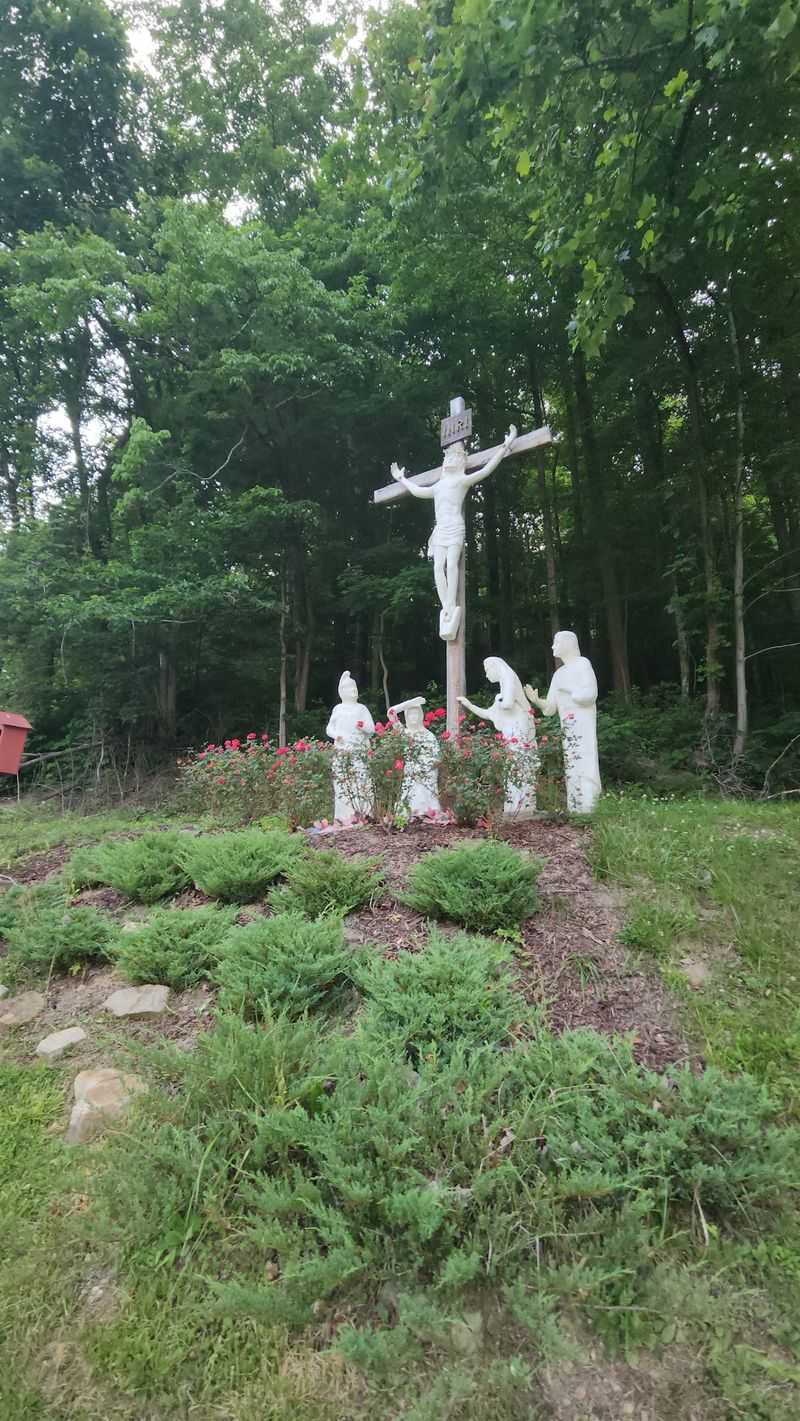
Roses usually keep a strict calendar. At St. George, one rosebush apparently didn’t get the memo.
It bloomed unexpectedly early, and the parish took notice.
Catholic Extension describes this bloom as the first of the three miracles of St. George. It came before a pivotal phone call that changed everything for the parish.
That call was tied to Father Randall’s plea to Mother Teresa.
You don’t have to be a gardener to enjoy this one. A flower showing up early feels small, almost easy to miss.
Yet it became part of how the parish tells its story.
I believe that’s the charm of it. Big history often starts with tiny signs that only make sense later.
A bloom on a hillside became a symbol of hope in a struggling coal town.
Parishioners still share the story with wonder. It’s the kind of detail that sticks with you long after you leave.
Next time a plant surprises you, you may think of Jenkins.
Not every miracle needs thunder and lightning. Sometimes it looks a lot like a rose that couldn’t wait.
Built By A Coal Company For Immigrant Miners
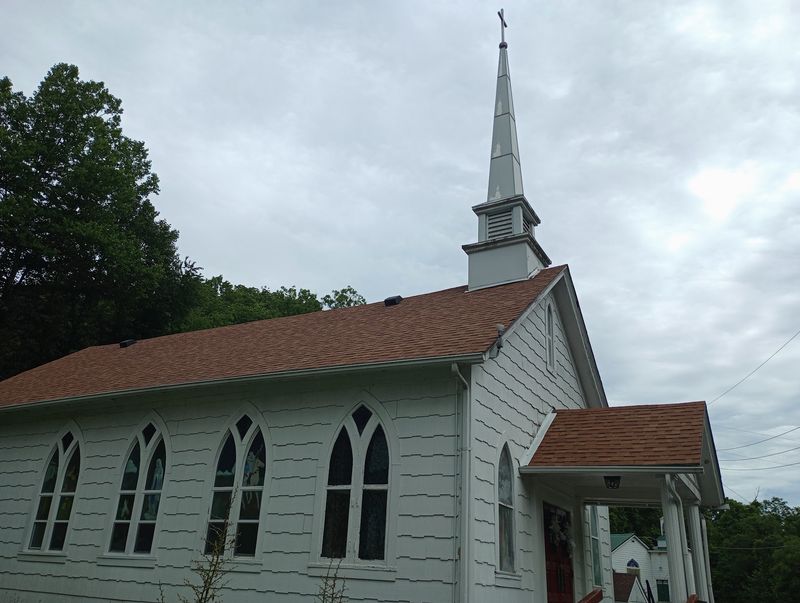
In 1913, a coal company decided its new town needed a Catholic chapel. Consolidation Coal Company built a mission chapel for the immigrant Catholic workers pouring into Jenkins.
The town itself was a planned company town.
Those workers came from across Europe. They brought their languages, their foods, and their faith into the Kentucky mountains.
St. George gave them a spiritual home far from the places they grew up.
The first resident pastor was Father James Massa, a young Italian priest. He arrived in January 1913.
His mission territory covered about 1,800 square miles across Pike, Letcher, Knott, and Perry Counties.
That’s a lot of ground for one priest. I can’t imagine how many mountain roads he traveled to reach scattered families.
Some weeks must have felt like one long trip.
By 1914, simple frame buildings stood for the church and rectory. They sat on a sloping hillside along Little Elkhorn Creek.
Coal, faith, and immigration all built this parish together.
That mix gives St. George a heritage you won’t find in many Central Appalachian churches.
The Name Comes With A Family Twist
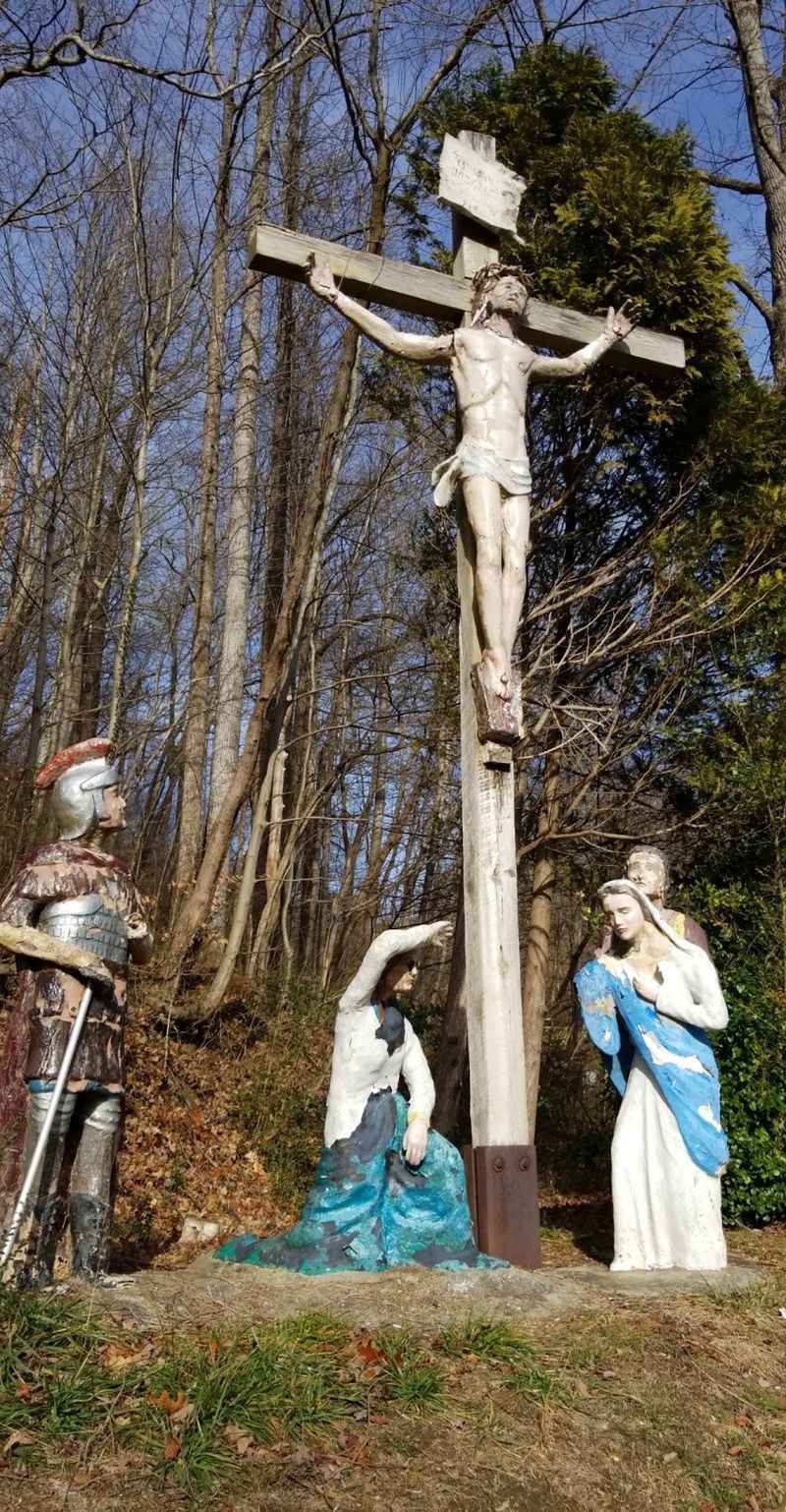
Ever wonder why a mountain parish ended up named St. George? The answer involves a bishop and some very important coal investors.
It’s a neat bit of trivia to pull out on a road trip.
The parish honors Bishop George A. Carrell.
He was the first Bishop of Covington. He was also an ancestor of the Jenkins family.
That family name should sound familiar. The Jenkins family were major stockholders in the coal company that built the town.
So the church name quietly links faith, family, and business in one word.
I like how history hides in plain sight like this. A name on a sign can carry a whole backstory.
Most people drive by without ever knowing it.
Here’s a practical tip for curious travelers. Small towns in coal country often have names tied to company leaders and investors.
Asking where a name came from can unlock surprising stories.
At St. George Catholic Church, the answer stretches back more than a century. It connects a Kentucky bishop to the families who shaped this mountain town.
Not bad for a single name.
Blue And White Habits Still Walk These Hills
Forty-plus years is a long time to stay anywhere. The Missionaries of Charity have done exactly that in Jenkins.
Their steady presence is the living heart of the Mother Teresa connection.
Mother Teresa established a convent at 44 Cove Avenue in 1982. That street was once reserved for top Consolidation Coal officials.
Now it houses sisters devoted to serving the poor.
Talk about a plot twist. The homes of company bosses became a base for women who own almost nothing.
I believe Mother Teresa would have appreciated that irony.
Today, four sisters continue her work. They minister alongside St. George Catholic Church.
They’re often seen walking the hills in their distinctive blue-and-white habits.
Their days include visits to homes and hospitals. They bring hope and practical help to families in the Appalachian hollows.
Their work is quiet, personal, and steady.
The convent sits within walking distance of the church. That closeness makes the bond between parish and sisters easy to see.
If you visit Jenkins, remember these sisters are still working. Their mission is ongoing, not a museum exhibit.
Parishioners Became Rescuers When The Water Rose
Up to 16 inches of rain fell in July 2022. Flash floods tore through parts of eastern Kentucky.
Jenkins was declared a federal disaster zone.
Water rushed into homes from every direction. Creeks and rivers overflowed fast.
It was the kind of night nobody in town will forget.
Parishioners from St. George Catholic Church stepped up. They worked together to rescue 11 people that night.
Jenkins came through without losing a single resident to the flood.
That’s a staggering result for such a tiny congregation. I can’t imagine the courage it took to wade out in the dark.
These were neighbors helping neighbors in the most urgent way possible.
The help didn’t stop when the rain did. The missionary sisters kept assisting families whose homes became unlivable.
Recovery takes months, and they stayed for the long haul.
It’s a strong reminder that a parish isn’t only about Sunday services. Sometimes it’s about knowing who lives down the road and showing up for them.
St. George proved that when it mattered most.
A Gentle Presence Where Recovery Begins
Addiction has hit Appalachia hard. The sisters in Jenkins don’t look away from it.
They go straight toward the people who are struggling most.
Their ministry reaches local prisons and drug rehab centers. There, they meet people who have hit desperate lows.
Many of them are hoping for a fresh start.
Catholic Extension describes the sisters as a prayerful, nonjudgmental, and gentle presence. That description says a lot.
People in recovery often need kindness more than lectures.
I like that their approach is simple. They show up, listen, and pray.
No flashy programs, just consistent care from people who keep coming back.
This work ties right back to Mother Teresa’s original vision. She wanted her sisters serving the poorest of the poor.
In Kentucky coal country, that includes people fighting their way out of addiction.
Here’s a takeaway anyone can use. You don’t need special training to offer someone patience and respect.
Sometimes being present is the most helpful thing you can do.
The sisters at St. George make that look natural. Their example reaches far beyond the church walls.
Small Congregation, Big Stained Glass Energy
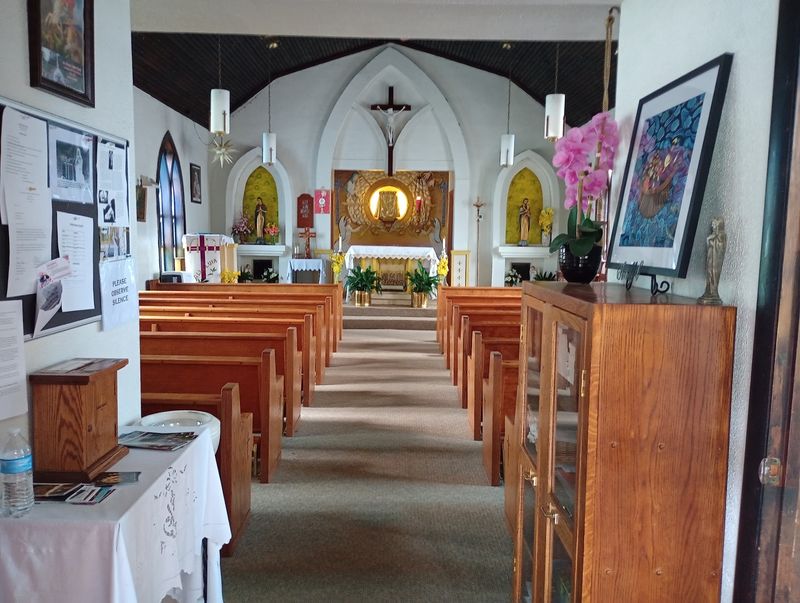
About 24 households. That’s roughly the size of St. George Catholic Church today.
It counts among the smallest congregations in the Diocese of Lexington.
Don’t let that number shrink your expectations, though. One parishioner famously said there is no cathedral as beautiful as here.
That’s high praise for a hillside parish in a coal town.
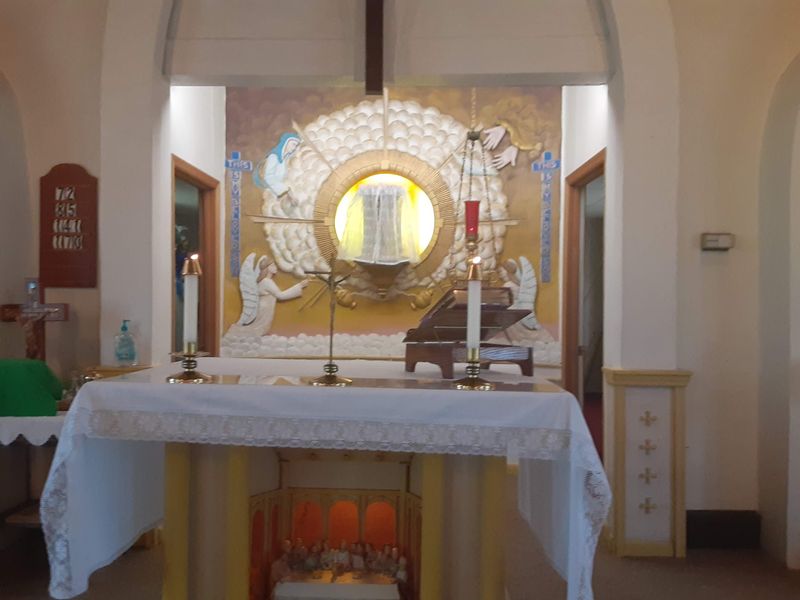
The church has rural charm and stained glass windows that add color to its quiet interior. It still hosts Mass for the local community.
Mass times are generally held in the morning on most days.
It’s best to check the parish’s social media for current Mass times before you go. Schedules in small parishes can shift.
Please remember this is an active place of worship. Dress respectfully and keep your voice low inside.
A small parish feels every visitor, so a little courtesy goes a long way.
I believe tiny churches often feel the most personal. Everyone matters when the pews are few.
St. George seems to prove that every single week.
Your Pilgrimage Has A Bench Waiting For You
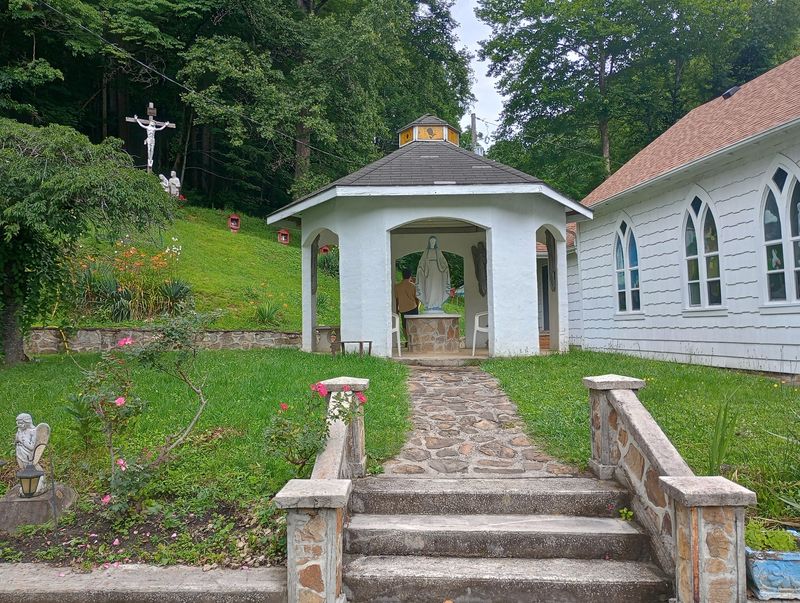
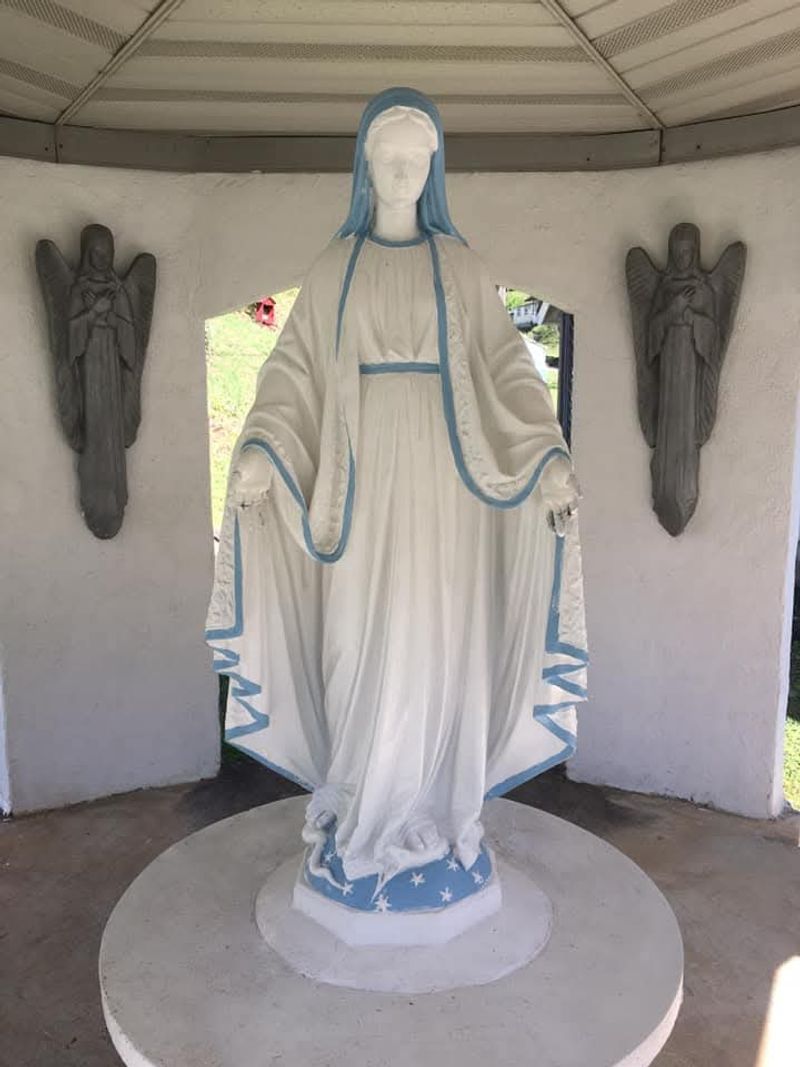
Saint Teresa of Calcutta has a shrine in Jenkins, and it comes with a bench. That’s a thoughtful touch.
Prayer goes better when your feet get a break.
The shrine sits on the grounds of St. George Catholic Church. It includes a statue of the saint.
It offers a calm spot for reflection on a mountain hillside.
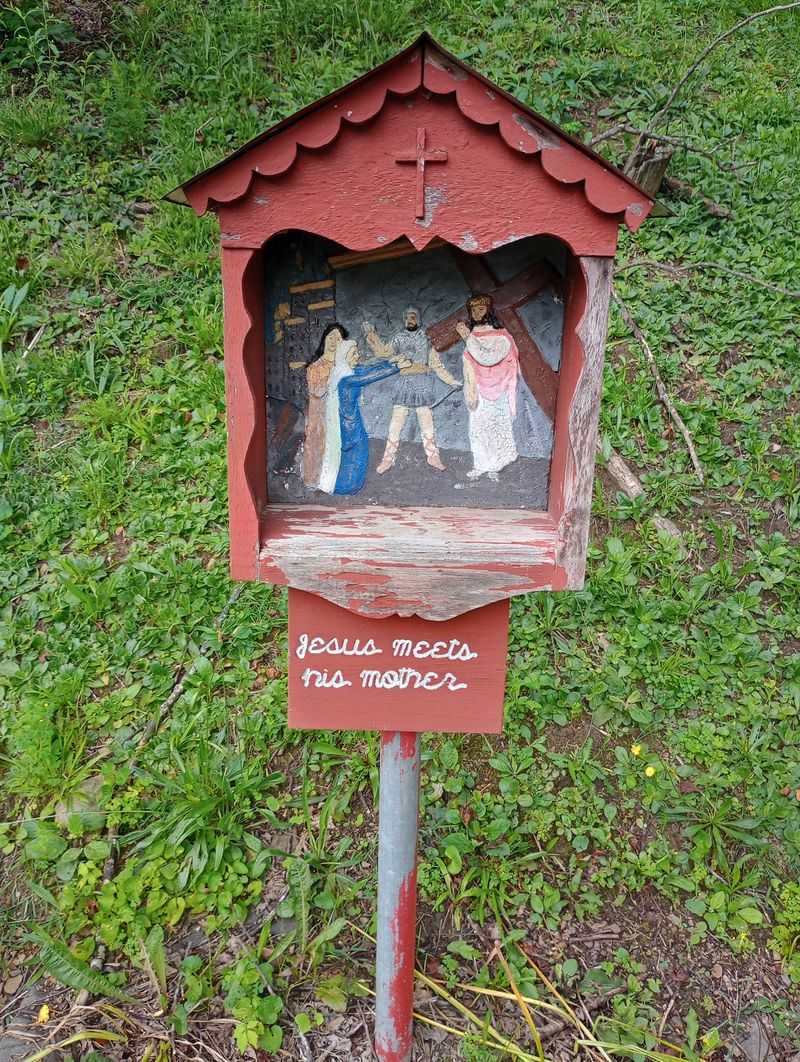
St. George is a key stop on the Merciful Way, a pilgrimage trail in Jenkins, Kentucky. The trail highlights Mother Teresa’s legacy.
It also celebrates Catholic heritage woven into Central Appalachian mountain culture.
Walking it lets you follow her footsteps from 1982. You can see the same community she came to serve.
That makes the experience feel personal instead of distant.
A few tips help. Wear comfortable shoes, since this is hill country.
Bring water and give yourself time to slow down.
I love that a tiny town built a trail around compassion. Most pilgrimages lead to famous cathedrals overseas.
This one leads to a humble coal town, a small church, and a bench with a view. Honestly, that sounds like a pretty good trade.