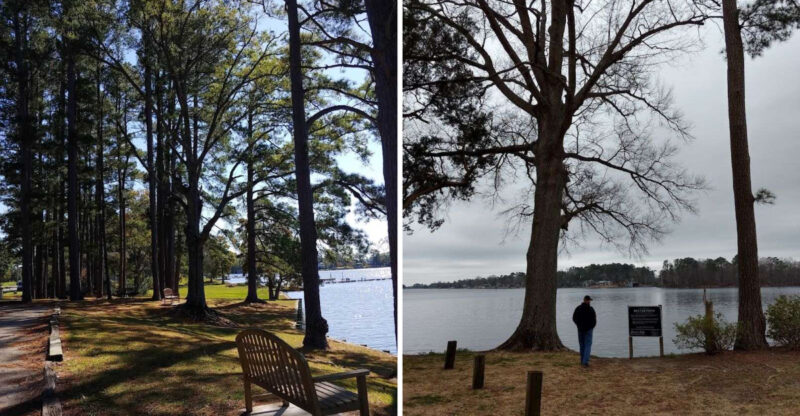
This Tiny North Carolina Village Sits Where A 2,300-Mile Highway Finally Ends
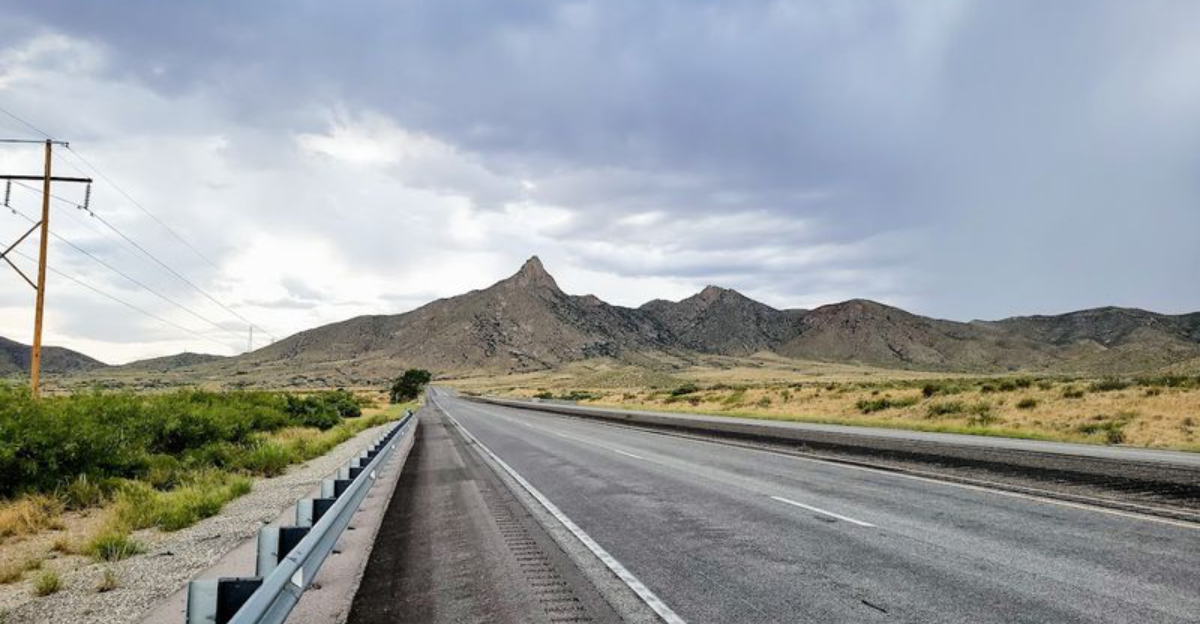
Highways usually end with a sign, but this one feels like it runs out of land and politely hands the job to the marsh.
After more than 2,300 miles of pavement, U.S. Route 70 reaches a tiny North Carolina fishing village where the road finally stops trying to impress anyone.
No skyline waits at the finish line. No grand monument jumps into traffic.
Just quiet water, working boats, and the strange little thrill of realizing a cross-country route has ended in a place most people barely know exists.
Atlantic feels like the highway’s final exhale, which is exactly what makes it so fascinating.
Big journeys deserve endings like this.
A Tiny Carteret County Village At The End Of A 2,300-Mile Road
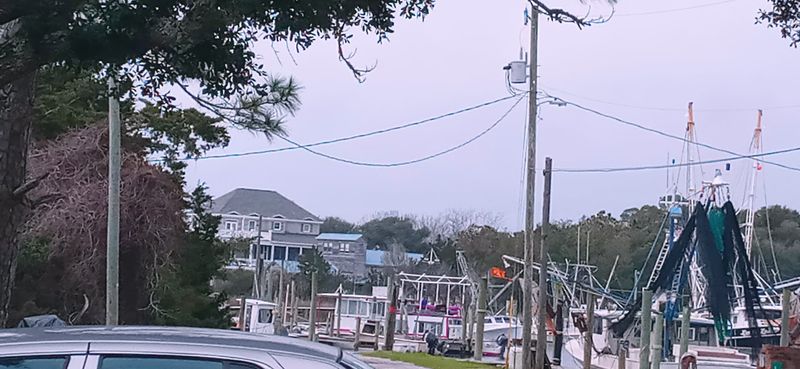
Some places announce themselves with skyline views, boardwalk lights, or traffic thick enough to make everyone regret leaving home. Atlantic does the opposite.
This small Carteret County community sits low and quiet beside Core Sound, where marsh grass, open water, modest homes, and working-waterfront rhythms shape the mood. Its claim to fame is oddly enormous for a place this small: U.S.
Route 70, one of the country’s long east-west highways, ends here after crossing thousands of miles of American landscape. The actual eastern endpoint is at Seashore Drive and School Drive, Atlantic, NC 28511, which gives road-trip fans a very specific finish line to seek out.
The setting does not try to turn that fact into a tourist spectacle. That restraint makes the place more interesting.
Atlantic still feels like a real village first, not a roadside attraction second. Daily life moves around the water, the roads, the school, the docks, and the quiet routines of a Down East community.
Visitors who arrive expecting neon signs or a big ceremonial arch may be surprised by how ordinary the endpoint looks. Yet that ordinary quality gives the moment its charm.
After more than 2,300 miles, the highway does not end with noise. It ends beside a village that seems perfectly content to let the road rest.
U.S. 70 Makes Its Final Stop Beside Core Sound
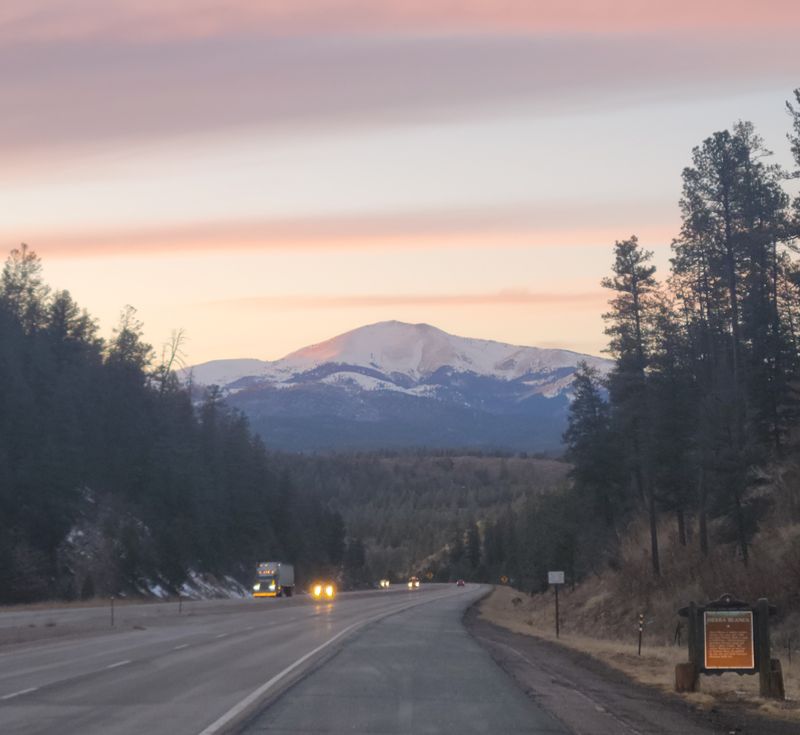
Road endings feel more poetic when water is waiting at the edge, and U.S. 70 gets exactly that kind of finale in Atlantic.
The highway begins far away in Globe, Arizona, then crosses New Mexico, Texas, Oklahoma, Arkansas, Tennessee, and North Carolina before reaching this quiet stretch of Carteret County.
By the time the route reaches Down East North Carolina, the scenery has changed completely. Desert, plains, mountain towns, big cities, and inland highways give way to flat coastal roads, marshland, creeks, and the broad presence of Core Sound.
The final miles feel less like a grand approach and more like a slow exhale. That makes the endpoint feel strangely satisfying.
There is no need for a huge roadside attraction when the landscape already tells the story. The road simply narrows into a community where land and water meet in a practical, everyday way.
For highway enthusiasts, standing near the terminus gives the place an extra charge. Looking westward, the same numbered route connects all the way back across a huge sweep of the country.
Looking eastward, the road cannot go much farther because coastal water and marsh take over. Atlantic gives U.S. 70 a finish that feels humble, geographic, and memorable all at once.
The Highway’s Big Cross-Country Story Ends Quietly Here
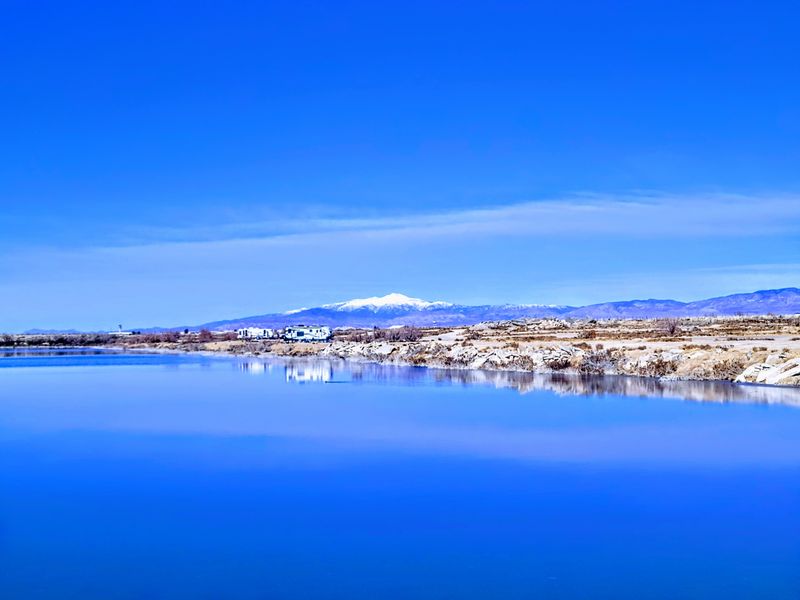
Long highways collect a strange kind of memory. Every mile carries gas stations, diners, farms, city exits, mountain curves, construction zones, and travelers who may never think much about the number on the sign.
U.S. 70 has carried that kind of movement for generations, but its last chapter is not dramatic in the usual travel-story sense. Atlantic gives the route a soft ending, not a loud one.
The terminus near Seashore Drive and School Drive sits inside a village where the landscape feels more practical than performative. Roads serve homes, boats, workers, families, and school routines.
The famous highway designation is there, but it does not overwhelm the community around it. That contrast is what makes the place worth noticing.
Bigger towns might have turned the endpoint into a branded landmark with banners, shops, and endless photo stops. Atlantic lets the fact remain almost understated.
Road-trip fans may arrive with cameras and curiosity, but the village keeps moving at its own pace. Fishing, crabbing, weather, tides, and family history matter more here than highway trivia.
Still, knowing that a road from Arizona finally ends in this tiny North Carolina place changes how the view feels. Suddenly, a quiet intersection becomes the final sentence in a very long American travel story.
Atlantic Feels Smaller Than Its Roadside Claim To Fame

A village of a few hundred people holding the endpoint of a highway this long feels like a geography joke that turned out to be true. Atlantic’s 2020 population was 468, which makes the scale of its roadside claim even more surprising.
The community is not a resort town, and it does not carry the busy polish of North Carolina’s better-known beach destinations. Streets feel local.
Waterfront views feel tied to work as much as scenery. The pace is slow because the place is small, remote, and shaped by its Down East setting.
That makes the highway endpoint feel less like an attraction and more like a discovery. Visitors have to want to be here.
Atlantic is not usually stumbled upon by people following the state’s most common vacation routes. Its position near Core Sound gives it an end-of-the-road quality even without the U.S. 70 connection.
Add the terminus, and the village becomes quietly fascinating. The road’s enormous reach and the community’s tiny footprint create a memorable contrast.
Atlantic does not need big crowds to matter. It matters because it marks a place where a national route becomes local pavement, then finally stops.
That kind of detail is easy to miss, but once noticed, it makes the village feel much larger on the map.
Fishing-Village Calm Replaces The Long Highway Rush
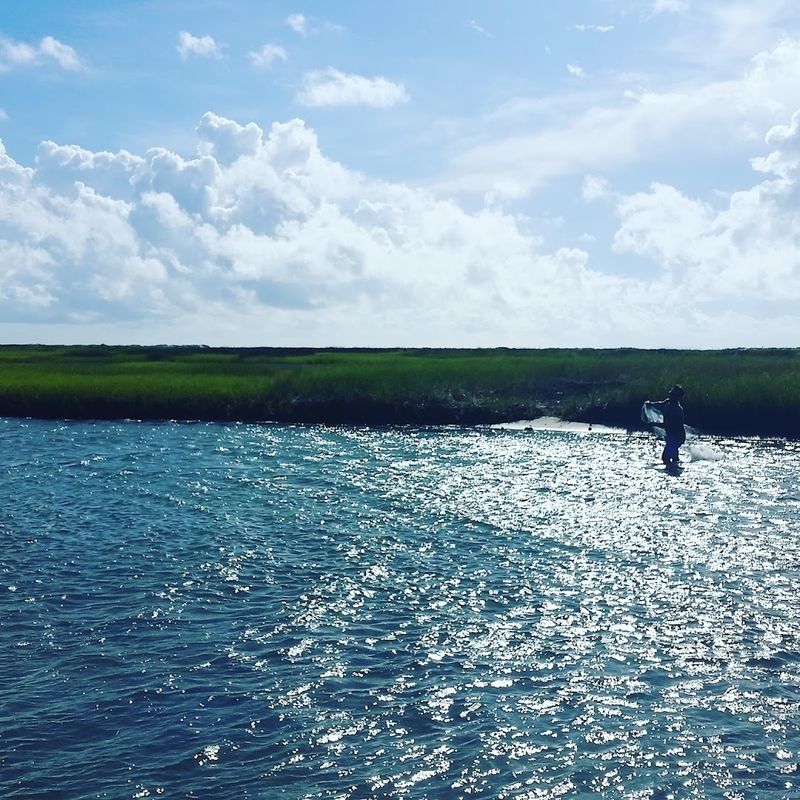
After a highway spends so many miles moving people across the country, Atlantic feels like the opposite of motion. The village sits in a maritime region where water still shapes daily life, and that makes the endpoint of U.S. 70 feel more grounded than decorative.
Core Sound, nearby creeks, marshes, and working boats give the area its character. Generations of families in Down East communities have lived close to fishing, crabbing, boatbuilding, decoy carving, and the demanding rhythms of coastal weather.
Atlantic fits into that larger world. Visitors should not expect the polished look of a tourist waterfront.
The appeal here is quieter and more real. Boat sounds, wind, open sky, weathered buildings, and marsh edges create a sense of place that no theme-driven destination can copy.
That atmosphere also changes how the highway’s ending feels. A road associated with movement, commerce, travel, and distance finally reaches a community where time seems to run by tides and work routines instead of traffic lights.
The result is strangely calming. Anyone who has followed U.S. 70 eastward through busier parts of North Carolina may notice the shift most clearly.
By Atlantic, the rush has drained away. What remains is a village, a sound, and a road with nowhere else to go.
School Drive Marks The Road’s Eastern Finish Line
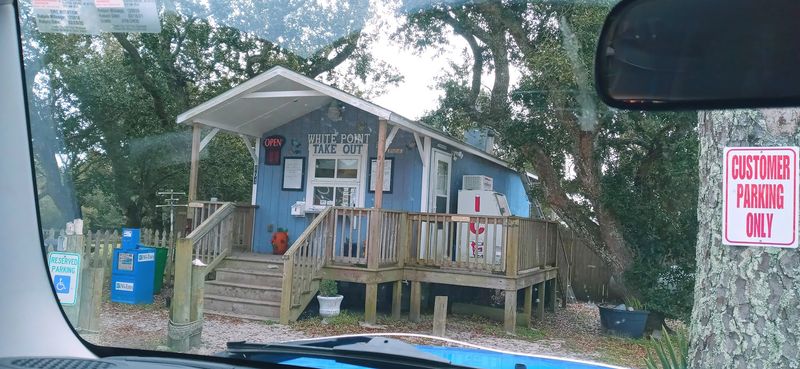
Every long road needs one final point on the map, and U.S. 70’s eastern endpoint is tied to School Drive in Atlantic. More specifically, highway references identify the terminus at Seashore Drive and School Drive, a modest spot that looks far less dramatic than the distance behind it suggests.
That is part of the appeal. The name School Drive gives the place a local, everyday feeling, as if one of America’s long highways chose to end beside the ordinary routines of a small community rather than beside a monument.
Road-trip enthusiasts may treat this as a destination, but for residents, it is simply part of the village’s layout. That overlap between national significance and local normalcy makes the endpoint feel unusually human.
A traveler can stand there and imagine the route continuing west through North Carolina, Tennessee, Arkansas, Oklahoma, Texas, New Mexico, and Arizona. At the same time, the immediate surroundings stay small and quiet.
No one needs a giant sign to understand the scale once the fact sinks in. The road has crossed nearly everything it can cross, then comes to rest in a place where school, water, homes, and marshland are the main landmarks.
School Drive may look unassuming, but it gives U.S. 70 its final punctuation mark.
Core Sound Gives The Last Miles A Coastal Backdrop
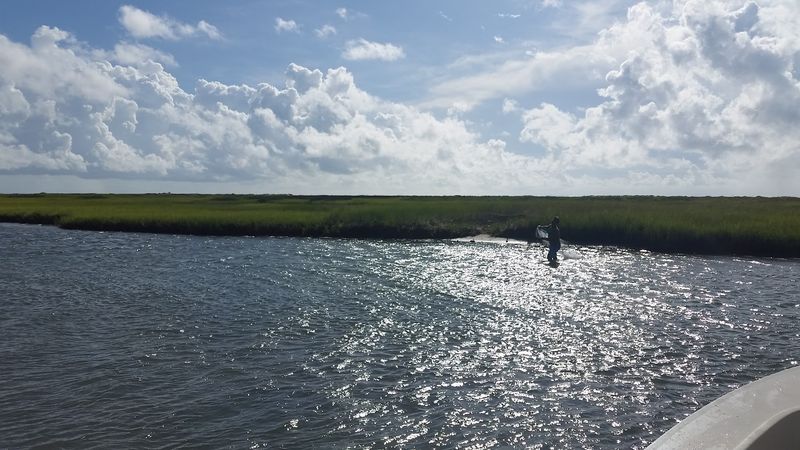
Core Sound is one of those bodies of water that rewards patience. Stretching along the eastern edge of Carteret County, it separates the mainland communities from the narrow barrier islands of the Outer Banks.
For travelers arriving at the end of U.S. Route 70, Core Sound provides a breathtaking natural conclusion to a very long journey across the American landscape.
The sound is known for its shallow, calm waters, which support an impressive variety of wildlife. Wading birds stalk the shallows at low tide, dolphins occasionally surface in the distance, and the sky above is frequently alive with pelicans and ospreys.
Kayakers and small boat enthusiasts find Core Sound particularly appealing because of its protected, gentle nature.
Sunsets over the sound are genuinely spectacular, painting the water in shades of orange and pink that photographers travel specifically to capture.
The Core Sound Waterfowl Museum and Heritage Center, nearby in Harkers Island, tells the full story of the communities that have depended on these waters for centuries.
Core Sound is not just a backdrop here in North Carolina. It is the main event.
North Carolina Saves A Very Quiet Ending For This Famous Highway
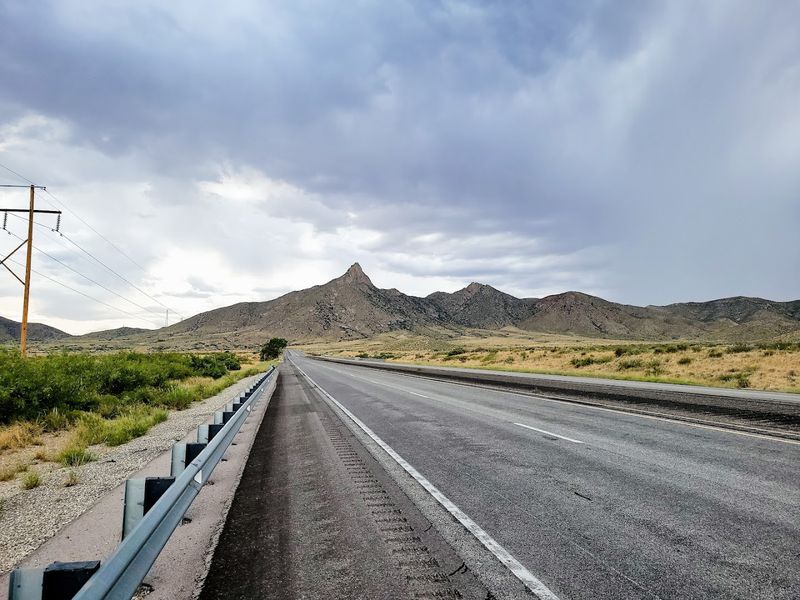
Famous roads do not always need famous endings. U.S. 70 proves that point in Atlantic, where the final stretch feels more like a whisper than a finish-line celebration.
North Carolina could have offered this highway a dramatic resort town, a crowded boardwalk, or a landmark packed with souvenir stands.
Instead, the road ends in a tiny Down East village beside marsh and sound, surrounded by the kind of coastal quiet that makes people lower their voices without being told.
That understated ending feels right for a route that has seen so much variety. After thousands of miles, maybe the most honest conclusion is not spectacle.
Maybe it is a small community going about its day while a highway sign quietly marks the end of a continental-scale journey. Atlantic rewards travelers who enjoy details others overlook.
It is not a place for a rushed itinerary or a flashy checklist stop. The village works best for people who appreciate maps, road history, coastal communities, and the strange satisfaction of standing where a long line finally stops.
U.S. 70 may cover an enormous distance, but its eastern ending feels intimate. In Atlantic, North Carolina, the road does not announce itself loudly.
It simply arrives, meets the water-shaped edge of the state, and stops.