This Tolkien-Like Trail In California Will Make You Feel Like You’re In Middle-Earth This March
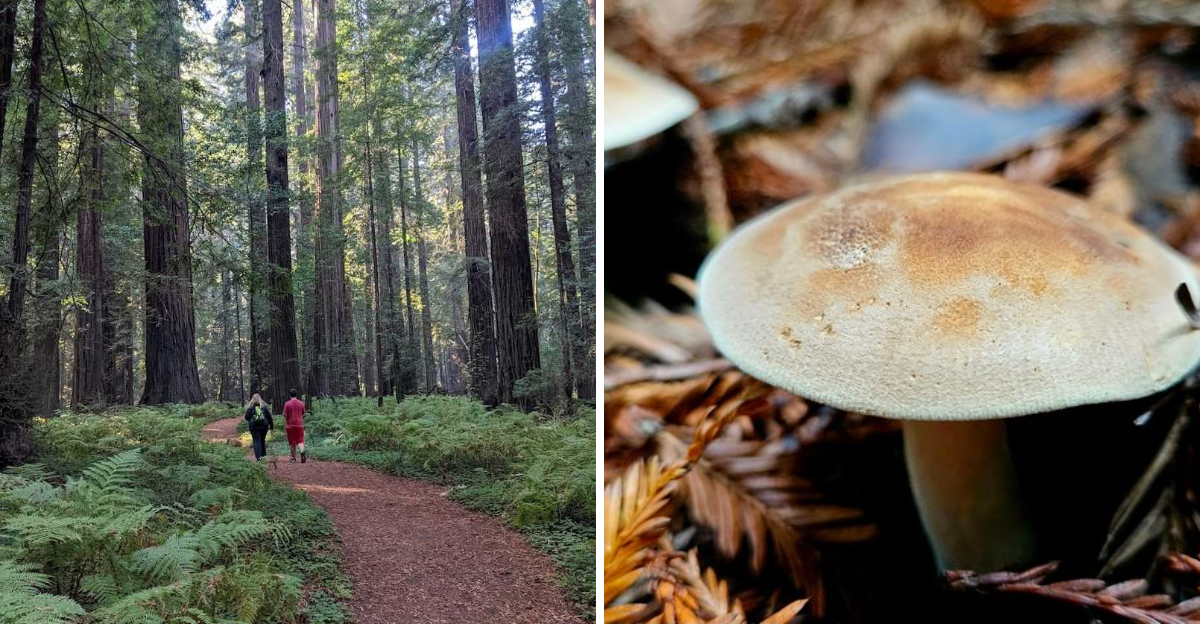
There are places where the world feels older than memory, where the air itself seems to carry stories long forgotten.
Step beneath the towering redwoods, and the noise of everything else fades until only a quiet, ancient stillness remains.
Light slips gently through the canopy, softened by drifting mist, while the forest floor rests in deep green shadow.
Ferns unfurl like something out of an older age, and each step feels slower, as if time has chosen to move differently here.
In this corner of California, the land feels untouched by hurry.
The trees rise like silent guardians, impossibly tall, their bark worn by centuries no one alive can truly imagine.
There is a path that winds through it all, subtle and unassuming, yet rich with that quiet sense of wonder.
It does not rush you. It invites you.
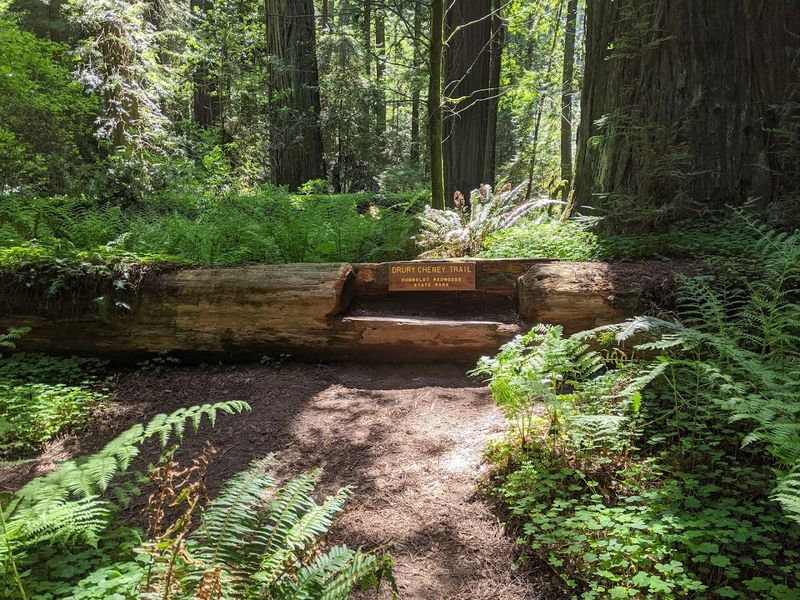
This is the Drury-Chaney Trail, a place where the forest feels less like something you visit and more like something you enter.
A 2.4-Mile Loop Through Ancient Redwoods
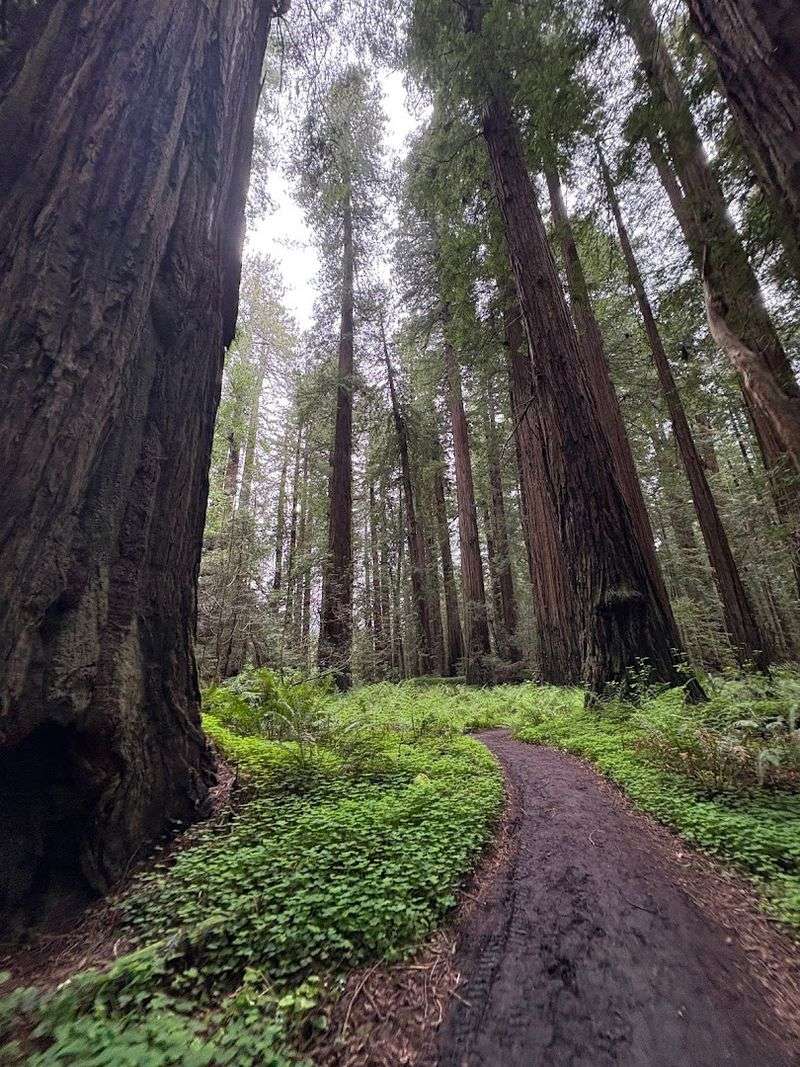
Walking through a forest of ancient redwoods has a way of resetting the mind almost immediately.
The Drury-Chaney Trail is a 2.4-mile loop located within Humboldt Redwoods State Park near Scotia, California, and it is one of the more accessible old-growth experiences the park has to offer.
The trail follows a lollipop-style layout, meaning there is a roughly one-mile out-and-back section before reaching the loop itself.
The path is made of hard-packed dirt and gravel with very little elevation change throughout, making the overall distance feel manageable even for casual walkers.
Most visitors complete the full loop in about an hour at a comfortable pace, though many choose to slow down and take in the surroundings along the way.
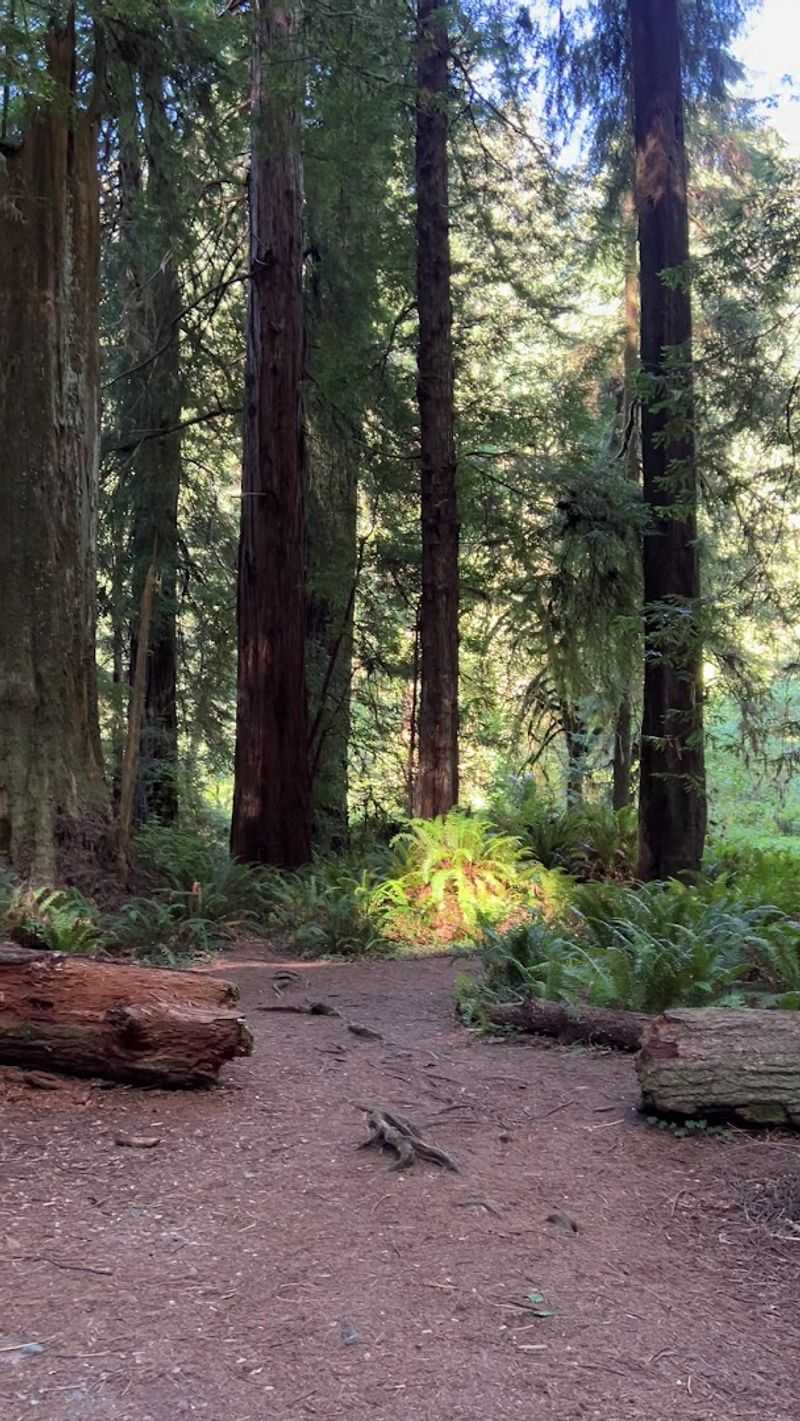
The forest here features some of the tallest trees on the trail system, with redwoods stretching far above the canopy.
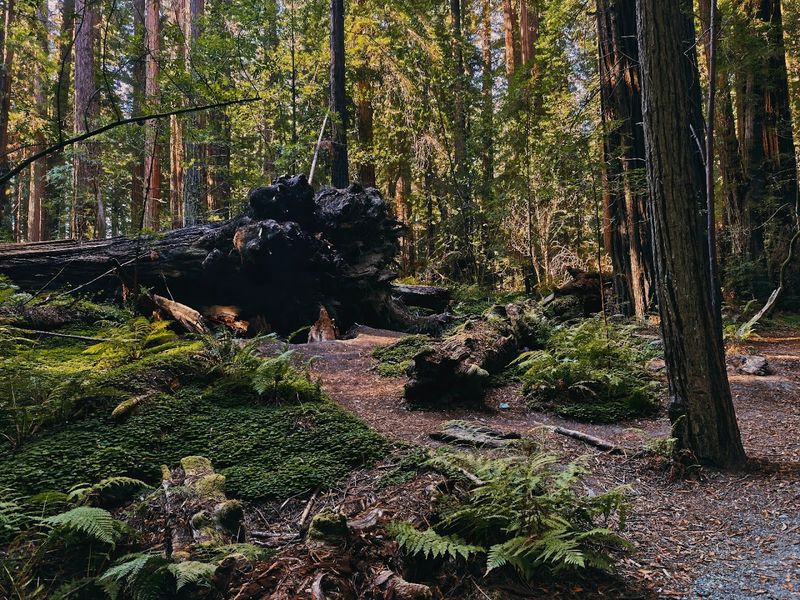
Fallen giants line sections of the path, giving a sense of scale that photographs rarely capture fully.
For a first visit to Humboldt Redwoods State Park, the Drury-Chaney Trail is a solid and rewarding starting point that delivers a genuine old-growth experience without demanding technical skill.
A Trail Built For Everyone
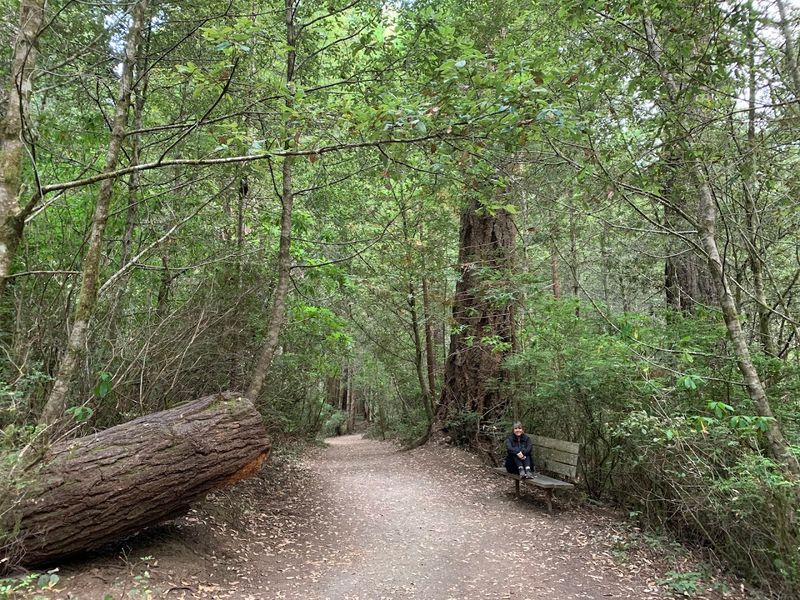
Not every trail through a redwood forest is easy to navigate, but the Drury-Chaney Trail stands out for being genuinely welcoming to a wide range of visitors.
The path is considered wheelchair and stroller-friendly, which is fairly uncommon for old-growth forest trails in Northern California.
Families with young children, older adults, and visitors with mobility considerations can all enjoy the trail without major obstacles.
The surface stays relatively firm underfoot during drier months, though it can get muddy during the rainy season, which typically runs from late fall through early spring.
Wearing shoes with some grip and water resistance is a smart call for a March visit, as the trail may have soft or wet patches depending on recent rainfall.
The trail is wide enough in most sections to walk comfortably side by side, which adds to the relaxed, unhurried feel of the experience.
There are also a few picnic tables near the trailhead area, making it easy to turn the outing into a longer visit.
The combination of flat terrain, manageable distance, and natural beauty makes this trail a genuinely inclusive option in a park full of more demanding hikes.
Towering Trees And A Velvet Forest Floor
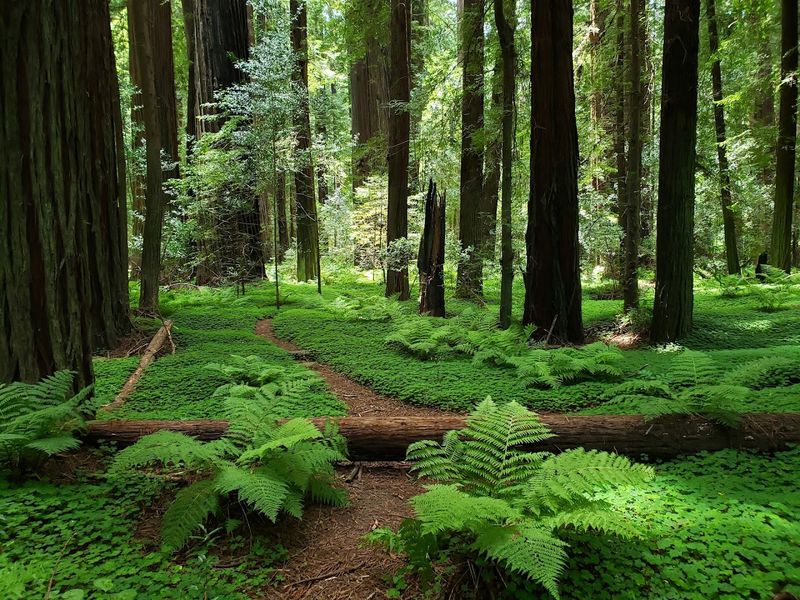
There is a particular kind of green that only exists inside an old-growth redwood forest, and the Drury-Chaney Trail delivers it in full.
The forest floor along the trail is carpeted with redwood sorrel and ferns that spread out in dense, overlapping layers, giving the ground a soft, almost velvet-like appearance.
The contrast between the deep brown of the tree trunks and the vivid green of the undergrowth is striking at nearly every turn.
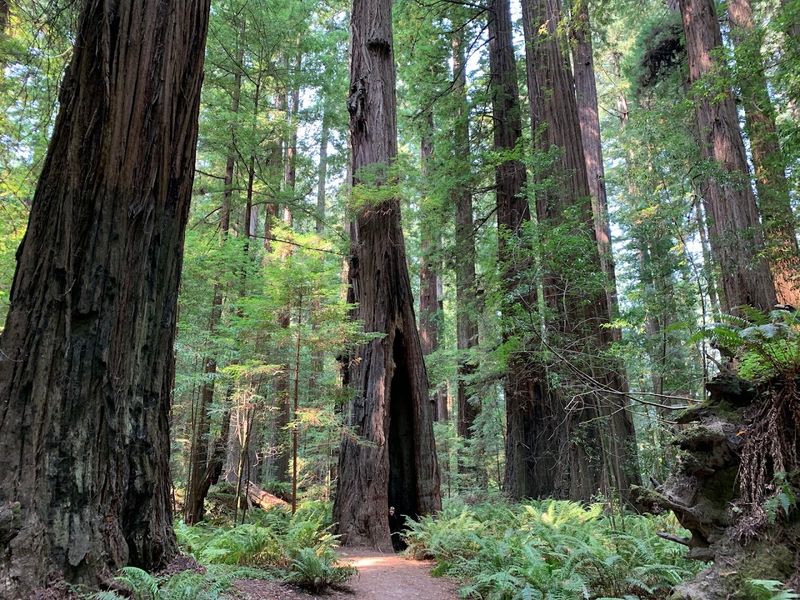
Some of the redwood trees along this trail exceed 300 feet in height, and standing at the base of one makes the surrounding world feel entirely different in scale.
Nurse logs, which are fallen trees that support new plant growth along their length, appear throughout the trail and add a layered, textured quality to the landscape.
The light inside the forest shifts constantly depending on the time of day and cloud cover.
On clear mornings, rays of sunlight break through the high canopy and illuminate the mist that often lingers close to the ground, creating a visual effect that visitors frequently describe as otherworldly.
The scenery here has a depth and richness that rewards slow, attentive walking rather than a rushed pace through the trees.
Banana Slugs, Birds, And Forest Creatures
The Drury-Chaney Trail is home to a quiet but surprisingly active cast of wildlife that rewards patient and observant visitors.
Banana slugs are among the most memorable residents of the trail, and spotting one of these slow-moving, bright yellow creatures on a mossy log or damp leaf is a genuine highlight for many hikers, especially younger ones.
They are harmless and fascinating up close.
Birds are a constant presence in the forest canopy, and the sounds of their calls carry through the trees in a way that feels layered and full.
Squirrels move through the undergrowth and along the lower branches of the redwoods with quick, darting energy.
The overall wildlife experience here is subtle rather than dramatic, which suits the quiet, contemplative mood of the trail perfectly.
Because the trail does not allow dogs or bicycles, the natural soundscape remains relatively undisturbed, giving wildlife a better chance to go about their routines without too much disruption.
Visiting early in the morning, shortly after sunrise, tends to increase the chances of seeing more active wildlife before the trail gets busier.
Bringing a small pair of binoculars could add an extra layer of enjoyment for anyone interested in birdwatching along the route.
Well-Maintained And Comfortable Underfoot
One of the practical strengths of the Drury-Chaney Trail is how consistently well-maintained it tends to be throughout the year.
The path is composed mainly of hard-packed dirt and fine gravel, which provides a stable surface for most of the route.
Elevation change is minimal, meaning the trail does not demand much physical effort beyond the distance itself.
March can bring wet conditions to Northern California, and the trail may have muddy sections depending on how much rain has fallen in the weeks before a visit.
Footwear with some water resistance and decent traction is a practical choice for anyone planning a spring outing.
The trail is wide enough in most areas that hikers can easily step around wetter patches without much difficulty.
Trail maintenance crews keep the path clear of major debris, though natural elements like fallen branches or seasonal flooding can occasionally affect conditions.
Checking recent trail reports through sources like AllTrails before heading out is a good habit, particularly during the rainy season.
Overall, the trail earns a reputation for being one of the more reliably walkable routes in Humboldt Redwoods State Park, which contributes to its popularity among visitors of varying fitness levels.
The Story Behind The Trail’s Name
The name on this trail carries a meaningful piece of botanical history.
The trail is named partly in honor of Ralph W. Chaney, a paleontologist and botanist who made a remarkable contribution to the world of living trees.
In 1948, Chaney brought dawn redwood seeds from China to the United States, helping introduce this ancient species to American soil at a time when it was believed to be extinct.
A bench dedicated to Chaney sits along the trail, offering a quiet place to rest while also marking a connection between the living forest and the broader story of redwood conservation.
The Drury portion of the trail name honors Newton B. Drury, a conservationist who served as director of both the National Park Service and the California State Park system and played a significant role in protecting old-growth redwood forests during the mid-twentieth century.
Walking this trail with that context in mind adds a layer of appreciation that goes beyond the scenery alone.
The trees here are not just impressive in size; they are survivors of a long story involving human effort, scientific curiosity, and a deep commitment to preservation.
That history is quietly present in every section of the trail, even when nothing marks it directly.
Why March Is A Magical Time To Visit
March sits in a sweet spot for visiting the Drury-Chaney Trail, when the forest is at its most lush and atmospheric.
Winter rainfall keeps the vegetation deeply saturated with color, and the green of the sorrel and ferns reaches a richness that tends to fade as the drier summer months approach.
The air during this season carries a clean, cool dampness that makes breathing inside the forest feel noticeably refreshing.
Morning mist is common in early spring, and it tends to settle low among the tree trunks and hover just above the fern beds before burning off as the day warms.
That mist is a big part of what gives the trail its Middle-earth quality during this time of year, softening edges and giving the forest a quiet, dreamlike depth.
Wildflowers may also begin appearing along the forest floor in late March, adding small bursts of color to the understory.
Trail traffic is generally lighter in March compared to summer, which means the forest feels quieter and more personal during a spring visit.
Arriving in the early morning hours takes full advantage of the mist and the calm before other hikers arrive.
A waterproof layer and sturdy footwear are worth packing, as conditions can shift quickly in a coastal redwood environment.
Light, Shadow, And Scale
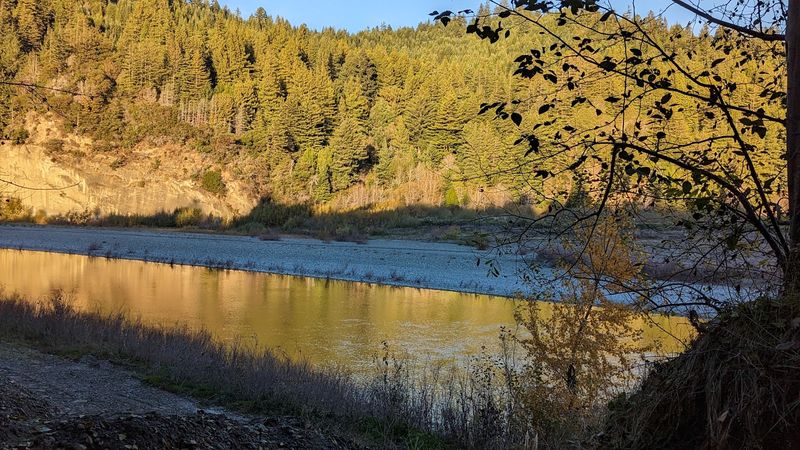
Few environments are as naturally photogenic as an old-growth redwood forest, and the Drury-Chaney Trail offers consistent visual interest from the trailhead to the far end of the loop.
The interplay of light and shadow inside the forest is dynamic and shifts throughout the day, rewarding visitors who arrive at different times with completely different visual moods.
Morning light, in particular, tends to create dramatic rays that cut through the mist and illuminate the green undergrowth in a striking way.
The scale of the trees is genuinely difficult to capture in a single frame, which encourages creative approaches to composition.
Shooting upward from the base of a large redwood reveals the full height of the canopy in a way that ground-level shots cannot.
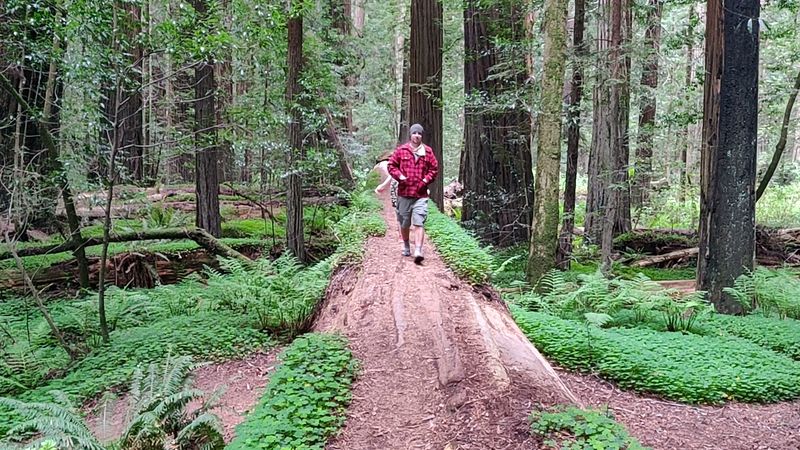
Including a person in the frame helps communicate the true scale of the trees to anyone viewing the image later.
The forest floor itself offers close-up opportunities with ferns, sorrel, nurse logs, and the occasional banana slug.
Overcast days actually produce some of the most evenly lit and color-rich conditions for forest photography, since harsh shadows are reduced and the green tones become more vivid.
A wide-angle lens or a phone camera with a panoramic mode can help capture the immersive quality of the environment.
Finding The Trailhead Along The Avenue Of The Giants
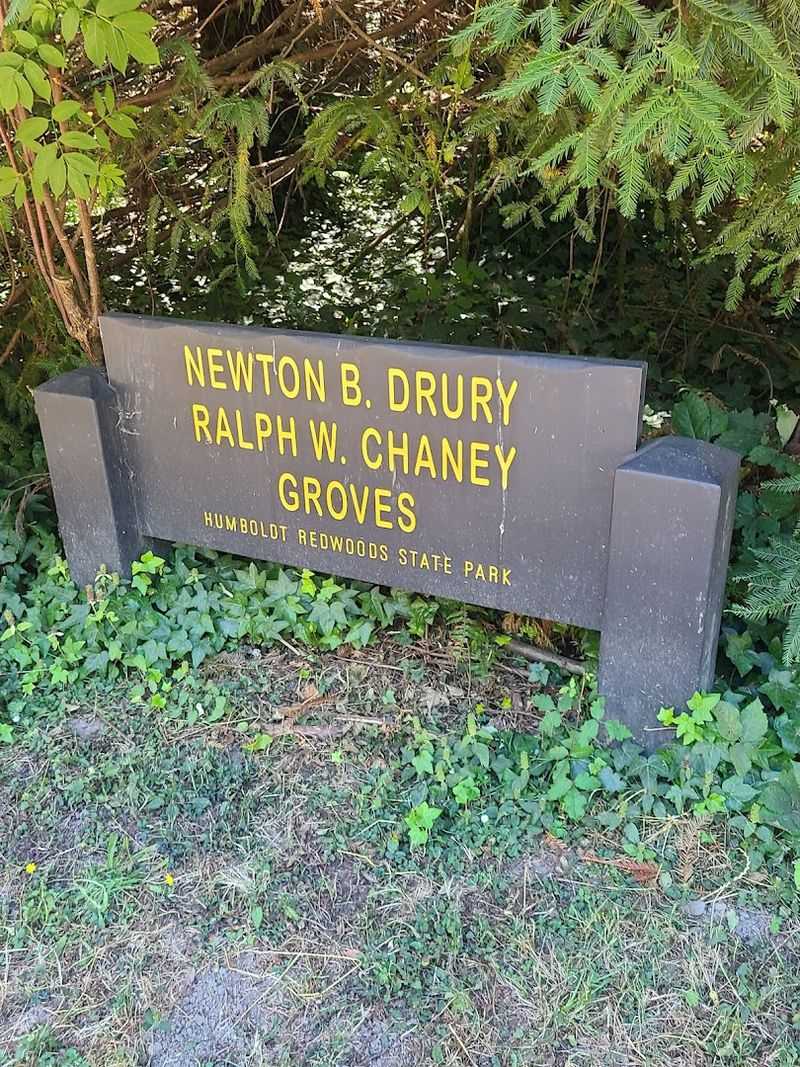
Getting to the Drury-Chaney Trail is straightforward for most visitors coming from Highway 101 in Northern California.
The trailhead is located along the Avenue of the Giants, a well-known scenic drive that runs through Humboldt Redwoods State Park.
The address associated with the trailhead is 30780-30784 Avenue of the Giants, Scotia, CA 95565, placing it at the northern end of the park.
Parking is available directly at the trailhead, and past visitors have noted that the lot tends to offer adequate space, particularly during weekday mornings.
The Avenue of the Giants itself is worth driving slowly even before reaching the trailhead, as the road passes through some of the most impressive redwood groves in the park.
Signage along the avenue points toward various trailheads, making navigation relatively easy for first-time visitors.
The trail sits close enough to Highway 101 that faint traffic noise can occasionally be heard in parts of the loop, particularly near the outer section.
That said, the noise fades considerably once inside the denser portions of the grove.
Arriving early in the morning not only reduces sound from the highway but also tends to mean fewer cars in the parking area and a quieter trail overall.
Rules That Help Protect The Forest
Keeping a trail like this intact for future generations requires a few clear boundaries, and the Drury-Chaney Trail has rules in place that help protect both the environment and the experience.
Dogs and bicycles are not permitted on the trail, which is a policy that applies to many sensitive old-growth areas within Humboldt Redwoods State Park.
The restriction helps preserve the natural soundscape and reduces disturbance to the wildlife and plant life that make the trail so distinctive.
Staying on the designated path is important in a forest like this one, where the root systems of ancient trees spread widely just beneath the soil surface.
Foot traffic off the trail can compact the soil and damage roots that have developed over hundreds of years.
Visitors are encouraged to resist the urge to climb on or pull at fallen trees, even though the temptation is understandable given how dramatic some of the nurse logs appear.
Locking valuables in the car or bringing them along on the hike is something trail signage at the trailhead specifically recommends.
Leaving no trace, including packing out any food wrappers or litter, is standard practice throughout the park.
Small habits like these add up to a meaningful difference in the long-term health of the forest.
Learning While Walking Through Living History
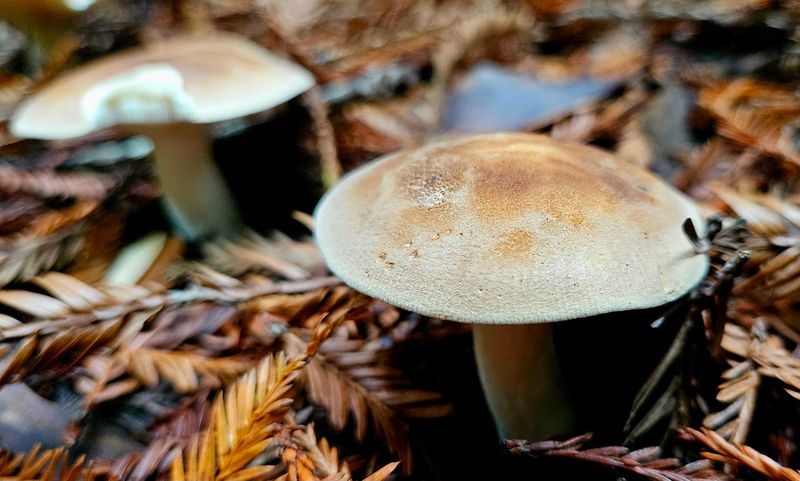
A walk through the Drury-Chaney Trail is also a quiet lesson in forest ecology that unfolds naturally with each step.
Old-growth redwood forests operate as complex, interconnected systems, and many of those systems are visible along this trail without needing a guide or a textbook.
Nurse logs, for example, are a highly visible example of how fallen trees continue to support new life long after they have come down.
The presence of redwood sorrel on the forest floor is another detail worth paying attention to, as it reflects the specific light and moisture conditions that old-growth redwood ecosystems create.
The plant thrives in the filtered light beneath the canopy and is a reliable indicator of a healthy, undisturbed forest environment.
Pointing out these kinds of details to younger visitors can turn a pleasant walk into a genuinely memorable learning experience.
Humboldt Redwoods State Park offers interpretive materials and visitor center resources that provide additional context for what hikers encounter on the trail.
Reading up on the basics of redwood ecology before visiting can make the walk feel richer and more connected to the broader natural world.
The trail does not require that kind of preparation to enjoy, but it does reward curiosity in a way that few other hikes can match.
What It Actually Feels Like To Walk This Trail
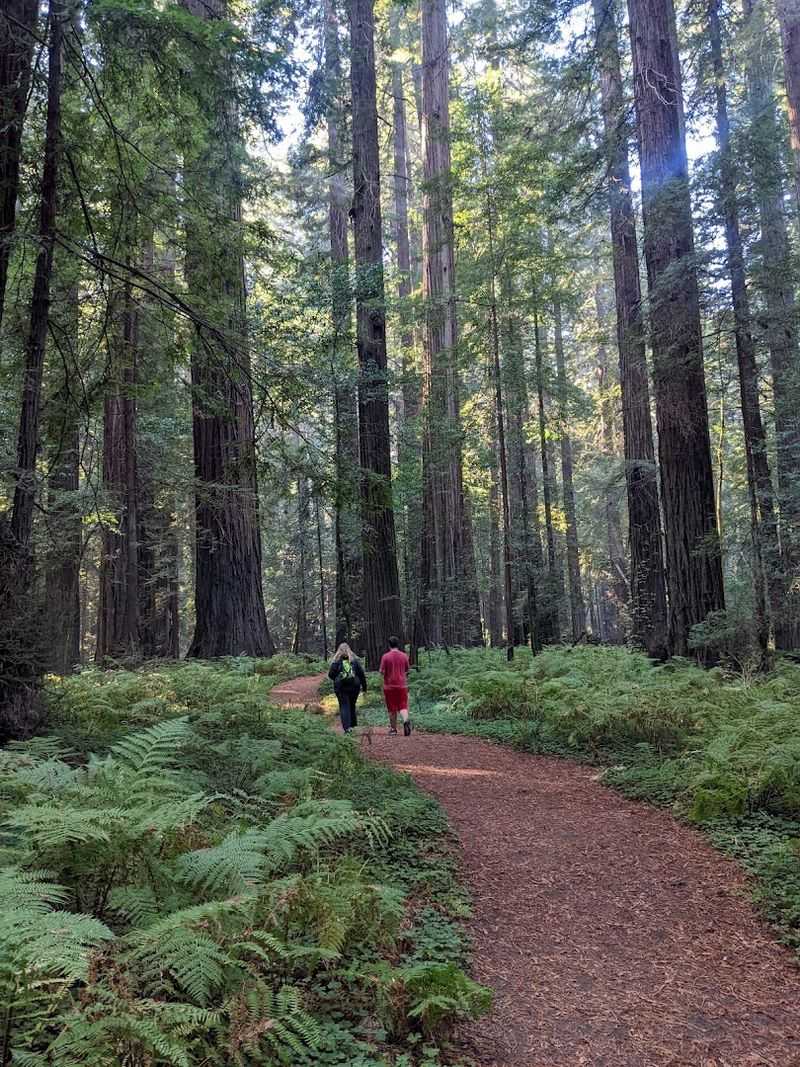
Stepping onto the Drury-Chaney Trail has a way of slowing everything down almost immediately.
The sound of footsteps on soft, packed earth replaces the noise of the road, and the air shifts to something cooler and distinctly fresh within the first few hundred feet of the path.
The forest has a particular kind of quiet that is not silent but rather layered with bird calls, the occasional creak of a tall tree swaying overhead, and the soft rustle of ferns in a light breeze.
The flat terrain means attention stays on the surroundings rather than on footing or effort, which makes the experience feel more meditative than athletic.
Many visitors report feeling a noticeable shift in mood after spending even a short time inside the grove, something that forest researchers refer to as the restorative effect of spending time among trees.
That effect seems especially pronounced in an environment as old and undisturbed as this one.
The trail is popular enough that solitude is not always guaranteed, particularly on weekends during warmer months.
A weekday morning visit in March offers the best chance of having long stretches of the trail nearly to oneself.
The combination of manageable distance, stunning scenery, and genuine stillness makes the Drury-Chaney Trail a visit that tends to stay with people long after they have returned to everyday life.