This Torrance, California Thrift Store Is Proof The Best Designer Finds Aren’t In Malls
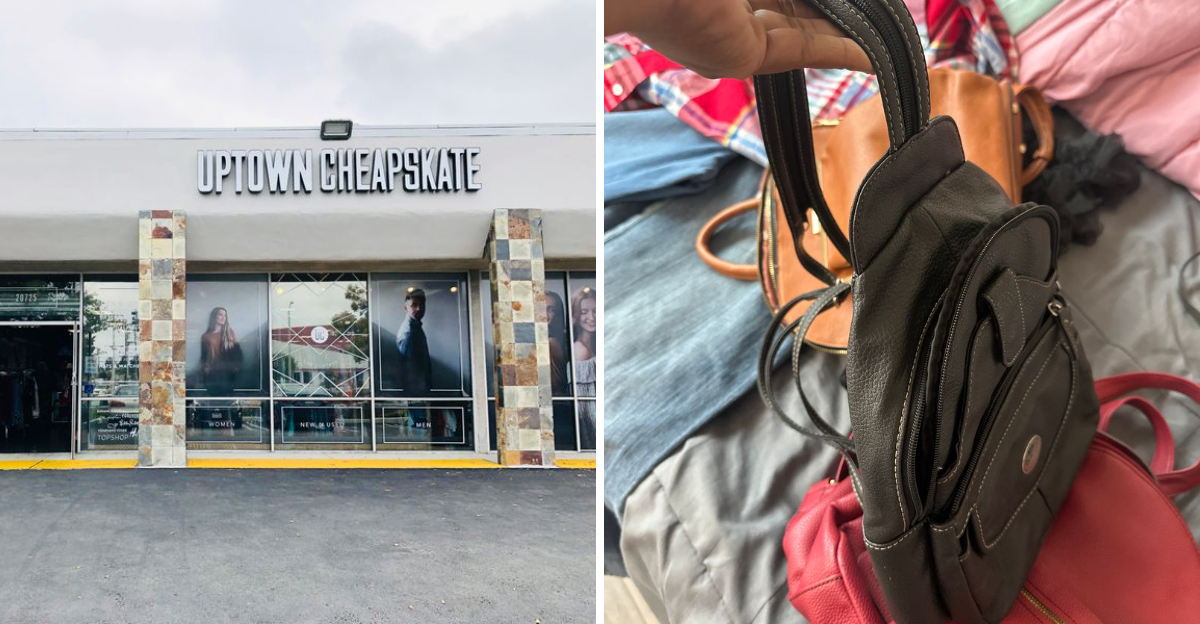
Scoring brand-name fashion without paying mall prices feels like striking gold – and shoppers in Southern California know exactly where to look.
In Torrance, one resale shop has turned discount shopping into a full-on treasure hunt where every rack holds labels people actually recognize.
Uptown Cheapskate pulls in bargain hunters searching for stylish pieces that look fresh off retail floors – just without the markup.
Think trending streetwear. Designer handbags. Athletic brands people line up for. All priced low enough to make shoppers pause and recheck the tag.
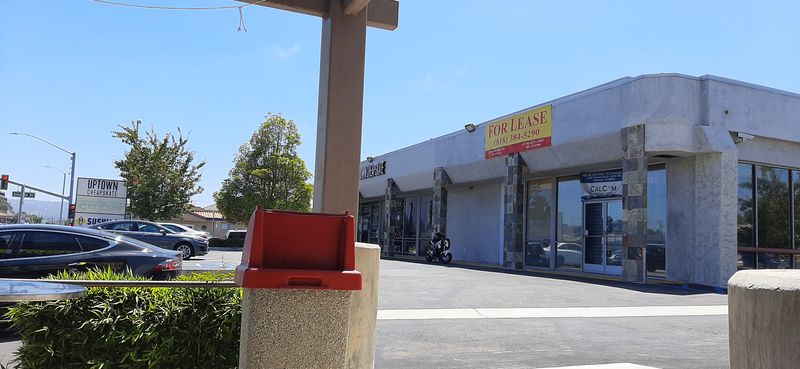
The store sits right along busy Hawthorne Boulevard, drawing steady traffic from across the South Bay and beyond.
Nothing about the selection feels dated or picked over. Styles lean current. Displays stay organized. Browsing feels closer to a retail boutique than a typical thrift run.
Shoppers don’t just stop in once. They circle back often, knowing new fashion finds hit the floor regularly.
Whether it’s a full wardrobe refresh or a single standout piece, this California resale hotspot proves you don’t need retail prices to dress like you paid them.
1. Store Hours Designed For Busy Schedules
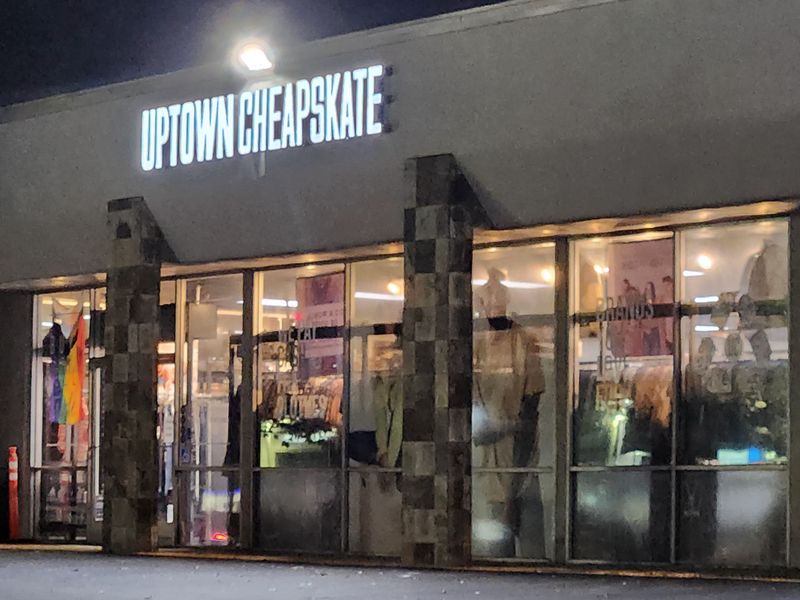
Accessibility matters when planning shopping trips, and this location offers extended hours throughout the week.
The store opens at 10 AM Monday through Saturday and stays open until 8 PM, giving working professionals time to browse after their shifts end.
Sunday hours run from 11 AM to 6 PM, accommodating weekend shoppers who prefer leisurely browsing.
The location sits at 20725 Hawthorne Blvd, Torrance, CA 90503, positioned near major roads for convenient access.
Parking availability removes the stress of circling blocks looking for spots, a common frustration at crowded shopping districts.
The generous weekday hours mean customers can visit during less crowded afternoon periods or join the evening rush when new arrivals might appear on racks.
Late closing times particularly benefit those who work standard business hours and cannot shop during typical daytime windows.
The Sunday schedule accommodates families and individuals who reserve weekends for errands and leisure activities.
Consistent hours throughout the year provide reliability, though checking ahead during major holidays prevents wasted trips.
Extended operating schedules demonstrate understanding of diverse customer needs and modern lifestyle demands.
2. Buy Hours That Welcome Sellers Anytime
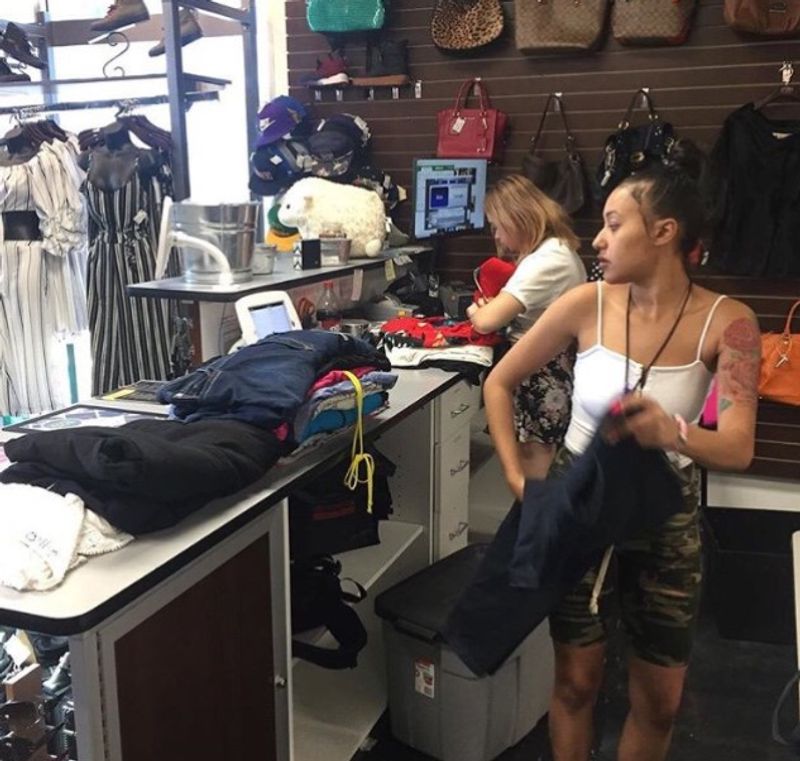
Turning closet clutter into cash requires knowing when stores accept items, and this shop makes the process straightforward.
Sellers can bring their gently used fashion pieces Monday through Saturday between 10 AM and 7 PM, with Sunday buy hours running from 11 AM to 5 PM.
No appointment scheduling creates a walk-in friendly environment that respects spontaneous decisions to declutter.
The buying process emphasizes convenience, allowing people to clear out unwanted items without complex planning.
Staff members evaluate clothing, shoes, and accessories on the spot, offering immediate cash payments or store credit options.
The 25% bonus for choosing store credit incentivizes sellers to reinvest in new-to-them pieces from current inventory.
Items must arrive clean and in good condition, meeting standards that ensure quality for future buyers.
Current style relevance matters, as the store focuses on trends that appeal to fashion-conscious shoppers rather than outdated pieces.
This selective approach maintains inventory quality and keeps the shopping experience fresh.
Selling hours align closely with shopping hours, allowing seamless transitions between dropping off old items and browsing available merchandise.
The immediate payment system eliminates waiting periods that other resale platforms require.
3. Product Range Covering Every Wardrobe Category
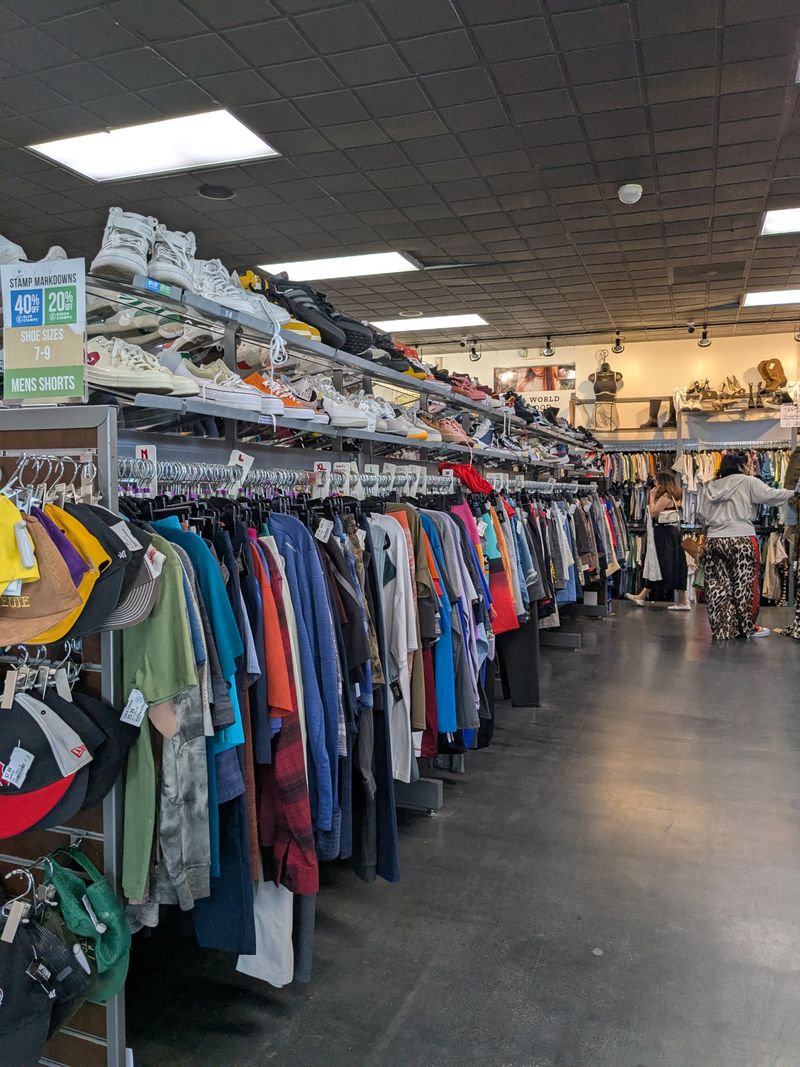
Walking through the aisles reveals sections dedicated to specific clothing types, making targeted shopping efficient. Activewear occupies its own space, catering to fitness enthusiasts seeking affordable workout gear.
Dresses hang in another area, offering options for casual outings and special occasions without the department store markup. Graphic tees appeal to younger shoppers and anyone building a casual wardrobe with personality.
Jackets range from lightweight layers to heavier outerwear, covering different seasons and style preferences.
Denim gets substantial rack space, reflecting the universal appeal of quality jeans at reduced prices. Accessories expand beyond clothing to include purses that add finishing touches to outfits.
The shoe selection spans athletic sneakers, casual footwear, and dressier options for varied occasions.
Shorts and skirts provide warm-weather alternatives, while tops encompass everything from basic tees to blouses suitable for professional settings.
This comprehensive range means shoppers can potentially outfit themselves completely in one visit. The variety eliminates the need to visit multiple stores for different wardrobe components.
Organization by category speeds up the shopping process, letting customers head directly to sections matching their needs rather than sorting through mixed racks.
4. Popular Brands That Define Contemporary Fashion
Brand recognition drives many shopping decisions, and this store stocks labels that resonate with style-conscious buyers.
Athletic brands like Nike, Adidas, and Lululemon appear regularly, offering performance wear at fractions of original costs.
Streetwear fans find Champion, Vans, and Obey pieces that align with urban fashion trends. American casual brands including American Eagle, Hollister, and Old Navy provide everyday basics without boring simplicity.
More fashion-forward shoppers discover Free People, Anthropologie, and Madewell items that bring bohemian and contemporary aesthetics.
Designer accessories from Coach occasionally surface, turning ordinary shopping trips into exciting discovery moments.
The North Face and other outdoor brands appeal to active individuals who need durable gear for adventures.
Fast fashion labels like H&M and Zara offer trendy pieces at even lower prices than their already affordable retail points.
Reformation and Urban Outfitters items attract environmentally conscious shoppers seeking sustainable style choices. Denim specialists like Levi’s provide quality jeans known for longevity and classic styling.
Athletic newcomers such as Gymshark and Vuori represent emerging brands gaining popularity among fitness communities.
This brand diversity means different shoppers find familiar names that match their personal style preferences and quality expectations.
5. Selling Policy That Rewards Smart Sellers
Monetizing unwanted wardrobe pieces becomes simple with clear selling guidelines that respect both seller and buyer interests.
Clean clothing in good condition forms the baseline requirement, ensuring items meet resale standards.
Current style relevance matters more than age, as the store prioritizes pieces that align with ongoing fashion trends.
Cash payments happen immediately after evaluation, eliminating waiting periods common with online resale platforms.
Sellers who choose store credit receive 25% more value, creating incentive to reinvest in the available inventory.
This credit option benefits regular customers who continuously cycle their wardrobes while maintaining fresh styles.
The no-appointment policy removes barriers that might discourage spontaneous decluttering decisions.
Sellers can gather items whenever motivation strikes and bring them during buy hours without scheduling complications.
Staff members handle evaluations quickly, respecting the time of people who juggle busy schedules. Accepted items include clothing, shoes, and accessories, covering most personal fashion categories.
The evaluation process considers brand recognition, condition, and current market demand when determining offers.
Rejected items can be taken back or donated, giving sellers flexibility in handling pieces that don’t meet store standards.
This straightforward system makes wardrobe turnover financially rewarding and environmentally responsible.
6. Sustainability Focus Supporting Environmental Responsibility
Fashion industry waste creates environmental challenges that secondhand shopping directly addresses.
Purchasing gently used items extends clothing lifecycles, reducing demand for new manufacturing that consumes resources and generates pollution.
Each thrift store transaction represents a small but meaningful step toward more sustainable consumption patterns.
The business model naturally promotes circular economy principles by keeping clothing in use longer.
Sellers prevent usable items from reaching landfills, while buyers access quality fashion without supporting fast fashion’s environmental costs.
This exchange benefits both participants and the broader ecosystem affected by textile waste. Local community support emerges as another sustainability dimension beyond environmental considerations.
Money spent at independent local businesses circulates within the community more effectively than purchases at national chains.
The store emphasizes that local shopping keeps approximately 90% of spending within the surrounding area, strengthening economic resilience.
Conscious consumers increasingly seek shopping options that align with environmental values without sacrificing style or budget.
Thrift shopping satisfies these multiple priorities simultaneously, offering fashion variety, affordability, and reduced ecological impact.
The sustainability message resonates particularly strongly with younger generations who prioritize environmental responsibility in purchasing decisions. This approach transforms routine shopping into an act of environmental stewardship.
7. Customer Experience Built On Organization And Service
Store layout significantly impacts shopping enjoyment, and thoughtful organization makes browsing pleasant rather than overwhelming.
Clear section divisions help customers navigate directly to desired categories without searching through chaotic mixed racks.
Clothing arrangement by type and sometimes size speeds the process of finding pieces worth trying on. Staff members contribute to positive experiences through helpful attitudes and product knowledge.
Friendly service creates welcoming atmospheres that encourage repeat visits and extended browsing sessions.
Employees familiar with inventory can guide shoppers toward recently arrived items or specific brands when asked.
Cleanliness and maintenance standards exceed expectations some people hold for thrift stores. Well-lit spaces and tidy displays make the shopping environment comfortable and visually appealing.
Regular inventory rotation keeps the selection fresh, rewarding frequent visitors with new discoveries during each trip.
The overall atmosphere balances casual browsing with efficient shopping for time-conscious customers.
Fitting rooms allow trying on potential purchases, reducing the risk of buying ill-fitting items. Clear pricing and organized checkout processes complete transactions smoothly.
These combined elements create shopping experiences that feel more curated than typical thrift stores, attracting customers who might otherwise avoid secondhand shopping due to preconceived notions about quality or presentation.
8. Designer Finds That Make Luxury Accessible
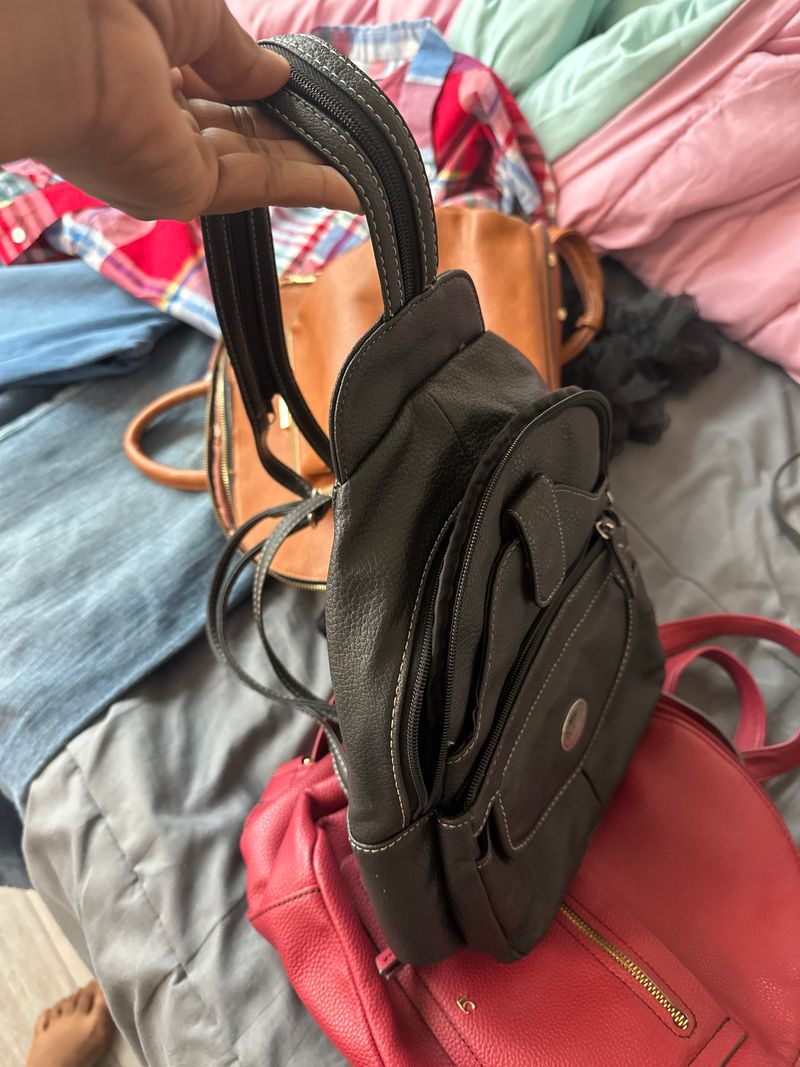
Luxury fashion typically carries price tags that exclude many shoppers from ownership, but secondhand markets democratize access.
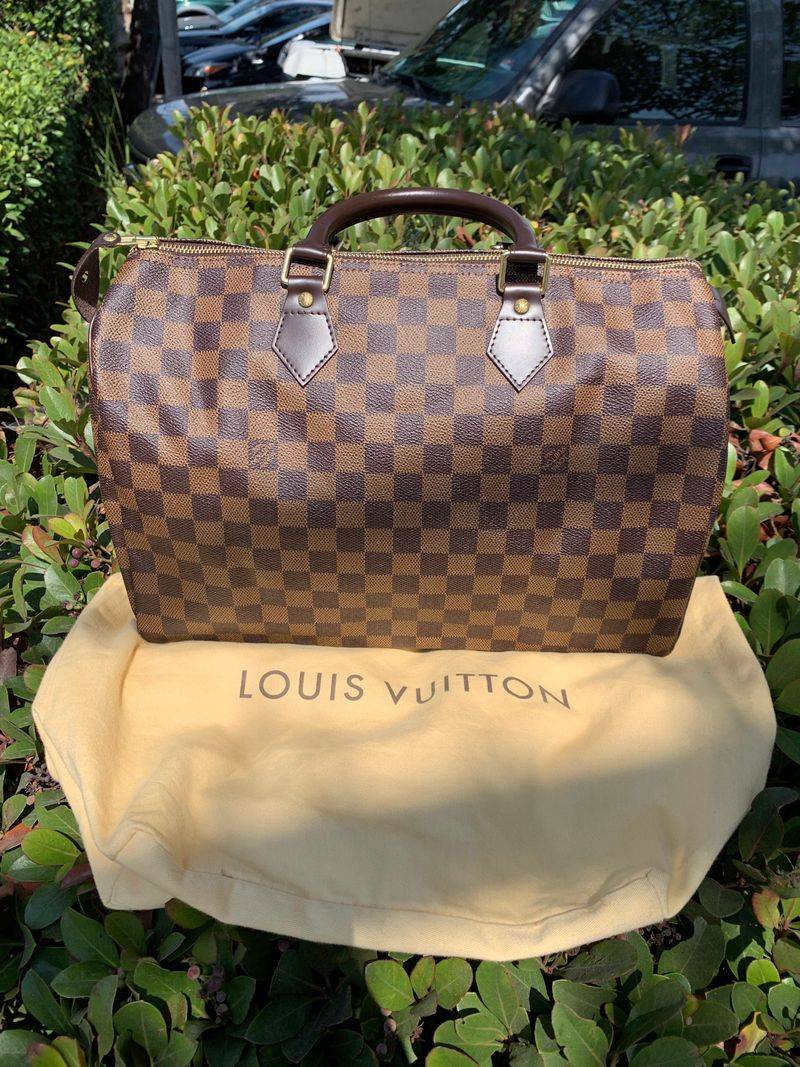
Occasional appearances of brands like Gucci and Louis Vuitton create excitement among bargain hunters seeking authentic designer pieces.
These high-end finds sell at fractions of retail prices, making luxury labels attainable for budget-conscious fashion lovers.
Designer discoveries add thrill to the thrift shopping experience, transforming routine visits into potential treasure hunts.
Shoppers never know when premium items might appear on racks or in accessory displays. This unpredictability keeps the experience engaging and rewards persistent customers who check inventory regularly.
Authentication concerns sometimes arise with luxury resale, but established stores maintain reputation through careful evaluation.
Staff training in brand identification helps ensure genuine articles reach sales floors. Customers gain confidence knowing purchases come from businesses with vested interests in selling authentic merchandise.
The psychological satisfaction of scoring designer items at thrift prices extends beyond simple savings.
Owning recognizable luxury brands carries social currency and personal satisfaction that budget shopping typically cannot provide.
Thrift stores bridge this gap, allowing style expression through premium labels without financial strain.
These occasional high-value finds generate word-of-mouth marketing as excited customers share their discoveries with friends and social media followers.
9. Location Benefits Near Major Shopping And Transit
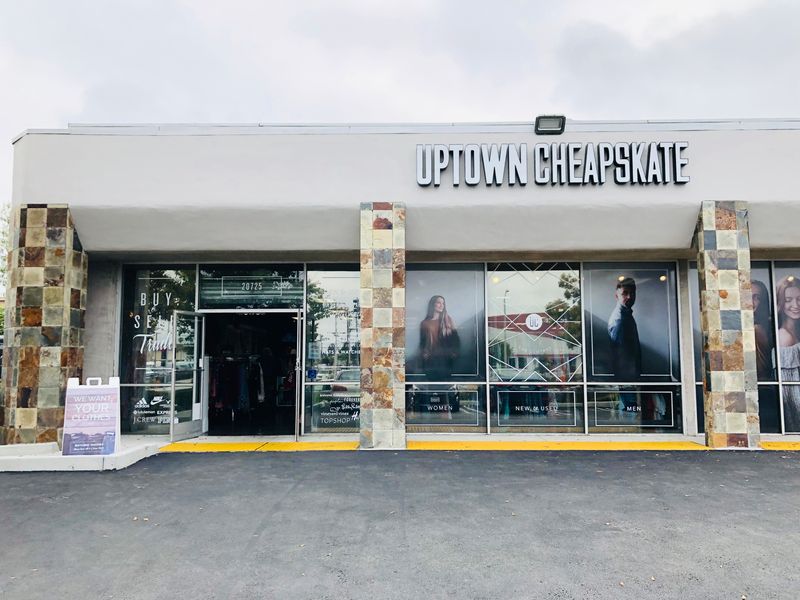
Strategic positioning enhances convenience for shoppers traveling from multiple surrounding areas. Proximity to Del Amo Fashion Center places the store near one of the region’s major retail destinations.
Customers can combine thrift shopping with visits to traditional retailers, maximizing efficiency during shopping trips.
Accessibility from Redondo Beach, Gardena, and Carson expands the potential customer base beyond immediate Torrance residents.
Major road connections make reaching the location straightforward for those familiar with South Bay navigation.
Ample parking availability removes a common urban shopping frustration, letting customers focus on browsing rather than parking logistics.
The commercial corridor setting provides additional dining and service options nearby for extended outings. Shoppers can plan multi-stop errands that include thrift browsing alongside other necessary tasks.
Transit options may serve customers without personal vehicles, though specific route information requires checking local transportation resources.
Neighborhood characteristics influence store inventory and customer demographics, creating a shopping environment that reflects local style preferences.
The South Bay location attracts beach-adjacent communities where casual and athletic wear sees high demand.
Visibility from Hawthorne Boulevard helps new customers discover the store while passing by for other purposes.
This accessible location contributes to steady customer traffic and community integration beyond online discovery.
10. Community Engagement Through Local Economic Support
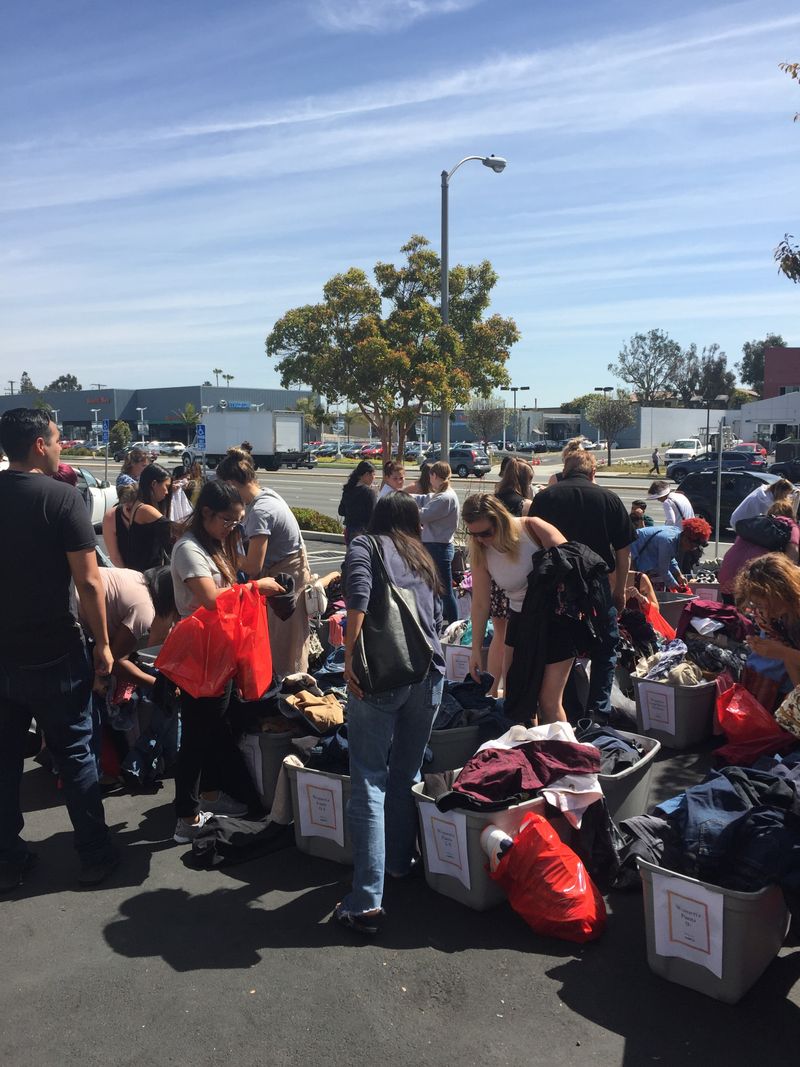
Shopping decisions carry economic implications that extend beyond individual transactions.
Local businesses return significantly more revenue to surrounding communities compared to national chains that funnel profits elsewhere.
The store promotes awareness that local shopping keeps approximately 90% of spending within the immediate area, supporting schools, services, and infrastructure through tax revenue and employment.
Independent retailers create jobs for community members and often source services from other local businesses.
This interconnected economic web strengthens regional resilience against broader economic fluctuations.
Customers who prioritize local shopping contribute to maintaining diverse retail landscapes rather than homogenized chain-dominated corridors.
Community engagement extends beyond economics into social connections and neighborhood identity.
Local businesses often sponsor community events, support schools, and participate in charitable activities.
These contributions create value that pure transaction costs cannot measure but significantly impact quality of life.
The thrift model particularly benefits communities by providing affordable shopping options for residents facing budget constraints.
Families stretching limited resources find quality clothing without sacrificing style or durability.
This accessibility dimension makes the store valuable beyond its appeal to bargain-hunting fashionistas.
Social media presence and customer encouragement to share finds help build community around sustainable shopping practices.
This engagement transforms customers into advocates who spread awareness about local business benefits and thrift shopping advantages.