This Unassuming California Restaurant Serves Steaks That Have Earned A Statewide Reputation
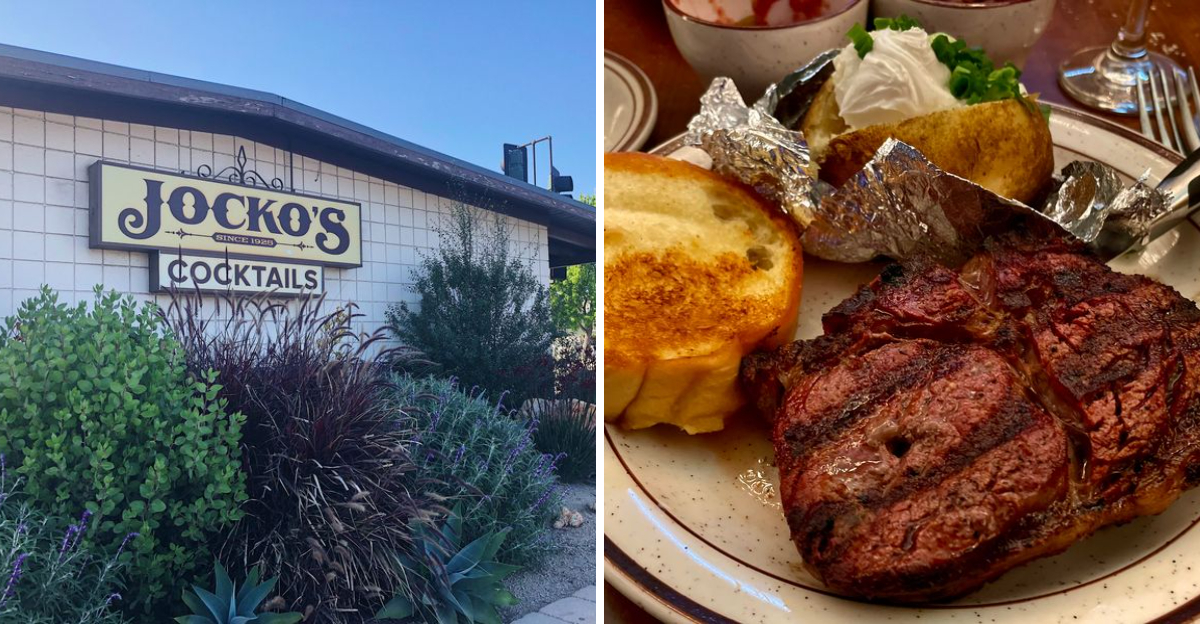
Some restaurants earn loyalty not by chasing trends, but by refusing to change what already works.
This is the kind of place where smoke hangs in the air, portions are unapologetically generous, and the menu hasn’t been redesigned to impress anyone on social media.
From the moment you step inside, it feels grounded, familiar, and refreshingly honest – like a reminder of how dining used to be before flash mattered more than flavor.
For decades, this old-school steakhouse has drawn diners who care about one thing above all else: perfectly cooked meat.
Steaks are cut by hand, grilled over glowing red oak coals, and served without fuss, letting the natural flavors do the talking.
The dining room buzzes with conversation, clinking glasses, and the quiet satisfaction of people who know they ordered well.
There’s no rush here, no pressure to turn tables, and no need to dress up to feel welcome. It’s the kind of restaurant people plan road trips around, recommend with confidence, and return to year after year.
Long after the meal ends, the experience sticks with you – proof that some places don’t need reinvention to stay unforgettable.
Santa Maria-Style Cooking Defines The Experience
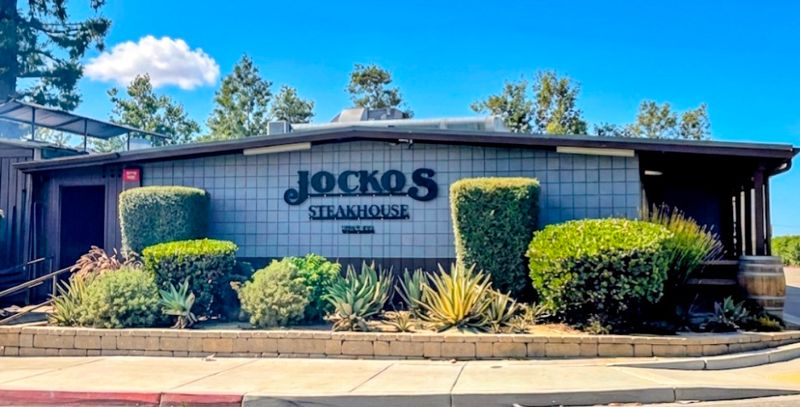
Red oak coals crackle beneath thick cuts of beef, sending ribbons of smoke through the open kitchen at Jocko’s Steakhouse.
The restaurant sits at 125 N Thompson Ave, Nipomo, CA 93444, where the scent of grilling meat greets guests before they even reach the front door.
This cooking method traces its roots back to the Spanish Rancheros who first settled California’s Central Coast centuries ago. Each steak gets seasoned simply with salt, pepper, and garlic before meeting the heat of the oak fire.
The wood burns hot and steady, creating a char on the outside while keeping the inside tender and juicy. Flames lick the edges of the meat as skilled cooks turn each piece at just the right moment.
Unlike gas or charcoal grills, red oak adds a subtle smoky sweetness that doesn’t overpower the natural flavor of quality beef.
The open-fire technique requires constant attention and years of practice to master. Temperatures shift with the coals, so timing becomes an art form rather than a recipe.
Watching the grill masters work feels like witnessing a tradition that refuses to fade away. The same techniques used generations ago still produce steaks that keep people driving hours just for dinner.
Nothing fancy happens here, just honest cooking done exactly right.
Hand-Cut Aged Steaks Set The Standard
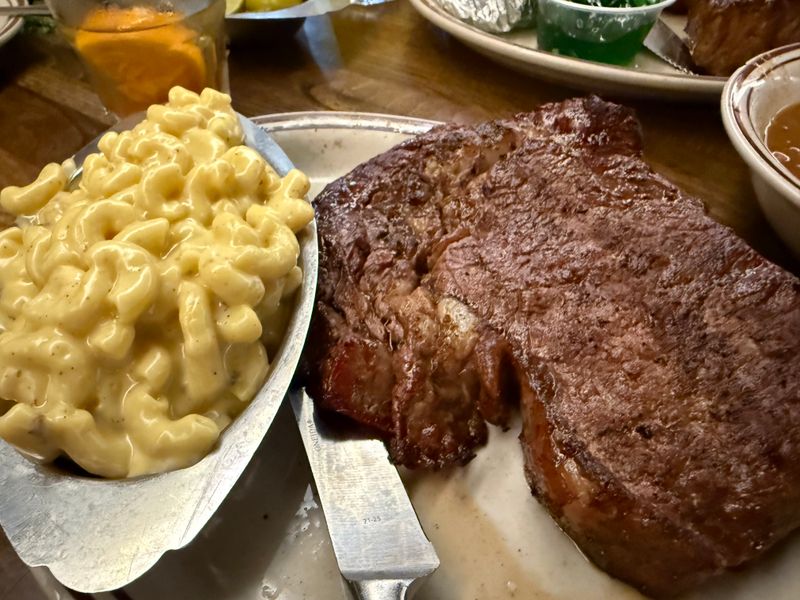
Walking into Jocko’s means choosing from beef that’s been aged to develop deeper flavor and better texture.
Butchers cut each steak by hand, trimming away excess fat while leaving just enough to keep the meat moist during cooking.
The aging process breaks down muscle fibers, making even larger cuts surprisingly tender. Spencer ribeye, New York strip, filet mignon, and top sirloin all make regular appearances on the menu.
Each cut offers something different, from the marbled richness of ribeye to the leaner texture of sirloin. Thickness matters here, with steaks substantial enough to develop that signature char without drying out.
The restaurant doesn’t hide its meat behind sauces or complicated preparations. What arrives at the table showcases the quality of the beef itself, with seasoning that enhances rather than masks.
Knives slice through easily, revealing pink centers that stay juicy from edge to edge. Regulars often have their favorite cuts and know exactly how they like them cooked.
First-timers might need a moment to decide, but the staff knows the menu inside and out. The focus on quality over quantity means every steak gets the attention it deserves, from selection to the final sizzle on the grill.
Pinquito Beans And Portuguese Sausage Complete The Plate
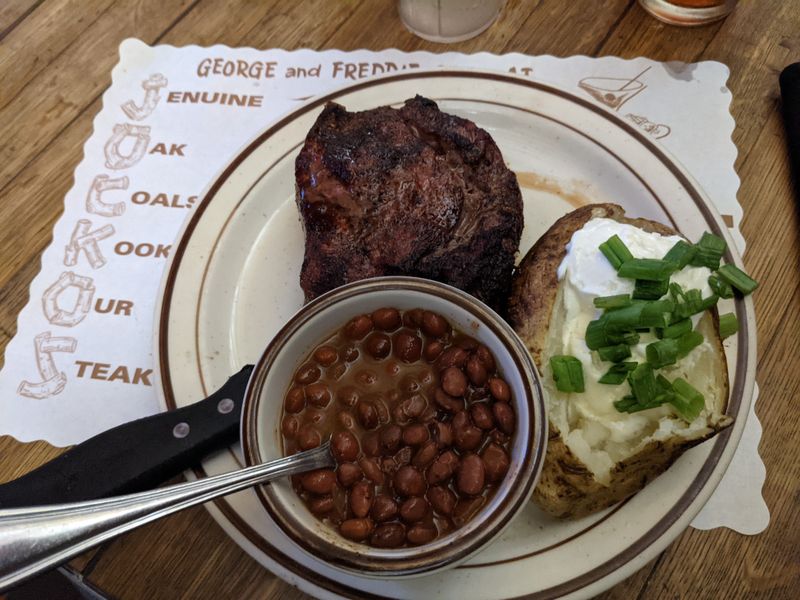
Steaks might steal the spotlight, but the sides at Jocko’s tell their own story about Central Coast cooking traditions.
Pinquito beans, small pink legumes grown almost exclusively in the Santa Maria Valley, simmer in a savory broth that soaks up smoky flavors from the grill.
These beans have been part of local barbecues since the ranching days, and their creamy texture pairs perfectly with charred beef.
Portuguese sausage adds a spicy, garlicky kick to the meal. The sausages come grilled with a crispy skin that snaps when bitten, releasing juices seasoned with paprika and other spices.
This ingredient reflects the Portuguese immigrants who came to California’s coast to work in dairies and on ranches, bringing their food traditions along.
Every meal starts with a relish tray loaded with fresh vegetables and saltine crackers. Celery sticks, carrot rounds, and other crisp vegetables offer a cool contrast to the hot, smoky main course.
The simplicity feels almost old-fashioned, like something served at a family gathering rather than a restaurant. Bread comes warm, perfect for soaking up bean juice or just enjoying with butter.
The sides don’t try to be fancy or modern, they just do their job of rounding out a hearty meal. Everything on the plate works together, creating a complete dining experience rooted in local history.
Generous Portions Mean Leftovers Are Likely
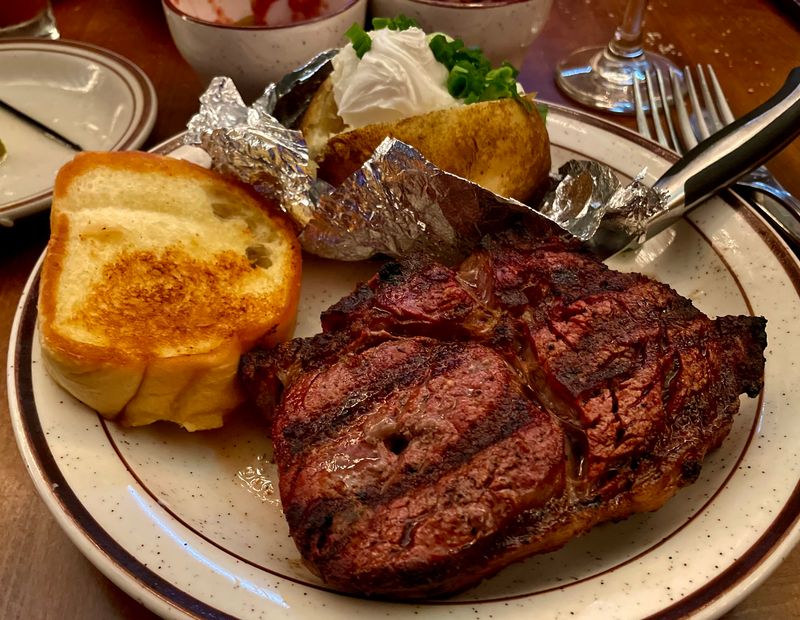
Plates arrive at Jocko’s piled high enough to make even hungry diners pause.
Steaks here aren’t dainty portions designed to look pretty on Instagram, they’re substantial cuts meant to satisfy serious appetites.
A single dinner often provides enough food for two meals, especially when combined with all the sides. The restaurant doesn’t apologize for serving big.
This approach reflects the ranching culture that shaped the area, where meals needed to fuel long days of physical work.
Even though most guests today aren’t heading out to herd cattle, the portions remain true to that generous spirit. Taking home a to-go container happens often enough that nobody thinks twice about it.
Leftover steak makes excellent sandwiches the next day, and the beans reheat beautifully. The value becomes clear when considering how much quality food ends up on the table for the price.
Smaller appetites might want to consider sharing, though the restaurant doesn’t officially offer half portions. Groups sometimes order a variety of cuts and pass plates around family-style.
The focus stays on making sure everyone leaves full and satisfied, even if that means carrying out a bag at the end of the night.
Wood-Paneled Walls Create A Nostalgic Atmosphere
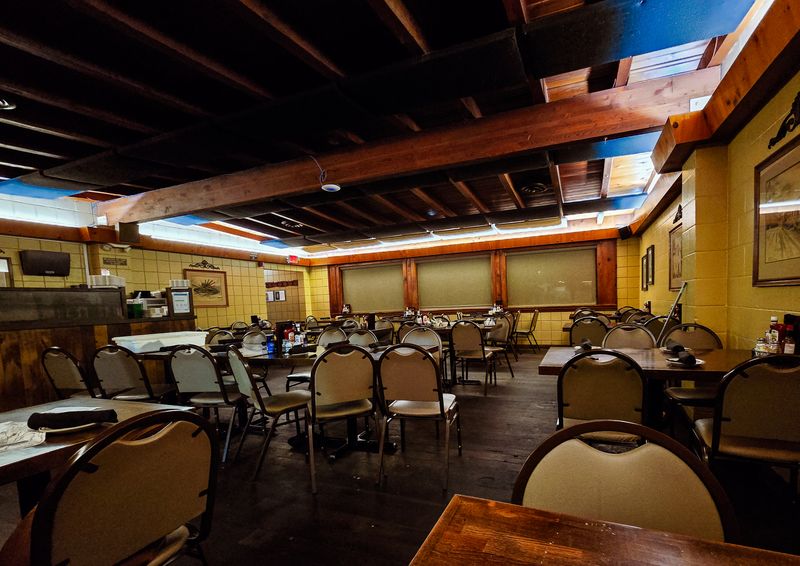
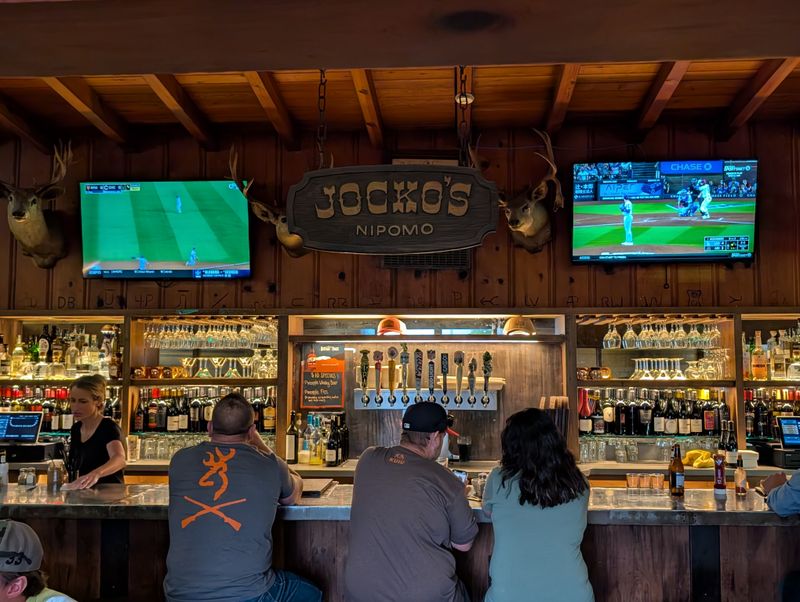
Stepping inside Jocko’s feels like entering a time capsule from California’s ranching past. Dark wood panels cover the walls, worn smooth by decades of use and marked with the patina of age.
Mounted deer heads gaze down from above, their antlers casting shadows in the warm light.
Black-and-white photographs show Nipomo and the surrounding area as it looked generations ago, when cattle ranches stretched across rolling hills. The images capture faces of locals, old buildings, and scenes from community gatherings.
Each photo tells a piece of the region’s story, connecting present diners to the past. The décor doesn’t follow any trendy design concept or try to recreate a theme.
Everything here accumulated naturally over years of operation, creating an authentic atmosphere that can’t be manufactured.
Wooden tables and chairs show their age without feeling worn out, just well-used and comfortable. Lighting stays low enough to feel cozy without making it hard to see the menu.
The space fills with the sounds of conversation, clinking silverware, and the occasional burst of laughter from a nearby table.
Nothing about the interior screams for attention, it just provides a comfortable backdrop for the main event happening on the plates.
Locals And Travelers Mix At The Tables
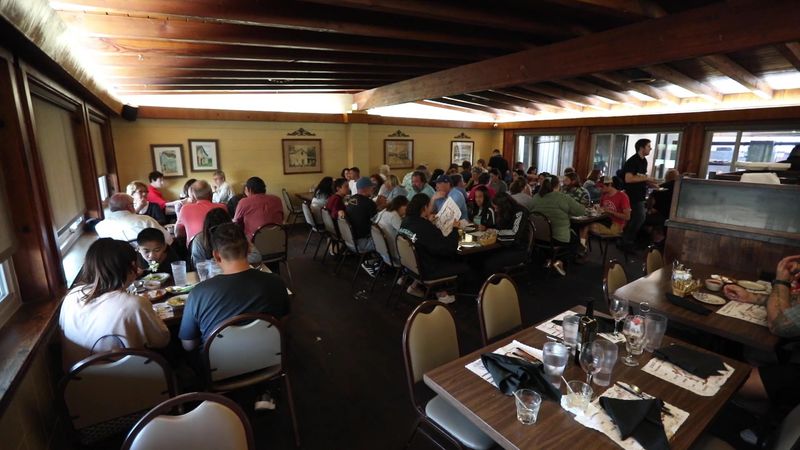
Any given evening at Jocko’s might find ranchers still wearing work boots sitting near tourists who drove up from Los Angeles.
The restaurant attracts a remarkably diverse crowd, all drawn by the same promise of excellent steak cooked the traditional way.
Conversations between strangers sometimes start over shared appreciation for the food. Regulars know the staff by name and have their preferred seating spots.
Some families have been coming here for multiple generations, celebrating birthdays and anniversaries at the same tables where their grandparents once ate.
The continuity creates a sense of community that extends beyond just serving meals. Travelers often discover Jocko’s through word-of-mouth recommendations or online searches for authentic California barbecue.
The drive to Nipomo takes them off the main highway routes, through agricultural land that gives way to small-town streets.
Many arrive curious and leave planning their return visit. Weekend evenings bring the biggest mix of people, from couples on date nights to large family groups.
The noise level rises as the dining room fills, creating an energetic buzz that adds to the experience.
Despite the crowds, service remains attentive and the kitchen keeps pace with orders, sending out steaks that meet the same high standard whether it’s the fifth or fiftieth of the night.
Reservations Help Avoid Long Wait Times
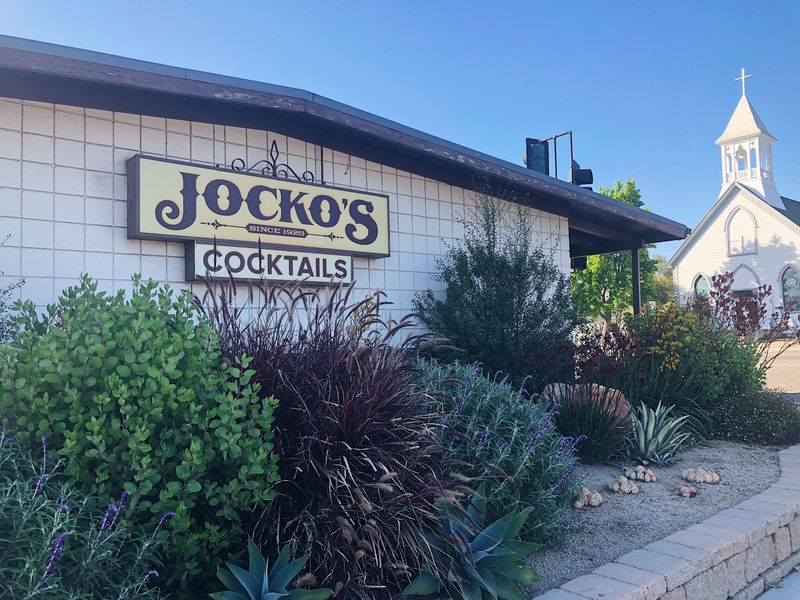
Showing up without a reservation at Jocko’s, especially on Friday or Saturday night, might mean cooling heels in the parking lot for an hour or more.
The restaurant’s popularity creates consistent demand that fills tables quickly once the doors open. Calling ahead makes the difference between walking straight to a table and watching other groups get seated first.
Weeknights tend to be slightly less crowded, though the restaurant still draws steady business even on Tuesdays and Wednesdays.
Locals who know the patterns often plan their visits for off-peak times to avoid the weekend rush. The phone number, (805) 929-3686, connects to staff who can check availability and book tables.
During peak season or holiday weekends, reservations might need to be made days in advance. The restaurant doesn’t take bookings weeks out, so planning too far ahead won’t work.
Calling a few days before the intended visit usually secures a spot, though flexibility with timing helps. Walk-ins still happen and sometimes get lucky with cancellations or early gaps in the schedule.
The waiting area isn’t large, so groups without reservations might find themselves standing outside.
The effort to plan ahead pays off in a smoother, more relaxed start to the meal, without the stress of wondering when a table will open up.
Operating Hours Favor Dinner Service
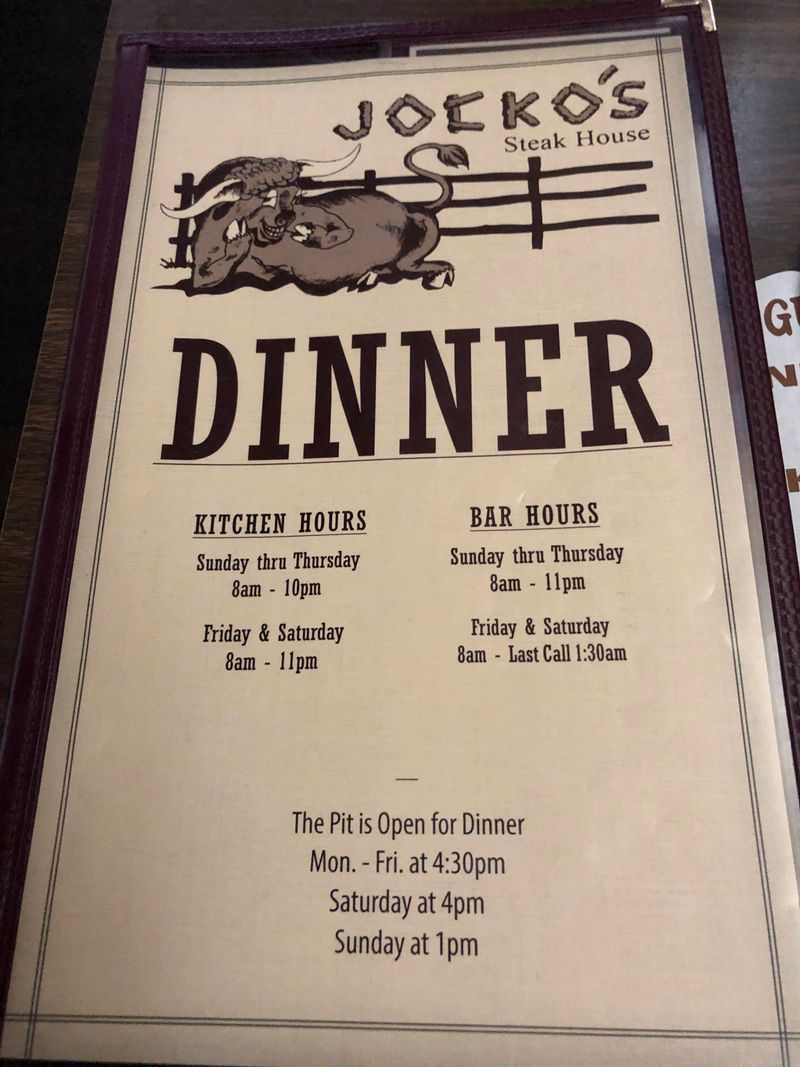
This schedule reflects the focus on being a dinner destination rather than trying to serve all dayparts. Weekends bring extended hours, with the restaurant opening at 4 PM on Saturdays and 1 PM on Sundays.
The earlier start allows for late lunch or early dinner options, which helps spread out the crowd somewhat. Closing time remains different for almost each day, including different closing times for bar and kitchen.
The lack of breakfast or lunch service during the week keeps the operation focused on what they do best.
Preparing steaks and maintaining the oak fire pit requires significant setup time and attention. Concentrating on dinner service ensures consistent quality without stretching resources too thin.
Arriving close to opening time often means shorter waits and a quieter dining room. The atmosphere builds as the evening progresses, with the busiest period typically hitting between 6 and 7:30 PM.
Later arrivals, closer to 8 PM, might find the pace more relaxed as the initial rush subsides, though the kitchen keeps cooking until the last order goes in.
Limited Menu Options For Non-Meat Eaters
Jocko’s makes no apologies for being a steakhouse first and foremost. The menu centers entirely on grilled meats, with most dishes featuring beef as the star ingredient.
Vegetarians considering a visit should know that options will be limited to sides and possibly a salad. The pinquito beans, when prepared without meat additions, can serve as a protein source for those avoiding animal products.
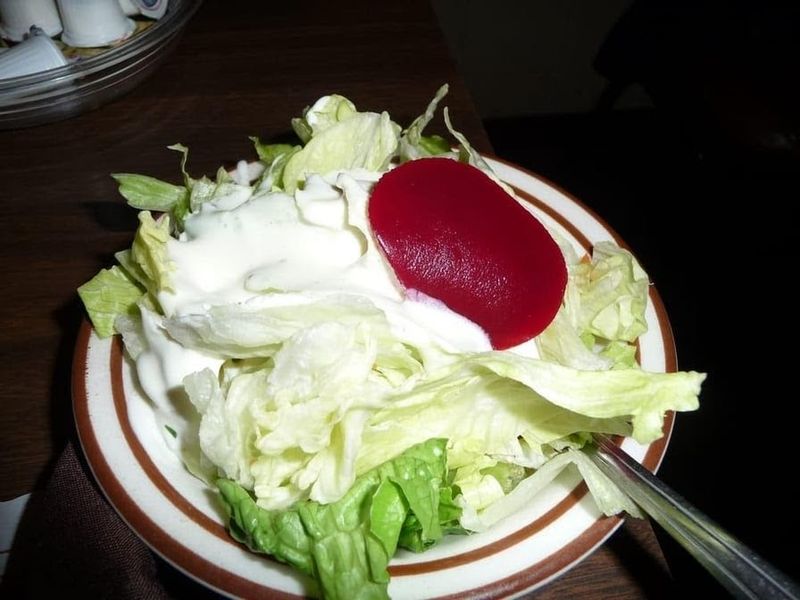
Salads appear on the menu, though they’re clearly designed as appetizers or sides rather than main courses. The relish tray of fresh vegetables comes with every meal, offering raw produce as part of the experience.
Some vegetarians who come with meat-eating companions choose to make a meal from multiple side dishes. The restaurant doesn’t typically advertise vegetarian entrees, and the kitchen isn’t set up to prepare elaborate meatless alternatives.
This isn’t a place trying to cater to every dietary preference, it stays true to its barbecue roots. Those with dietary restrictions beyond vegetarianism should call ahead to discuss options with the staff.
The straightforward cooking methods mean fewer hidden ingredients, but cross-contamination from the grill might concern some diners.
The restaurant works best for groups where everyone enjoys or at least tolerates a meat-focused meal, as the entire experience revolves around that central tradition.
Nearly Five Decades Of Community History
Since opening its doors in the early 1970s, Jocko’s has served as more than just a place to eat in Nipomo.
The restaurant became a gathering spot where community members celebrated milestones, closed business deals, and introduced visitors to local food traditions.
Nearly fifty years of operation created countless memories for families who returned again and again. The consistency of the food and experience over decades built trust that newer restaurants struggle to establish.
Recipes and cooking methods remained largely unchanged, giving multiple generations the chance to taste the same flavors their parents and grandparents enjoyed.
This continuity matters in a world where restaurants frequently change concepts or close entirely. Local history intertwines with the restaurant’s story, as Jocko’s witnessed Nipomo evolve from a quiet agricultural town to a growing community.
The photographs on the walls document these changes, showing how the area looked when the restaurant first opened.
Staff members, some of whom have worked here for years, carry forward the traditions and standards set decades ago.
The restaurant’s longevity speaks to its ability to deliver what customers want without chasing trends or making unnecessary changes.
While other establishments come and go, Jocko’s kept doing what it does best, earning a reputation that extends far beyond the Central Coast and drawing diners willing to travel significant distances for an authentic taste of California’s ranching heritage.