This Unassuming Nebraska Charity Boutique Is Hiding Designer Gems At Thrift-Store Prices
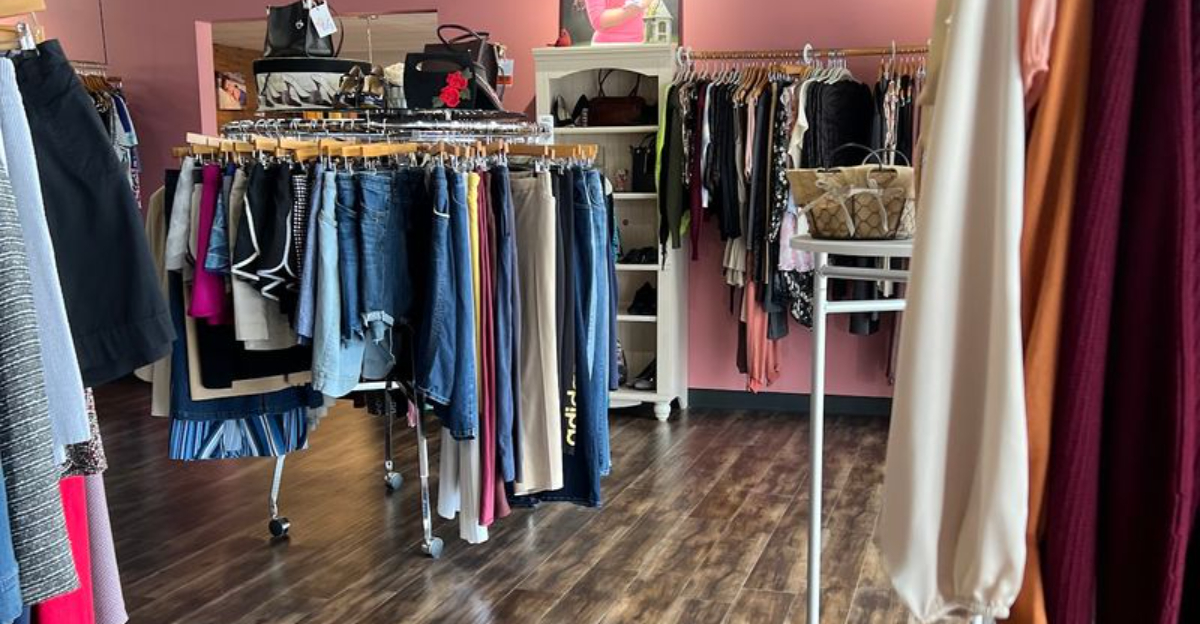
A designer label hits differently when the price tag beside it looks like somebody forgot a zero. That possibility keeps your eyes moving here.
The racks mix everyday secondhand pieces with the occasional name-brand surprise, turning a casual browse into a hunt where checking one more hanger suddenly feels important.
There is no guarantee what will be waiting, which is precisely the appeal.
Nebraska bargain hunters get an extra reason to feel good about shopping here, since purchases support a charitable mission rather than simply feeding another closet cleanout.
The smartest approach is curiosity over expectations.
Inspect the handbags. Check labels you normally ignore. Try on the jacket that looks questionable on the hanger. Great thrift finds rarely announce themselves from across the room.
Browse The Racks For High-End Clothing At Secondhand Prices
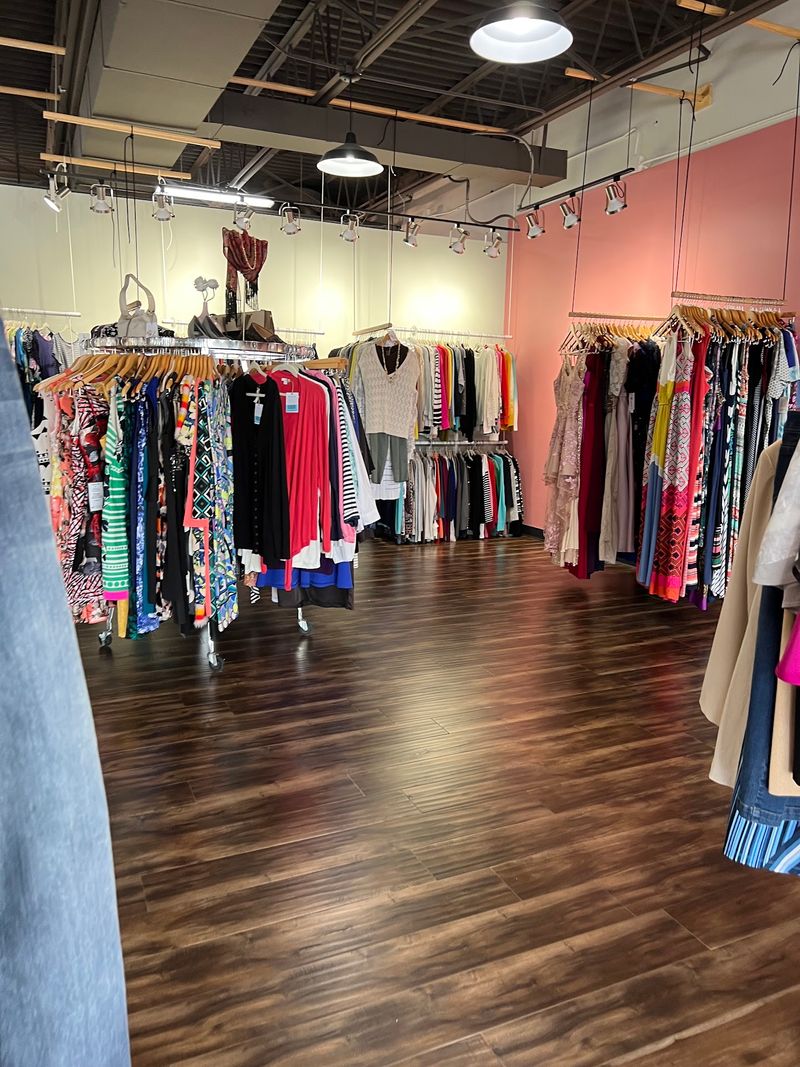
Walking the main floor here feels less like digging and more like editing.
Clothing is arranged by garment type first, then by size, and finally by color, so a shopper looking for a size medium blouse does not have to paw through forty hangers of unrelated items.
The selection leans toward women’s and teen apparel, with shirts, pants, jackets, dresses, and athletic wear all given their own space.
Recognizable labels turn up regularly, though the mix changes constantly since everything arrives through donations.
Prices at this 12100 W Center Rd Unit 610, Omaha, Nebraska 68144 spot sit above what a traditional thrift store might charge, and the reason is straightforward. Items are screened for condition, so torn seams and stains don’t make it to the floor.
That screening saves time in a real way. Instead of checking every armpit and hem, a shopper can focus on fit and whether the piece actually earns a spot in the closet.
A useful approach is to arrive with a loose goal rather than a rigid list.
Someone hunting a specific brand in a specific size may leave empty-handed, while someone open to a good blazer or a well-made sweater usually finds something.
Fitting rooms are available, and trying things on matters more with secondhand clothing since sizing standards shift between brands and decades.
Check The Designer Handbags Before Someone Else Finds Them
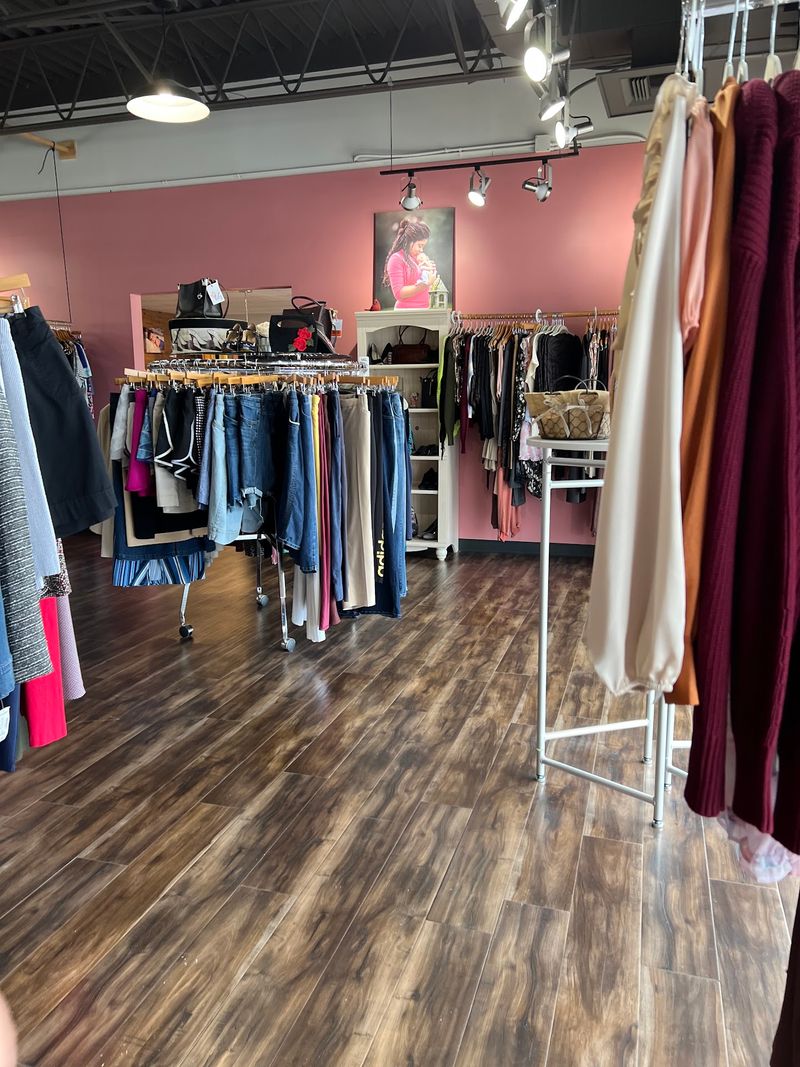
Handbags move fast in a shop like this, and that is worth knowing before a visit.
Because purses are one of the most donated accessory categories and also one of the most wanted, the selection on any given day depends almost entirely on timing.
Leather bags, structured totes, small crossbody styles, and evening clutches all appear in rotation.
Some carry familiar designer names, and the pricing on those pieces is generally set well below original retail while still reflecting the quality of the material.
Inspecting a bag properly takes about a minute. Open it fully, run a hand along the lining, test the zipper both directions, and check the corners where leather usually wears first.
Hardware is the other tell. Clasps and buckles that still snap firmly suggest a bag that was cared for rather than crammed into a closet.
Shoppers who visit more than once tend to have better luck, since new inventory reaches the floor on an ongoing basis rather than in scheduled drops.
A quick loop past the accessory area early in a visit makes sense, before energy gets spent on the clothing racks.
Every handbag sold sends money straight toward housing and program support for Bethlehem House residents, which adds a different kind of value to the purchase.
Hunt Through Shoes For Labels You Would Not Expect At A Charity Shop
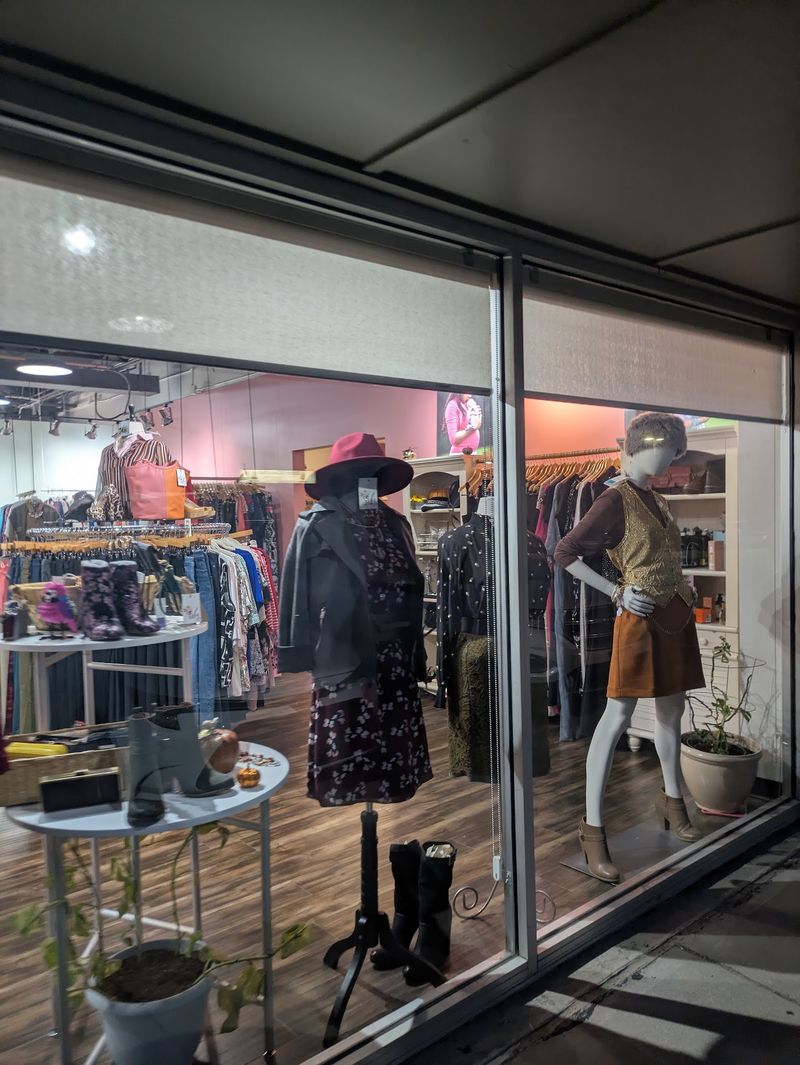
Footwear is where plenty of first-time visitors raise an eyebrow.
The shoe section carries heels, flats, boots, sandals, and athletic styles, and the labels attached to them are often names associated with department stores rather than donation bins.
Shoes are grouped so sizes stay together, which cuts down on the frustration of spotting a perfect pair only to discover it runs two sizes too small.
Pairs are kept together as well, a small detail that makes browsing far less annoying.
Condition varies more with shoes than with clothing, so a close look pays off. Checking the inside heel, the sole tread, and the shape of the toe box gives a fast read on how much life is left.
Leather shoes are often the smartest buy since they can be cleaned, conditioned, and resoled. Fabric and synthetic pairs are harder to refresh once they show wear.
Bringing along the socks or tights normally worn with a given style helps judge fit accurately. Feet also swell through the day, so trying shoes on later in the afternoon can prevent a purchase that pinches later.
Formal footwear tends to be a strong category here, which comes in handy for weddings, graduations, and school dances without a full-price receipt.
Look Beyond Clothing For Jewelry Scarves And Other Accessories
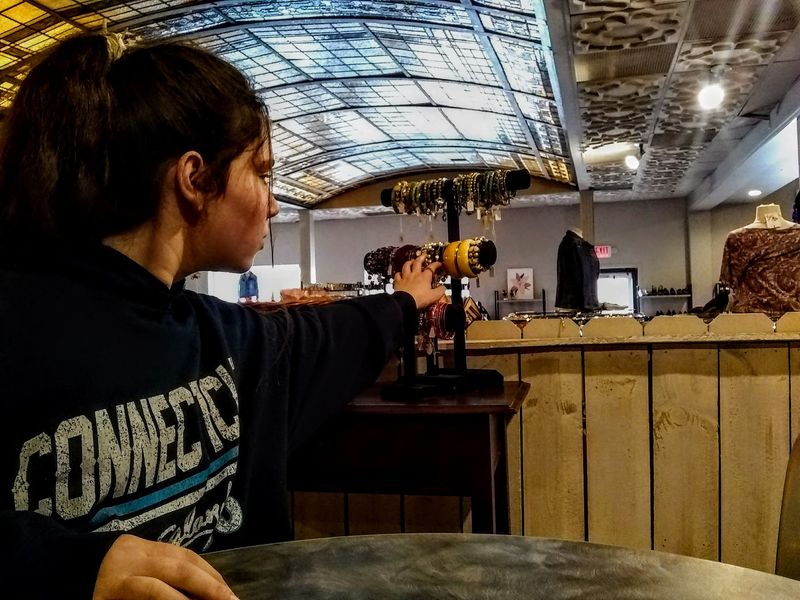
Accessories are the quiet workhorses of this store. Necklaces, earrings, bracelets, and costume jewelry fill display areas near the front, and they are often the pieces that pull an outfit together for very little money.
Scarves deserve special mention because they resell beautifully. Silk and wool wraps hold up for years, take up almost no closet space, and can change the feel of a plain top instantly.
Costume jewelry here spans simple everyday studs to statement pieces meant for an evening out. Since these items are small and inexpensive, experimenting with a style outside the usual comfort zone carries low risk.
A practical tip is to hold jewelry up near the face under the store lighting before deciding. Metal tones read differently against different skin tones, and what looks striking on a display board may not work once worn.
Clasps are the main thing to inspect on necklaces and bracelets. A sticky clasp is usually a cheap fix at a jeweler, but a broken one may not be worth the trouble.
Shoppers who arrive for a single item often end up leaving with an accessory instead, and that seems to be part of the charm of the accessory wall.
Dig Into The Denim And Boutique Dress Sections
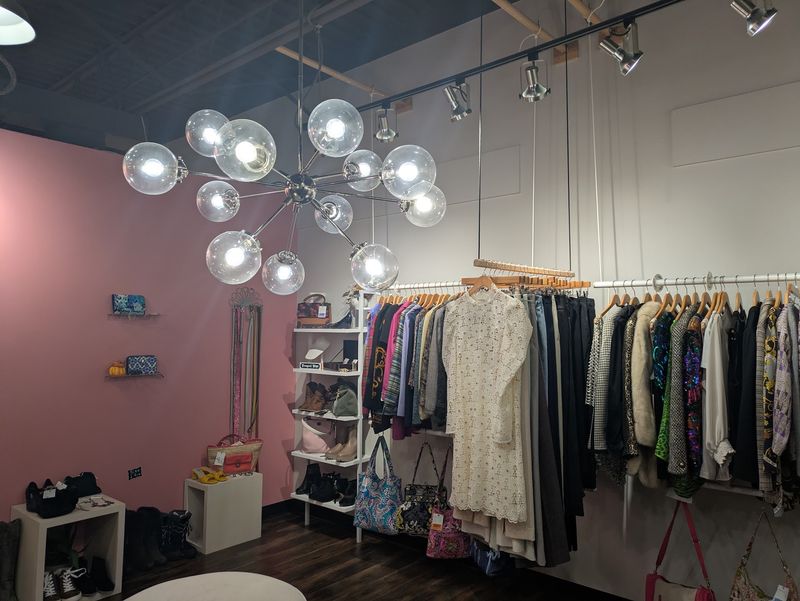
Denim and dresses tend to be the two categories that keep regulars coming back.
Jeans arrive in a wide range of cuts and sizes, and buying secondhand denim has a real advantage since the fabric has already been broken in and washed enough to reveal its true shape.
Trying denim on is not optional. Two pairs labeled the same size from different brands can fit completely differently, and the mirror settles the question in seconds.
The dress section covers casual sundresses through formal gowns, and the formal selection is often deeper than shoppers expect from a resale shop.
Homecoming, prom, weddings, and holiday parties all create demand, and this is a reasonable first stop before paying full retail elsewhere.
Because formal wear is usually worn once or twice, many gowns arrive in excellent shape. Checking the zipper, the hem, and any beading or sequins for missing pieces is the smart routine.
Timing helps for special occasion shopping. Starting the search a few weeks before an event allows for return visits, since a single trip may not surface the right color or length.
Alterations should factor into the budget too, though a tailored secondhand dress often still costs less than an off-the-rack option.
Watch For Fresh Pieces Added To The Sales Floor
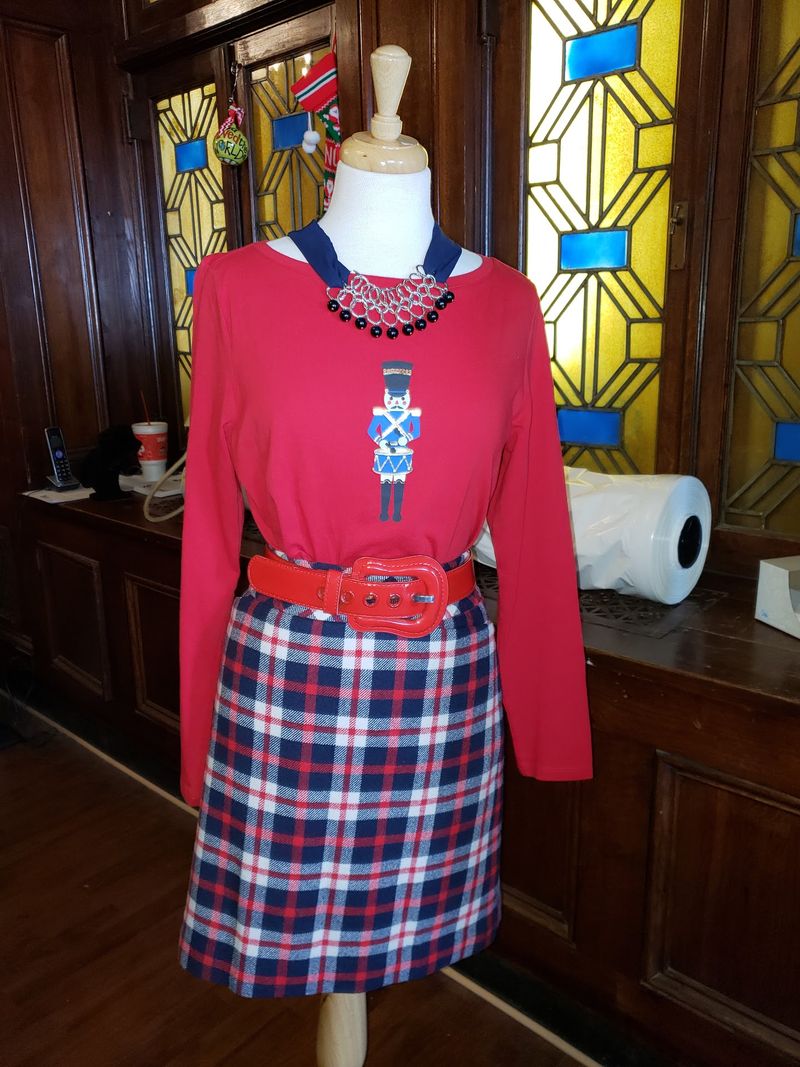
New inventory is the engine of this whole operation. Because stock comes from community donations rather than wholesale orders, the sales floor shifts continuously and no two visits look quite the same.
Fresh items are added on an ongoing basis, which explains why some shoppers stop in weekly rather than monthly. A rack that held nothing interesting on Tuesday may hold three worthwhile pieces by Friday.
That rhythm changes how someone should shop. Rather than treating a visit as a single shot at finding everything, it works better to think of it as one look at a rotating collection.
Anyone hunting for something specific benefits from short, frequent trips instead of one long marathon.
Fifteen focused minutes checking a favorite section can be more productive than an hour of aimless wandering.
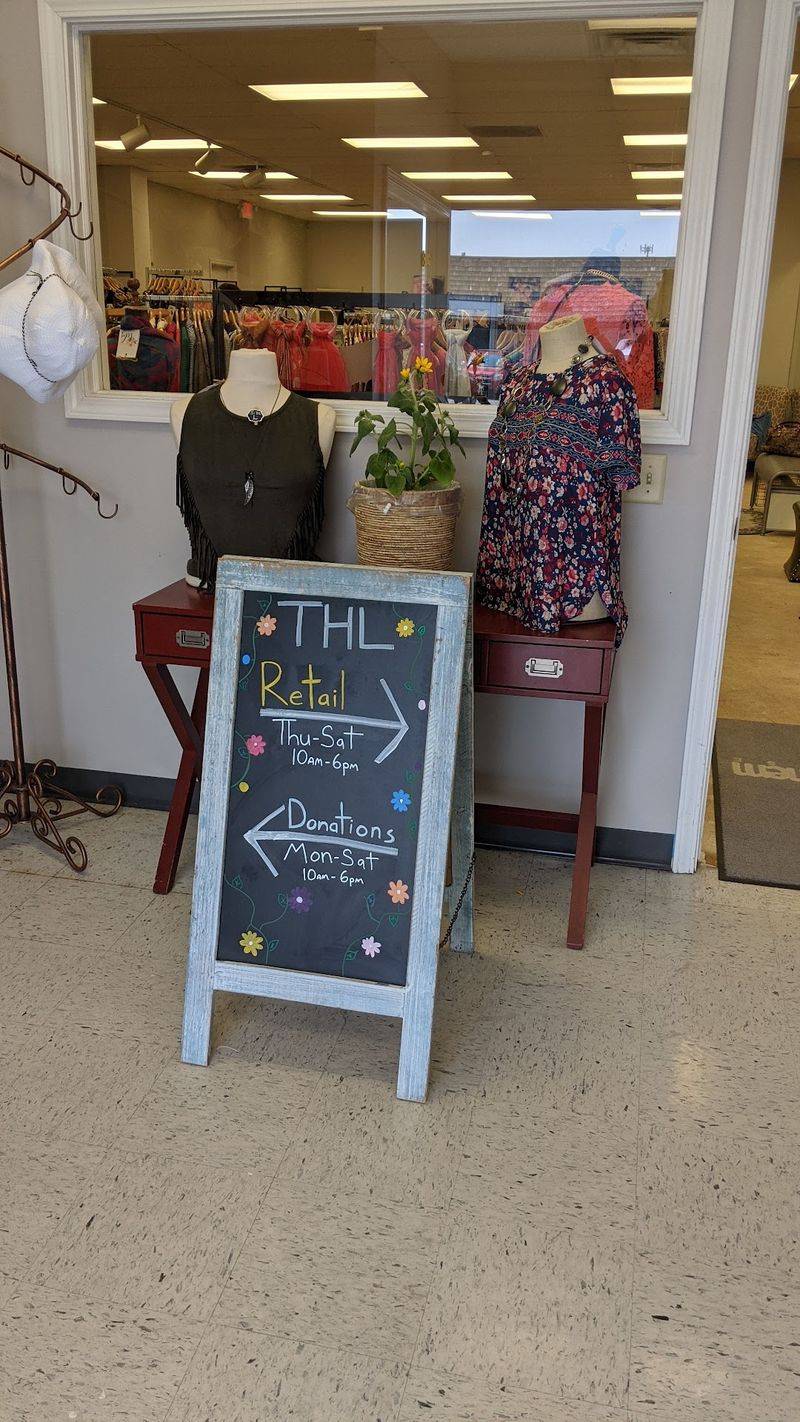
Hours run Monday through Saturday from 10 a.m. to 6 p.m., with Sundays closed, so weekday mornings and late afternoons both work for a quick pass. Weekends generally draw more foot traffic.
Holding onto a mental list of sizes and needs helps, since good finds go quickly and hesitation often costs the item. There is no layaway on a one-of-a-kind blazer that fits perfectly.
Shop Knowing Every Purchase Supports Bethlehem House
Behind the price tags sits the reason the shop exists at all.
Proceeds from sales provide direct financial and program support to Bethlehem House, a nonprofit in Omaha that serves pregnant and parenting women facing crisis.
The organization’s mission centers on offering a home, hope, and empowerment through life-affirming services.
Money raised at the boutique funds housing, educational opportunities, and mentorship programs for residents.
That connection makes the shopping experience feel different from a standard resale run.
A sweater purchase is still a sweater purchase, but the dollars stay local and go toward specific programs rather than a corporate ledger.
The boutique has been serving the community since 2015, which means it has had years to refine both its inventory standards and its pricing approach.
Affordability remains part of the stated goal, so beautiful clothing stays within reach for a wide range of budgets.
Volunteers and staff help keep the operation running, and the friendly reception visitors describe seems tied to that shared purpose. People who care about the cause tend to make good hosts.
Bring Gently Used Women’s And Teen Clothing To Donate
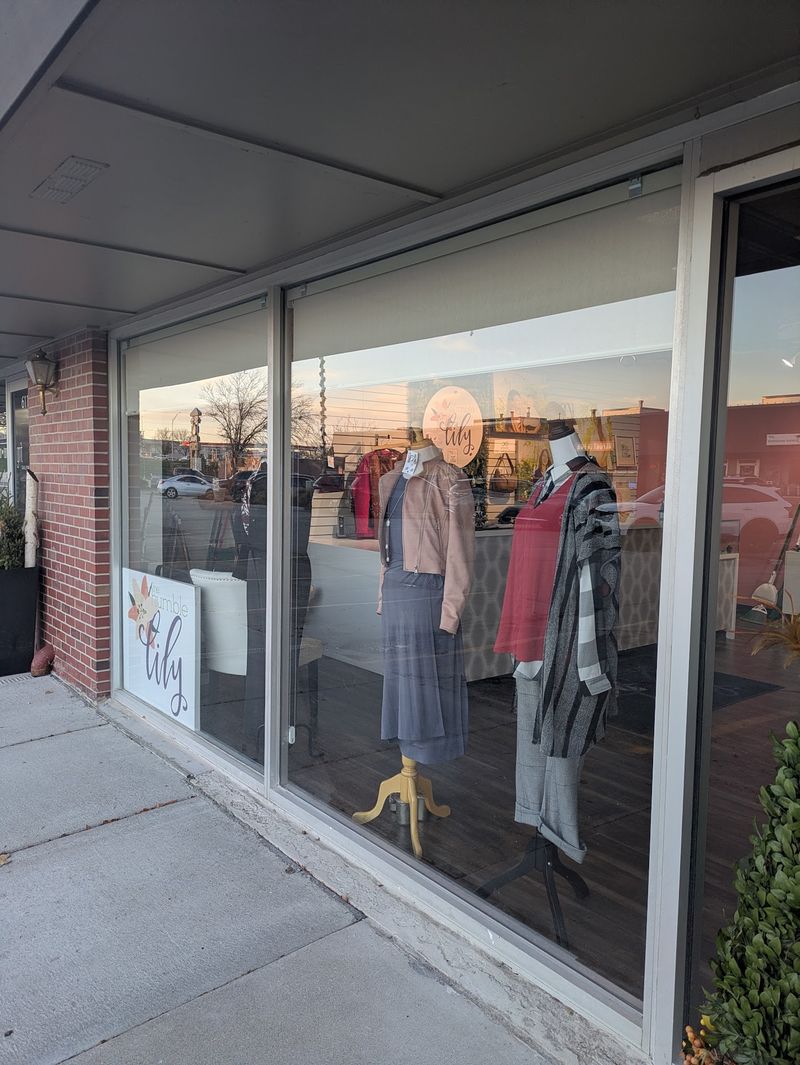
Cleaning out a closet has a clear destination here. Donations of gently used clothing for women and teenagers in all sizes are accepted, including shirts, pants, dresses, shoes, necklaces, and athletic wear.
Drop-offs happen at the boutique during regular business hours, which run Monday through Saturday from 10 a.m. to 6 p.m.
A tax receipt is provided for contributions, so keeping a simple written list of what gets donated is worth the effort.
There are limits on what can be taken. Household items and furniture are not accepted, so those belongings need a different home.
Larger donations or questions about unusual items should go through Bethlehem House directly.
Clothing donations specifically belong at The Humble Lily rather than the residential facility, which keeps the sorting process manageable for staff.
Preparing items well makes a real difference. Laundering everything, checking pockets, pairing shoes together, and folding pieces into sturdy bags or boxes saves volunteers hours of work.
Honesty about condition helps too. Anything stained, torn, or heavily worn will not make it to the sales floor, so those pieces are better used as rags at home than passed along.
Quality donations translate directly into funding for housing and mentorship programs.